Tracing the river of time back to the late 19th century, when the German Empire extended its tentacles across the world and set foot on the Shandong Peninsula, the tranquil Jiaozhou Bay caught their strategic eye. Under the guise of a territorial lease in 1897, the Germans not only constructed a fortified military seaport but also harbored ambitions to create a miniature “European special zone” right on East Asian soil. Archival materials preserved in the Qingdao Branch Archives alongside detailed surveying maps executed from 1907 still retain the primordial traces of an ambitious urban blueprint. In 1901, under the direct guidance of the Jiaozhou Governor’s Office, a revolutionary master planning map was delineated across the rugged landmass spanning the city’s eastern coastline, shaping this area into a special architectural district named Vorzugsgebiet. Here, German military engineers and architects breathed life into every square inch of land with rigorous Western urban planning styles, laying the foundational foundation for an ecological space combined with luxury resort villas ranking among the finest in the Far East at the time.
The turbulence of World War I in 1914 swept away German rule, pushing this land into a new chapter under Japanese military administration. During the Japanese-administered period, architectural imprints continued to be cultivated and expanded, forging a remarkably bizarre yet extraordinarily distinctive composite architectural culture. However, the name that forged a legend and endures forever in the Chinese consciousness—”Badaguan” (The Eight Passes)—only officially took shape during the turbulent Republican era in the 1930s. At that time, the municipal government decided to rename the intertwining roads in this district after eight perilous and celebrated passes in Chinese dynastic history, including Shanhai Pass, Jiaxing Pass, Taiping Pass, Shaoguan, Ningwu Pass, Juyong Pass, Wusheng Pass, and Zijing Pass. Assigning frontier-imbued place names to a coastal European-styled villa space created a unique cultural cross-current, where the grandeur of medieval Chinese history merged seamlessly with the romantic, somber tones of Western Gothic, Baroque, and Renaissance architecture.
Enduring the vicissitudes of modern history, Badaguan is not merely an architectural heritage site or an ordinary resort space, but has gradually evolved into a witness to monumental political turns of the populous nation. During turbulent times, the brilliant scholar Kang Youwei frequently sought out this place to view the scenery, calm his mind, and leave behind poetic praises for the region’s secluded aesthetic, viewing it as a magnificent space on earth. When the People’s Republic of China was founded, Badaguan ascended the political stage once more with an entirely new mission. It was chosen as the “Summer Capital” of the country—a frequent retreat for supreme leaders such as Chairman Mao Zedong, Premier Zhou Enlai, Commander-in-Chief Zhu De, and numerous other dignitaries within the Party and State. Amidst the tranquil ambiance of ancient pine forests rustling in ocean waves and ancient villa walls draped in climbing roses, countless national-level strategic political decisions were deliberated, formulated, and shaped. Badaguan’s allure thereby transcended ordinary tourist sights, evolving into a living museum where imperial pasts, the Republican period, and the republic-building phase harmonize profoundly, bequeathing posterity an invaluable, inimitable cultural-historical heritage.
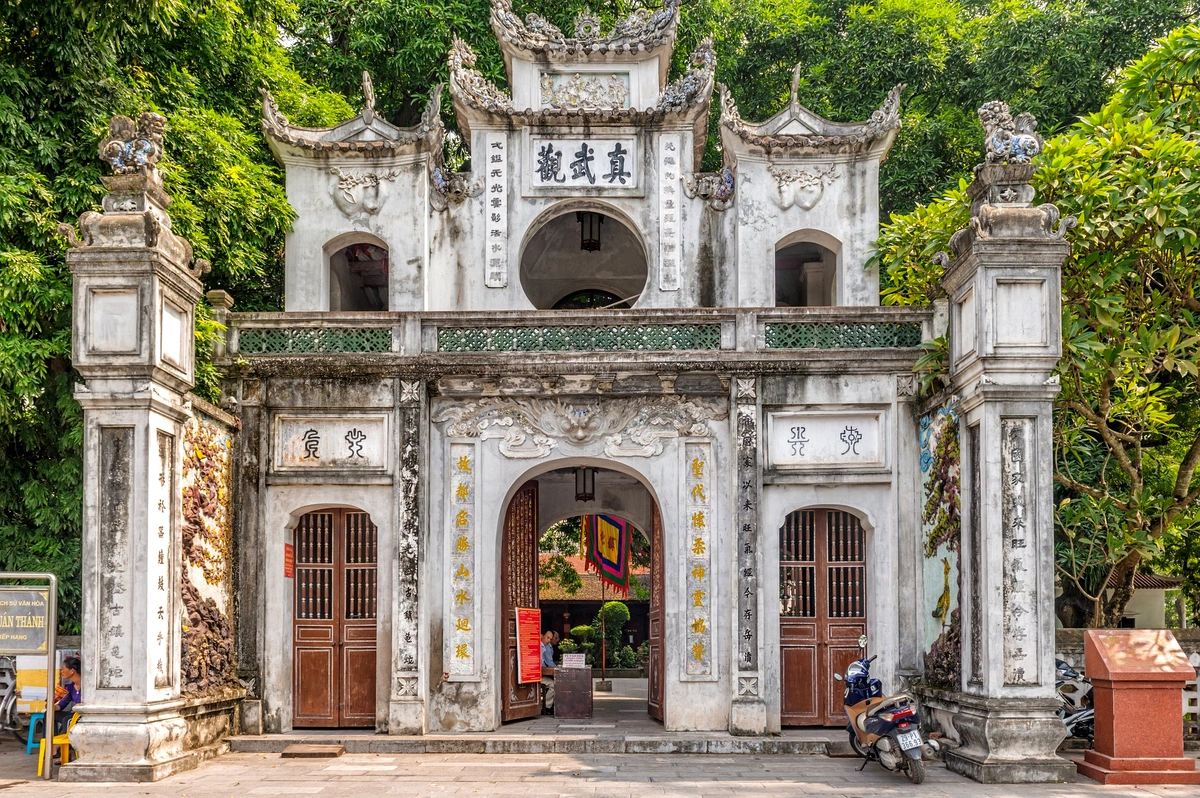
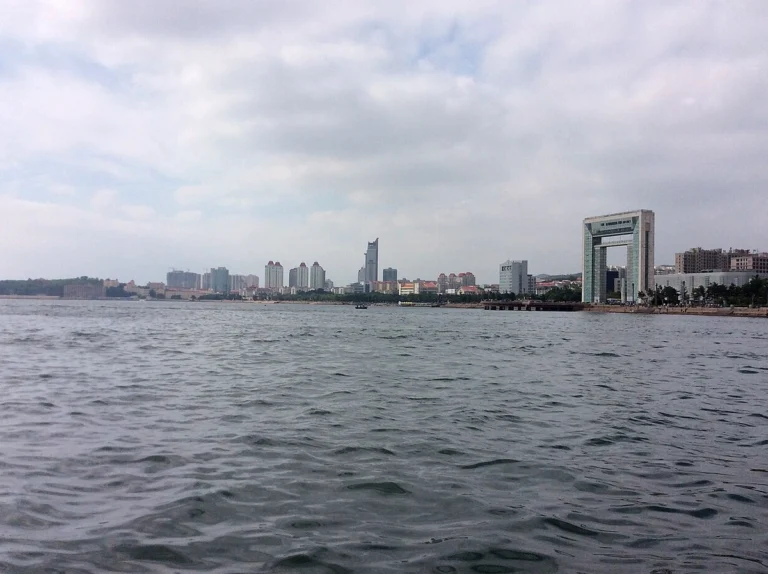
Nestled along the southern coastal strip of Shinan District in Qingdao city, the Badaguan historical villa district (Badaguan) emerges as a premier urban planning and feng shui marvel where open nature and profound humanistic architectural philosophy intersect. Viewed outward from this space, the entire complex’s facade opens toward the vast Yellow Sea, hosting a magnificent convergence of three major bays comprising Jiaozhou Bay, Hoptuán Bay, and Taiping Bay. To the north, the area’s terrain is firmly sheltered by the majestic Mount Tai range alongside subordinate branches of Mount Zhanshan, establishing a classic topographic structure in Eastern culture: backing mountains and facing water. According to traditional feng shui science, this terrain achieves consummate perfection in the principle of sheltering Yin and embracing Yang, as the lofty mountain range behind acts as a sturdy screen blocking biting cold Siberian winter winds, while the front welcomes refreshing, temperate breezes sweeping up from the open ocean in summer. This natural arrangement sculpted a unique microclimate characterized by warm winters and cool summers, transforming this once primordial coastal terrain into an ideal ecological sanctuary across generations.
Viewed from geological and spatial planning perspectives, Badaguan’s topography is a complex yet poetic interlacing of rolling hill ridges forged by centuries of natural erosion and sedimentary coastal belts. Hill slope gradients were calculated and retained at gentle angles, sufficient to prevent rainwater runoff stagnation while creating expansive ocean vistas from every elevated vantage point in the area. With three sides bordering the sea, the coastline curves naturally with an interspersing of elevated rocky headlands and smooth sandy beaches, among which Bathing Beach No. 2 stands out most prominently, having witnessed the city’s historical ups and downs. When planners laid the foundations for this area, they skillfully harmonized Western Garden City philosophies with Eastern feng shui aesthetic thinking, transforming every inch of land into an ecological architectural artwork with profound depth.
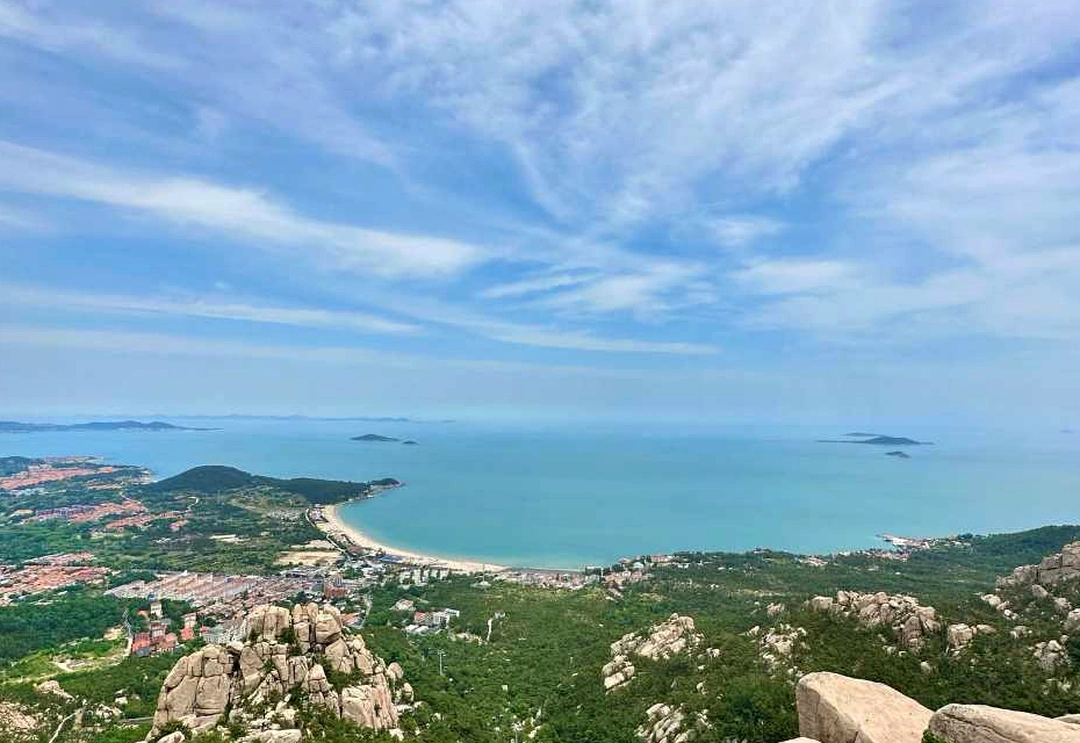
Badaguan’s paramount uniqueness in landscape planning lies in its traffic design philosophy coupled with highly symbolic flora: each road is designated by the name of a historical Chinese military commander or mountain pass, while being exclusively planted with a single dominant tree species to generate a visual language termed “each road a species, four seasons different scenery.” Strolling along shaded avenues here, visitors wander into a living botanical museum featuring delicate shade transitions across seasonal cycles. Along Shaoguan Road, vibrant pink peach blossoms burst into bloom every spring; meanwhile, Zhengyangguan Road is blanketed by soft rambling multiflora roses casting poetic shadows. If Taipingguan Road imparts sweet, delicate fragrances of ethereal flower teas, Shanhaiguan Road stands majestic with towering French plane trees stretching straight upward to greet sunlight. Most distinctively, Zijingguan Road features year-round emerald-green cedars soaring high, casting cool shadows to establish a somber, secluded, nostalgia-filled ambiance.
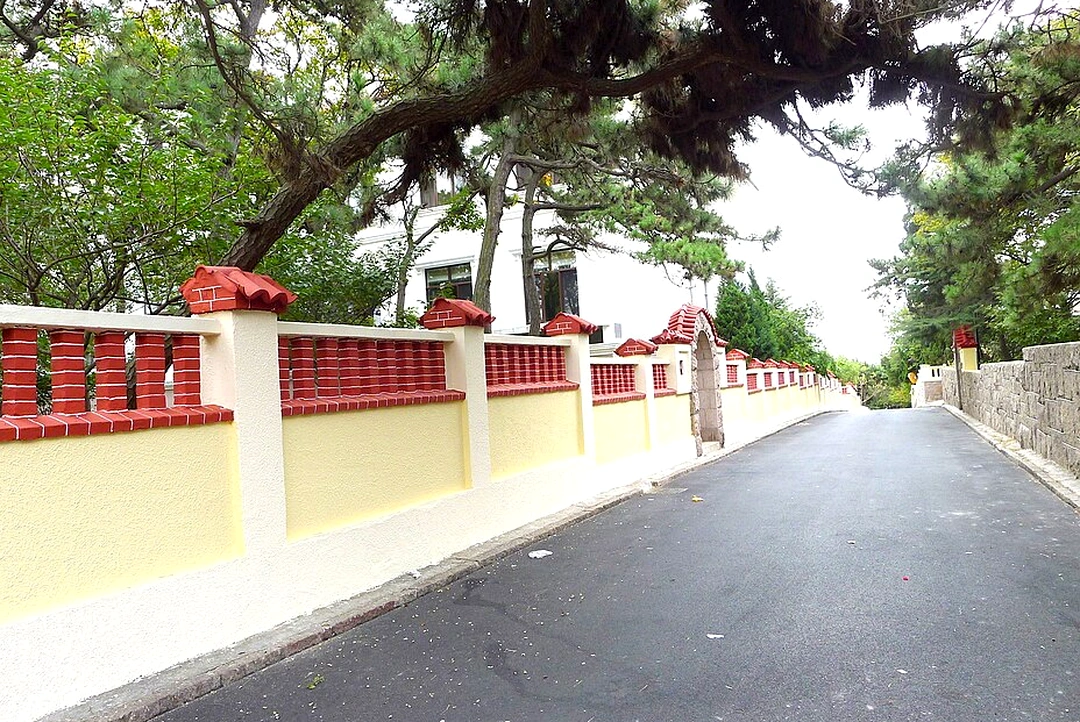
To preserve absolute tranquility and privacy, construction density at Badaguan has long been bound by rigorous legal and technical standards. Villas are prohibited from being built flush against roadways, requiring substantial setbacks behind strict limit lines. This setback, combined with neatly trimmed green hedge fences and somber gray granite walls, forged a secluded architectural space amidst the urban expanse, where outer urban clamor seems completely blocked by natural barricades of foliage and ocean winds. This advanced early infrastructural engineering process, paired with absolute respect for ecological landscape values, enabled Badaguan to retain the intact stature of a miniature architectural kingdom, where time seemingly halts beside floral terraces and ancient tiled eaves.
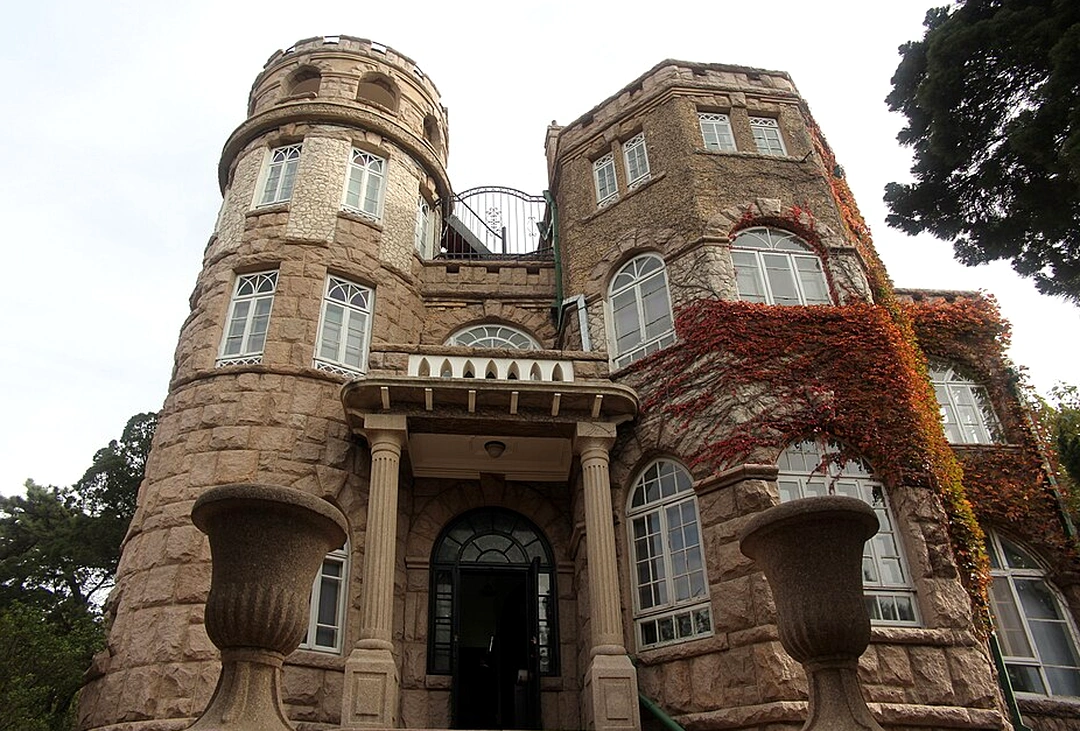
Stepping into the Badaguan historical villa district in Qingdao, distant travelers inadvertently touch temporal gateways to journey backward to the early 20th century, where global architectural art converged and sublimated spectacularly along the breezy Yellow Sea. Celebrated by global experts and travelers with the noble title “World Architectural Museum,” this complex is not merely an elite resort quarter of past eras, but a compendium of living space crafting arts, preserving nearly three hundred century-old buildings imprinted with architectural styles from over twenty worldwide nations. From freezing Russia to the foggy British Isles, from dreamy France and Germany to distinctive contours of Spain, Denmark, America, and Japan, all blend exquisitely atop undulating coastal terrain, forging an immaculate ecological urban structure rarely replicable across Asian soils.
Viewed from construction engineering and material crafting perspectives, each villa at Badaguan stands as an eloquent testament to the ingenuity of talented period architects who skillfully combined Western techniques with Qingdao’s unique indigenous raw materials. Foundations and perimeter walls were commonly forged from locally quarried granite, comprising green and red stone featuring sturdy rubble masonry or unique tiger-stripe granite styles. This combination delivered exceptional ocean storm resilience while establishing a somber, majestic aesthetic base. For superstructure framing, most structures utilized solid brick-wood framing paired with reinforced concrete offering robust durability through historical shifts. Roofs were designed with steep pitches, tiled with red clay barrel or flat tiles—some imported from Europe, others fired locally—to optimize rainwater and winter snow runoff. Most distinctively, indoor millwork across buildings was crafted from imported premium pine and oak, applying meticulous traditional mortise-and-tenon craftsmanship down to every detail, ensuring wooden frameworks retain original shapes without warping or distortion despite over a century facing ocean salinity and humidity.
Spanning across this rich architectural landscape, the most iconic and illustrious embodiment of European castle crafting art at Badaguan is Huashi Villa (Stoneman House), present impressively at No. 18 Shaoguan Road. Commenced in 1930 by Russian architect Lazarov, this structure once served as an authoritative resort and headquarters for Chiang Kai-shek alongside other period luminaries like Qingdao’s mayor. Huashi Villa represents a flawless synthesis of classical European castle styles, majestic Baroque breaths, and noble Victorian architectural touches. Its most striking visual accent resides in exterior walls entirely clad in intentionally rough-hewn granite, producing a weathered, archaic textured surface. Soaring amidst green pine canopies is a tall tower where from topmost window frames, observers can capture panoramic vistas of Taiping Bay’s poetic scenery and rolling waves ahead.
Alongside Huashi Villa’s somber, majestic beauty, Badaguan conceals a sweet fairy-tale masterpiece named Princess Villa, quietly located at No. 10 Juyongguan Road. Constructed in 1931, this villa immediately evokes Nordic fairy tales featuring steep soaring pitch roofs, exterior walls coated in elegant light-blue washed stone render, paired with highly refined, unique half-timbered styling. Lacking stone fortress solemnity, Princess Villa emerges as a youthful, soft, and poetic accent amidst sprawling foliage, completing the overarching picture of a world architecture complex rich in historical value and practical scale while achieving the pinnacle of real-world living space sculpture.
When night falls, draping a thin mist laden with sea salt over maple canopies and ancient pine forests of the Badaguan Historical Villa District, this space does not plunge into conventional museum slumber, but transitions into a somber, aristocratic, and highly aesthetic nocturnal rhythm. To delicately balance the mandate of preserving national historical relics intact with escalating night tourism economic demands across the seaside city of Qingdao, local authorities deployed a high-technical and aesthetic project titled Precision Micro-Lighting Project. Instead of glaring high-wattage LED systems disrupting landscapes, overall lighting across eight historic roads underwent strict color temperature control, maintained perfectly between 2700K and 3000K to generate characteristic warm golden light reminiscent of nostalgic candle flames from modern eras. Uplighting techniques—reverse illumination from below—were thoroughly applied by lighting engineers to honor weathered granite textures, European-styled sloped tile contours, and classical Doric columns without inducing light pollution that harms ancient architectural materials or surrounding precious flora.
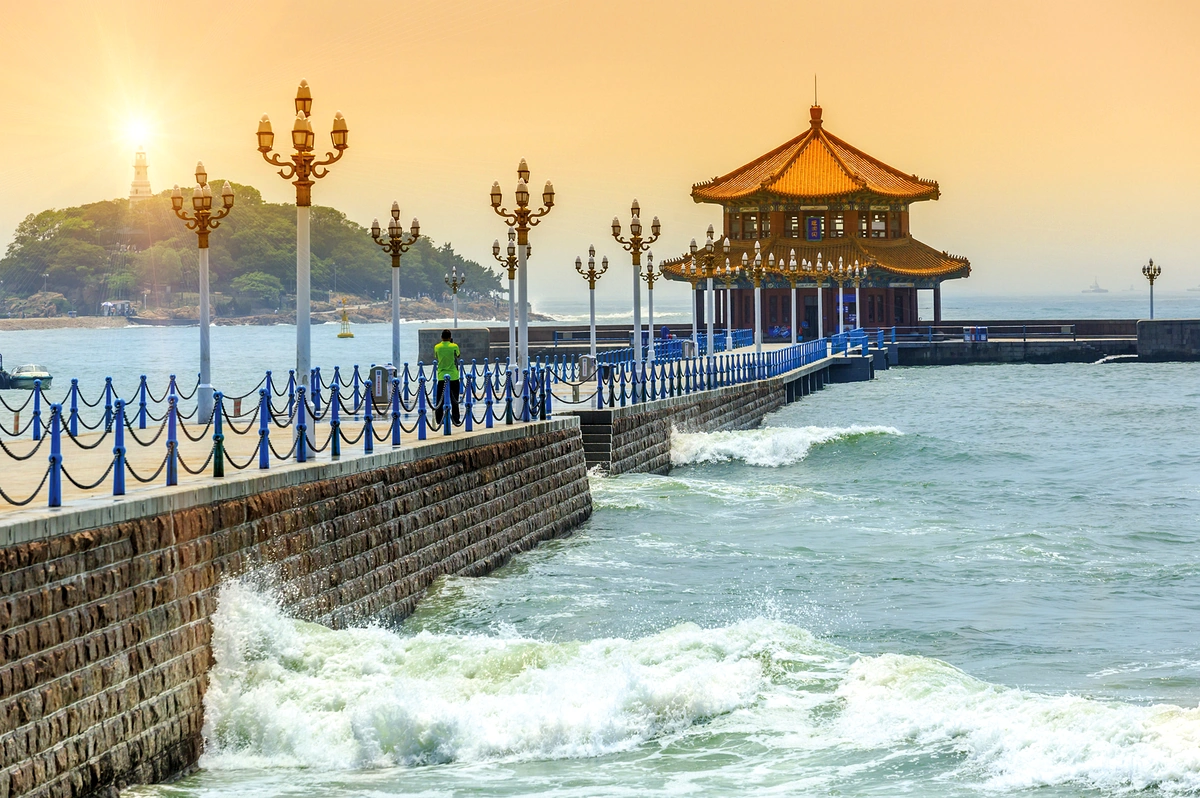
Beneath such magical golden radiance, the intermingling of booming sea breezes, long tree shadows cast on stone fences, and architectural lighting art crafts a cinematic atmosphere where history whispers through every nook. Stepping inside prominent villas opening to evening visitors like Princess Villa or Huashi Villa, the public not only admires artifacts but crosses temporal portals via highly interactive live-action performance arts. Somber historical chants echo across nostalgic parlors, flashmobs spontaneously recreate Republican-era rhythms featuring dancers in cheongsams and elegant Western suits, or European classical string quartets resound beside stained glass windows—all weaving a vibrant East-West cultural cross-current. Historical micro-dramas reenacting German occupation turbulent phases are staged right within villas’ majestic courtyards, offering viewers breathtaking realism regarding an era when Qingdao stood as a focal point of Western colonial rivalry.
During peak annual tourism seasons, Badaguan’s nightlife extends and embellishes via creative cultural markets and traditional handicraft fairs skillfully hosted beneath adjacent green tree canopies. Here, the seaside city’s intangible heritage essence is preserved and conveyed through local artisans’ skilled hands, spanning intricate seashell carving on decorative items to traditional paper-cutting rich in northern identity. Strollers wandering through spaces fragrant with ocean breezes and ancient pine scents, enjoying traditional music while admiring handcrafted art, fully grasp the soul of modern Qingdao: aristocratic and nostalgic in Western architecture, yet warm and profound in Eastern cultural breath.
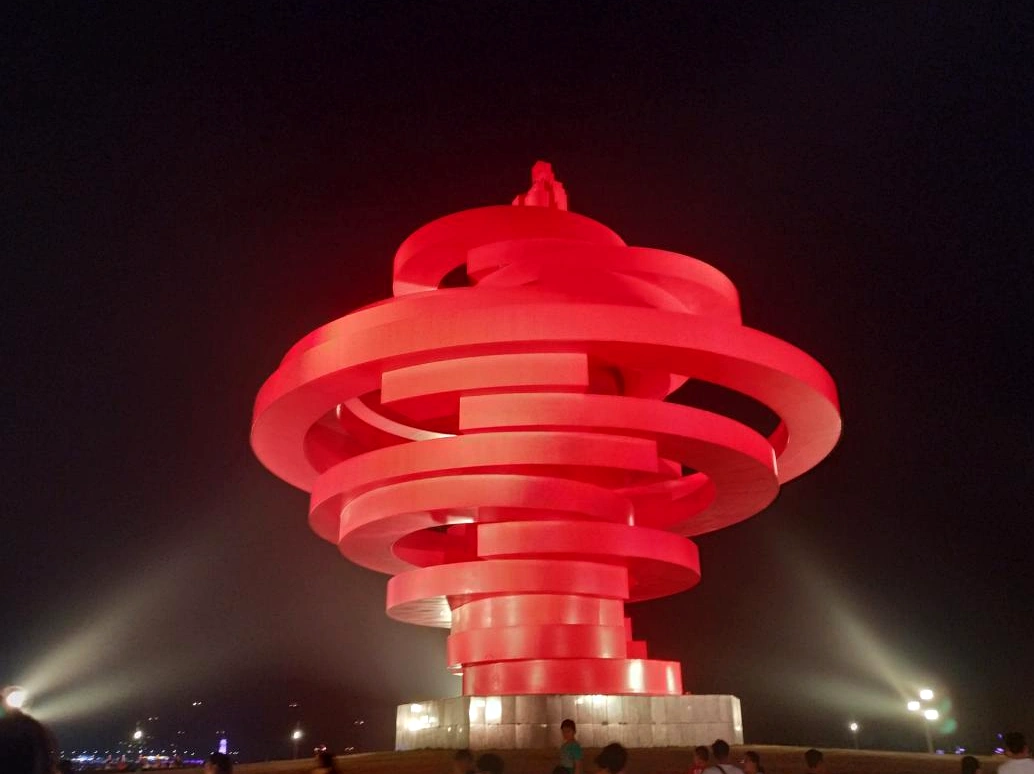
Stepping past shaded ancient tree canopies and somber Western-styled mansions in the Badaguan historical villa district, Qingdao citizens’ daily life rhythms seemingly decelerate, yielding to a distinctive culinary culture rich in Jiaodong Peninsula breaths. Positioned as an elite resort and residential quarter since the early 20th century, commercial dining and eatery services inside Badaguan grounds underwent strict management to preserve the landscape’s tranquil, elegant, and solemn architecture intact. Nonetheless, strolling across contiguous axes smelling strongly of ocean winds like Hoptuán Road or Huanghai Road instantly immerses visitors in a renowned culinary paradise, converging Luxue (Shandong cuisine) school highlights of Jiaodong and long-standing fresh seafood dining traditions of Yellow Sea fishing folk.
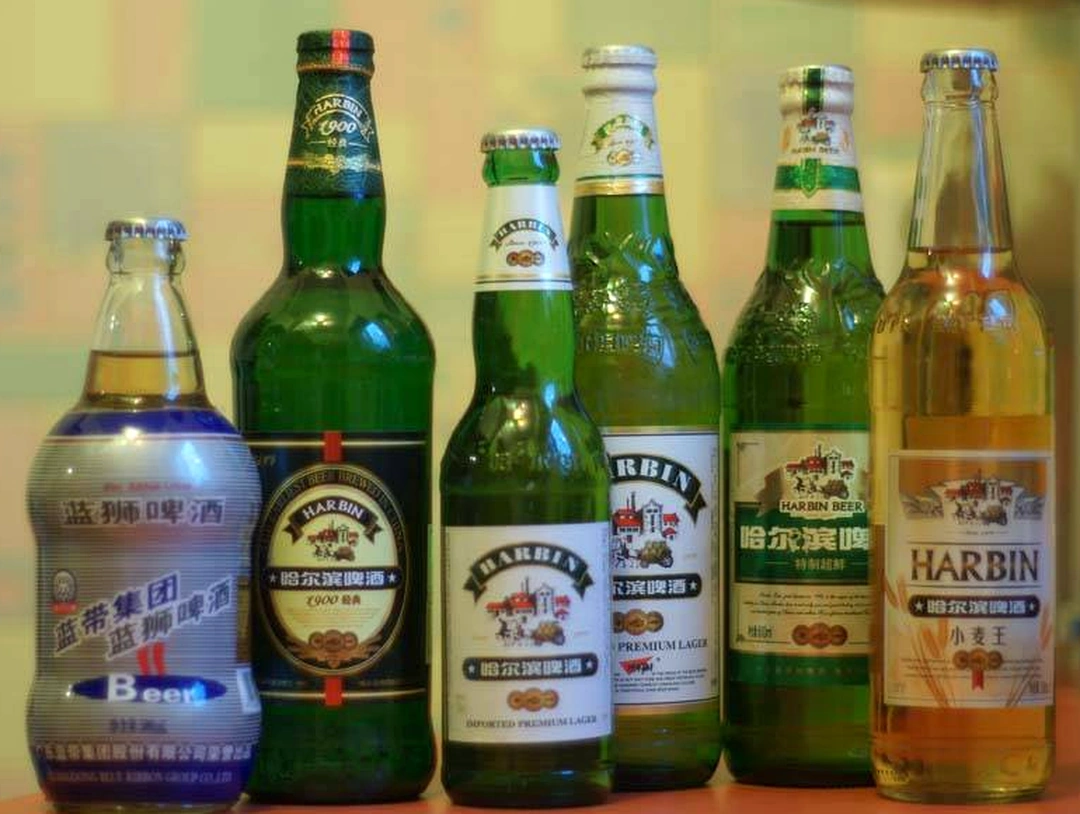
The premier and iconic culinary experience here is the classic pairing of fresh Qingdao draft beer and renowned street-side seafood stalls—a dining culture forged across nearly a century of East-West synthesis. Locals share a common idiom: visiting Qingdao without sitting at street-side stalls enjoying a frothy white-capped mug of pure draft beer alongside steamed clams equals missing the destination entirely. Clams are meticulously selected from local cold waters, typically Manila clams or carpet clams with tightly closed shells, steamed directly over high heat without adding a single drop of water to preserve natural oceanic sweetness and salinity. When the clams’ clean sweetness blends with the bitter-tinged, aromatic malt profile of traditional German-brewed draft beer dating back to the early 20th century, diners experience full-bodied explosions of Jiaodong coastal cuisine.
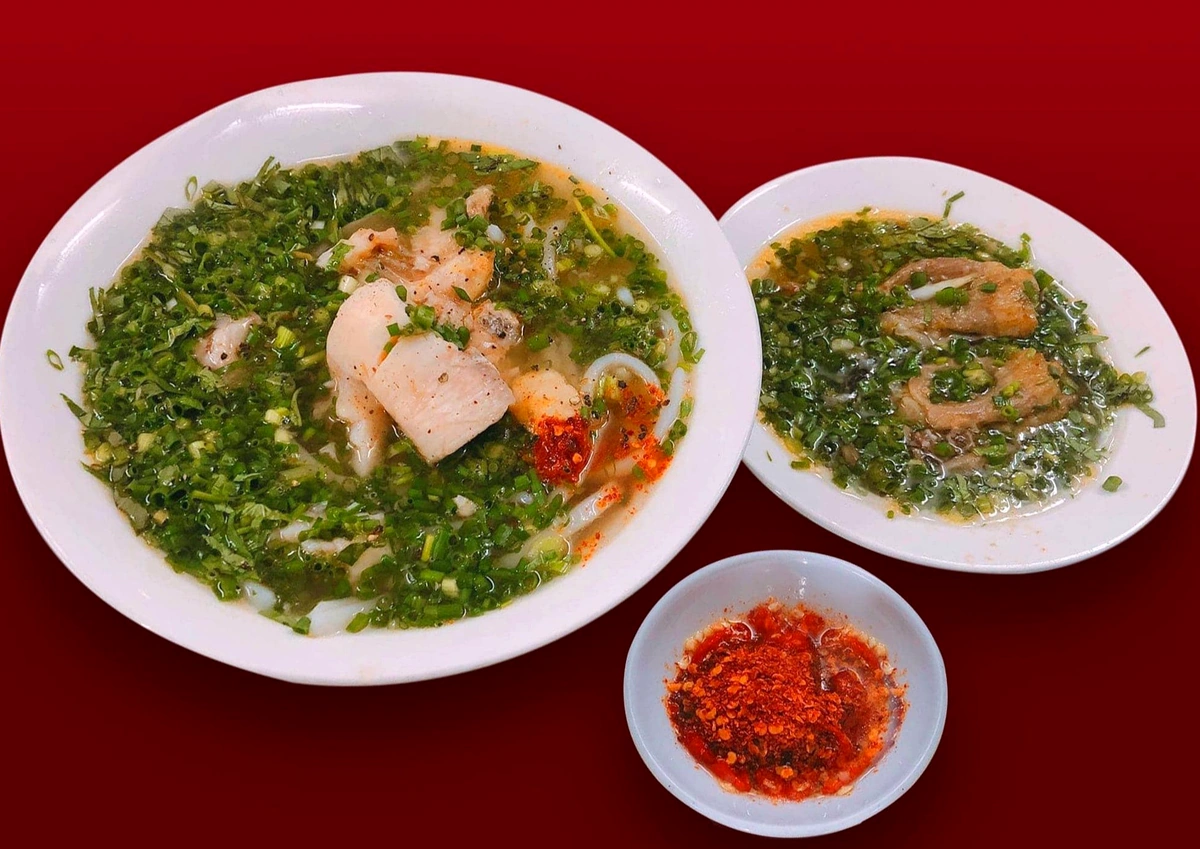
Beyond easygoing beer and seafood cultures, a deeper foundation of fine dining around Badaguan is the refinement and intricacy of Luxue (Shandong cuisine), one of China’s four major culinary schools. Prominent across imperial menus and banquets here is braised sea cucumber with scallion oil (Tongshaohaishen), utilizing scarce seafood harvested from deep Jiaodong Peninsula waters. Nutrient-rich sea cucumbers are simmered for hours alongside fragrant scallion-infused oil and scallion segments, generating a robust, rich yet ethereal flavor, with tender sea cucumber flesh permeated by heirloom spices. Right alongside, stir-fried sea snails (Dubao hailuó) offer a contrasting sensory profile featuring fresh red sea snails caught from the Yellow Sea, quick-fried over roaring flames by local chefs to retain crispness, natural sweetness, and irresistible refreshment.
Traditional flavors around the heritage land continue via characteristic street snacks embodying fishing generations’ souls. Foremost is mackerel dumplings (Mackerel shuijiao), demonstrating meticulous handmade craftsmanship. Fillings combine finely minced wild deep-sea mackerel with pork belly for balanced fat richness, fresh green Chinese chives, and heirloom broths, encased in thin, chewy dough wrappers. Equally enticing is Luting pork trotters, an indispensable appetizer for Jiaodong family gatherings, famous for crispy skin, tender, succulent meat with firm elasticity, served cold to fully appreciate herbal spices deeply infused into every fiber.
To conclude exploring Qingdao’s world architecture museum thoroughly and accurately from cultural researchers’ viewpoints, mastering field guides and spatial application rules serves as an ultimate key for all distant travelers. Regarding ideal exploration timing, Badaguan’s unique floral ecosystem splits spaces into two distinct painting seasons unmissable for photography or Renaissance architecture enthusiasts. Spring, spanning late April to mid-May, features vibrant pink peach blossoms and rambling roses transforming villa slopes into romantic film reels; meanwhile, autumn, spanning late October to mid-November, drapes the entire district in golden robes via century-old plane tree leaves. Optimal transport to core heritage zones utilizes Metro Line 3; visitors disembark at Wushengguan Road Station or Zhongshan Park Station, walking 3 to 5 minutes to cross modern boundaries into past realms. Notably, to preserve tranquil serenity and primordial landscape structures, Badaguan’s entire core zone—spanning vital avenues like Shanhaiguan Road and Juyongguan Road—is zoned strictly as pedestrian-only motor-free areas, requiring all sightseeing via walking on granite stone mats or utilizing standardized public bicycle rentals.
Regarding visitor admission policies and exploration itineraries, the district opens freely full-time for external architecture sightseeing without admission fees, though historical celebrity villas located within like Huashi Villa, Princess Villa, or Butterfly Villa apply individual or combo tickets via official online booking systems. To optimize time without missing architectural masterpieces, field tourism experts recommend a scientific half-day route starting from Taiping Jiao Road 3, passing Zhanshan Road, traversing Zhengyangguan Road to admire mixed Sino-Foreign villas, advancing toward Juyongguan Road to visit Princess Villa, stopping at Shaoguan Road to behold grand Huashi Villa, gazing across breezy Taiping Bay observation decks, before strolling beneath ancient plane tree canopies along Shanhaiguan Road and concluding near Bathing Beach No. 2’s crystal waters.
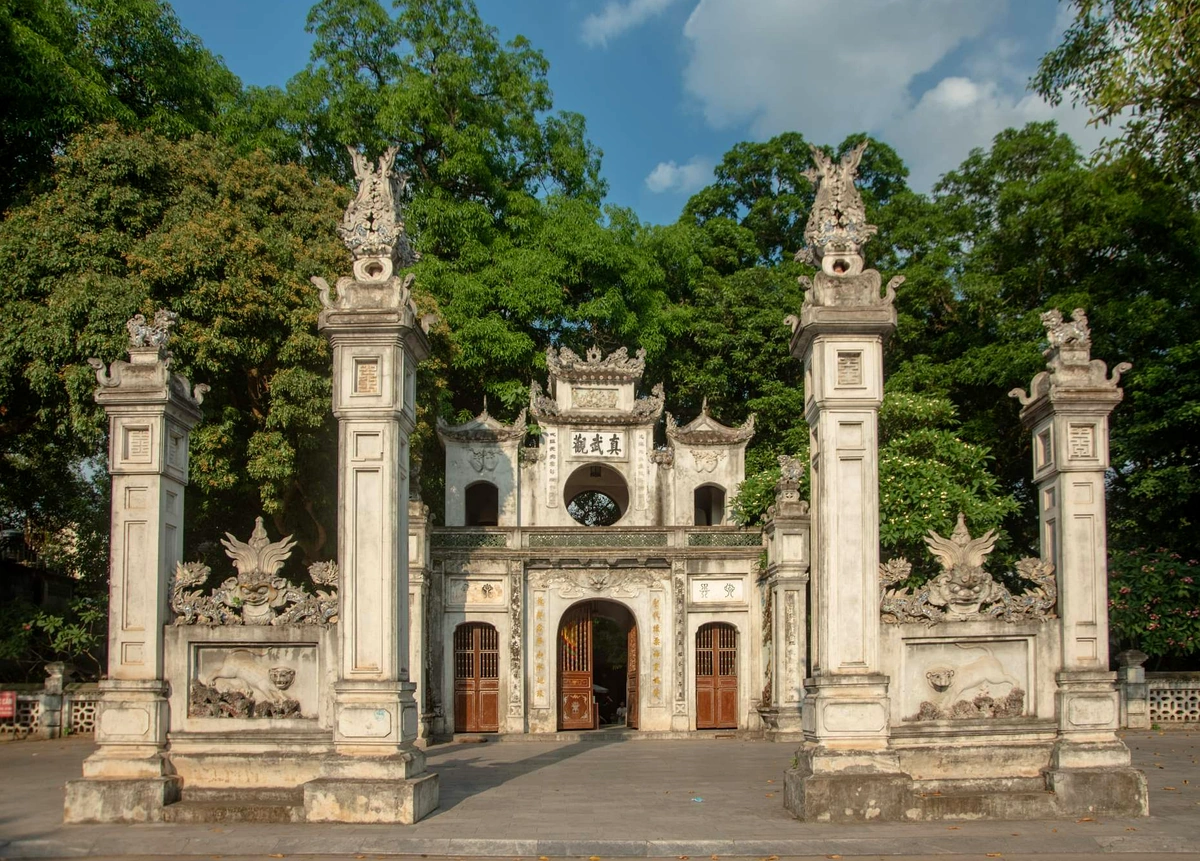
Beyond travel routes, visitors must strictly observe dress codes and behavioral rules within this specialized cultural space to guarantee personal safety and utmost heritage respect. Due to sloping granite-paved historic terrain, wearing anti-slip walking shoes is essential, accompanied by lightweight windbreakers during spring/autumn or thorough sun/mosquito protection during humid summer months. Note that while certain historic villas boast splendid architecture, they currently function as state administrative offices or upscale residences closed to the general public; thus, visitors must never scale fences, trespass private spaces, or fly drones for low-altitude filming in sensitive zones. To capture peak architectural moments, ideal golden hours involve crisp mornings when marine mists linger and sparse crowds meet soft lighting, or two hours before sunset when oblique rays pierce foliage to highlight granite textures and intricate carvings. This unique historical-architectural exploration journey becomes seamless, secure, and deeply evocative when accompanied by all-inclusive tour packages meticulously curated by cultural research experts.