When the United Nations Educational, Scientific and Cultural Organization (UNESCO) officially inscribed the Gastronomic Meal of the French (Repas gastronomique des Français) onto its Representative List of the Intangible Cultural Heritage of Humanity in 2010, epicureans worldwide once again bowed in admiration before a culinary philosophy refined over thousands of years of history. Within that grand tapestry, garlic-butter baked snails (Escargot) and fattened goose or duck liver (Foie Gras) stand tall as two immortal monuments, carrying cultural codes woven from feudal dynasties, courtly diplomacy, and pivotal historical turning points across the Old Continent. Far more than mere delicacies on an opulent banquet table, each ingredient embarked on a centuries-long odyssey from antiquity to become an iconic emblem of Western classical gastronomy.
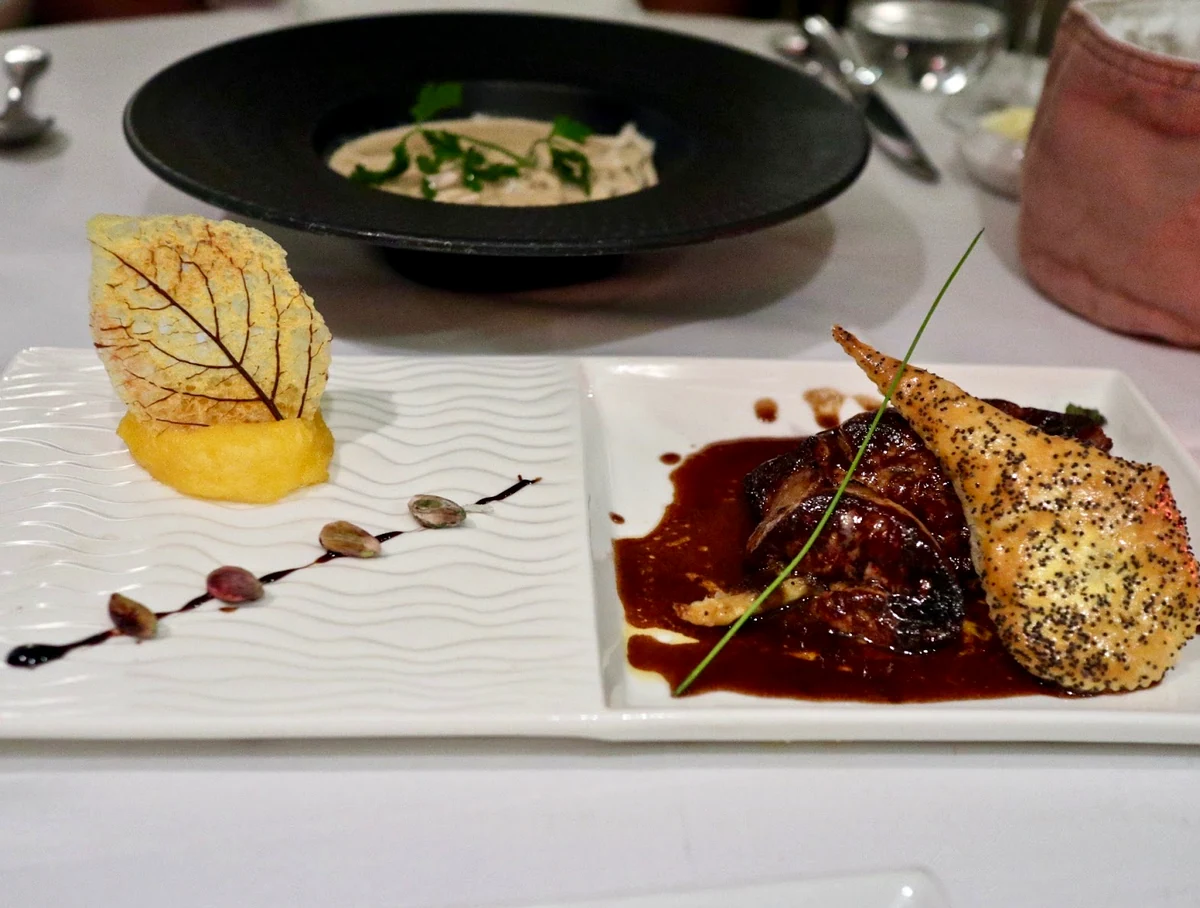
The origins of the Burgundy snail (scientific name: Helix pomatia) trace back to prehistoric limestone cliffs, where archaeologists have uncovered countless charred snail shells beside the ashes of ancient hearths. Yet the art of elevating this humble mollusk into haute cuisine only truly began during the height of the Roman Republic. Around 50 BCE, the scholar and breeder Fulvius Lippinus pioneered the establishment of large-scale snail farms (cochlearia) in the region of Tarquinia. He devised a method of fattening snails on fermented wine, wheat bran, and pure fresh milk, laying the earliest technical foundations for European gastronomic agriculture. Even so, throughout the bleak and turbulent Middle Ages, snails were relegated to the status of famine food for impoverished peasants during lean winter months, or served as a meatless staple during the strict Lenten fasts of the Catholic Church.
It was not until the nineteenth century that the destiny of the snail underwent a dramatic reversal on the stage of European power. In the spring of 1814, as the anti-Napoleonic coalition marched into Paris, Minister of Foreign Affairs and master statesman Charles-Maurice de Talleyrand-Périgord was entrusted with hosting Tsar Alexander I of the Russian Empire. Talleyrand placed the entire state banquet in the hands of Marie-Antonin Carême—celebrated as the “cook of kings and king of cooks.” Realizing that conventional luxury provisions had been depleted by wartime blockades, Carême boldly selected plump Burgundy snails, cleaned them meticulously, and stuffed them back into their shells with a blend of prime Normandy butter, crushed garlic, and finely chopped fresh parsley. The intoxicating aroma and rich, unctuous flavor paired with the tender-crisp bite of the baked garlic-butter snails completely captivated the powerful Tsar, immediately propelling Burgundy escargot onto aristocratic menus across the entire continent.
Running parallel to the renaissance of escargot, Foie Gras boasts a royal lineage spanning more than four millennia. Intricately carved bas-reliefs inside ancient tombs at Saqqara dating to around 2500 BCE prove that the ancient Egyptians were the first to observe migratory birds storing energy in their livers before long flights, inspiring them to develop the technique of fattening waterfowl with ripe figs. This culinary secret was subsequently passed down through ancient Greek culture before entering Rome under the name iecur ficatum. Following the fall of the Roman Empire, migrating Jewish communities preserved the craft of fattening geese as a substitute for pork lard, which is forbidden under Kosher dietary laws. The footsteps of these Jewish communities planted the seeds of this culinary art in fertile Alsace and the sun-drenched expanse of southwestern France, transforming those regions into the undisputed sanctuaries of foie gras.
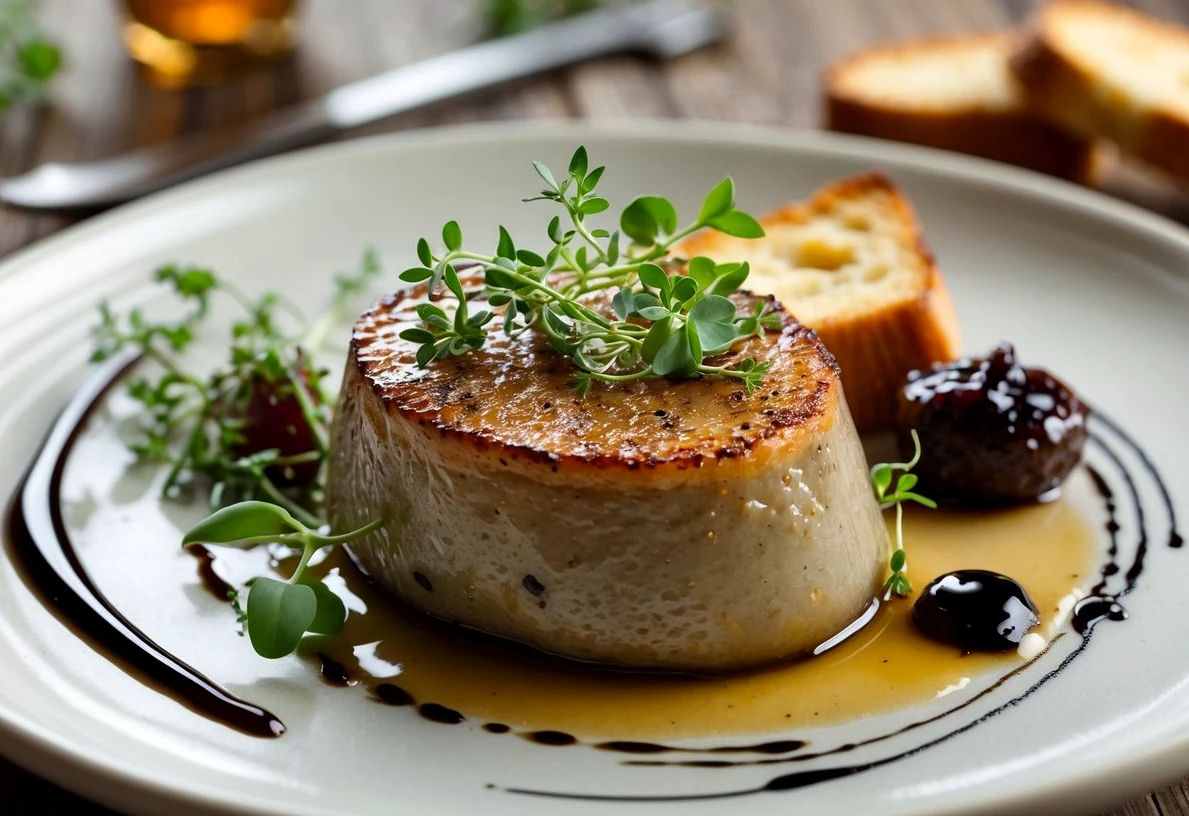
The golden era of Foie Gras on French soil was marked by a milestone in 1783 in the city of Strasbourg. Chef Jean-Pierre Clause, in service to Marshal de Contades, created the renowned foie gras pastry pie (Pâté de foie gras en croûte), encasing richly spiced, velvety liver inside a golden-baked crust. This culinary masterpiece was swiftly presented to the royal court of Versailles for King Louis XVI. Enchanted by its silken texture and profound regal flavor, the monarch rewarded Clause handsomely while officially establishing foie gras as the pinnacle of French royal court cuisine. Surviving the violent upheavals of the French Revolution and the fall of dynasties, garlic-butter Escargot and Foie Gras have endured with their prestige intact, transcending geographic borders to stand as an immortal tribute to ancestral flavor.
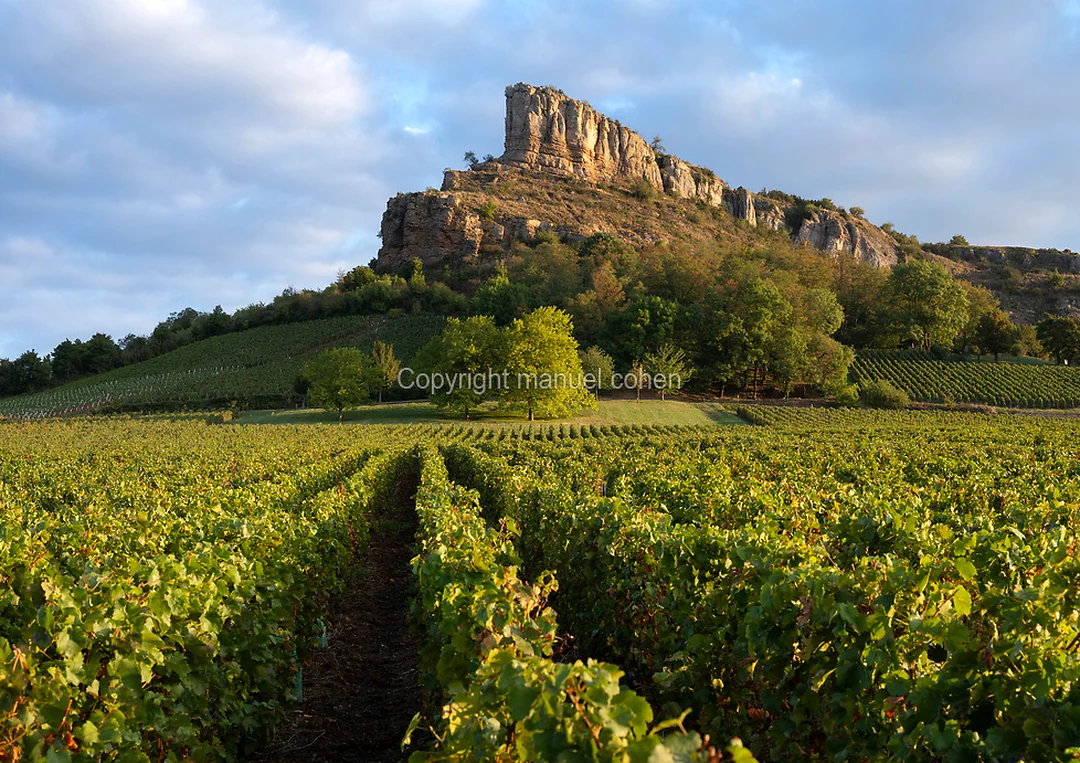
The supreme elevation of these two culinary icons—Escargot and Foie Gras—stems from France’s quintessential natural terroir, where topography, soil composition, and climate harmonize to form singular micro-ecological zones. From a geological perspective, the northeastern region of Bourgogne-Franche-Comté rests upon dense subterranean strata of Jurassic limestone, yielding humus-rich soils abundant in calcium minerals. This provides the ideal natural habitat for the Roman garden snail, Helix pomatia, allowing it to absorb essential minerals to build a thick shell and develop its signature firm, springy flesh. Meanwhile, the fertile southwestern region of Nouvelle-Aquitaine boasts the rolling hills of the Dordogne River valley, where organic-rich clay-alluvial soils and a temperate oceanic microclimate nourish vast fields of golden-kernel corn—the pure feed that determines the fine, buttery marbling of top-grade foie gras.
The transit arteries linking these two great culinary sanctuaries with the capital of Paris and major European cultural hubs are seamlessly integrated via high-speed rail networks and transcontinental highways. The TGV Sud-Est high-speed line whisks gourmets from Paris Gare de Lyon straight into the heart of Dijon or Beaune in a mere 1 hour and 35 minutes, while the TGV Est Européen connects Paris with Strasbourg through the Grand Est region in just 1 hour and 46 minutes. For scenic overland journeys, the A6 motorway—famously dubbed the Autoroute du Soleil (Highway of the Sun)—winds through the sweeping vineyards of Burgundy, whereas the vital A10 expressway opens a direct gateway into the picturesque Southwest, where waterfowl farms nestle beneath the shadows of medieval châteaux.
Garlic-butter escargot is intimately tied to the heritage route of La Route des Grands Crus, stretching 60 kilometers south from Dijon through illustrious appellations such as Gevrey-Chambertin, Nuits-Saint-Georges, and the wine capital of Beaune before concluding in Santenay. Along this corridor, the landscape is meticulously terraced across gentle southeast-facing slopes to capture full sunlight, enclosed by ancient dry-stone walls that create a microclimate warm by day and cool and humid by night. Shaded, moisture-rich pockets of oak woodland interspersed among the vineyards foster an ideal natural ecosystem for hand-harvesting snails, ensuring absolute purity before they undergo traditional purging and preparation with sea salt and aromatic herbs.
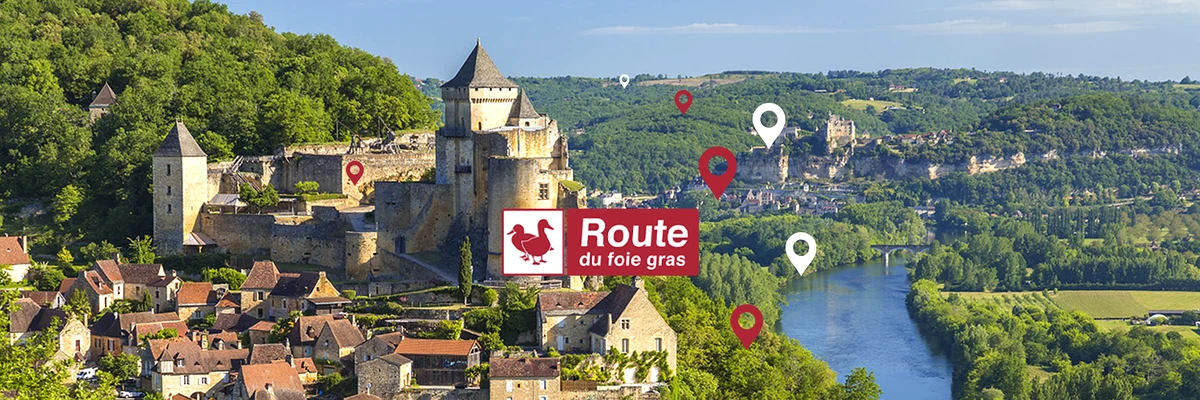
Shifting southwestward, the celebrated culinary trail La Route du Foie Gras du Périgord showcases a traditional agricultural landscape rigorously preserved over centuries. The route winds through golden limestone valleys connecting three heritage jewels: Périgueux, Bergerac, and the medieval town of Sarlat-la-Canéda. Farm planning here strictly adheres to free-range grazing standards across expansive pastures shaded by green oaks, where flocks of gray Toulouse geese and Mulard ducks roam freely in a semi-wild environment throughout their early weeks. Open-air housing cooled by gentle Atlantic breezes, paired with crystal-clear spring water filtered through limestone fissures, underpins a humane husbandry tradition that prepares the birds for the final whole-grain corn feeding stage—yielding foie gras prized for its uniform color and silken smoothness.
The setting in which garlic-butter escargot and foie gras are savored extends far beyond the mere concept of a dining room; it represents a magnificent convergence of classical architectural movements spanning the Middle Ages, the radiant Renaissance, and the graceful wave of Art Nouveau. Across France’s premier gastronomic capitals, restaurants dedicated to traditional cuisine are frequently housed inside white limestone mansions quarried from ancient stone beds, shaping the grand urban aesthetic from the seventeenth through the nineteenth centuries under Baron Haussmann’s architectural vision. These stately edifices feature soaring ceilings, sinuous wrought-iron balconies, and tall arched windows welcoming abundant natural daylight, creating a serene and dignified sanctuary that shields high culinary artistry from the rush of the modern world.
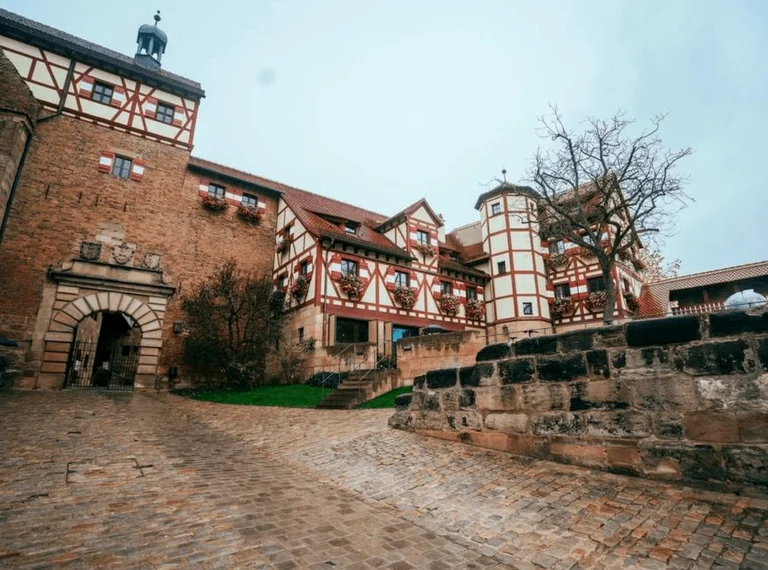
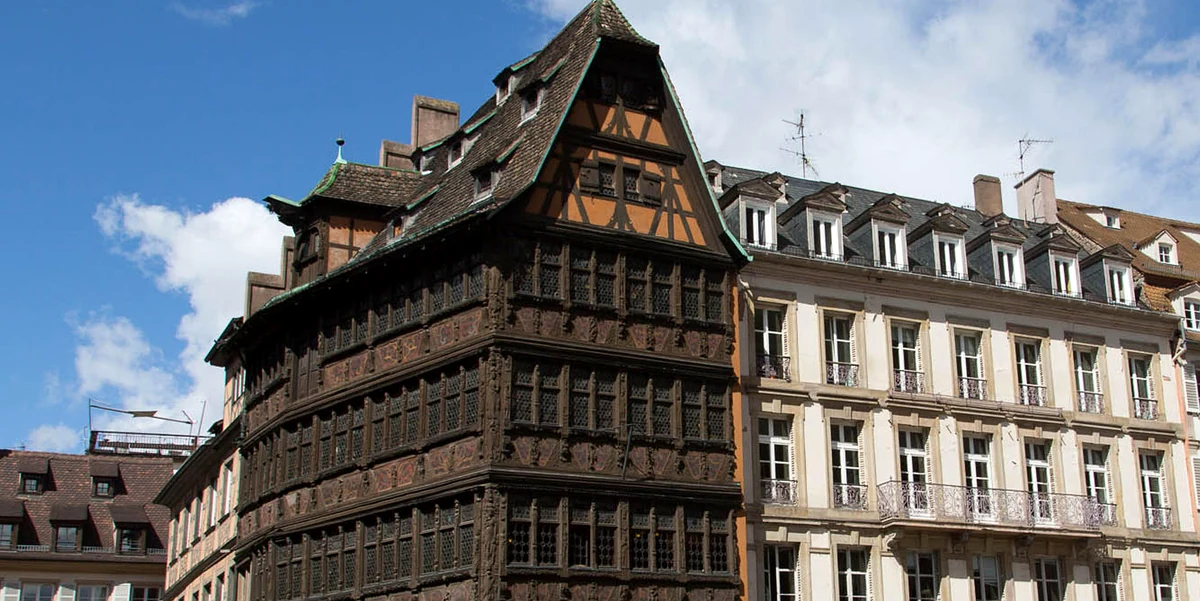
One of the most resplendent embodiments of such a dining venue is the architectural masterpiece Maison Kammerzell, standing right beside Strasbourg Cathedral Square—a landmark whose foundation stone was laid in 1427. Rebuilt across major phases during the late Gothic period and the height of the Renaissance, this seven-story edifice showcases some of the most intricately carved half-timbered oak façades in Europe, preserving seventy-five distinctive leaded bull’s-eye glass windows. Inside its historic dining chambers, original dark-brown oak beams are carved with signs of the zodiac, scenes from Greek mythology, and medieval secular motifs, harmonizing with floor-to-ceiling murals painted by the celebrated artist Léo Schnug. When a piping-hot stoneware dish of sizzling baked snails is brought to the table inside this centuries-old room, diners feel transported back in time, where every grain of ancient timber and every beam of light refracted through leaded glass becomes an invaluable spiritual seasoning that elevates the palate.
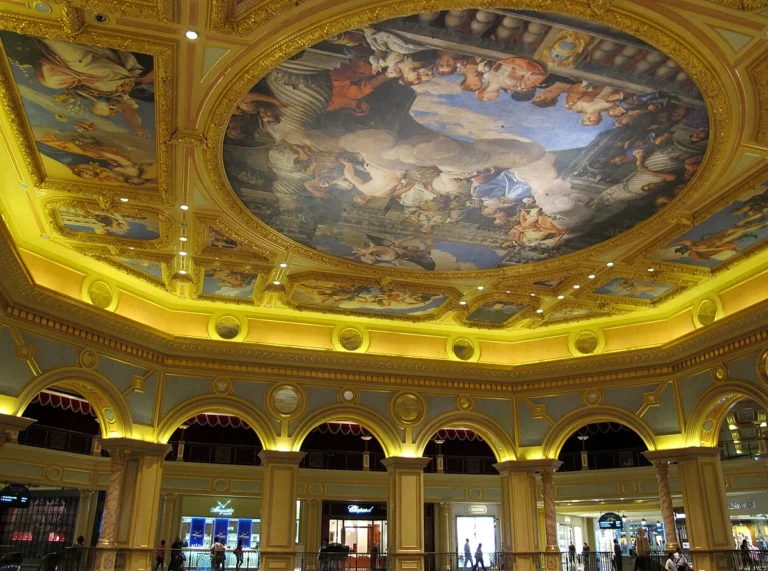
Interior design inside authentic French temples of gastronomy adheres strictly to the artisanal standards of the old aristocracy to honor the noble stature of rich foie gras and fragrant escargot. Beneath plaster ceilings adorned with Rococo scrollwork gilded in twenty-four-karat gold leaf hang multi-tiered Baccarat crystal chandeliers, refracting a warm, enchanting glow into every corner of the room. Walls are clad in solid oak boiserie paneling finished with natural beeswax to release a subtle, earthy fragrance, paired seamlessly with Art Nouveau curves inspired by wildflowers and flowing foliage. Heavy sound-absorbing velvet draperies and thick woven wool carpets ensure the dining room preserves a hushed, reverent atmosphere, broken only by cultivated conversation and the delicate clink of fine tableware.
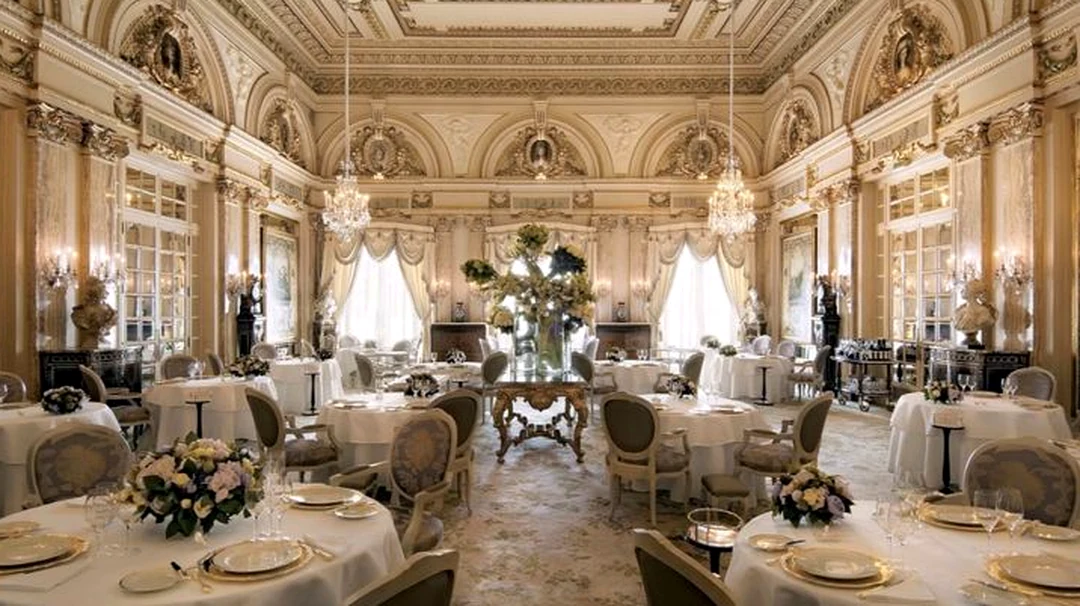
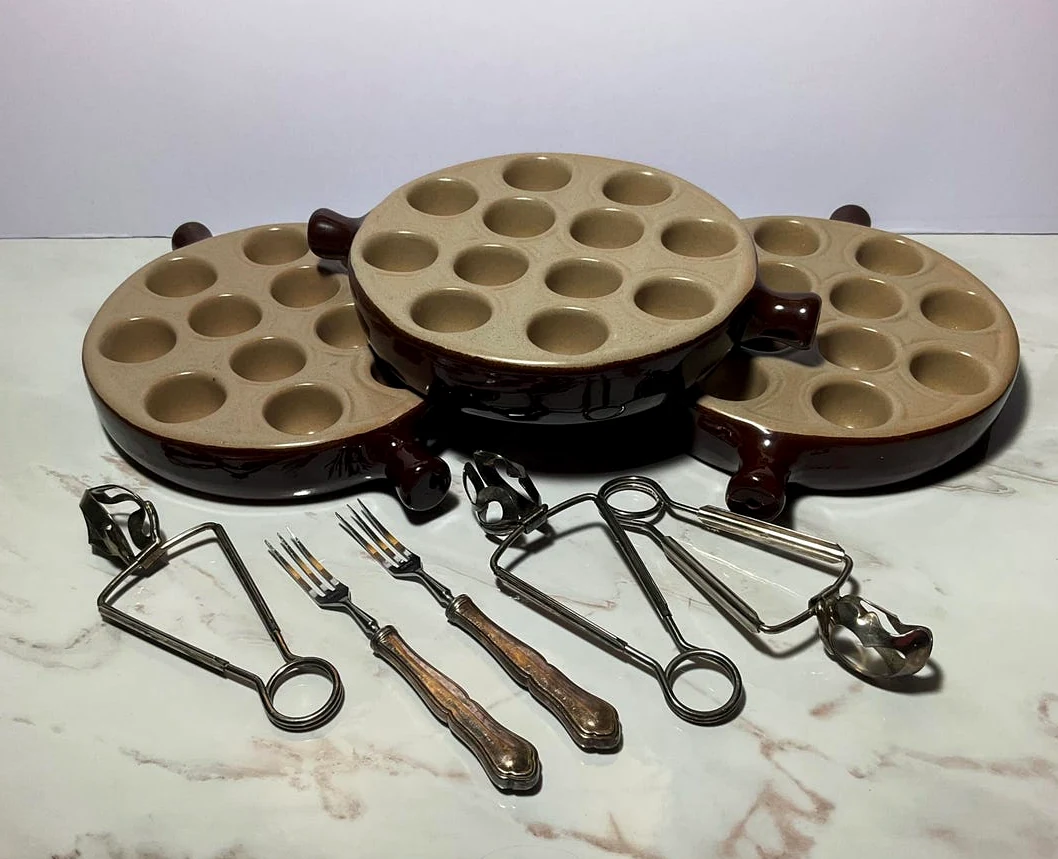
The pinnacle of formal precision and spatial harmony converges upon every round or oval dining table, which functions as a miniature altar to the art of gastronomy. Tabletops are dressed in two or three layers of crisp white handwoven linen, pressed completely free of creases to cushion full settings of solid silver flatware crafted by the legendary silversmiths of Christofle. To serve Escargot baked in garlic-herb butter, gleaming silver snail tongs are placed formally beside a slender two-pronged snail fork, enabling diners to grip the scorching spiral shell securely and extract the savory meat without sacrificing poise. Alongside it, velvety slices of Foie Gras are presented on gold-rimmed Limoges porcelain plates accompanied by a thin, non-serrated silver butter knife designed to preserve the liver’s delicate, silken structure. This exacting union of historic architecture, opulent interiors, and formal table etiquette transforms every meal into a living museum of Western courtly culture.
As twilight turns the sky sapphire blue over the tranquil River Seine and casts an enchanting shadow across the cobblestone lanes of Paris, Bordeaux, Strasbourg, and Beaune, the evening rhythm of French gourmets enters its most dazzling hour. Unlike entertainment capitals noisy with neon lights, the nocturnal spectacle in these renowned culinary cities is a theatrical performance of sight and aroma staged within timeless dining rooms. From rustic neighborhood bistrots tucked into corners of the Latin Quarter and grand Belle Époque brasseries to two- and three-Michelin-starred sanctuaries such as Le Gabriel and L’Arpège in Paris or Le Tastevin in the heart of Burgundy, nightfall never halts daily life—instead, it provides the ultimate backdrop to celebrate classical French cuisine.
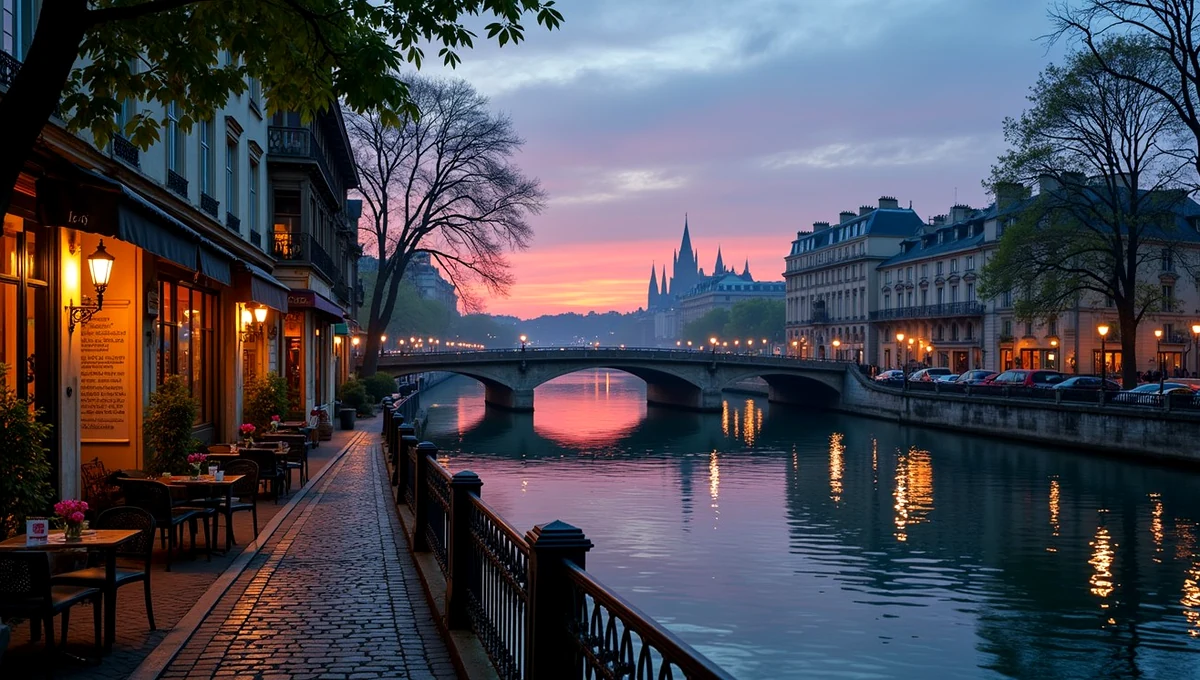
Stepping through the heavy oak doors of a nineteenth-century brasserie immediately immerses travelers in a warm golden glow reflected off burnished brass-framed mercury mirrors and intricately frescoed ceilings. Lighting here is never harsh; instead, it softly embraces each round marble tabletop, where animated conversation mingles with the crisp chime of silverware. Within this cinematic ambiance, garlic-butter Escargot arrives at the table in a specialized six-well ceramic dish, still bubbling and sizzling. Wisps of fragrant steam carry the rich aroma of Charentes-Poitou butter, freshly crushed garlic, and vibrant green parsley, illuminated by flickering candlelight like a living tableau of authentic Parisian life.
The crescendo of the evening unfolds during multi-course Dégustation tasting dinners at temples of Haute Gastronomie. Beneath the shimmering prism light of stately Baccarat chandeliers, each course arrives like a piece of edible visual sculpture. Foie Gras—the pride of Aquitaine and Alsace—appears in myriad captivating forms: at times as a silky terrine studded with Guérande sea salt flakes and noble wine jelly, and at others as a golden-seared escalope, crisp on the outside and meltingly unctuous within, poised beside a jewel-toned reduction of dark berries. Tuxedo-clad waiters glide across the floor with balletic precision, pouring wines and narrating each layer of flavor with deep reverence for centuries of agricultural heritage.
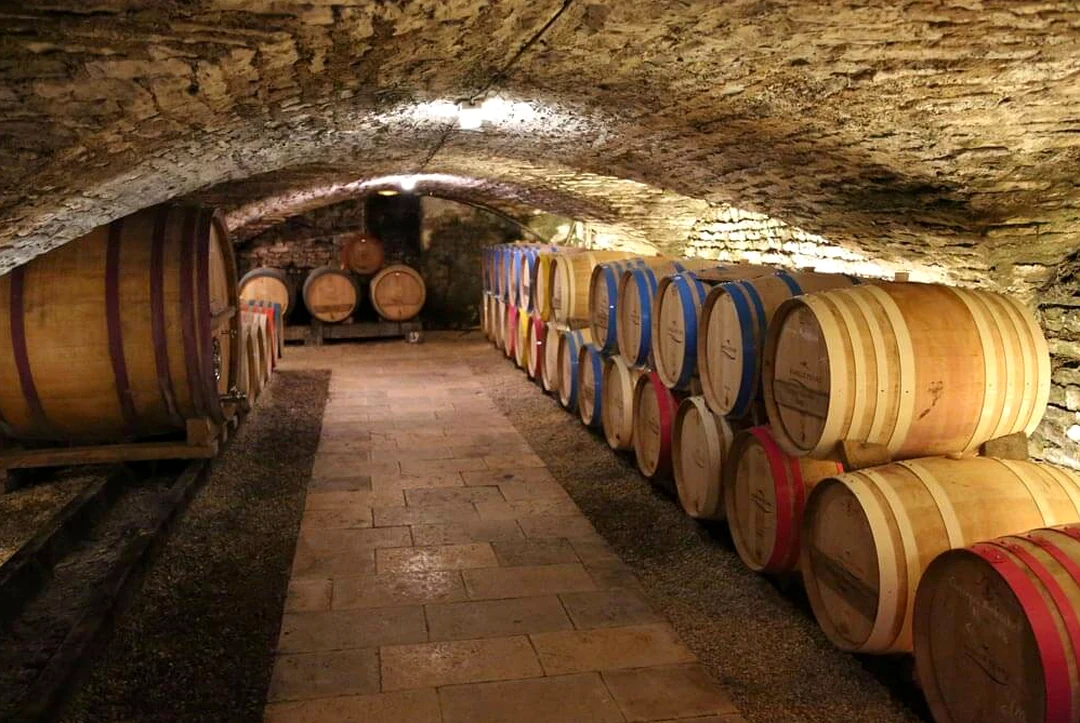
The nocturnal atmosphere grows even more evocative when flavors are elevated through masterful pairings with prestigious Grand Cru wines. Beneath centuries-old vaulted limestone cellars in Beaune or along the breezy banks of the Garonne River in Bordeaux, the gleaming amber hue of a sweet Sauternes catches the candlelight, effortlessly balancing the lingering richness of foie gras on the palate. Meanwhile, a glass of velvety red wine from the Côte de Nuits or Saint-Émilion accentuates the firm bite and earthy, herb-infused depth of traditional Escargot de Bourgogne. It is far more than a late dinner—it is a transcendent sensory journey where light, flavor, and history merge into one beneath the French night sky.
A culinary pilgrimage across France’s gastronomic map leads discerning travelers from the rolling vineyard hills of Burgundy to the cobbled medieval lanes of eastern Alsace. In its historic cradle of Burgundy, the classic preparation of Escargot de Bourgogne au Beurre d’Ail et de Persil reaches perfection when savored inside the atmospheric dining room of Restaurant Le Tastevin in Nuits-Saint-Georges, or at the time-honored Café de la Poste in old Beaune. Each plump Helix pomatia snail—thoroughly cleaned and gently simmered in white wine and aromatic herbs—is tucked back into its spiral shell beneath a generous seal of top-grade butter blended with finely minced fresh parsley and shallots (échalote). In the intense heat of the oven, the butter melts and bubbles furiously, releasing an irresistible fragrance that awakens every sense and infuses the tender, springy snail meat with the unmistakable character of the Burgundian terroir.
The ritual of eating traditional Escargot in these heritage establishments feels like an understated performance of table artistry. Diners use specialized silver tongs to clamp firmly onto the piping-hot shell, then gently twist a slender two-pronged silver fork to draw out the glistening, butter-drenched snail whole. Not a drop of the rich garlic-herb butter pooling at the bottom of the shell or inside the six-well ceramic dish should ever go to waste; it is faithfully mopped up with chunks of freshly baked, crusty baguette. To complete this symphony of flavors, Burgundian sommeliers invariably recommend pairing the dish with a crisp Chablis born from mineral-rich Kimmeridgian limestone soils, or a full-bodied Meursault from the Côte de Beaune whose signature notes of cultured butter and toasted hazelnuts cleanse the palate while echoing the richness of the garlic butter.
Tracing culinary history northeastward, the city of Strasbourg welcomes epicureans to the historic half-timbered Maison Kammerzell standing proudly opposite the cathedral square, where heirloom foie gras craftsmanship has been safeguarded for generations. The height of regal indulgence is Foie Gras de Canard Entier mi-cuit—a whole duck liver gently semi-cooked at low temperature to preserve a velvety, snow-soft texture that melts on contact with the tongue. This silken terrine is served alongside golden-toasted, butter-rich brioche slices, accented with a touch of sweet-tart caramelized red onion confit and a scattering of coarse Fleur de Sel from Guérande to awaken layer upon layer of deep, savory complexity.
Alongside it, the variation known as Foie Gras poêlé aux figues—a lobe pan-seared to a golden crust on the outside while remaining succulent and meltingly rich within, bathed in a glossy, concentrated fig reduction—offers another captivating dimension inside Alsace’s historic dining houses. To balance the intense richness of foie gras, classic French aristocratic pairing rules turn to noble sweet white wines such as Bordeaux’s Sauternes—crafted from grapes touched by the prized noble rot fungus Botrytis cinerea—or honeyed, candied-orange-scented Monbazillac from Bergerac. Their luscious sweetness, opulent viscosity, and lively acidity create an exquisite counterpoint that seals the rich finish and elevates every meal into an enduring cultural experience.
Dining culture in France operates according to strict, unwritten schedules that visitors must respect to avoid missing out on a memorable meal. Most traditional brasseries, classic bistrots, and celebrated Michelin-starred restaurants open during two distinct service windows each day: lunch from 12:00 PM to 2:30 PM, and dinner seating from 7:30 PM until roughly 10:30 PM. Outside these hours, renowned kitchens close to prepare fresh ingredients for the next service; consequently, reserving a table days or even weeks in advance by email or phone is essential to secure a coveted seat beside a window overlooking the street.
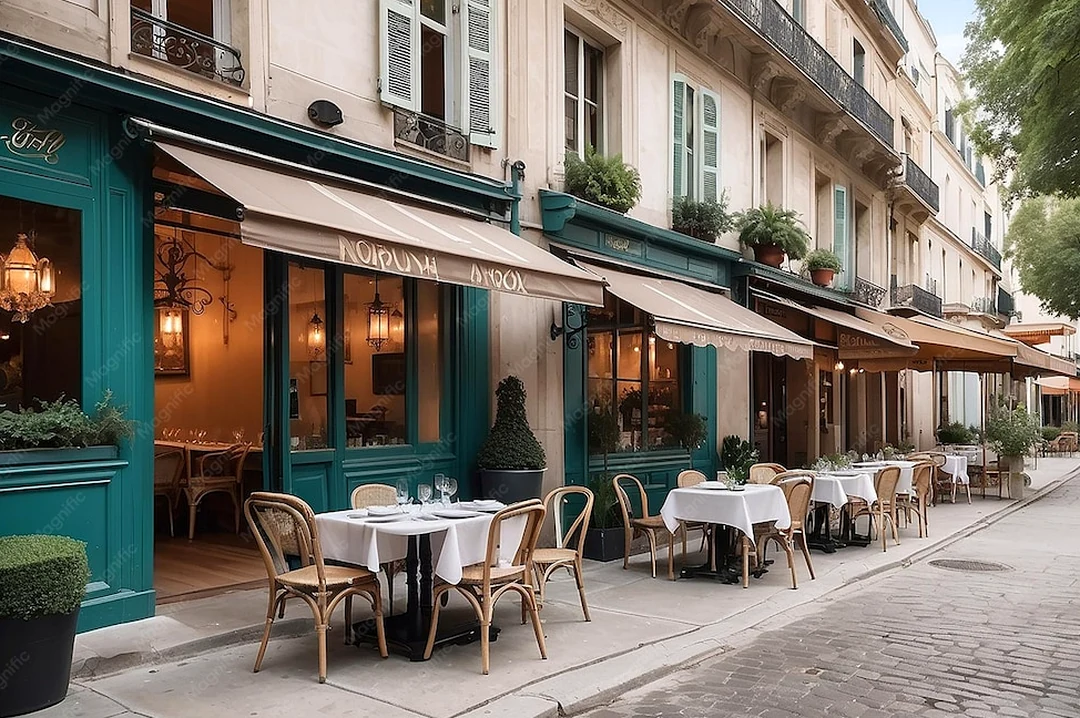
The renowned public transit networks of major cities like Paris and Lyon make reaching authentic culinary destinations effortless. Travelers can easily ride the Métropolitain subway or suburban RER trains to historic stations bordering celebrated dining neighborhoods such as Saint-Germain-des-Prés, Le Marais, or romantic Montmartre. For those wishing to soak in the heritage atmosphere at an unhurried pace, strolling down plane-tree-lined boulevards, crossing stone bridges over the River Seine, and turning down a quiet cobblestone alley provides the most poetic prelude to a royal gastronomic feast.
Budgets for a classic meal featuring escargot and foie gras vary widely depending on the prestige of the venue and the provenance of the ingredients. At welcoming neighborhood restaurants serving authentic regional fare, a starter portion of six or twelve Burgundy snails bathed in rich herb butter typically costs between €15 and €25, while a plate of freshly pan-seared foie gras or artisan mi-cuit generally ranges from €25 to €40. Travelers opting for multi-course tasting menus at fine-dining establishments can expect to spend from €80 to over €200 per guest, often inclusive of sommelier-curated pairings of golden Sauternes or crisp Chablis.
Proper table etiquette when enjoying these two culinary treasures calls for unhurried grace and precision in every gesture. When a piping-hot six-well ceramic dish of baked escargot arrives, hold the metal snail tongs (pince à escargots) in your left hand to grip the dark-patterned spiral shell firmly, while using your right hand to insert the slender two-pronged fork (fourchette à escargots) and gently twist out the tender snail meat. Never touch the scorching shell with bare fingers, and always use torn pieces of crusty baguette to soak up every last drop of fragrant tarragon-and-garlic butter left in the wells. For Foie Gras mi-cuit, slice a delicate portion and place it atop a warm, airy piece of brioche, finishing with a pinch of Fleur de sel de Guérande and freshly cracked black pepper; proper etiquette is to lift the toast and take a clean bite so the foie gras melts naturally on the tongue rather than smearing it across the bread like ordinary pâté.
Alongside mastering refined dining etiquette, seasoned gourmets stay vigilant against commercialized tourist traps clustered around crowded landmarks. Many budget group-tour restaurants rely on tough, mass-produced canned snails and inferior frozen foie gras blends that distort the true essence of French gastronomy. To savor the full depth of authentic European culinary heritage with peace of mind—free from forced shopping stops or subpar tourist eateries—discerning travelers increasingly favor an all-inclusive guided tour thoughtfully curated down to every traditional dining experience.