Nestled in the rustic terrain of Sujiada town within the Haidian district, firmly anchored to the spiritual geographic currents of the Western Hills and Yongding River Cultural Belt, the rugged peaks of Phoenix Ridge (Fenghuangling) have for millennia preserved some of the deepest historical strata of the imperial capital, Beijing. This majestic mountainous landscape is far more than a natural screen buffering the harsh northern winds and dust; it stands as a witness to shifting dynasties, critical geopolitical transformations, and the profound intersection of royal authority and indigenous spiritual life over more than a millennium of trials and triumphs.
The primordial footprint of this scenic region is etched into the annals dating back to the 7th year of the Yingli era (957 AD) under Emperor Muzong of the Khitan-led Liao Dynasty. To establish a formidable spiritual outpost guarding the treacherous northwest gateway of ancient Youzhou, the Liao court decreed the founding of the ancient Longquan Temple. Tucked beneath the shade of ancient pines and cypresses, this sanctuary not only nurtured the spiritual lives of local residents but also served as a strategic frontier watchtower. By the twelfth century, when Jurchen Prince Hailing of the Jin Dynasty relocated his capital to Zhongdu, the enchanting landscapes of Phoenix Ridge were swiftly designated as an exclusive summer resort for the imperial family. The majestic Huangpu Yuan architectural complex emerged during this era, alongside the renowned Cliff Inscriptions (Manyan), where masterly chisels carved directly into the living rock to flawlessly harmonize northern Buddhist aesthetics with boundless imperial majesty.
By the Ming Dynasty—particularly during the reign of Emperor Shizong under the Jiajing era—the spiritual essence of the Phoenix Ridge range experienced a vibrant transition highlighted by the supreme flourishing of Taoism. Taoist Master Liuzhenren chose these secluded cliffs to carve out the Xuandong Cave Taoist Temple, linking its energetic currents with the Daoyuan Shrine (formerly the tranquil Miaofeng Nunnery) to establish a transcendent Taoist sanctuary far from the dust of the mortal world. Entering the Kangxi and Qianlong reigns of the Qing Dynasty, the landscape of Phoenix Ridge entered an unprecedented era of strategic ecological management. Recognizing the mountain slopes as a natural “water reservoir” and geomantic lifeline sustaining the imperial capital, the Manchu court designated the entire area as a strictly protected hydro-ecological buffer zone for the “Three Hills and Five Gardens” imperial landscape system. Strict edicts prohibiting unauthorized logging and quarrying were enforced to safeguard the dynastic dragon vein while preserving the pristine groundwater channels flowing directly into the magnificent lakes of the Summer Palace.
Crossing the threshold of a turbulent modern era, the rugged terrain and granite caves of Phoenix Ridge once again transformed into a vital military nexus. Throughout the War of Resistance Against Japan from 1937 to 1945, its deep valleys and dense forests served as the resilient Western Beijing underground guerrilla base, sheltering resistance forces as they mounted persistent tactical strikes. As the fires of war faded, this mountainous region faced environmental degradation caused by intensive limestone quarrying for infrastructure reconstruction. It was not until the post-1978 era, with the launch of the massive “Three-North Shelterbelt Forest Program,” that mineral mines were entirely closed to make way for large-scale ecological restoration. The establishment of the natural ecological conservation park in 1995 marked a magnificent finale to a millennium of geopolitical upheaval, returning Phoenix Ridge to its pristine majesty and cementing its status as a living geo-cultural museum on the outskirts of Beijing.
Adorning the outskirts of the capital through the lens of geomancy and geography, Phoenix Ridge stands proudly like a jade talisman guarding the Qian trigram sector at the capital’s northwest gate. Impressively positioned on the eastern slopes of the majestic Taihang mountain range, this ecological zone acts as a formidable natural screen, directly neutralizing and blocking the sandstorms sweeping down from the Mongolian plateau via the Zhangjiakou corridor bottleneck. In traditional Chinese feng shui, the terrain is revered as a site where a coiled dragon and crouching tiger converge, capturing auspicious spiritual energies between the winding branches of the ancient Western Hills and the fertile alluvial plains of the Yongding River basin. The harmonious gathering and dispersion of atmospheric energy, coupled with the interplay of yin and yang, create a gentle, microclimate remarkably cooler and more pleasant than the arid conditions of the surrounding North China Plain.
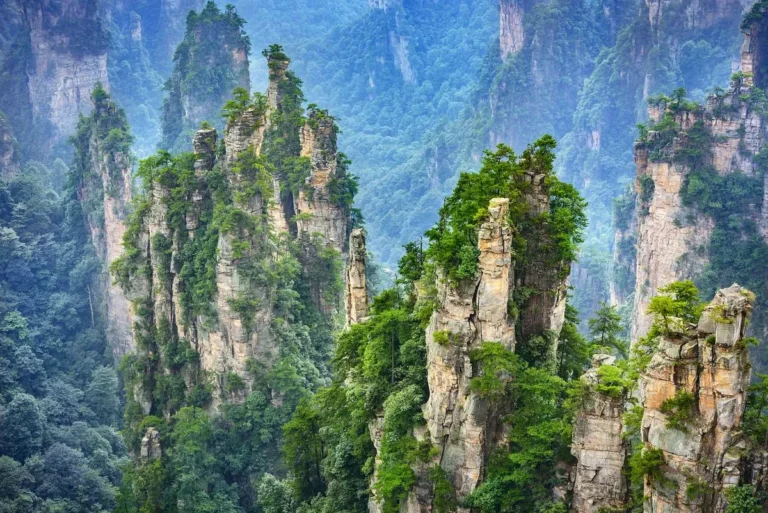
The magnificent tectonic activity of the Mesozoic era endowed this scenic area with a breathtakingly rugged and dramatic geological visage, inspiring ancient travelers to lovingly dub it the “Little Huangshan of Western Beijing.” Shaped by hundreds of years of tropical weathering and intense fault-line erosion, the ancient granite masses here have transformed into sheer vertical cliffs, deep plunging ravines, and layers upon layers of bizarrely shaped rock formations. Following the rugged stone trails up to the 748-meter summit above sea level, explorers will encounter the Flying Stone—a colossal boulder perched precariously on the edge of a deep abyss as if descending straight from the heavens, poetically contrasting with the somber silhouette of the moss-covered Camel Stone, evoking a rich imagination of geological time frozen amidst the mortal world.
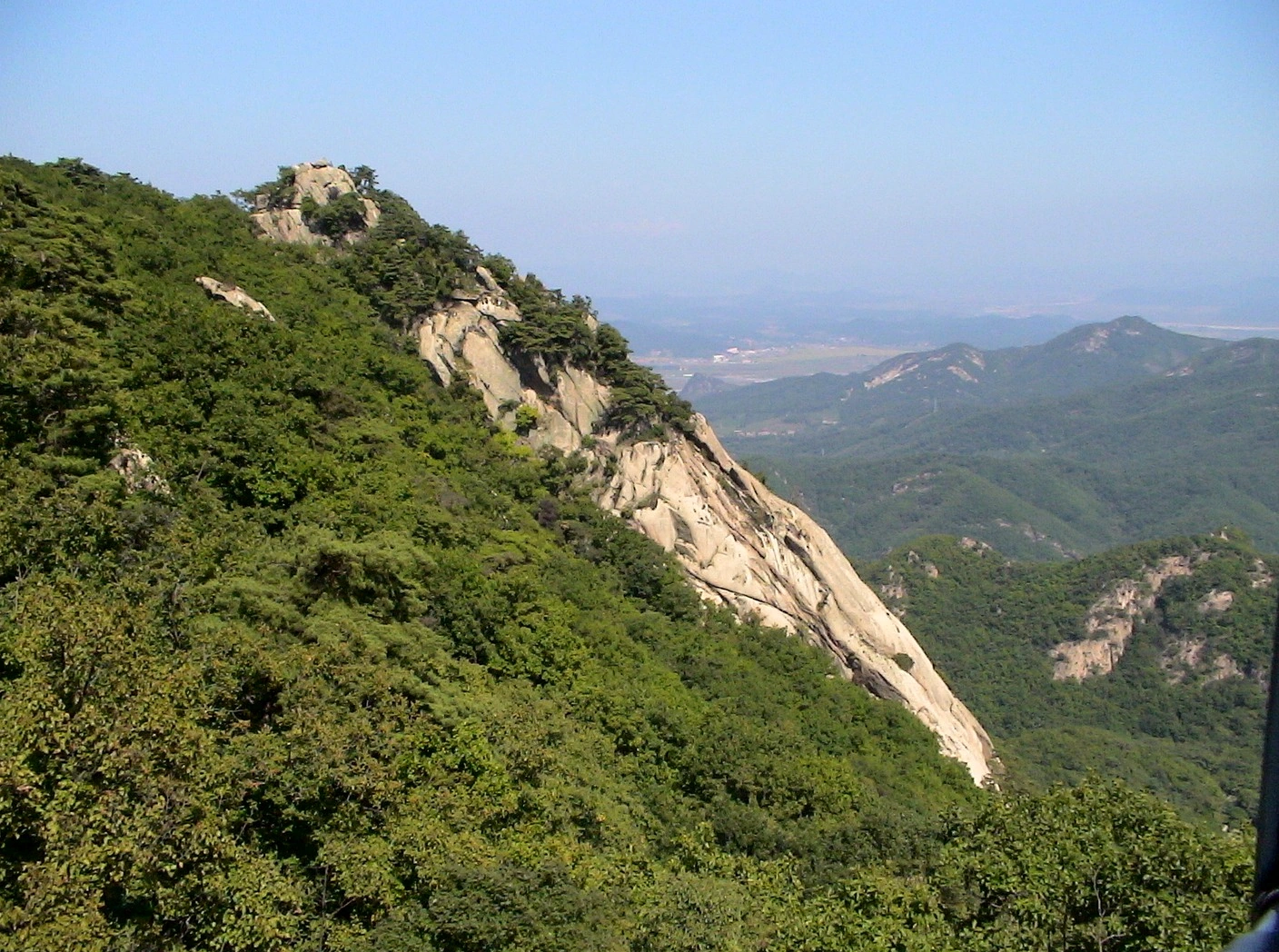
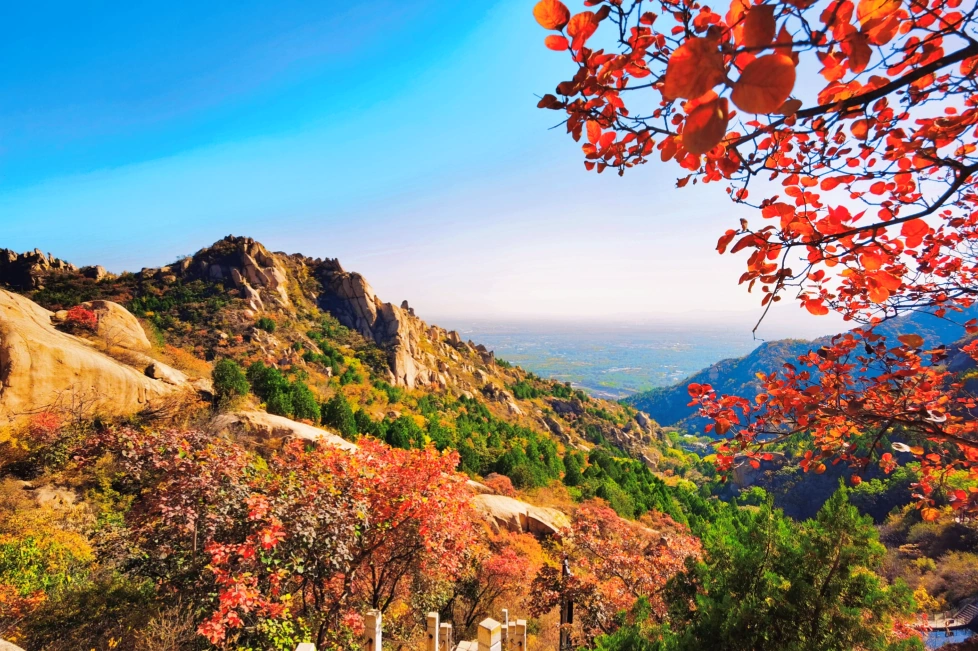
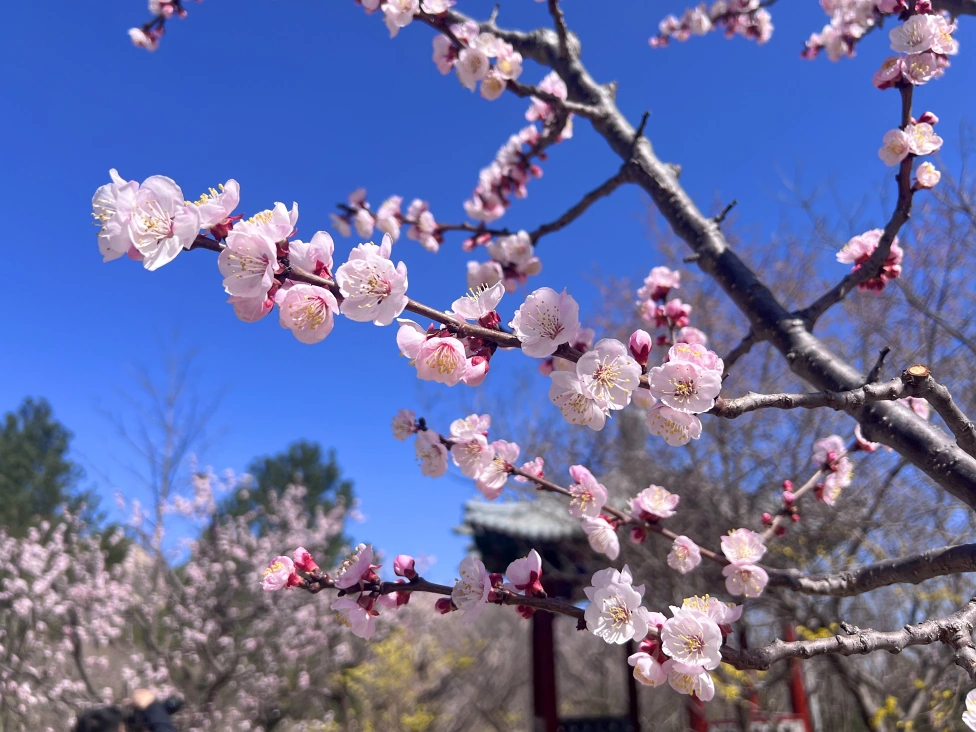
Enveloping this majestic skeletal stone landscape is a meticulously regenerated gymnosperm forest ecosystem spanning an expansive 10.62 square kilometers of protected land. The dense vegetative canopy forms an isolated green lung where every breath is imbued with the scent of pure pine resin mingling with drifting morning mists. Dominating the steep slopes are resilient stands of ancient oil pines and steadfast arborvitae anchoring their roots deeply into fractured rock crevices in defiance of harsh weather. Interwoven beneath this somber sea of green are pristine patches of wild apricot and temperate deciduous maple forests; every spring equinox bursts with the pale pinkish-white blossoms of apricot flowers blanketing the valley, while autumn transforms the landscape into vibrant hues of fiery red and orange maple canopies, weaving an enchanting multi-layered tapestry of colors.
The ecological balance within the park is also durably maintained thanks to a rich underground hydrological network, notably the pristine Shenquan Stream that bubbles year-round from deep within the granite bedrock. This natural mineral water source is not only rich in precious trace minerals that nourish the lush indigenous flora, but also maintains ideal humidity for resident birds and wildlife. The crystal-clear current meanders through geological fissures, gathering into azure pools at the foot of the valley, reflecting the towering granite cliffs above. The exquisite yet harmonious contrast between the rugged, masculine nature of the ancient rock strata and the gentle, soft flow of the cool water endows Phoenix Ecological Park with a supernatural scenic character—both solemn and secluded, yet brimming with the exuberant vitality of creation.
Spanning a total planned area of up to 10.62 km² and proudly recognized as a National AAAA-Level Scenic Area, Phoenix Ecological Park defines a spatial structure of three distinct axes comprising the North Route, Central Route, and South Route. The architectural identity here is an absolute fusion of medieval traditional Chinese construction techniques with magnificent granite landforms, transforming sheer cliffs and deep valleys into domains of spiritual sanctuaries, wellness spaces, and standard resort landscapes.
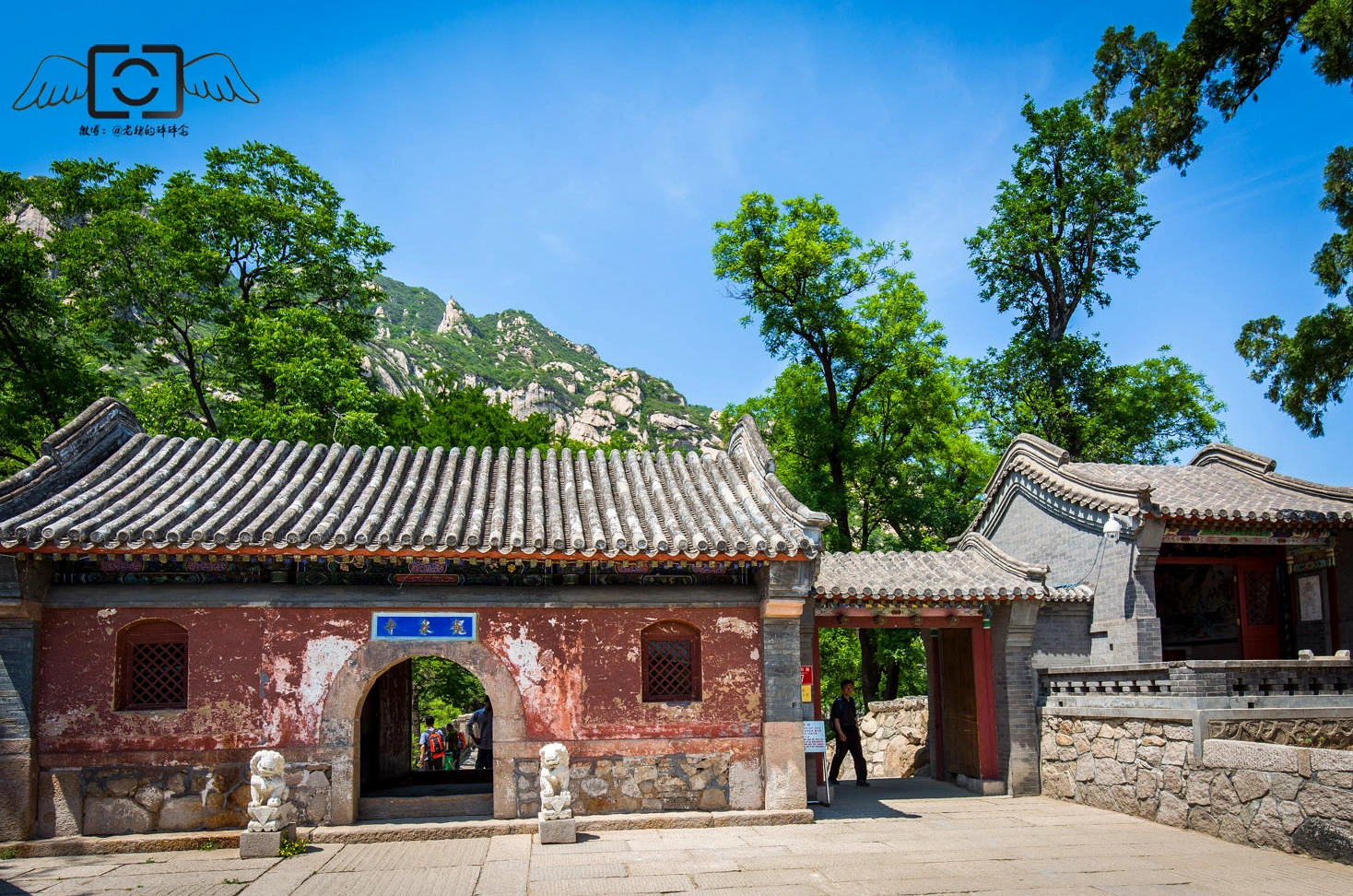
Occupying the core position on the Central Route—the primary Buddhist monastic cultural axis—is Longquan Temple (Longquan Tự), an ancient temple founded during the Liao-Jin dynasty with an exceptionally rare layout facing east while backing west. This breaks the classic North-South axis format to fully capture the morning vital energy from the northern plains. The structure preserves a sturdy ironwood load-bearing frame combined with exterior walls built from native granite blocks up to 60 cm thick, creating a natural “warm in winter, cool in summer” microclimate mechanism that perfectly adapts to the harsh highland weather. Right in front of the temple courtyard stands the oldest and largest single-span stone bridge ever recorded in Beijing, spanning the murmuring stream and casting its reflection upon two millennia-old ginkgo trees whose dense canopies project a solemn shade.
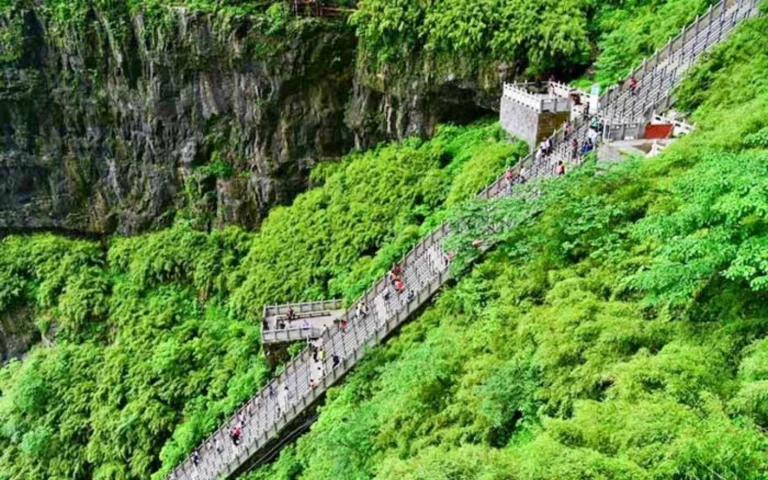
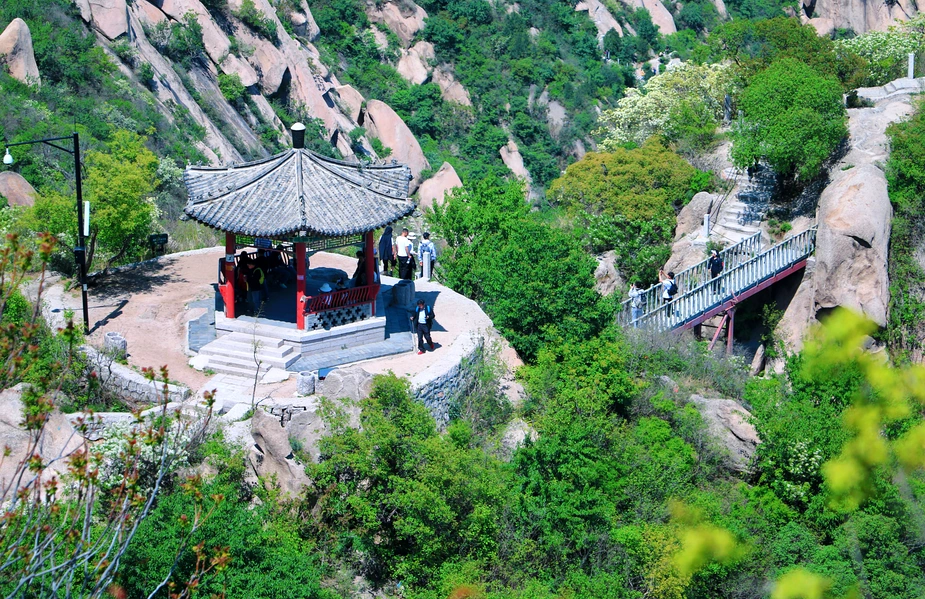
Heading up to the North Route, the space shifts to the geological exploration axis and the precipitous Cliff Inscriptions (Mahnai) perched at an altitude of over 500 meters. The most perilous highlight is the masterpiece of Tianbang, a system of 53 stone steps named the Fifty-Three Steps (Ngũ Thập Tam Đặng) carved directly by hand into a steep rock face exceeding 70 degrees, challenging every pilgrim’s step to reach the Feilai Pagoda, which was faithfully restored in 1998. Following the treacherous cliffs is a treasure trove of cliff inscriptions carved from the Liao dynasty extending down to the Ming dynasty, preserving the brushstrokes of literati and hermit monks. Meanwhile, the South Route preserves intact a mystical Taoist archaeological complex, where ancient ascetics created a series of wellness cultivation caves including Xianren Cave, Sanfo Cave, and Xuanyuan Cave, alongside a sculpted rock named Xiuxian Yi, nestled beside the weathered ruins of Huangpu Academy and the Diamond Stone Carvings.
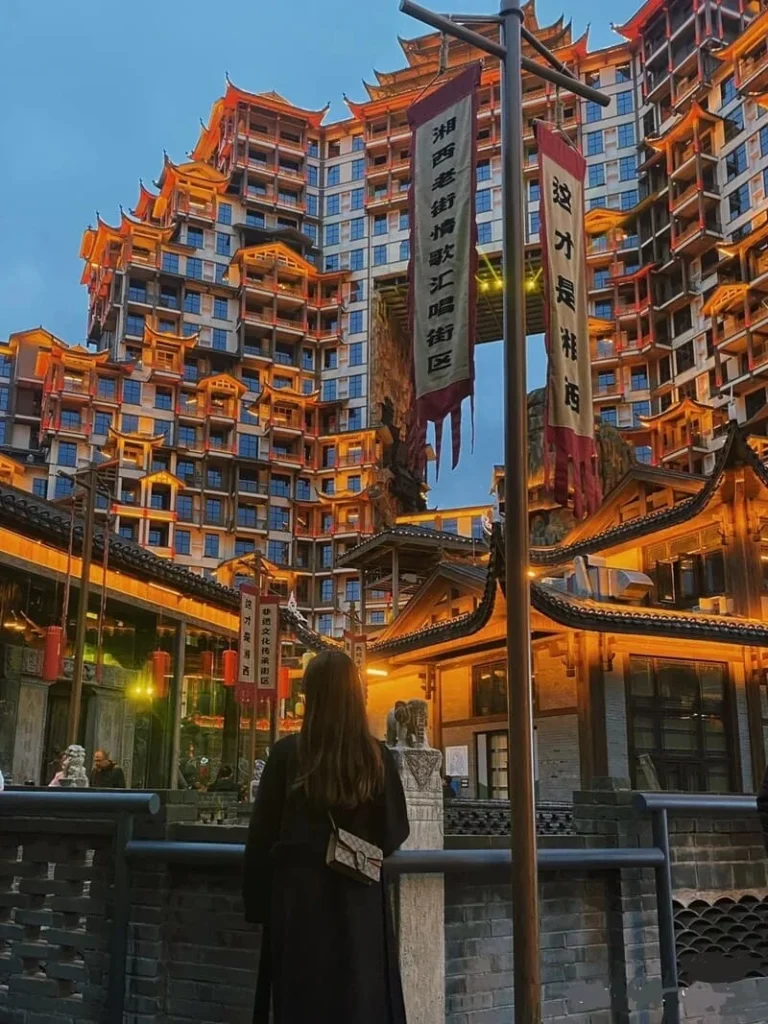
Alongside the subdued antiquity of millennial relics, the landscape here also creates a spectacular visual intersection with modern life when night falls. Standing out amidst lush greenery and winding pathways is a high-rise building with unique architecture, featuring artistic hollowed-out voids and countless windows glowing brightly with light. Behind the structure, rows of dense urban high-rises simultaneously light up beneath the deeply dark blue night sky. Beneath the peaceful, tree-shaded ground, a few visitors stroll leisurely, completely immersed in the blending space of open nature and architectural illumination.
Each functional zone within Phoenix Ecological Park reflects a methodical planning vision, where the capacity to utilize local materials reaches a profound understanding of natural limits. Ancient structures made of bricks, tiles, and raw stone, as well as the precipitous stepped pathways, do not aggressively interfere with the geology; rather, they lean against the terrain of the granite mountains to establish functions for defense, meditation, and sightseeing, setting an enduring standard for the art of creating Eastern heritage spaces.
As dusk falls over the Western Hills, Phoenix Ecological Park chooses not to blend into the vibrant symphony of neon light seas in downtown Beijing. Bearing the responsibility of an AAAA-level natural reserve and a vital “green lung” shielding the northwest of the capital, this place applies a philosophy of strictly controlling artificial light pollution. Restraining artificial light streams not only preserves the natural biological rhythms of nocturnal animal populations and dense forest vegetation, but also restores a rare, pristine night to the great mountains, where tranquility becomes an invaluable heritage for travelers seeking a spiritual sanctuary.
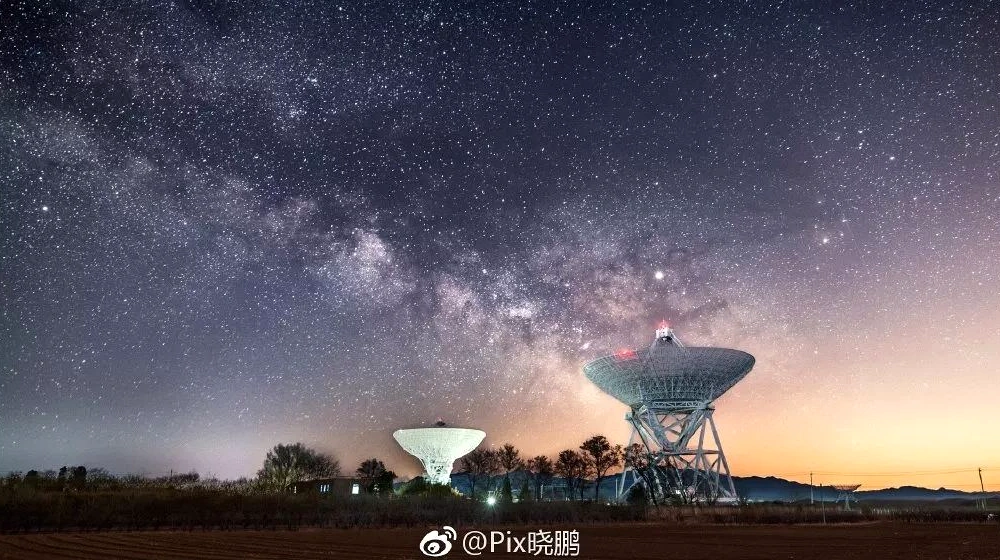
Thanks to its prime geographical location nestled deep within the mountains, completely isolated from the brilliant glare of the city center, the viewpoints at Phoenix Ridge have become one of the most magnificent natural astronomical observatories in the suburban region. Beneath a sky sparkling with the Milky Way or on bright, full moon nights, an enchanting meditative space unfolds around the grounds of Long Tuyen Ancient Temple. During traditional festive occasions, the mystery of this monastic sanctuary is celebrated with exquisitely accented lighting art; solemn stone lanterns illuminate the winding paths, blending with the soft glow of eco-friendly floating lanterns drifting peacefully along the Thần Tuyền stream, creating a serene visual depth reminiscent of a millenia-old natural masterpiece.
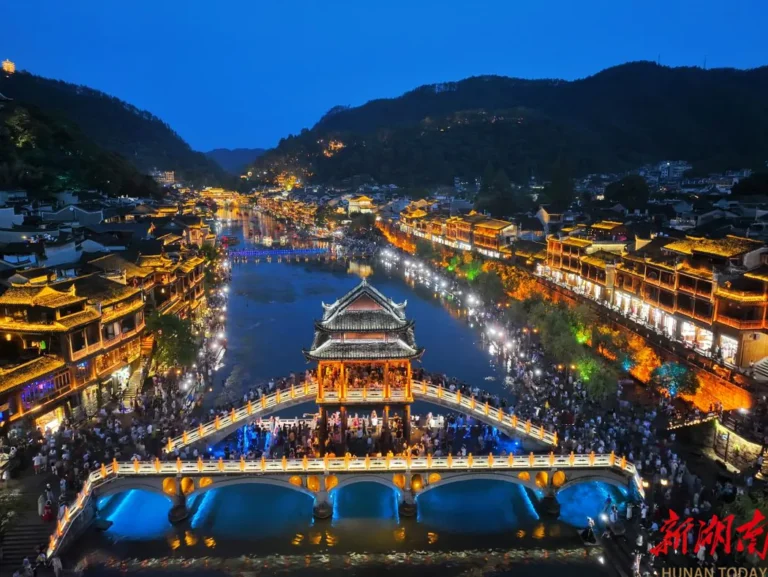
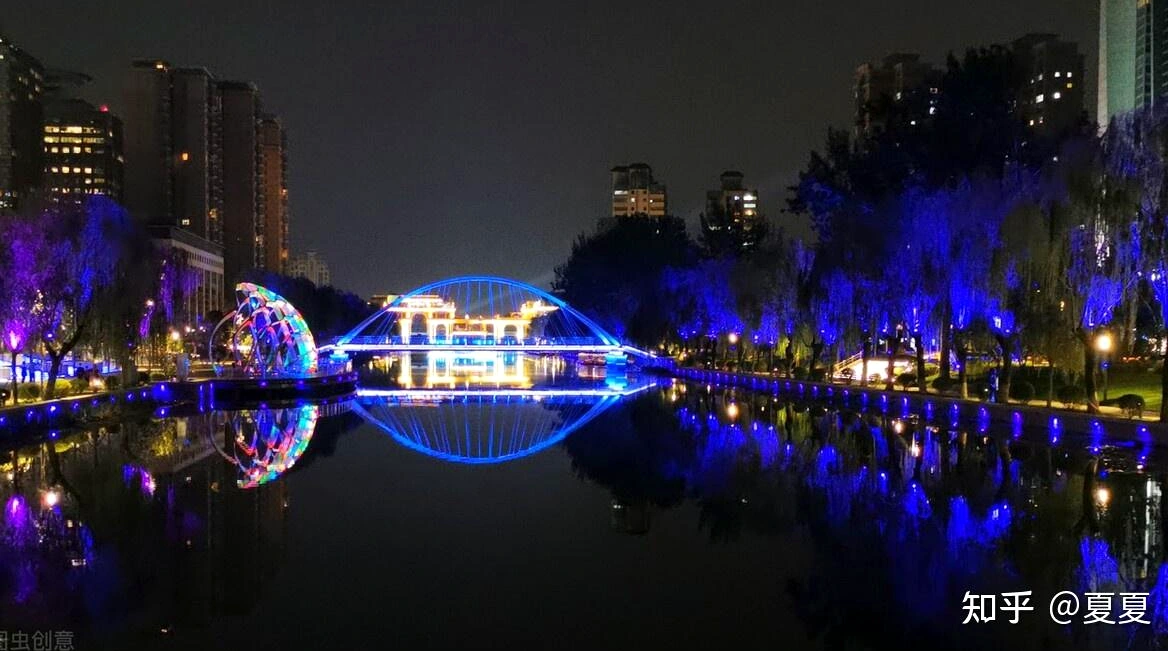
At the boundary connecting the natural ecological belt with the rhythm of the nearby urban life, the night is awakened by a striking visual harmony along the water’s surface. The landscape glows with a modern arched bridge in a vibrant blue hue spanning the serene river, providing a solid visual anchor amidst the night. On both banks, the rows of trees are draped in a cloak of light that shifts magically between deep blue and dreamy purple hues, highlighting the prominent multi-colored artistic sculpture on the left bank. The brilliant bands of light from the bridge, the illuminated trees, and the silhouettes of high-rise buildings on the horizon reflect vividly and sharply onto the shimmering, calm water.
Alongside tasteful on-site lighting touches, the park is shaping the future of night-time experiences through a digital transformation revolution with academic and conservation depth. Instead of mechanical interventions using high-capacity lighting systems that easily disrupt the microclimate and damage the strata of historical relics, the heritage digitization strategy applies 3D LiDAR terrain scanning technology and Augmented Reality (AR) to open up an entirely new interactive realm. Standing before the moss-covered rocks of the Hoang Pho Vien ruins or the traces of the magnificent summer palace from the Jin dynasty, visitors need only use smart handheld devices to witness the spectacular restoration of ancient red-pillared pavilions and tiled balconies appearing vividly right over the physical ruins. Digital light accurately recreates every pillar, carved pattern, and the aura of the past, blurring the line between pristine reality and millennia-old history beneath the starlit sky.
Phoenix Ecological Park preserves a rustic yet deeply traditional culinary flavor rooted in the millennia-old character of the Xishan mountain range. Isolated from the hustle and bustle of metropolitan Beijing, the culinary culture at the foot of Phoenix Ridge is closely tied to the fertile soil and natural mineral water sources from limestone crevices. The essence of local cuisine culminates most brilliantly in the Thần Tuyền matsutake mushroom and chicken stew, a masterpiece combining free-range hill chicken from To Gia Da village with fresh wild pine mushrooms foraged from the high slopes. Local chefs simmer this dish slowly for six hours over a wood fire, using exclusively the pure, sweet mineral water drawn from the Thần Tuyền cliffs to fully honor the pure, rich, natural sweetness without the need for elaborate seasonings.
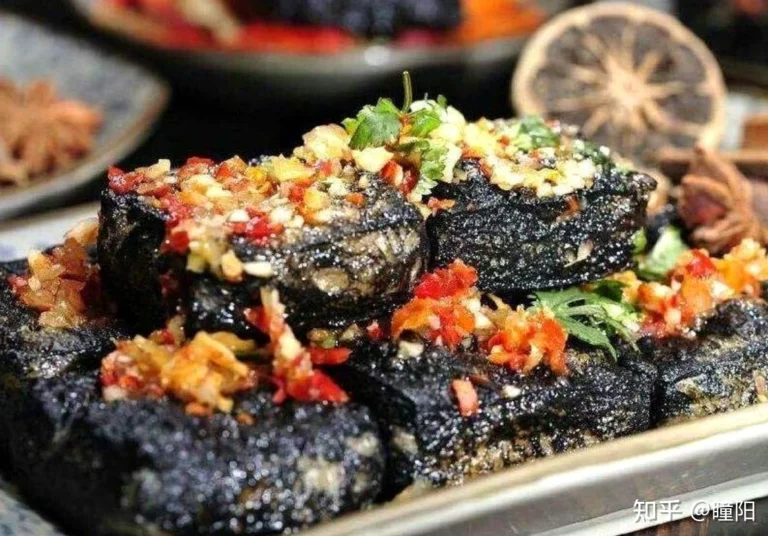
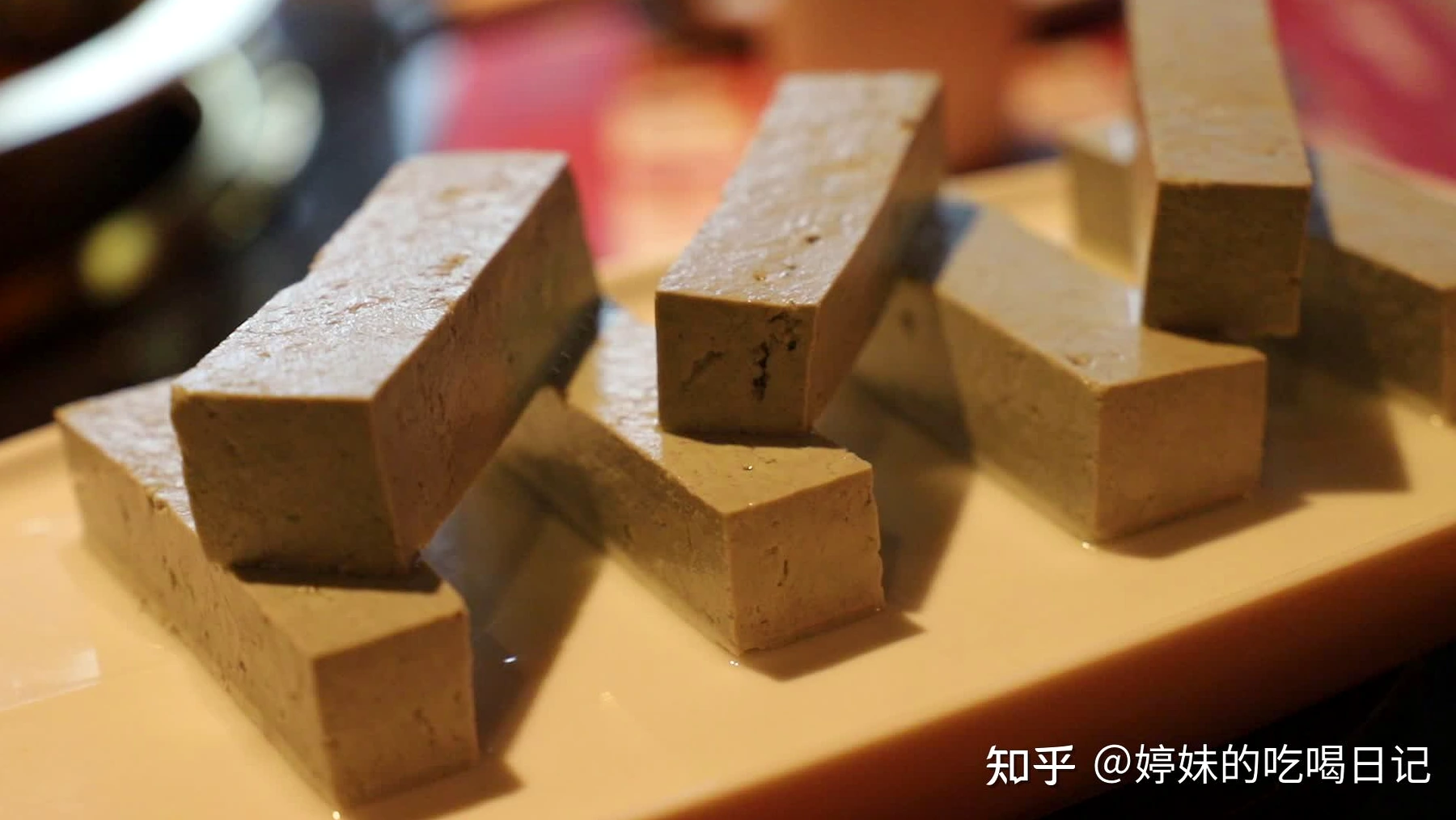
Alongside the clean sweetness of the hill chicken, Phoenix black-oil tofu offers a rustic flavor profile rich in health-boosting properties. Pure organic soybeans harvested from the northwestern hillsides are soaked and coagulated entirely naturally using the cool underground spring water, creating a soft, rich, and creamy block of tofu. Each piece is deep-fried in local black oil and then simmered in a clay pot with bone broth and mountain herbs, emitting a mildly fragrant steam that helps nourish blood circulation and purify the body after exhausting climbs.
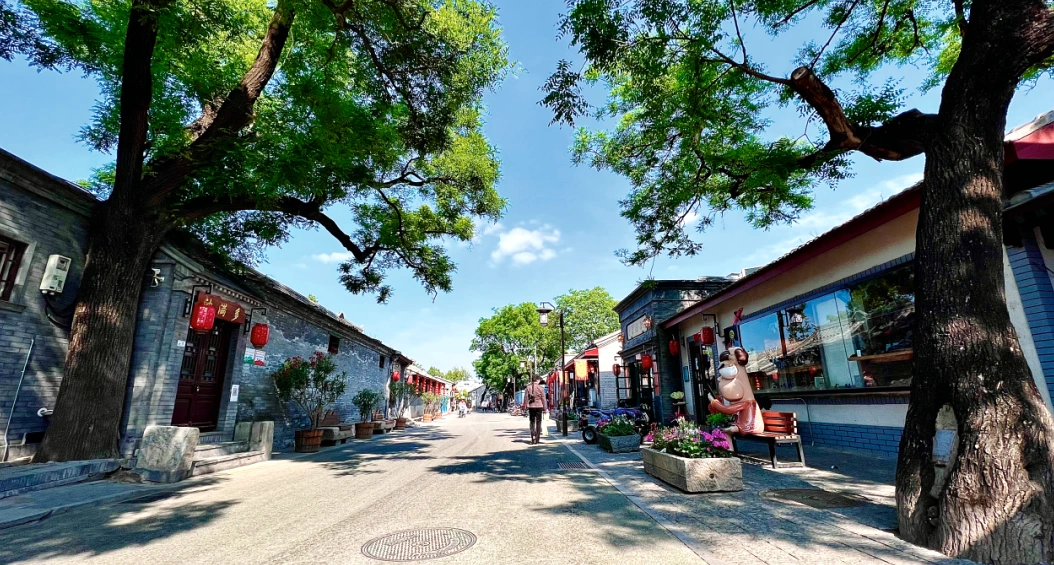
After hours of wandering through forest trails, travelers often pause at the ancient culinary street nestled at the foot of the mountain, which preserves the slow-paced life and traditional culinary identity of the Xishan residents. The weathered grey-brick path stretches beneath the shade of lush green trees, flanked by rows of ancient houses with grey brick walls and gracefully curved tiled roofs. In front of the porches of family-run eateries, the vibrant red of lanterns swaying gently in the breeze opens up a peaceful space welcoming passersby under a clear sky dotted with fluffy white clouds.
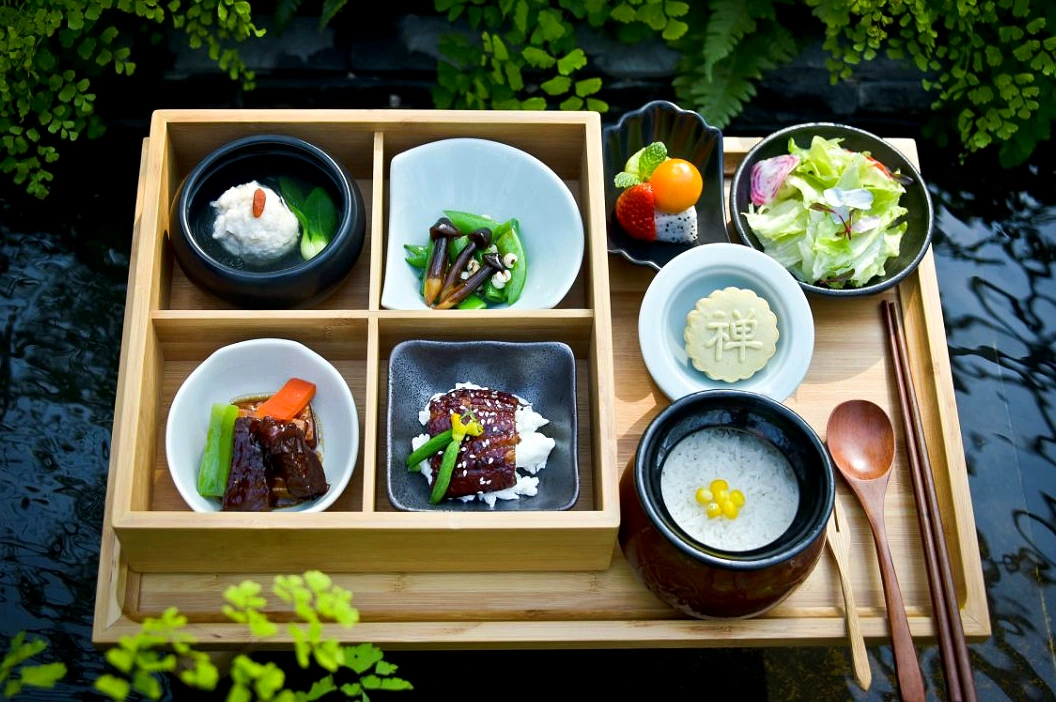
At the Central Route rest station, visitors also have the opportunity to enjoy the renowned Long Tuyen Zen vegetarian feast, where gastronomy harmonizes with the mindfulness philosophy of monastic life. These pure vegetarian dishes are skillfully prepared from natural wild yams, freshly sprouted asparagus after the rain, and tender forest greens foraged right in the valley, served with a fragrant pot of wild chrysanthemum tea. The meal is not merely a culinary experience but a moment to settle the heart, listen to the breath of the forest, and cleanse the mind of worldly burdens.
With each passing season, this land generously treats visitors to a feast of fruits overflowing with color and fragrance. The weather from April to May is when the Phoenix apricot forests ripen, with plump, juicy fruits offering a tangy zest that stimulates the palate. When the cool autumn breezes of September and October knock on the doors of the Haidian region, frost-kissed red persimmons and crisp, sweet apples become precious gifts from heaven for the weary traveler.
Concluding this high-mountain culinary journey is a cup of Taoist herbal tea made from Hawthorn and Mountain Chrysanthemum—a secret health-nurturing recipe passed down through generations of Taoist masters at Xuandong Cave. The delicate blend of the slightly tart, dew-kissed wild hawthorn and the pure fragrance of West Mountain chrysanthemums creates a golden, warming brew that restores vitality and preserves the elegant essence of this wondrous sacred mountain region.
Finding your way to this sanctuary on the northwestern outskirts of Beijing is now incredibly convenient thanks to integrated transport infrastructure. From the city center, visitors can take Subway Line 16 directly to the terminal station, Bei’anhe (北安河站), then transfer to the dedicated 346 or Zhuanduan 16 bus lines, taking just fifteen minutes to reach the park entrance. For those choosing private vehicles or ride-sharing, the Jingxin Expressway (G7) and the 6th Ring Road (G4501) shorten travel time to about forty minutes. Notably, international visitors can fully utilize the 144-hour visa-free transit policy at Beijing Daxing (PKX) and Capital (PEK) international airports, or apply for a group e-visa (L Visa Group) to organize a poetic short-term getaway.
In every season, the Phoenix Ecological Park dons a completely contrasting appearance. From April to May, the valley brightens with the pure white and soft pink hues of thousands of ancient apricot trees blooming during the lively Apricot Blossom Festival. Conversely, the period from October to November is the most spectacular time, as over 85% of the vegetation changes color, woven with fiery red smoke bushes (*Cotinus coggygria*) and golden ginkgo leaves. Depending on your fitness level, travelers can choose the 2.5 km Central Route, a gentle 2-hour walk perfect for families; the 3.8 km Southern Route passing through ancient, solemn temples; or challenge themselves on the rugged 5 km Northern Route, a 4-hour trek featuring granite cliffs with 70-degree inclines that test one’s courage.
To ensure your trip remains a true cultural contemplation and soul-cleansing experience, choosing a financially transparent itinerary is paramount. Travelers should be wary of cheap tour offers under 12 million VND from disreputable operators, as these models often cut sightseeing time at Phoenix Ridge to a mere forty-five minutes to funnel guests into artificial jade shops or fraudulent traditional medicine clinics in the border areas of Changping and Haidian. Instead, pure ecological journeys that commit to no shopping stops, strictly adhering to Article 35 of the China Tourism Law, will guarantee a full 3.5 to 5 hours of field exploration, allowing you to leisurely enjoy every thousand-year-old rock formation without being disturbed by any commercial agendas.
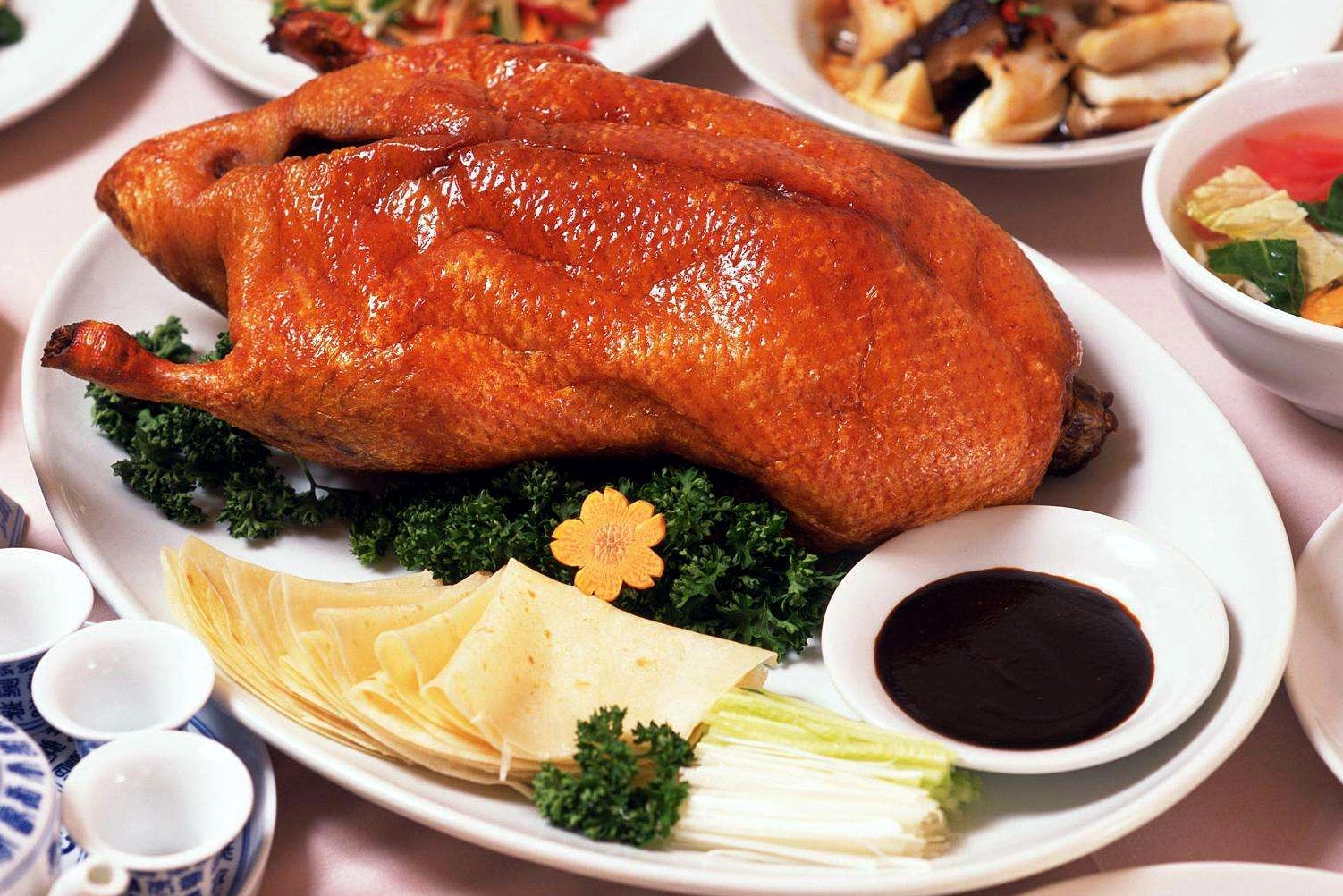
After hours of energy-draining climbs, the renowned flavors of imperial cuisine are the perfect reward to conclude a day of hiking. The photo captures a whole roasted duck with a glossy, golden-brown skin, served on an oval white plate and garnished with parsley and a carrot flower. It is accompanied by thin rice paper wrappers, shredded scallions, and a bowl of dark brown dipping sauce. Other dishes and tea cups are visible in the background, creating a hearty feast. The crispy duck skin, shimmering with an amber hue, is tightly rolled with crunchy, sweet cucumber sticks and a touch of rich, sweet bean sauce, offering a sublime sensory experience amidst the serene mountain air.
Preparing for this expedition requires careful planning, including hiking boots with high-traction soles, trekking poles for support, and a personal insulated water bottle to adapt to the rapid temperature changes at different altitudes. Services at checkpoints and rest stops support cashless payments via mobile apps, so linking your e-wallet before departure will ensure all transactions are quick and seamless. If you wish to experience the pristine and majestic beauty of this sacred land with a scientifically designed and standard itinerary, booking an all-inclusive tour package is the optimal solution, allowing you to enjoy every moment of harmony with nature and heritage with complete peace of mind.