History of Van Don Commercial Port
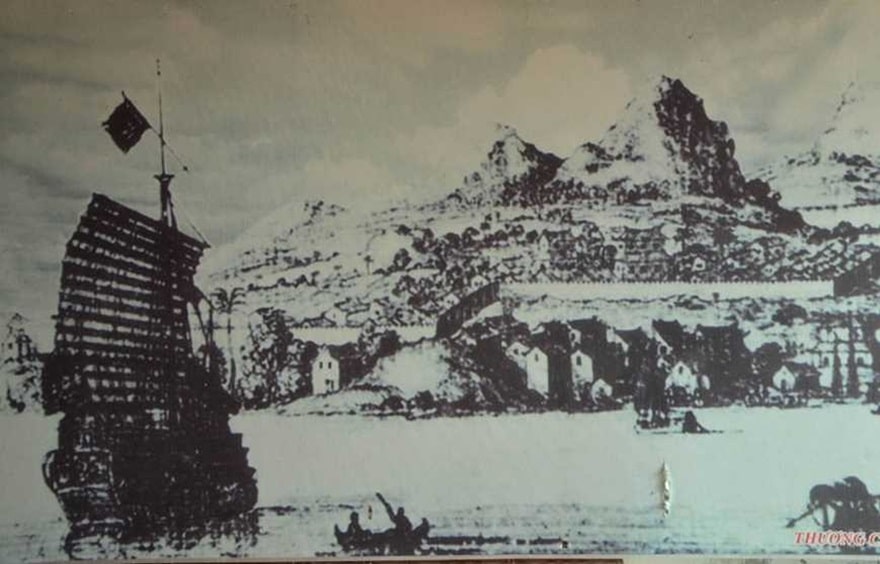
Ancient Van Don Commercial Port
According to the *Dai Viet Su Ky Toan Thu* (Complete Annals of Dai Viet), after merchant ships from three polities—Java (Indonesia), Siam, and Lavo (modern-day Thailand)—arrived in Hai Dong (Quang Ninh) seeking to stay and trade, King Ly Anh Tong established Van Don Estate (*Trang Van Don*) in 1149 (the 10th year of Dai Dinh), formally founding Van Don Commercial Port—the first commercial port along Vietnam’s northeastern coast, complete with anchorages, vessel and cargo inspection points, tax collection, and defense outposts. Archaeological surveys and historical records indicate, however, that the port built upon maritime “predecessor” traditions stretching back at least 2,500 years. Maritime cultural traits emerged in the late phase of Soi Nhu culture, expanded in Cai Beo culture, grew more pronounced in Ha Long culture, and deepened through Dong Son culture, across the period of Chinese rule, and especially once Dai Viet stood as a sovereign, independent nation. From early times, Vietnamese coastal communities understood the natural and geographic traits of the “Dong Trieu arc” interacting with the sea and its shifting cycles, applying that knowledge across daily life including domestic and international maritime trade.
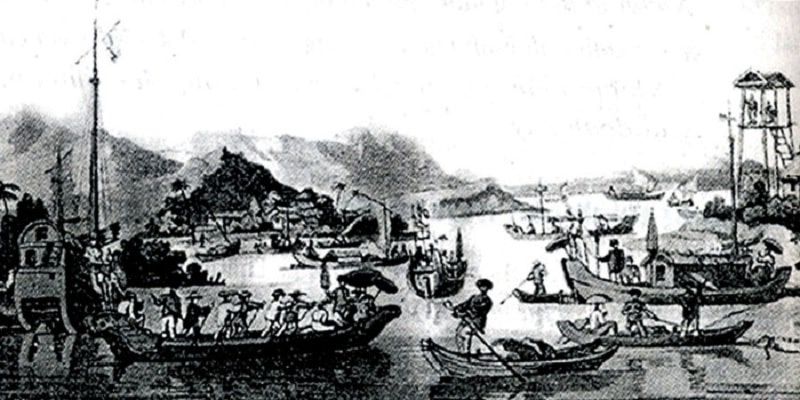
Trade and exchange at ancient Van Don Commercial Port
Van Don Commercial Port thrived especially during the Ly and Tran dynasties, handling rich goods ranging from ceramics, spices, pearls, and agarwood to local specialties such as abalone, peanut worms (*sa sung*), and sea cucumber. Among these, pearls were most renowned in historical chronicles as luxury goods prized by the nobility, while Le Tac’s *An Nam Chi Luoc* also noted red coral as an item traded and presented as tribute to Chinese emperors.
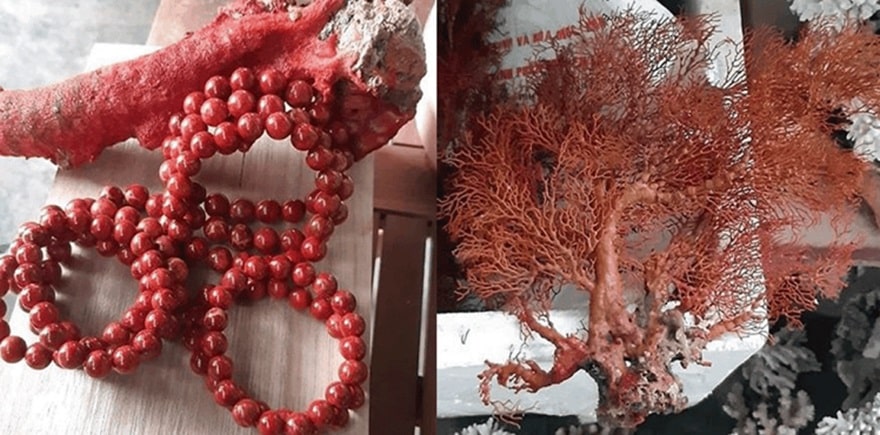
Red coral could be crafted into jewelry such as bracelets and necklaces, well suited as royal gifts of that era
As trade expanded, Van Don Estate was elevated to a *tran* (garrison/province), a *huyen* (district), and then Van Don *chau*. Across the Ly, Tran, Le, and Mac dynasties, Van Don stood as a large-scale international commercial hub and a strategic frontier tied closely to national defense and state-building. Over seven centuries from the mid-12th century to the late 18th century, Van Don was not only one of Dai Viet’s foremost economic centers, but also a key bridge of cultural exchange between Dai Viet and other Eastern civilizations.
During the Ly Dynasty, foreign trade was managed directly by the state rather than private citizens; foreign vessels had to anchor at Van Don without sailing deep inland, and foreigners could trade only at designated sites under state oversight. Under the Tran Dynasty, trade and defense at Van Don were entrusted to royal princes, including Nhan Hue Vuong Tran Khanh Du, with wooden palisades erected around trading zones and key island beaches and troops ordered to guard against infiltration by Chinese forces. By the late 18th century, as merchant ships were permitted further inland, river and coastal centers such as Ben Nua in Ke Cho (Thang Long), Pho Hien (Hung Yen), and Hoi An (Quang Nam) rose into prominence, diminishing Van Don’s central commercial role until it entered decline and ceased operating in the early 19th century.
Archaeological Research in Van Don
Through the efforts of generations of domestic and international scholars over more than half a century, a clearer picture of historic Van Don Commercial Port has gradually emerged. Decades of archaeological surveys and excavations show that Van Don covered a broad footprint with multiple anchorages hosting concurrent trade across several locations.
Ancient anchorages spanned roughly 200 km2 from historic Yen Hung (now Quang Yen Town) across islands of Bai Tu Long Bay and Ha Long Bay up to the northern frontier of Mong Cai. Compared with famed river ports such as Pho Hien or Hoi An, Van Don operated as an island-and-sea port network centered largely around Cong Dong, Cong Tay, Thang Loi Commune, Cai Lang, Cong Cai, Con Quy, and Quan Lan.
Archaeological surveys on Quan Lan Island and neighboring islands such as Cong Dong, Cong Tay, and Thang Loi have revealed a comprehensive view of Van Don’s reach, uncovering sites and artifacts thousands of years old across varied materials that attest to wide-ranging international maritime contact.
Cong Tay Island Survey Site
At Cong Tay Island—also known as Thua Cong—archaeologists uncovered numerous relics, especially ceramics. Most are indigenous Vietnamese wares—such as Ly-dynasty celadon, Tran-dynasty brown-glazed ceramics, and Le-dynasty blue-and-white ware—alongside abundant foreign ceramics, particularly high-grade Chinese celadon and blue-and-white porcelain. Combined with its wind-sheltered anchorage for vessels, findings identify the site as a major port anchorage in the 14th and 15th centuries.
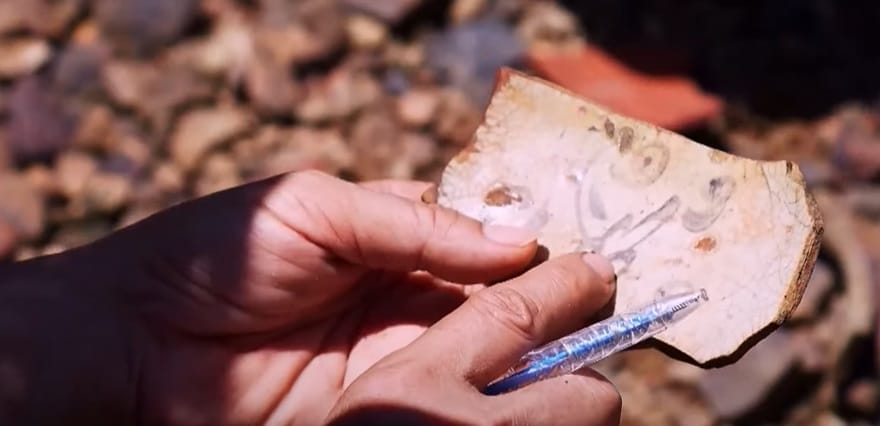
Vietnamese ceramic and porcelain sherds on Cong Tay Island
As an international commercial port, Van Don gathered goods not only from coastal islands but also from broader economic centers across Dai Viet—linked most vitally along the primary economic corridor connecting Van Don Commercial Port with the royal capital of Thang Long.
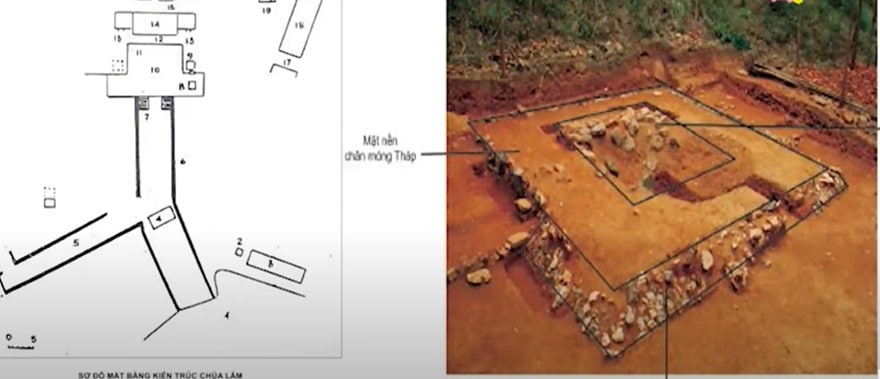
Architectural floor plan of Lam Pagoda
Beyond anchorages and ceramic scatters, archaeologists identified dense traces of Tran-dynasty architecture, pagodas, and stupas across the island—most notably Lam Pagoda and Van Don Pagoda/Stupa, whose structural scale and ground plans have been clarified through excavation—showing that these hubs supported substantial settled communities organized into villages and communes.
Cai Lang Wharf Survey Site
Cai Lang Wharf in northeastern Quan Lan Commune served as a core center of ancient Van Don Commercial Port. Although nearly a millennium of change has transformed its bustling appearance, tens of thousands of dynastic ceramic sherds remain at the ancient landing as evidence of millions of cargo shipments that once arrived there.
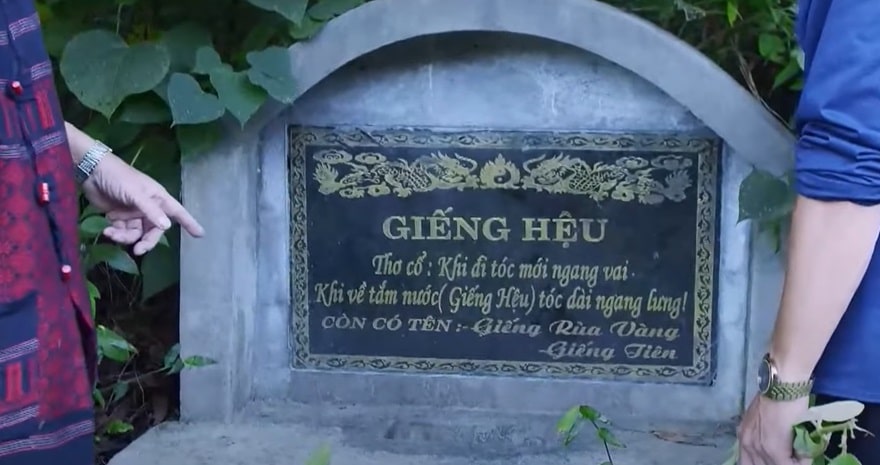
Heu Well – an ancient well dating to the Ly Dynasty on Cai Lang Island
“Cai Lang” means “large village,” reflecting a populous community whose maritime trade brought prosperity and inspired numerous temples and shrines. Today, the area preserves foundations of Quan Lan Communal House, an ancient shrine over 300 years old honoring King Ly Anh Tong—founder of Van Don Estate—and Heu Well, an ancient freshwater well dating to the Ly Dynasty that supplied domestic and foreign merchant vessels.
Cong Cai Area Survey Site
Here, archaeologists uncovered wharf and landing foundations along with large stone blocks believed to have served as boat mooring points, together with ancient ceramics confirming Cong Cai as an important transshipment and trading hub within ancient Van Don.

Large stone block believed to have been a boat mooring point in antiquity
Artifacts excavated here reinforce findings around Cai Lang: while earlier small test pits revealed Ly–Tran traces, newer excavations—especially around areas linked to Tran Khanh Du’s troop training and assembly—yielded rich Tran-dynasty ceramic remains alongside coins spanning from the Northern Song period through the Le Canh Hung era.
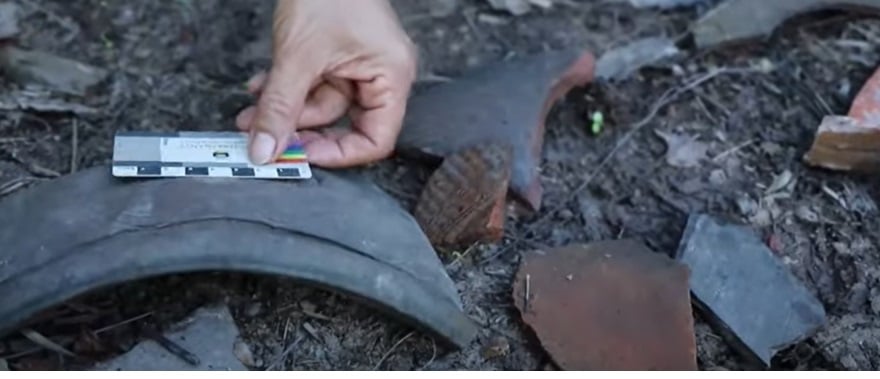
Abundant ancient ceramic artifacts uncovered in the Cong Cai area
Archaeological excavations, surveys, and historical sources show numerous coastal and island anchorages, while underscoring that Van Don Commercial Port should also be understood through longstanding local habitation that shaped Ha Long culture across Bai Tu Long Bay and Ha Long Bay—a prehistoric maritime culture existing millennia BC with regional Southeast Asian ties that paved the way for Van Don’s emergence as a commercial port.
Where Was the Center of Van Don Commercial Port?
- Zone 1 encompassed the Cong Dong – Cong Tay island group, serving as Van Don’s primary economic, cultural, and diplomatic center during the Ly and Tran dynasties.
- Zone 2 encompassed the Hai Van island group, playing a vital role in security and customs oversight while facilitating trade in high-value goods from Zone 1 and external economic exchange; from roughly the late 15th to early 16th century, succeeding Cong Dong – Cong Tay, it became Van Don’s largest and most important hub through the early 18th century.
- Zone 3 encompassed anchorages in Ngoc Vung Commune, contributing to international trade and southern security for the port complex. Together, these three zones anchored political, economic, and social life across seven centuries of Van Don Commercial Port.
Artifacts on Display
Valuable relics uncovered in Van Don surveys are preserved on the second floor of Quang Ninh Museum, with each piece reflecting a prosperous era of Van Don Commercial Port. Among them is the Van Don Stupa (Bao thap Van Don) discovered in Thang Loi Commune during excavations at Lam Pagoda; reconstructed models indicate a tower over 15 meters tall with at least 11 tiers reflecting late-13th- to early-14th-century Tran artistic architecture, decorated with bodhi-leaf motifs, dragons, phoenixes, and sculptures.
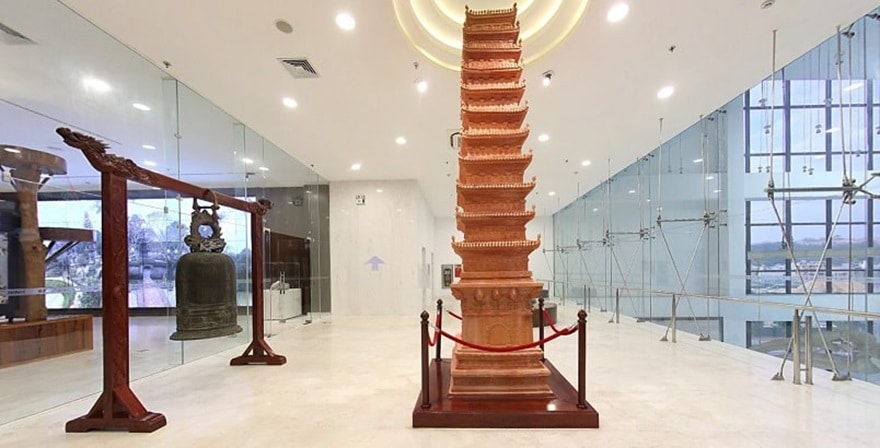
Van Don Stupa at Quang Ninh Museum