
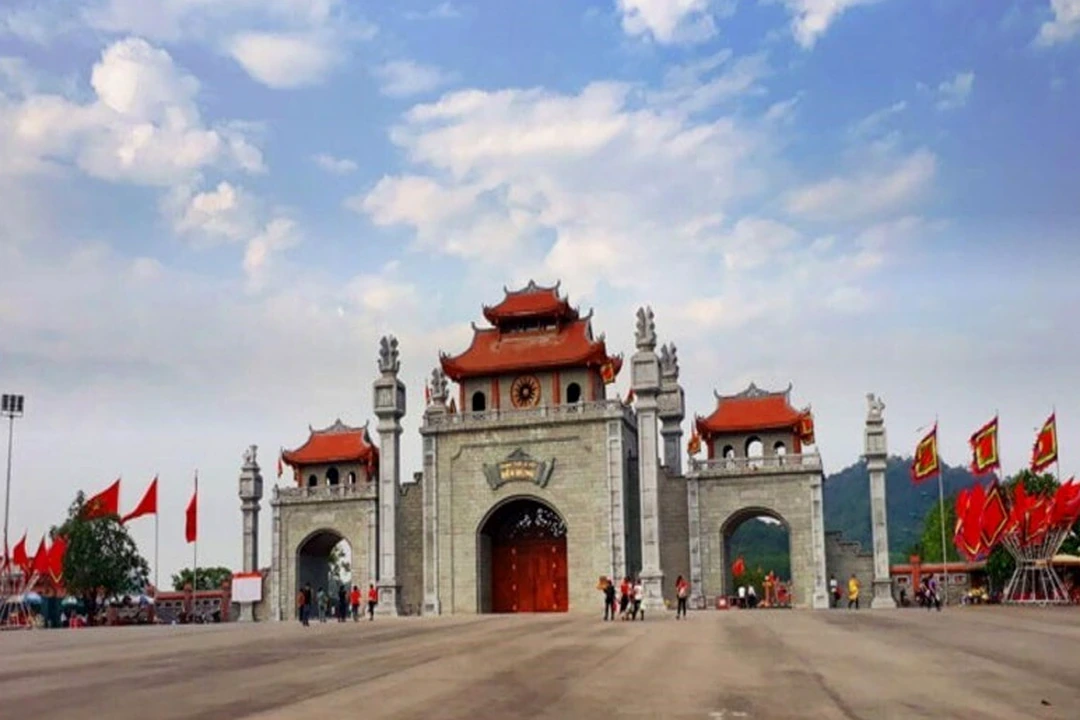
Architecturally, Gieng Temple showcases the exquisite craftsmanship of the Nguyen Dynasty through an imposing and dignified I-shaped (Cong-character) layout. Having undergone restorations during the reigns of Emperors Dong Khanh and Khai Dinh, the temple still preserves its sturdy ironwood structural frame adorned with masterful hand carvings. Load-bearing components such as trusses, stacked beams, and veranda brackets were meticulously sculpted by ancient artisans with classic yet vibrant traditional motifs, including the Four Sacred Beasts, floral patterns, and swirling clouds and waves. In particular, the bas-relief carvings on gilded lacquered horizontal boards and parallel sentences, paired with a moss-covered fish-scale tiled roof, elevate the temple’s majestic, contemplative beauty—a testament to the supreme artistry of Vietnam’s traditional village carpenters across centuries.
The most fascinating and sacred highlight of the complex is the Jade Well situated right beside the Main Sanctuary. The water inside remains crystal clear and refreshingly cool throughout the year, never running dry regardless of harsh weather conditions. According to legend, this is the very spot where Princesses Tien Dung and Ngoc Hoa once gazed at their reflections while washing their hair. Standing beside the ancient laterite well curb and looking down at the calm water mirroring drifting clouds and thousand-year-old trees, visitors feel as though they have stepped into a timeless realm of myth. The harmonious interplay of weathered wooden architecture, warm terracotta roof tiles, and the deep green of the old-growth forest creates picture-perfect frames from every angle.
For photographers and avid travelers eager to explore, Gieng Temple offers coveted “million-view” photo spots that simply cannot be missed. The first vantage point lies right along the stone balustrade surrounding the Jade Well at dawn. At this hour, the first rays of morning sunlight filter through the leaves and illuminate the water’s surface, conjuring an ethereal veil of mist that lets you capture a sacred moment of harmony between heaven and earth. The second angle favored by photographers looks upward from the temple courtyard toward the front hall, framing the sweeping curved eaves and intricately carved ironwood pillars bathed in a golden sunset glow. The ideal times to capture unforgettable footage and photographs here are from 7:00 AM to 9:00 AM or from 4:00 PM to 5:00 PM, when soft natural light brings out the full solemnity, antiquity, and sacred charm of this Special National Historical Site.
A journey to Gieng Temple (Ngoc Tien Tu) within the Hung Kings’ Temple Historical Site Complex always rewards travelers with deeply meaningful, unforgettable real-world experiences. Leaving behind the hustle and bustle of city life, visitors naturally slow their pace as they immerse themselves in the lush, tranquil mountain forests of Phu Tho. To reach the monument, travelers embark on a rewarding climb up ancient, moss-covered stone steps shaded by centuries-old trees. The lively chirping of birds blends with the gentle rustle of mountain breezes to create pure natural harmony, melting away the fatigue of a long journey.
The moment you arrive at Gieng Temple at the base of Nghia Linh Mountain, a sense of awe washes over you in the presence of a spiritual space that is both sacred and poetic. The highlight that captivates every visitor is the historic Jade Well, whose crystal-clear, cool water mirrors the sky and weathered moss-clad walls all year long. Here, visitors can touch the sacred water with their own hands and feel the refreshing coolness imbued with thousands of years of nature and history. Spending a quiet moment in sincere devotion before the incense-veiled altar honoring Princesses Tien Dung and Ngoc Hoa brings an extraordinary stillness to the soul, helping each person find inner peace and a profound connection to the nation’s roots.
Beyond spiritual reflection, exploring Gieng Temple opens up a vivid tapestry of local culture through the surrounding natural scenery and the daily rhythm of local life. Standing from the temple grounds and gazing out into the distance, visitors can take in sweeping views of a prosperous ancestral land dotted with peaceful villages and lush green tea hills stretching all the way to the horizon. That panorama stirs a deep sense of national pride and instills lasting reverence for the cradle of Vietnamese civilization.
To round off this meaningful excursion, travelers should not miss sampling the renowned local specialties of Phu Tho right around the destination. The fragrant, chewy palm-leaf compressed rice balls served with rich sesame salt, the savory depth of Thanh Son fermented pork (thit chua), and the delicate sweetness of grilled stream fish alongside rustic pickled cassava leaf dishes all leave an unforgettable aftertaste. These soulful local delicacies, paired with the warm, genuine hospitality of the local people, complete a truly fulfilling experience—turning Gieng Temple into a sacred sanctuary that lingers fondly in the heart of every Vietnamese.

To ensure your pilgrimage and exploration of Gieng Temple (Ngoc Tien Tu) within the Hung Kings’ Temple Historical Site Complex is as fulfilling, respectful, and seamless as possible, visitors should keep in mind practical tips regarding opening hours, transportation, and temple etiquette.
Regarding opening hours, Gieng Temple welcomes visitors and pilgrims every day of the week, including public holidays, Tet, and weekends. Standard visiting hours typically run from early morning until late afternoon, giving travelers ample flexibility to plan their schedules. The best time of year to visit Gieng Temple is in spring—especially during the Hung Kings’ Commemoration Festival (the 10th day of the 3rd lunar month)—or during the autumn months when the weather is dry and pleasantly cool, making mountain climbing and outdoor sightseeing far more comfortable.
An important note for visitors is that the Hung Kings’ Temple Historical Site in general, and Gieng Temple in particular, offers free admission to all Vietnamese citizens and international travelers coming to offer incense and pay tribute. Visitors only need to budget for modest parking fees at the official parking lots of the historical complex.
As for routes and transportation, from the center of Viet Tri City, visitors can easily reach the foot of Nghia Linh Mountain by car, motorbike, or local bus along a short, newly upgraded, and convenient road. If departing from Hanoi, travelers can take the Hanoi – Lao Cai Expressway or National Highway 2, reaching the site in under two hours. Upon arriving at the main gate of the Hung Kings’ Temple complex, continue on foot along the tree-shaded stone steps to reach Gieng Temple nestled at the base of the mountain.
Because this is a deeply revered cultural and spiritual sanctuary set on hilly terrain with numerous stone steps, visitors should dress modestly and respectfully, opting for traditional Ao Dai or neat, conservative attire suited to temples and pagodas. Wearing athletic shoes or flat footwear with good grip is strongly recommended to keep walking and climbing steps safe, comfortable, and fatigue-free.
To enjoy a seamless getaway and take in the full beauty of Gieng Temple without worrying about arranging transportation, admission logistics, or itineraries, travelers can choose VDS Travel’s premium all-inclusive Hung Kings’ Temple Historical Site, Phu Tho tour packages. Each tour is thoughtfully designed to optimize photo opportunities when the scenery is at its finest, accompanied by knowledgeable local guides well-versed in regional culture and top-tier hotel and dining standards.
