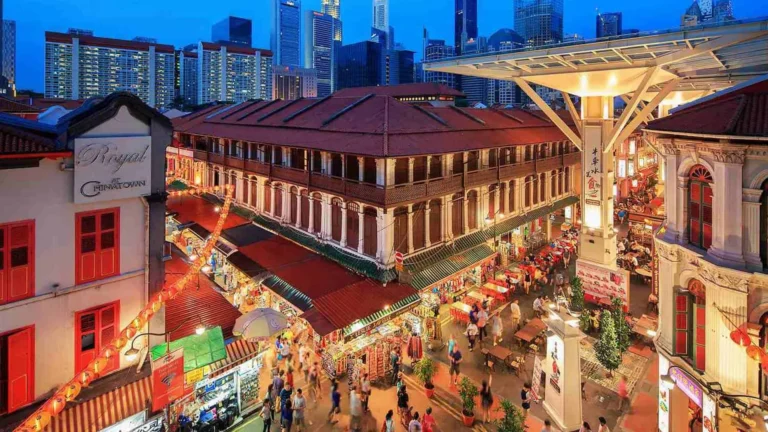
Welcome to Malacca (also known as Melaka)—one of UNESCO’s recognized World Heritage sites, where time seems to stand still to preserve the glorious historical chapters of Southeast Asia. Situated along the legendary Singapore–Malaysia travel route, Malacca is far more than a simple transit stop; it is a living museum converging cultural essences from the Malay world, China, India, Portugal, the Netherlands, and Great Britain.
As an international travel expert and encyclopedic cultural writer for VDS Travel, I will guide you deep into every corner of this ancient city through the comprehensive handbook below. Prepare your gear as we lift the veil of history, explore unique architecture, savor peak gastronomy, and master practical field strategies for your upcoming trip.
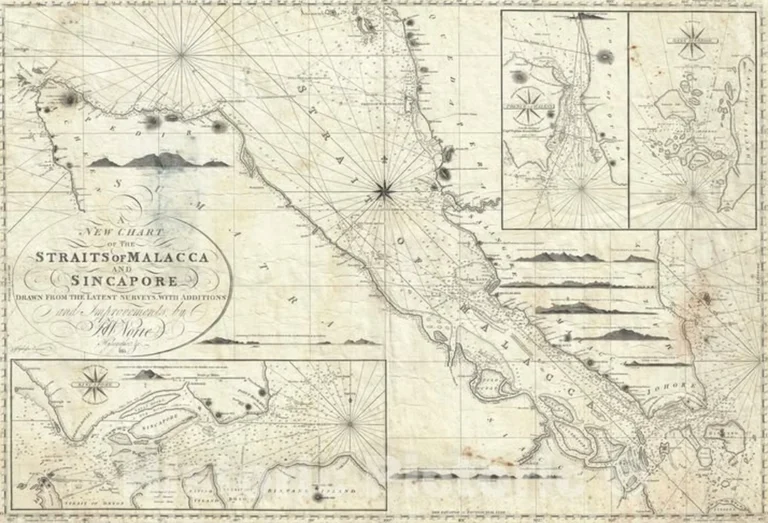
The ancient city of Malacca is located in Melaka State, in the southern part of the Malay Peninsula, stretching along both banks of the Malacca River as it flows into the strait of the same name—one of the busiest and most vital maritime routes in the world from ancient times to the present. This prime location transformed Malacca into a crucial trade bridge connecting East and West, where the Northeast and Southwest monsoons brought merchant vessels from India, China, and the Middle East to converge.
Malacca’s history is a sequence of heroic yet turbulent chapters. In the early 15th century, Prince Parameswara, exiled from Temasek (modern-day Singapore), set foot on this land and discovered its strategic potential. He established the Malacca Sultanate, transforming it from a modest fishing village into one of the region’s most bustling international trading ports.
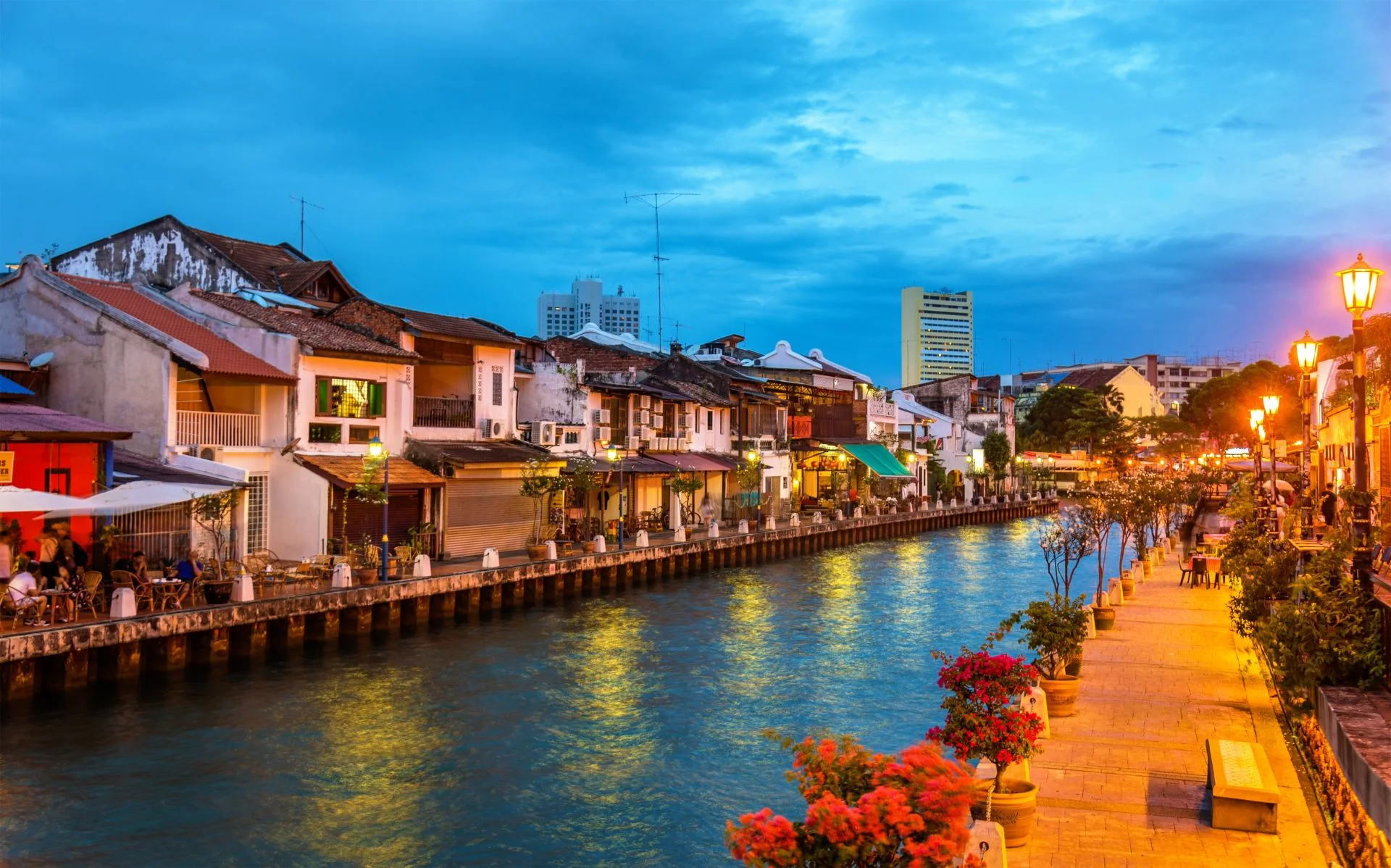
Sunset scenery along the historic Malacca canal in Malaysia featuring ancient houses.
However, Malacca’s wealth attracted Western colonial powers. In 1511, the Portuguese under the command of Afonso de Albuquerque conquered Malacca, ushering in the era of Western colonial rule in Malaysia. This was followed by Dutch domination in 1641 and finally the British Empire in the 19th century via the Anglo-Dutch Treaty of 1824. Every passing dynasty left profound imprints on the culture, language, architecture, and religion of this city.
Today, Malacca has been honored as a UNESCO World Heritage Site since 2008 (alongside Penang). Malacca’s greatest symbolic significance lies in its ultimate cultural fusion, notably the formation of the Peranakan community (also known as Baba Nyonya)—descendants of Asian merchants intermarrying with locals. Malacca stands as living proof of a “historic multicultural port city of the strait,” where East-West convergence has coexisted harmoniously for over 600 years.
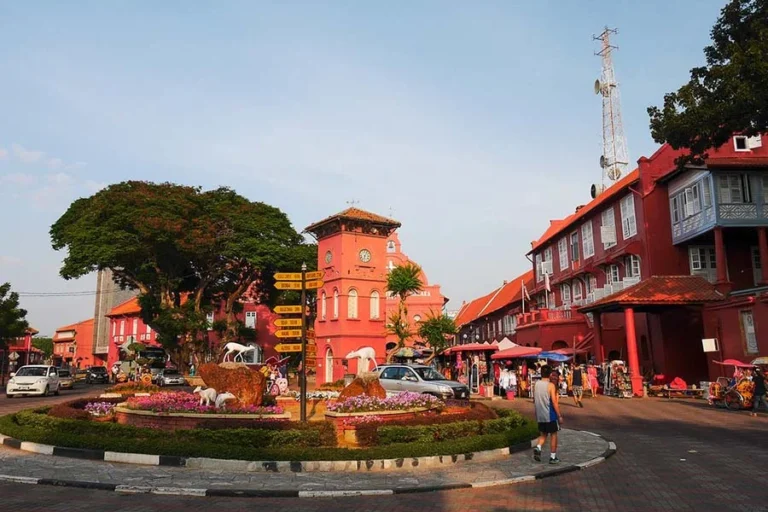
The heart of Malacca is Dutch Square, distinguished by a complex of brilliant brick-red buildings constructed during the Dutch colonial period in the 17th century. Most prominent is Christ Church, built in 1753, standing as the oldest functioning Protestant church in Malaysia. Inside the church, precious artifacts are preserved, including ancient bells, carved wooden armchairs, and Armenian tombstones.
Built by the Portuguese in 1511, A Famosa was once one of Asia’s most formidable military fortresses of its time, designed to protect the colony from the covetous eyes of other nations. Through devastating wars, today only the Porta de Santiago gateway stands proudly on St. Paul’s Hill as a silent historical witness. From here, visitors can sweep their gaze across panoramic views of the ancient city and the gentle Malacca River.
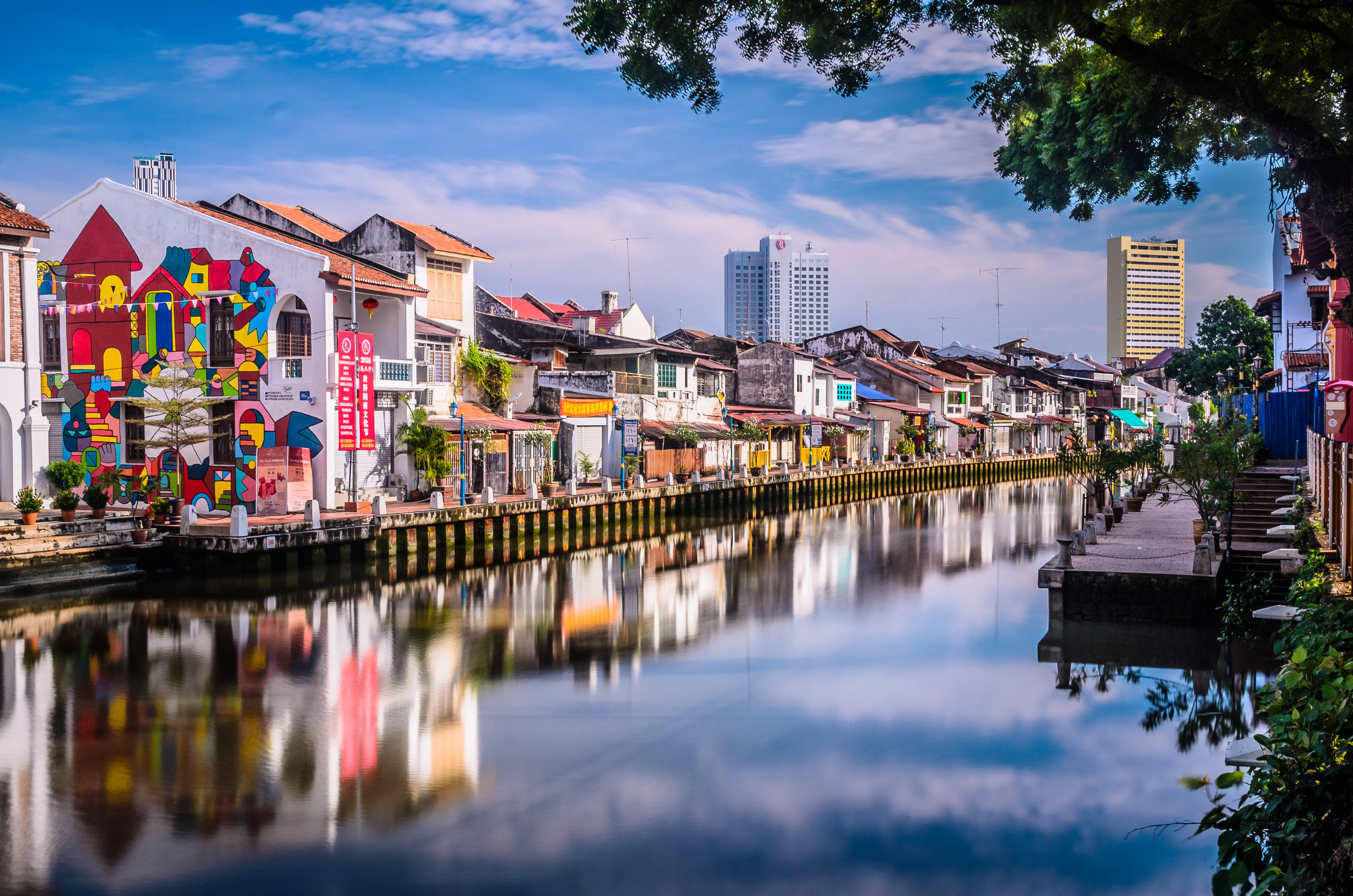
Landscape of waterways and colorful rows of ancient houses in Malacca city.
Perched atop St. Paul’s Hill immediately behind the A Famosa fortress are the ruins of St. Paul’s Church, built by the Portuguese in 1521. This location once served as the temporary burial site of Saint Francis Xavier—the great Spanish missionary. Although only roofless moss-grown walls remain, the space exudes a nostalgic, sacred beauty and serves as a premier sunset viewing spot.
Situated on Jonker Street, Cheng Hoon Teng Temple is Malaysia’s oldest Buddhist, Taoist, and Confucian temple, constructed in 1645. All building materials and carving artisans were brought directly from Fujian and Guangdong (China). The temple is a wooden architectural masterpiece featuring exquisite reliefs narrating traditional legends, carrying prayers for peace and good fortune.
Jonker Street (Jalan Hang Jebat) is Malacca’s busiest tourist epicenter. By day, it is peaceful with antique shops, art cafes, and colorful traditional Peranakan houses. By night (especially on Friday, Saturday, and Sunday nights), Jonker Street transforms into a brilliant night market teeming with buyers and sellers, overflowing with the sounds and captivating aromas of street food.
One of the most romantic and memorable experiences in Malacca is taking a boat ride down the roughly 9km-long Malacca River. The 45-minute cruise glides past colorful giant mural artworks painted on the walls of ancient buildings, historic bridges, riverside mosques, and traditional local houses. The ideal time to experience this is at sunset, when riverside LED lighting systems simultaneously illuminate brilliantly.
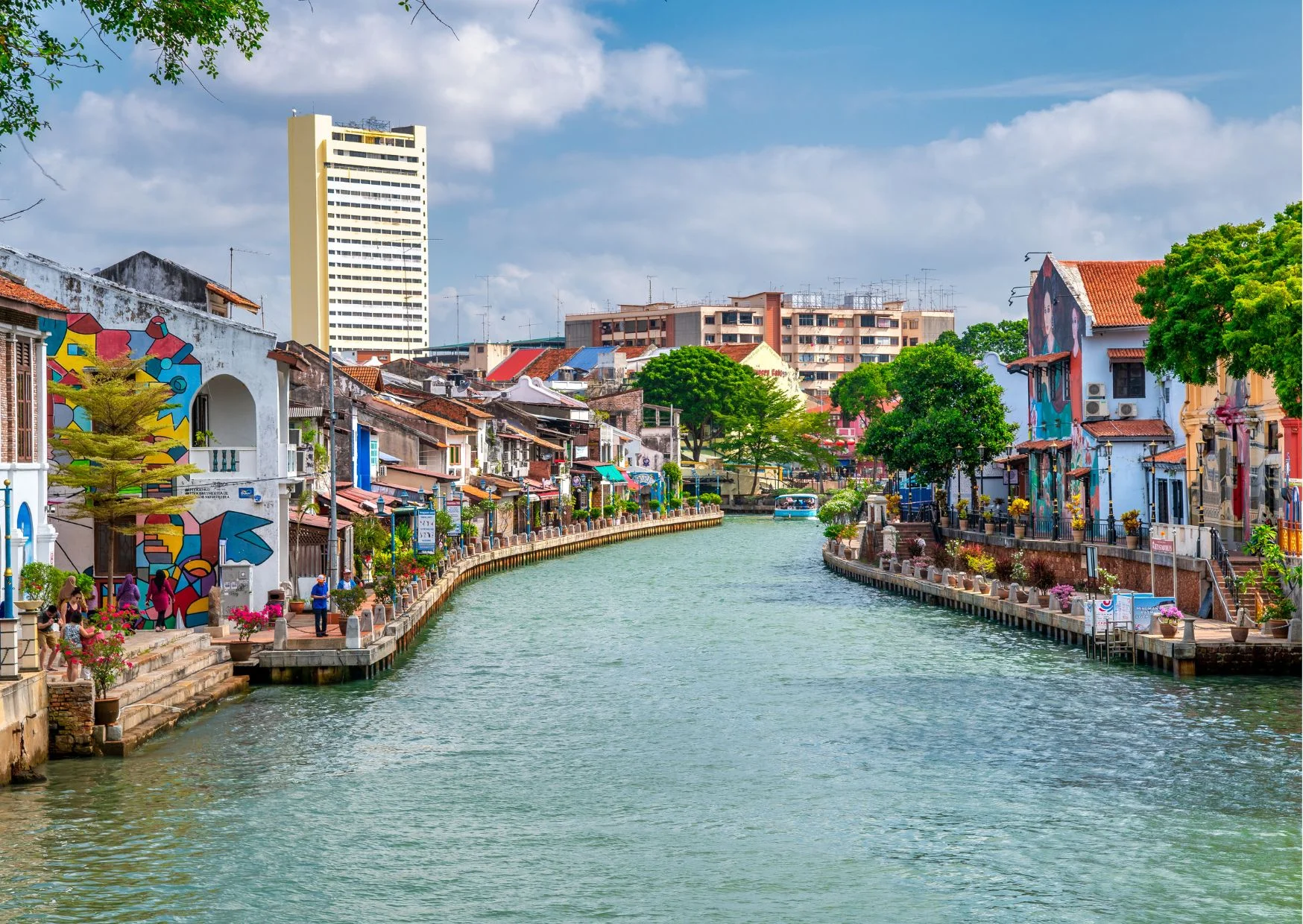
Scenery of the poetic Malacca River featuring colorful ancient houses along both banks.
Trishaws in Malacca are not merely transport vehicles but have evolved into a unique cultural icon. They are elaborately decorated with fresh flowers, flashing lights, and vibrant musical tunes. Sitting on a trishaw exploring Dutch Square and the old quarter while observing the city’s slow-paced life is an unmissable experience for any traveler.
To deeply understand the opulent and refined lifestyle of 19th-century Peranakan merchants, purchase tickets to tour the Baba & Nyonya Heritage Museum. Located in a long-standing, impeccably preserved private mansion, it displays thousands of rare artifacts from Chinese porcelain and mother-of-pearl inlaid carved wooden furniture to meticulously hand-embroidered traditional costumes.
Malacca gastronomy is a flawless blend of robust Malay spices and refined Chinese cooking techniques.
Chicken Rice Ball: Unlike standard Hainanese chicken rice, rice in Malacca is rolled into small, bite-sized balls, tender and flavorful thanks to being cooked with chicken broth and chicken fat. Nyonya Laksa: A signature spicy noodle dish featuring broth cooked from coconut milk, dried shrimp, galangal, lemongrass, and numerous aromatic spices, served with shrimp, fish cakes, bean sprouts, and laksa leaves. Nyonya Laksa / Asam Laksa: A wonderful harmony between the richness of coconut milk and the tangy tartness of tamarind.
Cendol Melaka: A refreshing shaved ice dessert highlighted by green pandan jelly noodles, rich coconut milk, and above all, authentic concentrated, fragrant Gula Melaka palm sugar. Satay Celup: A unique variation of Satay hotpot where you select skewered meats, seafood, and vegetables to dip directly into a simmering pot of sweet-spicy peanut sauce on your table. Nanas Tart (Malacca Pineapple Tarts): Sweet pastries featuring melt-in-your-mouth buttery pastry shells encasing chewy, sweet-and-sour pineapple jam fillings.
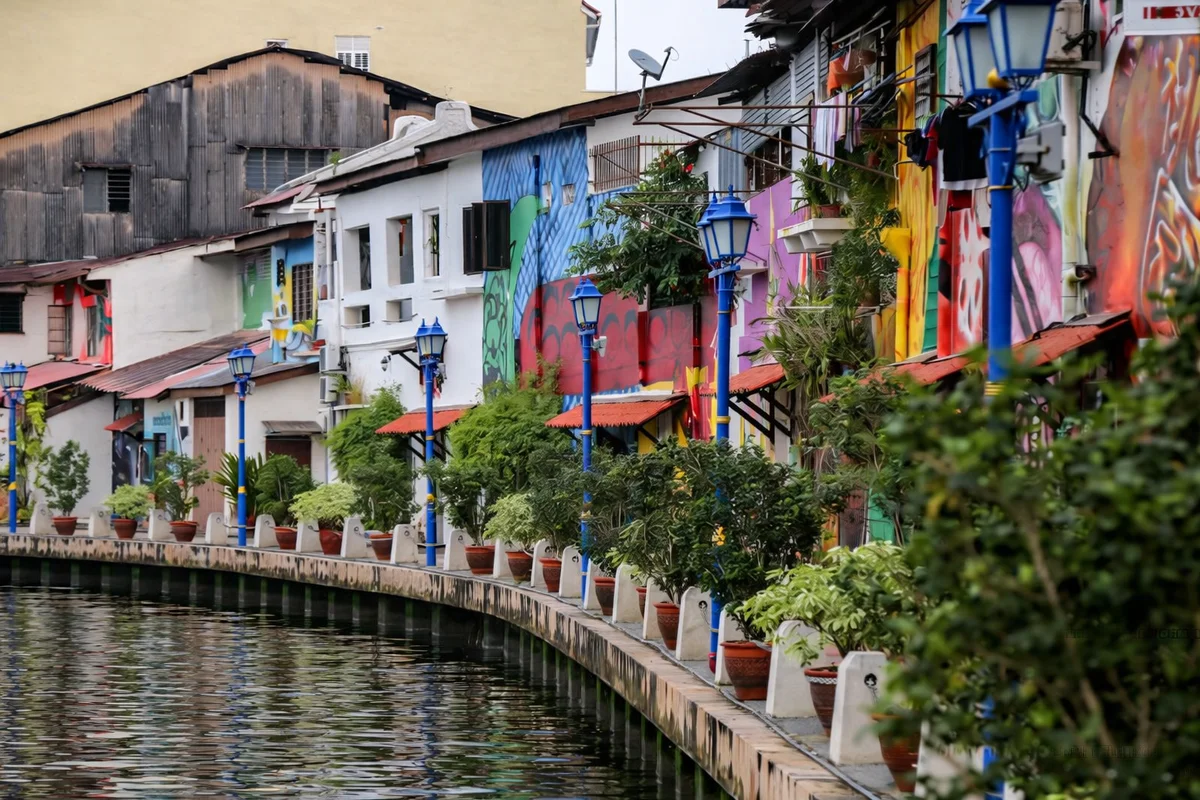
Water channels alongside brightly painted ancient houses in Malacca city.
When visiting Malacca, you should drop by handicraft shops on Jonker Street to procure:
Gula Melaka Palm Sugar: A celebrated specialty used for making desserts, sweets, or marinade seasonings. Antiques and Peranakan Handicrafts: Hand-painted porcelain tea sets and bead-embroidered shoes of Nyonya women (Kasut Manek). Wooden Souvenirs and Art Prints: Products recreating images of A Famosa fortress or decorative trishaws.
Malacca lies near the equator, resulting in a hot and humid climate year-round with average temperatures fluctuating from 27°C to 33°C.
Dry Season (May to September): The ideal time for sightseeing, photography, and outdoor activities due to minimal rain. Festival Season: If you love culture, visit Malacca during Lunar New Year or Hari Raya to witness the city donning brilliant red lanterns and engaging in unique folk cultural activities.
Malacca lacks a major commercial airport, making road travel the most popular transit method:
Express Bus: This is the most economical and popular option. You can easily catch buses from Golden Mile Complex or Queen Street (Singapore) or from the TBS bus terminal in Kuala Lumpur to Melaka Sentral bus station (taking roughly 3 – 4 hours from Singapore and 2 hours from KL). Private Car Transfer: The perfect choice for families or groups traveling the Singapore–Malaysia route, helping save border customs clearance time at the frontier (Johor Bahru) without disembarking and transferring frequently. Intramural Transport: The ancient city of Malacca is very compact; you can completely explore main attractions on foot, combined with trishaw experiences or ride-hailing apps (Grab).
Malacca is an exceptionally affordable destination compared to Singapore or Kuala Lumpur:
Street food dining costs: 5 – 15 MYR/dish. Museum and heritage site admission tickets: 10 – 30 MYR/visit. Old town boutique hotels: 150 – 400 MYR/night depending on the tier.
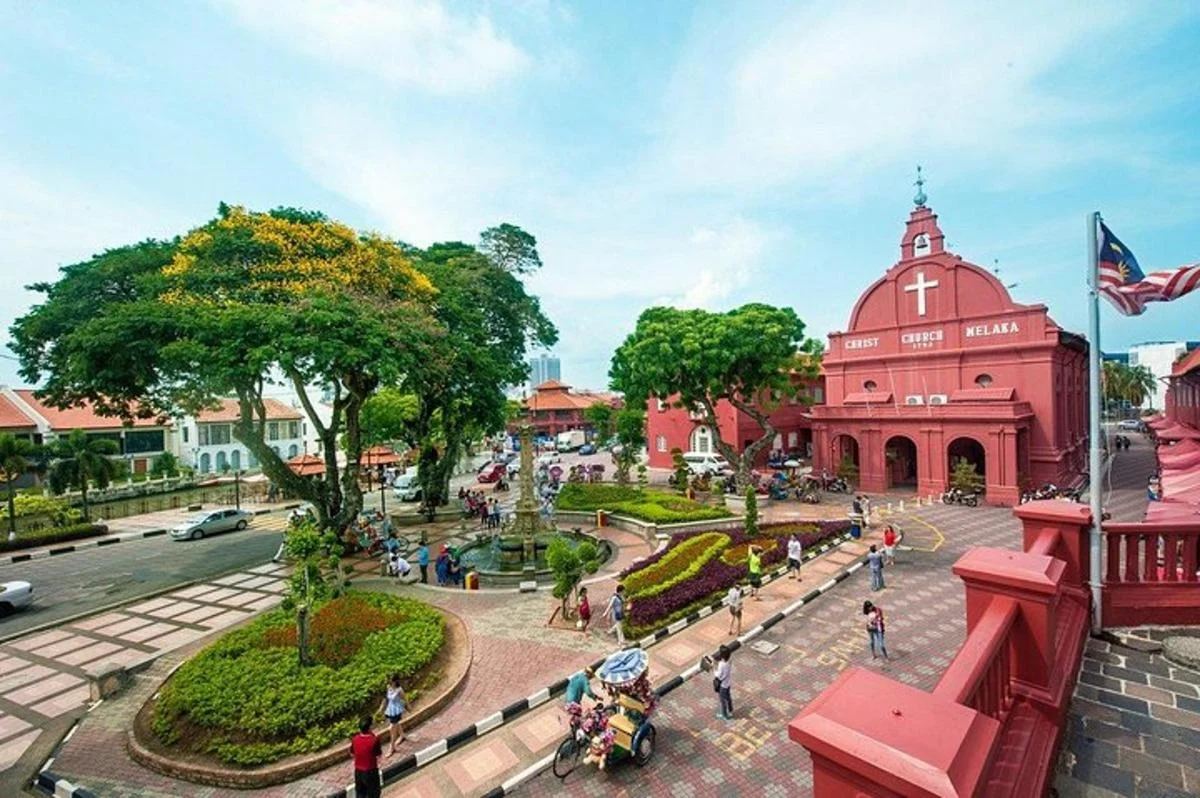
Malacca Red Square famed for Christ Church bearing its characteristic red hue in Malaysia.
Attire: When visiting temples, churches, or mosques, wear polite clothing covering shoulders and knees. Public Conduct: Respect community spaces and maintain quiet in sacred places. Currency: Prepare a small amount of Malaysian Ringgit (MYR) cash for snacks at night markets or trishaw rides, although major stores accept international payment cards.
Given its compact scale, the ideal duration to thoroughly explore Malacca is 2 days and 1 night. This timeframe suffices for daytime historical sightseeing, nighttime food tasting on Jonker Street, sunset river cruises, and experiencing unique Peranakan cultural spaces without feeling rushed.
Malacca occupies a strategic central position on the legendary Singapore–Malaysia travel route. The most popular and optimal itinerary designed by VDS Travel is: Singapore -> Malacca -> Kuala Lumpur (or vice versa). This journey allows travelers to fully experience the cultural convergence between modernity (Singapore, Kuala Lumpur) and nostalgia (Malacca) within a single seamless trip.
The most favored and heavily purchased souvenir in Malacca is Authentic Gula Melaka Palm Sugar, traditional pineapple tarts (Nanas Tart), alongside handicrafts and traditional bead-embroidered shoes of the Nyonya. They carry unique cultural values difficult to find in other cities.
The official currency in Malacca is the Malaysian Ringgit (MYR). While major restaurants and hotels accept international credit cards, carrying a small amount of MYR cash remains advisable for purchasing night market snacks, riding trishaws, or paying at small family-run shops.