Before sleek lines of stainless steel and reflective glass rose straight into the tropical sky, this prime site in the heart of Kuala Lumpur looked entirely different. Where the soaring twin towers stand today once lay the sprawling grounds of the Selangor Turf Club, a British colonial-era heritage established in the late 19th century. For decades, this low-lying basin was an exclusive playground for colonial aristocrats and the Malay elite, with thoroughbred races thundering across lush green turf. However, as the tides of history turned in the late 20th century, a wave of modernization prompted the federal government to re-evaluate this nearly hundred-acre diamond of land, turning it into the focal point of the most dramatic transformation in Southeast Asian architectural history.
The bold vision behind this landmark was closely tied to the ideas and strategic foresight of former Prime Minister Tun Dr. Mahathir Mohamad, the leader who steered Malaysia into an era of rapid industrialization. When the decision to clear the historic racecourse passed in 1992, Prime Minister Mahathir Mohamad did not simply want to build an office headquarters for Petroliam Nasional Berhad (Petronas). Behind the grand blueprint stood an unmistakable declaration for “Vision 2020” (Wawasan 2020)—an ambitious national strategy aimed at transforming Malaysia from a tropical agricultural economy reliant on rubber and tin exports into a fully developed industrial economy before the turn of the millennium. The twin towers were meant to serve as a tangible milestone marking the nation’s place on the global geopolitical and economic map, breaking the long-standing Western monopoly on supertall skyscrapers.
Construction officially broke ground in 1992, launching one of the most complex and demanding megaprojects of its time. When engineers conducted deep geological surveys underground, they discovered that the original foundation site sat atop a treacherous, uneven limestone fault line that risked differential settlement. Faced with a make-or-break engineering challenge, the entire layout had to be shifted sixty meters to a more uniform weathered shale formation. To support the massive loads, contractors bored friction piles more than one hundred meters down into bedrock, creating one of the deepest, thickest reinforced concrete raft foundations on Earth at the time. The build grew even more dramatic when the government assigned each tower to a separate international construction consortium: Japan’s Hazama Corporation led Tower 1, while South Korea’s Samsung C&T built Tower 2, sparking fierce competition over schedule and micrometer-level precision across years of work.
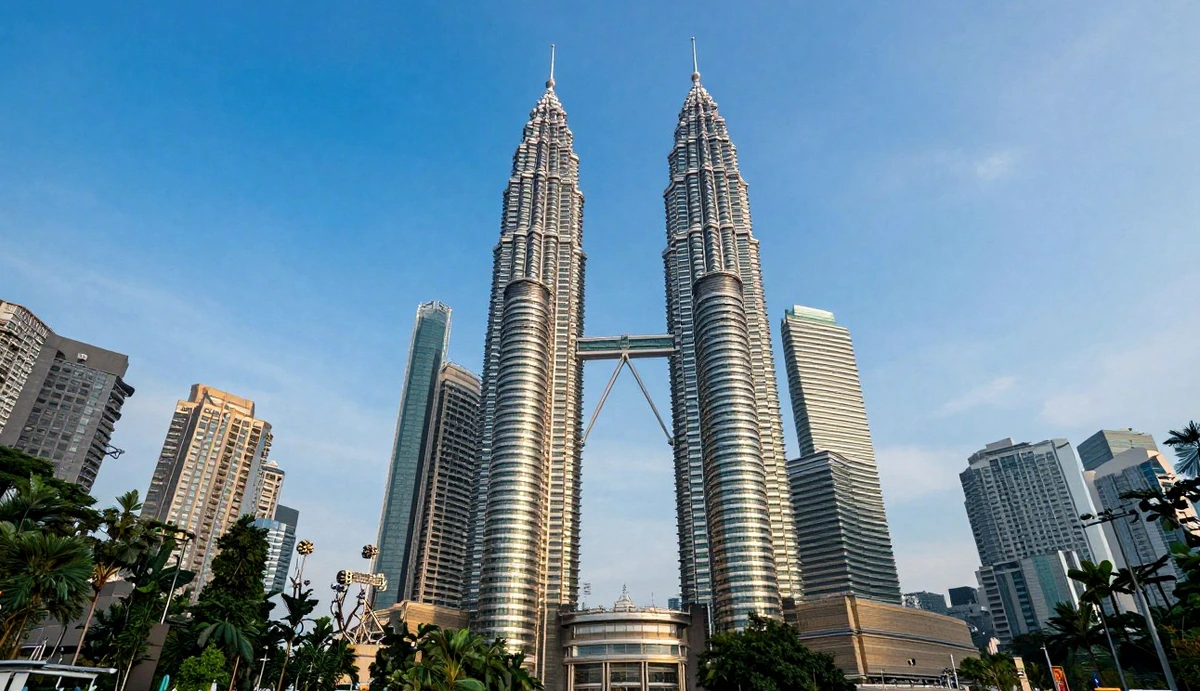
By 1998, even as the Asian financial crisis cast a dark shadow across the region, the Petronas Twin Towers stood proud and finished on time as a monument to resilience and economic self-reliance. Rising to 451.9 meters across eighty-eight floors, the complex dethroned the Willis Tower (Sears Tower) in Chicago to claim the title of the world’s tallest building according to the Council on Tall Buildings and Urban Habitat (CTBUH). Although the overall tallest-building crown later passed to Taipei 101 in 2004, the Petronas Twin Towers continue to hold the unmatched record as the world’s tallest twin towers to this day. Their presence permanently reshaped Kuala Lumpur’s skyline and crystallized a proud historical chapter where traditional Islamic heritage intersected powerfully with the forward-looking ambitions of a rising nation.
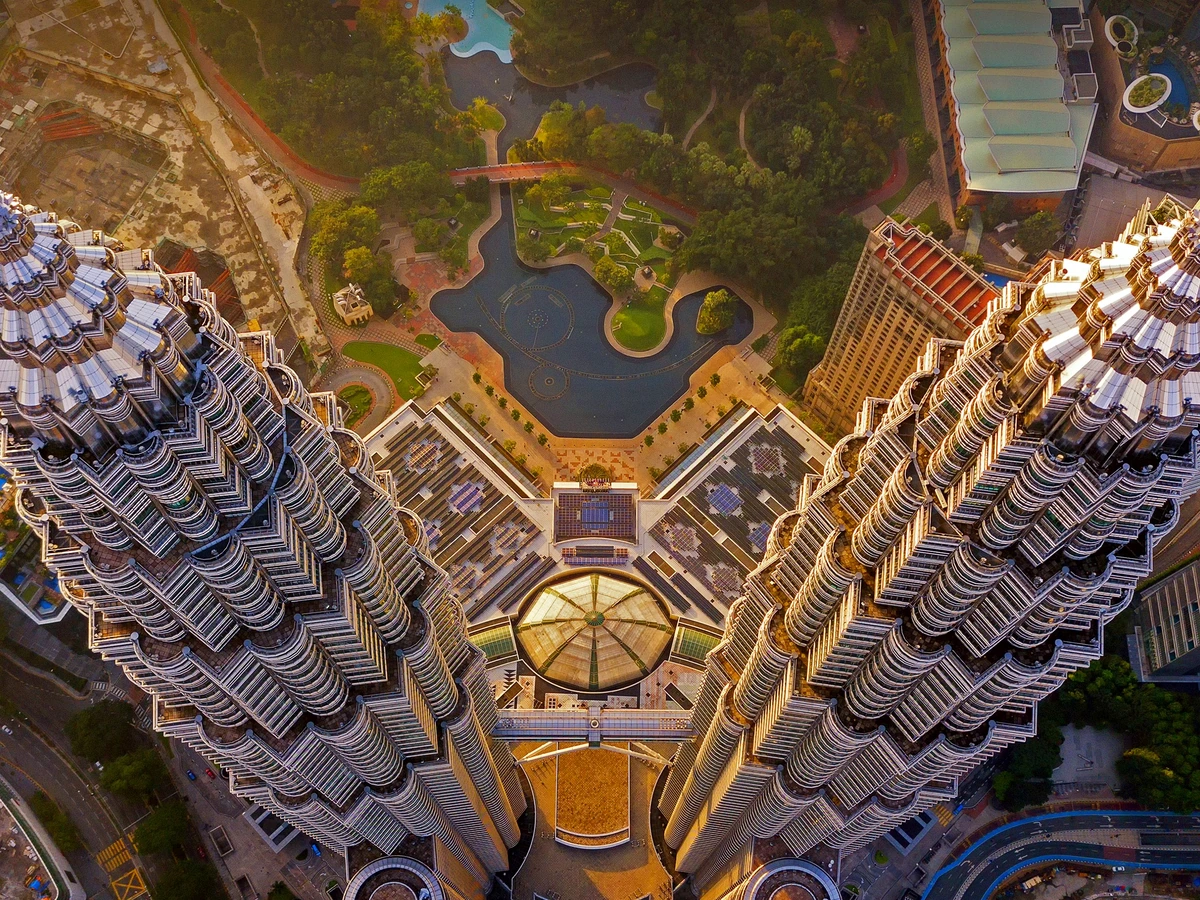
Standing proudly at the heart of Kuala Lumpur’s “Golden Triangle,” the forty-hectare KLCC complex became the embodiment of a historic, nation-shaping transformation. The land that once belonged to the famed Selangor Turf Club was comprehensively master-planned to become Malaysia’s premier financial and cultural hub. Viewed through the lens of Eastern geomancy intertwined with sacred Islamic geometry, choosing a site that gathered the capital’s vital energy was more than an economic calculation—it was an aspiration to establish a new axis of power across Southeast Asia. Yet beneath the solidity of this grand achievement lay formidable geological puzzles that builders had to solve through extraordinary engineering grit.
Initial geotechnical investigations revealed a tricky reality: the site sat above heavily dissolved subterranean karst limestone, creating complex cavities and natural slip planes. Part of a tower’s planned footing rested on degraded limestone, while another portion met softer shale. Facing the risk of uneven settlement that could compromise the entire structure, a pivotal engineering decision was made: shift both towers sixty meters to the southeast onto more uniform sedimentary rock. There, the deepest friction-pile foundation system in the world at the time was deployed, using barrette piles driven more than one hundred meters into the ground alongside a massive high-strength concrete raft poured continuously over hundreds of hours to counter lateral sway and extreme wind loads acting on the twin peaks.
A striking counterpoint to thousands of tons of cool stainless steel and fiber-reinforced concrete is the lush greenery of the twenty-hectare KLCC Park, the final legacy project gifted to the world by renowned Brazilian landscape architect Roberto Burle Marx before his passing. Dubbed the “green lung” of the metropolis, the park blends Western modernism with the living breath of native tropical nature. Rather than designing a rigid ornamental garden, Roberto Burle Marx crafted an organic harmony where nature softens the towering verticality reaching toward the clouds.
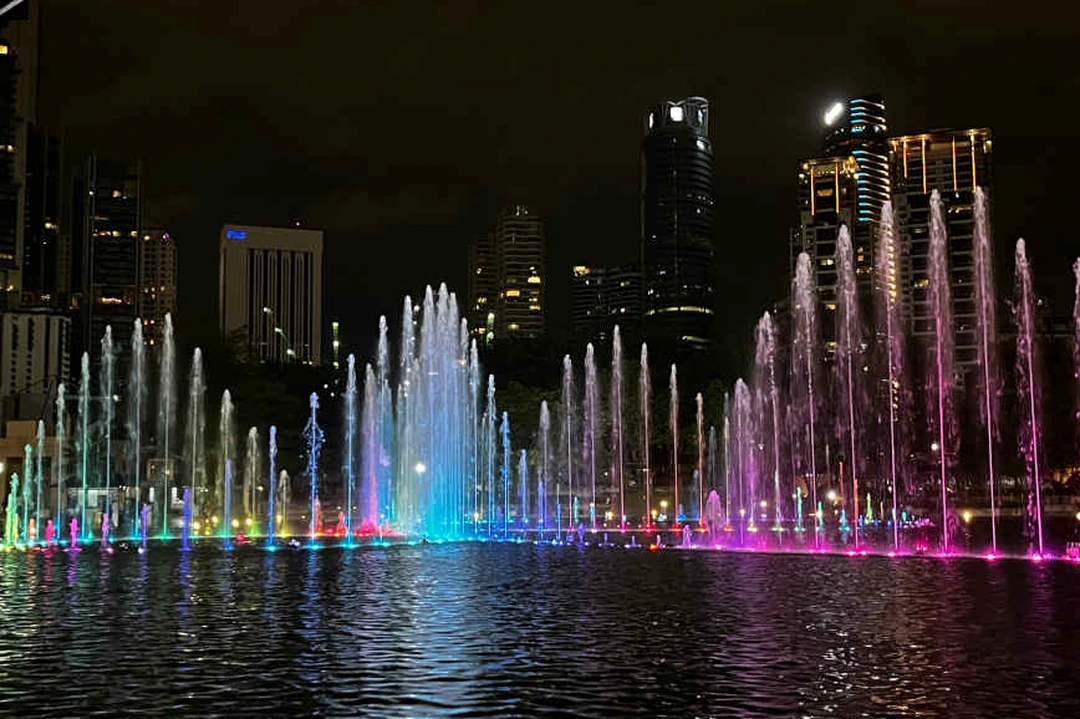
Within this ecological sanctuary, more than 1,900 mature trees across seventy-four native tropical plant species and dozens of rare palms were carefully selected to create a thriving habitat that draws migratory birds back into the bustling capital. At the heart of the park lies the ten-thousand-square-meter Symphony Lake, highlighted by mechanical water jets capable of shooting plumes up to forty-two meters high in time with classical orchestral pieces. Winding past emerald lawns and shaded groves is a 1.3-kilometer jogging track surfaced with specialized EPDM elastic material, creating a smooth visual transition between nature’s gentle curves and the twin towers’ crisp geometry—an architectural whole uniting humanity, engineering craft, and generous earth.
Seen in floor plan, the architectural soul of the Petronas Twin Towers opens a majestic dialogue between modern mathematics and sacred Islamic aesthetics. Under the vision of master architect Cesar Pelli, each floor plate departs from the boxy rectangular blocks common in the West, drawing instead on the Rub el Hizb—the classic eight-pointed star formed by two overlapping squares, symbolizing order, unity, and enduring faith. To maximize usable floor area and soften sharp geometric corners, the architect skillfully tucked eight semicircular lobes into the recesses between the star points. This subtle variation creates a flowing sixteen-lobe rhythm reminiscent of a lotus blossom in full bloom, while helping the towers shed equatorial wind gusts and inviting natural daylight deep into the interior spaces.
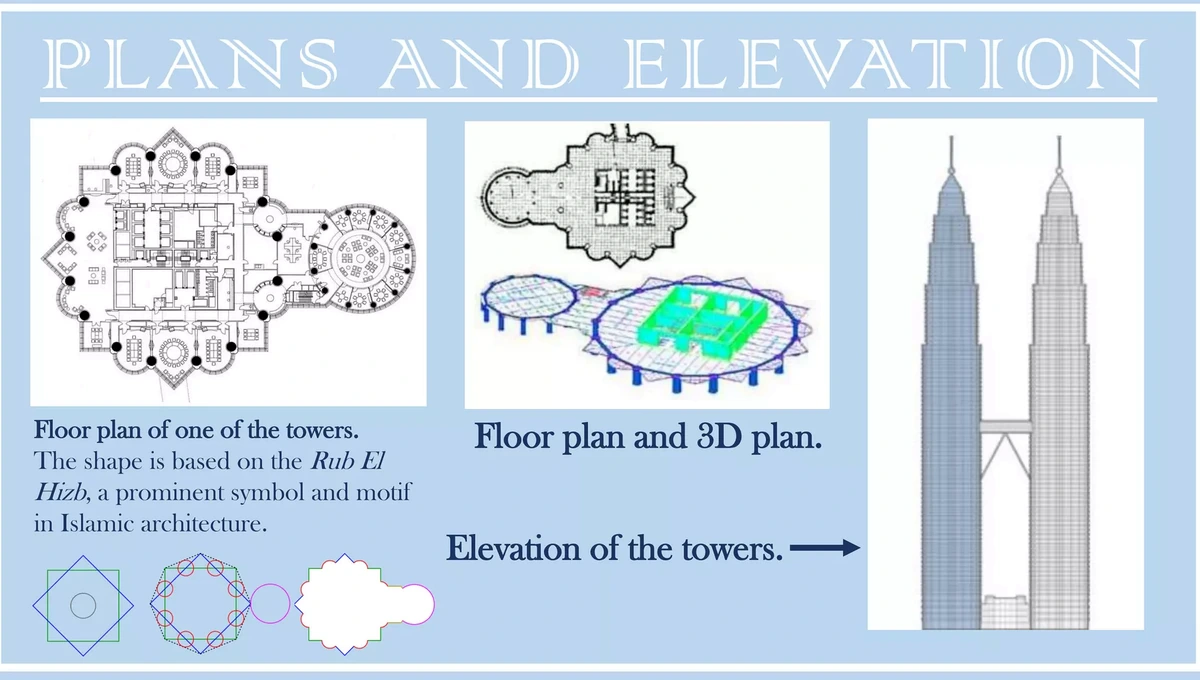
To support the immense volume rising 451.9 meters across 88 stories, structural engineers made a groundbreaking choice for the era: replacing costly imported structural steel framing with an ultra-high-strength reinforced concrete system. Sixteen massive perimeter concrete columns tied to sturdy outrigger beams formed a resilient skeleton that significantly dampened sway at dizzying heights. The exterior skin acts like gleaming armor woven from 83,500 square meters of rust-proof stainless steel and 55,000 square meters of blue-tinted laminated glass coated against solar heat. Beneath the intense tropical sun of the Malacca peninsula, projecting metal louvers and reflective glazing shield interiors from solar radiation while casting a shimmering visual effect reminiscent of traditional Malay silverware craft.
The boldest and most dramatic engineering feature is the two-story Skybridge spanning the gap at floors 41 and 42, linking both towers 170 meters above ground. Measuring 58.4 meters long and weighing up to 750 tons, the bridge does more than route internal circulation and serve as a vital emergency link between the towers—it is a one-of-a-kind dynamic mechanical marvel. Rather than a rigid fixed connection that could fracture when the independent towers sway out of phase under fierce winds or seismic tremors, the Skybridge rests on an inverted-V three-pin arch support paired with sliding bearings and multi-directional spherical joints at its abutments. This flexible joint mechanism lets the bridge slide smoothly by tens of centimeters both horizontally and longitudinally, absorbing differential deflection between the two shafts without building up destructive stresses.
At the top, the 88-story profile steps inward in measured tiers before transitioning smoothly into 73.5-meter stainless steel pinnacles crowned with 42 circular rings reaching skyward. Far from mere decorative finishing, this slender spire silhouette evokes the minarets of traditional mosques pointing toward eternity. By uniting ultra-precise industrial fabrication with indigenous spiritual symbolism, Petronas rises above Southeast Asia not merely as a contemporary engineering feat, but as a living architectural expression of Malay heritage.
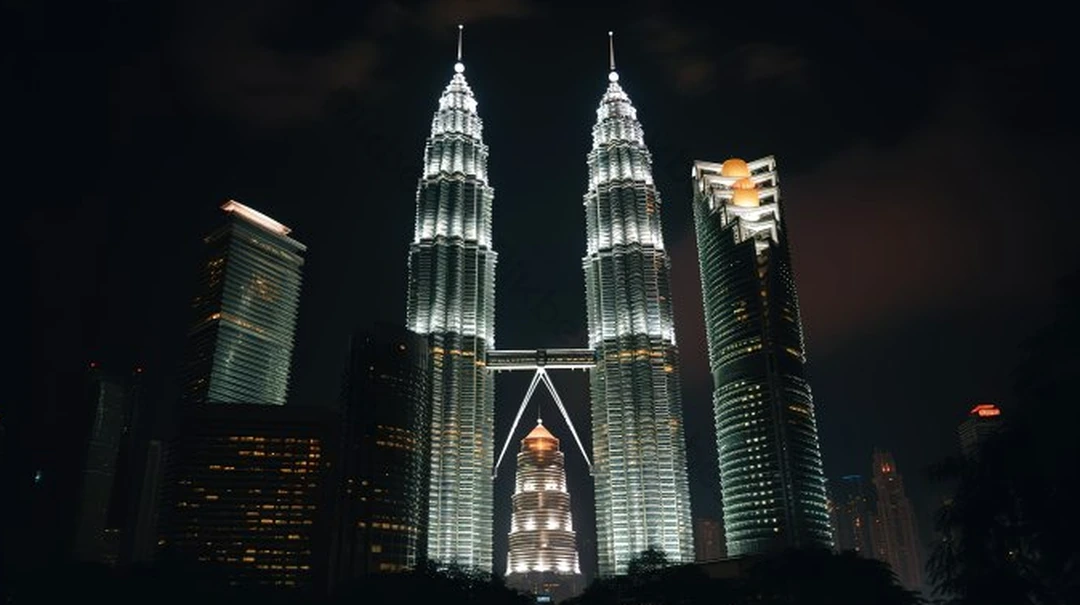
As dusk settles over the Klang Valley and twilight hues soften Kuala Lumpur’s skyline, the Petronas Twin Towers undergo a striking visual shift. Stretching 451.9 meters in stainless steel and tempered glass, the towers shed their daytime metallic poise to become two towering crystal pillars against the night sky. Architectural lighting is carefully calibrated with thousands of high-output spotlights tucked along the stepped setbacks of the Rub el Hizb geometry. Crisp, cool-white light glinting off polished alloy accentuates every mathematical facet, bringing the sacred eight-pointed Islamic star motif vividly to life. From afar, the towers shine like twin silver beacons illuminating the valley, projecting a nation surging forward while staying deeply rooted in tradition.
Right at the base of this architectural wonder, the nightly focal point drawing tens of thousands of visitors is the water-and-light show at Lake Symphony inside the twenty-hectare KLCC Park master-planned by famed landscape architect Roberto Burle Marx. This ten-thousand-square-meter artificial lake features sophisticated mechanical fountains paired with hundreds of underwater color-changing LED fixtures. As the opening notes sound, graceful streams begin to dance, with high-pressure jets launching water plumes over forty-two meters high before cascading down in a fine mist. Choreographed lighting and water movement shift dynamically—at times surging to the pulse of rebana drums and resonant gamelan gongs from traditional Malay music, and at others flowing gently to classical Western arrangements. Blending modern hydraulics with folkloric resonance, the show delivers an emotional spectacle that captures the spirit of multicultural harmony.
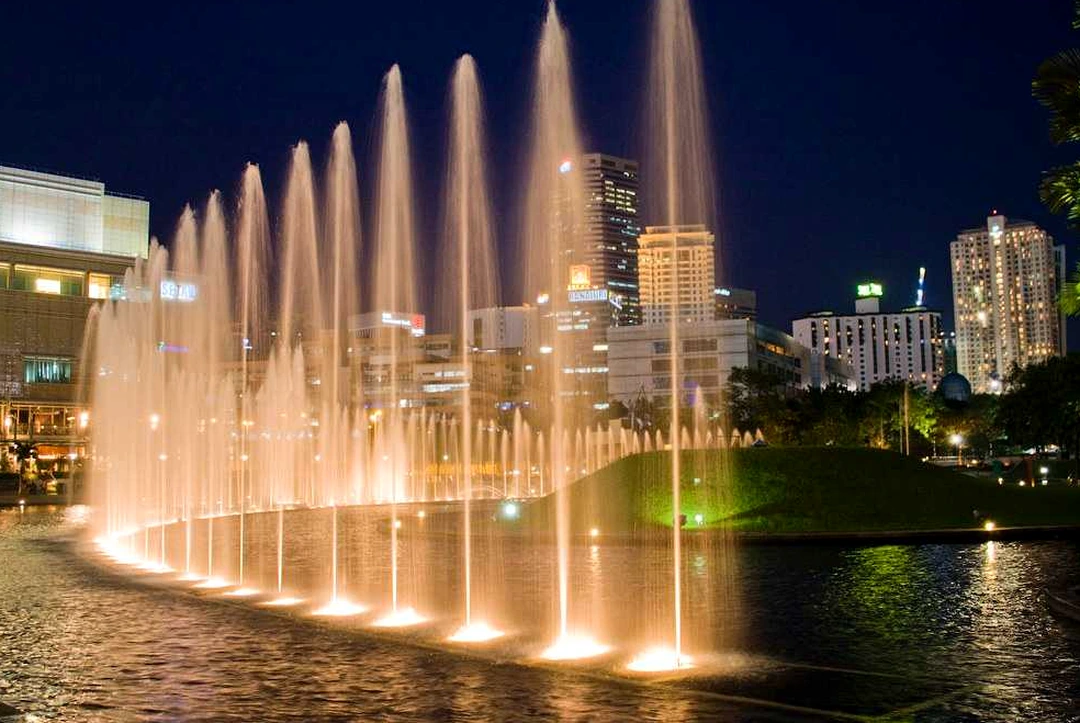
Around the shores of Lake Symphony and along gravel paths winding beneath shady oil palms, Kuala Lumpur’s nightlife feels authentic and vibrant. International travelers and local families across Malay, Chinese, and Indian communities gather on cool stone steps to enjoy the evening breeze off the calm water. The reflection of the glowing forty-second-floor Skybridge across the lake forms a luminous ribbon in mid-air—a dreamy vantage point every visitor wants to capture. The atmosphere balances the lively chatter of evening strollers with a rare sense of calm at the heart of one of Southeast Asia’s busiest financial hubs.
Evening experiences in central Kuala Lumpur extend seamlessly into dining and city life around the towers’ base. From upscale rooftop lounges overlooking lit boulevards to lively food spots nearby, Malaysia’s night flavors awaken every sense. Picture sipping a rich, frothy cup of teh tarik pulled smoothly between two metal pitchers, dipping golden, freshly griddled roti canai into savory dhal, or gathering around sizzling skewers of lemongrass- and turmeric-scented satay over glowing charcoal. Evening light art, landmark architecture, and everyday street-food warmth come together here into a vivid memory for curious travelers.

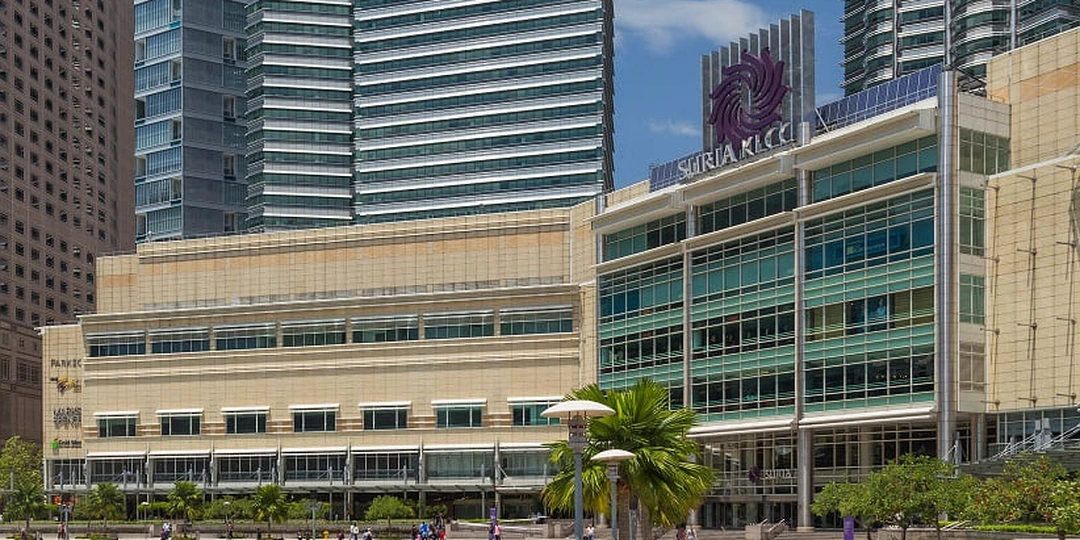
Right in the shadow of the soaring twin towers, a visit to Petronas feels complete when your senses are awakened by the vibrant flavors inside Suria KLCC and the bustling dining streets along Jalan Ampang. The food scene here mirrors the unique multi-ethnic makeup of the Malay Peninsula, where traditional Malay cooking, Peranakan Chinese heritage, and Indian Muslim Mamak culinary traditions have mingled across centuries into a distinct gastronomic identity.
Holding pride of place in the local culinary imagination is Nasi Lemak, widely celebrated as Malaysia’s national dish. Fragrant rice is cooked carefully in rich coconut milk with knotted pandan leaves for a subtle countryside aroma, forming a balanced base for layered flavors. A classic plate served near the towers features a spoonful of crimson sambal simmered from dried chilies, shallots, garlic, and traditional belacan shrimp paste, delivering warmth and savory heat. Around the rice come crisp fried ikan bilis anchovies, salted roasted peanuts, cool cucumber slices to refresh the palate, half a jammy-yolked egg, and ayam goreng berempah—chicken marinated with fresh lemongrass, galangal, and turmeric, fried golden until crisp outside and juicy within.
Along aromatic street corners radiating from Jalan Ampang, grilled Satay skewers tell a captivating story of local street-food culture. Strips of chicken, beef, or mutton are neatly sliced and seasoned with turmeric, cumin, coriander seeds, and coconut milk before being skewered on thin bamboo sticks and grilled directly over glowing charcoal embers. The cook deftly fans the heat and brushes on lemongrass oil for a lightly charred, glossy finish. The draw that keeps diners coming back is a rich, thick peanut sauce ground smooth and simmered with chili, garlic, and palm sugar—sweet, nutty, and spicy alongside hot skewers, woven palm-leaf ketupat rice cakes, diced red onion, and cucumber.
Steaming bowls of signature Laksa showcase the vibrant Nyonya cross-cultural tradition. Whether it is Curry Laksa with a golden, velvety coconut-chicken-bone broth rich with chili spice and flavor-soaked beancurd puffs, or Asam Laksa offering bright tanginess from assam keping tamarind paired with savory flaked mackerel, white noodles swimming in rich broth immediately wake up the senses. Fragrant Vietnamese coriander (rau ram), fresh mint, finely shredded banana blossom, and a spoonful of dark, concentrated petis udang shrimp paste on top carry the family hallmark distilled from historic Malacca Strait kitchens.

Rounding out the flavors beneath the twin towers is an authentic Mamak experience pairing Roti Canai with pulled Teh Tarik. Skilled hands stretch and fold ghee-enriched dough on a granite slab before griddling it on a flat cast-iron tawa until flaky and blistered on the outside while remaining soft and airy inside, ready to dip generously into spiced dhal lentil curry. Alongside the warm flatbread comes a frothy glass of Teh Tarik, made by pouring brewed black tea and condensed milk back and forth between two metal containers from a high stretch. The tea arc flows cleanly through the air without spilling a drop, cooling slightly while whipping up a velvety cream foam—an intangible cultural touchstone etched into the memory of anyone who visits Kuala Lumpur’s landmark.
Visiting the Petronas Twin Towers goes smoothly when you know how operations work. The attraction welcomes visitors Tuesday through Sunday from 9:00 AM to 9:00 PM, closing on Mondays for scheduled technical maintenance and structural safety checks, with last admission at 8:15 PM. Because management enforces strict time-slot capacity limits to protect structural loads and viewing-deck comfort, booking tickets in advance through the official portal petronastwintowers.com.my is strongly recommended. Buying directly at the Concourse ticket counter often means sold-out slots early in the morning, especially during peak travel seasons and traditional Malaysian holidays.
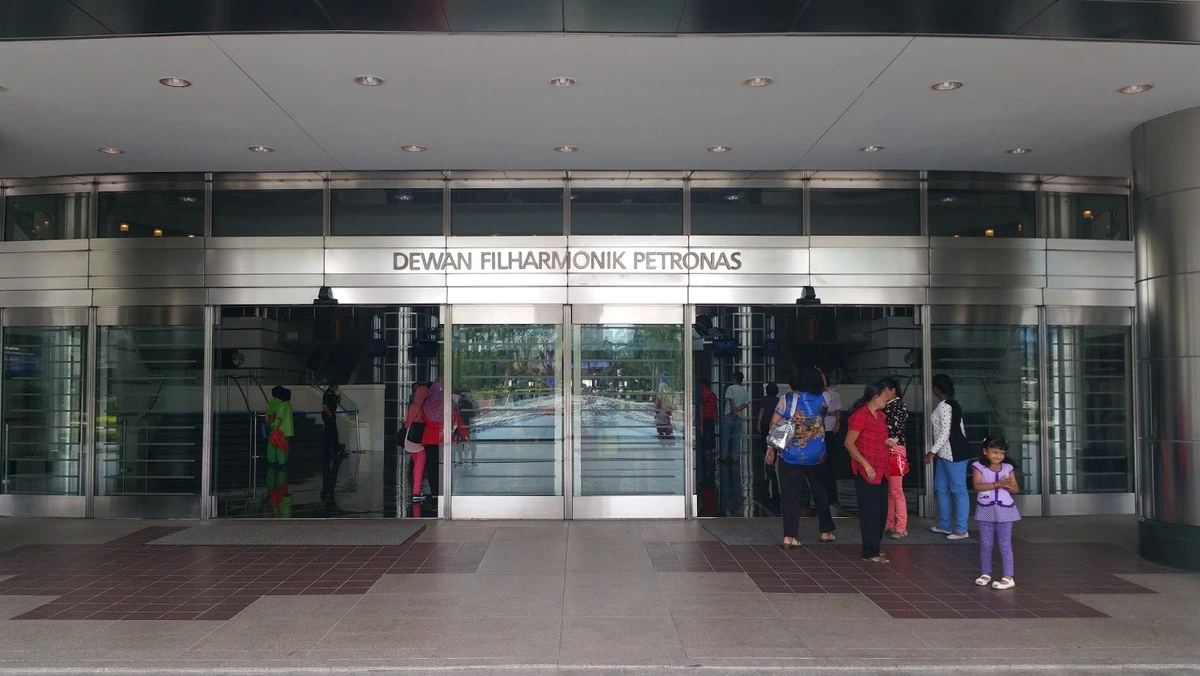
Modern transit in Kuala Lumpur makes reaching KLCC straightforward from across the city. One of the fastest and most convenient options is the LRT Kelana Jaya Line, alighting directly at the underground KLCC station (code KJ10). From the fare gates, it is an easy walk through air-conditioned concourses connecting directly into Suria KLCC and the tower lobbies. Alternatively, the free Go KL City Bus Green Line runs frequently from lively Bukit Bintang right to the stop outside the towers, offering an easy, cost-free look at tree-lined streets along the way. For families or travelers with extra luggage, Grab ride-hailing operates widely across the city with transparent fares, reliable safety standards, and designated pick-up and drop-off bays.
A typical guided visit lasts around 45 to 60 minutes and takes you to two standout elevations. The first stop is the Skybridge at levels 41 and 42, where you stand mid-air 170 meters above ground and can sense the subtle elastic damping engineered to handle wind loads. High-speed lifts—traveling between 3.5 and 6 meters per second—then carry the group up to the Observation Deck on level 86. At 370 meters, interactive digital displays and high-powered binoculars open sweeping views across the Klang Valley, where skyscrapers mingle with broad patches of tropical green. Ticket admission includes multilingual audio guides and airport-style security screening.
For memorable photos, the ideal window around the base is roughly 5:30 PM to 7:30 PM. Sunset fades into night as high-output facade lights come alive, turning stainless steel into twin glowing crystal spires against the tropical sky. A prime photo spot is by the lake in the twenty-hectare KLCC Park, where you can frame both peaks reflected on the water and catch the colorful nightly Lake Symphony fountain show. Afterward, head to the food court on level 4 of the mall to refuel with rich Nasi Lemak or a fragrant, frothy glass of Teh Tarik. Keep in mind that the KLCC precinct is a strict no-fly zone under Malaysia’s Civil Aviation Authority—flying a drone is prohibited—and dressing modestly and respectfully is appreciated in line with local norms.
Pairing world-class architecture with everyday multicultural city life makes this landmark an essential stop on any Southeast Asian itinerary. For a smooth, unhurried visit without worrying about securing tickets or mapping out stops yourself, many travelers choose a complete Singapore – Malaysia multi-country tour package.