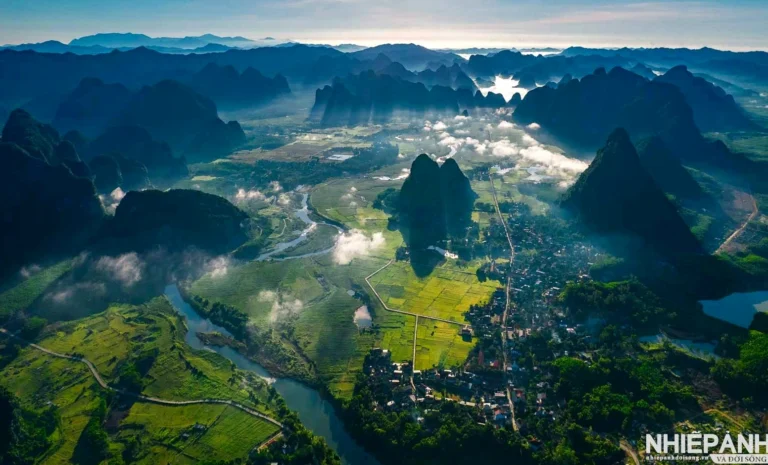
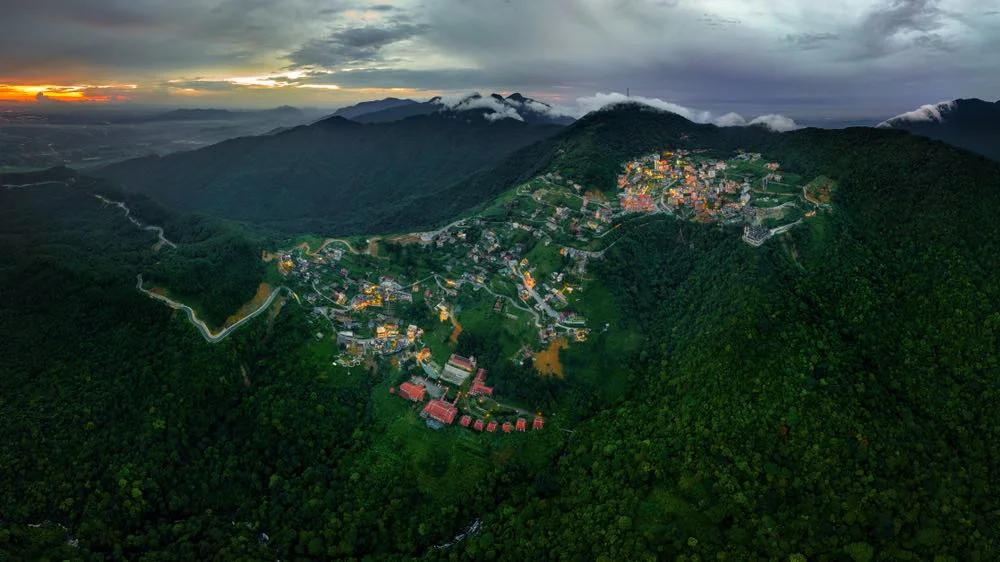
Deeply nestled within the majestic primitive wilderness of Hoang Lien Son, the geographical coordinates of the “Tam Dao” complex in Sapa town, Lao Cai province, emerge as an emblem of majesty—a place where heaven and earth converge to crystallize primitive geological formations dating back millions of years. Completely distinct from the resort town of the same name in the lowlands, Tam Dao in the Northwest is a unique topographical entity shaped by a cluster of three towering core peaks that pierce the border region’s thick sea of clouds. From a feng shui and geographical standpoint, this complex commands a vital strategic position where the spiritual energies of mountains and forests meet, forming a solid natural rampart that shields the Fatherland’s northwestern frontier. Through the lens of geological science recognized by research institutions and the press, the area boasts a rare primeval forest ecosystem and a complex tectonic stratum, preserving ancient cultural sediment layers linked to prehistoric footprints through a system of ancient rock fields half-hidden in the mist. The historical origins and the moniker “Tam Dao” in Sapa are closely intertwined with the Dai Viet cultural strata across heroic feudal dynasties, particularly the Ly, Tran, and Le eras, when the central royal court placed special emphasis on consolidating border security and assimilating indigenous beliefs. According to historical records and folk legends, during the Tran Dynasty, when Grand Chancellor Hung Dao Vuong Tran Quoc Tuan personally patrolled the Quy Hoa borderlands and recognized the paramount strategic importance of these three sacred peaks to the nation’s destiny, he ordered the establishment of garrison outposts, boundary markers, and the conferring of divine titles upon the mountain spirits to suppress malevolent forces, gather spiritual energy, and protect the peace of local communities. Deep within the spiritual memory of the Hmong, Dao, and Tay ethnic minorities, these three peaks are far more than mere natural landscapes; they are sacred sanctuaries where ruling deities of heaven and earth reside, bound up with agricultural rituals and the time-honored moral principle of remembering one’s roots. At the beginning of the 20th century, when the French set foot on the Sapa plateau to conduct geographical explorations and surveys, they were utterly astonished by the magnificent natural scenery and thick year-round fog, reminiscent of the Tam Dao plateau in Vinh Phuc. In early administrative records and field research documents, the French designated this land with the honorific title “Le Tam Dao du Tonkin” (Tam Dao of Tonkin) before the indigenous name Sapa was officially established and immortalized in the flow of human culture. Through all the vicissitudes of time, Tam Dao Sapa still stands tall as a sacred page of stone history, an invaluable geological and cultural heritage that crystallizes the heroic spirit of our ancestors and the sacred soul of the rivers and mountains along the frontier.
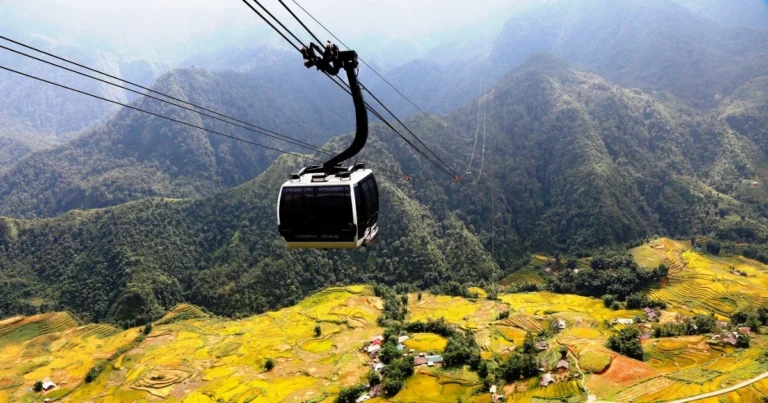
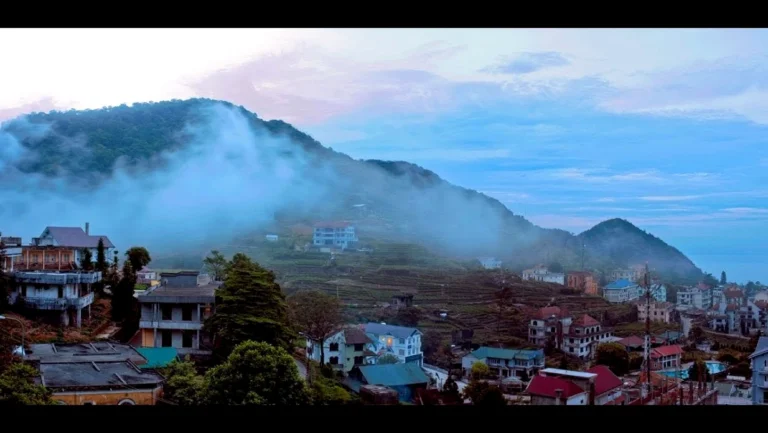
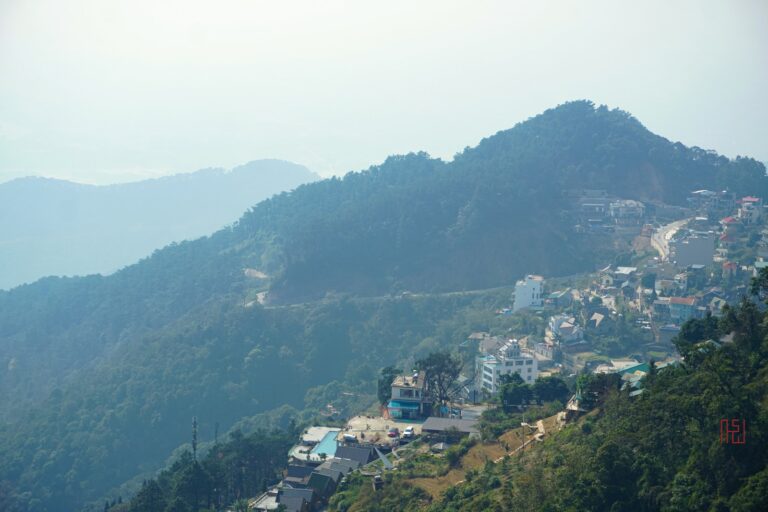
Perched amidst the majestic Hoang Lien Son wilderness, the landscape cluster of Tam Dao in Sapa unfolds as a breathtaking natural vista carved by the most majestic and wondrous contours of the high Northwest. The terrain of this complex gathers vital energies, resting against rugged mother mountain ranges and facing the deep Muong Hoa valley, where wisps of white clouds embrace the mountainsides year-round to create a true earthly paradise. From an architectural and landscape perspective, the topographical structure strictly adheres to traditional feng shui philosophy, featuring three soaring peaks rising into the sky like the three legs of a sacred bronze tripod guarding the nation’s frontier. Millions of years of geological evolution have eroded and molded mossy vertical cliffs, winding meandering valleys, and a rich primitive ecosystem that preserves an untamed, majestic beauty matched by few other scenic spots.
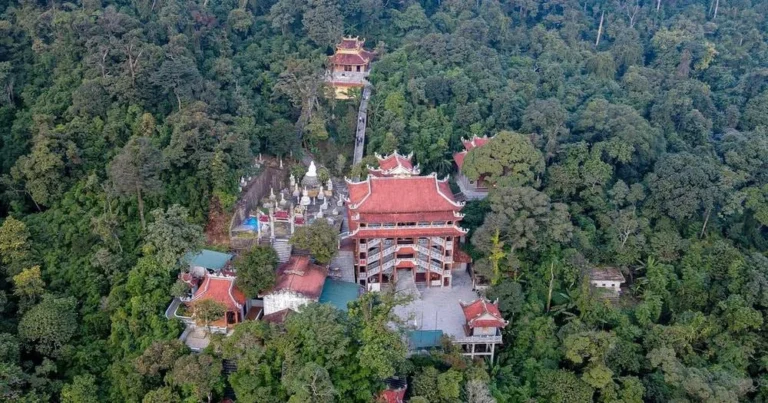
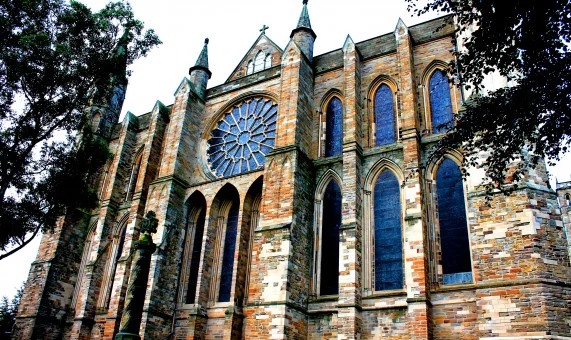
Harmonizing with this natural wonder are indigenous architectural and spiritual imprints built up over centuries, exemplified by a system of ancient temples imbued with traditional Vietnamese dynastic architectural styles. These shrines do not boast ostentatious flashiness; rather, they humble themselves beneath centuries-old tree canopies, utilizing pure natural materials such as monolithic bluestone, highland precious timber, and moss-covered yin-yang tiles. The carving artistry on architectural components showcases the supreme sophistication of ancient craftsmen, featuring traditional motifs of dragons, unicorns, turtles, phoenixes, and gracefully swirling clouds and waves that reflect profound cosmological concepts. Mossy stone staircases leading up to the main sanctuary open up a panoramic view of the entire valley, where the boundary between heaven and earth seems to dissolve into illusory mist, instilling travelers and researchers with a sense of reverence and tranquility before the spiritual breath of the borderland.
For professional photographers and beauty enthusiasts eager to capture the very essence of the Tam Dao Sapa landscape, choosing camera angles and lighting moments is of paramount importance. The first photographic vantage point rated with “a million views” is located at the highest point of the spiritual cliff facing the Muong Hoa valley, where the frame can capture all three towering peaks piercing through the sea of clouds. The ideal time here is at dawn (from 5:00 AM to 6:30 AM), when early morning sunbeams pierce through the dense fog, creating a mesmerizing optical phenomenon known as a “glory halo” embracing the mountain peak. The second camera angle lies along the western ancient terraced hillside, where visitors can utilize the foreground of curving terraced rice fields combined with the mossy architecture of the ancient temple. Sunset moments (from 5:00 PM to 6:00 PM) at this angle treat the visual senses to brilliant orange-red hues reflecting off cliffs and drifting clouds, producing a photographic masterpiece rich in historical depth and aesthetic heights.
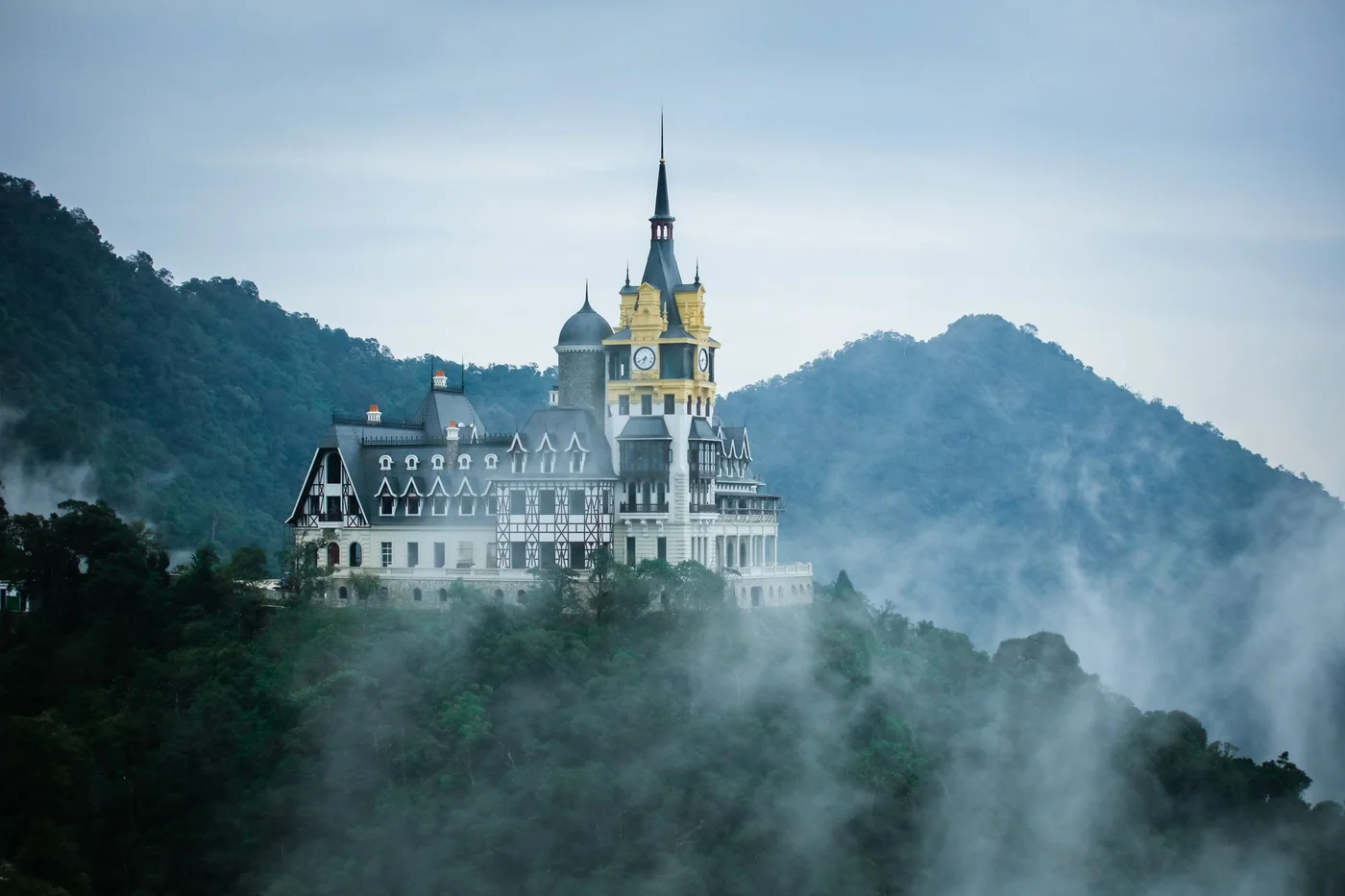
Stepping into the Tam Dao complex in the heart of majestic Sapa, visitors are instantly drawn into an overwhelming, deeply authentic experiential journey. Completely removed from urban hustle and bustle, this place opens up a pristine realm where heaven, earth, and human beings blend into one. The journey begins with the physical challenge of conquering the three cloud-piercing peaks of the Hoang Lien Son range. With every step taken along mossy rock slopes and through ancient primeval forests with rich flora, travelers distinctly feel the atmospheric shift: the higher you go, the sharper the biting chill of the border region becomes, carrying the scent of aged pine wood and the murmuring sound of mountain streams from the depths of the earth.
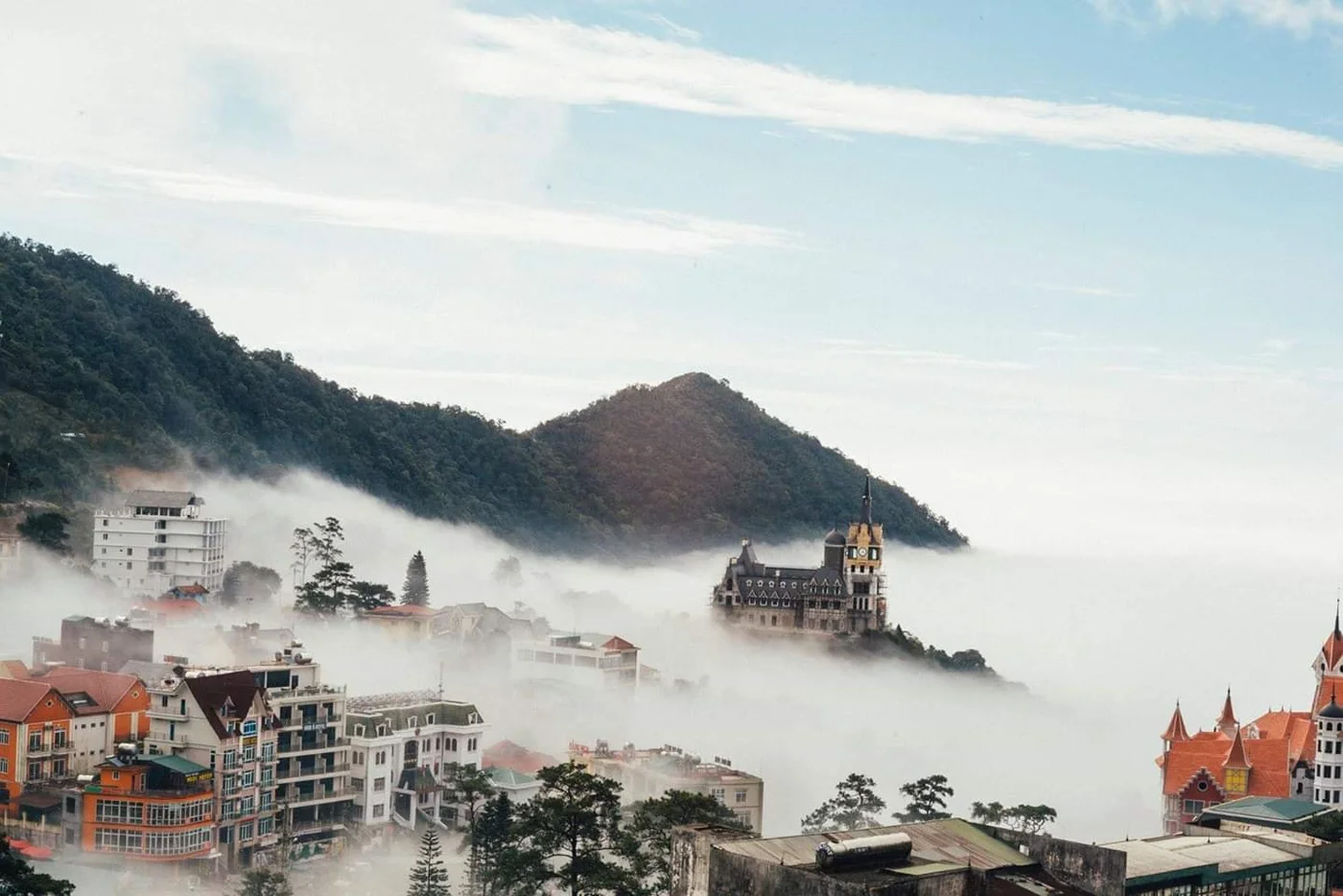
When you overcome arduous challenges to reach the highest points, the burst of awe before the natural wonder is indescribable. From this altitude, gazing into the distance, visitors will be astonished to witness the panoramic Muong Hoa valley veiled in a floating sea of clouds like a magnificent realm. Wisps of mist drift through your fingertips, embracing terraced rice fields that curve like golden silk ribbons to create a breathtaking natural masterpiece. At that moment, time seems to stand still, bringing profound stillness to the soul—a strange, peaceful energy that washes away all the weariness and worries of everyday life.
Leaving the high mountain slopes behind, the journey leads travelers to solemn spiritual worship spaces in ancient temples nestled beneath sacred forest canopies. This place preserves legends of forebears and national heroes who once guarded the frontiers. Temple bells ring out in the mountain wind, while contemplative incense smoke mingling with white clouds brings absolute tranquility to the soul. Visitors bow in sincere reverence before the spiritual energy of heaven and earth, gaining a deeper understanding of the rich religious life and the tight bond between humanity and nature cherished by the Hmong, Dao, and Tay ethnic communities over centuries.
Concluding a long day of physical and emotional exploration, nothing beats gathering together to savor the renowned local culinary delights of the Sapa highlands. Amidst the biting cold of the mountainous region, the intoxicating aroma of hot, steaming specialties awakens all senses. Travelers can enjoy succulent charcoal-grilled “armpit” pork, rich and sweet fresh stream salmon, or sip warm corn wine alongside flavorful mountain *thang co*, dipping fresh green vegetables unique to cold climates. Each flavor captures the breath of heaven and earth, alongside the rustic hospitality of the indigenous people, rounding off a vivid, profound, and unforgettable experience etched in the memory of anyone setting foot in this sacred land.
For researchers, scholars, and travelers seeking to deeply understand indigenous historical and cultural values, planning a journey to the “Tam Dao” relic and geographical space in the Sapa highlands requires thorough preparation in both knowledge and practical transit arrangements. This natural and spiritual sanctuary welcomes research delegations, experts, and independent sightseeing visitors year-round, without applying fixed opening and closing hours like enclosed museums. However, the ideal time of year to conduct field studies and surveys here is from September to April of the following year, when the weather is dry and clear of thick fog, optimizing geological and historical observation.
Regarding expenses, the heritage space and spiritual worship sites within the Sapa “Tam Dao” cluster currently offer free admission for the public and independent researchers. Explorers only need to cover costs related to personal transportation or local guide services. To access this region from downtown Sapa, the optimal mode of transportation is an off-road motorcycle or specialized high-clearance SUV, as the route requires navigating numerous steep, winding mountain passes characteristic of the Hoang Lien Son range. Utilizing specialized vehicles ensures absolute safety across treacherous mountain terrains while allowing travelers to pause conveniently at geological observation points and historical relics along the way.
Due to the rugged high-mountain terrain combined with spaces steeped in traditional spiritual and religious values, visitors and researchers must strictly adhere to dress code regulations. Specifically, attire should be neat and modest, prioritizing thermal clothing and specialized high-traction hiking boots for walking safely on mossy stone steps or damp dirt paths. When approaching temple areas, shrines, or sacred ancient rock carvings, visitors are required to dress formally and respectfully, speak in quiet tones, and refrain from touching or disturbing archaeological artifacts and ancient petroglyph cliffs.
Finally, for a fulfilling and successful research and experiential journey, every individual must maintain high environmental awareness by protecting the pristine natural landscape, avoiding littering, and fully respecting the customs and traditions of indigenous ethnic minorities such as the Hmong, Dao, and Tay. Careful preparation regarding transportation, attire, and cultural etiquette is the vital key to making the exploration of historical cultural layers in this border region both profound and sustainable.
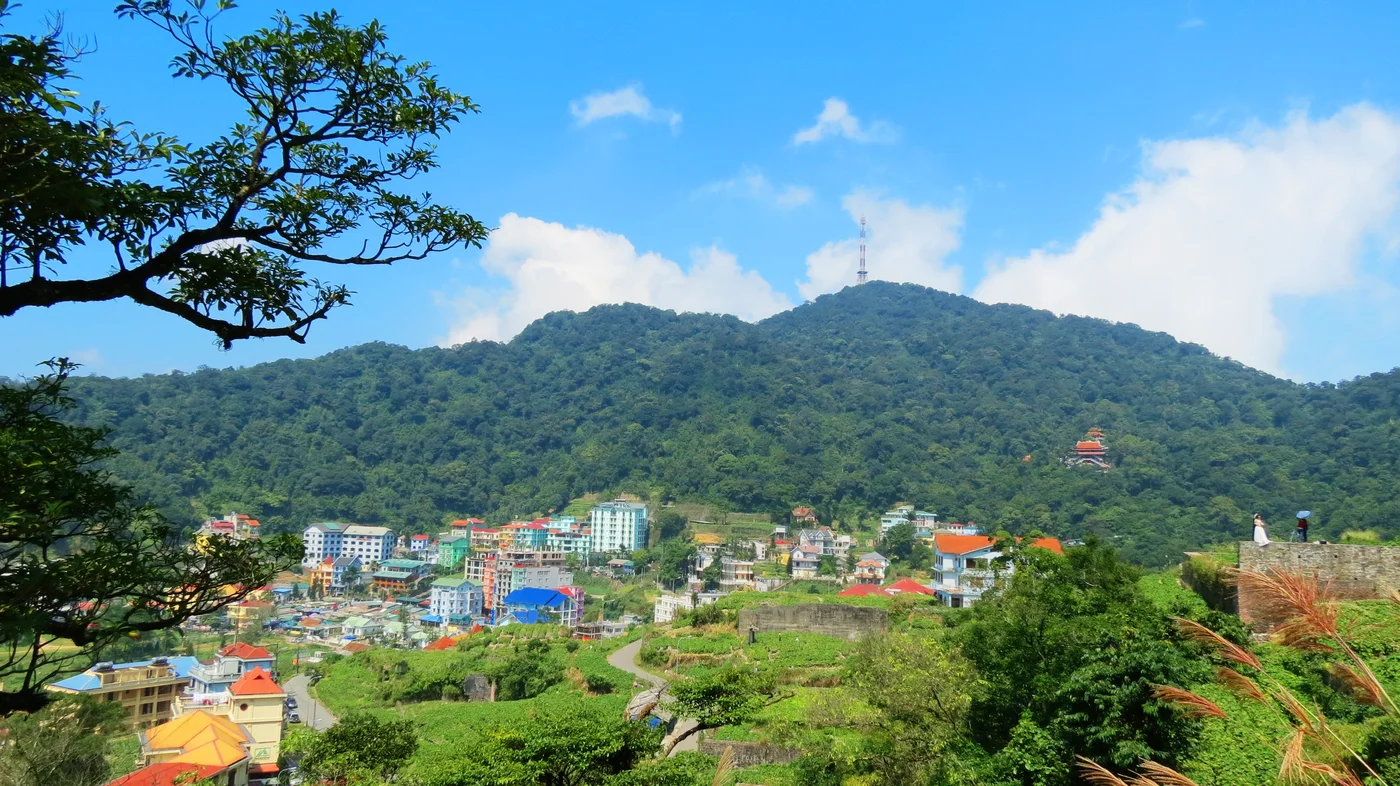
To enjoy a seamless getaway and fully admire the beauty of Tam Dao without worrying about arranging transport, booking admission tickets, or managing itineraries, travelers can choose VDS Travel’s premium all-inclusive Sapa tour packages. Each tour is thoughtfully designed to optimize photo opportunities when the scenery is at its absolute finest, accompanied by knowledgeable local guides well-versed in regional culture and top-tier hotel and dining standards.