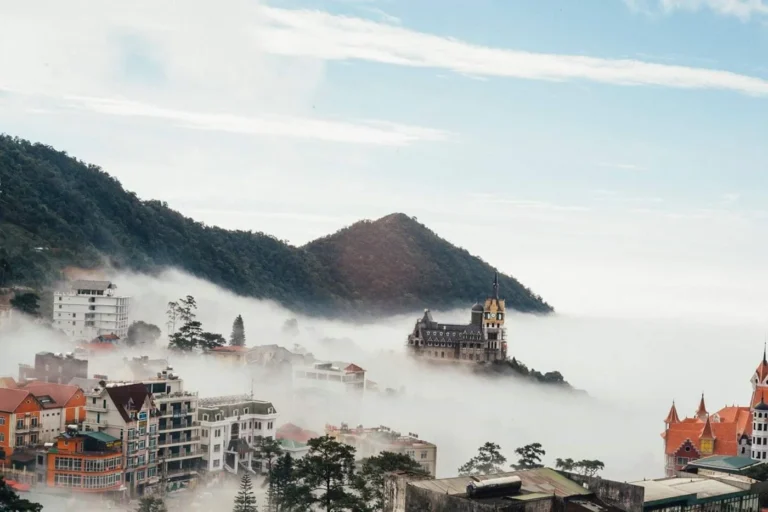
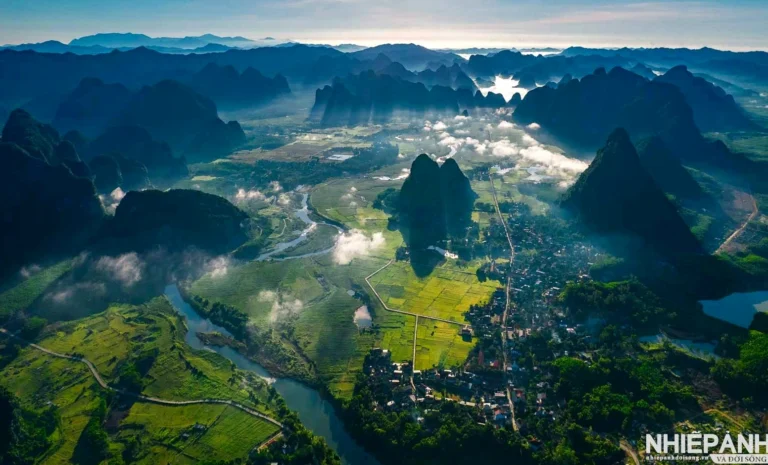
Located at the central coordinates of the misty town, the space that modern urban planning researchers and travel media often refer to as “Tam Dao Square” in Sa Pa—now officially designated as the Central Square combined with San Quan (the main gathering ground)—is in fact a field masterpiece bearing profound marks of historical intersection. Viewed through the lens of human geography, this place possesses a unique location, embraced by the dragon-shaped mountain range of the majestic Hoang Lien Son, where the cloud-shrouded Fansipan peak stands guard year-round like a pillar of the sky upholding the indigenous cultural space. Geologically, the Sa Pa valley is an ancient tectonic basin, enriched by layers of old alluvial deposits and fault valleys, creating a rare, relatively flat terrain amidst steep, mountainous topography. This distinct geomorphological structure has formed a perfect “convergence of water and energy” according to Eastern feng shui principles, turning this spot into the focal point of vital energy for the entire Northwest region.
The origin of this landmark is closely tied to the long-standing cultural sediments of the H’Mong, Red Dao, Tay, and Giay ethnic groups. Before the French arrived to develop the area in the early 20th century, it was merely a pristine valley with winding terraced fields and sparse villages. Its original name comes from the indigenous term “Sa Pa,” meaning “sandy beach” or “sandy field,” accurately reflecting the soil and geological characteristics of an alluvial flat along a stream at the foot of high mountains. Through the vicissitudes of time and administrative shifts under Vietnam’s feudal dynasties—from the estates belonging to Quy Hoa Prefecture, Hung Hoa Province during the Nguyen Dynasty, recorded in historical annals such as Dai Nam Thuc Luc (Veritable Records of the Great South) and Dai Nam Nhat Thong Chi (Comprehensive Gazetteer of the Great South)—this land has preserved intact the rustic, untamed beauty of a solemn mountainous region.
A historical turning point began in the modern era when the French protectorate government conducted large-scale geographical surveys to find high-altitude hill stations (Station d’altitude) for officials and military personnel. On November 15, 1903, the Governor-General of Indochina officially signed a decree establishing the Sa Pa sanatorium, laying the first bricks for the urbanization of this space. An intriguing detail in the architectural planning records from 1900–1940 is that French architects applied a uniform public space model to Sa Pa (Lao Cai), Tam Dao (Vinh Phuc), and Ba Na (Da Nang). This model placed a central square or gathering ground at its core, radiating outward with walking paths and villas blending Gothic and Renaissance styles, creating a fascinating yet harmonious fusion between Western architecture and the pristine primeval forest.
Over more than a century of ups and downs, this core space has risen to become a living heritage site, converging invaluable tangible and intangible cultural treasures of Lao Cai. The press and heritage management agencies have repeatedly honored this area as a historical witness, a miraculous bridge between the colonial past and a sustainably developing present. Every paving stone, every corner of the square echoes with the sound of the H’Mong maidens’ leaf-flutes or the vibrant red hues of Red Dao festivals, all crystallizing into the soul of a “misty kingdom.” This place not only serves as the tourist heart of Sa Pa town, but also preserves heroic pages of history about cultural exchange, affirming the enduring vitality of a timeless landmark amidst the winds and clouds of the Northwest.
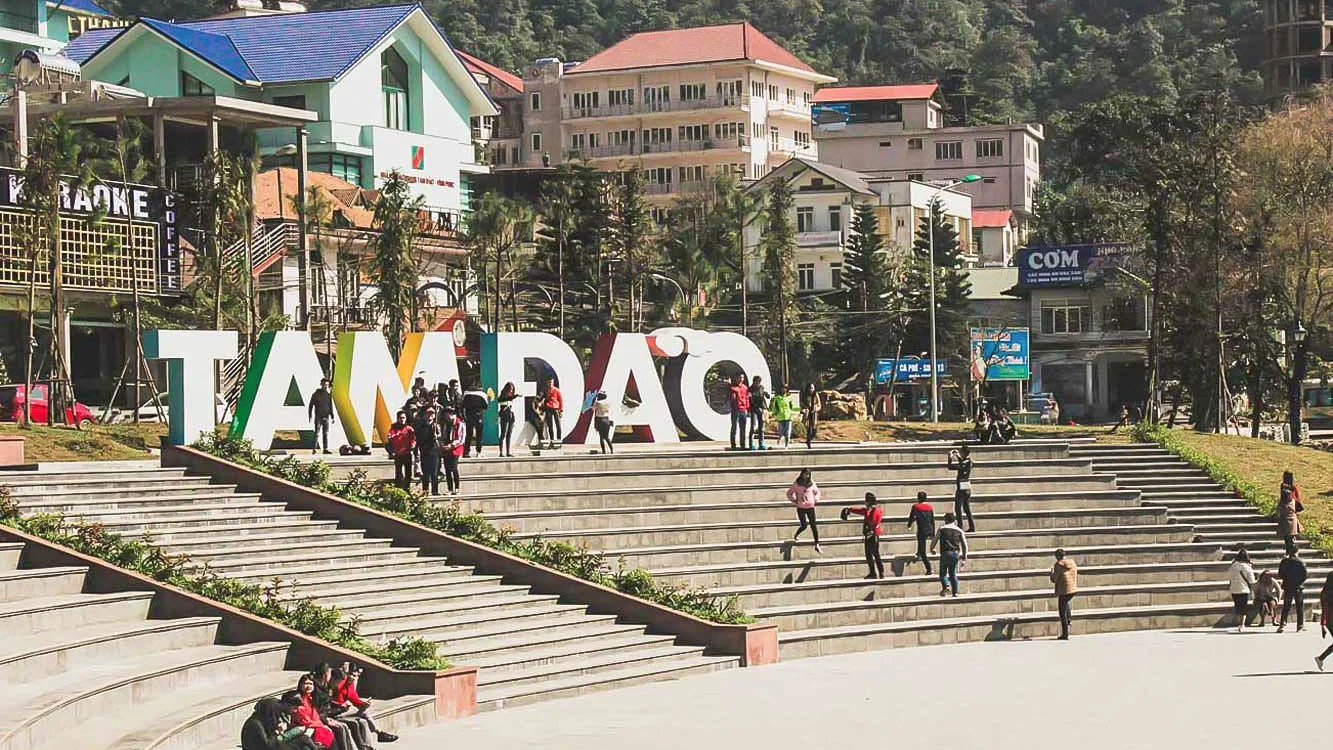
Nestled in the heart of the misty town, the central space of Sa Pa emerges as an architectural and landscape marvel harmonizing majestic nature with indigenous cultural imprints. Planned on an open ground right at the foot of the rolling Hoang Lien Son range, this area boasts an exceptionally auspicious “mountain-backed, water-facing” terrain, capturing the picturesque landscape that nature has bestowed upon the Northwest region. Every architectural line here is a delicate interplay between classical French Renaissance style and the signature brocade motifs of the H’Mong and Red Dao people, forming a grand, imposing ensemble deeply imbued with highland cultural identity.
The highlight of the landscape is the expansive central gathering ground, where vibrant community cultural activities take place, paved with rough-hewn natural stone slabs that retain their rustic, unspoiled charm. Surrounding the square is a system of architectural structures modeled after the “station d’altitude” concept, featuring characteristic pitched tiled roofs, sturdy laterite stone walls, and wide arched windows welcoming the brilliant golden sunlight of the plateau. Strolling here, visitors can vividly feel the rhythmic movement of the space, where drifting clouds mingle with the afternoon cooking smoke rising from neighboring villages, creating a heavenly fairyland on earth.
To capture the most prized moments at this iconic space, professional photographers and avid travelers often share two unmissable “million-view” angles. The first angle is located in the southeast direction of the square, using the rolling Hoang Lien Son mountain range as the main backdrop, combined with curving stone steps to create impressive spatial depth. The second angle is from the high balconies of French-style cafes overlooking the entire square ablaze with the colors of traditional costumes, where modern life intersects with the breath of millennia-old traditions.
Regarding ideal lighting times, travel experts consider the window from 05:30 to 06:30 AM (at dawn) or from 17:00 to 17:45 PM (at sunset) to be golden hours. At dawn, the first rays of sunlight pierce through the thick mist, shining down on the ancient stone blocks to create an ethereal glow as the sky transitions from soft pink to radiant gold. When sunset arrives, the twilight paints an entire corner of the Sa Pa sky crimson, casting long shadows of the old roofs across the stone-paved square, evoking a serene, poetic, and profoundly magnificent emotion in anyone who stops to admire it.
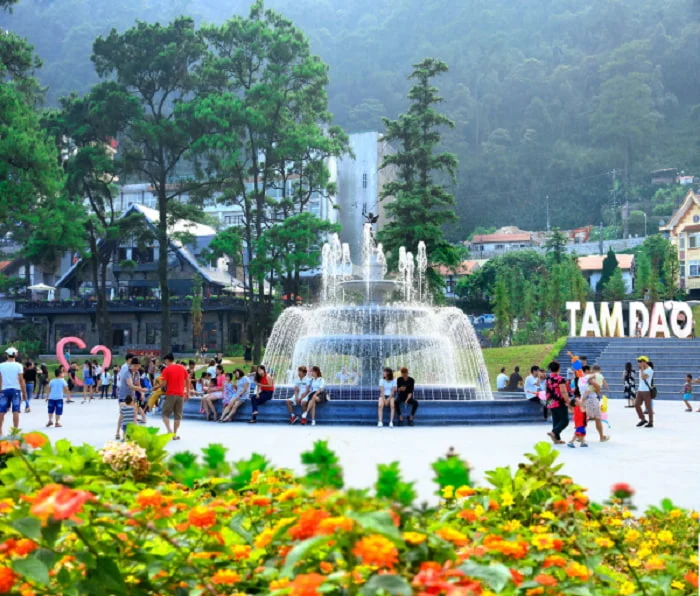
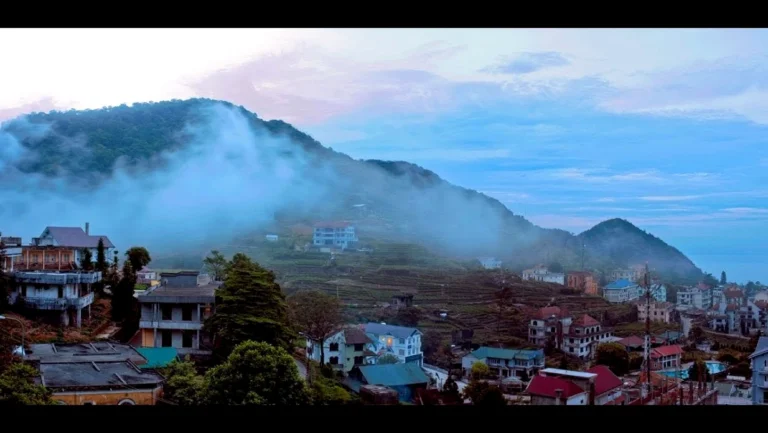
Stepping into the core space of this highland heritage town—recorded since French colonial architectural blueprints under its familiar field-survey designation as the central area of Sa Pa—visitors are immediately drawn into an extraordinarily vibrant atmosphere. Completely distinct from the stillness of the distant mountain ranges, the heart of the misty town opens up before your eyes as a colorful cultural hub, where the traditional rhythm of the H’Mong and Red Dao people blends seamlessly with the flow of modern tourism. The first overwhelming sensation is the spectacular harmony between mountain clouds and ancient colonial architecture, painting a picturesque scenery that makes anyone who sets foot here pause for a few breaths.
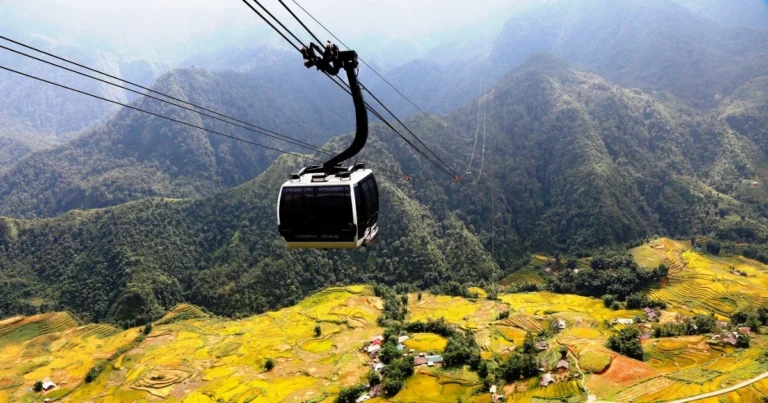
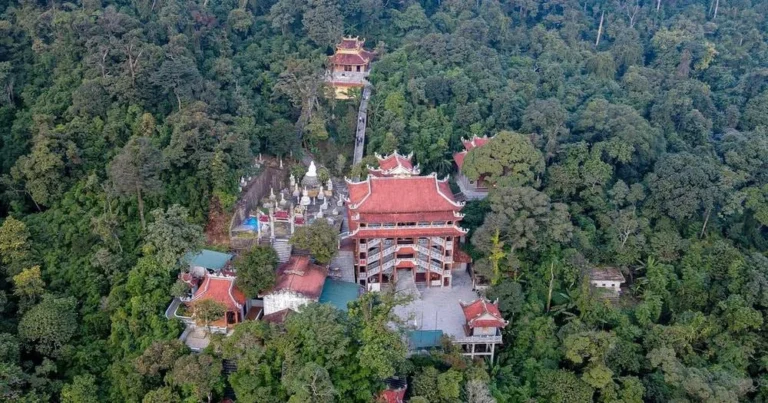
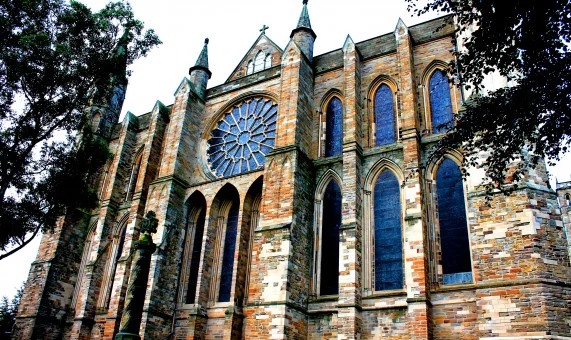
A real-world exploration here would not be complete without challenging yet rewarding physical experiences. From the central courtyard, travelers can embark on winding hiking trails climbing up the slopes of Ham Rong Mountain or cast their gaze across the entire mystical Muong Hoa Valley. Standing at a high vantage point to take in the panoramic view of the town, the moment a sea of drifting clouds spills over the time-worn rooftops seems to freeze time, bringing a deep sense of tranquility to the soul. Furthermore, for those who cherish spiritual stillness, paying respects at ancient pagodas hidden in the hazy mist or strolling around the solemn Stone Church offers moments of true peace, where the evening bells echo through the great forest to soothe all the hustle and bustle of daily life.
When night falls, or when the highland chill rolls in, the culinary culture surrounding this central destination becomes an irresistible “magnet.” Sitting beside glowing charcoal grill stalls, visitors can fully savor the renowned specialties of the Northwest: from fragrant roasted free-range pork and sticky bamboo-tube rice scented with upland glutinous rice, to various skewers richly seasoned with spicy mac khen (forest pepper) and hat doi seeds. Sipping a warm cup of wild apple wine in the biting cold while listening to the sound of courtship panpipes echoing from the highland market, travelers truly immerse themselves in the timeless lifeblood of the mountains and forests. This is not merely an ordinary trip, but a journey touching the depths of indigenous culture, leaving behind lingering, unforgettable echoes of a living heritage land.
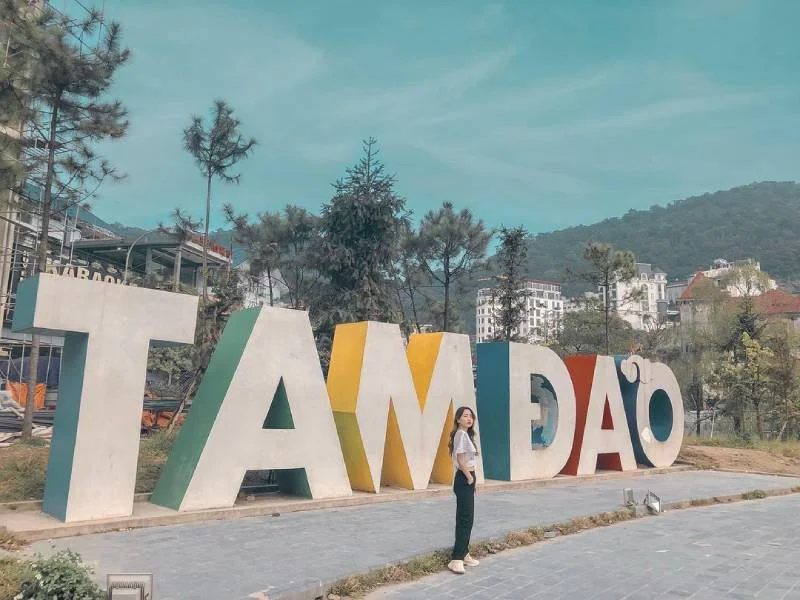
Modestly tucked away amidst the vast mountainous wilderness, the central space commonly known by the familiar name of the square always opens its arms wide to welcome visitors from all directions to explore, admire, and enjoy the fresh air year-round. Regarding operating hours, this area is open 24/7 every day of the week, including weekends, public holidays, and peak tourist seasons. Visitors have complete flexibility over their personal itineraries without worrying about entry time restrictions or admission fees, as this community gathering space is entirely free for both the public and local residents.
To get here smoothly and efficiently from the nearest major city center, you can opt for personal vehicles such as motorbikes, self-drive cars, or dedicated sleeper buses and high-end limousines. The winding route through twisting mountain passes requires drivers to have steady hands, keen observation skills, and safe speeds to both enjoy the thrilling sense of conquest and ensure absolute safety throughout the trip. If you are unfamiliar with steep, treacherous highland mountain passes, tourist buses or renting a car with an experienced local driver is the ideal choice, offering complete peace of mind for the entire journey.
Due to the highland terrain and open-air setting, choosing appropriate attire plays a crucial role for every traveler. You should prioritize neat, active clothing made from breathable, sweat-wicking fabrics for convenient walking, climbing stairs, or participating in community cultural activities. In particular, mountain weather changes rapidly—warm and sunny during the day, yet freezing cold when night falls or on foggy days—so packing a warm jacket, scarf, wool hat, and a pair of non-slip athletic shoes is essential for your personal luggage.
The most ideal time of year to visit this landmark stretches from late spring through the flower-filled summer to the final months of the year when clouds drape over the mountain peaks. Each season brings its own enchanting beauty: spring overflows with peach and plum blossoms blanketing the hillsides; summer offers a wonderful escape from the heat with cool forest breezes; while winter unveils a majestic spectacle of billowing clouds embracing the endless mountain ranges. Planning your visit on weekdays or early in the morning will help you fully savor the peaceful stillness and capture the most exquisite photos alongside the historically rich architecture.
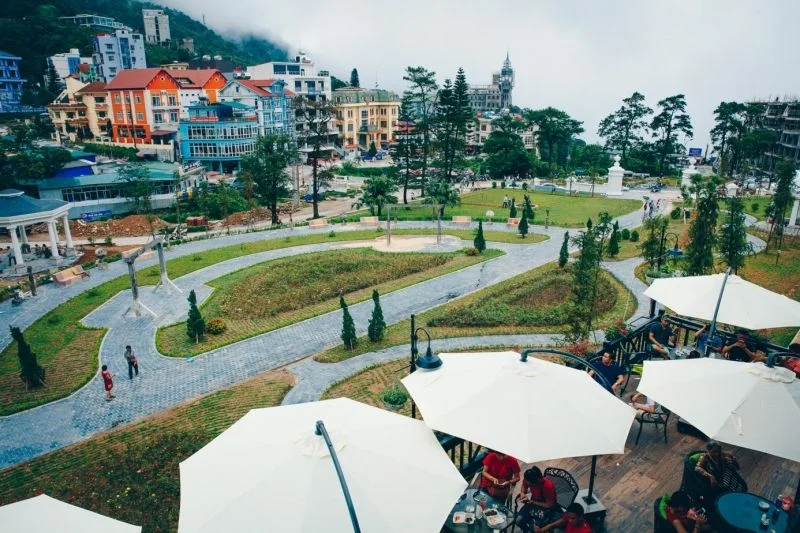
To enjoy a fulfilling vacation and admire the full beauty of Tam Dao Square without worrying about arranging transportation, booking tickets, or planning itineraries, travelers can choose VDS Travel’s premium all-inclusive Sa Pa tour packages. Every tour is designed to optimize photo opportunities when the scenery is at its most vibrant, accompanied by a team of guides with deep knowledge of local culture and top-tier hotel and dining standards.