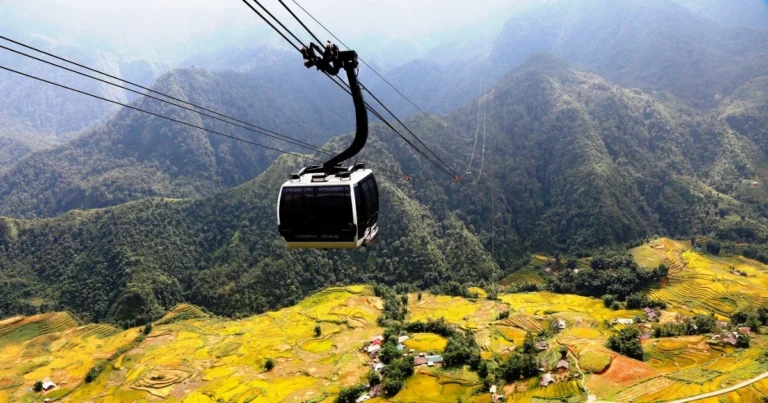
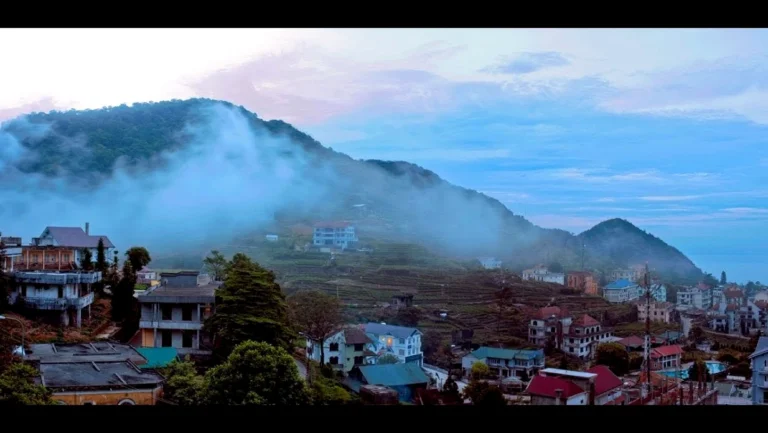
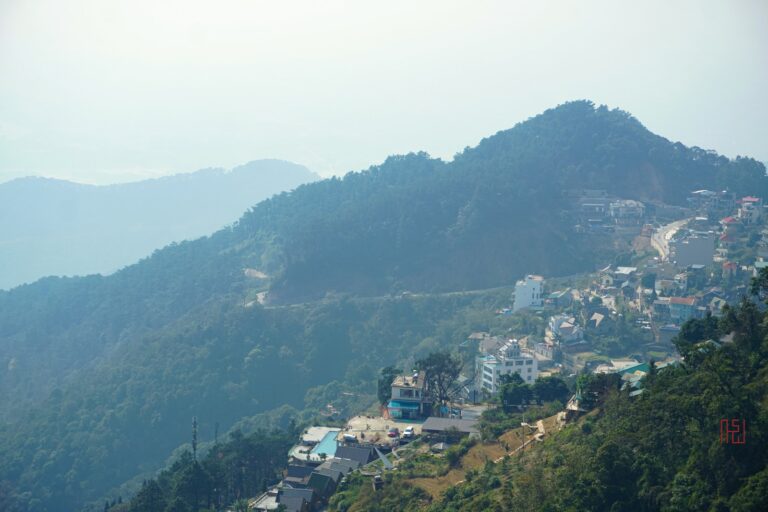
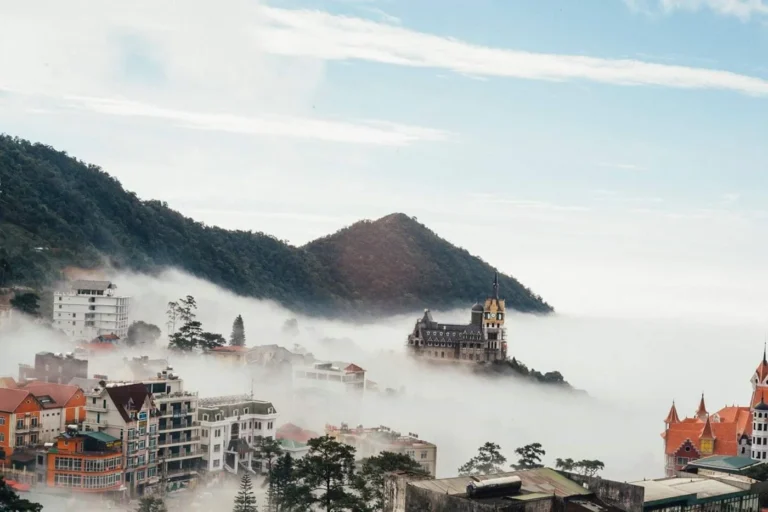
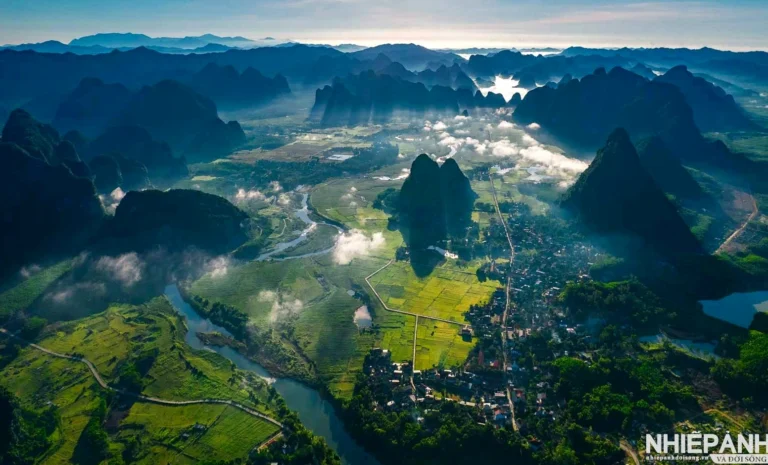
Nestled amid the ethereal mist of the Northwest frontier, Ba Chua Thuong Ngan Temple in Sa Pa Town, Lao Cai Province, stands majestically on the mountain slopes of the Ham Rong Ecotourism Area. This unmatched vantage point not only places the temple at the heart of a magnificent natural landscape but also endows it with supreme feng shui positioning. In terms of topography, the temple rests against the imposing Hoang Lien Son mountain range—widely known as the “Roof of Indochina”—while gazing out over the poetic, vibrant Muong Hoa Valley. The harmony of drifting mountain clouds, crisp highland winds, and a “coiling dragon and crouching tiger” terrain has transformed this site into a nexus of sacred energy where heaven and earth converge, creating a legendary sanctuary amidst the mortal world. Regarding its historical origins and chronology, the temple’s formation is an accumulation of multiple cultural layers. Long before moss-covered tiled roofs or religious structures appeared, the summit of Ham Rong was already revered as a sacred ground under the animist beliefs of indigenous ethnic groups such as the Hmong, Dao, and Tay, who for generations venerated the forest and mountain deities ruling the primeval wilderness. Entering the Revival Le and Nguyen dynasties, as waves of Kinh migrants ventured northward to settle the borderlands, the worship of Mau Thuong Ngan—also known as Lam Cung Thanh Mau (Holy Mother of the Forests)—officially arrived and took deep root in local spiritual life. Initially, the shrine was merely a modest hermitage built of stone and fokienia (po mu) wood by local chieftains, merchants, and laborers to pray for peace, prosperous trade, and divine protection from the perils of the deep wilderness. Despite enduring the vicissitudes of time—particularly when the French planned Sa Pa as a hill station resort in the early 20th century—the temple steadfastly endured as a resilient bridge between past and present. Intertwined with this sacred space is a rich tapestry of legends surrounding historical figures and divine genealogies. Ba Chua Thuong Ngan is revered by the people as the incarnation of Lam Cung Thanh Mau, the supreme goddess governing the mountainous realm. According to folklore, she was the second daughter of Son Tinh (Saint Tan Vien) and Princess Ngoc Hoa, and the maternal granddaughter of the 18th Hung King. Entrusted with overseeing the lush forests and crimson mountains, she embodies compassion—bestowing forest bounty, blessing travelers who enter the woods to gather medicinal herbs or cultivate terraced fields, and safeguarding the peace of the nation’s borders. Unlike other Mother Goddess temples across Vietnam, Ba Chua Thuong Ngan Temple in Sa Pa possesses a distinct indigenous setting closely tied to the daily rhythms of highland ethnic communities and the enduring aspiration to tame and protect the country’s frontier. From the perspective of heritage researchers and cultural journalists, the temple is far more than a conventional religious edifice; it is a living museum of Northwest folk culture and history. The heritage and geological significance of the surrounding Ham Rong Mountain further accentuate the solemn, tranquil majesty of this sacred site. Every boulder, tree root, and drifting wisp of fog here is steeped in the breath of time and myth. Having undergone major restorations since the Doi Moi era, the temple has been grandly renovated while strictly preserving traditional feng shui principles. Today, it has become an indispensable pilgrimage destination for visitors from near and far whenever they journey to Sa Pa—offering both a breathtaking panorama of heaven and earth and a serene spiritual space rich in Vietnamese cultural identity.
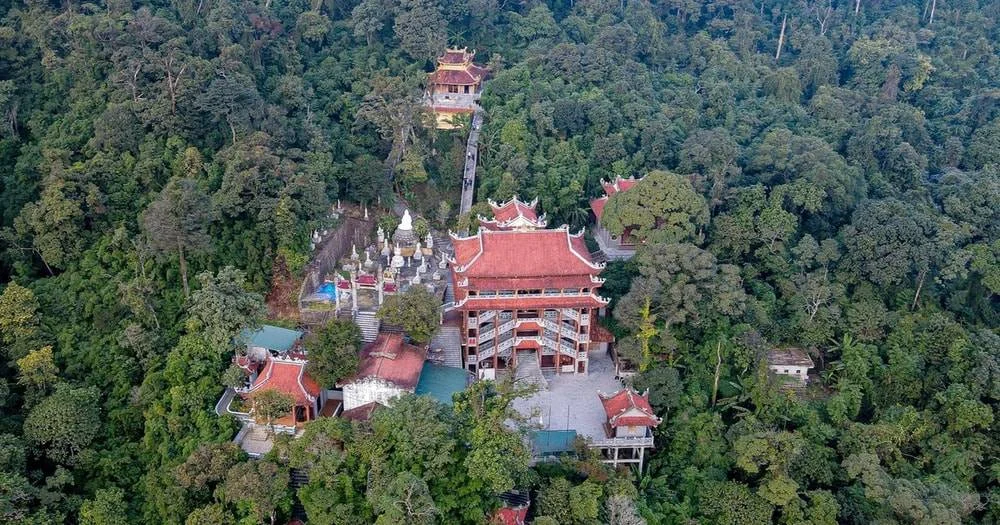
Perched halfway up into the clouds of the majestic Hoang Lien Son range, Ba Chua Thuong Ngan Temple in Sa Pa is not merely a sacred site rich in spiritual heritage, but also an architectural masterpiece seamlessly blended with awe-inspiring natural scenery. Feng shui experts regard the temple’s setting as one of the most auspicious in the Northwest, resting firmly against the imposing cliffs of Ham Rong Mountain while facing out toward the poetic, deep Muong Hoa Valley. From this vantage point, the temple grounds open up to an expansive vista where heaven and earth meet and white clouds drift year-round, creating a true celestial paradise on earth.
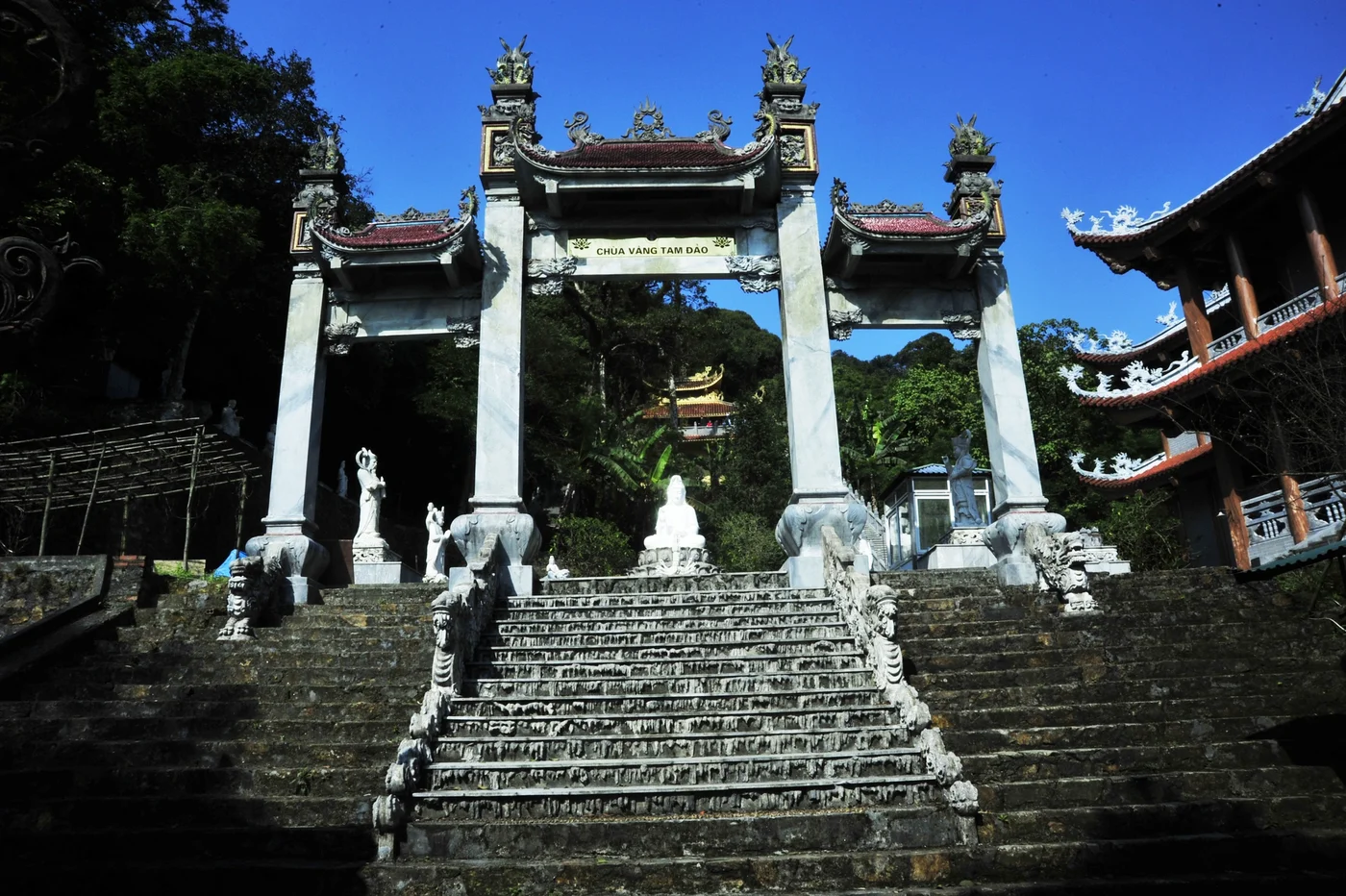
Stepping through the moss-draped triple-arched gate (tam quan), visitors are immediately enveloped in a quiet, secluded, yet deeply serene atmosphere. The temple’s architecture bears the unmistakable imprint of traditional Vietnamese shrines, featuring curved, swallow-tail tiled roofs adorned with intricately carved motifs of two dragons flanking the moon and the Four Sacred Beasts. Inside, the pillars and beams are crafted from precious highland timber such as fokienia (po mu) wood, emitting a subtle, soothing fragrance that harmonizes with deep red baked-brick walls and untouched natural stone details. Folk artisans skillfully breathed life into every carved pattern of dancing phoenixes and floral motifs, showcasing the pinnacle of East Asian spiritual architecture while retaining the raw, rustic charm characteristic of the Northwest mountains.
To capture the most memorable moments at this sacred sanctuary, travel enthusiasts and professional photographers cannot miss two widely acclaimed “million-dollar view” photo spots. The first is located right along the temple’s front veranda overlooking Muong Hoa Valley. The golden hour for photography here is at sunrise, when the very first rays of sunlight pierce through the thick veil of morning fog, illuminating the ancient tiled roofs and bathing the distant terraced rice fields in gold—creating a breathtaking, vibrant natural tableau. The second spot is the stately upper terrace beside a centuries-old ancient tree, where a wide-angle lens can capture the entire grandeur of the Hoang Lien Son range embracing the quaint temple.
If you miss the sunrise, dusk offers an equally captivating visual experience. As the fading twilight blends fiery orange hues with a mystical purple mist rolling through the triple-arched gate, the grounds of Ba Chua Thuong Ngan Temple take on a contemplative, sacred, and enchanting aura. Standing in that space, breathing in the crisp air lightly scented with incense, and listening to the mountain breeze rustling through the canopy, all the worries and hustle of daily life seem to melt away, giving way to a profound sense of inner peace.
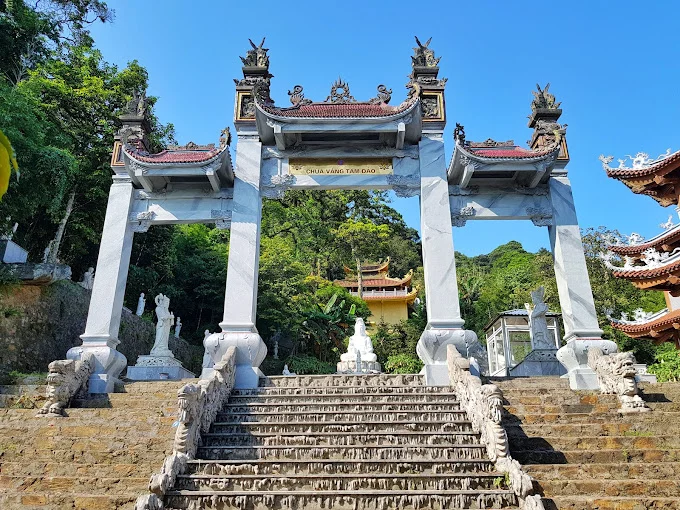
Journeying to Ba Chua Thuong Ngan Temple in the misty town of Sa Pa is more than a simple sightseeing trip—it is an emotional immersion into a sacred realm of mountain clouds and highland winds. To reach the temple nestled picturesquely at the foot of Ham Rong Mountain, visitors must make their way steadily up moss-covered stone steps partially hidden beneath ancient pine trees whispering in the breeze. Any initial unsteadiness quickly gives way to awe as a sweeping panorama unfolds before your eyes: Muong Hoa Valley peeking through billowy white mist, and terraced rice fields winding like shimmering golden silk ribbons draped across the sky. At this altitude, every breath seems to slow down, blending with the resonant tolling of the temple bell in the stillness to bring an extraordinary sense of calm and serenity.
Passing through the ceremonial gate filled with the solemn aroma of incense, visitors enjoy a deeply moving spiritual worship experience. Amid a sacred setting steeped in traditional culture, the rhythmic murmurs of prayers mingle with swirling incense smoke to create an atmosphere of heartfelt reverence toward ancestral roots. Here, surrounded by the grandeur of the Northwest sky and mountains, one feels cleansed of everyday anxieties, entrusting sincere wishes for peace and good fortune for family and loved ones to Lam Cung Thanh Mau. The atmosphere not only awakens deep respect for the age-old Mother Goddess worship tradition but also connects each soul with the sacred spirit of the Hoang Lien Son mountains.
Stepping out from the quiet sanctuary, the journey into Sa Pa’s local culture continues to beckon travelers with unforgettable culinary specialties. Right at the foot of the mountain and around town, the biting highland chill is instantly dispelled by the mouthwatering aroma rising from glowing charcoal grill stalls. Visitors can savor the full flavors of the mountains through signature dishes such as fragrant grilled local free-range pork (lon cap nach), sweet and fresh Sa Pa salmon cooked in a tangy hotpot, or skewers richly seasoned with wild mac khen pepper and doi seeds. Sipping a warm cup of wild apple wine (ruou tao meo) in the crisp weather, tasting a bowl of richly spiced traditional thang co, and listening to the distant, soulful melody of a Hmong khene flute calling to a lover will awaken all your senses, bringing an emotionally rich and unforgettable journey to a close.
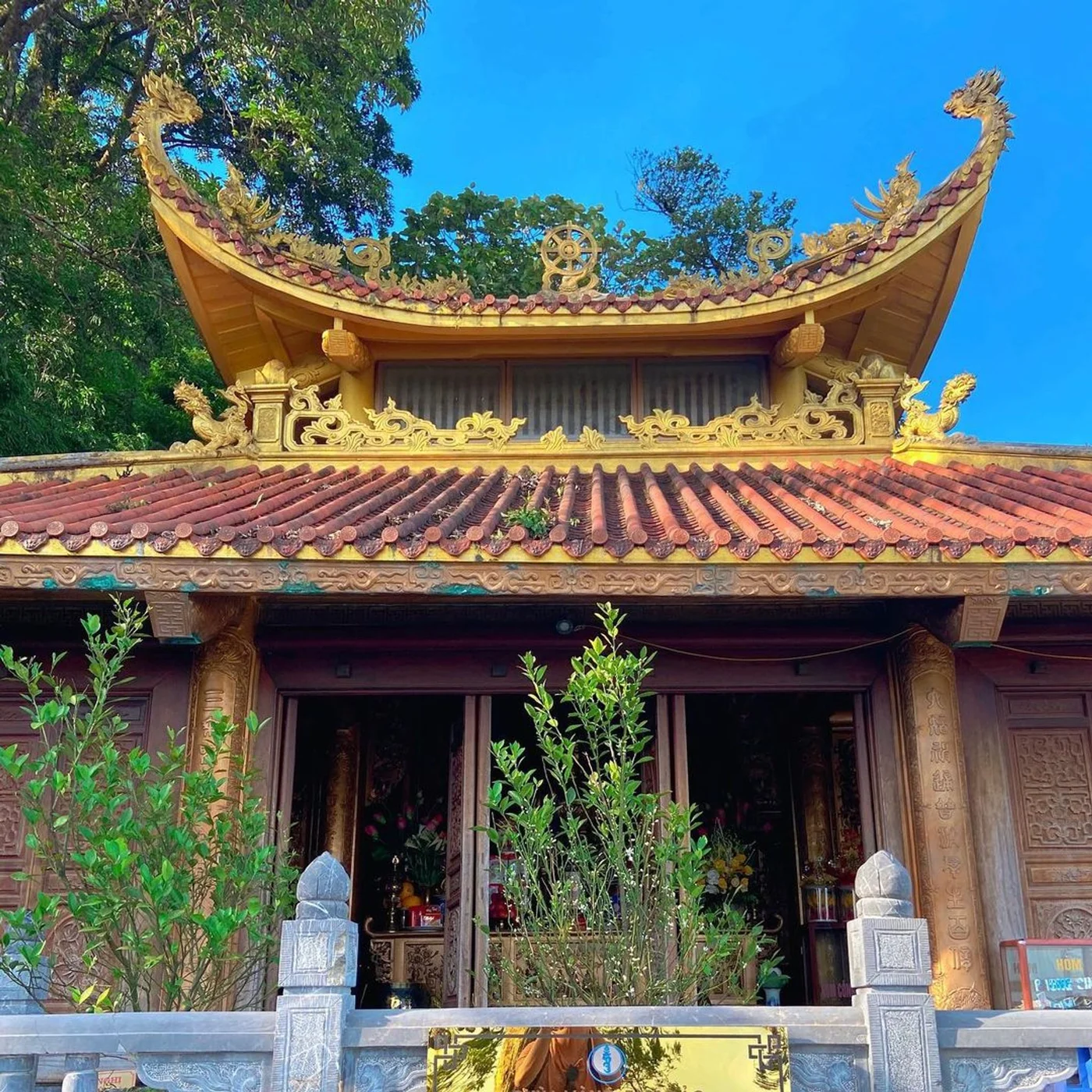
When visiting this misty mountain town, sightseeing and paying respects at Ba Chua Thuong Ngan Temple is a spiritual experience no traveler should miss. To ensure a seamless and fulfilling trip, equipping yourself with practical travel tips is essential. As for the ideal time of year to visit, you can drop by in any season, as each brings its own distinct charm to Sa Pa. However, the most magical period runs from the second to the fifth lunar month, when spring transitions into summer and blossoms line the pathways, or during the final months of the year when swirling fog blankets the trails, lending an enchanting, mystical aura to the sacred gate.
Ba Chua Thuong Ngan Temple welcomes visitors freely every day of the week, from early morning until late afternoon, accommodating locals and pilgrims coming to offer incense and pay homage. Regarding admission fees, entry to the heritage site for sightseeing and worship is currently completely free of charge. Visitors simply need to bring a sincere heart, modest vegetarian offerings, or make a voluntary donation to the temple’s management board.
The route to the temple is fairly accessible, though the highland terrain calls for a bit of care. Located near the Ham Rong Mountain area right next to Sa Pa town center, the temple can be reached easily from the central Stone Church via a leisurely walk along moss-covered stone steps while taking in views of the mountain town, or by motorbike or private car heading toward the Ham Rong Tourist Area. The final stretch leading up to the temple consists of winding stone staircases shaded by ancient pine trees, offering a peaceful and refreshing walk.
Because this is a sacred site featuring steep stone steps, visitors should dress respectfully and modestly in accordance with temple etiquette—such as wearing an ao dai, long trousers, or skirts below the knee. Additionally, prioritize athletic shoes or footwear with good grip and anti-slip soles to make climbing the stone stairs and walking longer paths safe and comfortable. Packing a light jacket and an umbrella is also advisable, as Sa Pa’s weather frequently shifts unexpectedly throughout the day.
To enjoy a seamless getaway and take in the full beauty of Ba Chua Thuong Ngan Temple without worrying about arranging transportation, booking tickets, or planning itineraries, travelers can opt for VDS Travel’s premium all-inclusive Sa Pa tour packages. Each itinerary is thoughtfully designed to optimize photo-op timing when the scenery is at its most radiant, accompanied by knowledgeable local guides and top-tier hotel and dining standards.