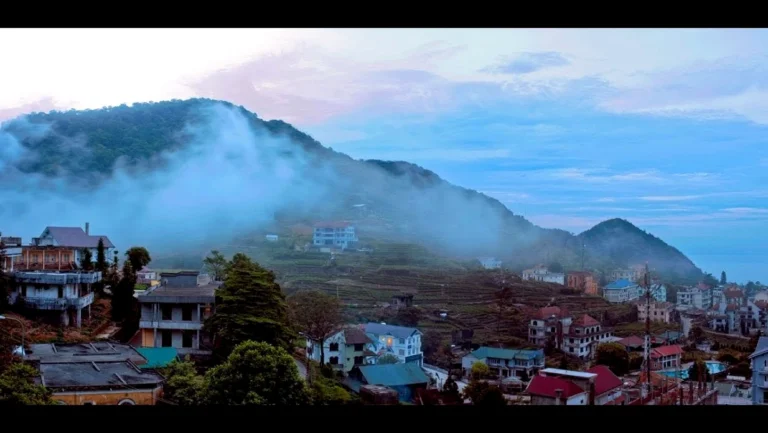
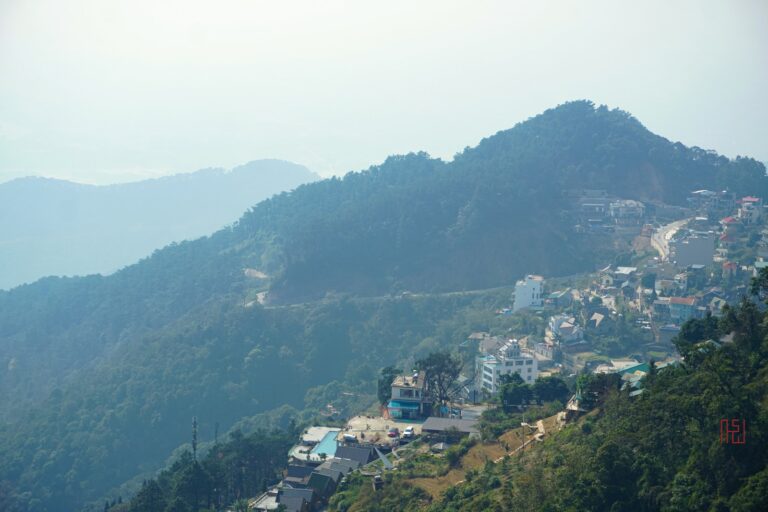
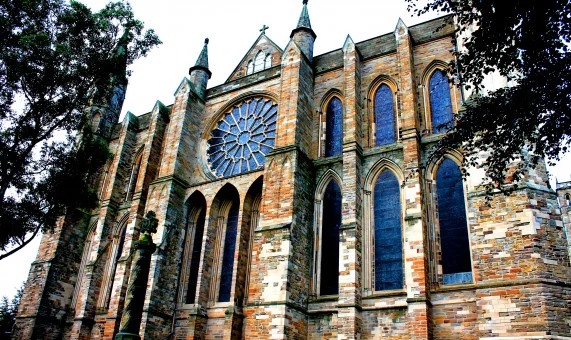
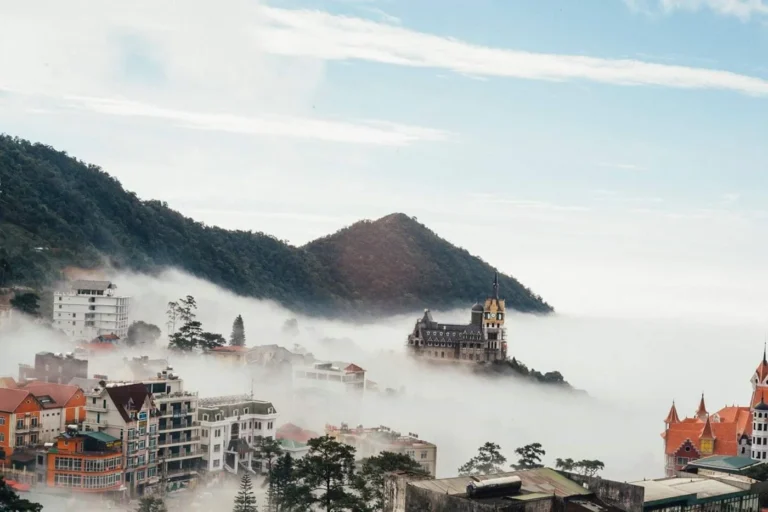
Nestled amid drifting layers of mountain clouds in the vast Northwest highlands, the scenic complex known commercially as “Moana Sapa” sits upon a uniquely privileged terrain where the vital energy of the majestic Hoang Lien Son range converges. Viewed through the lens of historical geography and traditional feng shui, this area possesses the auspicious “coiling dragon and crouching tiger” formation, backed tightly against the natural bulwark of the ancient Bach Van Son mountain range and facing out over the deep Muong Hoa Valley, where the Muong Bo stream winds like a silver ribbon across millennia-old terraced rice fields. These coordinates mark not only a meeting point of earth, sky, clouds, and wind, but also a vital natural watchpost that has shaped the distinctive landscape identity of the Sapa plateau from primordial times to the modern era.
Looking deep into historical strata and feudal administrative records, this land originally belonged to the Xa Sa canton within the southwestern frontier defense belt of ancient Hung Hoa Province. Stratigraphic research reveals that this was once a longstanding homeland for indigenous ethnic groups belonging to the Austroasiatic and Hmong-Mien language families. Archaeological artifacts—such as polished stone axes and rudimentary chipped tools unearthed throughout cultivated soil layers—attest to an upland swidden and valley wet-rice civilization that took root thousands of years BCE. By the medieval feudal era, particularly under the Early Le and Revival Le dynasties, this strategic position witnessed patrols by border guards and imperial envoys tasked with defending the western ramparts of the nation, safeguarding vital highland trade arteries and regional security.
Through the passage of time, this sacred stretch of land imbued with a thousand-year spirit has taken on a contemporary layer. Yet beneath the surface of a commercial tourist attraction, the core value sustaining its enduring appeal lies in the authentic beauty of its geology, geomorphology, and indigenous spiritual life—a subtle harmony between the traditional culture of ethnic minority communities and natural wonders bestowed by creation. Heritage authorities and specialized travel press alike affirm that re-anchoring this site’s historical coordinates and honoring its indigenous terrain is not merely an act of gratitude toward the past, but the essential key to preserving Sapa’s cultural soul amid modern integration and tourism development.
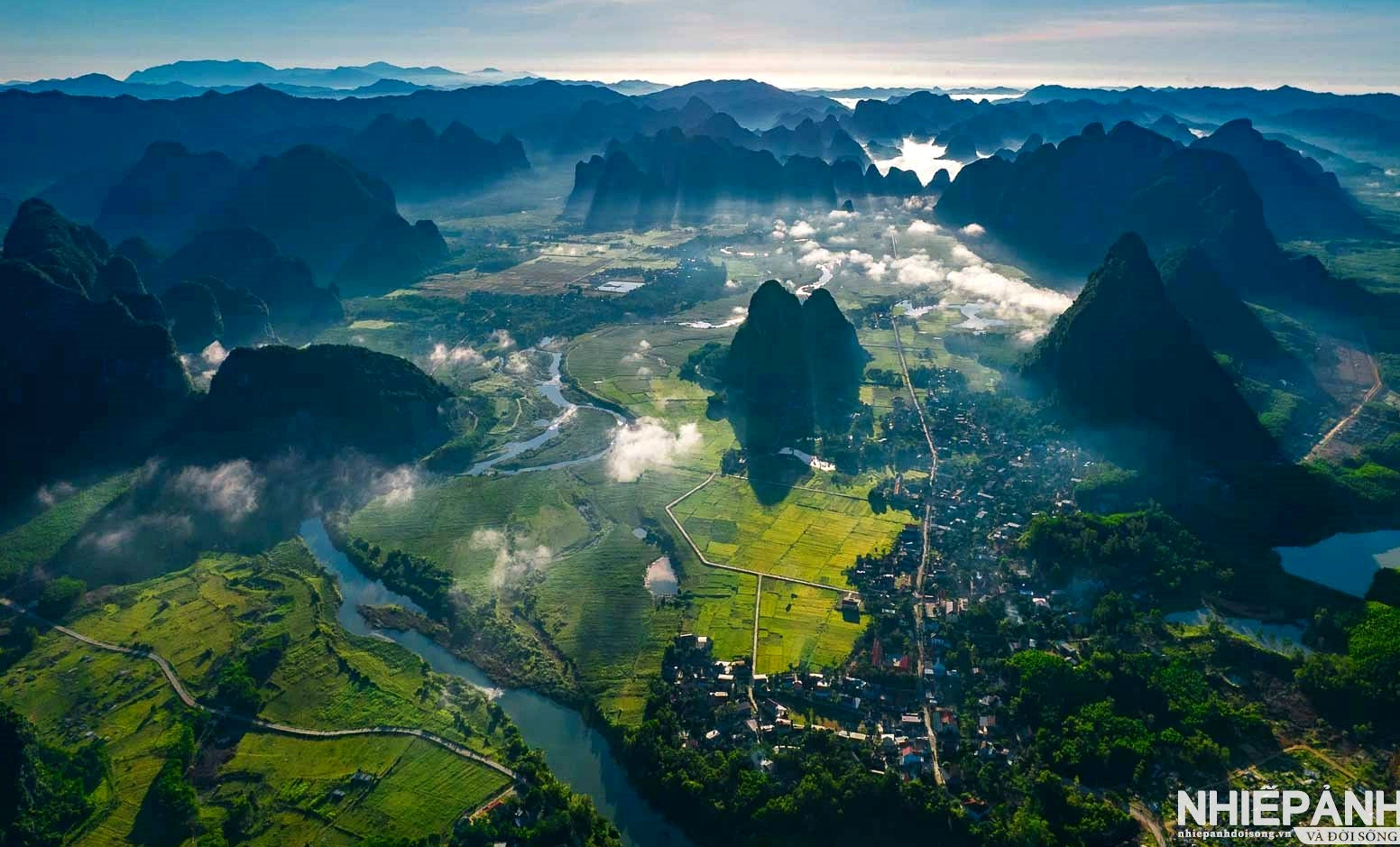
Suspended amid swirling mountain clouds of the Northwest highlands, the Moana Sapa landscape complex unfolds like a dramatic natural tableau where majestic wilderness and human artistry blend with refined sensitivity. Perched on a gentle hillside commanding sweeping views over the legendary Muong Hoa Valley and proud Fansipan Peak, the site boasts an enviable “mountain-backed, water-facing” orientation. Every architectural line at Moana Sapa draws inspiration from the intersection of traditional indigenous culture and contemporary artistic style, creating an expansive open-air space that balances grand mountain majesty with romantic nostalgia.
The first architectural centerpiece to catch the eye is the Northwest rendition of the Bali Heaven’s Gate, intricately carved with motifs reflecting traditional Hmong and Dao brocade patterns. Skillfully arranged natural boulders combined with delicate sculptural details form a doorway opening onto a dreamscape where the boundary between sky and earth seems to dissolve. Right beside it lies a crystal-clear infinity pool acting like a giant mirror reflecting the deep blue sky and drifting clouds. Rising from the center of the water, the graceful, imposing Moana statue reaches toward the vast horizon, evoking humanity’s aspiration to embrace nature and live in harmony with frontier skies and mountains. Every architectural detail—from the solitary tree standing tall amid meadow grass to the colossal golden hand emerging from the cliffside—is thoughtfully positioned to accentuate the authentic contours of the existing terraced hillside.
To capture the most memorable moments across this breathtaking setting, professional photographers and travel journalists routinely highlight two iconic vantage points. The first sits at the Heaven’s Gate and infinity pool area, where an unobstructed foreground opens directly onto the horizon. The ideal lighting here arrives at sunrise (from 5:30 to 6:30 AM), when the day’s first rays pierce through a sea of billowing clouds to drape a golden sheen across Muong Hoa Valley, creating a serene and ethereal visual effect. The second highly praised photo spot lies at the cliffside swing and golden hand extending over the deep gorge. Sunset (around 5:00 to 6:00 PM) is the golden hour to shoot here: as the sun dips behind the Hoang Lien Son range, the sky ignites in vibrant shades of pink and orange, enveloping the surrounding mountains in rich emotional depth and unforgettable visual splendor.
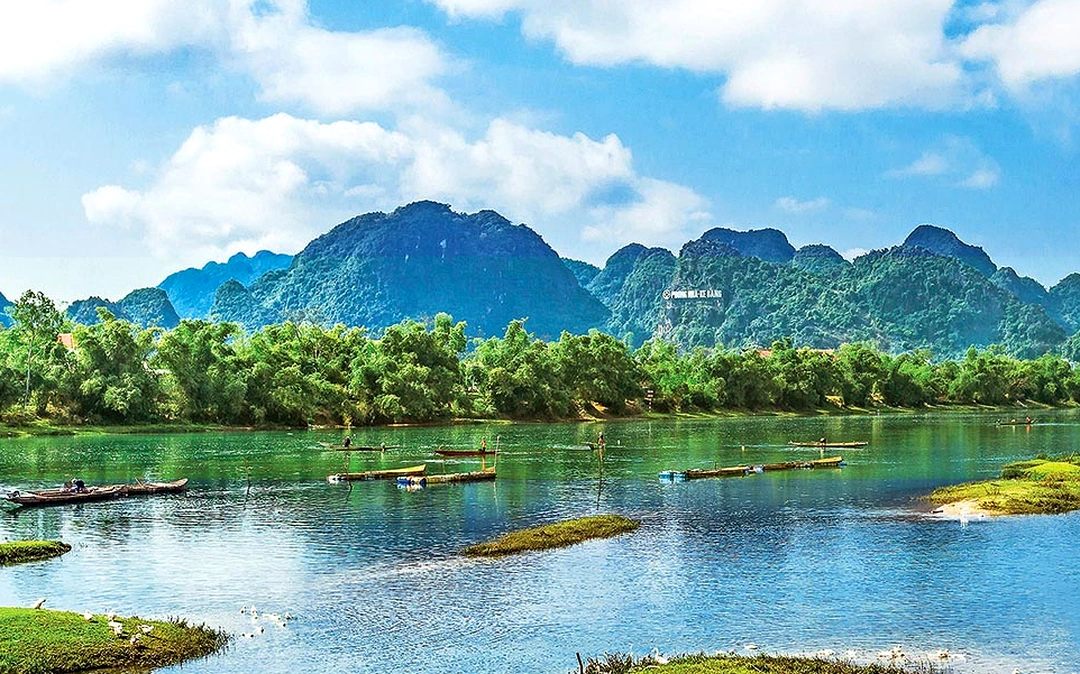
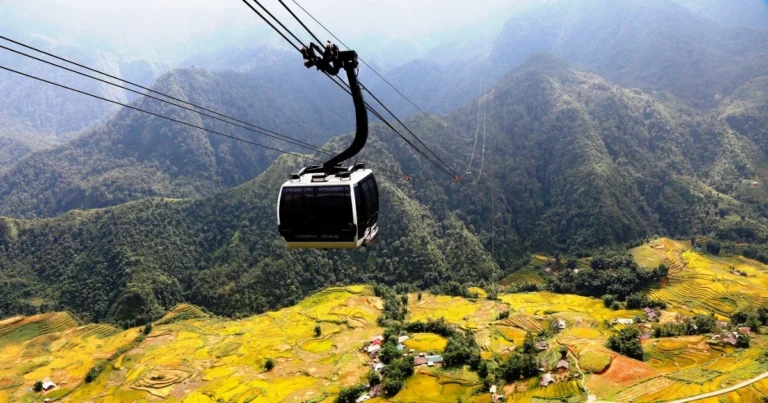
After navigating winding mountain roads to reach the heritage and cultural space commercially known as Moana Sapa, visitors are immediately drawn into an entirely different dimension where the grandeur of the Northwest wilderness merges seamlessly with unspoiled local life. The first emotion to greet anyone arriving here is sheer, breathless awe before a picturesque mountain-and-river canvas sculpted by nature’s master hand. From this elevated vantage point, the mystical Muong Hoa Valley unfolds below with wisps of mist threading through ancient pine canopies and cradling cascading terraced rice fields curving like golden silk ribbons across the slopes. Standing in that breezy open expanse, breathing in crisp air scented with earth and mountain flora, all the noise and rush of urban life melts away, replaced by a profound, unexpected sense of inner calm.
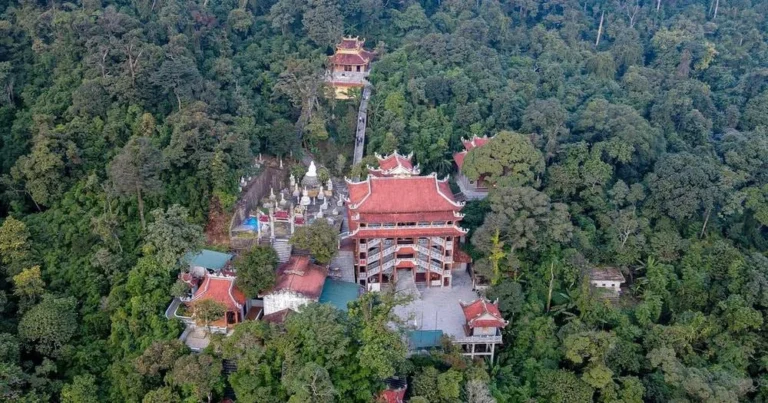
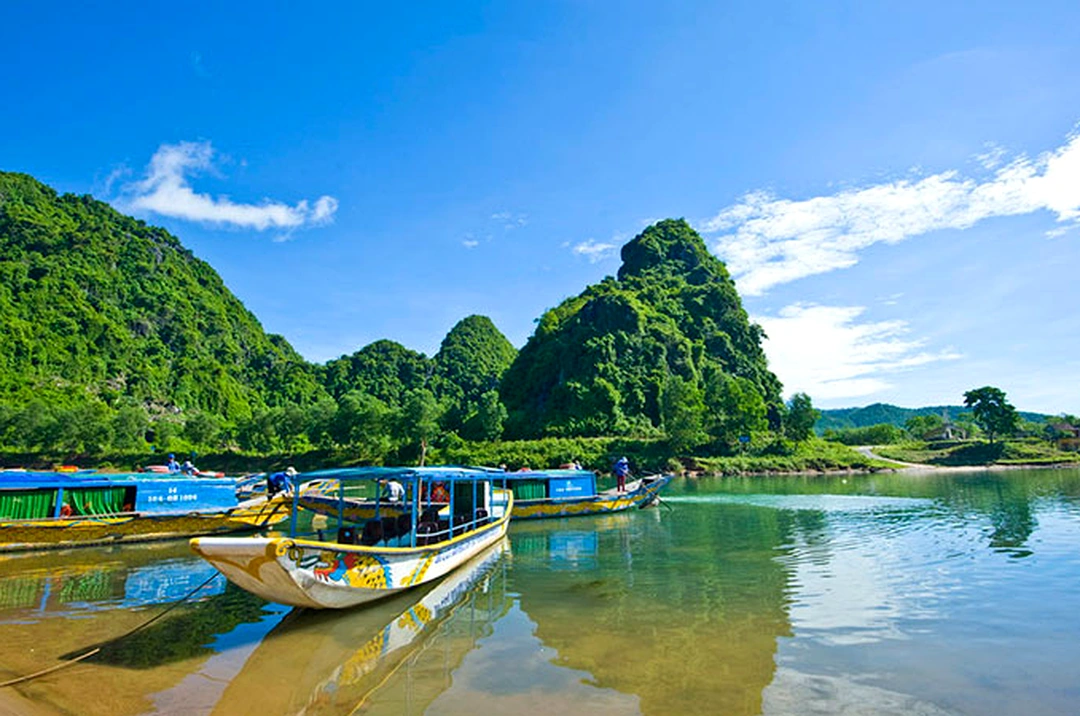
Real-world exploration here goes far beyond admiring scenic vistas, unfolding into a series of active and deeply moving cultural encounters. Travelers can challenge themselves along winding trekking trails hugging the slopes of Hoang Lien Son, passing hillsides carpeted in wildflowers and ethnic villages tucked into the clouds. Each step touches deeper layers of frontier history and culture. Following cool mountain streams—whether drifting gently aboard rustic wooden boats to take in riverbank scenery or pausing at sacred spiritual sites steeped in indigenous beliefs—offers moments of quiet reflection. In these hallowed places, drifting incense smoke mingles with whispering mountain winds to evoke deep ancestral roots, where humanity and the divine unite in an invisible yet enduring bond.
Completing a multisensory journey through this cultural landscape would be impossible without savoring the region’s celebrated highland cuisine. Amid the signature crisp chill of the misty plateau, gathering around a glowing hearth to enjoy authentic local specialties is an unforgettable highlight. Travelers awaken their palates with the smoky aroma of bamboo-tube-roasted free-range pork, black chicken simmered with sour bamboo shoots, fragrant five-color upland sticky rice, or a sip of warming corn wine infused with forest leaf yeast. Every dish represents not only pure, natural mountain ingredients, but also the warmth and centuries-old culinary heritage of the Hmong, Dao, and Tay communities living beneath majestic Bach Van Son Mountain.
To ensure a smooth and rewarding visit to Moana Sapa, travelers should equip themselves with practical details regarding opening hours, admission fees, and transportation. The venue welcomes visitors every day of the week, opening at 07:00 AM and closing around 06:00 PM. These hours are carefully set to ensure visitor safety around outdoor photo installations while maximizing the plateau’s stunning natural light for memorable photography.
Regarding admission fees, the attraction applies clear published rates across service packages. Standard entry tickets are reasonably priced and include access to all signature photo installations along with a complimentary bottle of drinking water. In addition, on-site rental services offer traditional ethnic minority attire as well as flowing bohemian dresses so guests can effortlessly switch up their look, with rental fees varying by outfit and charged separately from general admission.
Getting from central Sapa Town to Moana Sapa is remarkably quick and convenient. Located at No. 68 Violet Street—less than 1.5 kilometers from the central Stone Church—visitors can easily take a leisurely walk to enjoy the crisp mountain town air, or hop on a motorbike, ride-hailing bike, or taxi for a quick 5-to-7-minute ride. For those who love immersive travel, strolling along the winding hillside lanes offers the most authentic glimpse into Sapa’s peaceful daily rhythm.
The best times of year to visit Moana Sapa are during the golden rice harvest season from September to October, or the shimmering water-pouring season from April to May. During these months, the surrounding natural landscape reaches peak vibrancy, providing an unmatched backdrop for every frame. As for attire, because the mountainous terrain involves slopes and stone steps, wear sneakers or slip-resistant flat shoes paired with neat, comfortable clothing—and be sure to bring warm layers, as temperatures in Sapa drop noticeably toward late afternoon and evening.
To enjoy a seamless getaway and take in the full beauty of Moana Sapa without worrying about transportation, sightseeing tickets, or itinerary planning, travelers can choose VDS Travel’s premium all-inclusive Sapa tour packages. Every tour is thoughtfully timed to capture photo spots at their most radiant moments, accompanied by knowledgeable local guides and top-tier hotel and dining standards.