Going back in time to the borderlands of Southwest China, Jianshui in the consciousness of ancient historical records bore subdued yet noble names such as Lin’an, Bodou, or Badian. Here, dating back to the Nanzhao Kingdom with the Yuanhe era milestone under the Tang Dynasty (806–820)—when Huili City was ordered to be constructed—a glorious history spanning over twelve hundred years of vicissitudes was unlocked for a prefectural administrative center. Traversing countless rising and falling dynasties, this land not only preserves ancient architectural imprints but also silently nurtures an exceptional underground cultural and artistic current, of which the most brilliant is the art of refining earth into gold through ceramic craftsmanship. Looking back along the developmental trajectory, the history of Jianshui purple pottery production has deep roots tracing back to the Song Dynasty, with embryonic origins emerging from the late Tang through the early Song periods, before stepwise transforming strongly and rising into a large-scale craft village during the Yuan and Ming Dynasties, prior to reaching its dazzling zenith in the middle and late periods of the Qing Dynasty.
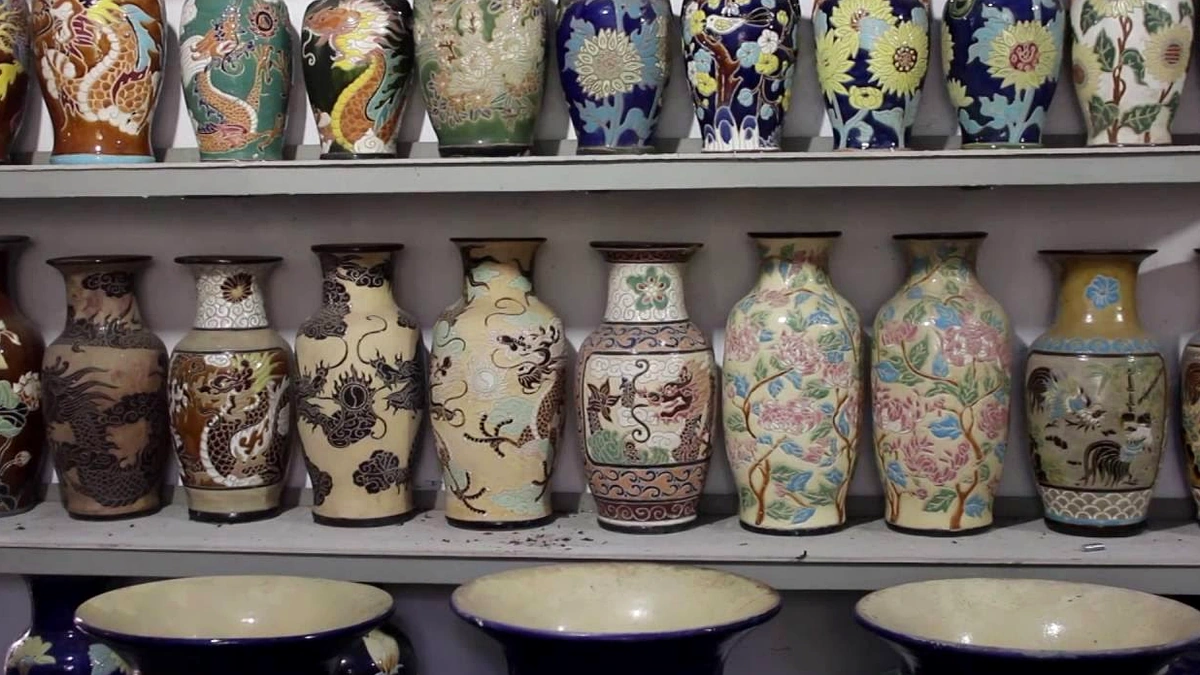
The sublimation of Jianshui purple pottery lies not only in firing techniques or unique clay quality but also in a monumental turning point bearing the profound intellectual imprint of the literati and scholarly class. During the Qianlong and Jiaqing reigns of the Qing Dynasty, renowned literati figures such as Zhang Shifan, Zhu Yingyuan, and numerous other sages personally stepped into the world of ceramics, engaging deeply in the creative process and breathing soul into every grain of earth. They were the very individuals who birthed the remarkably unique “calligraphy and painting mud-inlay” technique—a method of scraping and carving poetry, calligraphy, and ink-wash paintings directly onto ceramic surfaces before inlaying them with contrasting colored clay layers prior to firing. This genius invention immortalized bowls, jars, and ceramic pots from ordinary daily utensils into sophisticated literati art treasures imbued with an erudite, profound, and elegant spirit.
Entering the turbulent period of modern history under the Republic of China, that artistic undercurrent did not fade; rather, it gave rise to stellar masters, epitomized by artisan Xiang Fengchun. The talent of this artisan generation propelled the reputation of Jianshui purple pottery beyond village boundaries, reaching international acclaim by brilliantly winning prestigious awards at the Panama-Pacific International Exposition. Through various historical stages of war and shifting times, the core values of the craft village have been preserved across generations as an irreplaceable spiritual heirloom of ancient Lin’an.
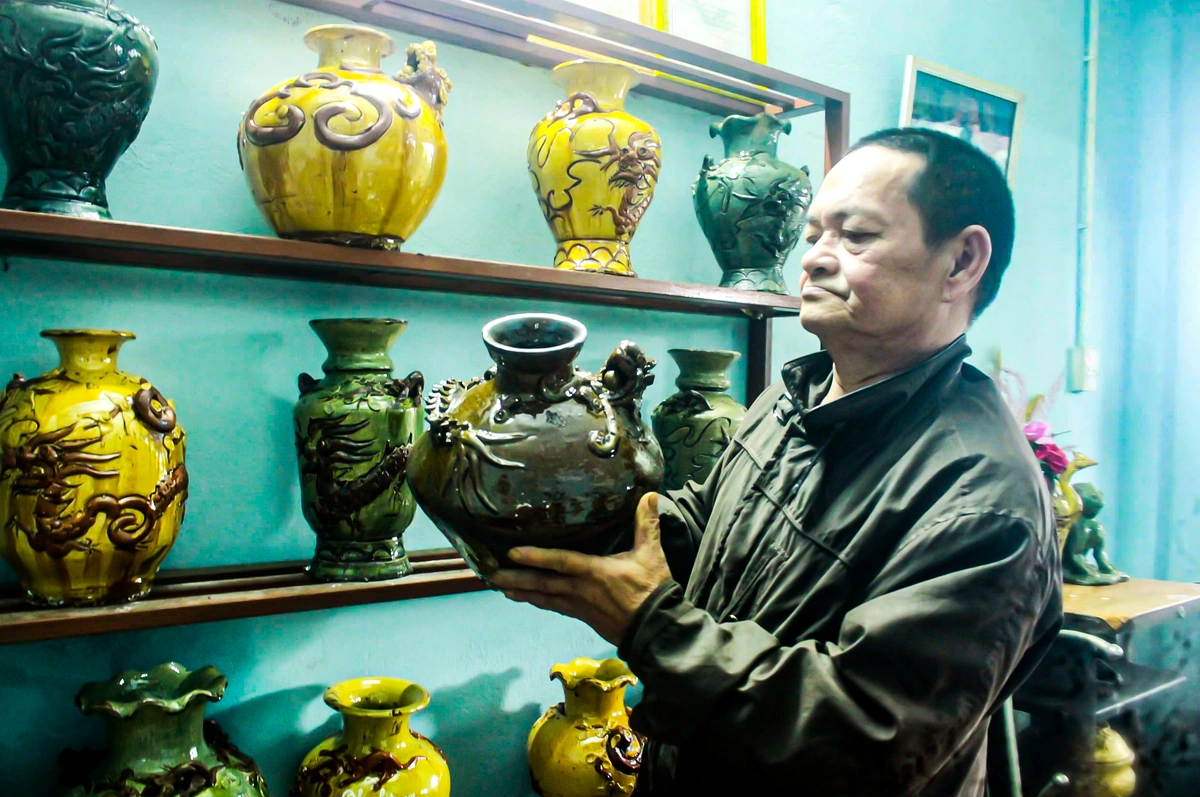
The journey of preserving and promoting that heritage entered a new chapter in the early 2010s, when local authorities and citizens decided to rely on two core nuclei—Bayao Village and the Zidaoli ancient quarter—to plan, invest in, and construct the scaled Jianshui purple pottery small town. By 2019, those persistent efforts were duly rewarded when it was officially approved as a National AAAA Tourist Scenic Area alongside the title of Top-Tier Characteristic Small Town in Yunnan Province. Today, this space serves not merely as a venue preserving fiery kilns burning day and night but as a living museum where the golden past of feudal dynasties blends harmoniously with contemporary breath, establishing a cultural-tourism destination possessing rare encyclopedic depth on the world heritage map.
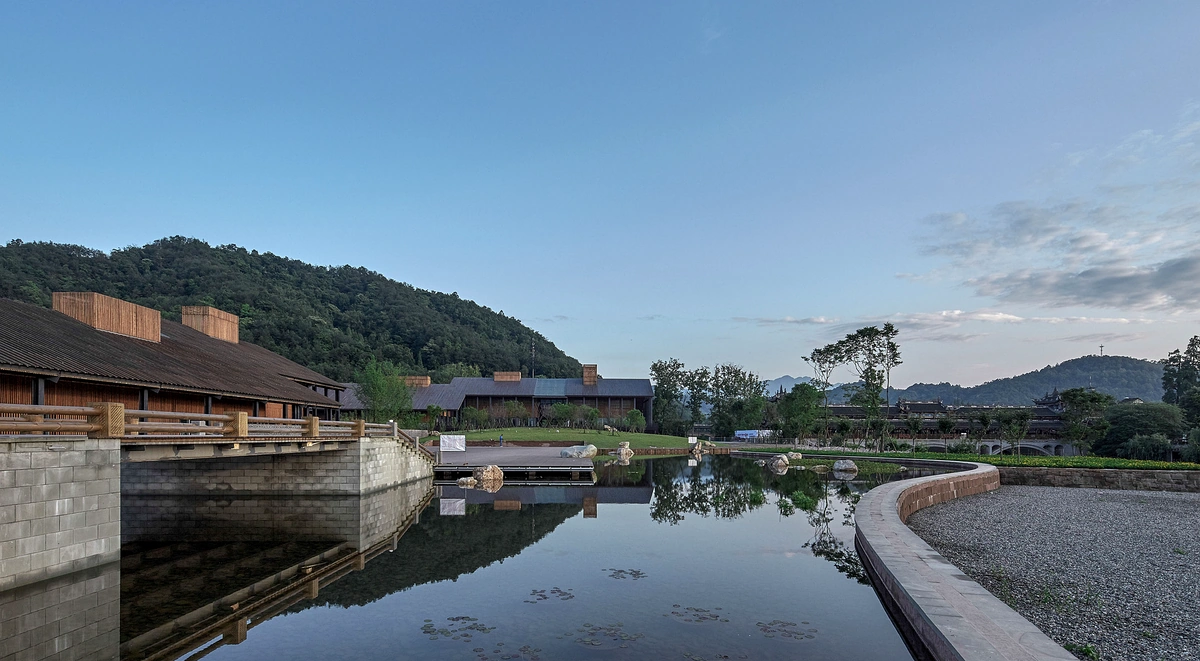
Going back in time and space to the southernmost land of Yunnan Province, the encyclopedic guide to Jianshui Purple Pottery Village immediately captivates viewers with its awe-inspiring Feng Shui terrain and unique topographical structure bestowed by nature upon this valley. Situated right in the southeastern sector of the Jianshui structural depression, where boundaries harmonize between the Dianzhong Plateau and fault basin edges heading toward the majestic mountains of the Hengduan Mountains range, the entire ceramic collective complex emerges at an ideal elevation of roughly 1,300 meters above sea level. Regarding overall topographical planning, the ecological foundation of this ceramic town is firmly shaped by the classic art of site selection and settlement by ancients, backing up against the majestic Longjing Mountain to the north while facing directly toward the hydrological network of the Qujiang River basin—an important tributary of the surging Lujiang River.

This selection of location for settlement and traditional craft development aligns completely with traditional Feng Shui philosophy regarding Yin-Yang harmonization, strictly adhering to the maxim “backing mountains and facing water, wind generating and water initiating.” Artisans and ancient planners skillfully followed natural contour lines of hilly terrain to arrange kilns, residential quarters, and communal living spaces so as to simultaneously block freezing cold winds blowing from the north in winter while fully welcoming refreshing, temperate valley breezes year-round. This ingenious adaptation to natural conditions forged a distinctive microclimate highly favorable for drying greenware, preserving raw materials, and maintaining persistent, tranquil labor rhythms across the ups and downs of Chinese feudal history.
Stepping deeper into the mother earth of this basin, geologists and material researchers discovered the answer unlocking the legendary fame of Jianshui purple pottery: abundant mineral resources metaphorically termed treasures of the creator named “five-color soils” (wuse tu). The primary clay system comprises five dominant shades—red, yellow, purple, white, and green soils—concealed deep within Quaternary geological strata featuring mineral compositions exceptionally rich in sticky iron oxides (niantie zhi) and high aluminum content. The unique blending of this specialized clay serves as the paramount foundational matter directly determining the supreme mechanical and aesthetic qualities of finished products, transforming crude soil masses after kneading and kiln refining into art standards defined as “hard as iron, bright as a mirror, with a tone clear as a stone chime.”
Every inch of land, every courtyard, and every kiln corner here carries the breath of history and exquisite harmony between humans and specialized geological landscapes. As evening sunlight strikes Longjing Mountain’s slopes, casting reflections over Qujiang River basin’s shimmering waters, the entire ceramic village emerges as a living natural masterpiece where traditional hand-crafting techniques remain pristine thanks to nature’s sturdy ramparts and timeless Feng Shui philosophy.
Stepping into the deep core of artistic cultural spaces at Jianshui Purple Pottery Village, any researcher or sentimental traveler cannot fail to marvel at the grandiose scale and integrity of a living heritage complex spanning roughly 3.2 square kilometers. This functions not merely as a traditional handicrafts production center but as an outdoor architectural museum embodying humanistic values, unique spatial planning concepts, and peak construction engineering of Diannan (southern Yunnan) people. The overall structure of the small town is harmoniously partitioned into specialized functional sub-zones closely interconnected, including the bustling Taobao Street, the solemn Zitao Museum, the erudite Xueyi Workshop, and the renowned Dalongyao Dragon Kiln district. Each area carries historical breaths, representing flawless intersections among communal living spaces, art exhibition venues, and pristine production workspaces preserved across centuries.
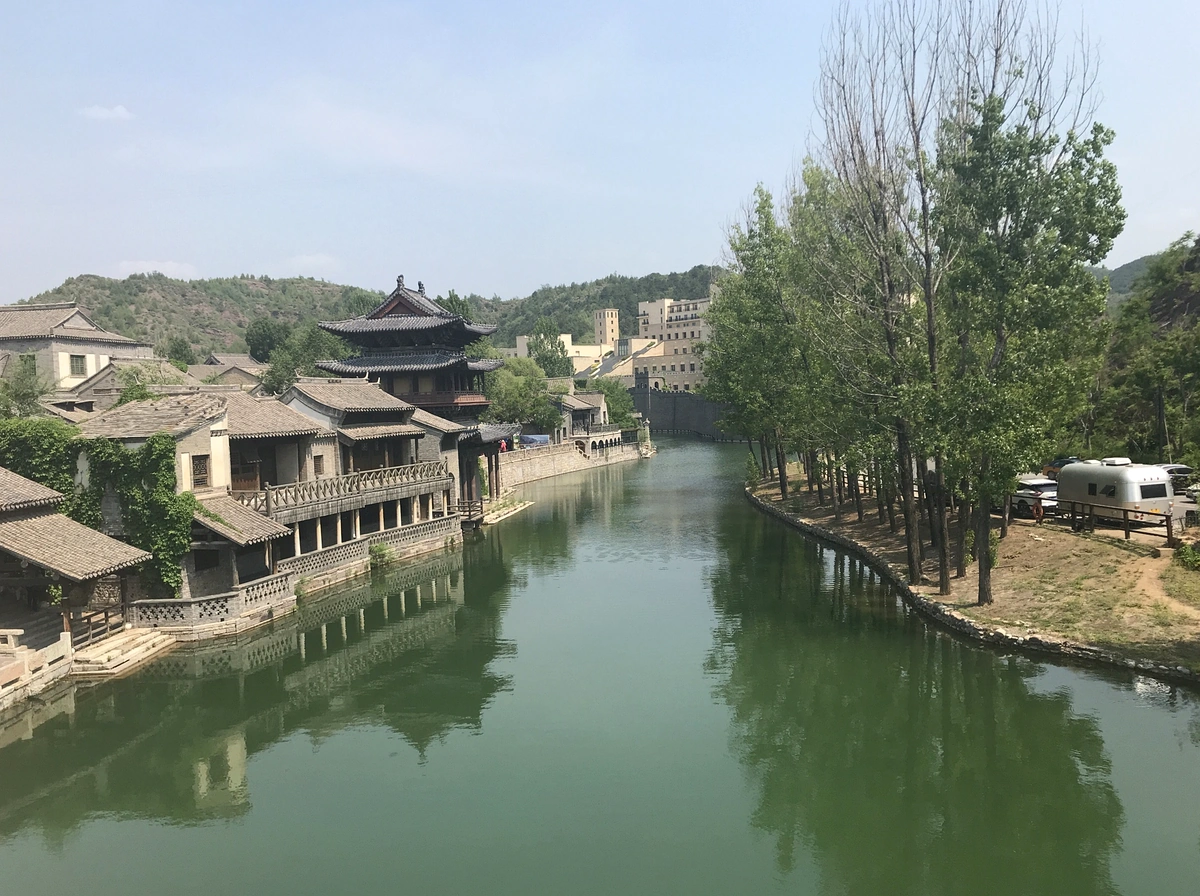
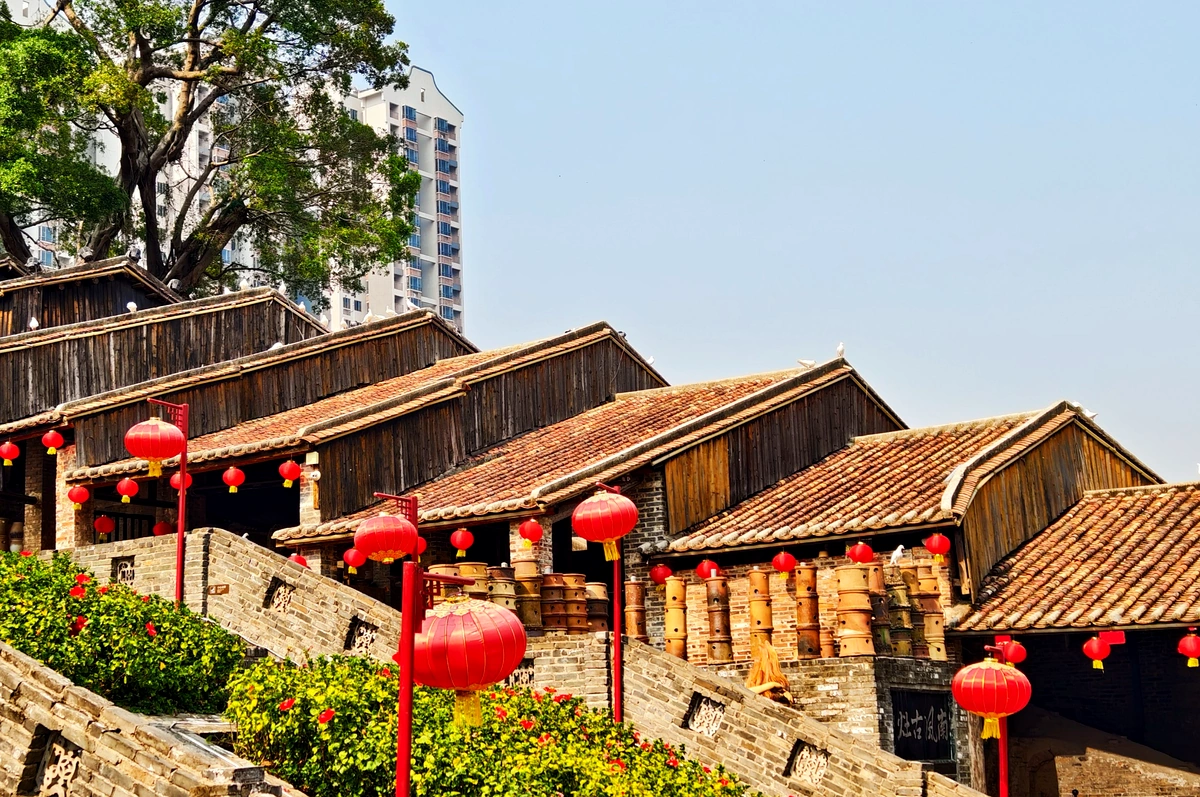
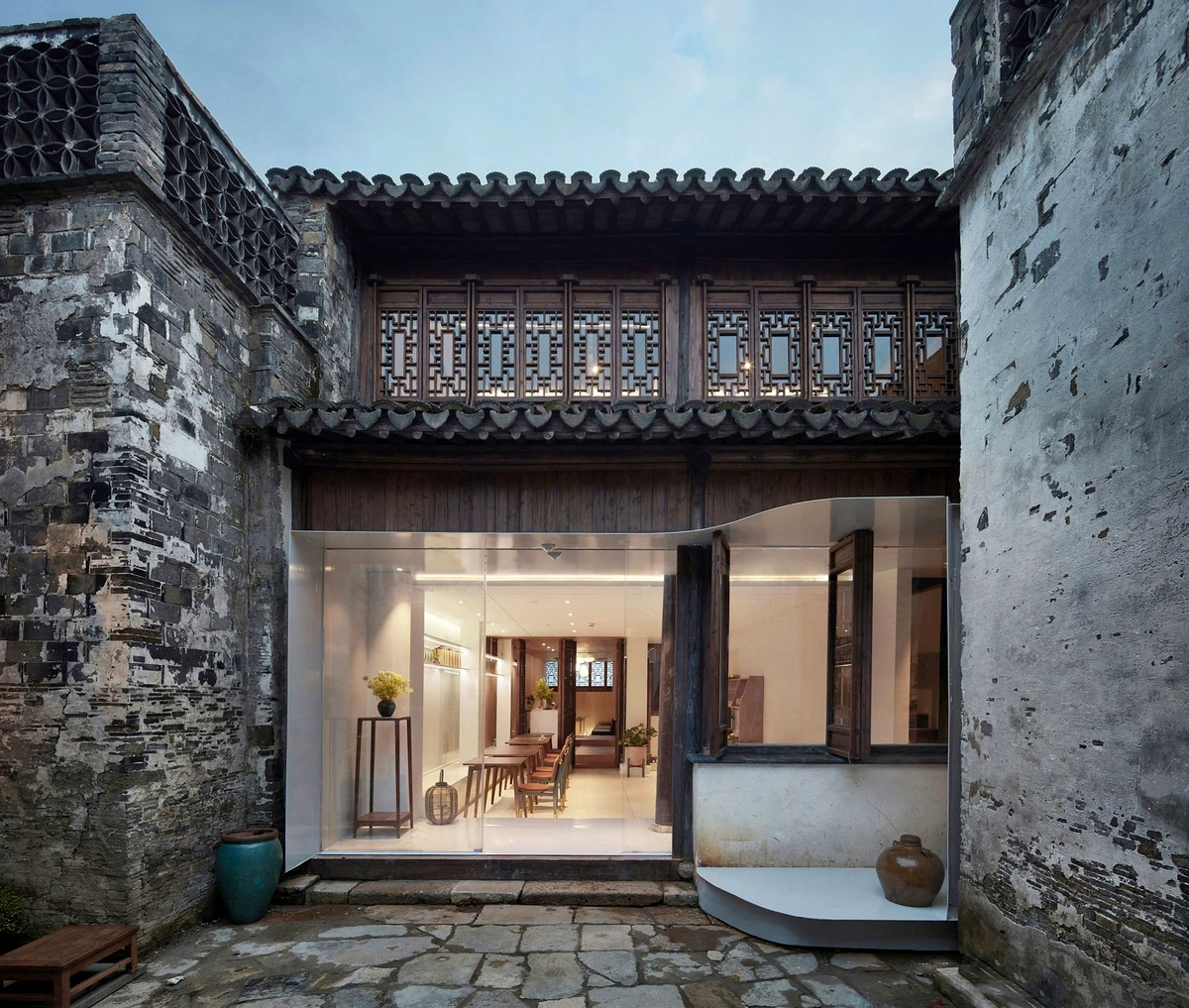
Strolling along ancient brick-paved pathways, visitors’ eyes are first drawn to folk residential architectural art imbued with distinct Diannan regional imprints. Historic works here represent masterpieces of traditional tectonic methods (yingzao fashi), highlighted by two characteristic dwelling styles: “Yi Ke Yin” (seal-like square courtyard) architecture and Tuozhangfang rammed-earth houses. Under the talented hands of ancient master builders, wooden frameworks primarily apply sophisticated combinations of Chuandou (pillar-and-tie) and Chuanliang structural systems. Astonishingly from a construction engineering perspective, these wooden frame connections utilize zero iron nails or metal pieces, relying instead on highly durable mortise-and-tenon joinery (sunmao jiegou). This intelligent timber-joint system boasts superb elasticity and load-bearing capacity, allowing structures to automatically absorb and neutralize seismic oscillations, enabling ancient houses to endure sturdily over hundreds of shifting years across complex seismic belts.
Alongside elite wooden frame structures, the small town impresses strongly through bold, creative recycling aesthetics termed “ceramic kiln fragment wall decoration.” During purple pottery firing processes involving non-negligible loss rates and defect ratios due to harsh temperatures, Jianshui residents avoided discarding cracked or deformed products, utilizing them thoroughly to transform waste into art. Purple pottery fragments in chicken-blood red, deep purple, turquoise, or earthy yellow were skillfully applied to pave pathways, clad facades, or construct unique patterned walls. This landscape establishes a powerful visual language—rustic and intimate yet contemporary, manifesting philosophies of living harmoniously with nature and cherishing every grain of earth and spark of fire forged by generations of potters.
The beating heart and soul of production spaces here comprise colossal traditional dragon kiln systems (longyao) bearing Ming-Qing architectural styles. These traditional firewood kilns were constructed following the natural slope of hillsides with standard inclinations fluctuating between 15 and 20 degrees, maximizing natural thermal convection to enhance burning efficiency. Spanning impressive lengths from dozens to over a hundred meters, each colossal dragon kiln swallows and fires thousands of ceramic items in single batches under ferocious firewood heat. The imagery of master kiln operators coordinating flames within these winding “earth dragons,” alongside curling blue evening smoke drifting across ancient yin-yang tiled roofs of the old quarter, paints a grand portrait of intangible cultural heritage vitality pulsing concurrently with contemporary breath.
When night falls, shedding its rustic and subdued workman cloak of daytime, Jianshui Purple Pottery Village dons an entirely novel garment—magical, opulent, yet retaining the untouched soul of millennial heritage. Nocturnal lighting landscapes here are planned and executed based on principles of “low carbon, warm, seeing light without seeing lamps”—a design philosophy respecting monuments absolutely. Under talented lighting engineers, warm golden hues are masterfully painted across traditional architectural lines, from winding dragon kilns resembling slumbering dragons to soaring horse-head walls (madou qiang) characteristic of southern Yunnan, down to ancient, mossy tiled roofs. Light avoids dazzling viewers, instead gently caressing rough ceramic surfaces to generate surreal, dreamlike visual effects, plunging travelers into a timeless realm where past and present merge flawlessly.
The beating heart of nighttime space in the small town is the central plaza, where top-tier global lighting technology celebrates traditional crafts. Using advanced holographic projection techniques, the entire intricate pottery-making workflow comprising six core steps—”clay acquisition, clay kneading, throwing, carving, mud-infilling, and ceramic firing”—is vividly, realistically portrayed down to minutiae across ancient ceramic walls and massive water screens. Spectators watch breathless as temporal currents unfold, observing inanimate clay beneath illusory light stir to life, transforming forms through unseen artisan hands before blazing brightly inside illusory kiln fires. Advanced technology never eclipses handcraft beauty; rather, it honors, elevates, and conveys the relentless labor spirit of Jianshui artisan generations closer to younger publics and international visitors via evocative contemporary visual languages.
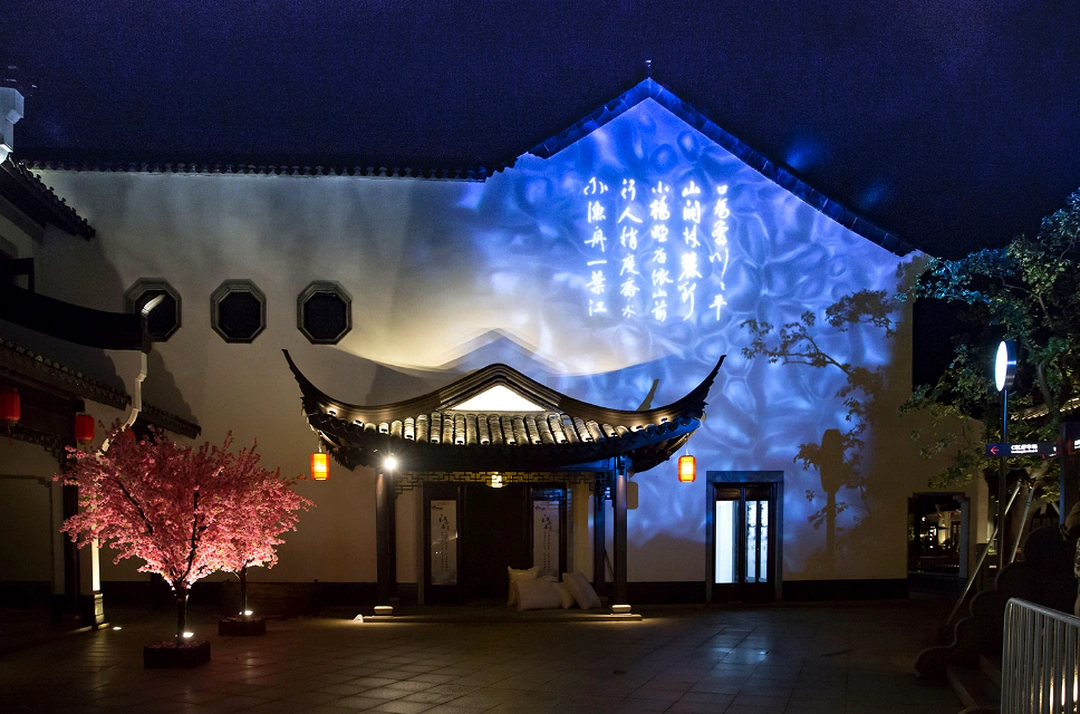
The vitality of Jianshui’s nightlife peaks at the water landscape theater, staging grand live-action performances titled “Millennial Purple Pottery.” This outdoor stage cleverly harnesses natural water surfaces as reflective mirrors, harmonizing contemporary dance art, vibrant surround sound, and magical smoke-and-fire effects. The performance’s highlight is the subtle integration of indigenous intangible cultural heritage arts: the graceful Yuezuo Dance (Yuezuo wu) of the Hani people, deep rhythmic strains of the grand three-string lute (Da sanxian) of the Yi ethnic minority, blending with harmonious, resounding labor chants of ancient potters. All coalesce into a resonating acoustic and luminous symphony echoing across Diannan mountains, vividly outlining survival histories, labor, and persistent artistic creation among borderland ethnic communities.
Departing live-action art spaces to step into Zidaoli commercial streets or Purple Pottery Street, bustling, vibrant nocturnal atmospheres rich in everyday life smoke and fire of nighttime economies emerge clearly. As bright red lanterns are lit along historic houses, pedestrian strolls brighten amidst laughter and bustling sounds. Intangible cultural heritage night markets congregate countless unique handicraft stalls where young artisans directly demonstrate ceramic carving techniques while diners experience DIY pottery workflows firsthand. Interspersed among refined ceramic shops are musical performances and lingering Diannan folk ballads drifting from roadside teahouses, carrying aromas of Pu’er tea brewed inside unique purple pottery teapots. Fusing tranquility with vibrancy, modern technology with craft heritage legacies has forged distinctive cultural spaces highlighting Jianshui Purple Pottery Village’s imprint across southern Chinese cultural canvases.
Stepping into the core heart of Jianshui’s millennia-old cultured land, after admiring elevated artistic shapes born of earth and fire from the purple pottery village, travelers are immediately drawn into another cultural dimension equally deep and captivating: indigenous culinary maps rich in fusion flavors. Culinary culture here constitutes a refined mosaic woven from deep fusions among native Han communities and long-standing ethnic minorities such as the Yi and Hani peoples. Every dish in this land satisfies human palates while embodying philosophies of living harmoniously with nature, respecting water sources, soils, and heirloom recipes preserved across centuries. Exploring Jianshui gastronomy is a living cultural heritage experiential journey, where each delicacy carries native soil souls and passionate dedication of generational culinary artisans.
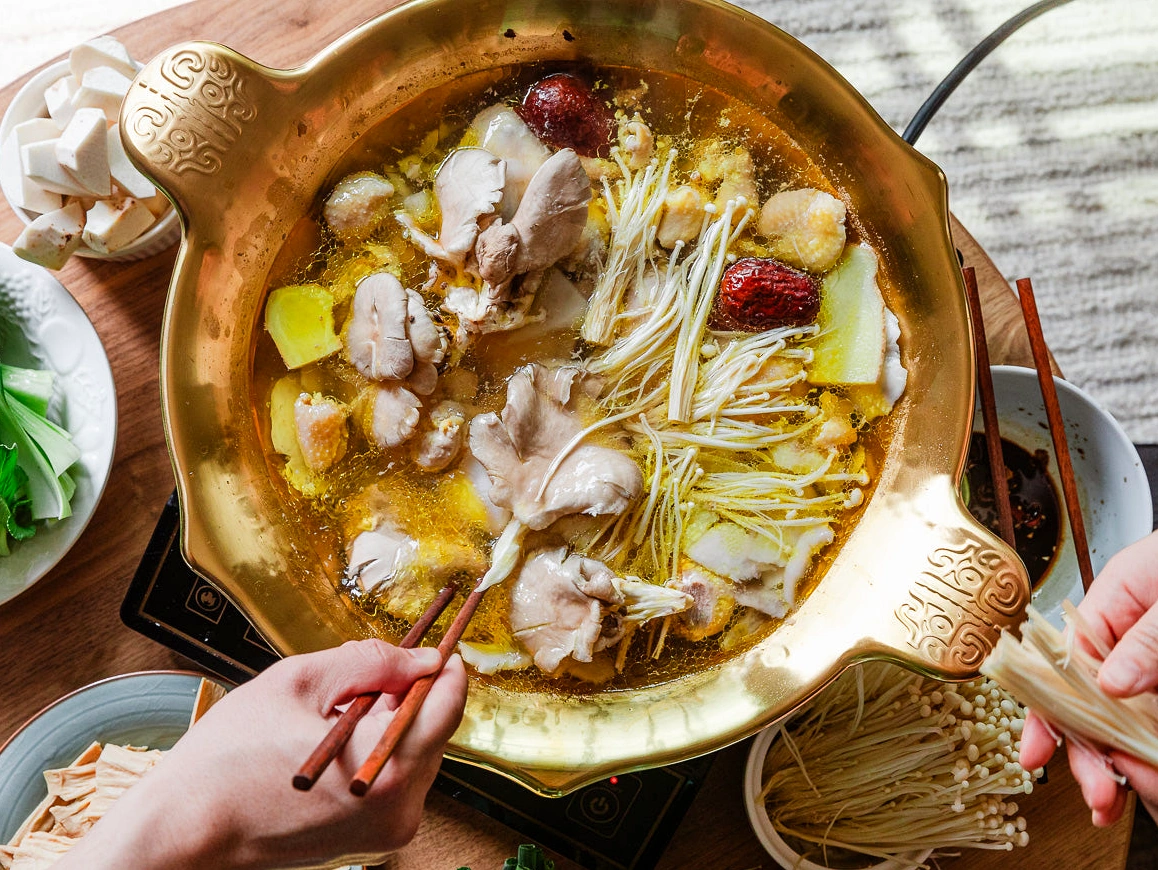
Mentioning Jianshui’s culinary pinnacle requires highlighting the renowned flavor architecture transcending national borders to achieve legendary status: Jianshui Purple Pottery Earthen Pot Chicken, or Jianshui Qiguoji. The unique element establishing this dish’s brand is its inseparable perfection combined with indigenous purple pottery products. Preparation demands cooks utilize specialized steaming pots fired from Jianshui Zitao clay. Cooking workflows require absolute patience and sophisticated techniques without adding single drops of water. Instead, pots rest over large boiling water pans where steam rises, snaking through unique steam conduits positioned centrally on pot bases, slowly condensing and dripping inside chicken pieces. Pure steam blending with herbal medicines and tender free-range chicken distills clear, pristine, naturally sweet broths carrying signature delicate, soothing mineral aromas from fired clay. Savoring bowls of Qiguoji makes diners feel Jianshui’s heaven-and-earth essence melting upon taste buds.
Alongside Qiguoji, regional culinary maps are adorned by exclusive products solely discovered here: dandelion shoots, or caomang (táonha). This special vegetation grows naturally within wetlands surrounding the renowned Daban Well scenic area south of Jianshui Ancient City, actually representing young stems of aquatic dandelions. Caomang features ivory-white elongated shapes, offering crisp textures and naturally clean sweet flavors unmatched elsewhere. Indigenous locals transform this ingredient into refined dishes, prominently stir-fried caomang, hailed as southern Yunnan’s premier culinary technique, enchanting distant travelers from initial bites.
Jianshui gustatory experiential journeys remain incomplete without rustic yet addictive grilled charcoal tofu flavors. Crafted from selective soybeans combined with sweet, pristine well waters of Daban Well to generate rich soy milk, seasoned further with natural sourdough starters coagulating into tender silken tofu blocks. Fermented naturally, tofu pieces are arranged on compact charcoal grills placed neatly along old town sidewalks. Diners frequently gather on small wooden stools, chatting animatedly while awaiting tofu balls puffing up into appealing golden hues. Vendors calculate bills based on consumed tofu quantities—a fascinating folk cultural trait. Upon consumption, grilled tofu is crisp outside, silky melting inside, dipped deep into crushed chili salt mixes blended with traditional red fermented bean curd, orchestrating explosive flavor symphonies awakening all senses and permanently lingering in memories of visitors.
Grasping practical information regarding timing and transit methods proves crucial when exploring Jianshui Purple Pottery Village. Small town exterior areas open freely all day for strolls, sightseeing, or photography along characteristic ceramic streets. However, stepping inside specialized interior exhibition spaces within key cultural highlights like the Jianshui Zitao Museum or Dalongyao live-action districts requires noting operating hours from 9:00 AM to 5:30 PM. Furthermore, certain private art studios require advance scheduling and separate admission tickets prior to entry to guarantee privacy and experiential quality.
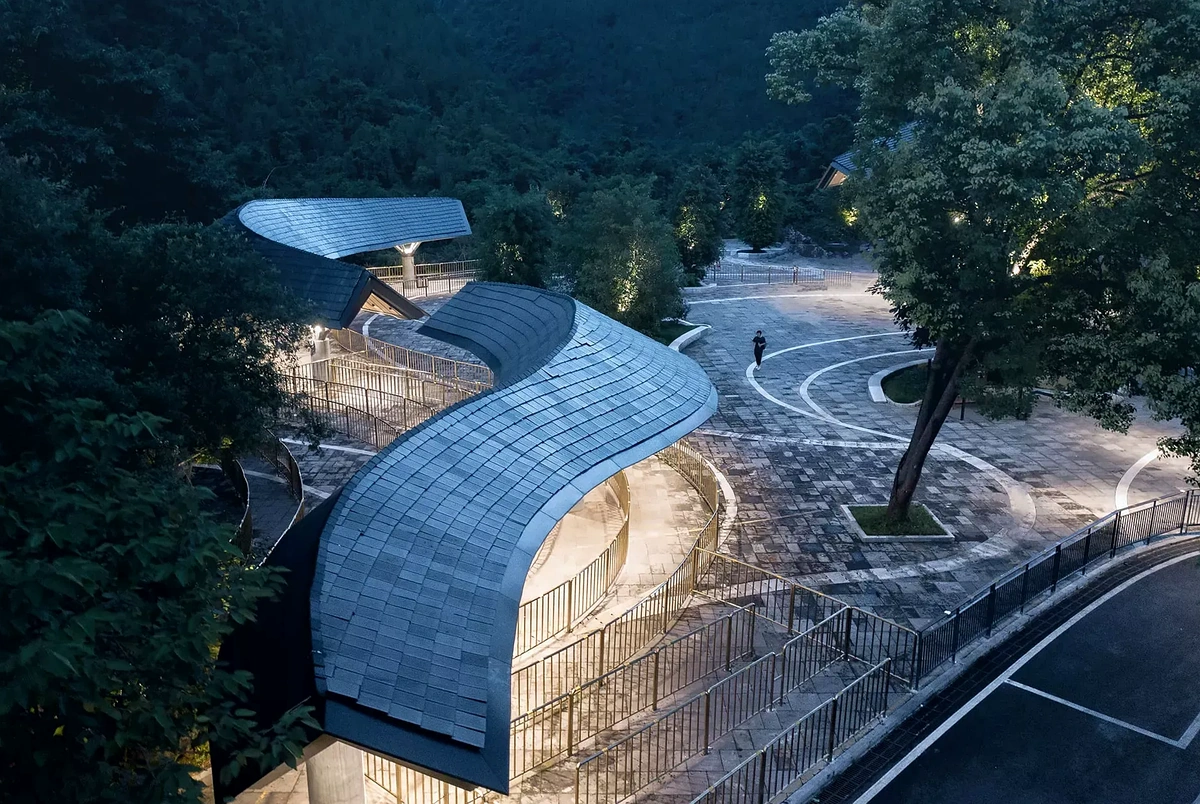
Regarding transit connections to southern Yunnan, travelers can select flexible transport forms depending on departure points and trip schedules. Departing from Kunming or neighboring cities via high-speed rail, Honghe Station serves as ideal stopovers before transferring to specialized buses or taxis straight to the ceramic village in roughly twenty minutes. For proactive travelers desiring scenic views along routes, self-driving via Kunmo Expressway and turning toward Yuanshui Expressway takes approximately two and a half hours. Notably, to preserve ancient architectural spaces and guarantee pedestrian safety, core central small-town zones strictly enforce bans on private motor vehicles, requiring visitors to walk or utilize specialized sightseeing electric carts.
A single-day exploratory itinerary designed by seasoned travel experts for this land starts in the morning at visitor reception centers, continuing through walks across the Zitao Museum to comprehend historical depth before visiting ancient folk dwellings in Wanyan Village. When hunger strikes at noon, pausing at traditional eateries to taste renowned earthen pot chicken alongside sweet upland vegetable feasts anchored in local terroir proves ideal. Afternoons suit fire-lit explorations at Dalongyao traditional ceramic kilns, observing master potters throwing clay and experiencing intricate carving and mud-inlaying processes. As night falls, Zitao Li Night Market illuminates with hundreds of handicraft stalls and street delicacies, concluding multi-sensory daily experiences.
Alongside itineraries and transport, travelers must note practical climate and cultural etiquette tips to ensure smooth trips. Situated within subtropical highland monsoon climates, the small town features significant diurnal temperature ranges paired with intense daytime UV radiation, requiring sunscreen, sunglasses, and flexible thermal layers for evenings. When visiting artisan workshops or folk galleries, requesting permission before photography demonstrates basic etiquette while respecting intellectual property and craftsman efforts. Additionally, to avoid counterfeits, visitors seeking authentic ceramic souvenirs must inspect official geographical indication anti-counterfeit labels while clearly distinguishing hand-crafted traditional works from machine-molded industrial items. For realistic perspectives and thorough preparations, reference our all-inclusive tour packages custom-designed for art and history enthusiasts.