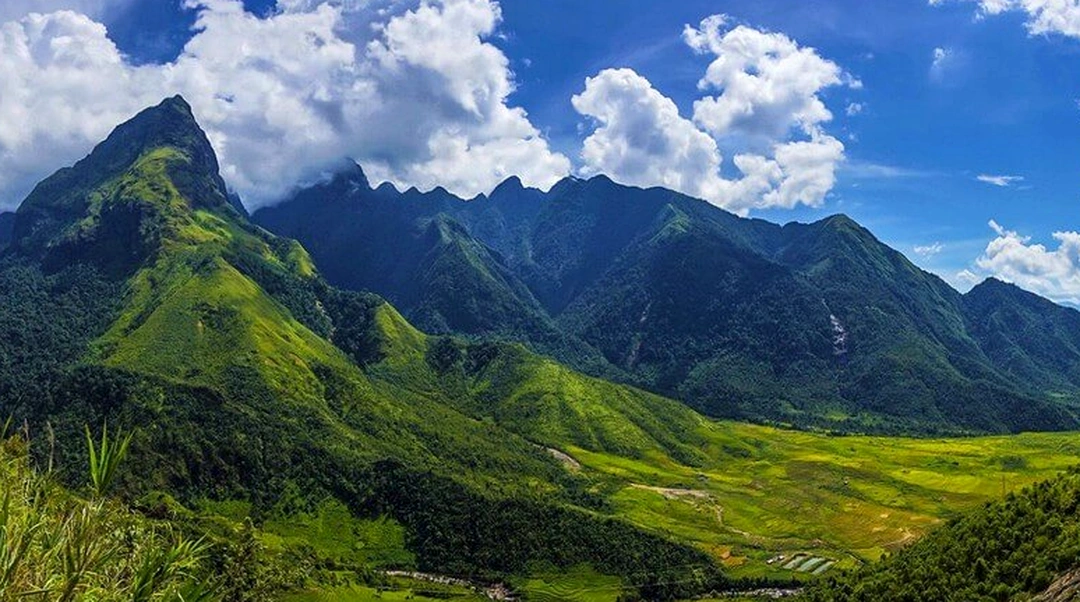
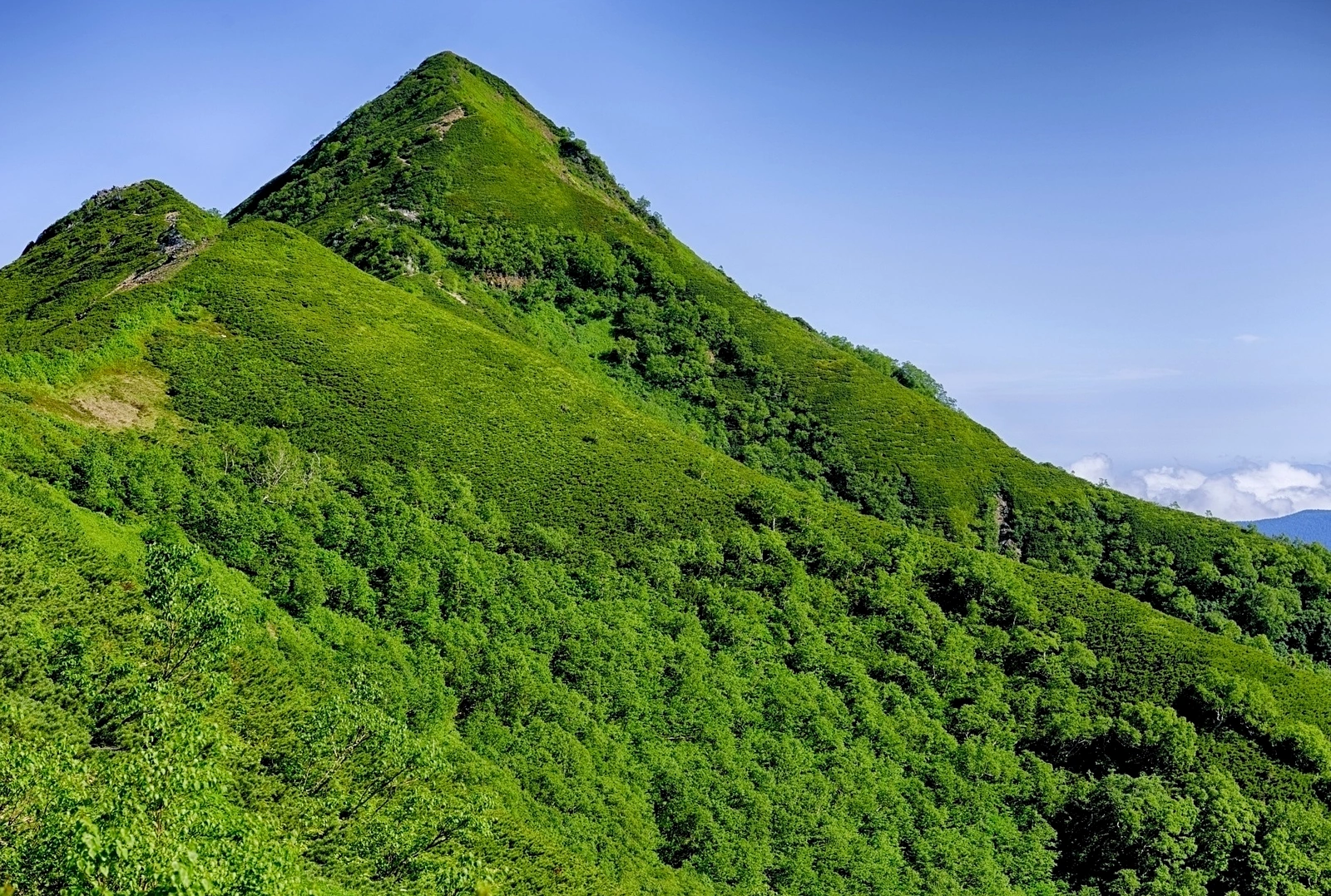
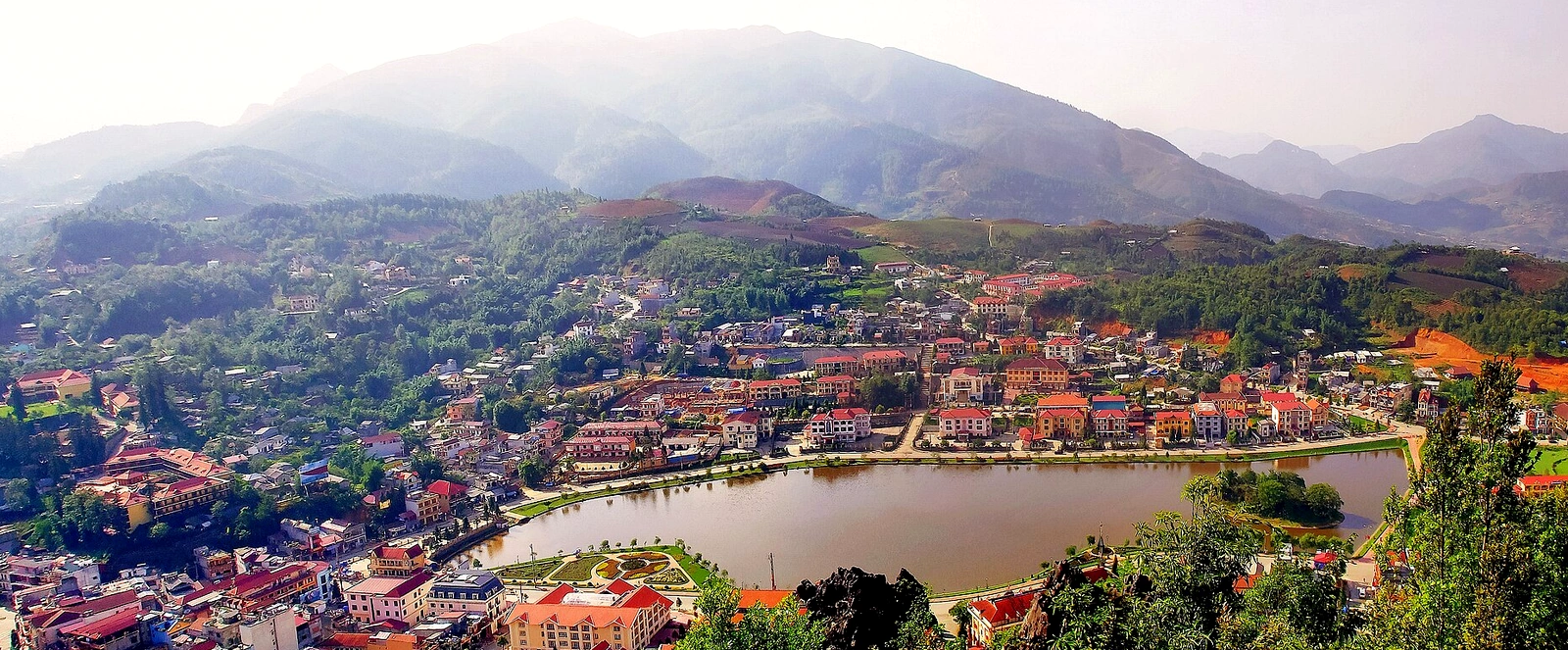
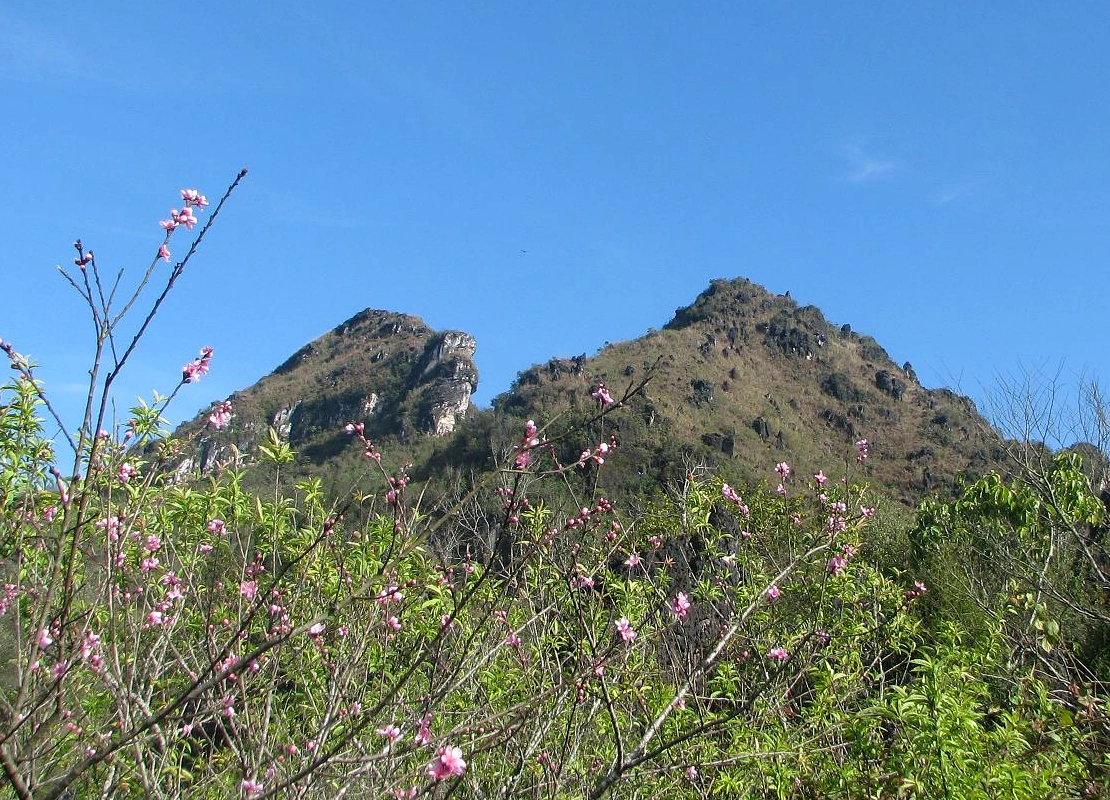
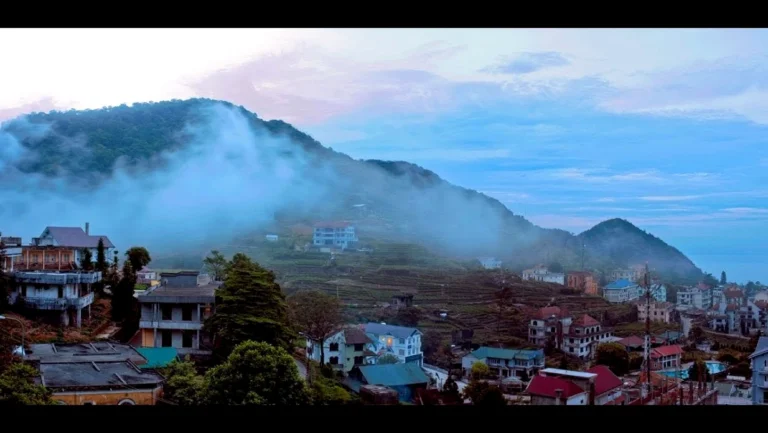
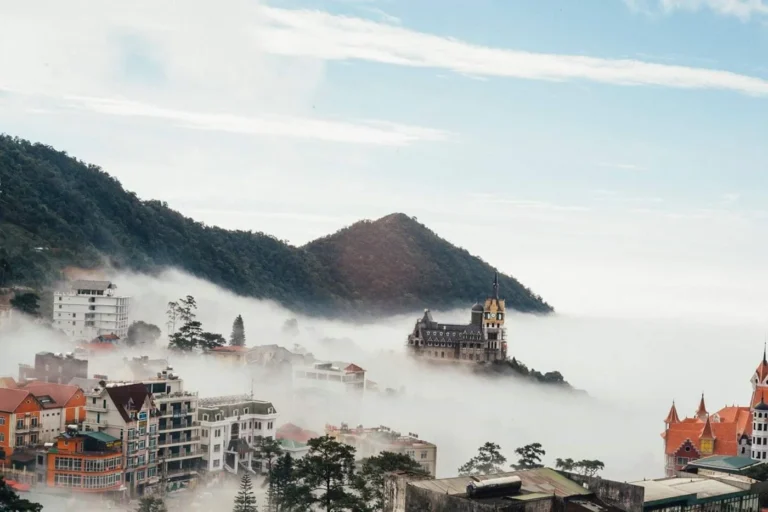
Draped across the majestic Hoang Lien Son mountain range, O Quy Ho Pass is far more than a vital transport artery linking Sa Pa town (Lao Cai Province) with Tam Duong District (Lai Chau Province); it is revered by geographers and avid travelers alike as the “King of Northwest Passes.” Reaching an elevation of 2,035 meters above sea level at its summit, it stands as the highest point among Vietnam’s “Four Great Mountain Passes.” Topographically and spiritually, O Quy Ho resembles a soft yet daunting silk ribbon winding around sheer cliff faces, where the border between Lao Cai and Lai Chau provinces is drawn by perpetual layers of cloud. The landscape here is a dramatic interplay of bottomless chasms and mist-shrouded peaks, forming a true “Heaven’s Gate” where humanity feels humbled before nature’s grand architecture.
The name “O Quy Ho” carries the breath of legend and deep indigenous heritage. According to H’Mong folklore, the name originates from the mournful cry of a phoenix—a mythical bird tied to the tragic love story between a fairy and a poor woodcutter. Their separation echoed across the mountains and forests as a haunting birdcall, leaving future generations to hear the lingering resonance of a star-crossed yet proud romance whenever the pass is mentioned. Locally, it is also known as Hoang Lien Pass, nestled entirely within the mountain range of the same name—the “Roof of Indochina,” which preserves pristine geological formations dating back millions of years. In the consciousness of local communities, O Quy Ho is not merely a road, but a living entity and a historical witness to the countless vicissitudes of this remote borderland.
From the perspective of cultural researchers and contemporary journalists, O Quy Ho Pass is recognized as a natural heritage site of exceptional value on Vietnam’s tourism map. Stretching a record-breaking nearly 50 kilometers, this mountain route is not only an exhilarating test for seasoned drivers but also a “living museum” of geology and microclimates. The weather shifts here are nothing short of extraordinary: on many days, the Sa Pa side is blanketed in dense fog and biting chill, yet the moment you cross the summit toward Lai Chau, the sky bursts open into brilliant golden sunshine. This stark geographical contrast creates an irresistible allure, establishing O Quy Ho as an iconic destination where the essence of the Northwest’s sky and earth converges. Preserving and promoting the value of this pass goes beyond tourism development; it represents a deep respect for a cultural and historical legacy woven into the lives of highland ethnic communities, affirming the unrivaled stature of one of the most legendary routes along Vietnam’s S-shaped coast.
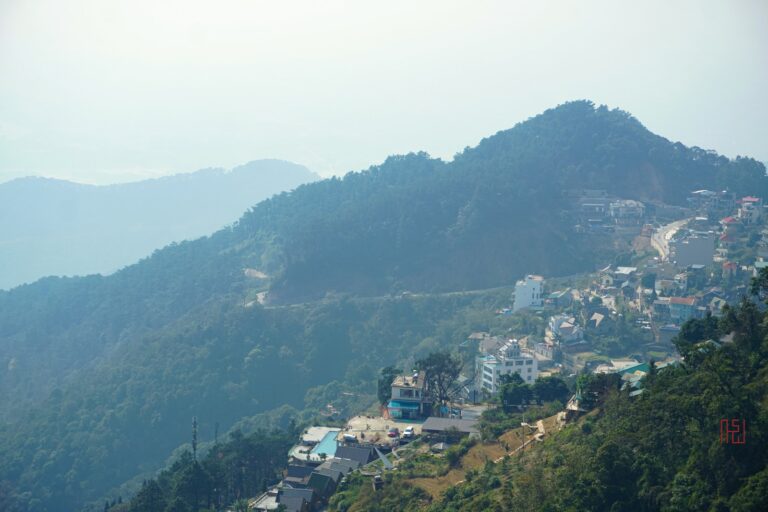
O Quy Ho Pass is not simply a crucial traffic corridor; it is a geological masterpiece sculpted by nature in the heart of the towering Hoang Lien Son range. Spanning nearly 50 kilometers, the pass winds like a delicate yet rugged silk ribbon across vertical cliffs and unfathomable abysses. Looking down from above, visitors are left breathless by a continuous sequence of hairpin turns, where every rotation of the wheels feels like an exhilarating conquest. The contrast between towering, moss-covered limestone cliffs weathered by time on one side, and deep valleys veiled in drifting mist on the other, creates a sublime panorama that is both magnificent and challenging for anyone who sets foot here.
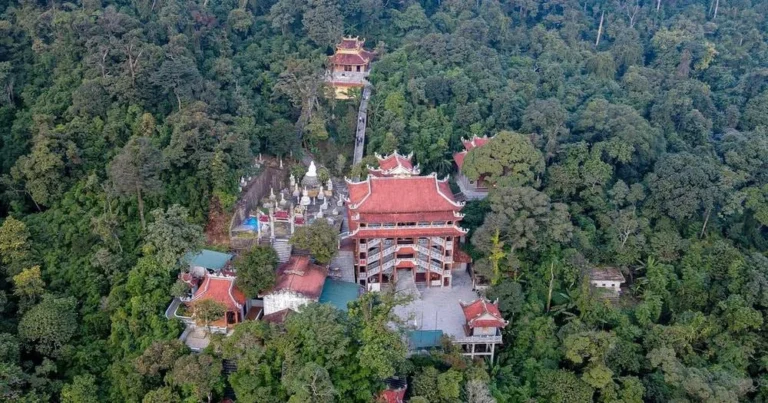
The most prominent architectural highlight here is the O Quy Ho Heaven’s Gate complex. Without disrupting the tranquility of the surrounding wilderness, the structures are artfully designed to nestle into the rugged contours of the mountainside. A glass skywalk extends out into the boundless void, creating the sensation of walking among the clouds, while dignified Buddha statues and serene small pagodas are thoughtfully arranged to foster a peaceful spiritual sanctuary amidst the vast forest. The sculptural artistry here avoids ostentation, focusing instead on celebrating the raw beauty of mountain stone alongside traditional highland elements of wood and bamboo—achieving a seamless harmony between human craftsmanship and nature’s grandeur.
To capture “million-view” photographs at O Quy Ho, professional photographers typically prioritize two classic vantage points. The first is around the 2,035-meter elevation marker, where you can frame the entire winding mountain road as it drapes like a silk ribbon across the mountainside. This angle shines brightest at sunset, when the sun dips behind the Hoang Lien Son range, painting the sky in vibrant shades of orange and transforming the clouds over Muong Hoa Valley below into a surreal, floating sea of fire. During this golden hour, the light is at its softest, accentuating every rugged ridge of the cliffs and the sheer majesty of the wilderness.
The second prime vantage point is located along the glass bridge and observation decks jutting out over the valley. The ideal time here is sunrise, when the first rays of light pierce through thick layers of fog to create a magical light-scattering effect. At this hour, a billowing sea of clouds surges in from the Lai Chau side, spilling over the summit like a cascading white waterfall. Capturing golden sunbeams illuminating stilt-house roofs peeking through the valley below, set against the deep emerald green of ancient forests, yields photographs rich in depth and emotion. Whether you are an amateur shutterbug or a seasoned photographer, the ever-changing interplay of light and clouds at O Quy Ho offers endless inspiration, turning every shot into a one-of-a-kind work of art commemorating a proud conquest of the “King of Northwest Passes.”
Stepping onto the summit of O Quy Ho Pass, the first sensation to wash over you is not merely the biting chill of an altitude exceeding 2,000 meters, but a breathtaking awe before nature’s monumental canvas. Standing at Heaven’s Gate, travelers feel transported to another realm, where the boundary between reality and illusion blurs amidst white ribbons of cloud draped across the jagged peaks of the Hoang Lien Son range. More than just a scenic photo stop, it is a sanctuary for the soul to slow down and pay reverence before majestic Buddha statues amid the ancient woods, where the resonant chime of temple bells mingles with wind whistling through mountain crevices to compose a mystical spiritual symphony.
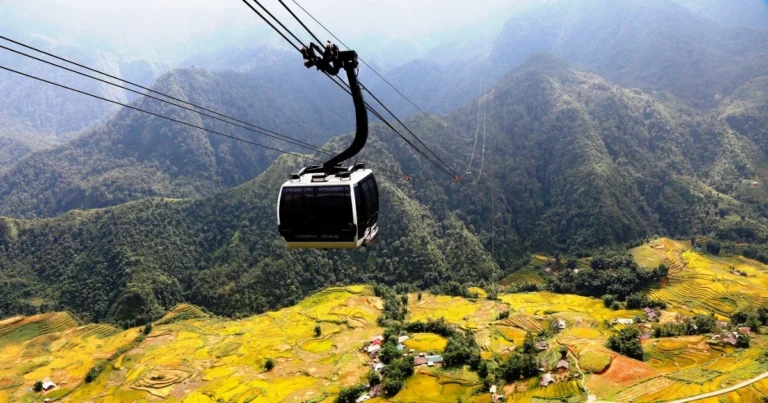
For wanderlust-driven souls, “cloud hunting” here is a true privilege. On clear days, the summit affords sweeping panoramic views across distant Muong Hoa Valley, where terraced rice fields cascade like stairways to heaven. With a bit of luck, visitors can witness a blazing sunset as the sun sinks behind the mountain ridges, setting the entire sky ablaze in crimson and transforming the treacherous mountain pass into a mesmerizing ribbon of spun gold. It is a moment that silences professional photographers and casual travelers alike, compelling everyone to drink in the most glorious spectacle of the Northwest heavens.
Beyond its scenery, exploring O Quy Ho is also a vibrant immersion into local highland culture. Right at the foot of the pass, H’Mong and Dao villages emerge with rustic stilt houses and vividly embroidered brocade attire. Visitors can wander through bustling highland markets, where the melodies of traditional bamboo flutes and khen pipes blend with the pungent aroma of forest spices like doi seeds and mac khen pepper. Do not miss the chance to savor celebrated local delicacies such as chewy, savory smoked buffalo meat, fragrant bamboo-tube sticky rice (com lam), or crispy grilled stream fish dipped in fiery cham cheo salt. Every flavor carries the essence of the mountains and forests, distilled from the land and the diligent hands of its people.
For active travelers, short trekking trails winding around the pass lead to hidden waterfalls tucked deep within old-growth forests, where crystal-clear water cascades down rock faces into emerald natural pools. Hiking beneath ancient canopies while listening to birdsong and breathing in the forest air fosters a profound connection with nature. After hours of invigorating exploration, gathering around a glowing hearth to sip warm corn wine with local villagers while listening to tales of the O Quy Ho love legend stands as one of the most rewarding experiences anyone could ask for.
O Quy Ho is far more than a mountain road; it is an emotional journey. From the thrill of navigating hairpin bends and the awe of standing before raw natural grandeur to the warmth of genuine local hospitality, every element leaves an unforgettable aftertaste. As you descend from the summit, carrying the lingering mountain chill on your jacket and vivid memories in your heart, you will understand why this place is crowned the “King of Passes”—an eternal icon of Vietnam’s northern highlands where every step is an experience worth treasuring.
Welcoming travel enthusiasts on their Northwest adventures, O Quy Ho Pass continues to hold its status as an unmissable destination thanks to its awe-inspiring scenery and steadily improving visitor amenities. To ensure your journey conquering the “King of Northwest Passes” goes smoothly, safely, and memorably, keeping up to date with the latest opening hours, ticket prices, and practical travel tips is essential.
Regarding operating hours, the O Quy Ho Heaven’s Gate tourist area typically opens early in the morning, around 06:00, and concludes sightseeing operations before nightfall to guarantee absolute traffic safety along the mountain pass. According to the latest listed rates, general admission to the Heaven’s Gate sightseeing area is currently 120,000 VND per person. Additionally, visitors can opt for combo ticket packages that bundle sightseeing access with various recreational attractions and entertainment services depending on their personal preferences.
To reach O Quy Ho, travelers can depart from central Sa Pa town and follow National Highway 4D westward for approximately 15 to 17 kilometers. Motorbikes remain the top choice among travel vloggers for their flexibility, offering an authentic road-trip thrill as you lean into hairpin curves overlooking deep valleys. However, whether riding a motorbike or self-driving a car, you must thoroughly inspect your brakes, tires, and engine beforehand, maintain steady control, and strictly obey speed limits when descending the pass.
The best time of year to visit O Quy Ho depends on the experience you seek. If you wish to admire terraced rice fields glowing in brilliant shades of harvest gold, September through October is the ideal window. Conversely, if you are drawn to billowing seas of clouds or hope to witness rare snowfall in Vietnam, plan your trip between December and January of the following year.
Finally, given the rugged mountain terrain combined with spiritual landmarks such as pagodas and Buddha statues at the Heaven’s Gate stop, visitors should dress neatly, respectfully, and modestly. Prioritize athletic shoes with strong traction for safe walking, stair climbing, and taking photos. Be sure to pack a warm jacket as well, since temperatures at this 2,035-meter summit frequently drop very low, particularly in the early morning and late afternoon.
To enjoy a seamless holiday and take in the full splendor of O Quy Ho Pass without worrying about arranging transportation, booking entrance tickets, or planning itineraries, travelers can choose VDS Travel’s premier all-inclusive Sapa tours. Each itinerary is thoughtfully timed to capture the scenery at its most breathtaking moments, accompanied by knowledgeable guides well-versed in local culture alongside top-tier hotel and dining standards.