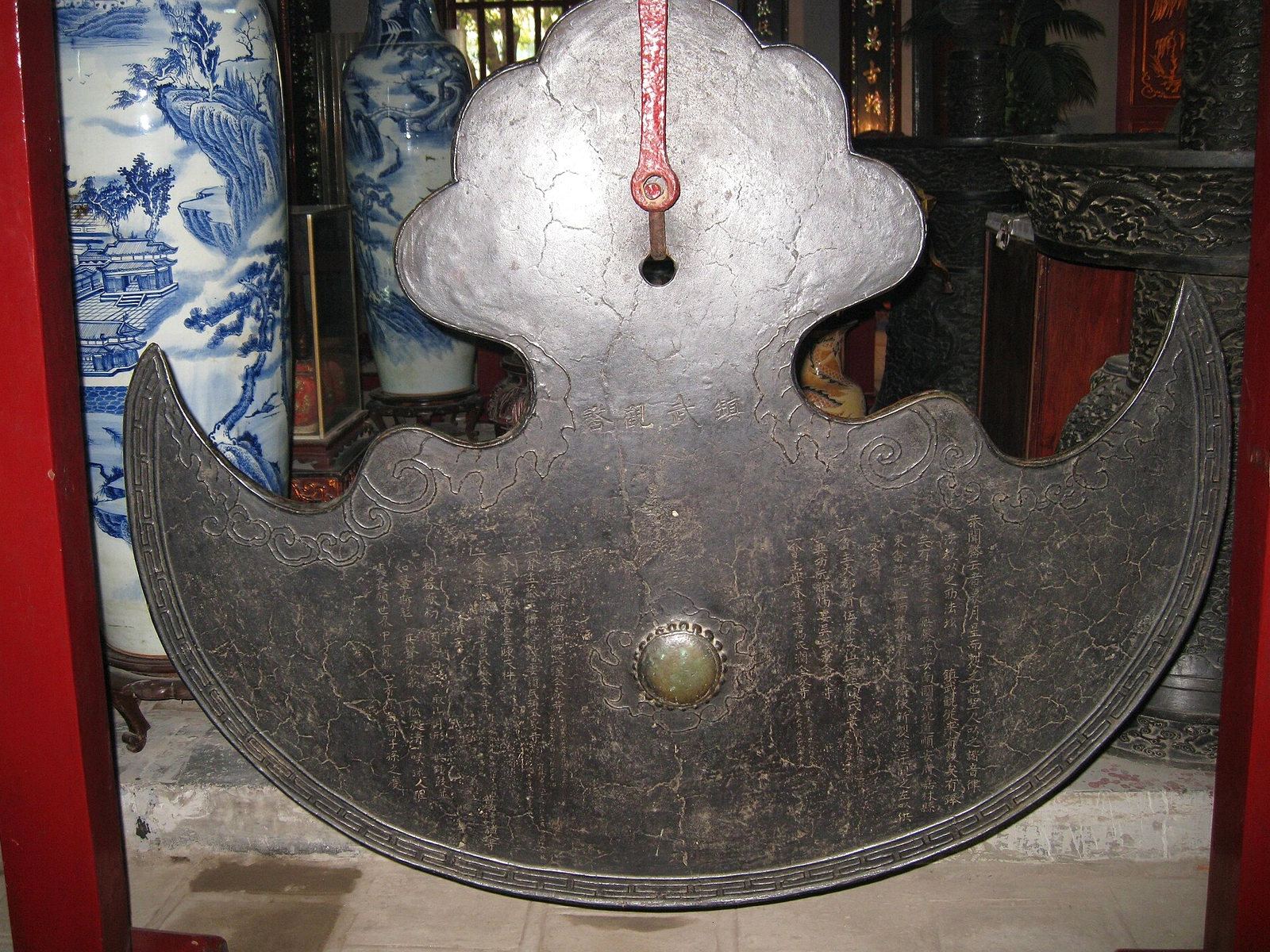
Commanding a prime location where currents of history meet contemporary urban energy, Quan Thanh Temple—also known as Tran Vu Quan—has long stood as an enduring spiritual landmark in the heart of Hanoi. Situated at the intersection of Thanh Nien Street and Quan Thanh Street in Ba Dinh District, this monument is far more than a scenic stop; it is a strategic geographical cornerstone within the sacred “Four Guardian Temples of Thang Long” (Thang Long Tu Tran). Its setting is defined by an auspicious “North-backed, South-facing” terrain, anchored firmly against the vast expanse of West Lake while facing Truc Bach Lake. In the feng shui vision of Vietnam’s ancestors, this is a sacred “water-gathering” nexus where cosmic vitality converges, serving as a vital geomantic bastion guarding the northern flank against malign forces and protecting the peace of ancient Thang Long and modern-day Hanoi.
Tracing history back to the dawn of Vietnam’s era of independence, authoritative chronicles such as Dai Viet Su Ky Toan Thu record the presence of Tran Vu Quan as early as the reign of Emperor Ly Thai To (1010–1028). The name “Tran Vu” honors Huyen Thien Tran Vu (Xuanwu)—the legendary Taoist deity revered for his power to vanquish evil spirits, subdue water monsters, and regulate waterways. The lore surrounding this deity stands as vivid proof of profound cultural syncretism, in which Chinese Taoist philosophy merged seamlessly with indigenous Vietnamese spirituality to shape a guardian figure at once approachable and majestic, embodying aspirations for national peace and prosperity.
Across centuries of historical upheaval, Quan Thanh Temple’s present architectural appearance reflects major restorations undertaken during the Restored Le and Nguyen dynasties. Every brick and carved motif serves as a living historical page showcasing the technical mastery and refined aesthetics of ancient artisans. Equally significant is the temple’s collection of ancient steles and inscriptions, preserving crisp Sino-Vietnamese characters that chronicle major renovations alongside prestigious royal decrees bestowed upon the deity Tran Vu by feudal courts. These records serve not only as historical testimony, but also as invaluable primary sources for heritage researchers reconstructing the spiritual and intellectual life of Thang Long’s scholars and citizens across the centuries.
In recognition of its extraordinary historical, architectural, and spiritual significance, Quan Thanh Temple was officially designated a National Historical and Cultural Relic by the Ministry of Culture (now the Ministry of Culture, Sports and Tourism) under Decision No. 98/VHQD on February 21, 1962. Preserving this monument goes far beyond maintaining physical structures—it safeguards the very soul of Thang Long–Hanoi. Amidst the brisk rhythm of a modern metropolis, Quan Thanh Temple still stands quietly as a contemplative historical witness, reminding future generations of their cultural roots and the geomantic wisdom that helped shape a thousand-year-old capital. It is more than a relic; it is a living cultural space where every step connects travelers with the depth of time and the sacred spirit of Thang Long.
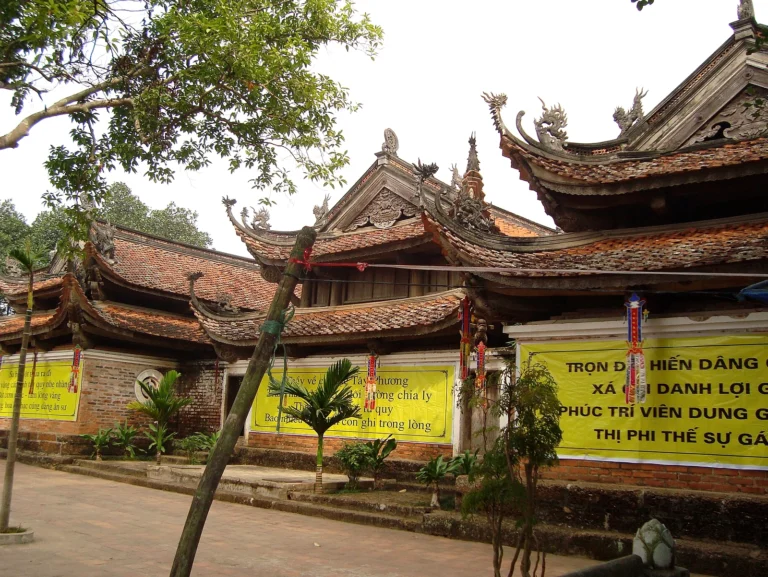
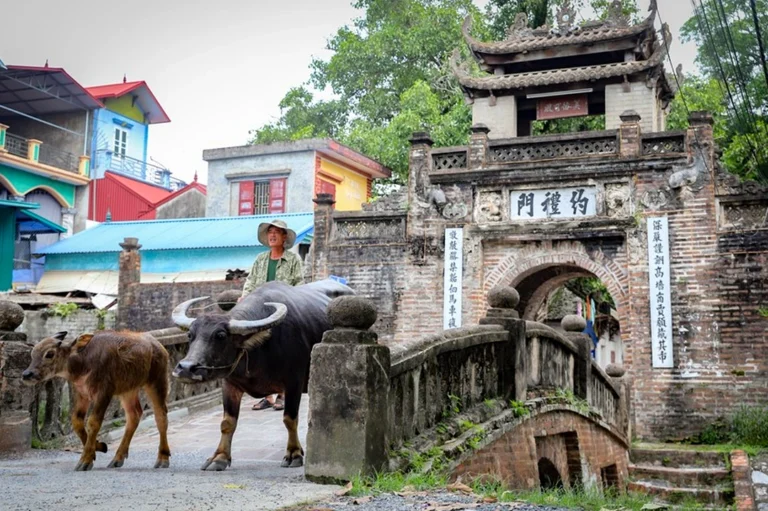
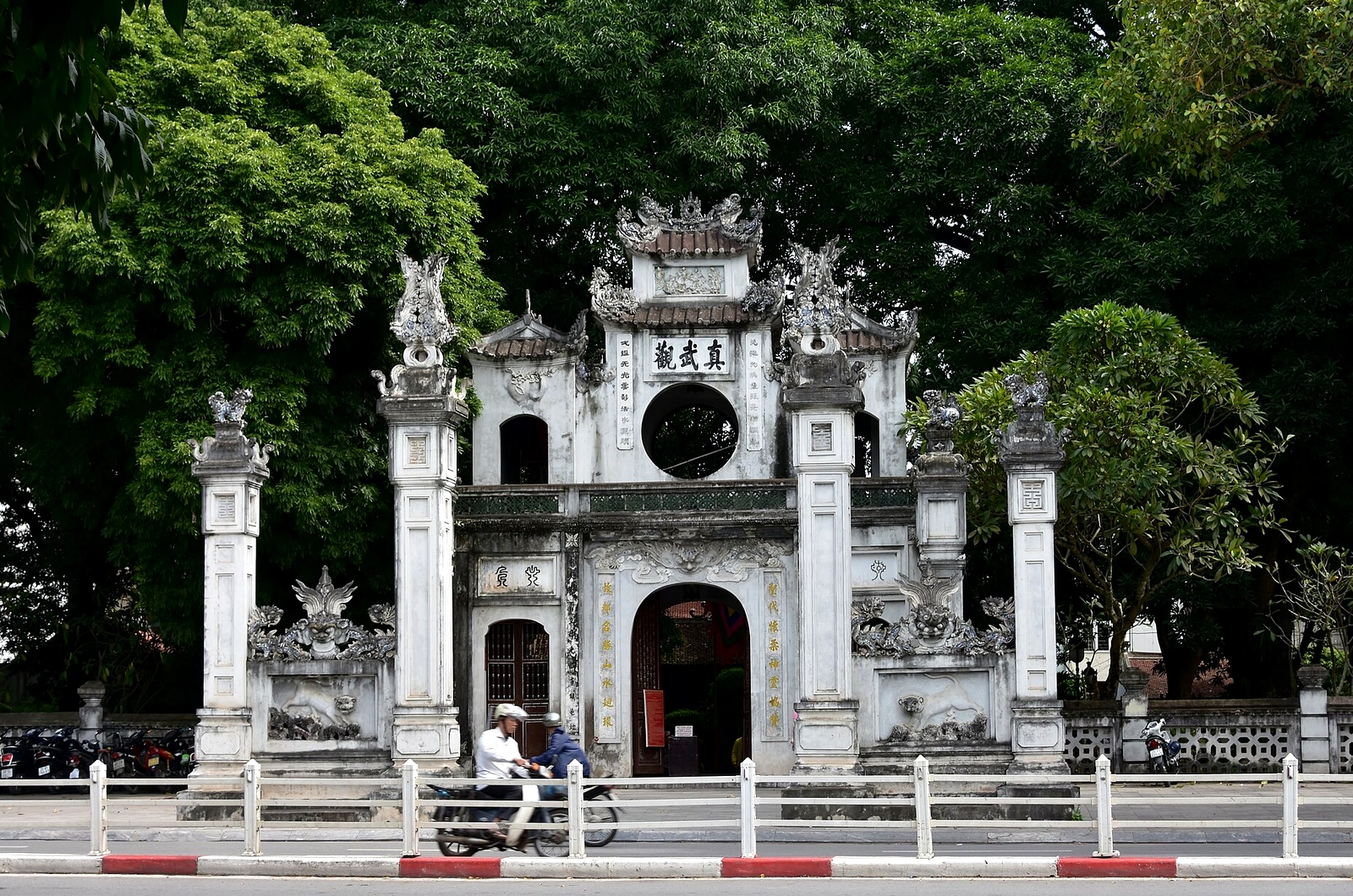
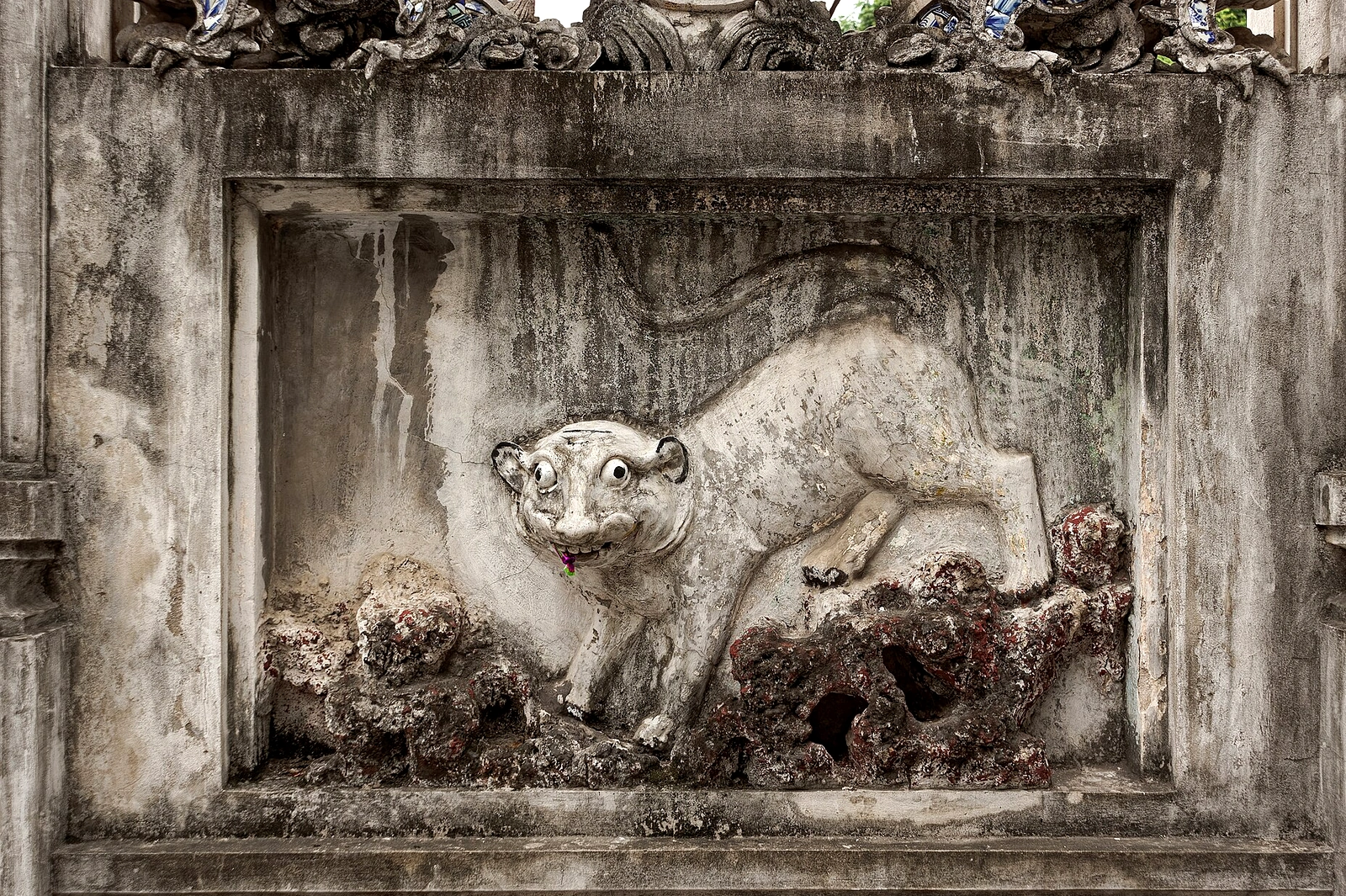
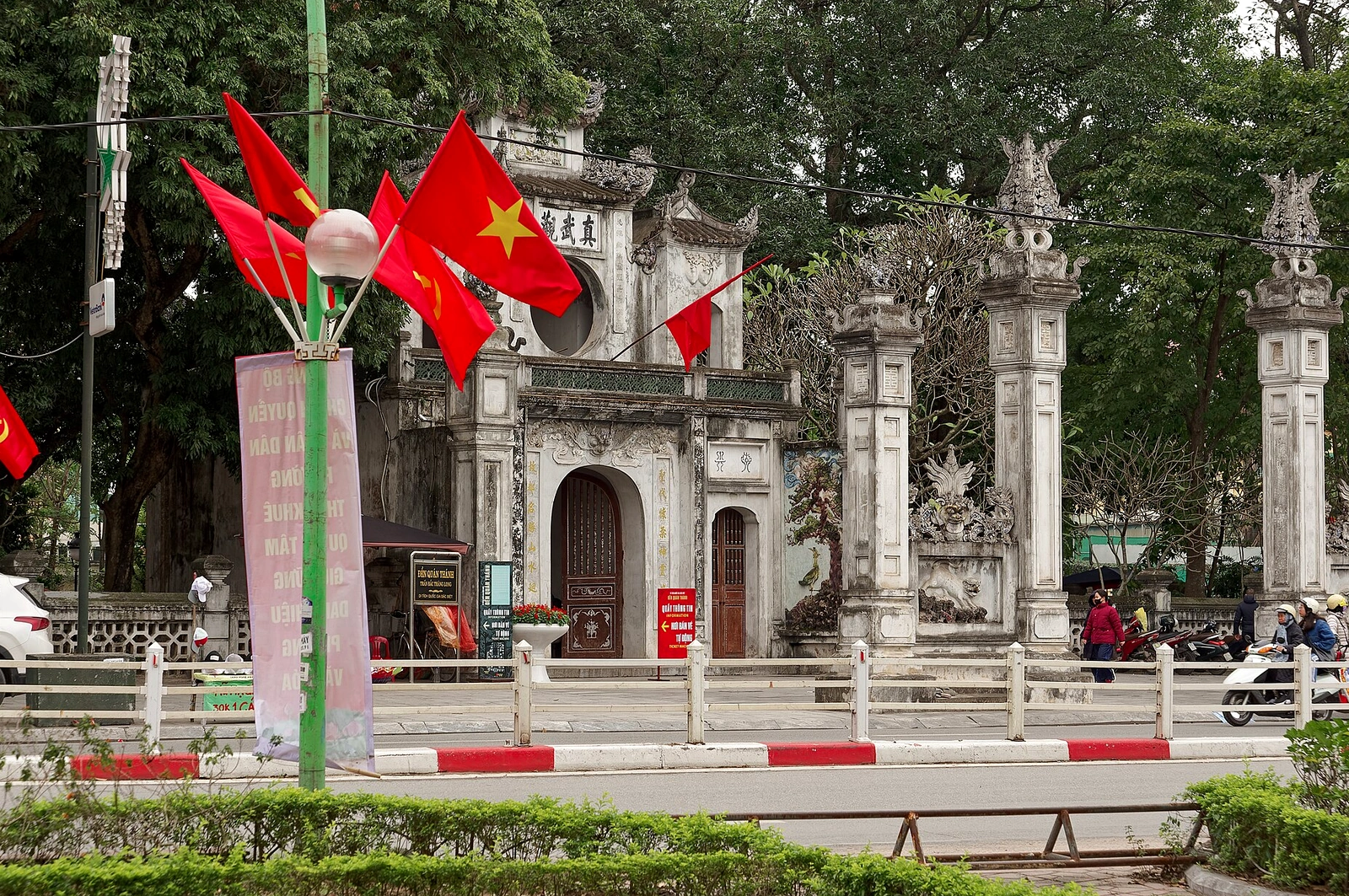
Stepping through the imposing triple-arched gate, visitors feel transported into a sanctuary completely insulated from the noise and bustle of Hanoi’s streets. Quan Thanh Temple is not merely a historical site, but an architectural masterpiece bearing the unmistakable artistic stamp of the Restored Le and Nguyen eras. The entire complex is laid out with strict symmetry, comprising the triple-arched gate, main courtyard, front hall, middle hall, and rear sanctuary. Its immediate visual highlight is the sweeping curved roof eaves clad in time-weathered shoe-nose tiles, rising like outstretched wings against the blue sky. Exquisite wood carvings across rafters and crossbeams depict the Four Sacred Beasts (Dragon, Qilin, Turtle, and Phoenix), brought to life in every grain of timber by master craftsmen of old—blending solemn majesty with graceful fluidity.
The surrounding landscape represents a seamless dialogue between human craftsmanship and the ink-wash scenery of West Lake and Truc Bach Lake. Its “North-backed, South-facing” orientation not only fulfills its feng shui role guarding the northern flank, but also commands an open, sweeping vista. Centuries-old banyan and heritage trees cast cool shade across the courtyard, weaving artistic patterns of light and shadow. When sunlight filters through the foliage onto glossy black bronze statues or moss-draped stone steles, the atmosphere turns ethereal and hushed—cleansing the mind and instilling a profound sense of calm in all who enter.
For photography enthusiasts, Quan Thanh Temple is a treasure trove of artistic, “million-view” compositions. The first must-shoot angle looks back from the main courtyard toward the triple-arched gate at sunset. As the setting sun gilds the antique tiled roofs, the interplay of brick red, rich timber brown, and warm golden light creates a cinematic frame that feels both classic and stately. This is the ideal hour to capture the monument’s soul, when the day’s final rays slip through wooden latticework to cast mystical shafts of light.
A second prime angle lies in the front hall, framed by towering, sturdy ironwood columns. Shooting upward with a wide-angle lens accentuates the grandeur of the timber structure while showcasing intricate carvings along the overhead crossbeams. For photographs steeped in spiritual atmosphere, visit at dawn while morning mist still lingers over Truc Bach Lake and soft light begins filtering into the interior—illuminating the black bronze statues in solemn, contemplative relief and lending deep visual perspective to every frame.
Finally, don’t miss shooting down the corridor leading toward the rear sanctuary. Successive rows of pillars form strong leading lines that draw the viewer’s eye deep into the sacred worship space. The interplay between natural light spilling in from inner courtyards and the hushed shadows of the rear hall creates high-contrast imagery rich in philosophical reflection on human transience versus historical permanence. Combining masterful architecture, auspicious feng shui, and idyllic lakeside scenery, Quan Thanh Temple is an essential stop for anyone seeking the authentic beauty of old Hanoi.
Passing through Quan Thanh Temple’s ancient triple-arched gate, travelers leave behind urban noise and dust to enter a hushed realm where time seems to stand still. The very first—and most unforgettable—experience is paying respects before the majestic statue of Huyen Thien Tran Vu. Amidst the tranquil hall, where faint wisps of incense mingle with cool breezes drifting off West Lake, visitors stand in awe before the magnificent four-ton black bronze statue. The deity’s gaze looks straight out toward the temple entrance—at once commanding and compassionate—leaving visitors feeling light-hearted as daily worries dissolve. More than a simple religious ritual, it is a poignant moment bridging modern life with centuries-old spiritual heritage.
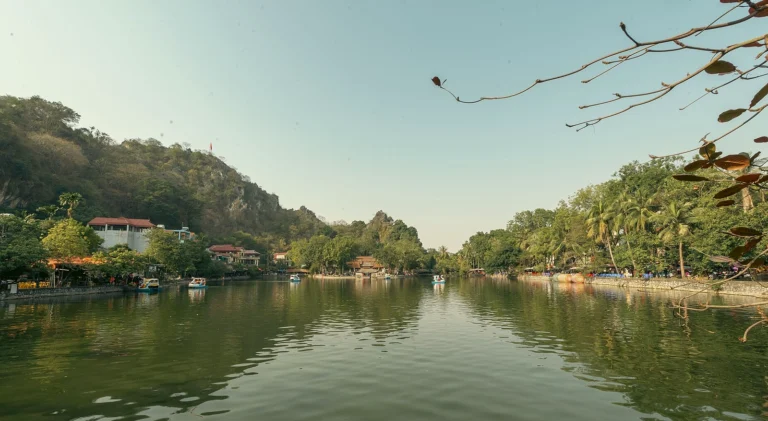
After finding quiet reflection inside the temple, continue your exploration with a leisurely stroll around neighboring West Lake and Truc Bach Lake. For a fresh perspective, rent a small pedal boat or rowboat and glide gently across the calm waters of Truc Bach Lake. Looking back toward Quan Thanh Temple from the middle of the water, the monument emerges as a serene historical focal point framed by Hanoi’s lush lakeside greenery. The contrast between moss-grown antique tiled roofs and expansive open water creates a poetic tableau where every angle feels like a work of art.
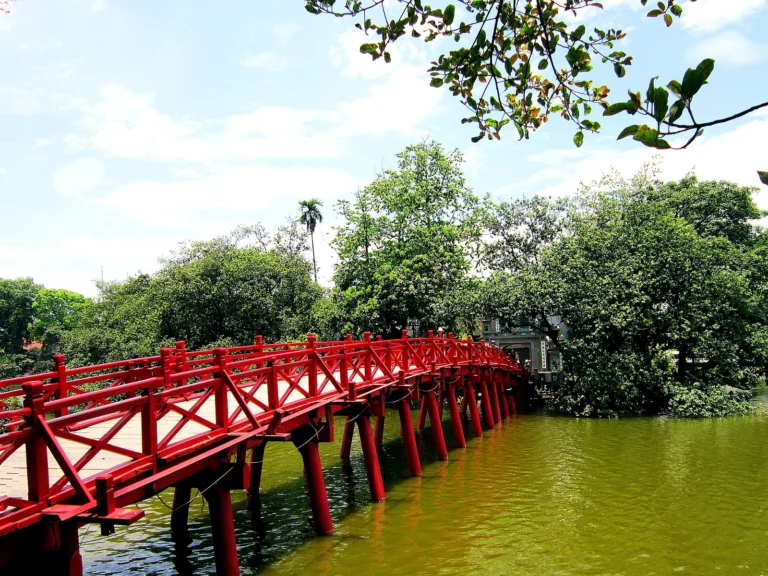
For those who enjoy walking, strolling along Thanh Nien Street—widely celebrated as Hanoi’s most scenic avenue—is an unmissable experience. From this lakeside causeway, take in sweeping views where centuries of history meet vibrant modern life. Ancient trees lean gracefully over the water’s reflection while cool breezes carry the fresh scent of the lakes, creating an invigorating, serene atmosphere. Here, you can appreciate firsthand the auspicious “water-gathering” feng shui position chosen by ancestors to safeguard the royal citadel—a seamless union of geomancy and natural beauty.
Your visit becomes even more rewarding when you pause to sample beloved local delicacies around the neighborhood. Nothing beats sitting street-side to savor crispy, piping-hot West Lake shrimp cakes (banh tom Ho Tay) or sipping a rich, fragrant egg coffee (ca phe trung) at a cozy lakeside cafe. The velvety sweetness of whipped egg yolk paired with bold Vietnamese coffee and a cool lake breeze leaves an unforgettable impression. These unpretentious treats are more than culinary highlights—they are living expressions of local culture, offering an intimate glimpse into the daily rhythm of Hanoians whose lives remain closely woven with the temple, the lakes, and enduring traditions.
As sunset bathes Quan Thanh Temple’s moss-covered walls in soft golden light, a deep sense of reflection settles over the spirit. Visitors leave moved by the monument’s imposing scale, full of admiration for the artistry of ancient craftsmen, and appreciative of the cultural treasures carefully preserved in the heart of the capital. Quan Thanh Temple is not simply a sightseeing stop, but a journey back to cultural roots—one that leaves an indelible impression on every traveler.
Quan Thanh Temple is both an important historical monument and a beloved spiritual landmark drawing visitors and locals alike. Keeping a few practical details in mind will help ensure a smooth and meaningful visit. The temple opens daily from early morning until late afternoon, accommodating both devotees arriving in the quiet morning hours to offer incense and pray for peace, as well as sightseers visiting in late afternoon as sunset glows across Truc Bach Lake.
Regarding admission fees, Quan Thanh Temple collects a modest entrance fee set by the Monument Management Board. Ticket prices are clearly posted at the entrance gate for full transparency. Carrying small-denomination Vietnamese cash is recommended for purchasing admission tickets as well as making voluntary merit donations at altars inside the temple. Larger groups or visitors interested in deeper historical context may contact the management board in advance to arrange guided commentary explaining the temple’s unique cultural, architectural, and feng shui significance.
Thanks to its prime location at the corner of Thanh Nien Street and Quan Thanh Street, reaching the temple is effortless. From central Hanoi—such as the Hoan Kiem Lake area—visitors can easily arrive by public bus, taxi, ride-hailing app, or personal motorbike. Approaching via tree-lined Phan Dinh Phung Street or scenic Thanh Nien Street makes navigation easy while showcasing some of Hanoi’s most charming streetscapes. If arriving by motorbike or car, be sure to park in designated parking areas around the temple to ensure safety and comply with local traffic regulations.
When visiting Quan Thanh Temple, appropriate attire is essential to honor the sacred space. Please wear modest, respectful clothing and avoid shorts, sleeveless tops, or overly short skirts when entering the inner sanctuary. Although the temple sits on flat ground rather than rocky hills, exploring the spacious courtyard and halls comfortably is easiest in flat, comfortable walking shoes while admiring the bronze statues and antique stone steles.
The liveliest times to visit Quan Thanh Temple are during early spring (Lunar New Year) or traditional festival days, when the atmosphere brims with sacred energy and festive devotion. However, if you prefer quiet contemplation to appreciate its architecture and feng shui setting, weekday visits or early mornings are ideal. During these quieter hours, the temple’s serene ambiance allows you to feel the timeless dialogue between heroic history and centuries-old Taoist tradition—creating a deeply memorable cultural experience in the heart of Hanoi.
To enjoy a seamless getaway and experience the full beauty of Quan Thanh Temple without worrying about transportation, attraction tickets, or itinerary planning, travelers can choose VDS Travel’s premium all-inclusive Hanoi tour packages. Every itinerary is thoughtfully timed to capture the scenery at its most radiant, accompanied by knowledgeable local guides well-versed in local culture alongside top-tier hotel and dining standards.