Nesting at the foot of the majestic Sai Son mountain range in Quoc Oai district, Hanoi, Thay Pagoda—also known as Thien Phuc Pagoda—is not merely a religious architectural structure, but a spiritual “coordinate” converging the cultural, historical, and geological essence of the Northern Delta. Boasting a “Dragon coiled and Tiger crouching” terrain, this ancient temple was chosen by our ancestors as a prime geomantic stronghold, with its back resting against towering limestone cliffs and its front facing south toward expansive low-lying fields and the tranquil Long Tri Lake. The harmonious combination of solemn Buddhist architecture and expansive natural landscape creates a unique heritage entity where heaven, earth, and human hearts intermingle in the rhythm of time.
The history of Thien Phuc Pagoda dates back to the 11th century, the golden age of the Ly Dynasty, when it was merely a small hermitage named Huong Hai Am. Under imperial patronage, particularly the attention of Emperor Ly Nhan Tong, the pagoda was expanded in scale, becoming one of the most vital Buddhist centers of the ancient Thang Long capital. The central figure associated with the miracles and fame of the pagoda is Zen Master Tu Dao Hanh—a wise eminent monk who not only propagated Buddhist dharma and healed the sick but is also honored as the patriarch of traditional water puppetry. The legend of his “three reincarnations”—from Tu Dao Hanh to Minh Khang and his incarnation as Emperor Ly Than Tong—became a continuous thread binding religious faith with ancestor worship, creating the distinctive “Deity and Buddha Co-venerated” identity of the Sai Son region.
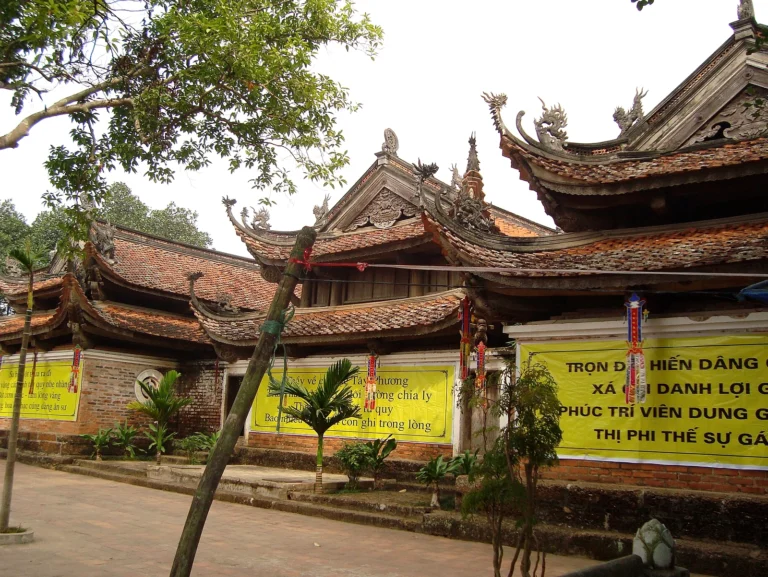
Through historical vicissitudes, especially the large-scale restoration period during the Later Le Dynasty (17th–18th centuries), Thay Pagoda took on its current intricate wooden architectural appearance. The Nhat Tien and Nguyet Tien bridge systems connecting the pagoda with the communal house and mountain temple are not only unique artistic architectural works but also proof of the profound “water first, fire second” geomantic philosophy. Every brick, curved roof corner, and ancient Buddha statue carries the breath of a golden era when wood carving art reached maturity in aesthetics and technique.
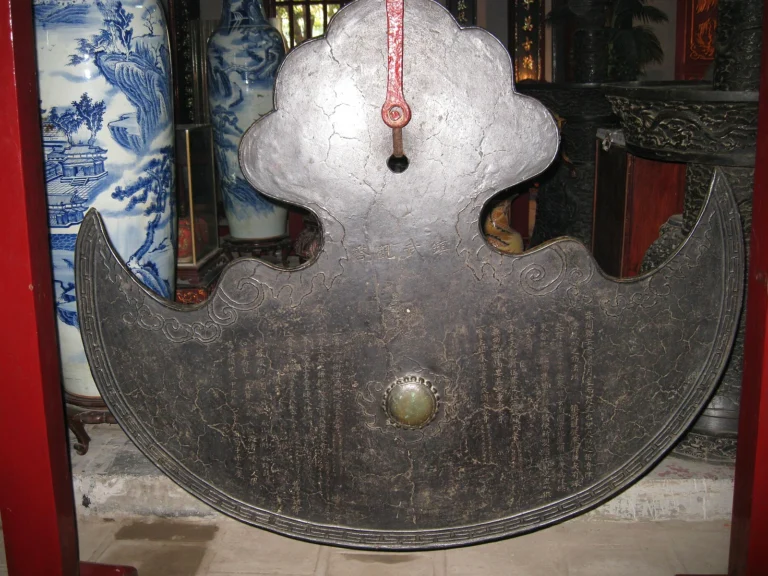
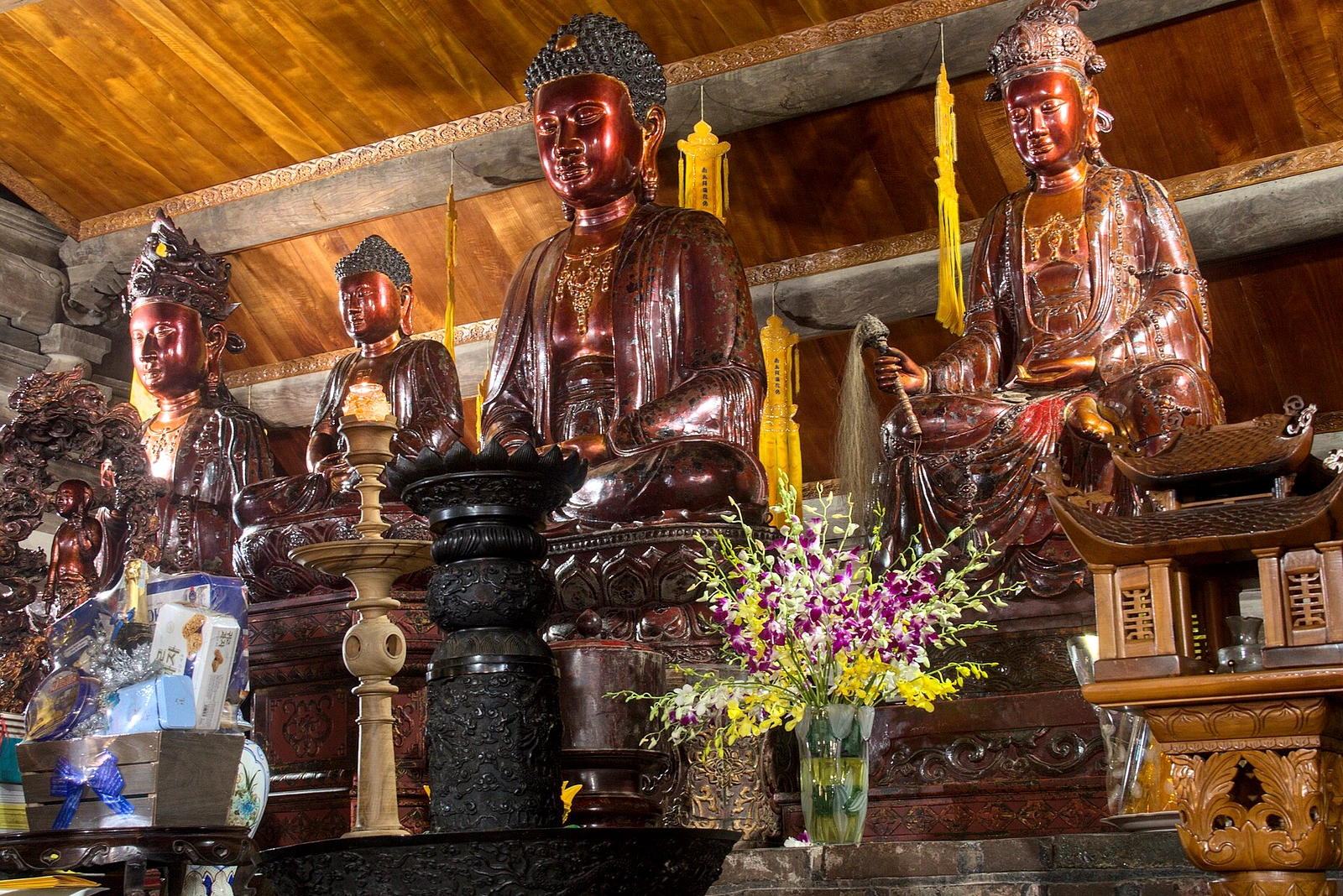
Ranked as a Special National Monument in 2013, Thay Pagoda is not only a destination for the devout but also a valuable subject of study for archaeologists and cultural scholars. The presence of the “Three Lives” (Tam The) statues and the unique cloud-core statue of Zen Master Tu Dao Hanh, combined with stele inscriptions recording royal decrees and land regulations, affirms the priceless tangible and intangible heritage value of the pagoda. Standing amidst the tranquil space of Thay Pagoda, visitors not only admire the beauty of a scenic spot but also touch deep layers of history, where every rock and branch tells the story of a brilliant civilization, blending religious dharma with folk life to create enduring value in the flow of Vietnamese culture.
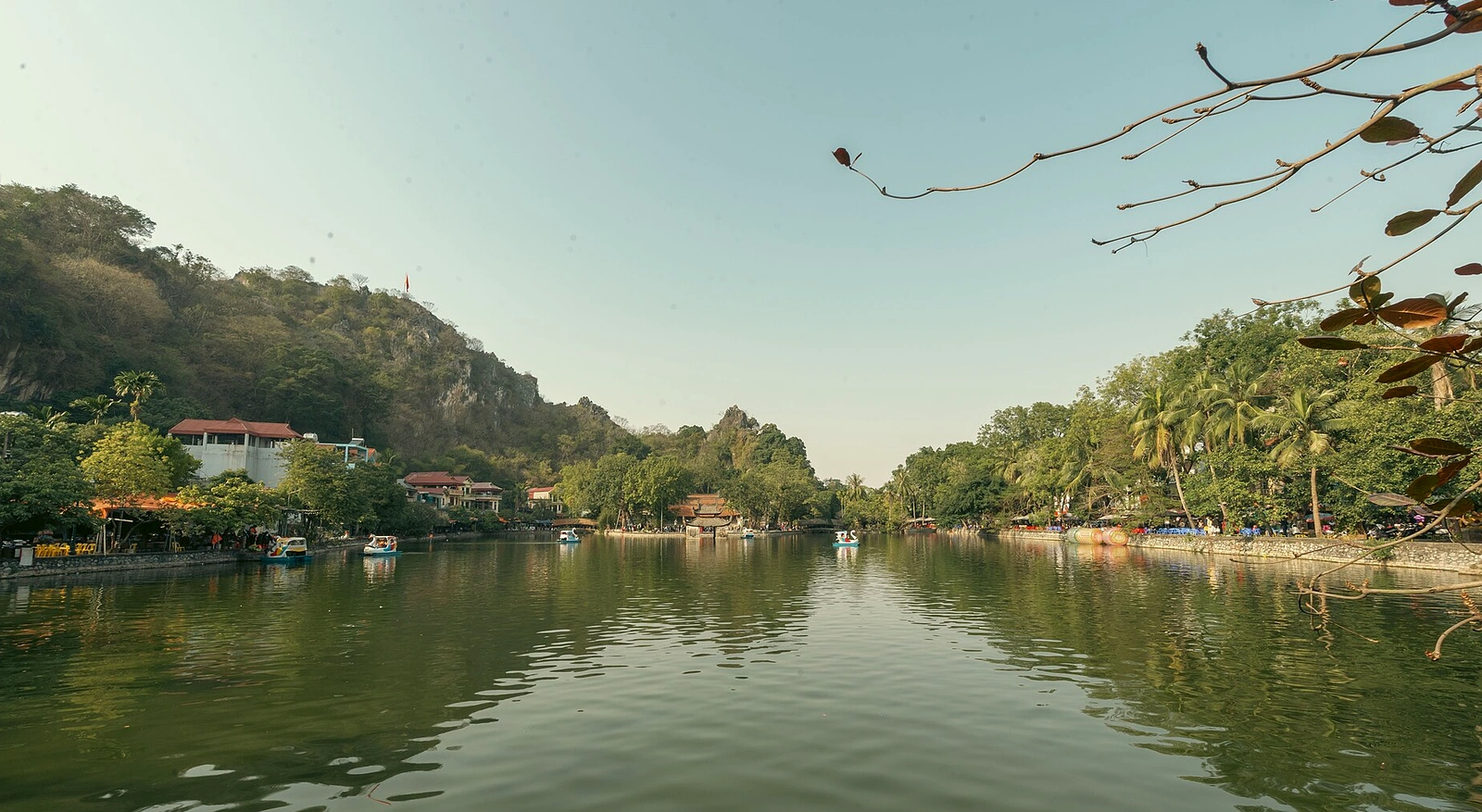
Thay Pagoda is not merely a historical relic, but an architectural masterpiece harmoniously blending human craftsmanship and nature’s bounty. Located in a “Dragon coiled and Tiger crouching” terrain, the pagoda leans against the majestic Sai Son mountain range, facing the tranquil Long Tri Lake like a giant mirror reflecting time. The pagoda architecture is designed in the “Front Buddha, Rear Saint” style, a characteristic structure of Northern Buddhism, where the solemnity of the Buddhist realm merges with the sacredness of the eminent monk Tu Dao Hanh. Stepping into the temple grounds, visitors are awed by the Later Le Dynasty wooden architecture featuring glossy black ironwood columns, curved tile roofs resembling flying bird wings, and intricate carvings on rafters and crossbeams. Every carved dragon, phoenix, and floral motif proves the pinnacle of Vietnamese wood carving art from the 17th to 18th centuries, where every grain of wood seems to retain the breath of talented artisans of the past.
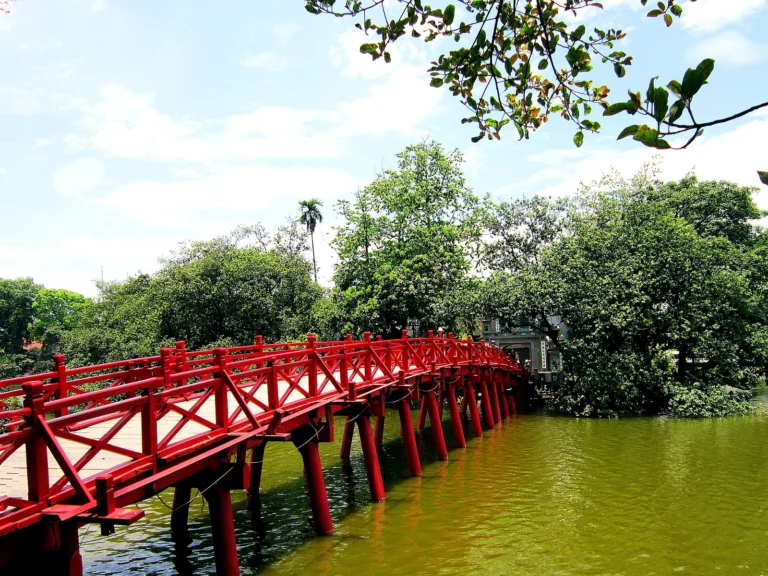
The highlight that makes Thay Pagoda magnificent is the twin Nhat Tien and Nguyet Tien bridges. These red-lacquered, gold-gilded wooden bridges with curved tile roofs span across Long Tri Lake, leading visitors into the space of Thuy Dinh communal house—historically a traditional water puppet stage. As evening sunlight begins gilding the lake surface, the silhouettes of communal house and pagoda roofs mirrored on the blue water create a picturesque ink-wash painting, leaving everyone breathless before its tranquil and ancient beauty. The combination of “water first, fire second” geomantic elements not only brings spatial balance but also creates an indescribable spiritual depth, making humans feel small before the endurance of heritage.
For photography and travel enthusiasts, Thuy Dinh is an unmissable million-view check-in angle. The ideal time to capture photos is at sunset, when late-day sunlight casts golden rays onto the curved tile roofs, reflecting onto Long Tri Lake to create magical lighting effects. The camera angle from the lakeshore looking straight at Thuy Dinh, using the Nhat Tien bridge as foreground, yields a poetic photo with historical depth. Another impressive angle is a bird’s-eye view encompassing the entire pagoda complex leaning against the cliffs of Sai Son Mountain. Visiting at dawn, when morning mist lingers over the lake and early rays pierce through foliage, makes the atmosphere remarkably mystical and serene, resembling a fairyland completely detached from urban hustle.
Beyond architecture, the magnificence of Thay Pagoda extends along mountain trails. Mossy stone steps leading to Cac Co Cave or Thuong Temple offer not only sightseeing but a journey through wild nature. Looking down from above, the entire Sai Son commune with its expansive low-lying rice fields unfolds like a prosperous Northern countryside painting. Every corner at Thay Pagoda, from meditative Buddha statues in shrines to centuries-old trees, provides wonderful material for impressive frames. Visit Thay Pagoda on a clear day to fully experience the intersection between peak architectural art and magnificent natural beauty, where every photo taken is not just a memory, but a connection with the nation’s thousand-year cultural values.
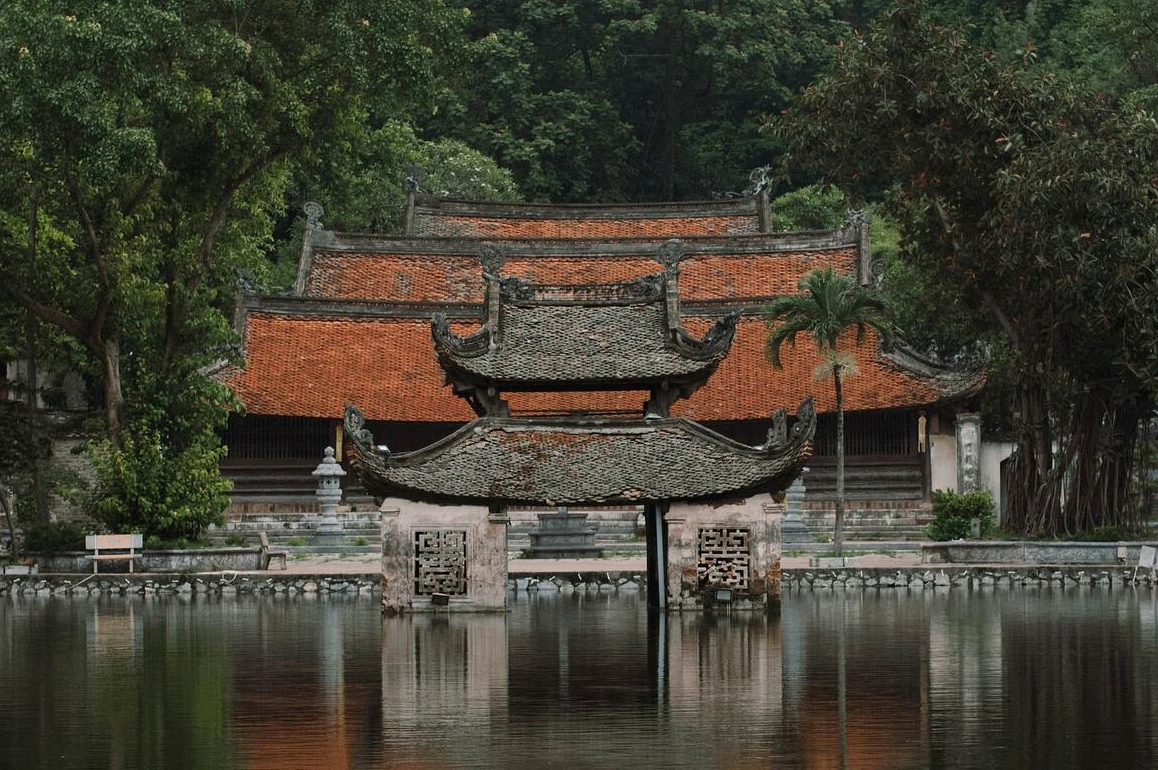
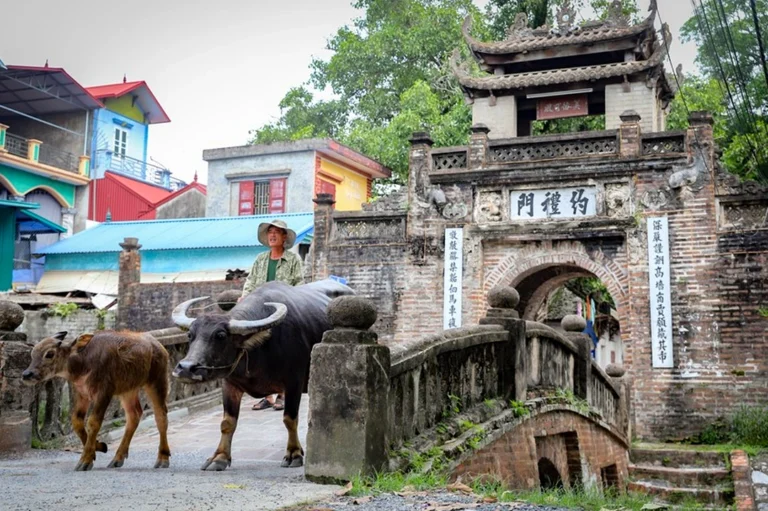
Stepping foot into Thay Pagoda, visitors not only enter a sacred worship space but also wander into a multi-layered cultural journey where every step touches the breath of history and nature. The first enchanting experience is standing before Long Tri Lake, where the ancient water pavilion reflects on the calm water surface. During festivals, beating drums echo while the lake surface transforms into a legendary water puppet stage—the cradle of traditional water puppetry. Sitting on small boats drifting lazily on blue waters, visitors feel absolute serenity as ancient trees by the shore sway gently, creating a living ink-wash painting rarely found elsewhere.
Leaving the lake, the journey to conquer the Sai Son mountain range is an exciting challenge for adventure lovers. The trail leading to the mountain peak is not overly perilous, yet enough for travelers to feel shifting spaces. Higher elevations bring purer air, where lingering incense smoke blends with mountain forest scents to create uncanny peace. From the summit, gazing into the distance reveals a prosperous Northern delta with lush green rice fields stretching out and red-tiled roofs hidden beneath bamboo groves. Standing aloft and catching cool breezes blowing up from Long Tri Lake makes hearts feel light, melting away urban stresses and leaving only awe before nature’s magnificent yet romantic beauty.
An unmissable highlight of the journey is worshiping at temples and shrines scattered across the mountain. Combining intricate Le Dynasty wooden architecture with pristine natural scenery creates a deeply spiritual space. Inside, under the dim glow of oil lamps, the beauty of ancient statues—especially the cloud-core statue of Zen Master Tu Dao Hanh—invites deep admiration. The tranquility here brings not loneliness, but profound settling, helping everyone reflect inward and return to core values of reverence.
Following mountain climbing and worship, local culinary experiences provide the perfect puzzle piece to conclude the trip. Around the foothills of Sai Son, visitors enjoy rustic dishes embodying Quoc Oai’s core identity. Sitting in a small shop savoring hot banh te dumplings fragrant with new rice, or tasting chewy, sweet che lam—famous specialty tied to Thay Pagoda for generations—is unmatched. The sweet clarity of che lam and the nutty flavor of roasted peanuts combined with a cup of robust green tea create an unforgettable aftertaste. These dishes embody village culture and sincere local hospitality toward distant guests.
Thay Pagoda is not only a special national monument, but a “living museum” where indigenous culture flows daily. Every experience here—boating, mountain climbing, worship, and savoring specialties—acts as a note in a beautiful symphony between humans and nature, past and present. Leaving this land, visitors carry away not just beautiful photos, but a sense of peace and deep connection with national cultural roots, inspiring a return to find inner stillness.
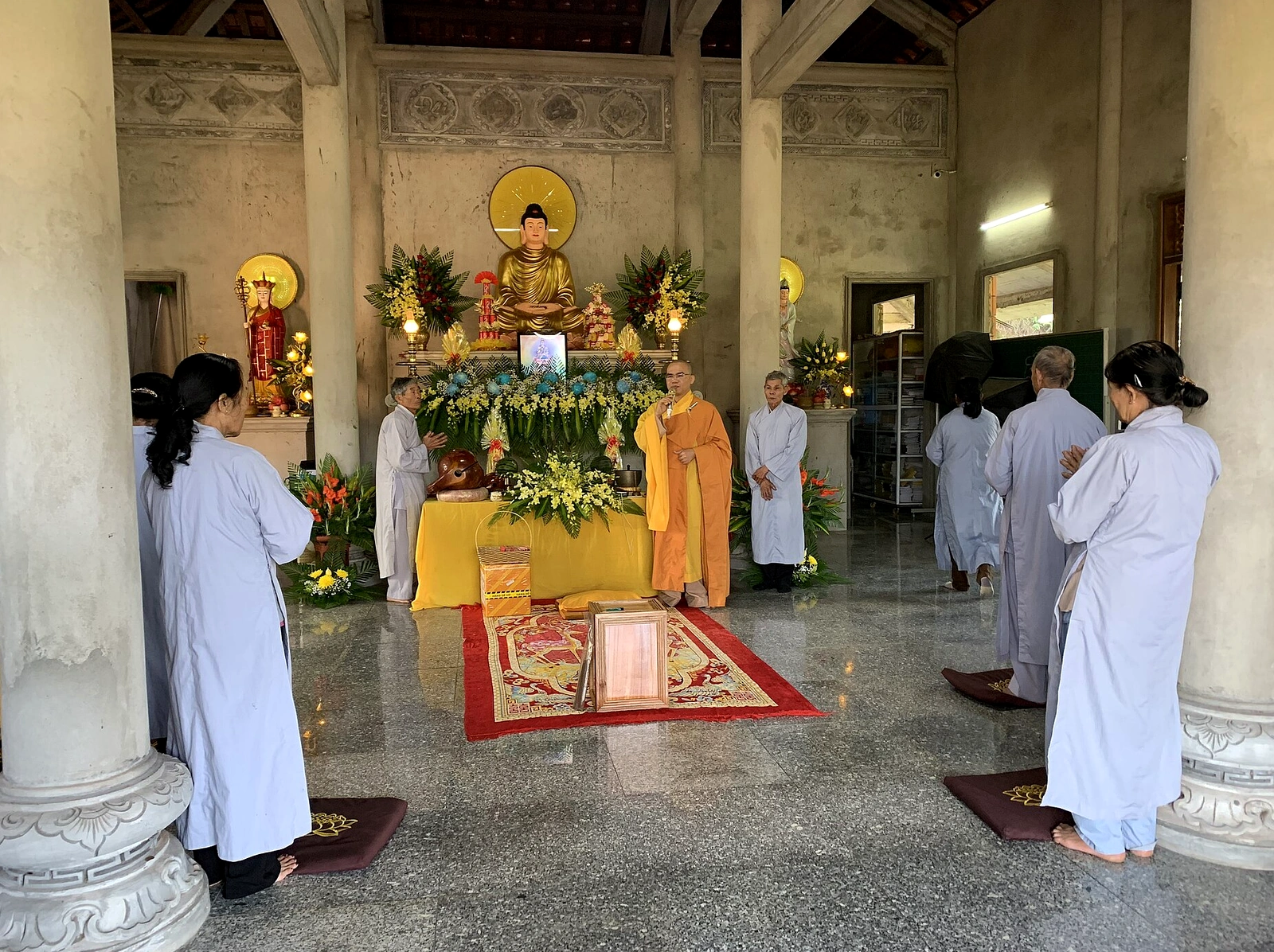
To make the exploration of Thay Pagoda complete and meaningful, travelers should grasp practical logistics and travel tips. Thay Pagoda opens to visitors every day of the week, including weekends, holidays, and Tet. Opening hours generally run from early morning until late evening, providing favorable conditions for visitors to leisurely sightsee, worship, and enjoy the tranquil atmosphere of the monastic realm. Regarding admission fees, the monument applies visiting fees regulated by local management boards to support conservation and landscaping. Visitors should prepare small cash denominations for convenient ticket purchases at the main gate or optional merit donations at altars.
Regarding transportation, travelers coming from central Hanoi can choose various routes. Traveling by personal vehicles such as motorbikes or cars follows the optimal route along Thang Long Avenue, then turns toward Quoc Oai district per directional signs. This route is quite open, saving time and offering easy access to the foothills of Sai Son. Additionally, public buses offer an economical and safe option with bus stops near the pagoda area, connecting easily with nearby regional attractions.
Due to the terrain featuring both lower valley pagodas and elevated temples/hermitages, visitors should pay special attention to attire. Modest, polite clothing is mandatory when entering spiritual spaces. Moreover, since visits often involve climbing stone stairs, wearing sneakers or flat shoes with good traction is recommended over high heels to ensure safety and comfort. A wide-brimmed hat or parasol is also essential during intense sunlight days.
The ideal time to visit Thay Pagoda is in spring when weather is cool and foliage sprouts, creating the scenic mountainous charm characteristic of Sai Son. Especially during the traditional festival in the third lunar month annually, the atmosphere comes alive with unique folk cultural activities like water puppetry at the water pavilion, attracting numerous pilgrims. However, travelers seeking tranquility and meditation to appreciate ancient architecture can choose weekdays or autumn months with mild weather. Regardless of timing, maintaining public hygiene, respecting worship spaces, and following management rules actively preserves this precious heritage for future generations.
To enjoy a complete vacation and admire the full splendor of Thay Pagoda without worrying about transportation arrangements, ticket bookings, or transit schedules, travelers can choose premium all-inclusive Hanoi tour packages from VDS Travel. Each tour is optimized for check-in timing during the most brilliant lighting conditions, accompanied by expert local guides well-versed in local culture and top-tier hotel and culinary service standards.