Nestled in the heart of Vietnam’s thousand-year-old capital, the One Pillar Pagoda—also known as Dien Huu Pagoda or Lien Hoa Dai (Lotus Stage)—stands as an iconic architectural and spiritual symbol of Vietnamese culture. Situated within the Ho Chi Minh Mausoleum complex, the monument occupies a special geographical coordinate where the spiritual energy of ancient Thang Long converges. According to geography and feng shui scholars, the pagoda’s setting is tied to the sacred axis of West Lake and the historic To Lich River, forming a serene, picturesque enclave amidst the bustling city. This geographical harmony goes beyond natural beauty, embodying a subtle synthesis of Mahayana Buddhist philosophy and indigenous aesthetic sensibilities, where earth, heaven, and humanity unite as one.
The historical origins of the monument date back to the 11th century, during the enlightened era of the Ly Dynasty. Ancient chronicles such as the Đại Việt sử ký toàn thư (Complete Annals of Dai Viet) record the Year of the Ox, the first year of the Thien Phu Sach era (1049), under the reign of Emperor Ly Thai Tong. The founding of Dien Huu Pagoda is linked to a mystical dream experienced by the monarch: the emperor envisioned Avalokitesvara Bodhisattva (Guanyin) seated upon a golden lotus throne, beckoning him up to the pavilion. Upon waking, he recounted the vision to Zen Master Dao Tue, who advised him to construct a pagoda featuring a lotus-shaped sanctuary resting atop a single stone pillar just as in his dream. Driven by the wish to pray for royal blessings and bestow “long-lasting good fortune” (the literal meaning of “Dien Huu”) upon the people, this architectural masterpiece resembling a lotus blooming over water came into being, marking a brilliant milestone in Dai Viet Buddhist architecture.
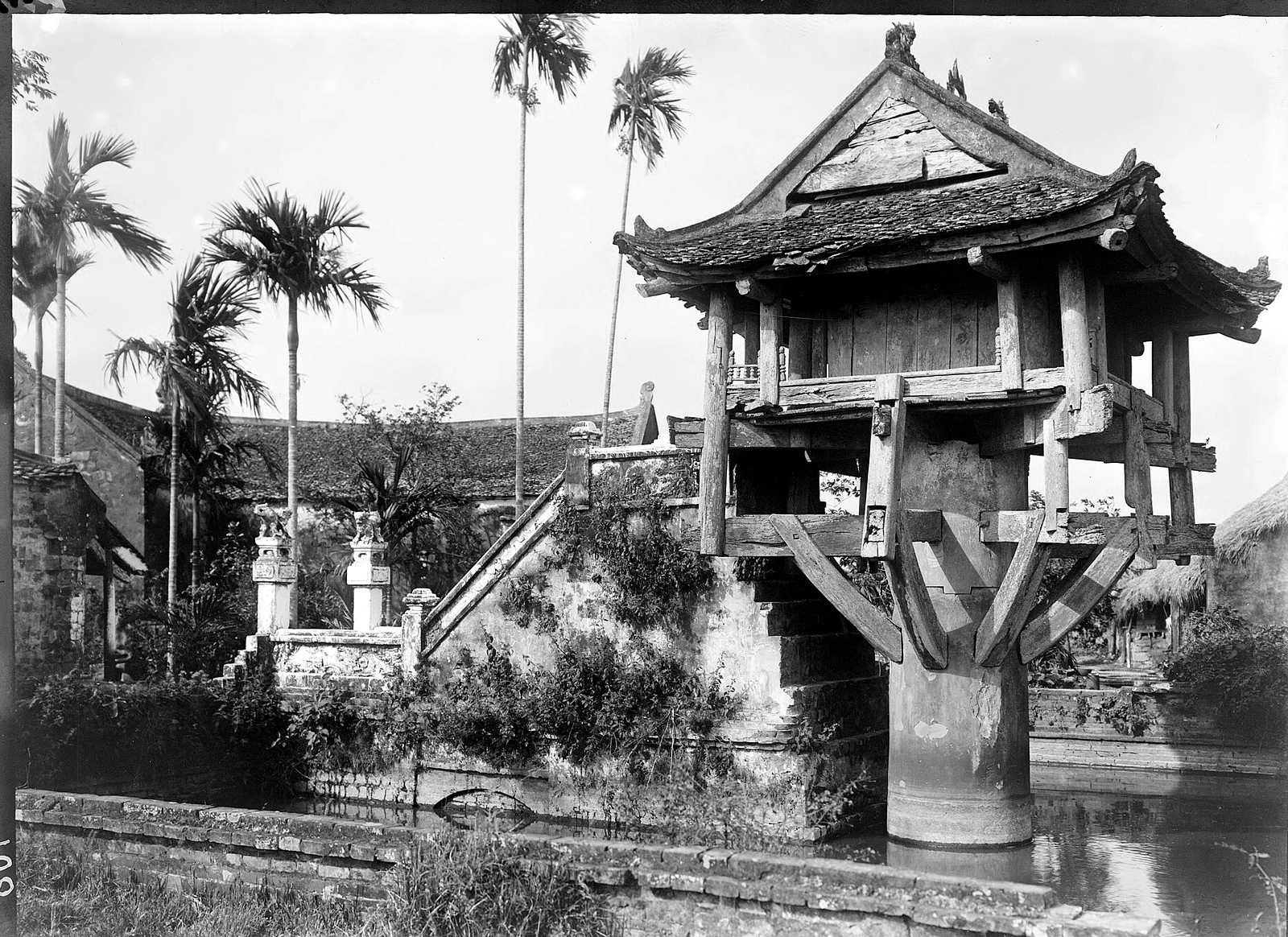
Through the shifting tides of history—spanning the Ly, Tran, Early Le, and Later Le dynasties down to the Nguyen dynasty—the pagoda was repeatedly restored and embellished by both the royal court and generations of citizens. Despite enduring many trials, most notably on the night of January 14 into the early morning of January 15, 1954, when departing French colonial forces planted explosives and destroyed the structure, the One Pillar Pagoda rose resiliently from the ashes. In 1955, thanks to the dedication and skill of architect Nguyen Van Ca and conservation researchers, the Lotus Stage was faithfully reconstructed to its original form using archaeological records and archival drawings. Today, under the strict protection of the Ministry of Culture, Sports and Tourism and the Vietnam Institute of Cultural Heritage & History Research (registered under national archive code HN-DC-019), the One Pillar Pagoda endures as a cherished jewel of cultural heritage tourism—a sacred destination drawing domestic and international visitors alike to pay respects and explore the roots of Vietnamese civilization.
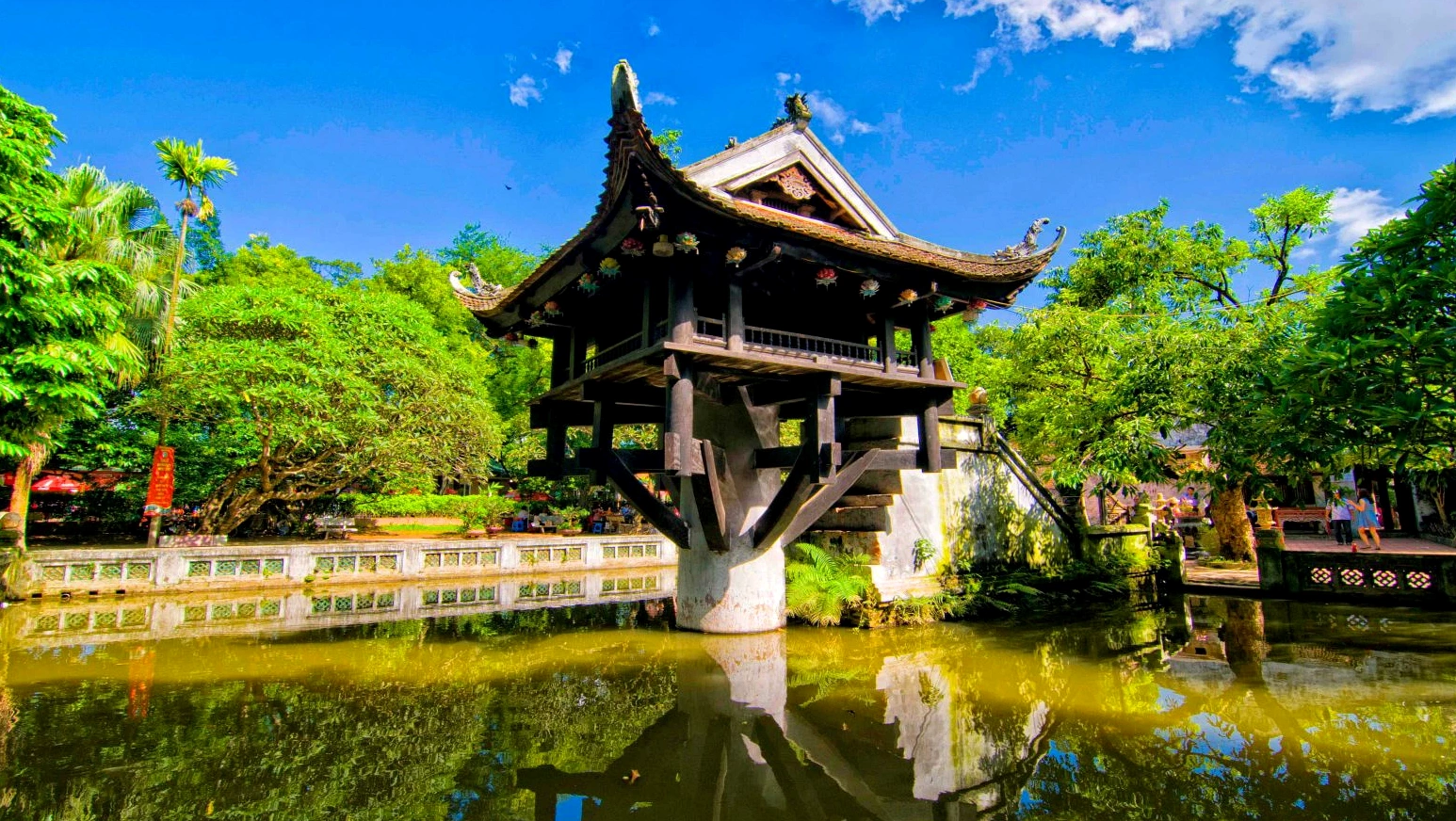
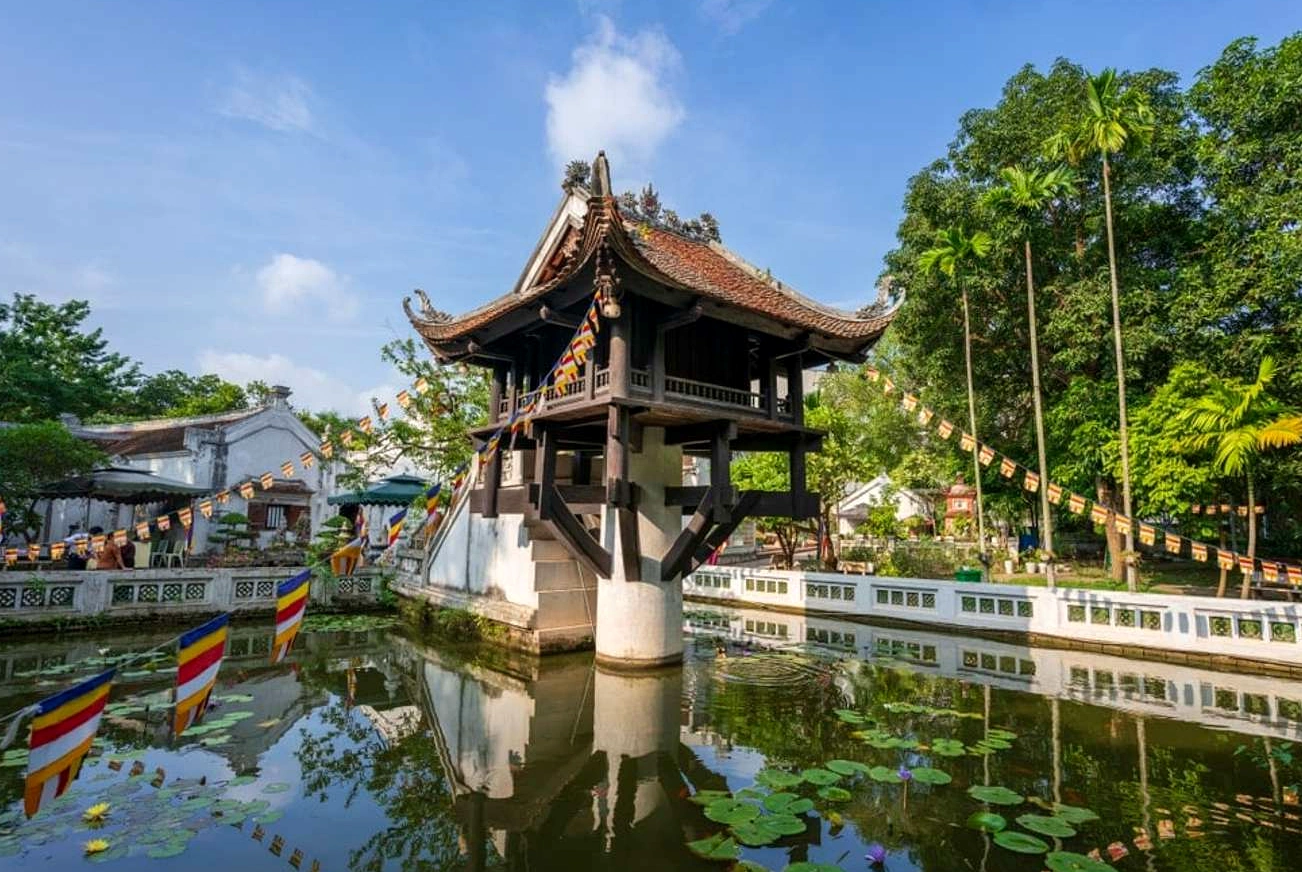
Stepping into the grounds of the One Pillar Pagoda, visitors do not merely encounter a historic monument—they behold an architectural masterpiece steeped in Eastern Buddhist philosophy. At its center, the Lotus Stage rises like a millennia-old lotus blossom emerging from the tranquil waters of Linh Chieu Lake. The structure marries profound symbolism with ingenious engineering: a square wooden pavilion measuring 3 meters on each side rests securely atop a single cylindrical stone pillar 1.2 meters in diameter and 4 meters tall. Its true artistry lies in the system of sturdy wooden brackets radiating outward like lotus petals to support the sanctuary, creating an ethereal, weightless impression as though the temple were genuinely blooming upon the water.
The pagoda’s roof features gracefully upturned eaves clad in traditional fish-scale tiles, reminiscent of ancient Vietnamese communal houses. Crowning the ridge is an intricately carved “two dragons flanking the moon” motif, symbolizing the harmony of yin and yang and celestial protection. Inside the Lotus Stage, a statue of Avalokitesvara Bodhisattva rests upon a red-lacquered, gold-gilded lotus throne, radiating both solemn dignity and boundless compassion. Natural daylight filters through the wooden lattice doors, casting soft beams that illuminate delicate carvings across the crossbeams and rafters—preserving the artistic hallmarks of Ly Dynasty sculpture, the golden age of Dai Viet culture.
The surrounding grounds reflect deliberate, thoughtful planning by ancient builders. Linh Chieu Lake serves not merely as a pond, but as a still mirror reflecting the silhouette of the Lotus Stage in near-perfect symmetry. Encircling canopies of mature trees, paired with the delicate fragrance of blooming lotuses in summer, create a meditative oasis set far apart from the bustle of Hanoi’s streets. It is an exemplary feng shui setting where spiritual energy converges, instilling a sense of calm in every visitor.
To capture memorable, frame-worthy shots at this landmark, photographers typically favor two classic perspectives. The first is from the opposite bank of Linh Chieu Lake, framing the full reflection of the Lotus Stage across the water’s surface. Dawn is the ideal hour for this composition, when soft morning light grazes the tiled roof and casts a golden glow that highlights the contrast between weathered timber and clear water. At this early hour, the grounds are at their quietest, allowing you to capture the serene, transcendent beauty of the pagoda.
The second vantage point is a closer angle from the walkway leading up to the sanctuary, framing the sturdy stone pillar rising from the pond to support the pavilion above. This perspective emphasizes the ingenuity of ancient engineering. Visiting at sunset bathes the scene in warm, nostalgic tones that evoke the passage of time. Using a wide-angle lens to include the surrounding canopy of ancient trees adds depth and natural balance to the frame. Wait patiently for a gentle breeze to ripple the water; as light dances across the surface, the pagoda’s reflection shimmers to life, creating a captivating visual composition.
Passing through the historic triple-gate (tam quan) of the One Pillar Pagoda, the clamor of Hanoi’s streets seems to dissolve, giving way to a quiet, contemplative monastic atmosphere. Arriving on a crisp autumn morning, visitors are immediately captivated by the sight of the Lotus Stage rising gracefully from the mirror-still pond like a fragrant lotus blooming amidst the currents of life. The first impression lingering in the mind is sheer wonder at an architectural feat unlike any other—a lasting testament to the artistic mastery and aesthetic vision of ancient Vietnam. Strolling through the leafy courtyard and breathing in the cool breeze drifting off Linh Chieu Lake, you can tangibly feel the delicate harmony between nature and spirituality.
A visit here offers deeply reflective spiritual moments. Visitors climb the weathered wooden steps to enter the intimate sanctuary, clasping their hands in quiet reverence before the compassionate statue of Avalokitesvara Bodhisattva seated on her golden lotus throne. The gentle chime of temple bells echoing across the courtyard and wisps of incense mingling with the breeze help wash away the haste and worries of everyday life. Many pause quietly beside the balustrade to gaze across the complex, sensing the thousand-year legacy of the Ly Dynasty alive in every timber beam and moss-touched roof tile.
Stepping out from the tranquil temple grounds, the rich historical and cultural landscape of the surrounding Ho Chi Minh Mausoleum and Presidential Palace complex invites further exploration. Nearby, visitors can stroll beneath fragrant frangipani trees, tour the Ho Chi Minh Museum, or wander peacefully around Uncle Ho’s stilt house garden and fish pond. The seamless connection between this revered national monument and historic Ba Dinh Square inspires a deep sense of pride and reverence in everyone visiting Vietnam’s millennia-old capital.
To round out your exploration of the One Pillar Pagoda, sampling local culinary specialties in the surrounding neighborhoods will delight every sense. Just a short walk away in the nearby historic quarters, you can enjoy a steaming bowl of authentic Hanoi pho with its clear, aromatic broth, or unwind with a cup of rich, velvety egg coffee in a cozy street-side cafe. Indulging in seasonal delicacies that capture the essence of Hanoi autumn—such as fragrant young green sticky rice (cốm làng Vòng) wrapped in fresh lotus leaves—leaves an unforgettable lingering impression. Together, these experiences offer both restful rejuvenation and a deeper appreciation for the enduring cultural heritage of Hanoi and its people.
The One Pillar Pagoda, or Lotus Stage, is not only an architectural icon, but also a cherished spiritual landmark for residents of the capital. To ensure a smooth and rewarding visit, keeping a few practical details in mind is essential. The pagoda welcomes visitors daily, including weekends and public holidays, typically operating from 7:00 AM to 6:00 PM. To avoid large tour groups and experience the sanctuary’s peaceful atmosphere at its best, plan to visit in the early morning or on weekdays.
Regarding admission, entry to the One Pillar Pagoda area is completely free for Vietnamese citizens, making it easy for locals and domestic travelers to worship and connect with the nation’s heritage. For international visitors, a modest admission fee applies and is clearly posted at the entrance; carrying cash is recommended so you can check the current rate and purchase tickets smoothly at the counter upon arrival.
Getting to the One Pillar Pagoda is effortless thanks to its central location within the Ho Chi Minh Relic Area in Ba Dinh District. If arriving by personal motorbike or car, designated public parking areas are available nearby along Ong Ich Khiem Street and Ngoc Ha Street. If using public transit, city buses are an affordable and convenient option, with numerous routes stopping near the Ho Chi Minh Mausoleum and Ho Chi Minh Museum—just a short walk from the pagoda entrance.
Because this is an active, solemn place of worship, visitors are expected to dress respectfully. Wear modest, neat attire and avoid shorts, sleeveless tops, or overly short skirts when entering the sacred precinct. Dressing appropriately not only honors the historical monument, but also shows respect for Vietnamese cultural traditions. While the grounds are level and easy to navigate, wearing comfortable flat shoes, sneakers, or strapped sandals is recommended for walking steadily along the stone pathways and climbing the wooden stairs into the shrine.
The best seasons to visit the One Pillar Pagoda are autumn and spring, when Hanoi enjoys cool, pleasant weather. Visiting during the summer lotus-blooming season is also especially rewarding, as pink blossoms across Linh Chieu Lake frame the Lotus Stage in a poetic, meditative scene. While on the grounds, please speak softly, maintain a respectful demeanor, and follow all regulations set by the monument management board to help preserve this architectural treasure. With a bit of thoughtful preparation, your visit will offer a deeper appreciation for the historical depth and enduring spirit of thousand-year-old Thang Long.
To enjoy a seamless getaway and experience the full beauty of the One Pillar Pagoda without worrying about arranging transportation, booking tickets, or planning itineraries, travelers can choose VDS Travel’s premium all-inclusive Hanoi tour packages. Every itinerary is thoughtfully timed for optimal sightseeing and photography when the scenery is at its finest, accompanied by knowledgeable local guides well-versed in Hanoi’s cultural heritage and top-tier hotel and dining standards.