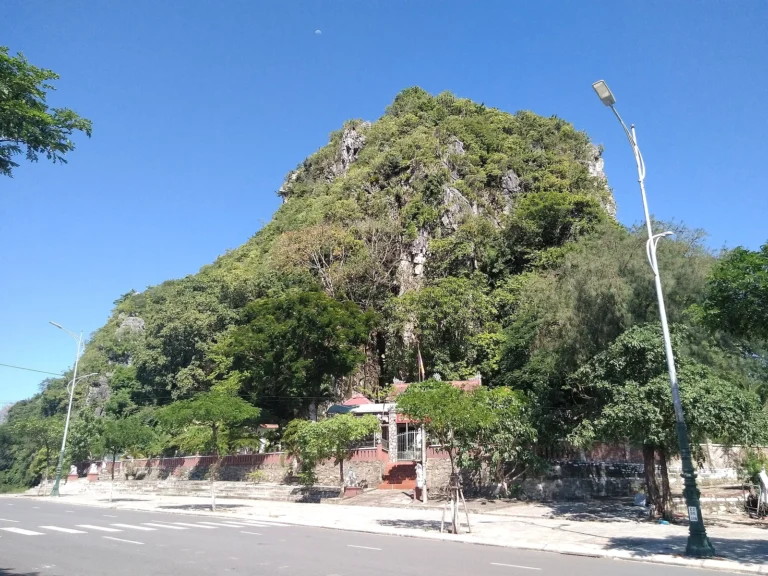
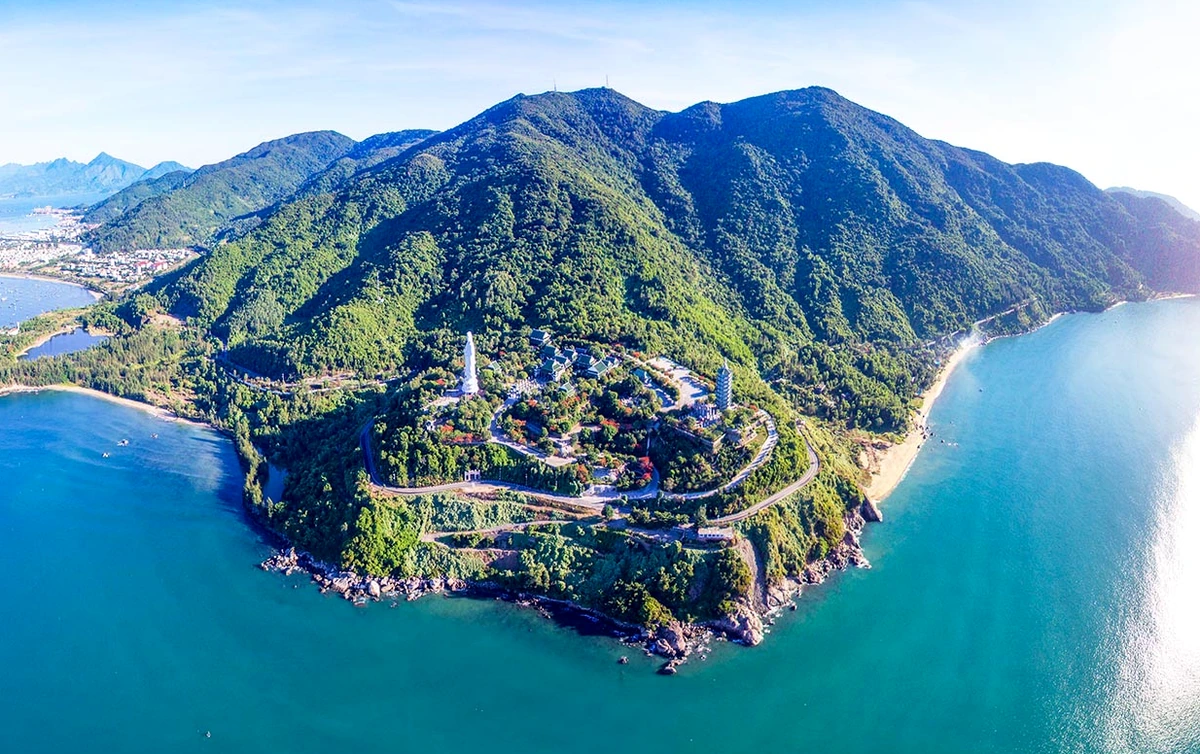
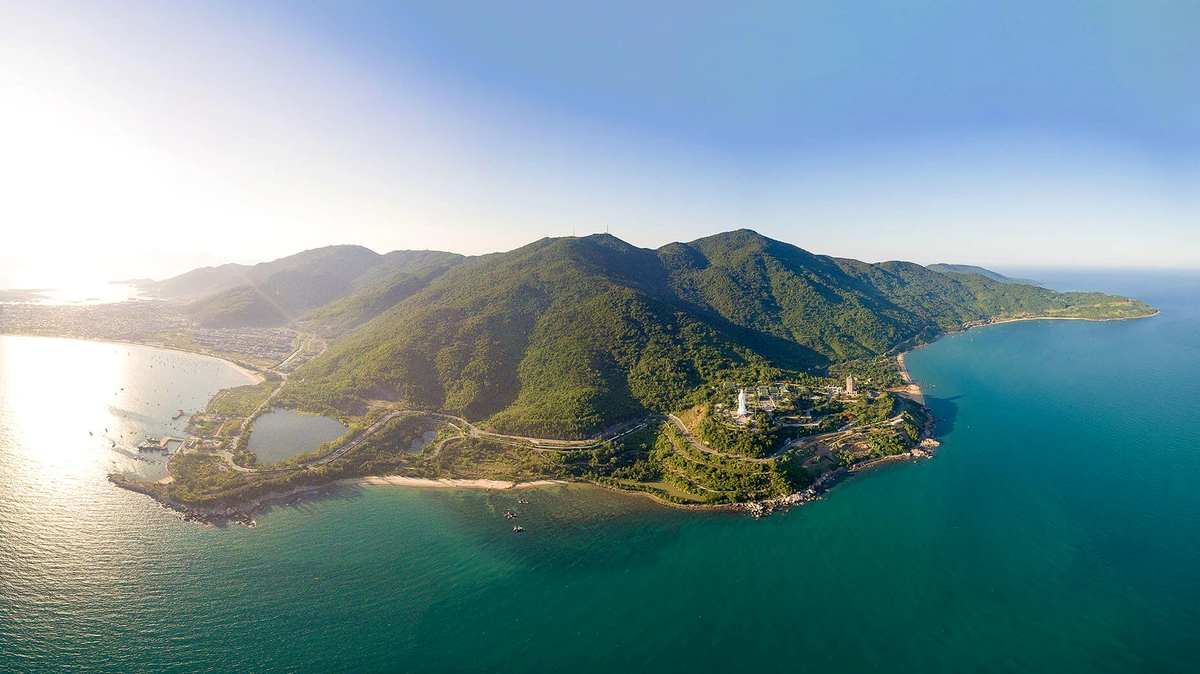
Standing proudly amidst the ocean, Son Tra Peninsula is not merely a geographical coordinate; it is regarded as an “iconic heritage” of Central Vietnam, where the finest wonders of nature converge with historical and cultural depth. Administratively, the peninsula belongs to Tho Quang Ward, Son Tra District, Da Nang City, located only about 10 kilometers northeast of the bustling urban center. With its strategic geopolitical position, Son Tra reaches out into the East Sea like a giant screen, shielding the city from storms and regulating its climate, creating a rare and solid feng shui posture of “leaning against the mountains and facing the water.”
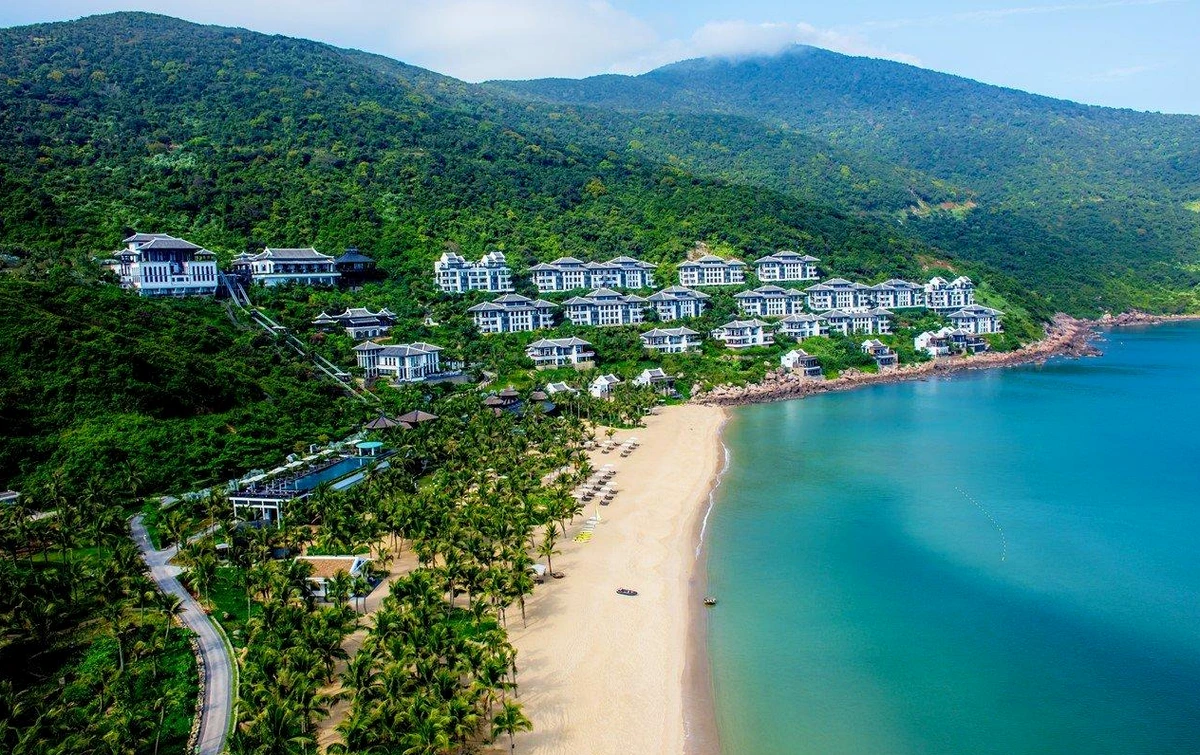
Geologically and topographically, Son Tra is an isolated mountain massif formed by complex tectonic movements over millions of years. The intersection of primeval forests and steep coastal cliffs has created an endemic ecosystem, where winding roads hug the mountainsides, guiding travelers from the deep blue of the ocean to the lush green of ancient forest canopies. Tourism authorities and geologists frequently highlight the heritage value of the peninsula, which is home to rare primate species—most notably the red-shanked douc langur, the “queen of primates” and a symbol of biodiversity repeatedly praised by international media.
The name “Son Tra” is not just a geographical designation; it carries deep historical roots. Legend has it that in ancient times, this fertile land was abundant with wild tea trees alongside rare monkeys (locally known as “heo”), giving rise to the name Son Tra—the mountain of monkeys and tea trees. In the memories of elders and French colonial documents, the peninsula was also known as Tien Sa (Fairy Landing). This name is tied to mythical legends of celestial fairies descending from heaven, choosing this spot to admire earthly scenery, bathe in the sea, and play chess. These tales have enriched a vibrant spiritual culture, turning landmarks like Ban Co Peak (Chessboard Peak) into poetic witnesses of folklore.
Throughout history, Son Tra has consistently served as a vital “gateway” to Da Nang. From wartime eras to the present day, it still preserves military relics and radar stations guarding the skies and seas, affirming its role as a steadfast national defense outpost. The combination of untamed natural beauty and spiritual landmarks such as Linh Ung Pagoda—where the Goddess of Mercy (Quan Am) gazes out to sea to bless fishermen with peace—has forged an enduring bond between the people and this land. Son Tra is more than just a scenic spot; it is a living heritage where every rock and ancient tree tells a story of harmony between humanity, nature, and noble spiritual values, making it an unmissable destination on any journey exploring Vietnam’s heritage.
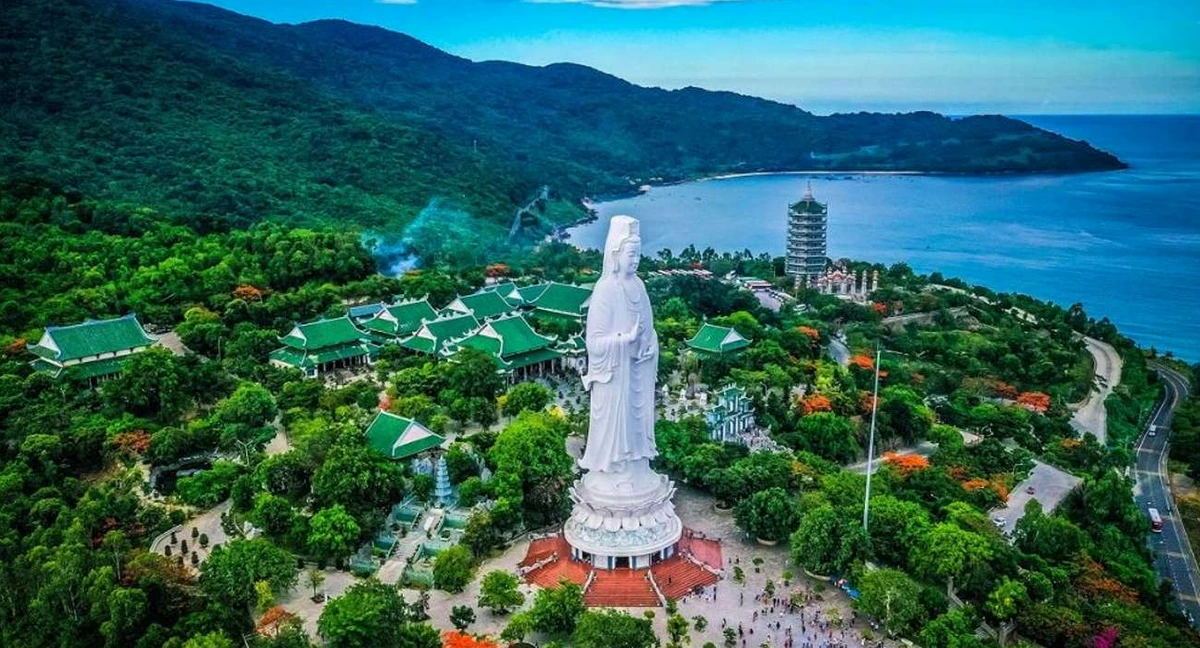
Nestled between sky and vast ocean, Son Tra Peninsula boasts breathtaking scenic and architectural masterpieces that captivate every traveler who sets foot here. Leading the list of landmarks steeped in spirituality and artistry is Linh Ung Pagoda at Bai But, the largest and most majestic pagoda in Da Nang City. Situated on an extraordinarily auspicious site—backed by lush primeval mountains and facing the rolling waves of the East Sea—the pagoda is a seamless blend of traditional Buddhist architecture and contemporary Vietnamese art. Its visually overwhelming architectural centerpiece is the towering 67-meter-tall statue of Bodhisattva Avalokiteshvara (Quan The Am), intricately sculpted. Standing atop a massive lotus pedestal, one hand forms a mudra while the other holds a vase of sacred nectar, as if compassionately bestowing peace and watching protectively over seafarers far out at sea. The pagoda grounds are shaded by lush greenery, dotted with miniature bonsai landscapes and majestic winding stone dragon staircases, creating a serene, ethereal sanctuary amidst grand surroundings.
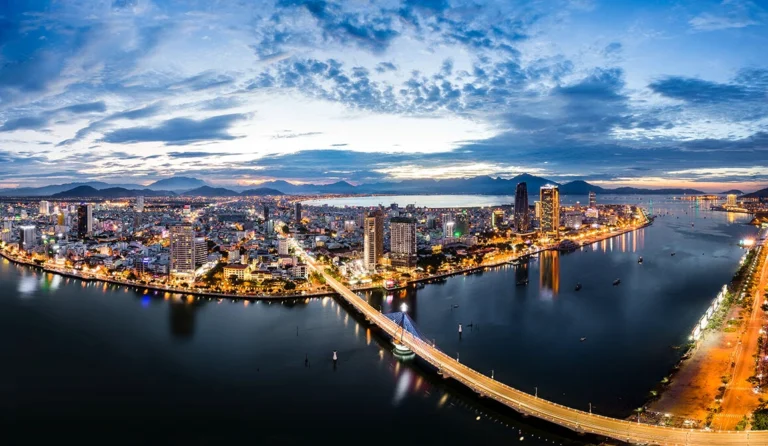
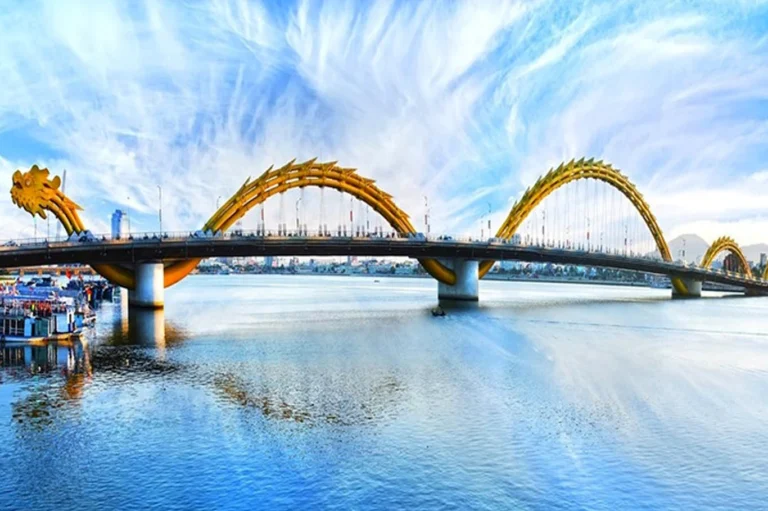
Leaving the tranquil atmosphere of the Buddhist sanctuary, the journey through Son Tra takes visitors to conquer spectacular natural viewpoints, most notably Vong Canh House (Observation Pavilion). Perched precariously along the winding road hugging the mountainside, Vong Canh House emerges as the perfect stop to take in the entire sky and landscape of Da Nang. Surrounding this area are natural boulders stacked upon one another over millions of years, blanketed in moss and framed by wild foliage. From the railings facing directly toward the ocean, visitors can gaze out across the entire white-sand crescent coastline, with the modern skyline of Da Nang and the Dragon Bridge spanning the poetic Han River visible in the distance. The seamless harmony between the turquoise sea, the deep green forest, and the open architecture of the viewpoint creates a magnificent natural panorama that stirs the soul.
To capture “million-view” moments on Son Tra Peninsula, seasoned photographers and travel vloggers often share insider tips on one-of-a-kind vantage points. The first unmissable angle is from the main courtyard of Linh Ung Pagoda, shooting from a low angle looking upward to capture the full majesty of the Quan Am statue against the expansive sky. The ideal time here is early morning, when the first rays of sunrise break over the East Sea horizon, casting golden light across the marble robes of the statue and creating a sacred, mystical aura. The second prized photo spot is right at the railing of Vong Canh House at sunset. As the sun shifts into brilliant shades of orange-red, gilding a corner of the ocean and reflecting off the steep cliffs, it delivers a deeply romantic, contemplative frame brimming with the awe-inspiring power of nature.
Setting foot on Son Tra Peninsula, travelers do not merely visit a scenic landmark—they embark on a journey that awakens every sense. The real-world experience begins with conquering the winding mountain passes, where every curve reveals a breathtaking panorama. For active enthusiasts, trekking through the old-growth forest in search of the red-shanked douc langur—the “queen of primates”—is an exhilarating challenge. Beneath the lush primeval canopy, birdsong mingles with the gentle sound of distant waves, creating a pure natural symphony that makes urban fatigue vanish almost instantly.
To fully experience the grandeur of Da Nang’s “green lung,” renting a boat from My Khe Beach or Bai But to cruise around the peninsula is a worthwhile choice. Viewed from the water, Son Tra rises like a formidable fortress with sheer cliffs, mysterious caves, and crystal-clear waters revealing the seabed below. Floating atop the waves, admiring vibrant coral reefs beneath the translucent water, and feeling the salty sea breeze blow through your hair, you will feel wonderfully small before the vastness of creation. This is also an ideal vantage point to admire the entire peninsula from a fisherman’s perspective, where the meeting of mountain forest and ocean becomes clearer than ever.
A spiritual visit to Linh Ung Pagoda at Bai But offers a deeply moving moment of stillness. Standing at the foot of the towering Quan The Am statue and gazing out across the boundless East Sea, your heart feels remarkably light and peaceful. The resonant chime of temple bells drifting on the wind, blended with the faint scent of incense, creates a profound meditative space. Many visitors share that it is right here they discover a wondrous connection between their souls and the shelter of heaven and earth—a sense of tranquility difficult to find anywhere else.
After hours of energetic exploration, sampling local cuisine is the perfect finishing touch to a long day. At the foot of the peninsula, fresh seafood restaurants are always ready to serve treasures straight from the ocean. Savoring fresh herring salad, ginger-steamed squid, or sea snails bursting with Central Vietnamese flavors, visitors experience the generosity and hospitality of Da Nang locals. The natural sweetness of the seafood paired with the spicy kick of signature dipping sauces leaves an unforgettable aftertaste, satisfying both the appetite and the spirit.
Son Tra is not simply a destination; it is a living experience of harmony between humanity and nature. As sunset falls, painting a corner of the sky pink over Ban Co Peak, standing high above and looking down as Da Nang begins to light up fills visitors with sheer awe. It is a moment of quiet reflection, where the untamed beauty of ancient forests meets modern cityscapes, leaving every traveler with an enduring fondness for an extraordinary scenic gem in the sun-and-wind-swept heart of Central Vietnam.
Welcoming visitors year-round, Son Tra Peninsula continues to affirm its status as an unmissable “green lung” when visiting Da Nang. To ensure a seamless and safe journey of discovery, travelers should keep the following up-to-date information in mind. Regarding opening hours, Son Tra Peninsula welcomes visitors freely every day of the week. However, to ensure traffic safety and ecosystem conservation, city authorities advise visiting between 07:30 AM and 06:00 PM. In particular, routes leading up to Ban Co Peak or deep into the nature reserve often restrict private vehicles after dark or during adverse weather conditions such as dense fog or storms.
As for admission costs, a major plus for travelers is that most famous attractions on Son Tra Peninsula—such as Linh Ung Pagoda, Ban Co Peak, Vong Canh House, and the Thousand-Year-Old Banyan Tree—are completely free of charge. Visitors only need to cover personal expenses such as parking fees (typically ranging from 5,000 to 10,000 VND per motorbike at designated lots), dining, or hiring a tour guide if desired. This makes it an ideal destination for both budget-conscious trips and family groups looking to enjoy nature without worrying about entrance fees.
Regarding transportation, a motorbike remains the optimal choice to fully experience the winding coastal roads. From the city center, you can follow Hoang Sa or Vo Nguyen Giap Street straight toward the peninsula. An important note for riders: local authorities strictly regulate the use of low-powered automatic scooters or worn-out semi-automatic bikes on steep inclines. Ensure your vehicle is well-maintained, especially the braking system. If you are not confident in your riding skills, taxis or guided electric shuttle tours offer a safer and more comfortable alternative.
With respect to dress code, Son Tra Peninsula blends natural scenery with sacred spiritual spaces. When visiting Linh Ung Pagoda, visitors are required to dress modestly and respectfully (sleeved tops and pants or skirts extending below the knee) to show reverence. For trekking or exploring mountain trails, opt for athletic shoes with strong grip along with breathable, sweat-wicking clothing, and do not forget sunscreen and insect repellent. Environmental protection is a top priority, so strictly refrain from littering and never feed the monkeys, so as not to disrupt their natural foraging instincts.
The ideal time to visit Son Tra is from March to September. During these months, the weather is dry and sunny, offering crystal-clear visibility from Ban Co Peak out over the East Sea—perfect for sightseeing and photography. If you prefer tranquility, plan your visit on weekdays rather than weekends to avoid crowds at major stops. Finally, always check the local weather forecast before setting out, as the peninsula’s terrain is sensitive to sudden weather shifts, ensuring your trip remains safe and thoroughly enjoyable.
To enjoy a seamless holiday and take in the full beauty of Son Tra Peninsula without worrying about arranging transportation, booking tickets, or planning itineraries, travelers can choose from VDS Travel’s premium all-inclusive Da Nang tour packages. Each tour is thoughtfully designed to optimize photo stops when the scenery is at its most radiant, accompanied by knowledgeable local guides and top-tier hotel and dining standards.