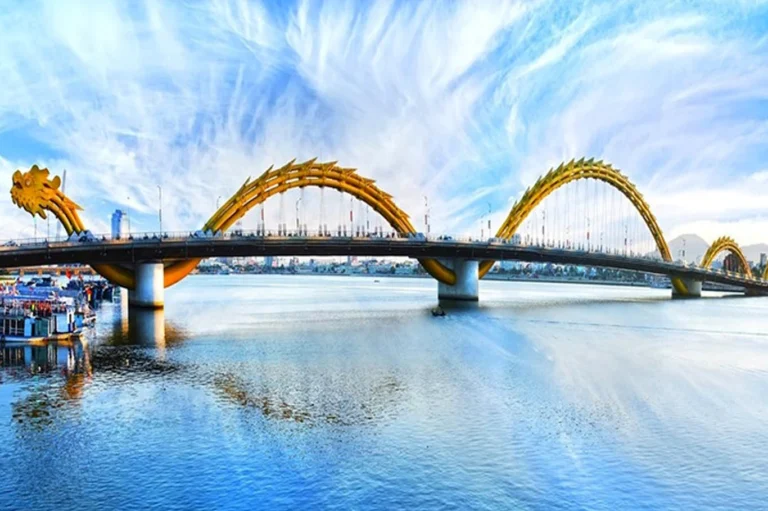
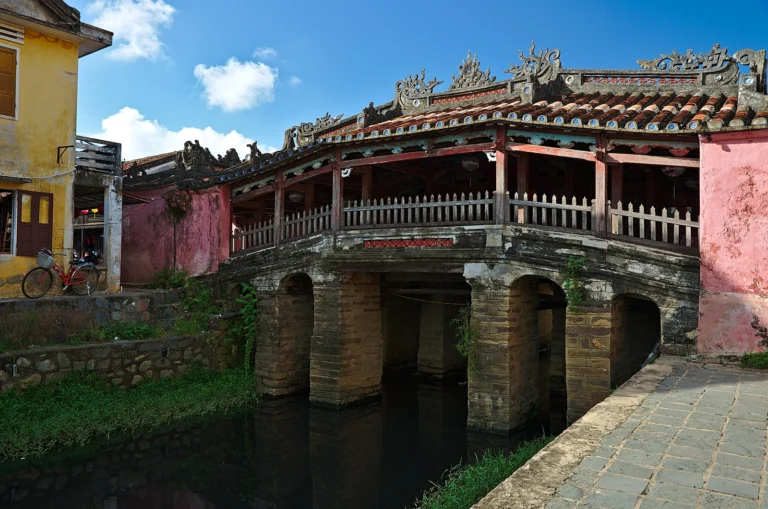
In the heart of Central Vietnam, where the final spurs of the Truong Son mountain range stretch down to embrace the East Sea, the Han River (also known as Ha Giang or Han Giang) emerges as a sacred lifeblood that has shaped the soul and skyline of Da Nang for centuries. Commanding an unrivaled position at the center of the historic Thuan Quang region, this waterway is far more than a natural hydrological marvel—it is a geo-historical landmark of strategic significance. Fed by major tributaries before emptying into Da Nang Bay through a deep, sheltered estuary, the Han River boasts a rare feng shui configuration known as “leaning against the mountains, facing the sea,” a convergence of vital energy ideal for both international trade and military defense.
Tracing back through historical annals and research records from the Vietnam Institute of Cultural Heritage and History, the origins of the Han River’s name and development are deeply intertwined with the nation’s southward expansion and defense. During the early Dai Viet period under the Ly and Tran dynasties, the Han River basin served as a frontier zone steeped in ancient Champa culture. A major historical turning point arrived during the Early Le dynasty (after 1471), when King Le Thanh Tong established the Quang Nam province. At that time, the maritime gateway through Da Nang Bay and the interconnected river network—comprising the Han, Cam Le, and Vinh Dien rivers—began to be thoroughly surveyed by the royal court to serve two vital objectives: national defense and commerce.
Under the Revival Le dynasty and the Nguyen Lords, the Han River solidified its role as a vital chokepoint directly guarding the bustling Thanh Chau – Hoi An trading port, the most prosperous commercial hub in Dang Trong (Inner Region). During the Tay Son dynasty, Emperor Quang Trung placed particular strategic importance on this artery, viewing Han Giang as a crucial gateway linking Dang Trong with Bac Ha (Outer Region) and international sea lanes. By the Nguyen dynasty—especially under Emperors Minh Mang and Tu Duc—defensive fortifications along both banks of the Han River were reinforced to their highest level to counter Western naval threats. This river witnessed the indomitable legacy of renowned general Nguyen Van Truong, a founding meritorious official who trained the royal navy, alongside national heroes such as Nguyen Tri Phuong and Le Dinh Duong, who personally surveyed the terrain and constructed formidable citadels and fortresses during the heroic resistance against the Franco-Spanish coalition (1858–1860).
From a geological and heritage perspective, the enduring value of the Han River is preserved intact through priceless tangible monuments such as Dien Hai Citadel and An Hai Fortress, alongside numerous feudal-era woodblocks, stone steles, and royal decrees. Journalists and cultural historians consistently praise the Han River not merely for the modern splendor of its iconic bridges spanning across time, but equally for its profound layers of cultural sediment. It is a miraculous harmony of breathtaking natural scenery, steadfast feng shui geography, and the resilient spirit of past generations, transforming the Han River into an eternal symbol of pride and the aspirational spirit of Vietnamese cultural heritage.
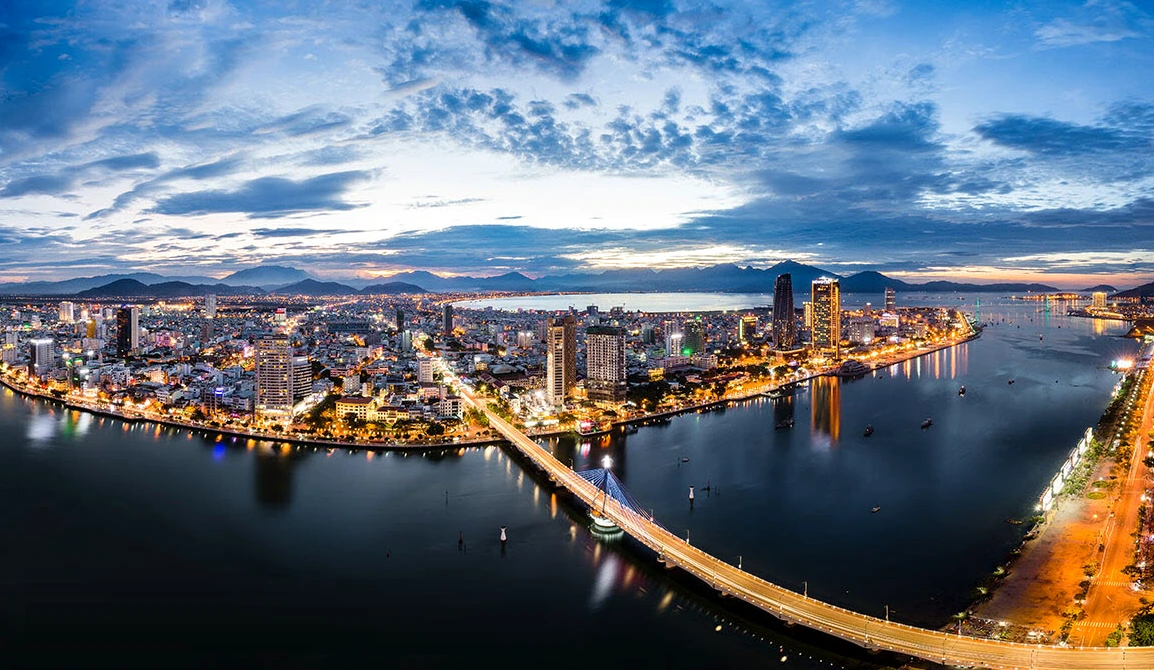
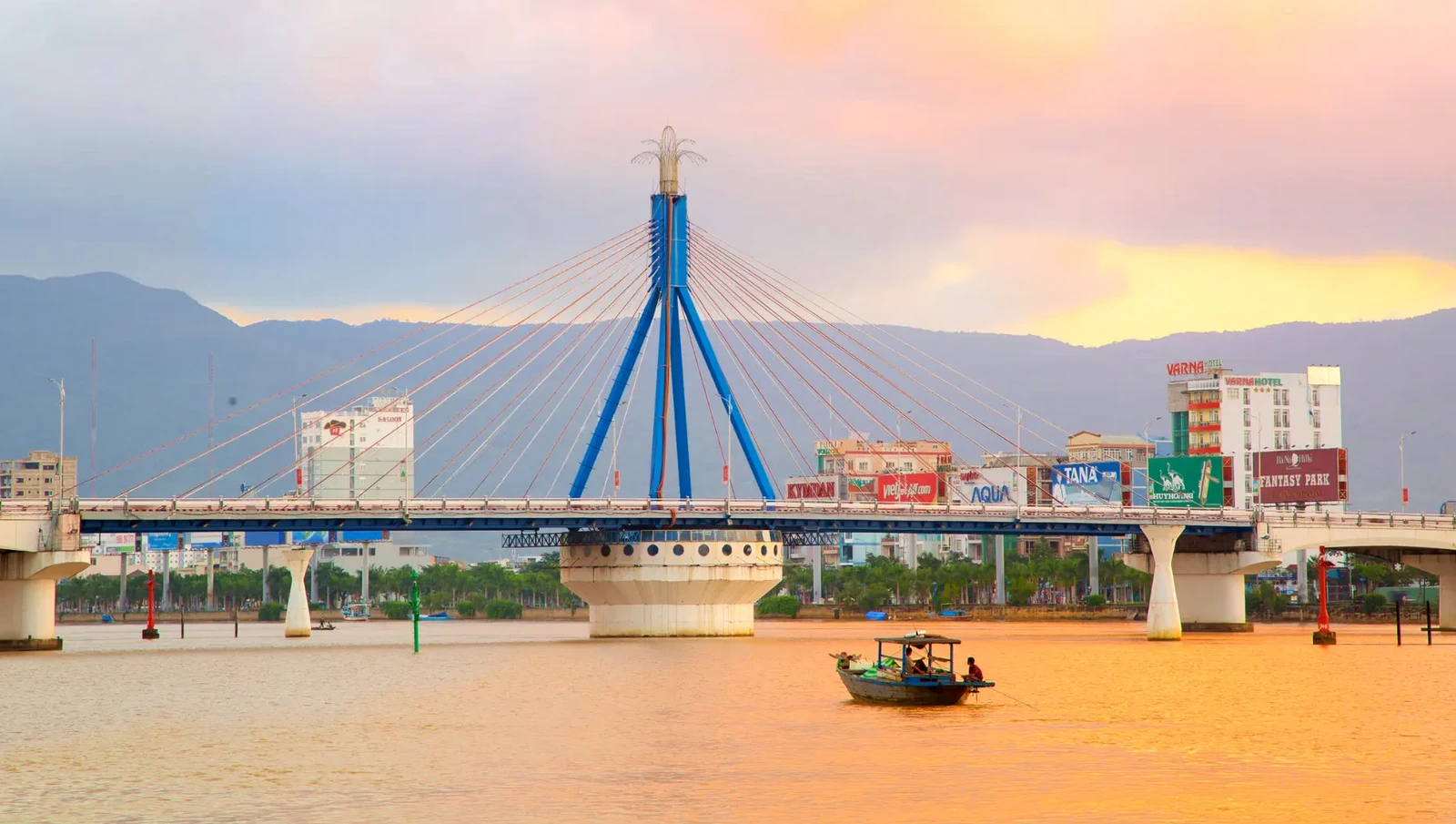
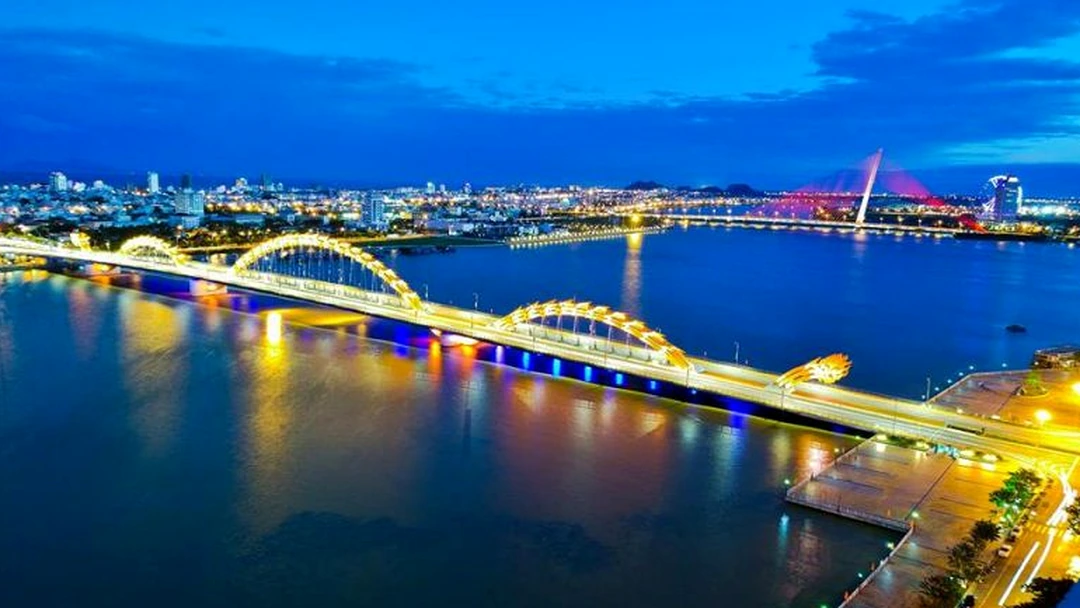
Today, the historic Han River has risen to become one of Central Vietnam’s grandest scenic and urban architectural masterpieces, where a thousand-year-old current of tradition converges with vibrant modern energy. Viewed from above, the river’s course resembles a soft silk ribbon winding gracefully through the heart of Da Nang before meeting the vast open sea. Lining both banks is an artful blend of lush, refreshing riverside ecological parks and iconic architectural landmarks. Each bridge spanning the water serves not only as a vital traffic artery, but also as an impressive work of contemporary sculptural art. The unique Han River Swing Bridge—capable of rotating 90 degrees on its axis—awakens the city’s dynamic pulse; the majestic Dragon Bridge curves boldly in gleaming gold inspired by Ly-dynasty aesthetics; and the graceful Thuan Phuoc Bridge stretches like a silk thread across the estuary, together forming a monumental cityscape in seamless harmony between nature and human ingenuity.
To capture the full breathtaking beauty of this scenic masterpiece, professional photographers and avid travelers frequently share insider tips on “million-dollar” vantage points with pinpoint accuracy in both location and timing. The first unmissable stop is the East Bank Park of the Han River, nestled right at the foot of the Dragon Bridge. From this angle, your lens can capture the entire span of the bridge reaching out across the expansive waterway, framed against a backdrop of sleek skyscrapers along the West Bank. The prime lighting window here is at sunset (from 5:30 PM to 6:30 PM), when the sky shifts into enchanting shades of orange and violet and thousands of city lights flicker on, creating a shimmering, cinematic atmosphere.
A second vantage point prized for its artistic depth can be found at high-rise rooftop cafes or river-facing balconies along Bach Dang Street on the West Bank. This elevated perspective opens up a sweeping panoramic view of the river’s natural bend, where the legendary swing bridge—a silent witness to countless historical twists and turns—blends seamlessly into the modern flow of the city. Sunrise (from 5:00 AM to 6:00 AM) is the golden hour here, as the first rays of morning light illuminate the mirror-still surface of the water and cast warm golden reflections across the tempered-glass facades of surrounding high-rises. The tranquility of early dawn paired with this grand urban landscape creates an extraordinary natural-meets-modern scene that captivates anyone behind a camera.
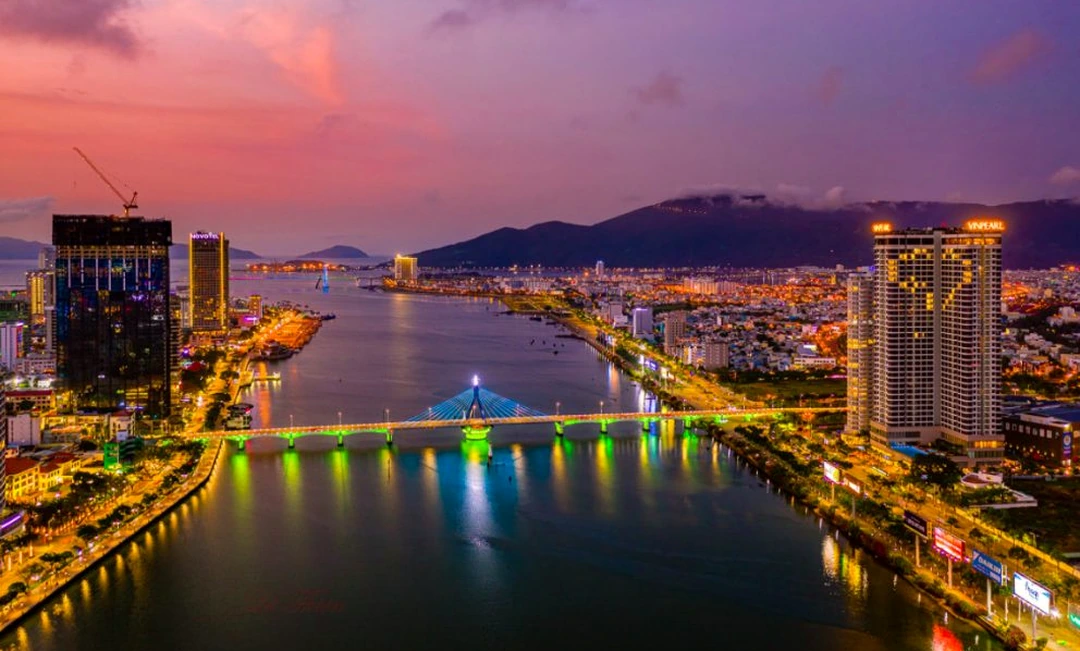
Stepping beyond the heroic chronicles of ancient Thuan Quang’s frontier past, the Han River today welcomes visitors into a vibrant, hands-on realm where history and modernity merge in every heartbeat of a youthful metropolis. A journey along the Han River begins with drifting gently across the water aboard an evening sightseeing cruise. As night falls and the city lights up, the river’s surface transforms into a giant mirror reflecting myriad sparkling lights from sleek skyscrapers and legendary bridges. Standing on the upper deck, breathing in the cool, brisk breeze blowing in from Da Nang Bay, listening to the gentle lapping of waves, and watching the graceful rhythm of urban life unfold along both banks evokes a sensation that is at once awe-inspiring and remarkably serene.
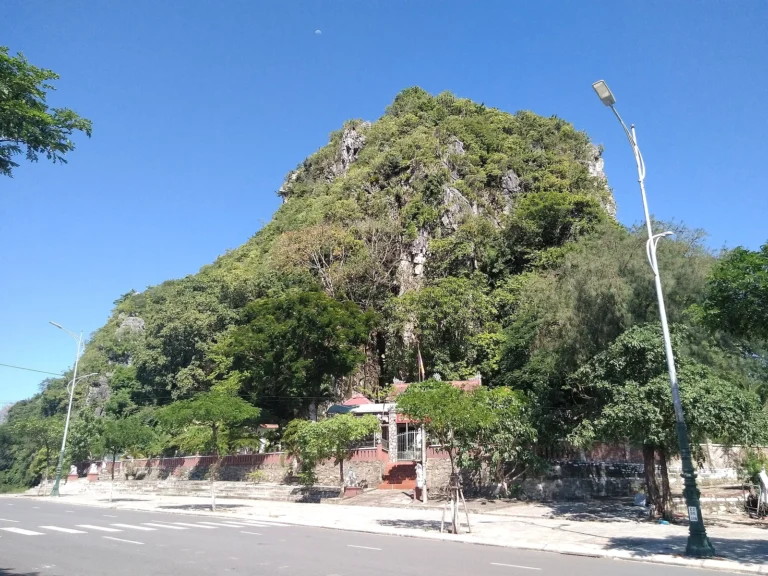
Beyond its scenic waterways, the experience awakens every sense as travelers explore the spiritual and ecological highlights scattered across the river basin. You can take a quiet, unhurried stroll into the sacred grounds of ancient riverside shrines, or venture downstream toward the majestic Marble Mountains (Ngu Hanh Son) to climb stone stairways, explore mysterious caves, and pay respects at tranquil Buddhist sanctuaries. Standing atop the peaks to take in a sweeping panorama of the entire city—where the picturesque river winds like a soft silk ribbon embracing bridges across both banks—visitors gain a profound appreciation for Da Nang’s dynamic transformation while preserving its natural soul.
Above all, the local cultural tapestry would be incomplete without the celebrated culinary specialties that linger in every traveler’s memory. Strolling along the riverside promenades or wandering through bustling night markets, visitors can savor the true essence of Central Vietnamese cuisine through steaming bowls of flavorful Mi Quang noodles, refreshing rice paper rolls with double-skinned pork (banh trang cuon thit heo hai dau da), and ultra-fresh seafood caught straight from Da Nang’s waters. Every dish and every street-side snack carries the warmth, generosity, and sincerity of the Quang region’s people.
This seamless fusion of dramatic natural beauty, centuries-old cultural depth, and vibrant urban energy creates unforgettable real-world experiences that leave every visitor to the Han River deeply moved. It is the thrill of witnessing one of Vietnam’s most dynamic waterfront cities, balanced by lasting, heartfelt memories of a hospitable land where the passage of time never ceases to enrich enduring values.
Welcoming travelers from near and far, the Han River continues to affirm its status as Da Nang’s most dynamic tourism icon, where a thousand years of historical depth meet the pulse of modern city life. To ensure your journey exploring this legendary river goes as smoothly and enjoyably as possible, be sure to keep in mind the latest practical details on timing, ticket prices, transportation, and essential visitor etiquette.
The ideal time of year to visit the Han River is from February to August. This marks Da Nang’s dry season, bringing sunny skies, minimal rainfall, and clear blue horizons—perfect conditions for both daytime sightseeing and vibrant evening waterfront activities. In particular, if you visit over the weekend, you will have the chance to witness the Dragon Bridge’s spectacular fire- and water-breathing show at 9:00 PM every Saturday and Sunday.
Regarding visiting hours, the riverfront promenades and public spaces along the Han River are open 24/7 with completely free admission. However, if you wish to experience a nighttime sightseeing cruise on the Han River, most cruise operators run daily between 6:00 PM and 10:00 PM, with very reasonable listed ticket prices ranging from 150,000 to 250,000 VND per person depending on the package (including dinner or sightseeing accompanied by live cultural performances).
Getting to the Han River from the city center is effortless and quick thanks to Da Nang’s well-integrated road network. Travelers can easily set out from Han Market or the Dragon Bridge by motorbike, private car, or a leisurely ride on a road bicycle. The best routes to take are the wide, scenic boulevards hugging both sides of the river: Bach Dang Street on the West Bank and Tran Hung Dao Street on the East Bank. These two avenues offer the most picturesque vistas to soak in the breezy waterfront atmosphere and admire the city’s iconic bridges.
Finally, when exploring the Han River waterfront and visiting nearby historical sites, communal houses, or spiritual landmarks, travelers should wear neat, modest, and respectful attire in keeping with local customs and traditional cultural spaces. Be sure to bring a hat, an umbrella for sun protection, and comfortable walking shoes, as exploring the historic fortresses and heritage relics along the riverbanks involves a fair amount of walking.
To enjoy a seamless getaway and experience the beauty of the Han River to the fullest without worrying about transportation, ticket bookings, or itinerary planning, travelers can opt for VDS Travel’s premium all-inclusive Da Nang tour packages. Every itinerary is thoughtfully timed to capture each landmark at its most radiant moment, led by knowledgeable local guides and backed by top-tier hotel and dining standards.