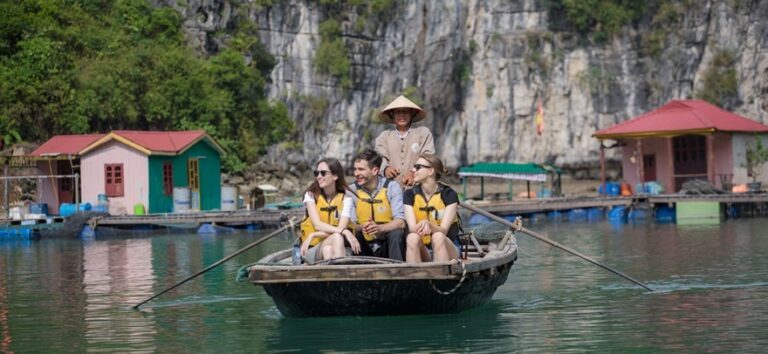
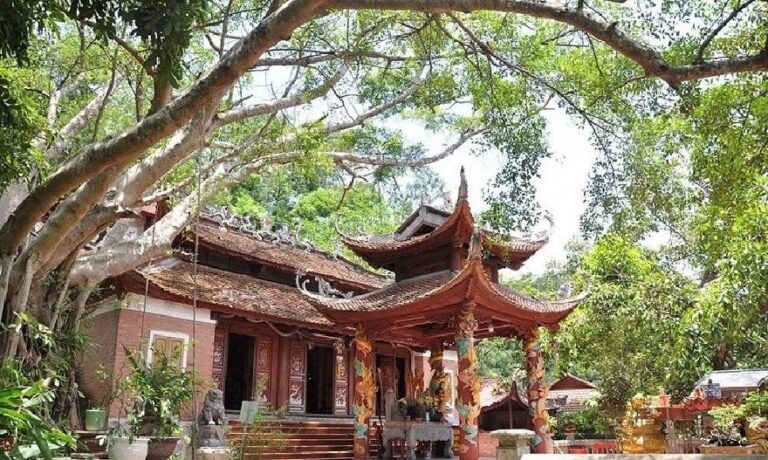
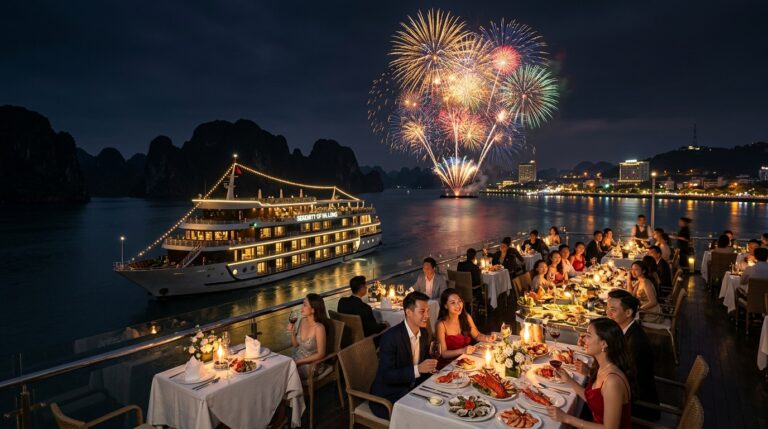
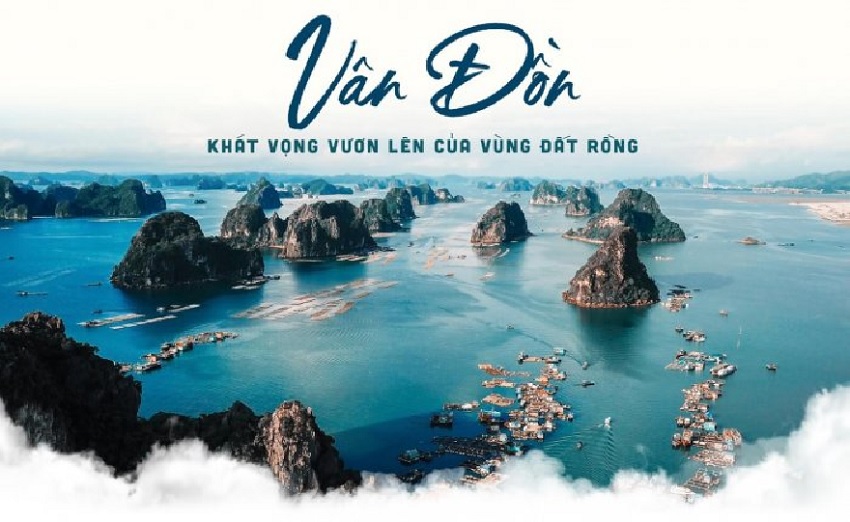
Often referred to as the “pearl island” of Quang Ninh province, Van Don is rising to become an attractive destination on Vietnam’s tourism map. With its pristine natural beauty, harmonizing blue seas, white sands, primeval forests, and majestic mountain ranges, Van Don offers visitors unforgettable experiences.
See more: Discover unique tourist destinations in Quang Ninh
Van Don: From a poor island district to a thriving tourism hub
Van Don is an island district in Quang Ninh province, located in the eastern part of the province, approximately 50km from Ha Long city. This island district holds a strategic position, serving as the gateway to the sea for Quang Ninh province and a hub for trade with other domestic and international provinces and cities. To the west, Van Don borders Cam Pha city; to the south, it borders Ha Long Bay; to the east, it borders Co To district; and to the north, it borders the districts of Tien Yen and Dam Ha. The total natural area of the district is 551.3 km², comprising over 600 large and small islands. According to 2019 statistics, the population of Van Don was 46,616, with a population density of about 85 people/km². The population is mainly concentrated in Cai Rong town and the communes of Dong Xa, Ha Long, and Quan Lan.
Turning the golden pages of Van Don’s history, each chapter reveals significant events and achievements that mark the growth of this land. It was once a bustling trading port, considered a major and vital commercial center of Vietnam, existing from the mid-12th century to the late 18th century. In 1288, on the historic Bach Dang River, under the command of General Tran Khanh Du, the army and people of Van Don defeated the supply fleet of the Mongol invaders, achieving the glorious victory of Van Don. During the struggle against the French, the army and people of Van Don stood united with the Party and Uncle Ho, achieving many feats in the fight against colonial rule. During the resistance war against the US, Van Don district effectively implemented patriotic emulation movements, serving as a solid rear base that provided manpower and resources for the southern battlefield, while simultaneously engaging in production and coordinated combat. The army and people of the district shot down 37 aircraft of various types and captured many American pilots, including the 200th US aircraft downed in the skies of Quang Ninh province, contributing to the historic victory that led to the complete liberation of the South and the reunification of the country.
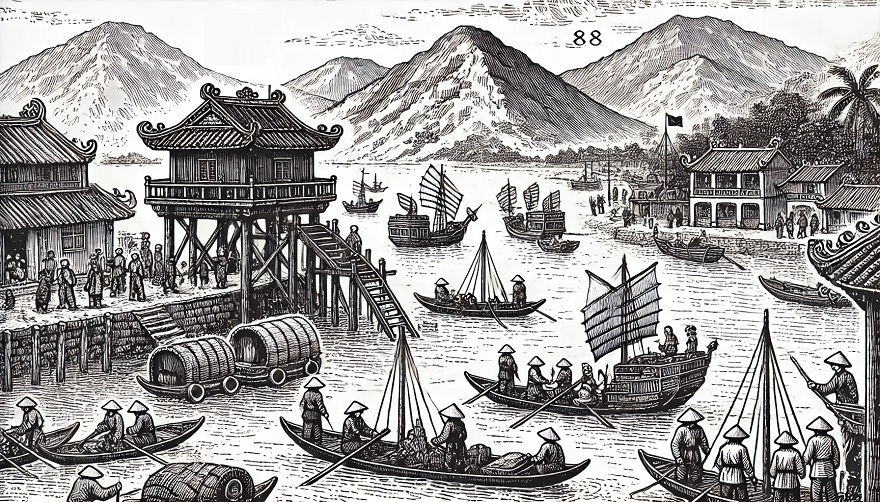
Van Don was once known as a bustling trading port
In recent years, Van Don’s infrastructure system has received synchronous investment, with key transport projects creating a new impetus that has transformed the face of this economically promising island district. In 2005, the Van Don bridge was completed and put into operation, connecting the island district to the mainland. In December 2018, the Van Don International Airport, with a total investment of 7.463 trillion VND, began operations, shortening travel time and distance between Van Don and major cities in Vietnam and the world. Beyond serving domestic and international needs, Van Don International Airport contributes significantly to promoting trade and socio-economic development for the district, the province, and the entire Northeast region. Another highly favorable condition for Van Don’s sustainable development is the Ha Long – Mong Cai expressway. With a total length of 176km, inaugurated in early September 2022, it has reduced travel time from Ha Long to Van Don from 90 minutes to 50 minutes, and from Mong Cai to Van Don from 2 hours to 50 minutes. Notably, the Ha Long – Mong Cai expressway has created a seamless traffic artery from Hanoi to Van Don, shortening travel time from 5 hours to 2 hours and 30 minutes. With a developed transport system including air, road, and seaports invested in conjunction with logistics services—such as the high-end Ao Tien port covering nearly 30 hectares with a total investment of 613 billion VND—Van Don is proud to possess the most synchronous and modern water, road, and air infrastructure in the country.
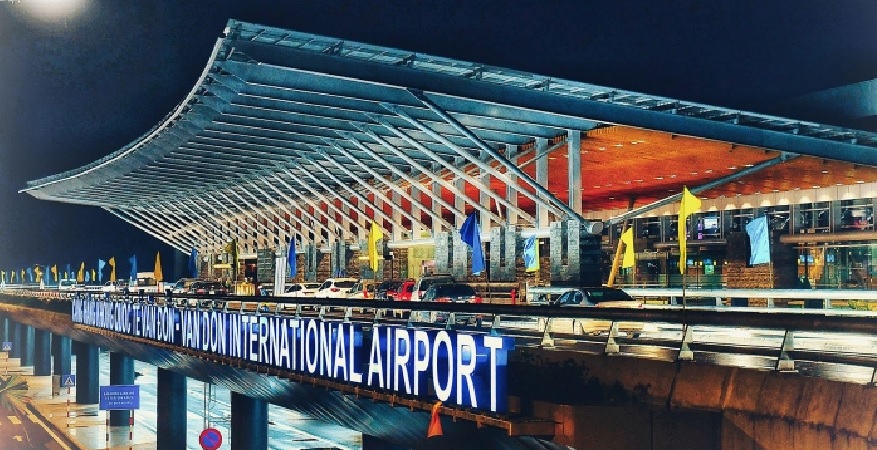
Van Don Airport is seen as a symbol of innovation and bold action
From a poor and struggling district, Van Don has focused on exploiting its potential and leveraging its strengths, gradually transforming into a prosperous, increasingly modern, and civilized area. Van Don is currently one of the four tourism centers of Quang Ninh province. To develop this key economic sector, Van Don has actively called for investment in major tourism projects, such as the high-end complex entertainment park project with a casino, the Sonasea resort complex, and many other tourism projects that are contributing to the overall development of Van Don tourism.
Tourist destinations in Van Don
Van Don is blessed by nature with many unique natural landscapes, featuring over 600 large and small islands, along with beautiful beaches, primeval forests, and numerous historical and cultural relics. Some typical tourist destinations include:
Bai Tu Long Bay
Bai Tu Long Bay, a part of the Gulf of Tonkin, is a natural masterpiece located in the Northeast of Vietnam, stretching across the territory of Cam Pha city and Van Don district, Quang Ninh province. This place possesses a pristine, peaceful beauty with hundreds of large and small islands rising above the turquoise water, resembling a vivid and magnificent natural scene. Bai Tu Long Bay is likened to a “second Ha Long Bay” with hundreds of limestone islands, mysterious caves, smooth white sand beaches, and crystal-clear water.
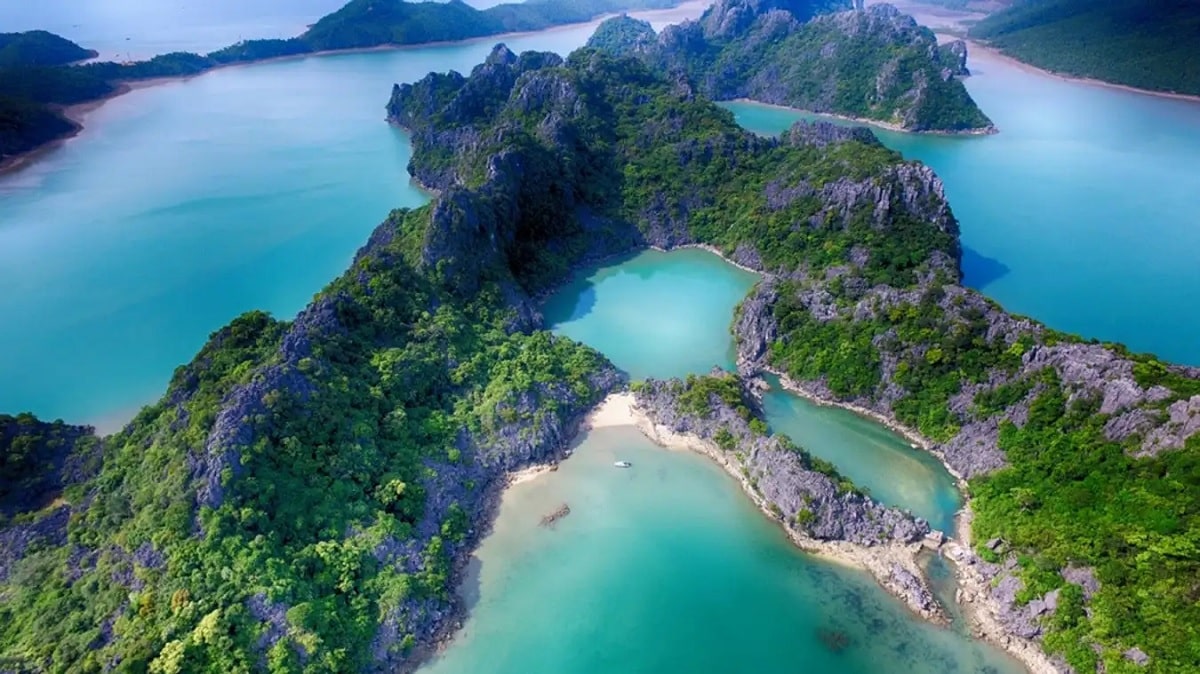
Bai Tu Long Bay
Not only does it have stunning natural landscapes, but the bay is also home to many rare marine species, vibrant coral reefs, and a rich mangrove ecosystem. Bai Tu Long Bay also preserves many traditional cultural values of local fishermen, with ancient fishing villages and unique customs. Visitors here can participate in many exciting activities such as cruising to explore the bay, kayaking, and scuba diving to see coral reefs.
See more: Explore Bai Tu Long Bay
Bai Tu Long National Park
Located entirely within the Bai Tu Long Bay area, Bai Tu Long National Park was established in 2001 as a precious and unique scenic spot, preserving one of the most diverse and rich ecosystems in Vietnam. It is notable for its vast mangrove ecosystem, which serves as a home to hundreds of plant species, including many rare ones. Mangrove forests not only play an important role in protecting the coastline but also serve as a habitat for many animals, especially the rare white-headed langur. The national park’s sea area also boasts a diverse and rich coral ecosystem. Harmoniously combining forest and sea, Bai Tu Long National Park possesses beautiful natural scenery with smooth white sand beaches, majestic limestone islands, mysterious caves, and lush primeval forests.
Coming to Bai Tu Long National Park, visitors can participate in many interesting activities such as exploring mangrove forests, hiking, visiting caves, scuba diving to see coral, and bird watching. However, when visiting, tourists need to comply with environmental protection regulations. With its immense value in terms of landscape and ecology, Bai Tu Long National Park is an attractive destination for those who love nature and want to learn about the biodiversity of the Northeast sea of Vietnam.
See more: Bai Tu Long National Park (Quang Ninh): A-Z Travel Guide
Ngoc Vung Island
Hidden in the Bai Tu Long Bay area, Ngoc Vung Island appears as a typical heritage site with pristine and peaceful beauty, making it an ideal destination for those who want to escape the noise and bustle. With an area of about 12km², Ngoc Vung Island possesses smooth white sand beaches, turquoise water, and lush primeval forests. The name “Ngoc Vung” (Pearl Mist) is associated with interesting legends. It is said that in the past, there were many rare pearl oysters on the island that glowed at night, making the whole sea area shimmer like a moonbeam. Others believe the name comes from the clear and pure beauty of the island.
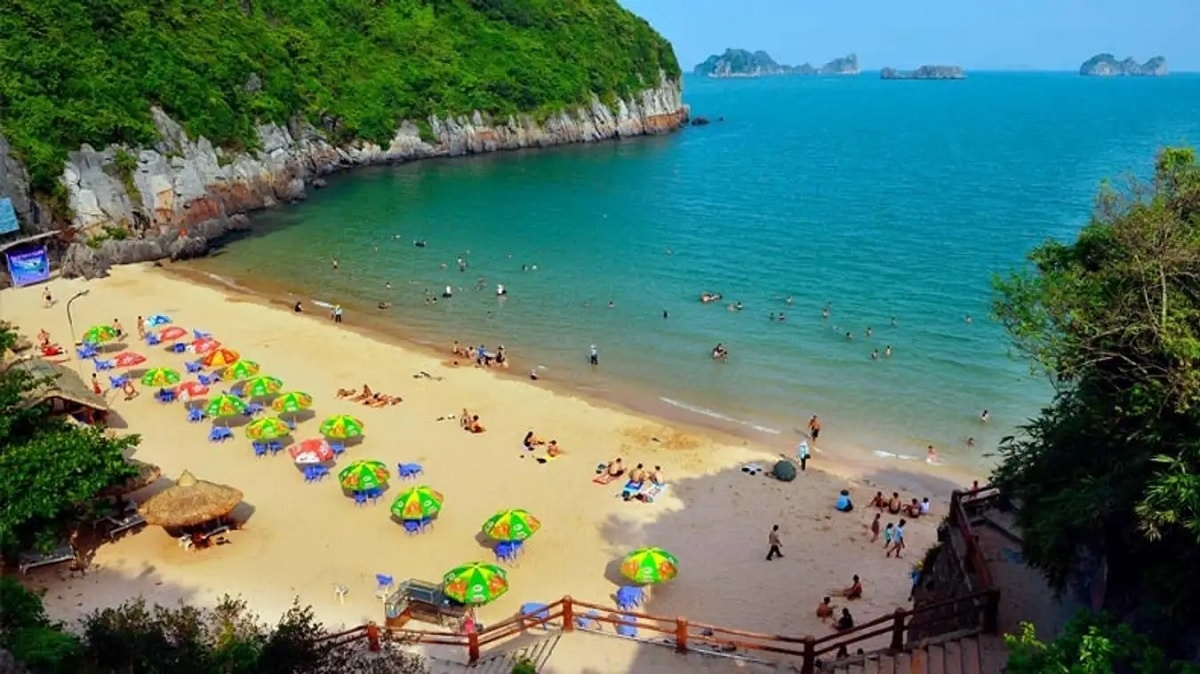
Ngoc Vung Island
Coming to Ngoc Vung, visitors can not only immerse themselves in the cool water of Truong Chinh beach but also explore the history of the ancient Van Don trading port at Cong Yen wharf or discover the 12.7mm artillery position, which marks the imprint of our army and people during the resistance war against America. Ngoc Vung Island is truly a resort paradise, offering visitors unforgettable experiences.
See more: Ngoc Vung Island: A pristine and ideal destination for travelers
Quan Lan Island
Belonging to Van Don district, Quang Ninh province, Quan Lan Island is a beautiful island located in Bai Tu Long Bay, about 40km from the mainland. It attracts visitors with its pristine, peaceful beauty, smooth white sand beaches, and clear blue water. With long stretches of beach and gentle waves, it is very suitable for swimming and relaxing. In particular, Quan Lan Island also has Eo Gio, located in the south, a small strait surrounded by steep cliffs, creating a majestic and poetic scene, which is an ideal place to watch the sunrise and sunset.
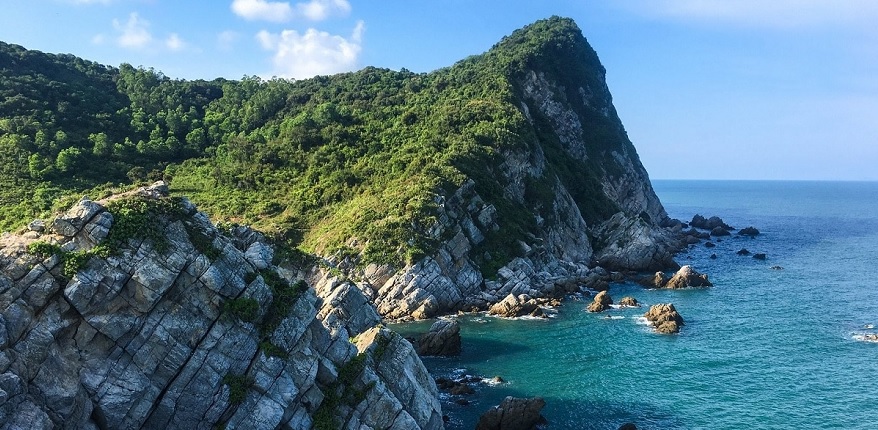
Quan Lan Island
Quan Lan Island also possesses the Tram forest, a primeval forest with hundred-year-old ancient tram trees, creating a cool and peaceful space. In addition, visitors here can also visit Quan Lan Communal House, an ancient structure built in the 18th century, which is a national historical and cultural relic, and Quan Lan Pagoda, a sacred temple with unique architecture. With its pristine, peaceful beauty and many interesting experiences, Quan Lan Island deserves to be an ideal destination for those looking for a relaxing resort space to immerse themselves in nature.
Cai Bau Pagoda
Located in Village 1, Ha Long Commune, Van Don District – Cai Bau Pagoda, also known as Truc Lam Giac Tam Zen Monastery, is famous for its serene and sacred beauty amidst the majestic scenery of Bai Tu Long Bay. Built in 2007 on the site of Phuc Linh Tu, an ancient Tran Dynasty pagoda, this location was once the site of a crucial battle that contributed to the victory of Bach Dang in 1288. Cai Bau Pagoda impresses visitors with its unique architecture, which harmoniously blends traditional antiquity with modern elements. The main hall is a two-story structure spanning 6,000m²; the upper floor is dedicated to Shakyamuni Buddha, while the lower floor honors Bodhisattvas and Sages. Additionally, the pagoda features other structures such as the three-arched gate, ancestral house, bell tower, meditation hall, and dining hall—all designed with exquisite, meticulous detail. A special highlight to the left of the Zen Monastery is the 4.8-ton bronze Maitreya Buddha statue, standing out against the lush green surroundings.
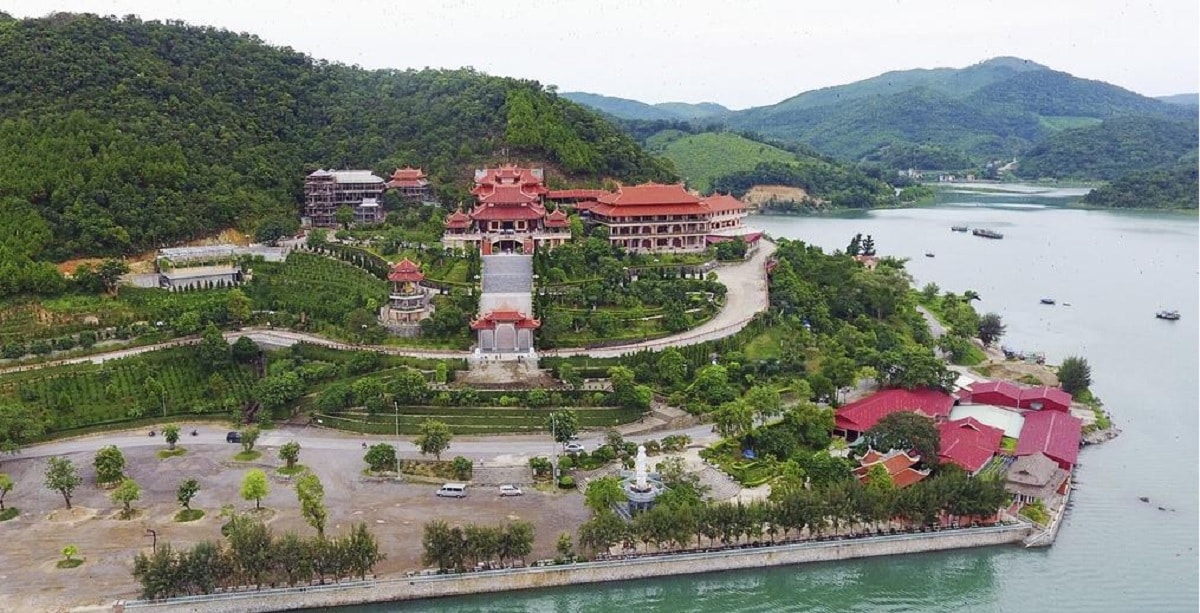
Cai Bau Pagoda with its back against the mountain and facing the sea
With its “back against the mountain, facing the sea” position, Cai Bau Pagoda offers a picturesque landscape. The fresh, quiet atmosphere of the pagoda brings a sense of relaxation and peace to visitors. Upon arriving, besides admiring the architecture, visitors can participate in spiritual activities such as praying, meditating, and listening to Dharma talks. Cai Bau Pagoda is truly an attractive spiritual destination, drawing a large number of visitors to sightsee, worship, and seek peace of mind.
Phuong Dong Beach
Located in the Phuong Dong Sea Urban Area (Wonder Island), Van Don District, Quang Ninh, Phuong Dong Beach is a stunning man-made beach that has quickly become a popular destination for visitors due to its modern beauty, amenities, and open space. The beach features fine white sand stretching over 1km, sourced from Quan Lan – Minh Chau island, with a silica content of up to 99%, providing a soft and comfortable feel for visitors. The clear, clean water here is ideal for swimming and participating in water-based recreational activities.
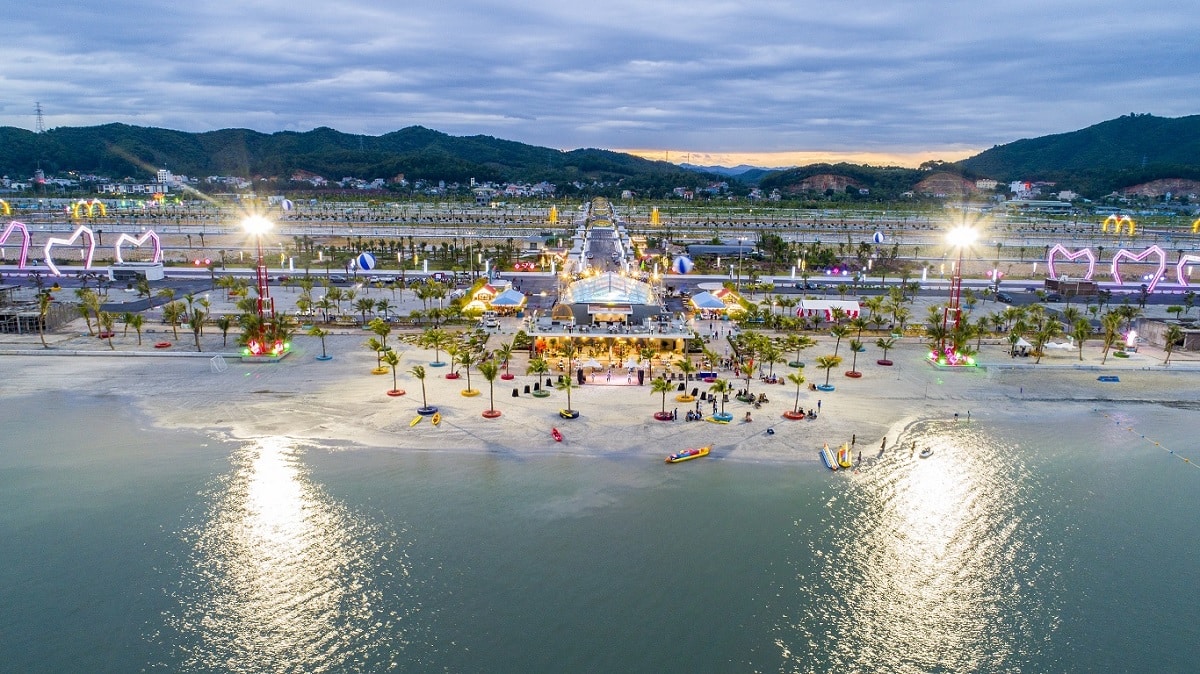
Phuong Dong Beach
Furthermore, Phuong Dong Beach is developed with comprehensive facilities such as rinsing areas, restaurants, cafes, children’s play areas, a beach stage, and a food street. Surrounding the beach are rows of green trees and lawns, creating an airy and fresh environment. With its convenient location within the Phuong Dong urban area, near Van Don International Airport, visitors can easily reach this spot. At Phuong Dong Beach, visitors can freely swim, participate in beach games, stroll along the sand, enjoy local cuisine, and explore the Phuong Dong urban area.
Van Don Cuisine
Van Don attracts visitors not only with its beautiful natural scenery but also with its rich and diverse culinary scene, featuring dishes deeply infused with the flavors of the sea. The seafood here is famous for being fresh and delicious, prepared into many enticing dishes that visitors find hard to resist. Below are some specialties you must try when visiting Van Don:
Sipunculus Nudus (Sa Sung)
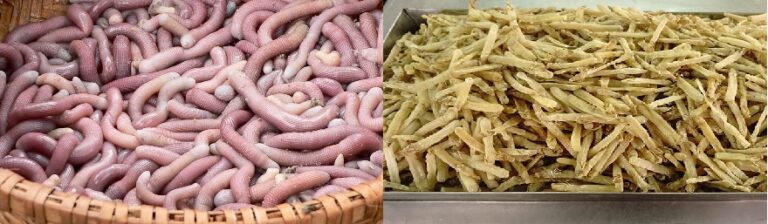
Sa Sung, often called the “soft gold” of the Quang Ninh sea, is a rare and precious seafood with a shape resembling an earthworm, soft body, about 5-10cm long, and a reddish-brown color. They live in deep sand burrows on the seabed where tides ebb and flow. Harvesting Sa Sung requires patience and experience; locals must wait for the tide to recede and use specialized tools to dig deep into the sand.
This seafood is not only delicious but also highly nutritious, containing plenty of protein, essential amino acids, and minerals beneficial for health. Sa Sung can be prepared into many attractive dishes such as stir-fried with garlic, salt-roasted, grilled, cooked in porridge, or used to make Sa Sung fish sauce—a famous specialty of Van Don.
Geoduck (Tu Hai)
Geoduck, also known as elephant trunk clam, is a bivalve mollusk living in warm, saltwater seas. This seafood is highly valued for its nutritional content and delicious flavor, especially the geoduck from Van Don, Quang Ninh. Geoduck has a characteristic shape with two hard, oval-shaped shells, usually brownish-yellow. A unique feature is the long “siphon” that protrudes, which is used to draw in water and food.
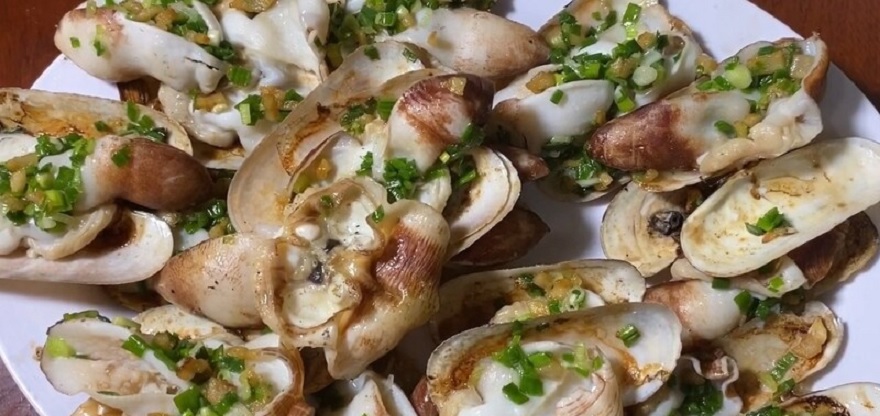
Geoduck is considered a famous specialty in Van Don
Geoducks bury themselves in the sand in shallow coastal areas with coral reefs. Geoduck meat contains plenty of protein, vitamins, and minerals such as iron, zinc, and calcium. Notably, it is very rich in zinc, an important mineral for health. According to Traditional Oriental Medicine, geoduck has a sweet taste and cooling properties, helping to nourish the kidneys, strengthen vitality, and benefit those with physical weakness or anemia.
Squid
Van Don squid has long been famous as one of the renowned specialties of the Quang Ninh sea, not only for its freshness but also for its distinctively sweet, firm, and chewy flavor. The Van Don sea area has favorable natural conditions, clean water, and abundant food sources, creating an ideal environment for squid to grow and thrive. The squid here is mainly squid tube, living in deep, calm waters, which gives the meat a much richer sweetness.
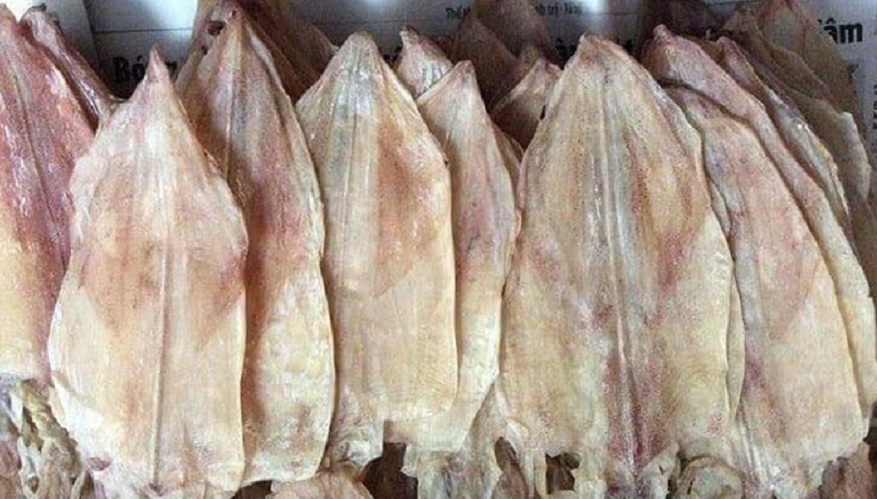
Van Don dried squid
Van Don fishermen have long-standing experience in squid fishing, often catching squid at night and preserving them using traditional methods to ensure quality. Van Don offers various types of squid, such as fresh squid, dried squid, and squid cakes, each with its own distinct flavor.