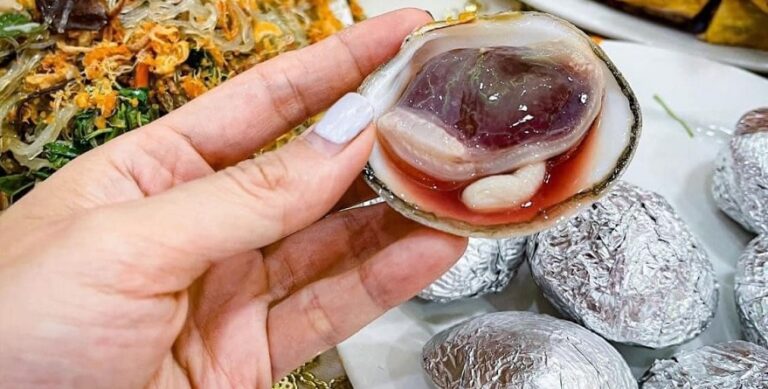
Have you ever heard of the rare “earth ginseng” of the sea? That is Quang Ninh Peanut Worm (Sa Sung), a special seafood dubbed the “soft gold” of this beautiful island and coastal region. Not only is it a delicious, nutritious dish with a unique flavor, Sa Sung also holds intriguing stories about the culture and people of Quang Ninh. So what exactly is Sa Sung? What makes this seafood so special that it captivates so many people? How do you prepare Sa Sung into delicious dishes? Let’s discover everything about Quang Ninh Peanut Worm in the article below.
See more: Ha Long Specialties: What to Eat? What to Buy?
What is Sa Sung (Peanut Worm)?
Sa Sung, also known by various names such as sea worm, earth ginseng, don dot, chat khoai, or bait worm, has the scientific name Sipunculus nudus. It is an invertebrate animal belonging to the phylum Sipuncula. Shaped like a large, soft-bodied worm, they typically live buried in the sand in coastal intertidal zones. Despite its rather unappealing appearance, Sa Sung is a rare seafood delicacy highly prized for its nutritional value and unique flavor.
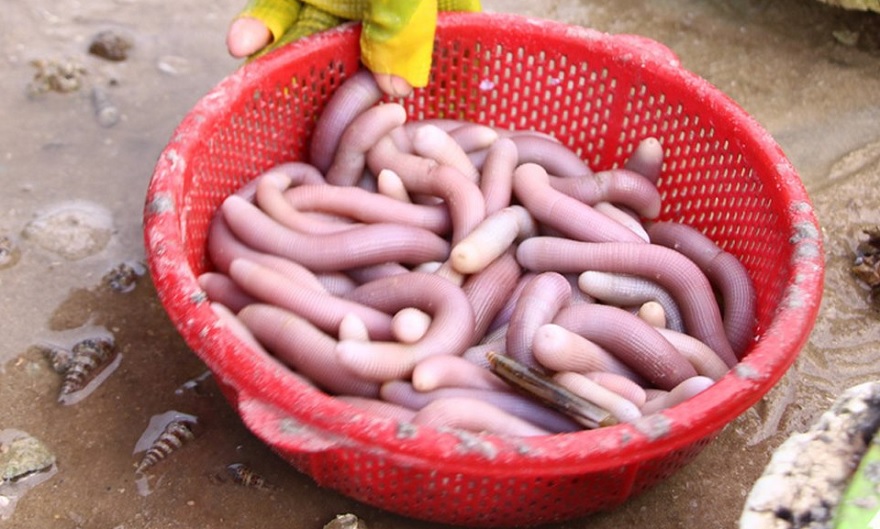
Fresh Sa Sung from Van Don (Quang Ninh)
Sa Sung is distributed across many sea regions worldwide; however, Quang Ninh Sa Sung—especially Sa Sung from Van Don and Quan La Island—is rated as the finest. This is due to the specific soil conditions and habitat of this marine area. The sand here is clean, nutrient-rich, and low in mud, allowing Sa Sung to thrive with firmer, sweeter, and more aromatic flesh than in any other region. Quang Ninh’s waters maintain stable salinity and regular tidal cycles, creating an ideal living environment for Sa Sung. In particular, the Van Don and Quan Lan areas boast sandy flats mixed with seashells, providing an abundant food supply for Sa Sung. These exact factors helped establish the nationally renowned “Quang Ninh Sa Sung” brand, recognized by the Intellectual Property Office of Vietnam (IP VIETNAM) with a geographical indication protection certificate ‘Quang Ninh’ for the famous Van Don Sa Sung product (12/11/2015, 2929/QD-SHTT), proving that the unique flavor of Quang Ninh Sa Sung is tied to the region’s natural conditions and specific harvesting techniques.
Quang Ninh Sa Sung has a long cylindrical body tapering toward the tail. Their average size ranges from 10–15cm, with large specimens reaching up to 30cm in length. The outer skin is yellowish-brown or pale gray, smooth and glossy, marked with tiny horizontal striations. When fresh, Sa Sung possesses a distinct elasticity and feels cool to the touch. Dried Sa Sung has a darker golden color, with a firm and brittle body.
Beyond their external morphological features, peanut worms also possess fascinating biological traits. They reproduce sexually, with separate males and females. Sa Sung reproduces by releasing sperm and eggs into the seawater for fertilization. Their main breeding season usually falls in summer, from May to September. After fertilization, Sa Sung eggs develop into larvae that drift in the seawater for a period before settling onto the sandy seabed and growing into adult worms. Sa Sung lives in U-shaped sand burrows, typically in the mid-intertidal zone where salinity is stable and food is plentiful. They feed by filtering plankton and organic detritus from seawater, moving by contracting and extending their bodies while using tentacles around their mouths to push through the sand.
However, distinguishing male and female Sa Sung with the naked eye is quite difficult. Only during the breeding season can they be told apart based on certain traits: males are generally smaller than females, have a slimmer body, and their coelomic fluid turns milky white; females are larger, have a rounder body, and their coelomic fluid is transparent or pale yellow when carrying eggs.
The Quang Ninh Sa Sung harvesting season typically runs from October to April of the following year, coinciding with the period when the worms grow and develop most vigorously. During this time, Sa Sung has firm, delicious, and nutrient-rich flesh. In particular, November, December, and January are considered the peak months for Sa Sung quality.
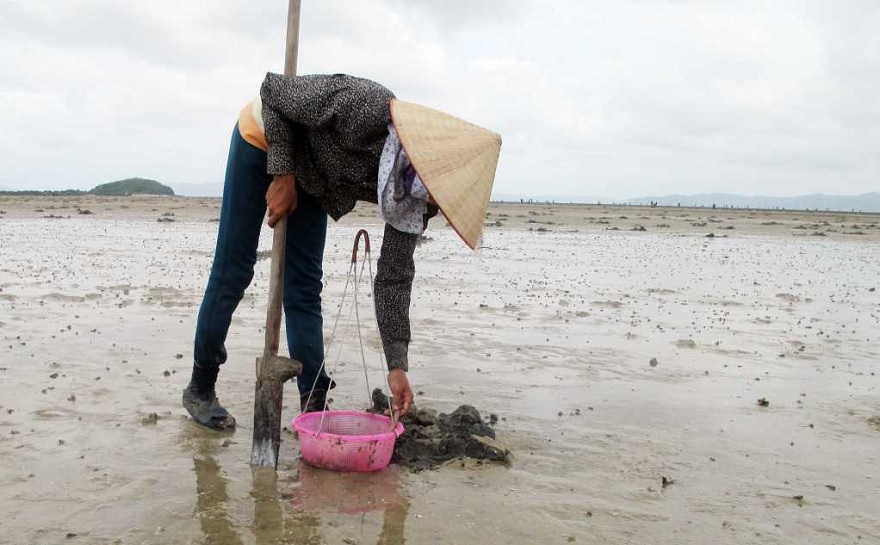
Women in Van Don often use a specialized tool called a xeng mai spade to dig for Sa Sung
Digging for Sa Sung is primarily undertaken by women because the work requires physical strength, but even more importantly, patience and meticulousness. Men generally have less patience, so this trade almost exclusively features women. Typically, women digging for Sa Sung in Quan Lan start their day at 4:00 AM, just as the tide recedes, leaving behind trails of Sa Sung after a night of emerging from the sand to feed. The cleaner the sand, the tastier the Sa Sung and the brighter its color. Because Sa Sung lives along the water’s edge formed by rising and falling tides, harvesting depends heavily on tidal movements and weather. The higher the water and the colder the weather, the deeper Sa Sung burrows into the sand. Therefore, to dig for Sa Sung, the weather must be calm and rain-free.
On the sand’s surface, experienced Sa Sung diggers spot “worm flowers”—sand patterns left behind when Sa Sung builds its burrow. Once spotted, the digger presses a hand down to block the worm’s escape route and scoops up the sand to harvest it. Harvesting this “liquid gold” requires quick hands, sharp eyes, and seasoned skill. Usually, during a 3-to-5-hour low tide window, each person can dig up around 2 kilograms.
With its ever-increasing value—priced between 260,000 and 300,000 VND/kg depending on size—harvesting Sa Sung has become the primary income source for many fishing households. On average, women digging for Sa Sung earn between 200,000 and 400,000 VND per day. Because sun-dried and roasted Sa Sung fetches higher prices, families in Quan Lan often dry their catch. After being harvested, the worms are washed clean of sand, blanched in boiling water, and dried over a charcoal stove for only about 2 hours. Once these steps are completed, dried Sa Sung typically sells for 1,200,000 to 1,400,000 VND/kg.
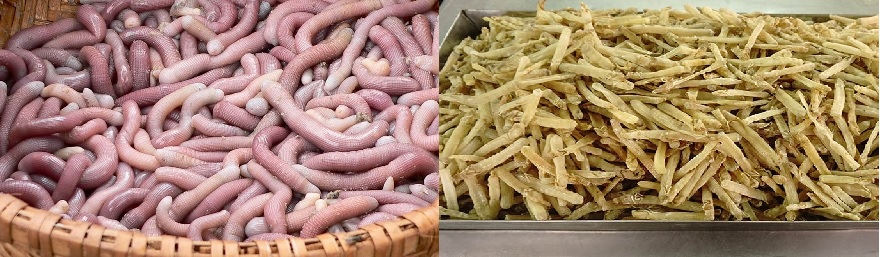
Fresh Sa Sung (left) and dried Sa Sung (right)
However, the current state of Sa Sung harvesting is alarming. Rising consumer demand has led to overexploitation, severely depleting Sa Sung stocks, polluting the marine environment, and disrupting ecological balance. Therefore, to protect Sa Sung resources, Quang Ninh province has enacted a 2-month harvesting ban from June 1 to July 31 annually, giving Sa Sung time to reproduce and replenish.
Where to Buy Quang Ninh Sa Sung?
Now that you understand Quang Ninh Sa Sung, you are surely eager to purchase this specialty. So where can you buy Quang Ninh Sa Sung with guaranteed quality and reputation? Here are a few recommendations for you:
1. Seafood Markets:
Quang Ninh is famous for its fresh seafood markets, where you can find Quang Ninh Sa Sung at reasonable prices. Some renowned seafood markets you can visit include:
- Ha Long 1 Market: Located right in the center of Ha Long city, Ha Long 1 Market is one of the largest seafood markets in Quang Ninh, offering a wide variety of fresh seafood, including Sa Sung.
- Cai Rong Market (Van Don): Cai Rong Market is a major hub for fishing boats, so the Sa Sung here is exceptionally fresh and affordably priced.
- Quan Lan Market: If you have the opportunity to visit Quan Lan Island, don’t forget to stop by Quan Lan Market to buy fresh Sa Sung harvested directly by local residents.
2. Pricing: Quang Ninh Sa Sung prices fluctuate depending on the season, size, and quality.
- Fresh Sa Sung: Usually ranges from 500,000 to 1,000,000 VND/kg.
- Dried Sa Sung: Ranges from 2,000,000 to 4,000,000 VND/kg.
3. Buying Tips:
- Identifying genuine Quang Ninh Sa Sung: Quang Ninh Sa Sung typically has a long body, yellowish-brown color, firm flesh, and a distinctive aroma.
- Selecting high-quality Sa Sung: Choose fresh Sa Sung that is firm, elastic, and free of foul odors. For dried Sa Sung, select large, uniformly colored pieces without any signs of mold or dampness.
- Avoiding counterfeit goods: Currently, there are many fake or low-quality Sa Sung products on the market. Always purchase from reputable vendors with clear brand origins.
Delicious Dishes Made from Sa Sung
Quang Ninh Sa Sung, with its rich ocean flavor and high nutritional value, has become an endless source of inspiration in culinary arts. This seafood is beloved for its signature taste: a natural, deep sweetness blended with the savory salinity of the sea, accompanied by a uniquely crisp, chewy texture. Many diners remark that Quang Ninh Sa Sung is cleaner and sweeter than varieties from other regions.
Not only delicious, Quang Ninh Sa Sung is also a nutrient powerhouse packed with protein to boost health and muscle recovery, 18 essential amino acids, vitamin B12 for nervous system support and blood formation, along with vital minerals like iron, calcium, and zinc. Consequently, Sa Sung offers numerous health benefits: nourishing the body, enhancing vitality, aiding digestion, and supporting recovery from physical weakness or anemia. Let’s explore the three most popular ways to prepare Sa Sung, each offering its own distinct character that captivates diners.
1. Stir-Fried Sa Sung: Crisp, Sweet, and Savory
Imagine freshly caught Sa Sung from the waters of Quang Ninh stir-fried with crisp green celery, fragrant leeks, and a touch of aromatic shiitake mushrooms. This dish appeals not only with its vibrant colors but also wins over palates through the harmonious blend of Sa Sung’s natural sweetness, the refreshing crunch of vegetables, and a gentle kick of spices. Each crunchy, flavor-infused piece of Sa Sung pairs seamlessly with the sweet vegetables, creating an unforgettable symphony of taste. Stir-fried Sa Sung is an ideal dish to enjoy with steamed rice, perfect for the whole family.
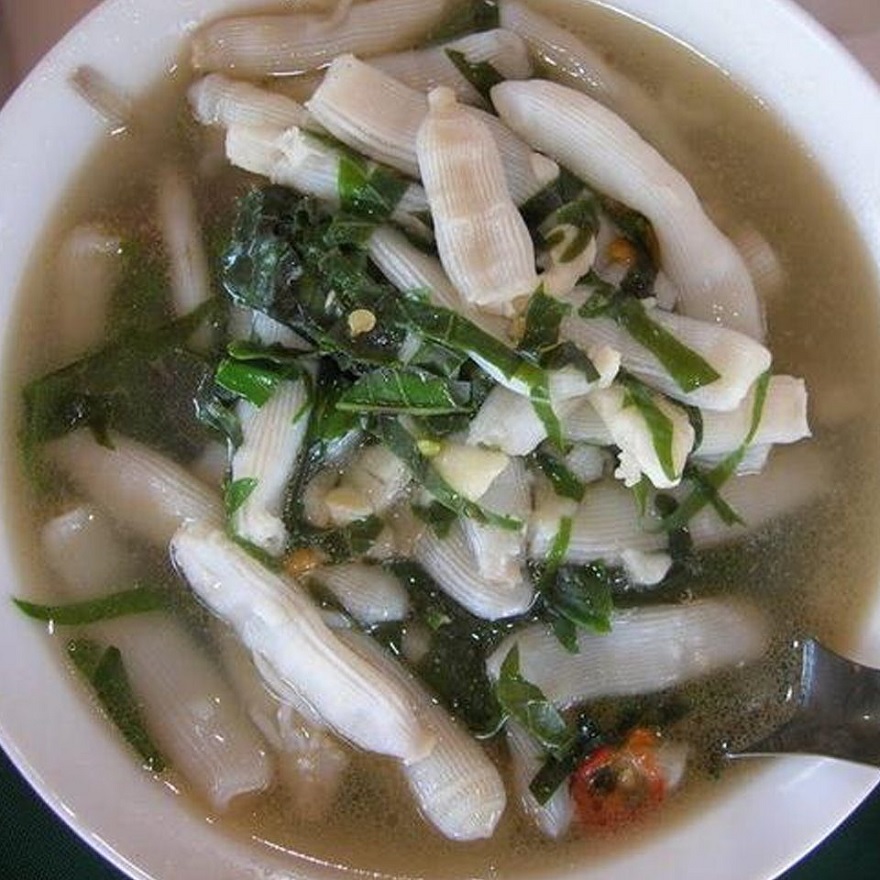
Stir-Fried Sa Sung
2. Roasted Sa Sung: The “Golden” Beer Snack
Dried Sa Sung, once roasted to a golden crisp, releases an irresistible, mouthwatering aroma. The savory essence of the sea mingles with a subtle heat from chili and the warm fragrance of pepper, creating a rich, addictive flavor. Each crispy, savory piece of roasted Sa Sung paired with an ice-cold beer is simply unbeatable. This is an all-time favorite snack for gatherings with friends and weekend celebrations.
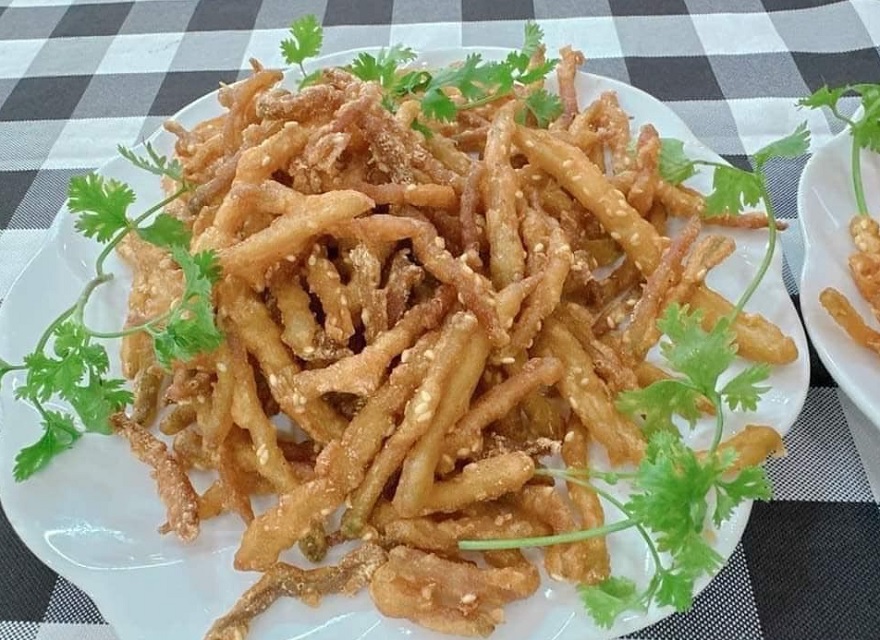
Roasted Sa Sung
3. Grilled Sa Sung
Fresh Sa Sung, skewered onto bamboo sticks and grilled over glowing charcoal, emits a captivating fragrance that awakens all the senses. As it cooks, the Sa Sung meat firms up, melding its rich sweetness with the briny taste of the sea and a zesty kick of green chili salt for an authentic, irresistible flavor. Biting into a piece of grilled Sa Sung reveals a sweet, nutty, chewy texture infused with smoky charcoal notes that linger pleasantly on the palate. This dish is typically enjoyed piping hot right off the grill, making it ideal for beach picnics and seaside camping trips.
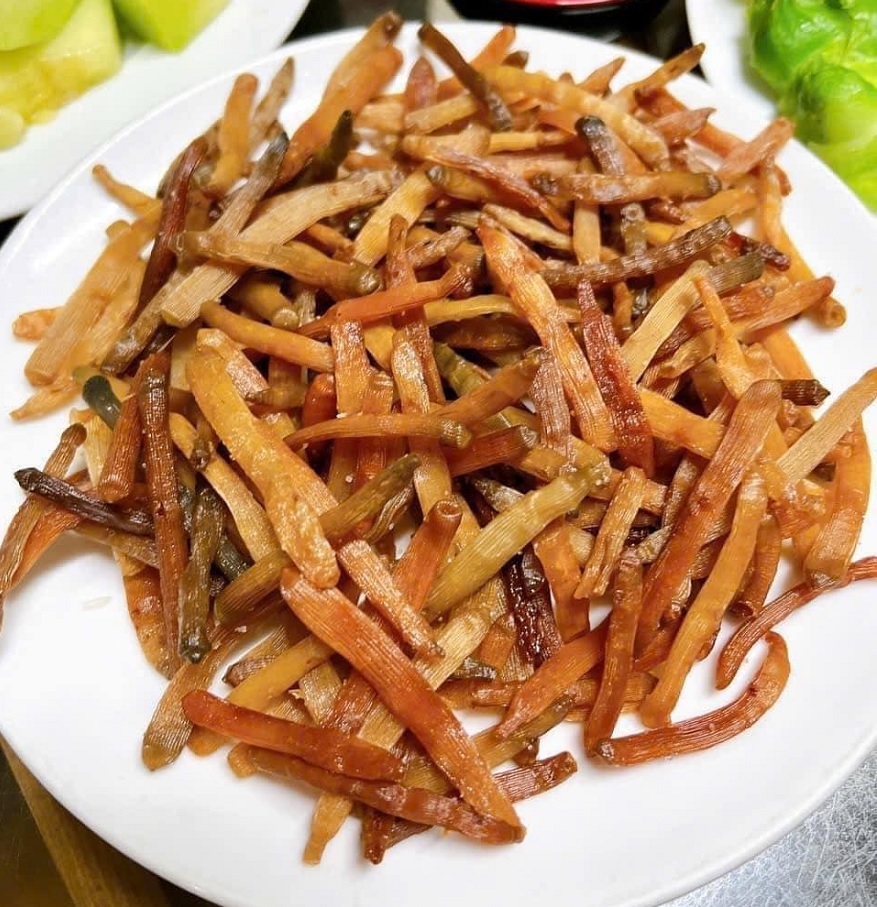
Grilled Sa Sung
Through these three signature preparations, Quang Ninh Sa Sung has firmly established its status as “soft gold” in the hearts of food lovers. Every dish offers an unforgettable culinary experience, enriching the vibrant tapestry of Vietnamese cuisine.