Located at coordinates 15°59′ North latitude and 108°15′ East longitude, the Marble Mountains (Ngu Hanh Son) scenic complex is not merely a geographical landmark on Da Nang’s tourism map, but a unique geological entity where sedimentary marble blocks aged millions of years proudly rise amidst the white sandy beaches of the central coast. Comprising five mountains—Kim (Metal), Moc (Wood), Thuy (Water), Hoa (Fire, divided into Duong Hoa and Am Hoa), and Tho (Earth)—this complex is likened to a natural “symphony,” a convergence of the vital energies of heaven and earth. From a feng shui perspective, Ngu Hanh Son possesses a “Dragon crouching, tiger sitting” terrain, with its back firmly leaning against the majestic Truong Son mountain range and facing the vast East Sea, creating a prime strategic and spiritual position where the vital breath of the great wilderness merges with the salty breath of the ocean.
In folk consciousness, Ngu Hanh Son is also called Non Nuoc Mountain, or by its scholarly name Ngu Uan Son—a moniker invoking the mysticism of Eastern philosophy. The history of this land is a continuous flow beginning with the traces of ancient Champa inhabitants from the 7th to the 14th centuries. The caves at Thuy Son, housing sandstone statues of Shiva, Yoni, and Linga, stand as definitive proof of a prosperous Hindu era where Cham artisans breathed life into stone, transforming lifeless cliff faces into sacred worship spaces. The cultural transition from Champa to Dai Viet created a multi-layered cultural sediment, where indigenous beliefs harmonized with Buddhism, shaping the unique spiritual visage of the Quang Nam – Da Nang region.
The most important historical turning point of the scenic spot was Emperor Minh Mang’s royal visit in 1837. This erudite emperor personally bestowed names upon the five mountains and caves such as Huyen Khong, Van Thong, and Linh Nham, establishing Ngu Hanh Son’s status not only as a natural landscape but also as a cultural symbol under imperial patronage. Royal poems carved directly onto rock faces, alongside a system of over 60 Sino-Vietnamese steles dating from the 17th to the early 20th centuries, have turned this site into a living “outdoor museum,” preserving the ideological values, calligraphic art, and diplomatic history of our ancestors. The architecture of Tam Thai Pagoda, with its intricate “Guo” (国) layout hidden amidst the serene environment of the rocky mountain, demonstrates the harmonious combination of court architecture and natural scenery, affirming its stature as a national cultural heritage.
Today, having been classified as a Special National Monument by the Prime Minister in 2018, Ngu Hanh Son has affirmed its global value. Not only a precious geological heritage featuring magnificent caves, it is also a historical witness to the heroic resistance years at the K20 base and the cradle of the renowned Non Nuoc stone carving art village. Every slab of stone and every mossy step at Ngu Hanh Son tells a story of endurance, the aspiration to conquer nature, and deep reverence for ancestors, creating a sustainable heritage value that endures alongside time in the heart of the dynamic city of Da Nang.
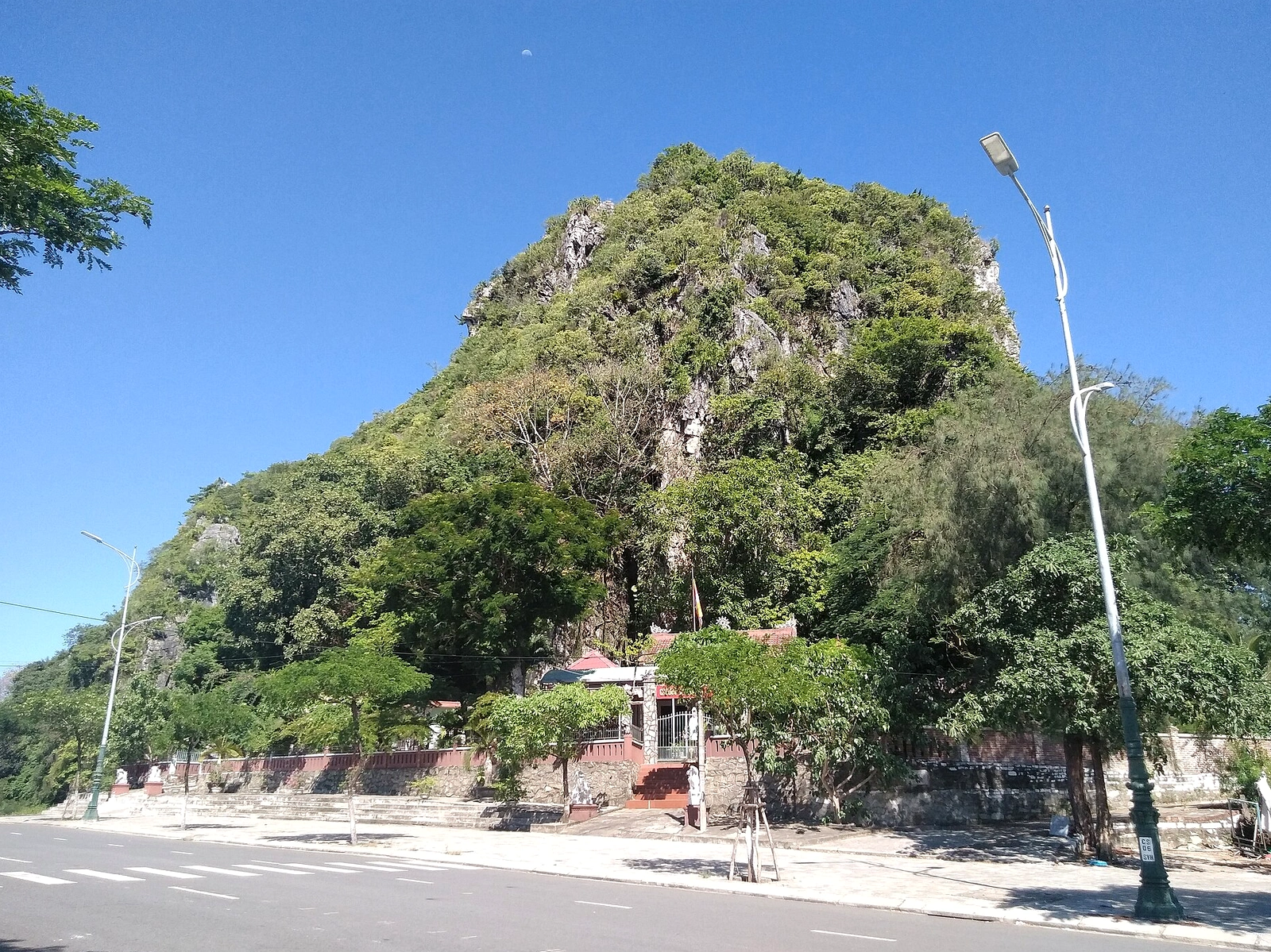
Ngu Hanh Son is not merely a scenic spot, but an exquisite symphony between nature and human craftsmanship. Stepping into this complex, visitors feel as though they are wandering into an enchanting marble labyrinth, where each mountain possesses its own shape and distinct soul. Thuy Son—the largest and most beautiful mountain—serves as the heart of the complex, bringing together masterpieces of Buddhist architecture harmonized with mystical caves. Moss-covered stone steps guide visitors through cool cavern vaults, where sunlight filters through rock crevices, creating shimmering, magical bands of light across serene Buddha statues. The architecture of Tam Thai Pagoda, featuring the “Guo” layout, testifies to the refinement of Nguyen dynasty imperial architectural art, with time-stained yin-yang tiled roofs and upturned eaves soaring against the deep blue sky, creating a beauty that is both majestic and otherworldly.
The highlight granting Ngu Hanh Son its grandeur is the combination of distinctive geology and stone sculpting art. Natural marble walls with multicolored stone veins, weathered over millions of years, have transformed into living reliefs. In particular, cave systems such as Huyen Khong and Van Thong serve not only as places of worship but also as natural architectural masterpieces. Stalactites draping down like silk ribbons, combined with ancient Sino-Vietnamese steles carved directly into cliff faces, create a dense cultural space where history and spirituality coexist in a single breath. Looking out from the summit of Thuy Son, the entire panorama of Non Nuoc Beach unfolds like a white silk ribbon draped across the deep blue ocean, creating a picturesque landscape rarely found elsewhere.
To capture “million-view” moments at this scenic site, professional photographers typically prioritize two classic shooting angles. First is the view from Vong Giang Dai at dawn. When the first rays of the new day pierce through rock crevices, illuminating the winding Co Co River at the foot of the mountain, the entire space appears gilded, creating a majestic and poetic scene. This is the moment when light is softest, highlighting natural marble veins and the ancient beauty of the pagodas. Second is the shooting angle at the entrance of Huyen Khong Cave at midday or early afternoon. When sunlight streams directly from the cave ceiling down into magical columns of light, illuminating Buddha statues and ancient steles, it produces a striking visual effect imbued with spiritual and mystical colors.
If you appreciate tranquility and wish to capture the beauty of sunset, head to the western area of Hoa Son. As the sun gradually dips behind the Truong Son range, the fiery red light of dusk paints the marble cliffs with a subdued, contemplative hue, creating a quiet and profound space. The combination of the “Dragon crouching, tiger sitting” terrain and sunset lighting produces a deeply dimensional frame, where every photo is not merely a travel snapshot, but a tale of the intersection between heaven, earth, and history. Ngu Hanh Son, with its magnificent beauty and cultural depth, is truly an unmissable destination for anyone seeking a connection between soul and nature.
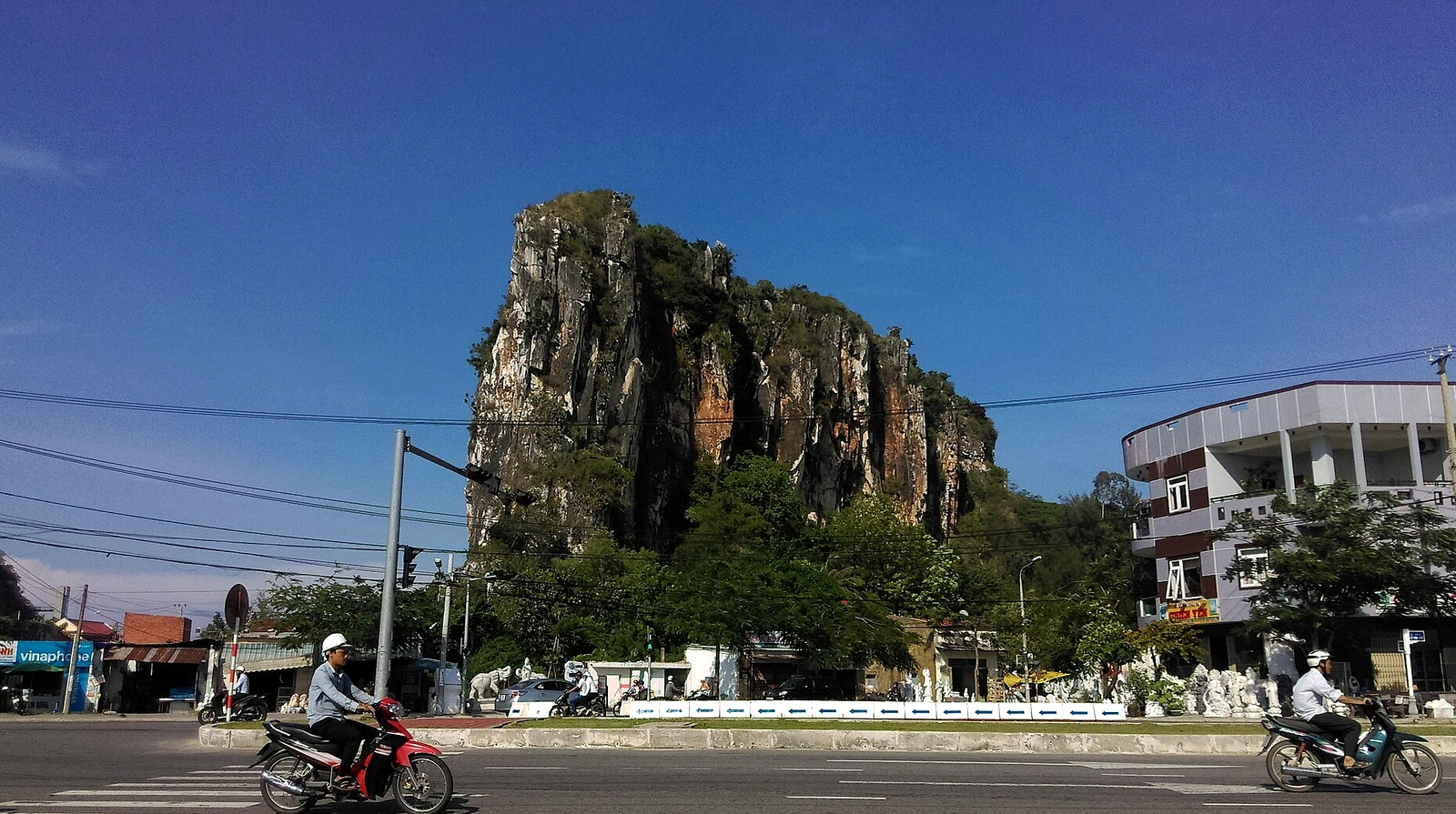
Setting foot in Ngu Hanh Son, visitors embark not merely on a standard sightseeing tour, but an immersion into a space where myth and reality intersect. The experience begins by conquering mossy stone steps leading up to Thuy Son—the finest and largest mountain in the complex. Beneath the canopy of ancient trees, the breath of the great wilderness merges with the salty breeze of the East Sea to create a pure, tranquil atmosphere. Climbing to the summit of Vong Giang Dai, visitors’ sight expands to the horizon, where the Co Co River winds like a soft silk ribbon across lush green fields, with Non Nuoc white-sand beach stretching out in the distance. The breathtaking grandeur of nature, where heaven and earth converge, makes all the anxieties of urban life dissolve, leaving only inner peace.
Venturing deep into the mountain core, spiritual worship in caves such as Huyen Khong and Van Thong evokes profound emotions. Sunlight piercing through natural rock gaps shines down upon serene Buddha statues, casting magical, shimmering beams resembling a realm between reality and dreams. The ringing bells of Tam Thai Pagoda echoing in the quiet space, blending with the faint scent of incense, transport visitors into a natural meditative state. This serves not only as a place for prayer, but as a space for self-reflection, feeling the steadfast connection between humanity and the spiritual cultural values nurtured across centuries.
Following hours of mountain climbing and cave exploration, experiencing indigenous culture at the Non Nuoc fine art stone carving village at the foot of the mountain is an unmissable highlight. The rhythmic, steady tapping of artisans’ chisels sounds like traditional music, telling the story of the diligence and talent of Quang people. Visitors can touch cool marble blocks with their own hands, witnessing the transformation from raw stone into exquisite works of art. The vibrancy of this craft village lies not only in its products, but also in the gentle smiles and hospitality of people who have dedicated their entire lives to keeping the traditional craft alive.
The exploration of Ngu Hanh Son becomes complete when visitors pause to savor renowned local specialties. Nothing beats enjoying a bowl of Hu Tieu/Mi Quang rich in hometown flavors, featuring golden noodles, sweet and savory broth from shrimp and pork, served with fresh herbs and crispy rice paper. Alternatively, one can simply sip a bowl of lotus seed sweet soup, relishing gentle sweetness amidst the breezy atmosphere of Da Nang’s coastal region. Each dish satisfies not only the palate, but also delivers a distinctive culinary cultural experience encapsulating the genuine warmth of local residents.
As dusk falls, painting the sky pink above the summit of Ngu Hanh, visitors experience an indescribable sense of sedimentation. Ngu Hanh Son is not just a scenic spot, but a living entity where past and present interweave, and nature and humanity harmonize. Every step and every breath left here leaves indelible marks, causing anyone who has visited to carry a piece of Non Nuoc Mountain back home, longing for the day they can return to seek tranquility in the heart of heritage.
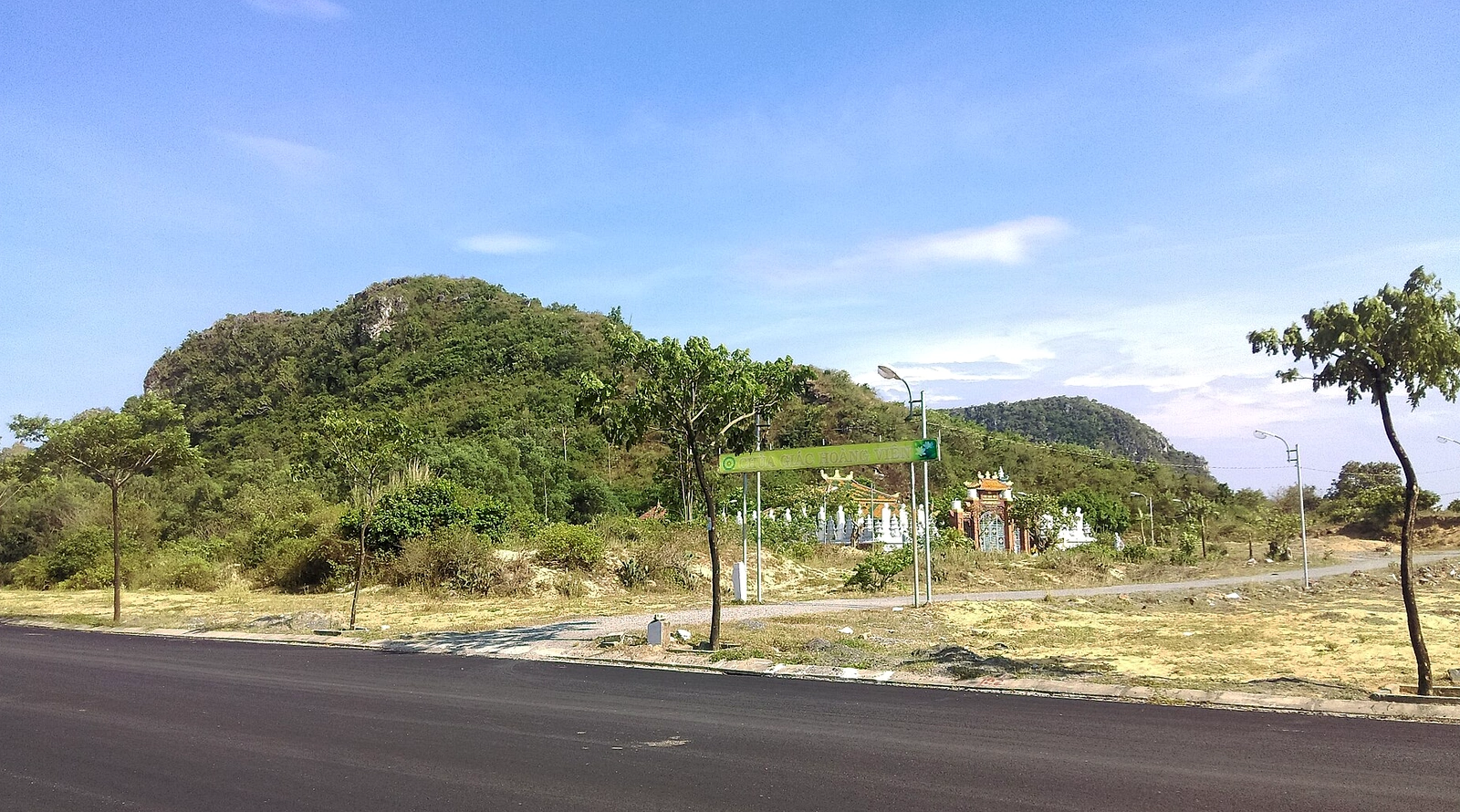
To ensure your journey exploring the Marble Mountains scenic complex is seamless and meaningful, visitors need to grasp practical information regarding organization and key considerations. The scenic site opens to visitors every day of the week, including holidays and Tet. Operating hours typically run from early morning until late afternoon, providing favorable conditions for visitors to freely arrange their sightseeing or worship itineraries. Understanding these hours helps you proactively avoid harsh heat or peak crowds, especially when wishing to enjoy quiet moments at ancient pagodas.
Regarding admission costs, the monument management board applies publicly listed ticket prices at entrance gates. Currently, sightseeing fees are divided into two main zones: the Thuy Son mountain area and the Am Phu Cave area. For visitors wishing to travel quickly up the mountain summit, an outdoor elevator system is readily available with a separate service fee. Children, seniors, or policy beneficiaries generally enjoy preferential policies or discounts in accordance with current city regulations. Visitors should prepare cash or electronic payment methods at the counter to make ticket purchases quick and convenient.
Regarding transportation, from Da Nang city center, visitors can easily access Ngu Hanh Son via the Vo Nguyen Giap – Truong Sa coastal axis or Le Van Hien road. Travel time takes only about 15 to 20 minutes by car, motorbike, or public bus. For those who enjoy sightseeing experiences, motorbikes are the optimal choice to flexibly stop by the Non Nuoc fine art stone carving village located right at the foot of the mountain. This provides a wonderful opportunity to learn about traditional stone sculpting art before starting the mountain climb.
Due to its distinctive nature as a spiritual monument combined with natural rocky terrain, visitors should pay special attention to attire. Modest, polite clothing is a mandatory requirement when entering worship spaces such as Tam Thai Pagoda or Linh Ung Pagoda. Additionally, the terrain at Ngu Hanh Son features numerous stone steps, high-humidity caves, and slippery surfaces, making a pair of sports shoes with good grip an indispensable item. You should also bring drinking water, hats, and sunscreen to protect your health while moving between mountains.
The ideal time to visit Ngu Hanh Son is during the dry months, when weather is dry and favorable for climbing and exploring caves without worrying about slipping hazards. If you prefer tranquility, prioritize visiting early in the mornings or on weekdays to avoid tourist overcrowding. Thorough preparation regarding attire, transportation, and timing allows you to fully experience the mystical and sacred beauty of this “giant rockery” in the heart of Da Nang, while showing respect for longstanding cultural heritage values.
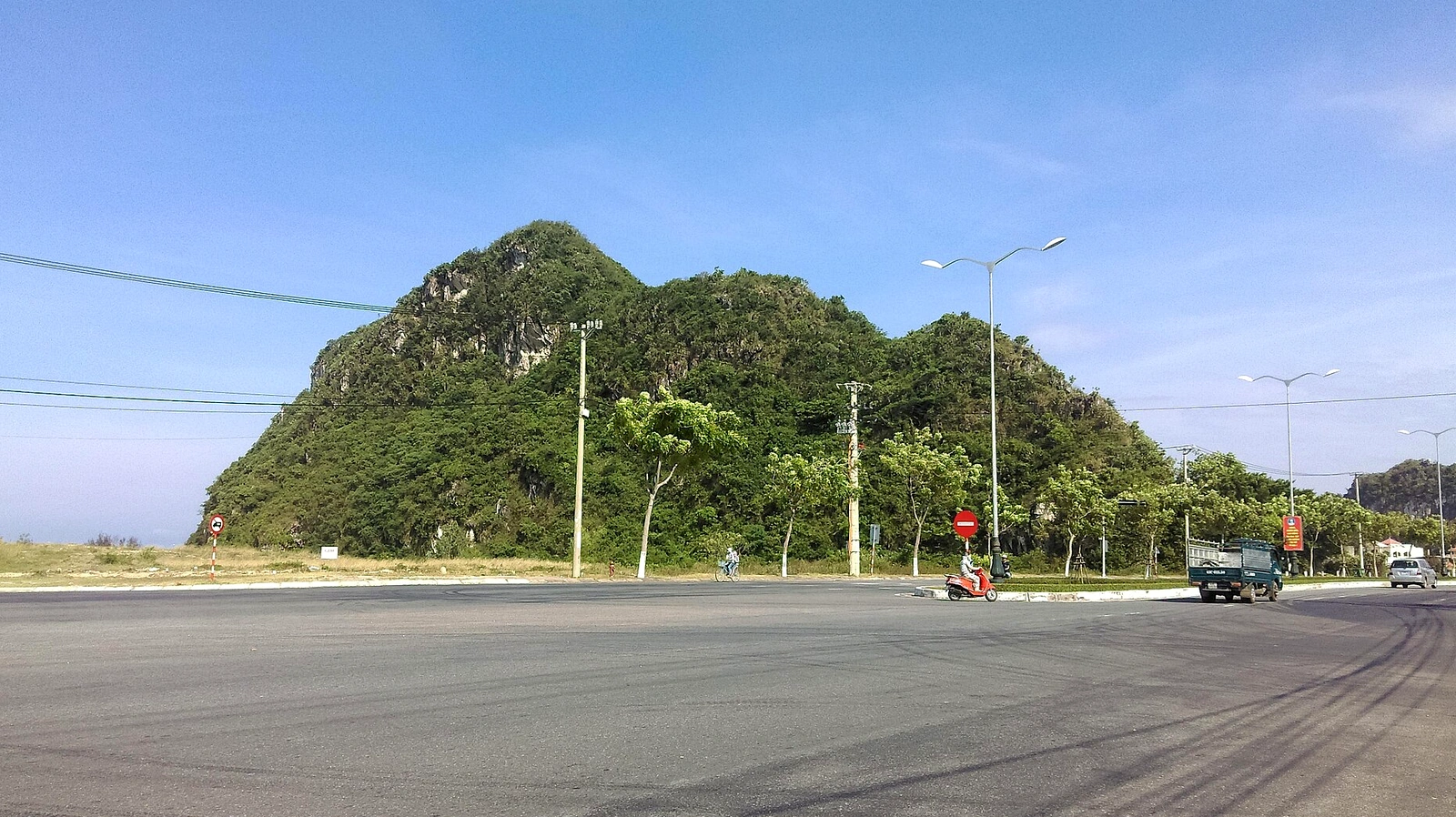
To enjoy a complete vacation and fully admire the beauty of Ngu Hanh Son without worrying about arranging transportation, booking admission tickets, or planning itineraries, travelers can choose premium all-inclusive Da Nang tour packages from VDS Travel. Each tour is optimized to schedule check-ins during the most vibrant scenery, accompanied by a team of guides deeply knowledgeable about local culture and top-tier hotel and dining service standards.