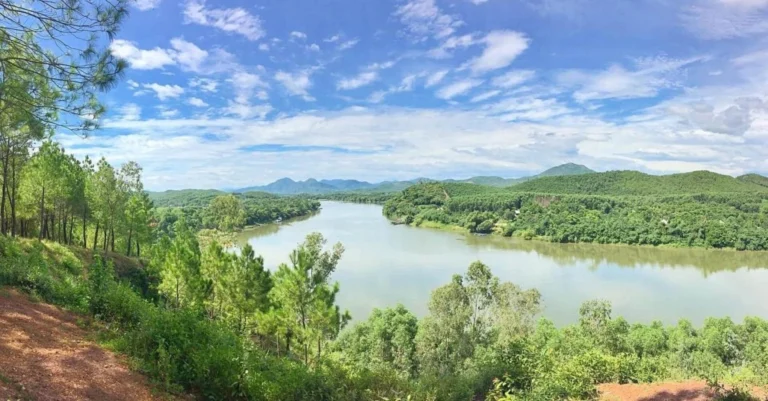
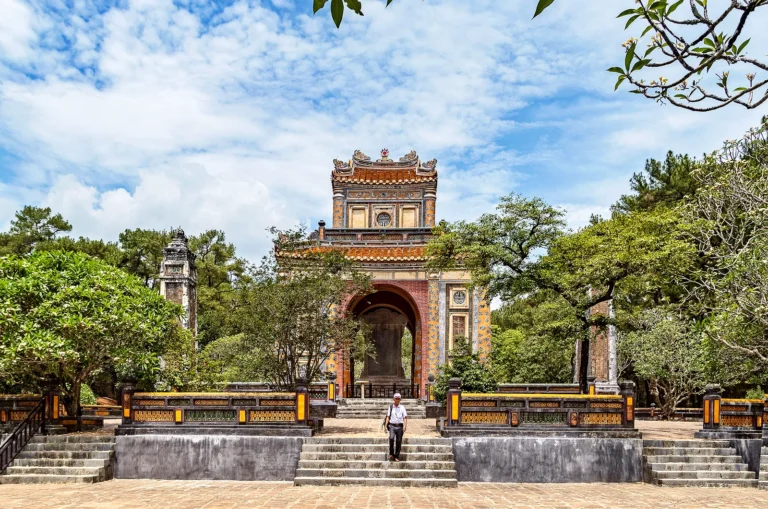
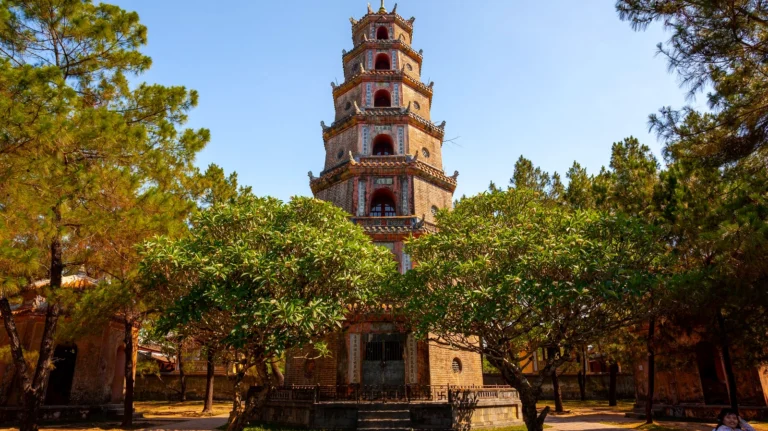
Tucked away amidst rustling pine hills in the Thuy Xuan area, southwest of the Hue Imperial Citadel, Tu Hieu Pagoda is not merely a tranquil Buddhist sanctuary, but also a deeply humane link between royal history and the spiritual lives of the Nguyen Dynasty eunuchs. Blessed by nature with a prime “backing onto mountains, facing the water” location, this ancient pagoda rests against the majestic Duong Xuan mountain range while overlooking lush plains and the gently flowing Perfume River. In Eastern feng shui philosophy, this terrain embodies the “Crouching Tiger, Coiling Dragon” formation—a convergence of cosmic energy that creates a serene space completely detached from the noise and dust of urban life, making it ideal for spiritual cultivation and meditation.
The historical origin of Tu Hieu Pagoda is tied to a moving story of filial piety—a core value in Vietnamese culture. In 1843, during the 3rd year of Emperor Thieu Tri’s reign, Most Venerable Nhat Dinh, a virtuous high-ranking monk, chose this area to build a small thatched hermitage where he could care for his aging mother day and night. The founding master’s filial devotion became a profound source of inspiration that resonated deeply with his contemporaries. By 1848, thanks to generous donations from royal eunuchs led by Mr. Chau Dinh Ta, the humble hermitage was expanded and renovated into a grand pagoda named “Tu Hieu.” This name carries profound meaning, combining “Tu” (compassion in Buddhism) and “Hieu” (filial piety toward one’s parents), affirming the humanistic philosophy the pagoda seeks to convey.
The eunuchs’ financial contribution to building the pagoda was a remarkable social phenomenon, reflecting their virtuous aspirations and desire to secure a final resting place for those who had no descendants to carry on their lineage. Consequently, Tu Hieu Pagoda stands not only as an architectural heritage site, but also as a living archive of the lives and spirituality of the eunuch class within the Hue royal court—a chapter of history often overlooked. The pagoda’s system of stone steles still preserves inscriptions recording their merits, serving as priceless primary sources for cultural historians.
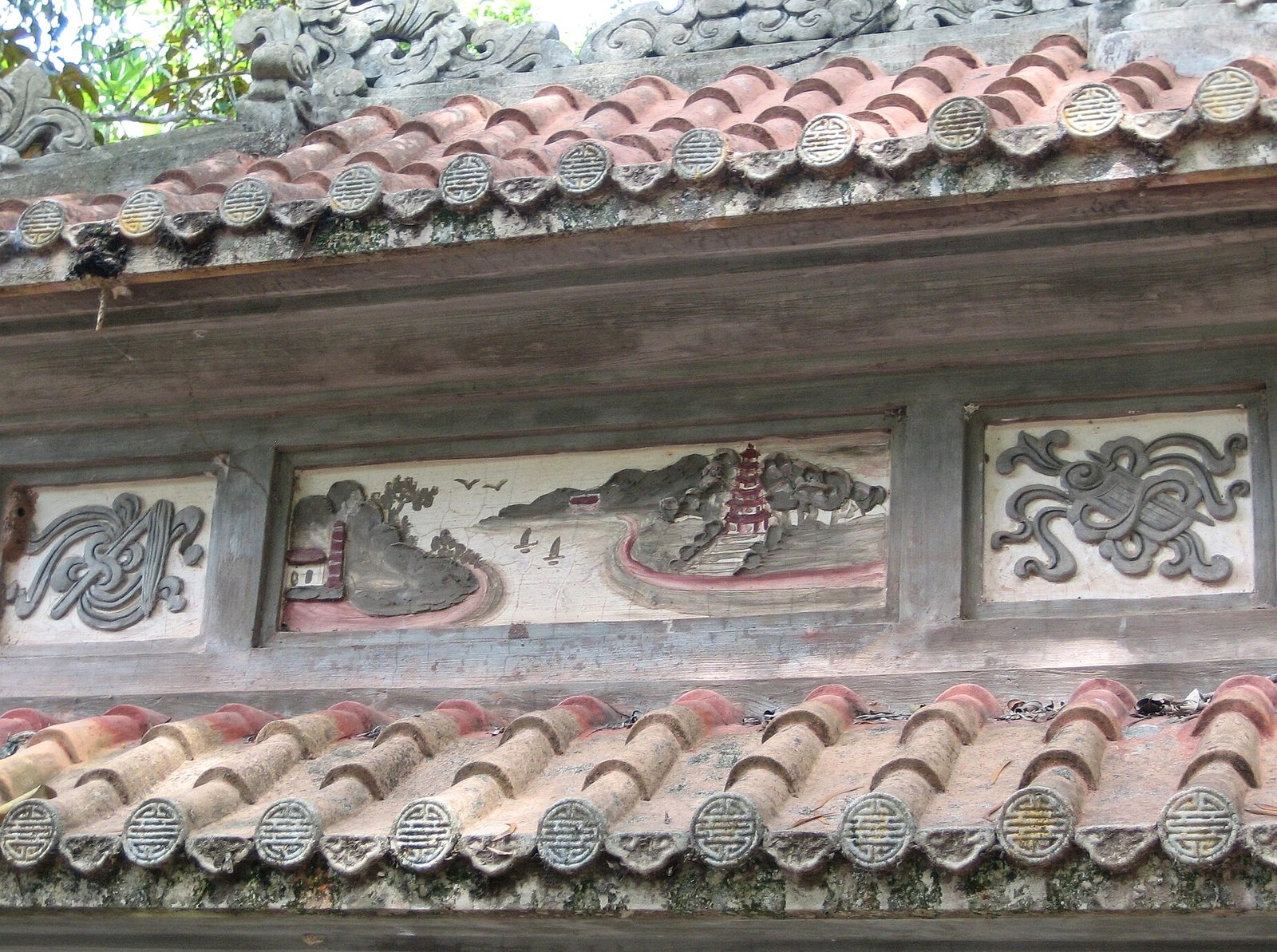
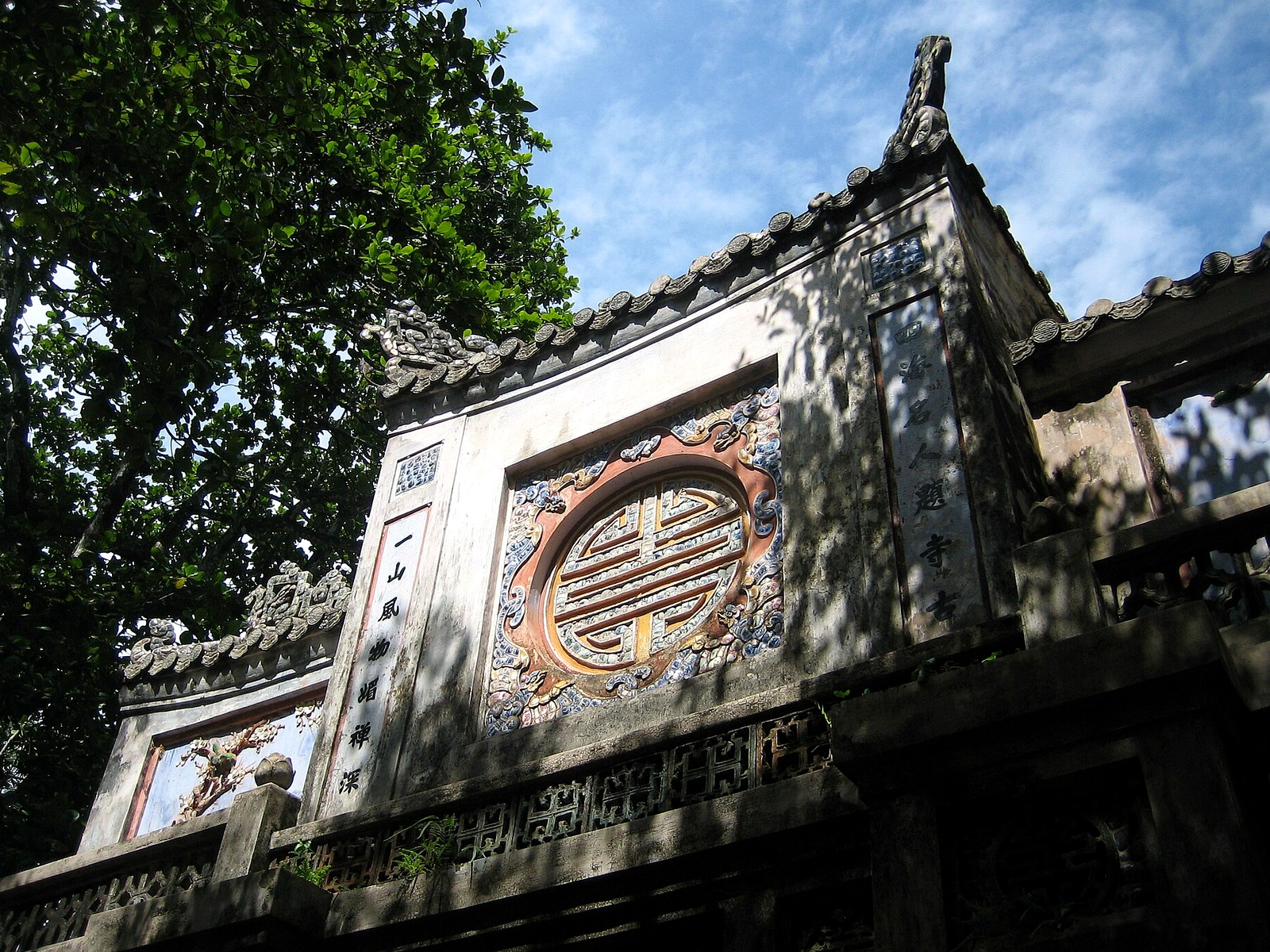
Architecturally, Tu Hieu Pagoda harmoniously blends stately imperial style with approachable folk aesthetics. Built in the distinctive “Khau” (口) square courtyard layout, the pagoda features durable ironwood, sturdy pillar-and-beam framing, and time-weathered flat-tile roofs. Every horizontal lacquered board and parallel sentence inside the main hall reflects Zen Buddhist philosophy, emphasizing inner cultivation and filial devotion. The harmony between the natural landscape and human craftsmanship creates an unmatched local aesthetic, where every pine tree and stone slab seems to tell a story from the golden age of Nguyen Dynasty Buddhism. Recognized as a National Historical and Cultural Relic for its outstanding historical, cultural, and architectural value, Tu Hieu Pagoda is an unmissable stop on any journey exploring Hue’s cultural heritage, offering visitors inner peace at the heart of history.
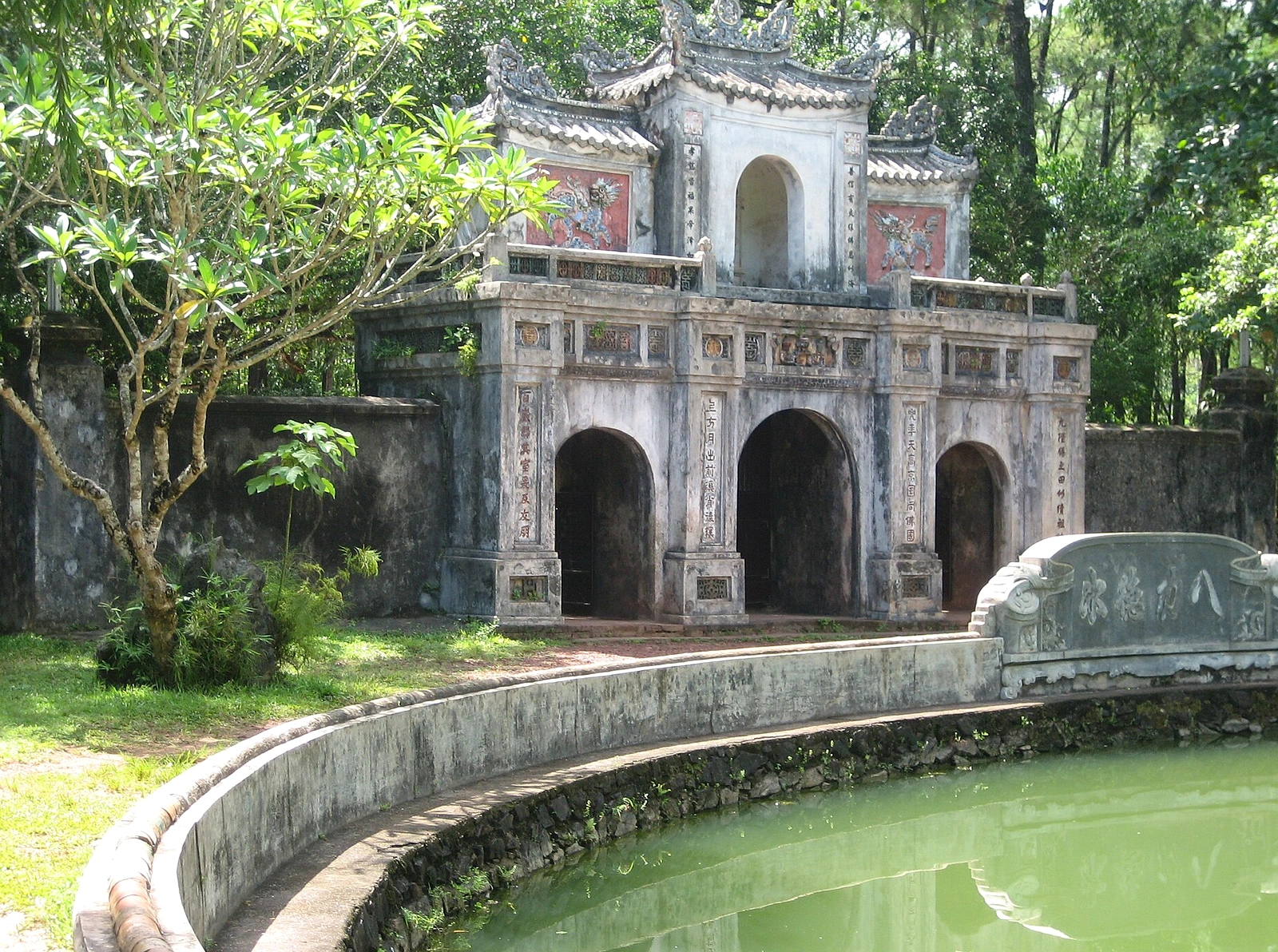
Stepping through the moss-covered triple-arched gate, visitors feel as though they have entered a world completely separated from the bustle of city streets, where time seems to stand still beneath ancient pine canopies whispering in the breeze. Tu Hieu Pagoda is more than a religious structure; it is an architectural masterpiece seamlessly woven into Hue’s natural landscape. The entire complex follows the signature “Khau” (口) layout, with symmetrically arranged halls creating absolute visual balance. Glossy black ironwood pillars, sturdy as if defying time, support moss-draped flat-tile roofs, lending the pagoda a contemplative, antique charm rarely found elsewhere.
Its most impressive architectural highlight lies in the subtle fusion of imperial artistry and rustic folk design. Carvings on the rafters, horizontal boards, and parallel couplets avoid ostentation, focusing instead on refinement and grace that reflect introspective Zen thought. Notably, the pagoda grounds are framed by crystal-clear crescent-shaped ponds where lotuses bloom in summer, mirroring the weathered brick walls. The stillness of the water, paired with the resonant tolling of the temple bell echoing across the Duong Xuan hills, creates a symphony of serenity that cleanses the spirit of anyone who visits.
For photography enthusiasts and beauty seekers, Tu Hieu Pagoda is a treasure trove of artistic frames. The first must-shoot spot is the pathway leading to the triple-arched gate. At dawn, when the first sunbeams filter through pine needles to cast ethereal light patterns across the brick path, you can capture the pagoda at its most peaceful and sacred. The soft morning light accentuates the vibrant green moss and rich wooden tones, creating a scene steeped in classic atmosphere.
A second favorite photo spot among photographers is the crescent pond in front of the main hall. The ideal time here is sunset: as the sun dips behind the Duong Xuan hills, golden-orange light spills across the water, reflecting the ancient pagoda. The contrast between the crimson sunset and the deep green pine forest produces a truly magnificent vista. With a well-chosen low camera angle, you can capture the full reflection of the curved tiled roofs on the water’s surface, creating a mesmerizing, “million-view” visual effect.
Finally, don’t miss the stele pavilions and narrow pathways winding behind the pagoda. Here, weathered stone walls and ancient trees stretching gnarled branches form a deeply evocative backdrop. Under the warm golden glow of late afternoon, every corner of Tu Hieu transforms into a living work of art. Tu Hieu Pagoda is not only a place of worship, but also a sanctuary where visitors reconnect with nature and bridge past and present. Every architectural line and blade of grass tells its own quiet story, waiting for kindred spirits to listen and preserve through heartfelt photographs.
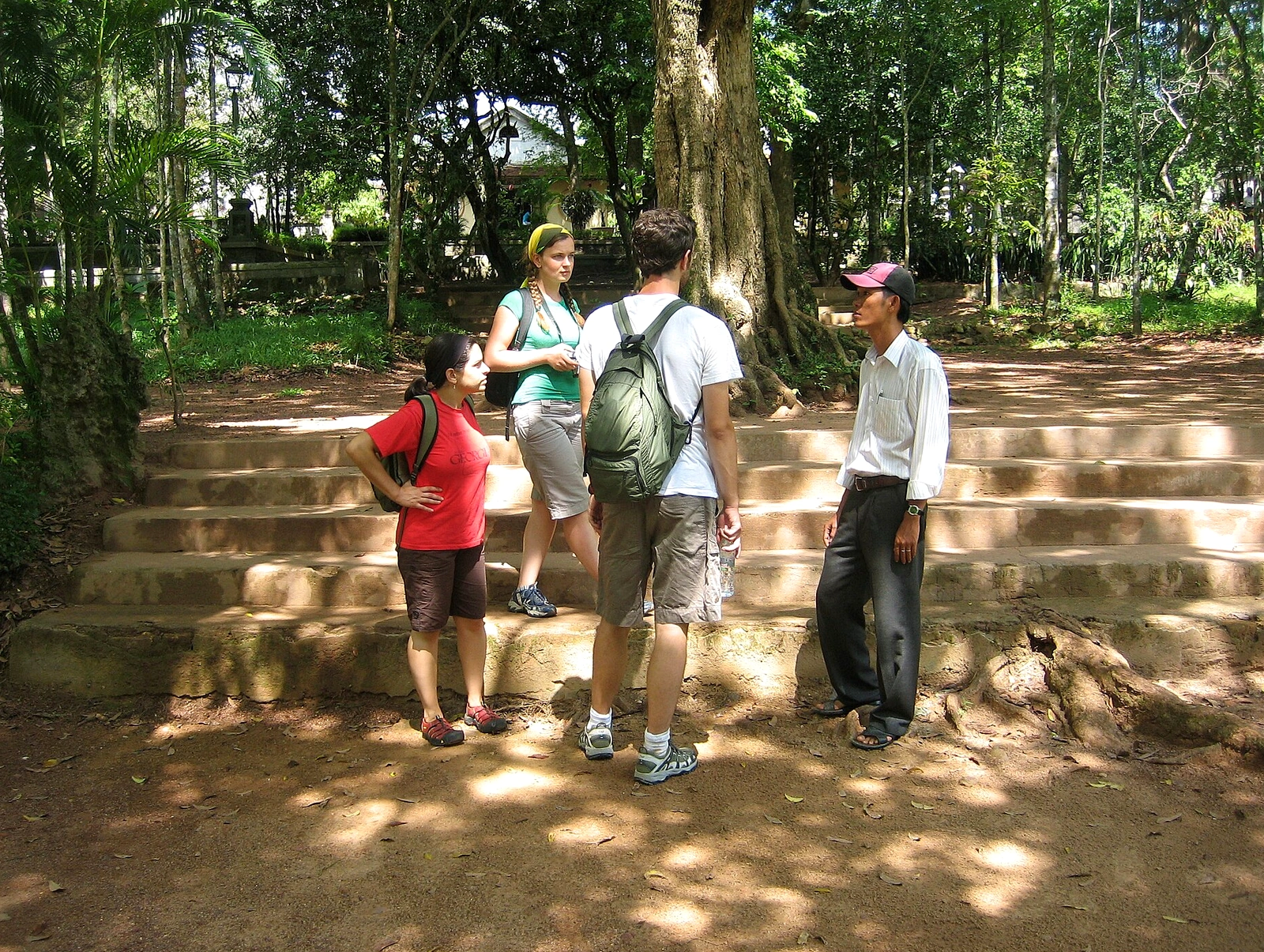
A journey to Tu Hieu Pagoda is far more than standard sightseeing; it is a retreat into stillness where the pace of modern life fades away the moment you step onto the pine-shaded road. To reach this ancient temple, travelers typically wind through the lush pine hills of Thuy Xuan, where the air carries the crisp scent of pine resin and faint wisps of incense. Walking up the gentle slope while listening to birdsong mingle with wind rustling through the canopy creates an enchanting natural symphony. For those wanting to experience the full splendor of the former imperial capital, combining a boat ride along the Perfume River—admiring the Citadel from afar before heading upstream toward the southwestern hills—makes for an unforgettable excursion. Gazing from the water toward the rolling hills, Tu Hieu Pagoda appears like a quiet musical rest tucked amidst deep forest greenery, inspiring awe at the harmony between human devotion and nature’s grace.
Once you pass through the triple-arched gate, urban clamor vanishes entirely, giving way to a pure spiritual atmosphere. Paying respects here stirs deep emotion. Visitors can stroll unhurriedly around the crescent pond, where blooming lotuses release a delicate fragrance, or quietly observe resident monks during afternoon chanting sessions. The tranquil surroundings, paired with timeworn architecture, bring an instant sense of lightness, washing away daily worries. Looking out from the pagoda courtyard, the Hue plains unfold like an ink-wash painting, with the Perfume River winding like a soft silk ribbon around the moss-covered roofs of the Citadel. As dusk falls and golden sunlight bathes the aged brick walls, visitors experience a rare, profound stillness that lingers long after leaving.
Beyond spiritual enrichment, the surrounding Thuy Xuan neighborhood is also a haven for food lovers. After stepping out of the pagoda’s serene grounds, visitors shouldn’t miss sampling Hue’s celebrated local specialties. Street vendors and cozy roadside eateries serve authentic Hue delicacies such as banh loc (tapioca dumplings), banh nam (flat steamed rice dumplings), and banh beo (steamed rice cakes), elevated by delicate flavors, fiery green chilies, and rich fermented shrimp sauce. In particular, a bowl of com hen (clam rice) or bun hen (clam noodles) made with fresh clams from the Perfume River provides the perfect finale to a day of exploration. Sharing a meal while chatting with warm-hearted locals offers deeper insight into Hue’s living culture and the bond between its people and the land.
With its rich history, feng shui harmony, and deeply moving atmosphere, Tu Hieu Pagoda has become an irreplaceable landmark on Vietnam’s cultural tourism map. It is a place where every step invites reflection and every breath feels infused with calm. Initial awe at the surrounding natural beauty quickly settles into inner tranquility, ensuring that everyone who visits carries a lasting memory of that peace back into everyday life. More than a historical monument, it serves as a sanctuary for the soul—where local heritage and Buddhist philosophy unite to offer a meaningful, enriching experience for all who seek it.
Tu Hieu Pagoda is not only a National Historical Relic, but also a peaceful haven where travelers can find inner calm in the heart of Hue. To make your visit to this ancient temple smooth and meaningful, keep the following practical details in mind.
Regarding opening hours, Tu Hieu Pagoda welcomes visitors daily from early morning until late afternoon, specifically from 7:00 AM to 5:00 PM. These hours allow plenty of time to stroll leisurely through the grounds, admire the antique architecture, and listen to temple bells echoing through the quiet pine forest. Notably, Tu Hieu Pagoda currently charges no admission fee for tourists or Buddhist pilgrims. However, if you wish to contribute, voluntary donations can be placed in the merit boxes inside the main hall to support ongoing maintenance and heritage preservation.
As for transportation and directions, the pagoda is located in Thuy Xuan Ward, roughly 5 km southwest of Hue city center. The most convenient route follows Le Ngo Cat Street, turning onto Bui Thi Xuan Street, or taking the extended Dien Bien Phu Street. Visitors can easily reach the pagoda by motorbike, private car, or taxi. The road is smooth and scenic, winding past gentle hills and lush pine groves for a poetic approach before arriving at the gate.
Because this is a sacred site and an active monastery for resident monks, visitors should pay special attention to dress code. Please wear modest, respectful attire, avoiding overly short or revealing clothing out of respect for the Buddhist sanctuary. Additionally, since the pagoda sits on hilly terrain with numerous stone steps, flat, comfortable footwear is strongly recommended for safe walking and climbing.
In terms of the best time to visit, Hue is known for its distinct seasonal weather, making January through August generally the driest and most favorable period for outdoor sightseeing. Visiting on the 1st or 15th day of the lunar month also allows you to experience solemn traditional worship ceremonies and gain deeper appreciation for Hue’s spiritual culture. Regardless of the season, however, Tu Hieu Pagoda retains its serene, contemplative beauty—offering an ideal escape from the hustle and bustle of daily life.
Finally, during your visit, please help maintain cleanliness, keep noise to a minimum, and follow all posted signs throughout the grounds. Treating the temple with mindfulness and respect is the most meaningful way to preserve this precious cultural and spiritual heritage for future generations.
To enjoy a seamless getaway and experience the full beauty of Tu Hieu Pagoda without worrying about transportation, attraction tickets, or itinerary planning, travelers can choose VDS Travel’s premium all-inclusive Hue tour packages. Every itinerary is thoughtfully timed to capture the scenery at its most radiant, accompanied by knowledgeable local guides well-versed in Hue’s culture alongside top-tier hotel and dining standards.