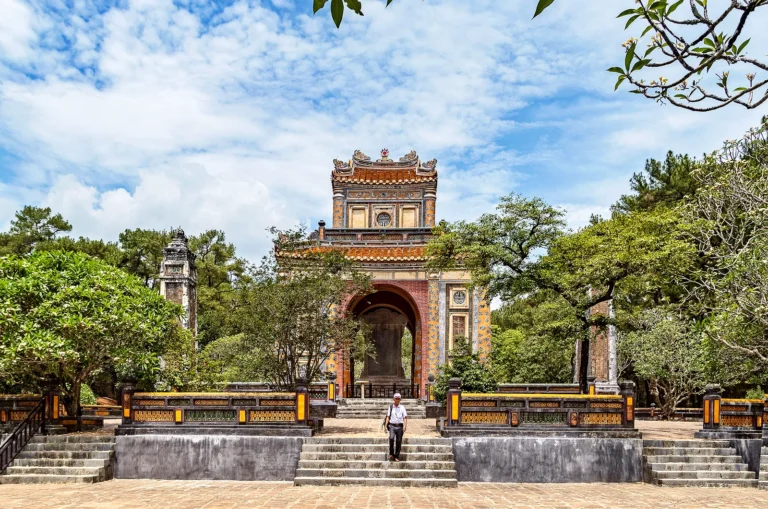
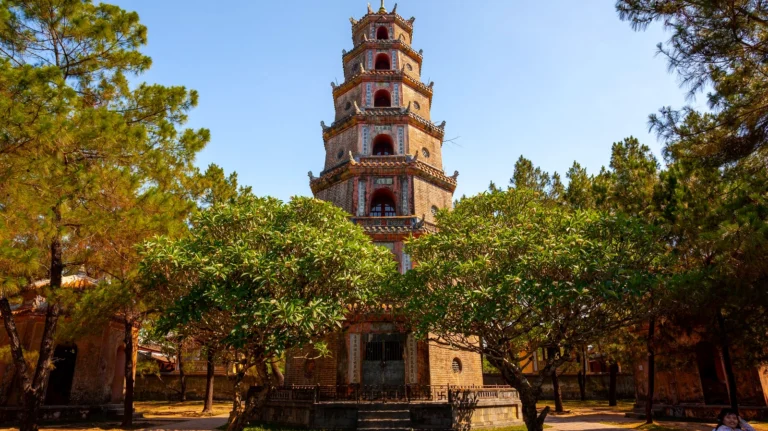
Tam Giang Lagoon, the largest lagoon system in Southeast Asia, is far more than a purely geographical feature—it is a cultural, historical, and spiritual reservoir of Vietnam’s ancient imperial capital. Stretching across coordinates 16°33′ to 16°45′ North latitude and 107°25′ to 107°45′ East longitude, this vast waterway winds like a giant ribbon across four districts: Phong Dien, Quang Dien, Phu Vang, and Phu Loc. It serves as a natural rampart shielding the Imperial City of Hue from the fury of the East Sea. From the feng shui perspective of the Nguyen Dynasty, Tam Giang was designated as a vital “water gate”—the confluence of three major rivers: the O Lau, the Bo, and the Huong (Perfume) River. The mingling of freshwater from upstream with saltwater from the open ocean forged a landscape formation known in classical geomancy as “crouching dragon, lying tiger,” where the sacred energy of mountains and rivers converges. This transformed the region into a strategic buffer zone that safeguarded the peace and majesty of the imperial capital throughout history.
Stepping back in time, the historical roots of Tam Giang are deeply intertwined with the southward expansion of Vietnam’s pioneers. Prior to the 14th century, this territory was inhabited by Champa communities, leaving behind legends of an early lagoon civilization. It was not until 1306, following the historic marriage between Princess Huyen Tran and King Che Man, that the Chau Hoa region—including this lagoon system—officially became part of Dai Viet. During the Early Le Dynasty, particularly under the reign of Emperor Le Thanh Tong, Tam Giang was recorded in the Complete Annals of Dai Viet as a strategic defense and irrigation zone where settlers poured immense effort into land reclamation and village building. By the Nguyen Dynasty, the treacherous waters of Tam Giang had entered Vietnamese folklore through the haunting folk verse: “Wishing to follow you, my love, yet I fear / The Ho family’s pass and the Tam Giang lagoon.” This verse captures not only the peril of turbulent waters, but also the harshness of nature that forged the resilient, bold character of the lagoon’s residents.
From a geological and heritage standpoint, Tam Giang is a living museum of geomorphological evolution. The formation of an outer barrier sand spit created a sheltered body of water, allowing a rich ecosystem to thrive—from mangrove forests to endemic aquatic species. Heritage conservation agencies and geological researchers recognize Tam Giang as a unique geomorphological landmark preserving cultural layers from the Later Le Dynasty through the modern era. Centuries-old village communal houses such as Thu Le and Ngu My Thanh, alongside a network of whale shrines (lăng thờ cá Ông) dotted along the coastal sandbars, stand as historical witnesses to the enduring bond between humanity and nature. Here, the worship of the Mother Goddesses and Nam Hai (the Whale God) is more than a spiritual ritual; it is a thread connecting generations and a symbol of protection for fishermen braving wind and waves year-round. Thus, Tam Giang is not merely a travel destination, but a living intangible cultural heritage where every ripple tells a story of courage, exploration, and devotion to one’s homeland.
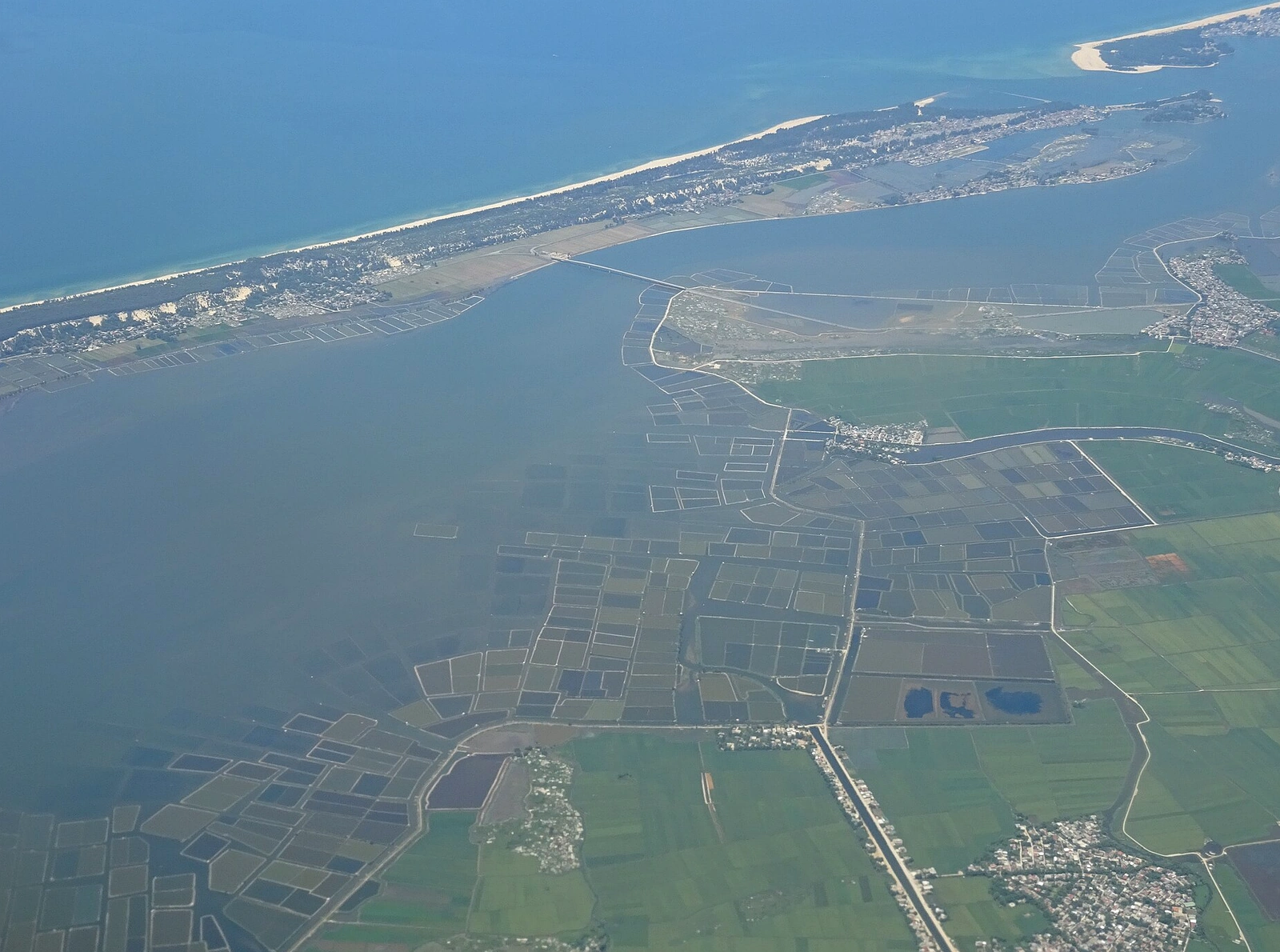
Tam Giang Lagoon is not only a geographical marvel, but also an artistic masterpiece sculpted by nature and human hands over centuries. Upon arriving at Southeast Asia’s largest lagoon, visitors are captivated by the seamless blend of an untamed brackish ecosystem and serene, historic architecture. The landscape possesses a striking duality: at once fierce and majestic like the white-capped waves immortalized in ancient folk songs, yet tranquil and ethereal like a traditional ink-wash painting at twilight. Smooth white sandbars stretch out like a natural barrier separating the open ocean from calm inner waters, creating a rare “water-gathering” terrain where every vantage point opens onto a vast, poetic horizon.
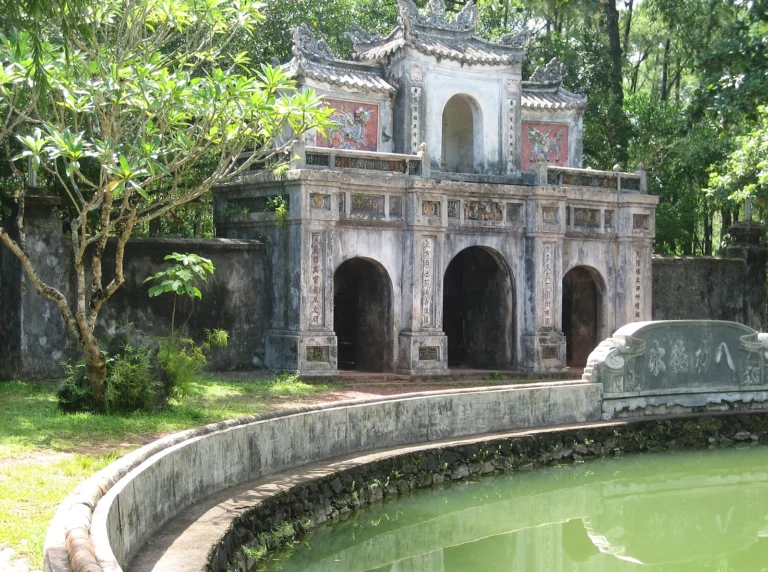
The architecture of the fishing villages dotting the lagoon stands as living testimony to human adaptation to an unforgiving environment. Communal houses such as Thu Le and Ngu My Thanh are far more than places of worship—they are exquisite works of wood-carving artistry. Massive ironwood pillars, intricately carved with coiling dragons and phoenixes, cast their reflections onto the glassy water, creating striking symmetry between human craftsmanship and natural scenery. Moss-draped yin-yang tiled roofs and wind-shielding spirit screens built according to strict feng shui principles come together in an architectural ensemble steeped in the spirit of the Nguyen Dynasty—dignified yet intimately woven into the daily lives of river-dwelling communities.
For photography enthusiasts, Tam Giang Lagoon is a true sanctuary offering picture-perfect angles that every lensman dreams of capturing. The premier photo spot most prized by seasoned photographers is the wooden bridge area in Ngu My Thanh village at sunset. As the sun dips toward the horizon, the sky shifts from fiery orange to deep violet, reflecting across the boundless water in a shimmering ribbon of color. Small wooden skiffs belonging to local fishermen, moored quietly beside the timber bridge, provide a natural foreground that adds depth and narrative warmth to scenes of humble daily life. The ideal window to shoot here is between 5:00 PM and 5:45 PM, when soft golden light brings out every weathered grain of the aged wooden planks.
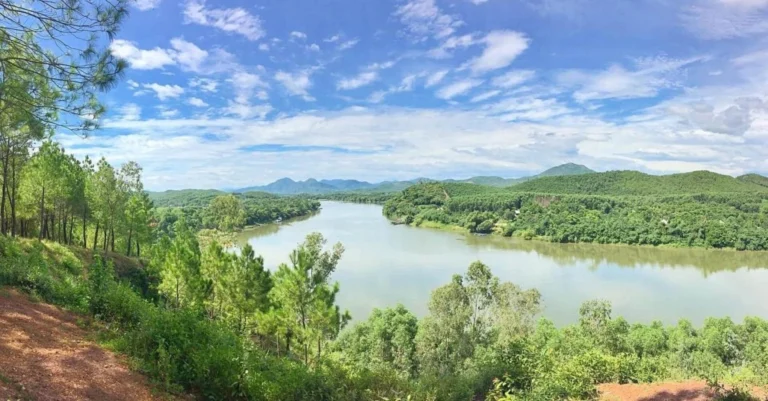
The second standout vantage point lies around the Thuan An estuary, where the waters of Tam Giang Lagoon meet the open sea. Here, the dramatic contrast between offshore whitecaps and the placid lagoon surface makes for an unforgettable frame. If you arrive at sunrise—around 5:30 AM, when the first rays of light pierce through a thin veil of morning mist—you can capture the exact moment fishing nets are cast into the air, unfurling in graceful arcs like birds in flight. This golden hour offers the most authentic glimpse into the quiet dignity of local labor. Finally, do not miss the panoramic perspective from the outer barrier sandbars, where you can take in the winding lagoon system resembling a giant resting dragon. The interplay of deep sapphire water, pristine white sand, and emerald mangrove forests creates a natural color palette guaranteed to yield breathtaking photographs of your journey through this enchanting heritage region.
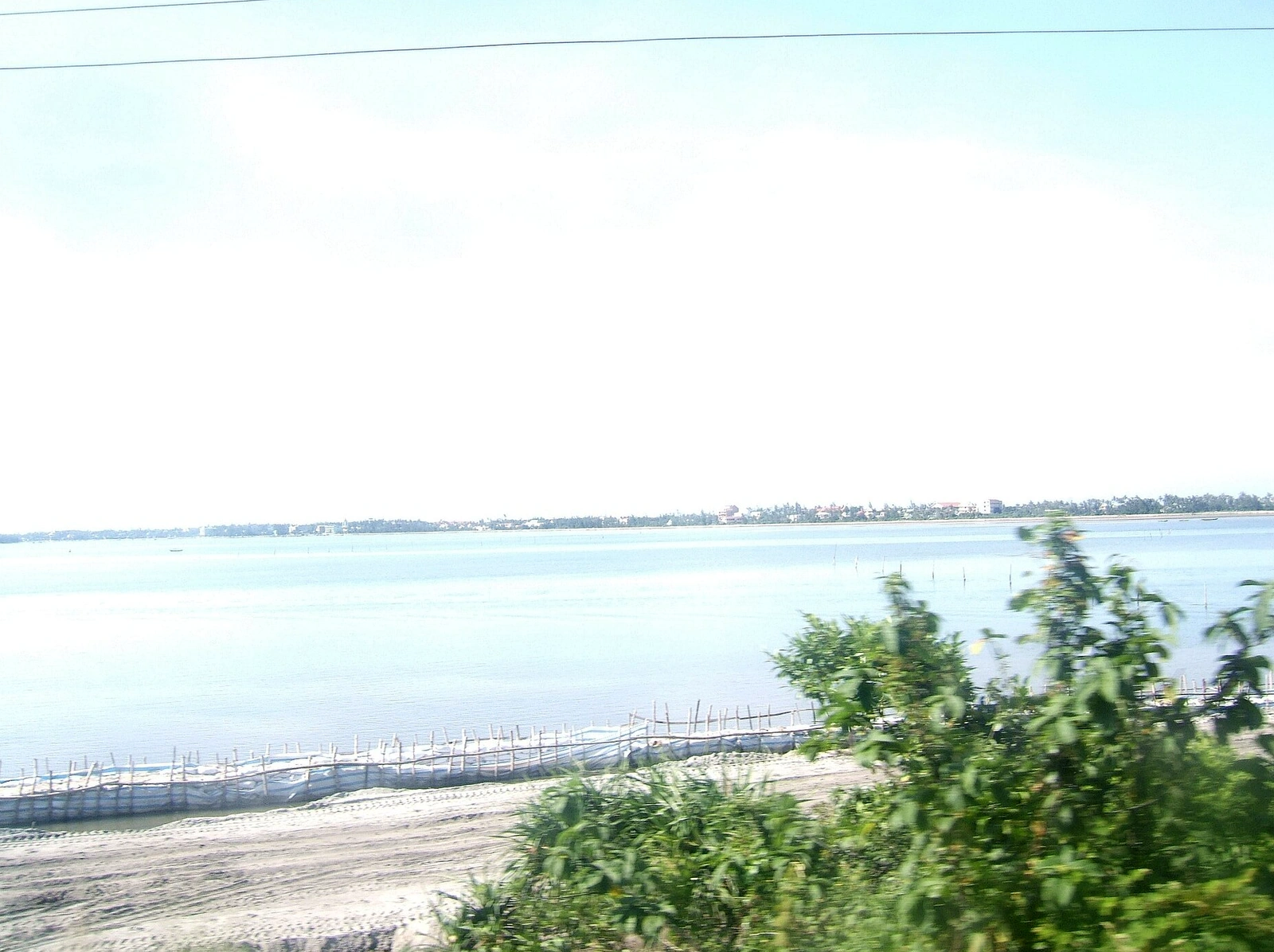
As dawn paints the coastal sandspit in soft shades of rose, Tam Giang Lagoon ceases to be a dry geographical entry in history books and comes alive as a sprawling ink-wash painting where the boundary between sky and water dissolves. Exploring Southeast Asia’s largest lagoon is more than a simple excursion—it is a return to an unhurried rhythm of life, where every wave carries echoes of history and captivating local culture. Visitors arriving here are immediately struck by the sheer openness of the landscape, where mirror-still water reflects the expansive sky, inspiring a profound sense of freedom that washes away the noise of city life.
The most rewarding experience is drifting aboard a small wooden fishing boat, winding through lush groves of mangroves and nipa palms. As the hull parts the water, the gentle, rhythmic dip of the oars guides you deep into the heart of the lagoon. Here, you can witness firsthand the poetic livelihoods of local residents. You can try your hand at traditional fishing, haul in heavy nets brimming with fish and shrimp, or harvest fresh seafood straight from the water alongside local fishermen. The warmth, simplicity, and genuine smiles of people whose lives are bound to the water leave a lasting impression, offering a deeply human connection rarely found elsewhere.
After hours immersed in life on the water, the journey leads you to historic village communal houses tucked along the lagoon’s edge. Paying a visit to Thu Le or Ngu My Thanh communal house is not merely sightseeing, but a moment of quiet reflection before enduring spiritual traditions. Beneath moss-covered roofs housing treasured royal decrees, visitors feel a sense of reverence for guardian deities and the enduring gratitude of descendants toward pioneering ancestors. Looking out from scenic vantage points along the shore, the panorama of Tam Giang Lagoon unfolds like a silver ribbon encircling peaceful fishing villages—a grand yet tranquil vista that leaves every traveler spellbound.
Of course, no journey here is complete without indulging in the lagoon’s celebrated local cuisine. Right inside rustic stilt houses (nhà chồ) perched above the water, visitors can feast on regional specialties bursting with the fresh flavors of brackish waters—from crispy rabbitfish pancakes (bánh xèo cá kình) to plump river prawns and roe-filled crabs prepared simply to preserve their pure, natural sweetness. Savoring local delicacies while sipping warm rice wine and watching the sun sink slowly over the lagoon—turning the entire horizon a fiery crimson and violet—makes it easy to see why Hue is called the “land of dreams.” The awe inspired by majestic nature, paired with quiet contemplation over authentic regional flavors, creates an unforgettable memory and a centerpiece of any journey through Vietnam’s cultural heritage.
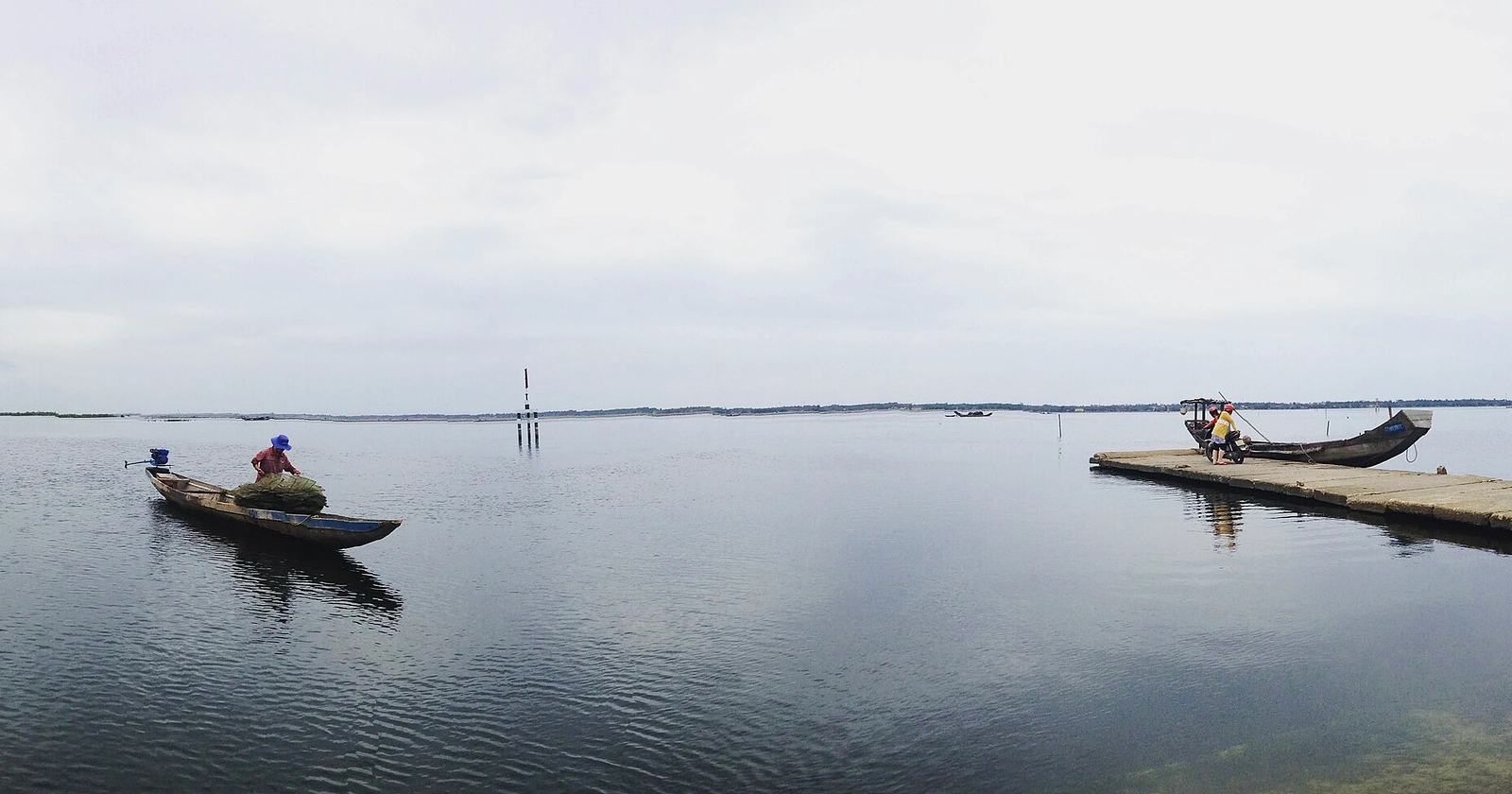
Tam Giang Lagoon is not only a geographical landmark, but also a living museum of culture and history. To make the most of your exploration of Southeast Asia’s largest lagoon, it helps to keep a few practical tips on routes and local etiquette in mind. For transportation, starting from central Hue, travelers can opt for a motorbike or private car to explore at their own pace. The most scenic and convenient route follows National Highway 49 or the coastal road winding through the communes of Quang Dien District. Along the way, you will be treated to sweeping views of emerald rice paddies interspersed with the signature casuarina windbreaks of Central Vietnam.
In terms of timing, Tam Giang Lagoon is open year-round with no admission fee to access the natural lagoon areas. However, if you choose community-based tourism activities or join guided fishing excursions with local residents, fees will apply depending on the service package selected. The ideal season to visit runs from February to July each year. During these months, dry weather and calm waters make wooden boat excursions effortless while offering clear skies for dramatic sunsets—when the lagoon transforms into a vast mirror reflecting brilliant hues of crimson and purple.
When visiting sacred sites such as village communal houses, whale shrines, or ancient pagodas along the lagoon, visitors should pay special attention to dress code. These are revered spaces preserving royal decrees and maritime beliefs, so attire should be modest and respectful—avoiding overly short or revealing clothing out of courtesy to local traditions and deities. Given the lagoon terrain, prioritize footwear with good traction that is easy to slip on and off, paired with light, breathable clothing suitable for boarding boats and walking across sandbars or wooden piers extending over the water.
Finally, always maintain a respectful attitude toward local culture and the environment. Tam Giang residents are renowned for their warmth and hospitality, yet they place great importance on traditional waterway customs. When taking part in hands-on activities, follow local guidance on water safety and strictly refrain from littering. Protecting Tam Giang’s fragile ecosystem is a shared responsibility between local authorities and every traveler. Bring a camera to capture unforgettable scenes, an open heart to listen to stories from seasoned fishermen, and a mindful commitment to preserving the pristine beauty of this sacred waterway.
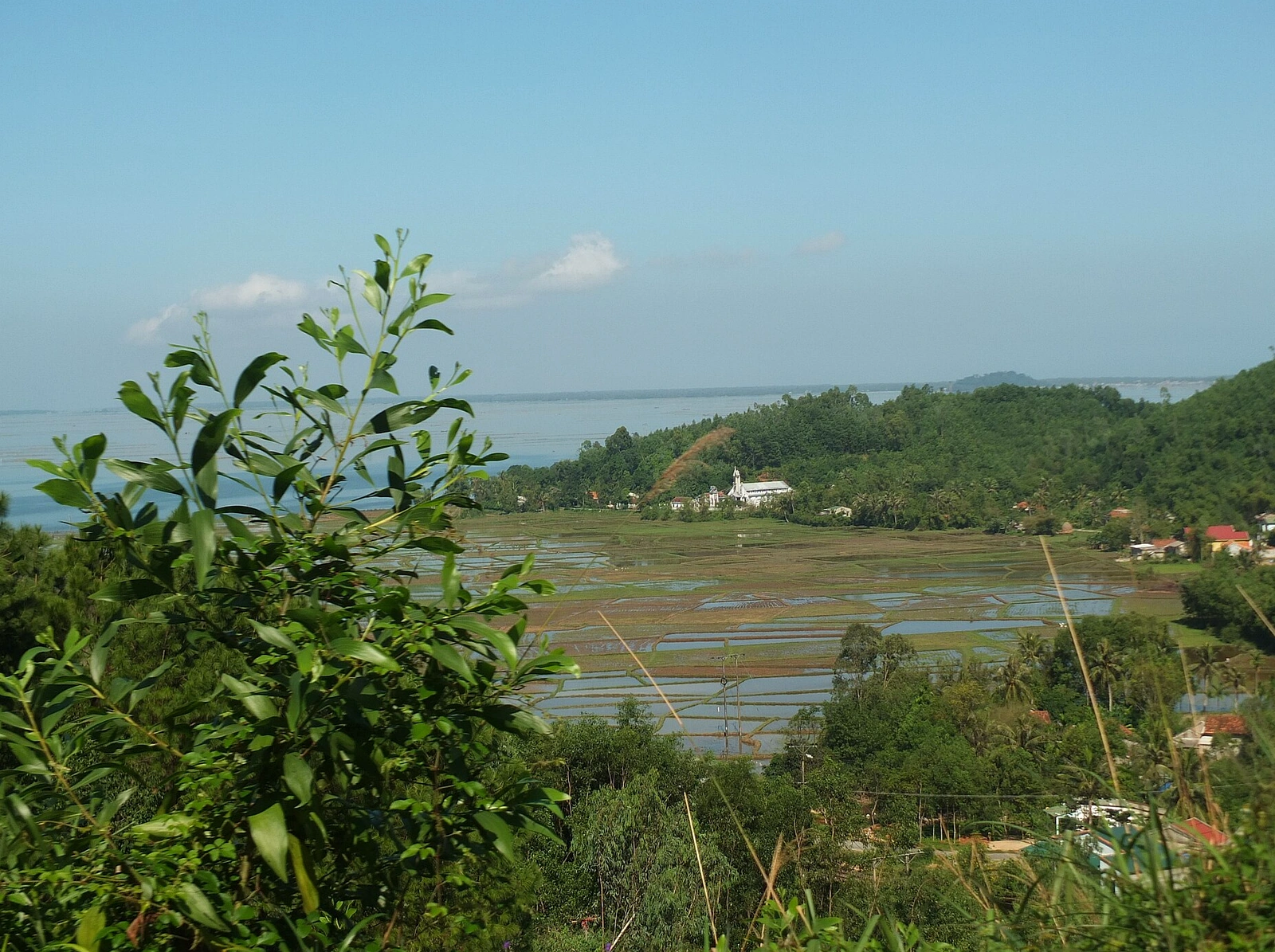
To enjoy a seamless getaway and experience the full beauty of Tam Giang Lagoon without worrying about arranging transportation, booking tickets, or planning itineraries, travelers can choose premium all-inclusive Hue tour packages from VDS Travel. Each itinerary is thoughtfully timed to capture check-in spots when the scenery is at its most vibrant, accompanied by expert guides deeply versed in local culture and top-tier hotel and dining standards.