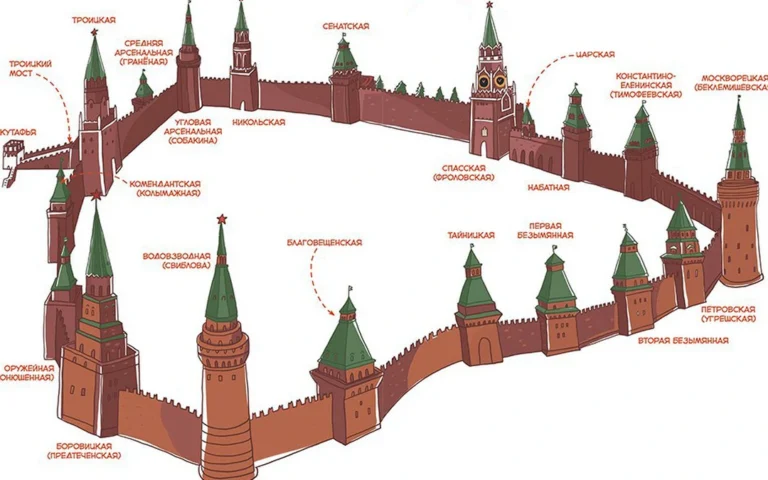
Amidst the majestic and imposing expanse of Red Square in the capital city of Moscow, Russian Federation, stands an architectural masterpiece of legendary color, recalling the glorious yet tragic pages of the Tsarist empire. Viewed through the lens of cultural history and high-end travel writing, this structure is far more than an Orthodox Christian church; it is a monument that preserves the historical vicissitudes, the rise and fall of dynasties, and the imperial aspirations of a bygone era. In terms of official historical and religious identity, the building bears a solemn honorific name: The Cathedral of the Intercession of the Most Holy Theotokos on the Moat, though it is far better known worldwide by its familiar moniker, St. Basil’s Cathedral, and recorded in Chinese historical chronicles under the dignified title 莫斯科红场瓦西里升天大教堂. To fully grasp the soul of this wonder, we must travel back in time to the 16th century, when Russia’s destiny was bound to one of its most controversial and formidable monarchs: Tsar Ivan IV, whom posterity remembers by the haunting epithet Ivan the Terrible.
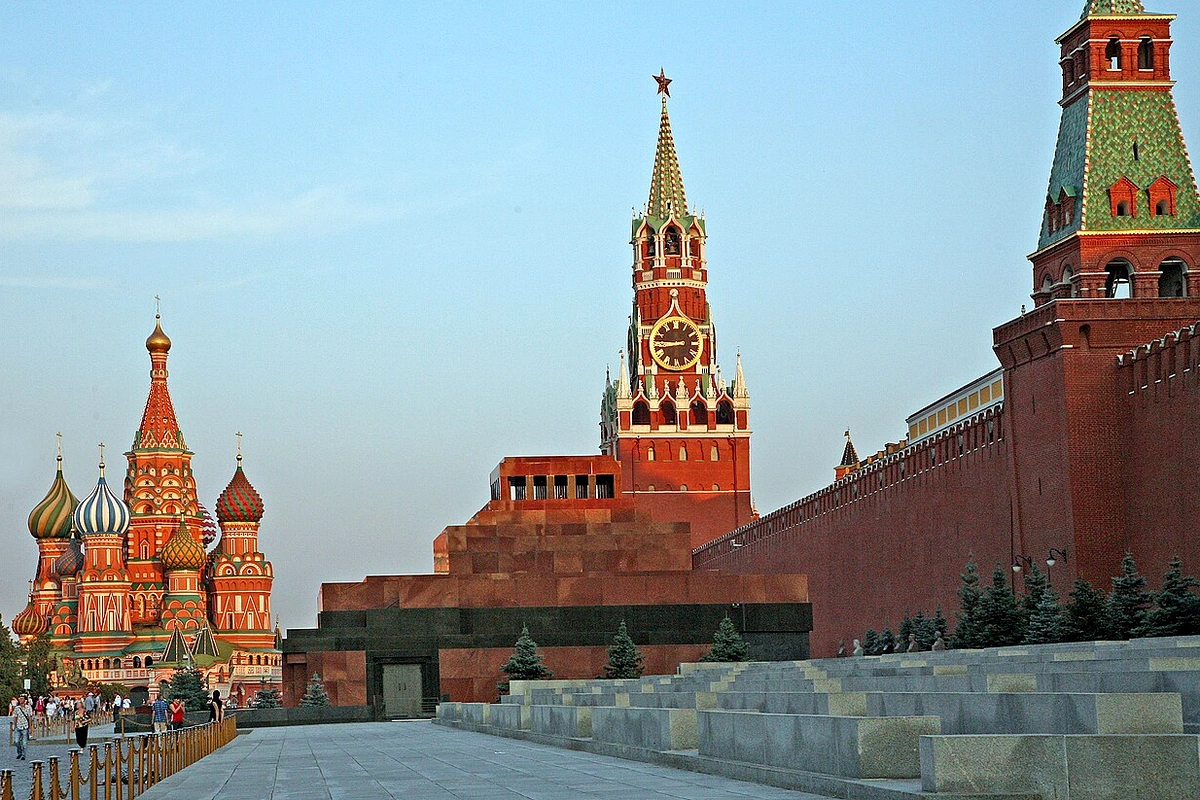
The historical origins of this magnificent edifice are tied to Tsar Ivan IV’s decisive military campaign to conquer and subjugate the Khanate of Kazan in 1552. To commemorate this resounding victory while cementing the pivotal political and religious doctrine of the era—which envisioned Moscow as the “Third Rome,” rightful heir to the Orthodox legacy of the fallen Byzantine Empire—Ivan the Terrible commissioned a soaring cathedral complex just outside the Kremlin walls. Construction was painstakingly carried out between 1552 and 1561. Behind the ingenious blueprints and direct supervision of the build were two brilliant architects hailing from the Pskov region: Barma and Postnik Yakovlev. Russian folklore has long circulated a tragic legend that upon completing this surpassing masterpiece, Ivan the Terrible ordered the two architects blinded—or their tongues severed—so they could never design another wonder capable of rivaling or surpassing the beauty of St. Basil’s Cathedral. Though steeped in myth, the tale vividly reflects the grandeur and absolute religious and political ambition that Russia’s first Tsar poured into this architectural space.
Over more than four centuries, the currents of time have placed St. Basil’s Cathedral at the epicenter of countless historical upheavals, natural disasters, and devastating wars. In its early formative decades alone, in 1588, the cathedral underwent a significant restoration and expansion with the addition of a tenth domed chapel honoring the revered holy fool Basil (Basil the Blessed), a figure of immense spiritual influence in Moscow at the time whose name eventually came to define the entire complex. Time and nature continued to test the monument’s resilience through catastrophic fires in 1593 and 1737, when raging blazes consumed most surrounding wooden structures and directly threatened the survival of its signature onion domes. Later, in 1812, during Napoleon Bonaparte’s invasion of Russia, the cathedral faced fresh peril when French troops repurposed it as a stable and ammunition depot. According to legend, when Napoleon stood before the cathedral’s breathtaking beauty, he was so struck with awe that he voiced a desire to dismantle the entire edifice and transport it back to Paris—a scheme foiled only by the insurmountable realities of a harsh campaign.
Entering the 20th century, following the collapse of the Tsarist autocracy and the rise of the Soviet state, St. Basil’s Cathedral teetered on the brink of permanent demolition. During the redesign and reconstruction of Red Square in the late 1920s, authorities drew up aggressive plans to raze the cathedral to clear space for military parades and vehicular traffic. Yet history took a different course thanks to the extraordinary courage and uncompromising preservationist spirit of architect Pyotr Baranovsky. Upon receiving orders to prepare the building for demolition, Baranovsky fired off a defiant telegram threatening to take his own life right on the cathedral steps if authorities dared touch a single brick. His fearless, unwavering resolve stirred the conscience of senior leadership at the time, directly saving the monument from destruction. By 1929, the cathedral officially ceased religious services, was converted into a branch of the State Historical Museum, and underwent multiple scientific restorations to recover its original vibrant appearance. The pinnacle of international recognition arrived in 1990, when the United Nations Educational, Scientific and Cultural Organization (UNESCO) officially inscribed St. Basil’s Cathedral on the World Heritage List, affirming its priceless historical, artistic, and cultural significance within humanity’s shared heritage.
Stepping onto Red Square in Moscow, the gaze of any traveler from afar is immediately arrested by an architectural marvel rising as if straight from the pages of a fairy tale. St. Basil’s Cathedral—also known in Chinese historical records as 莫斯科红场瓦西里升天大教堂—is not merely an iconic religious monument, but also a masterwork of spatial planning, topography, and urban geomancy. To truly appreciate the beauty of this creation, one must step back in time to examine the exceptional terrain upon which the grand cathedral reigns, where feudal military strategy converges with the masterful climate-adaptive ingenuity of ancient Russian builders.
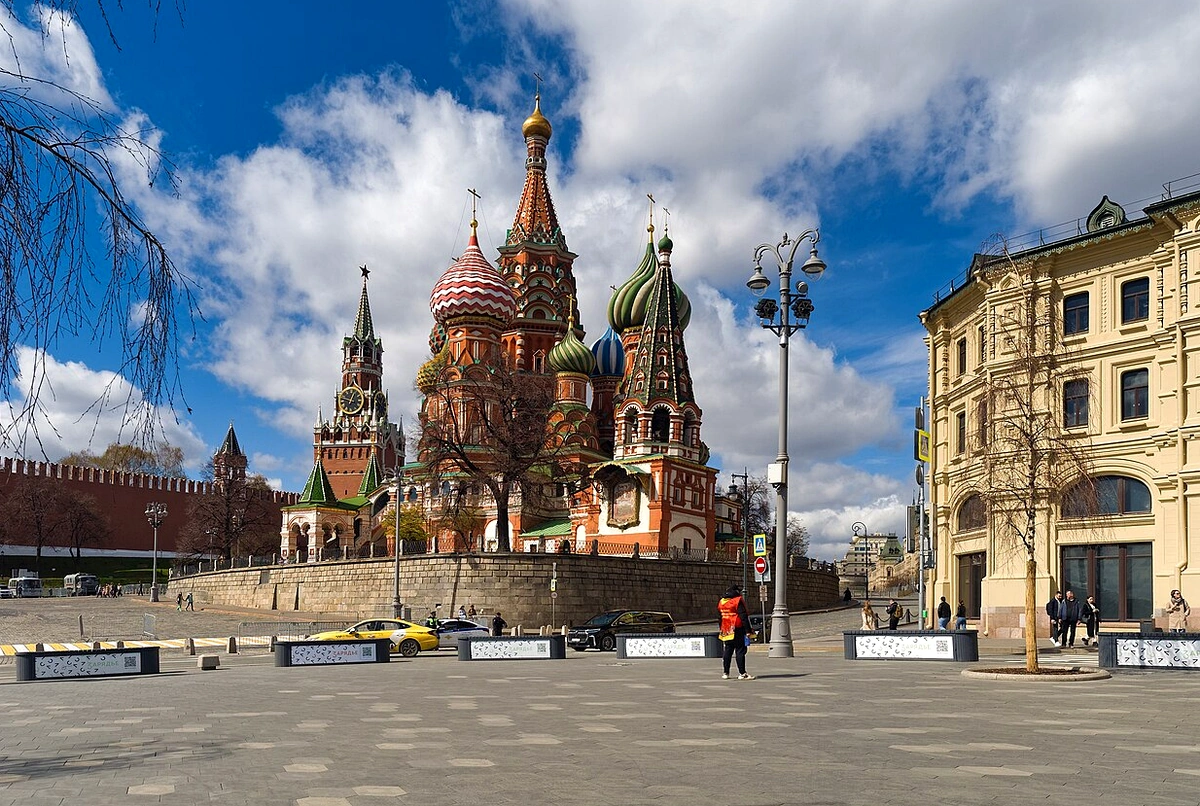
In terms of terrain and military geomancy, the cathedral commands an imposing presence atop an elevated rise along the northern bank of the Moskva River, immediately outside the southeastern wall of the Kremlin. Since the 16th century, this site was recognized as a strategic “chokepoint,” serving as a vital threshold controlling both land and river routes leading into the Tsar’s core seat of power. Here, the Moskva River curves in a natural bend, embracing the land in a classic geomantic formation symbolizing “encircling waters that gather vitality and prosperity.” Moreover, in historical times, the confluence of the Neglinnaya and Moskva rivers formed a formidable natural defensive moat system that securely shielded the ancient urban core.
The edifice was anchored directly beside the Alevizov defensive moat, perched squarely on the edge of a jutting elevated promontory—a bold topographical foothold that is simultaneously dramatic and visually commanding. From the macro-planning perspective of Red Square, St. Basil’s Cathedral serves as a monumental anchor at the southeastern extremity, establishing a powerful visual counterpoint and architectural dialogue with the State Historical Museum of Russia at the northwestern end. This elongated spatial axis defines the entire historical sweep and scenic proportion of Russia’s grandest square, transforming it into an open-air stage for pivotal national events across the centuries.
Beyond its prime setting, the engineering design and structural execution of the grand cathedral stand as an exemplary triumph of adaptation to the harsh climate of the humid continental zone. Moscow is renowned for its long winters, biting frosts, and heavy snowfalls. The master architects of that era skillfully integrated structural mechanics into the building’s silhouette. The iconic onion domes paired with soaring, sharply pitched tent roofs carry not only profound aesthetic and liturgical symbolism, but also function as an optimal solution in structural mechanics (力学). The steep pitch of the domes and spires maximizes the natural shedding of snow, completely preventing heavy snowpack from accumulating and overloading the roof structure, thereby safeguarding the monument’s durability through centuries of blizzards.
This seamless synthesis of an auspicious strategic site, urban landscape positioning, and climate-adaptive engineering forged an irreplaceable St. Basil’s Cathedral. Every brick, every roof pitch, and the building’s commanding placement within Moscow’s historic fabric encapsulate the quintessential wisdom of its creators. It is a symphony of natural geography and human genius, turning a riverside promontory into an enduring focal point that captivates humanity generation after generation.
Stepping out of the lively bustle of Red Square, when your eyes meet a wonder resembling a leaping flame against the Moscow sky, St. Basil’s Cathedral immediately dazzles with an architectural aesthetic that breaks entirely free from conventional molds. Set alongside monuments steeped in Byzantine tradition—whose classic cross-in-square domes dominated the Eastern Orthodox world for centuries—this masterpiece charted a bold path of its own. The visionary architects of the golden age of the Grand Duchy of Moscow shattered that singular template to give birth to an unprecedented structural morphology: an asymmetric clustered layout, often referred to as a cluster plan. Shifting from single-axis symmetry to a complex multi-centric ensemble transformed the sanctuary into a living work of art where every line embodies the profound cosmological worldview of 16th-century Russians.
Viewed as a spatial whole, the entire complex rests proudly atop a tall, solid, and distinct white limestone podium, serving as a sturdy launchpad for an elevated architectural ensemble. Anchored by the central main tented tower rising roughly 47 meters into the sky—a sacred symbol of the Resurrection of Jesus Christ—the central sanctuary is encircled and sheltered by eight independent smaller chapels. Although the composition appears at first glance as organic and spontaneous as a blossoming plant, beneath it lies a rigorous system of geometric proportion. The pioneering use of load-bearing fired brick rather than timber allowed builders of that era to elevate structural longevity to new heights while translating the sharp, dramatic silhouettes of traditional Russian wooden architecture into an enduring language of brick and stone.
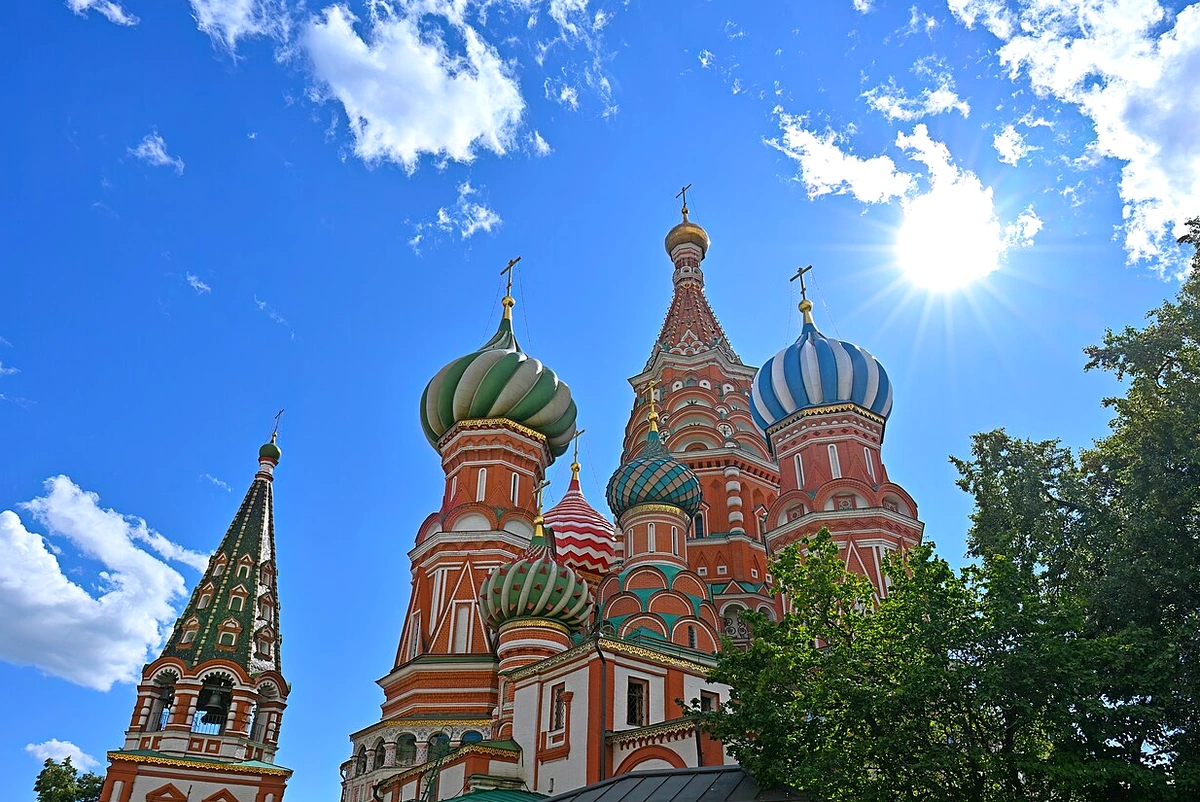
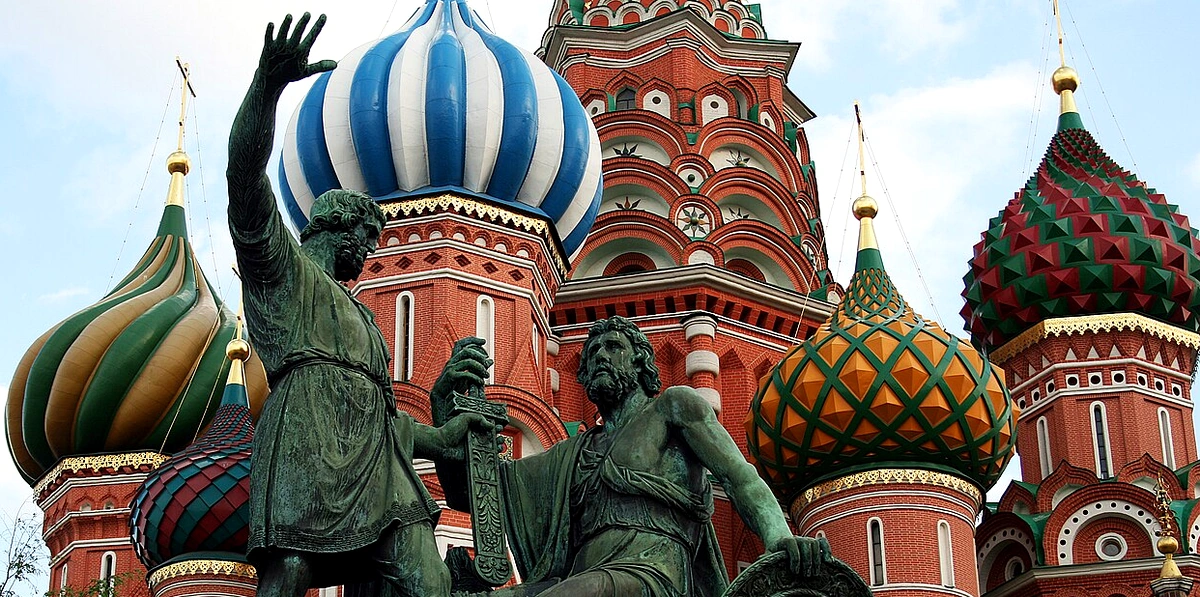
The crowning hallmark behind St. Basil’s Cathedral’s fame and magnetic visual appeal is its peerless constellation of onion domes—an artisanal heritage elevated to pure poetry. Beyond evoking flickering prayer candles or flames of faith reaching toward heaven, each dome offers an ingenious answer to practical engineering challenges. Amidst the severe winters, heavy snowstorms, and piercing winds of the East European Plain, the onion-dome profile—bulbous at the base and tapering sharply to a point—proved remarkably effective at reducing wind-load pressure while preventing rain, ice, or snow from pooling on the roof. This harmonious marriage of structural mechanics and sculptural imagination transformed each dome into a dazzling mosaic of color, gleaming like jade, ruby, and burnished gold set upon Moscow’s crown.
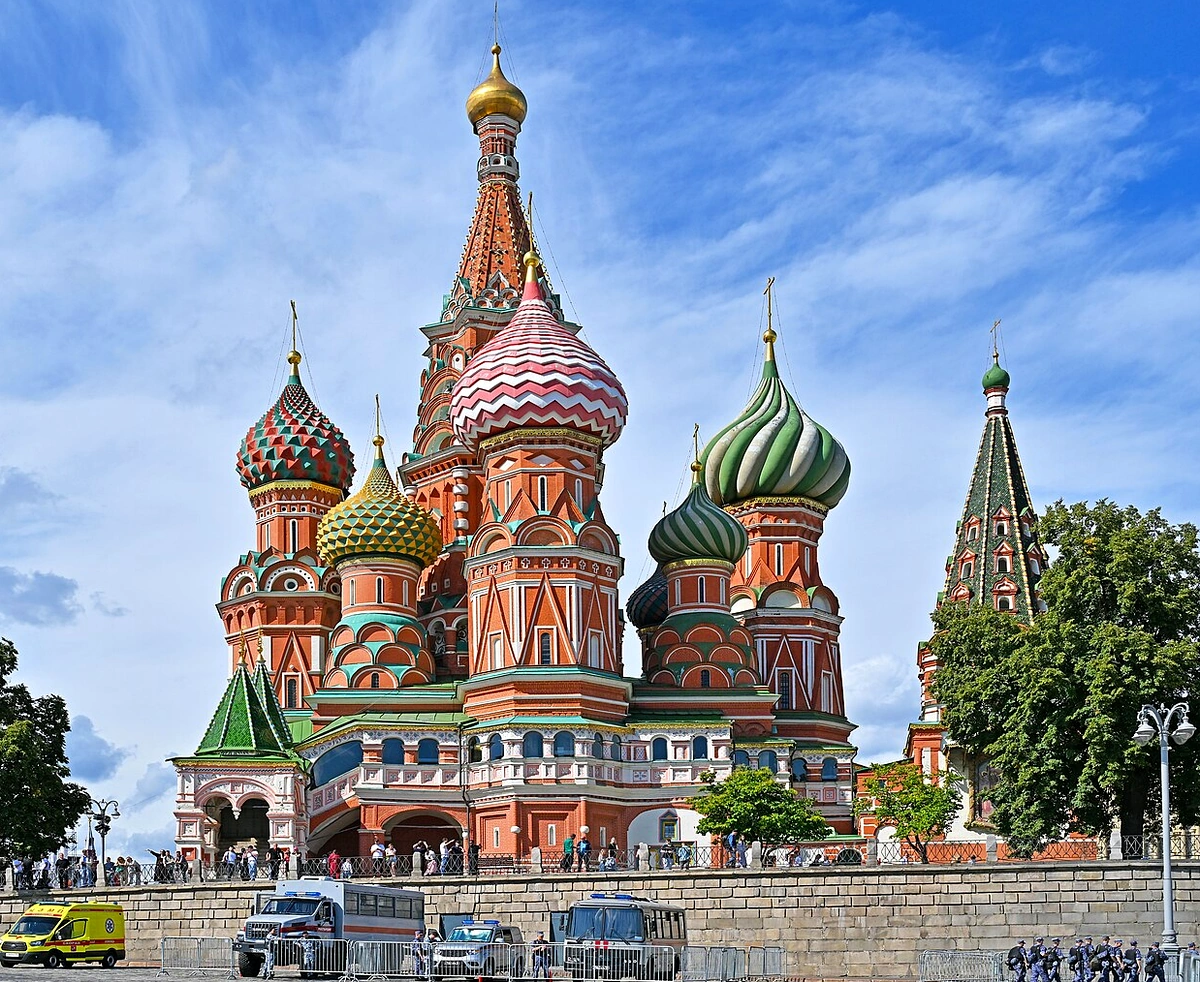
Delving deeper into its interior layout, the cathedral does not open into the sweeping, unified nave typical of Western cathedrals; instead, it unfolds as a mystical labyrinth linked by narrow vaulted galleries and stairways tucked deep inside brick walls several meters thick. The eight surrounding chapels carry distinct dedications tied to pivotal historical milestones and major battle feast days from the reign of Tsar Ivan the Terrible, creating a polyphonic spatial symphony. Each sanctuary exudes its own intimate character through vibrant frescoes and exquisitely gilded, hand-carved iconostasis screens. The deliberate asymmetry of the floor plan never feels off-balance; rather, it creates a shifting, multi-dimensional visual perspective where every step around the perimeter reveals a fresh angle and silhouette, making the cathedral feel like a living organism breathing with the pulse of Russian history.
When night descends over Red Square, Moscow’s historic heart drapes itself in an enchanting cloak, evolving from a silent monument to the past into one of the world’s most spectacular open-air light stages. Moscow’s municipal authorities have installed a sophisticated dynamic architectural lighting system across the heritage landmarks ringing the square to highlight every Renaissance detail and ancient Russian wooden-style motif. Far more than simple floodlighting, it is a carefully choreographed painting in light calibrated down to individual lux levels and Kelvin color temperatures, transforming St. Basil’s Cathedral (莫斯科红场瓦西里升天大教堂) into a luminous nocturnal masterpiece in the heart of Europe.
The nighttime photometric design here masterfully pairs warm, low-color-temperature metal halide fixtures with modern LED floodlighting, giving the monument crisp, vibrant visual layering. At the base, the massive dolomite stone foundation is bathed in warm amber light, conveying the grounded, solemn presence of a spiritual fortress that has stood unwavering through centuries of upheaval. Rising to the central facade, handmade fired red-brick walls are brushed with soft grazing light that brings out antique masonry textures, intricate geometric reliefs, and the signature interlaced white stone trim of 16th-century Russian architecture.
The crescendo of the evening light display converges at the summit—where the multi-colored onion domes reign supreme. Thanks to precision-aimed optical projectors, each onion dome (“洋蔥頭”) glows brilliantly, radiating multidimensional brilliance as though suspended weightlessly in midair, detached from the earth like a jewel-encrusted casket floating against Moscow’s deep night sky. The seamless chromatic transition from the grounded stone base below to the sparkling spires above creates a captivating spatial illusion, leaving first-time visitors spellbound by the union of modern lighting engineering and sacred aesthetics.
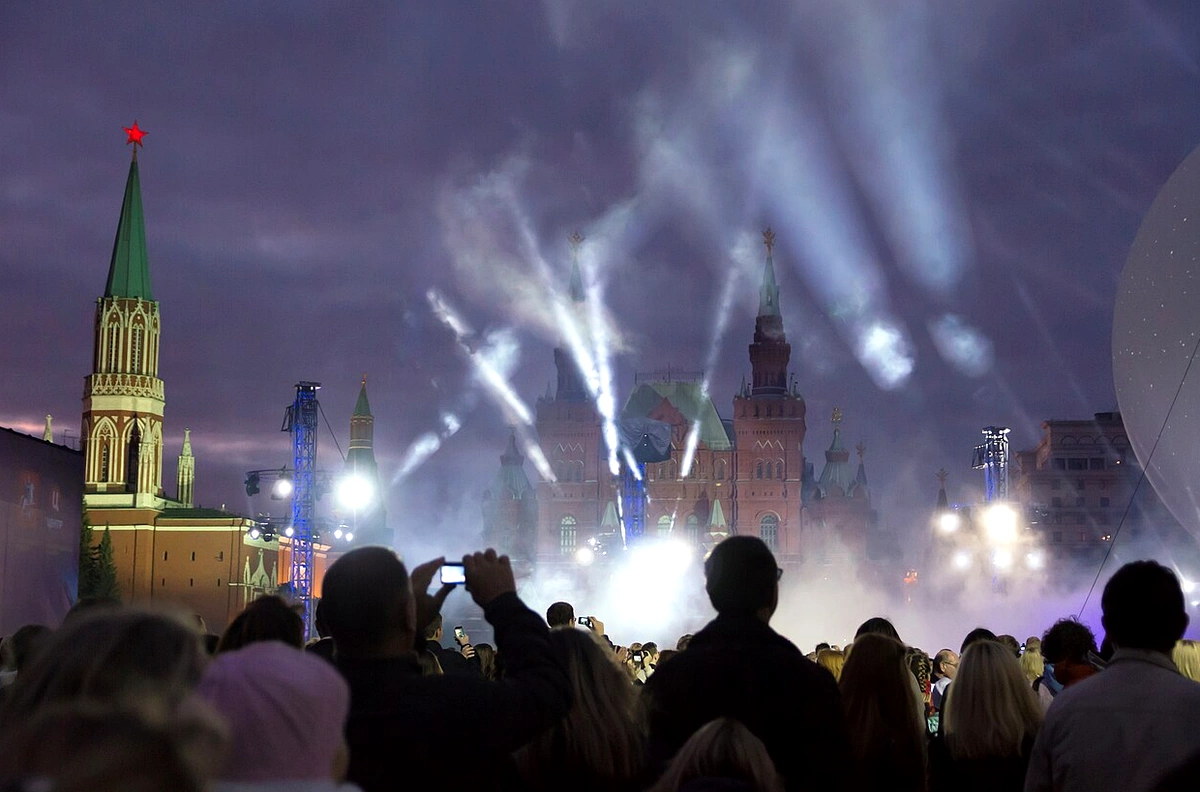
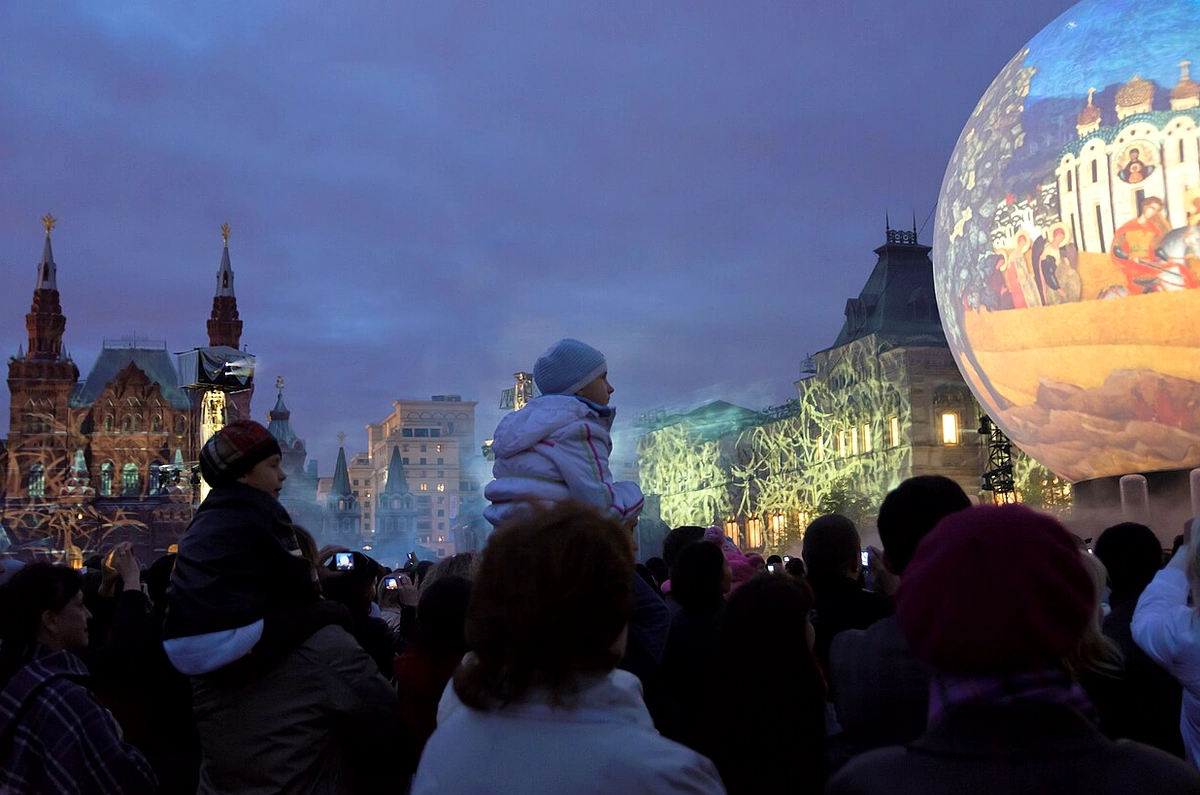
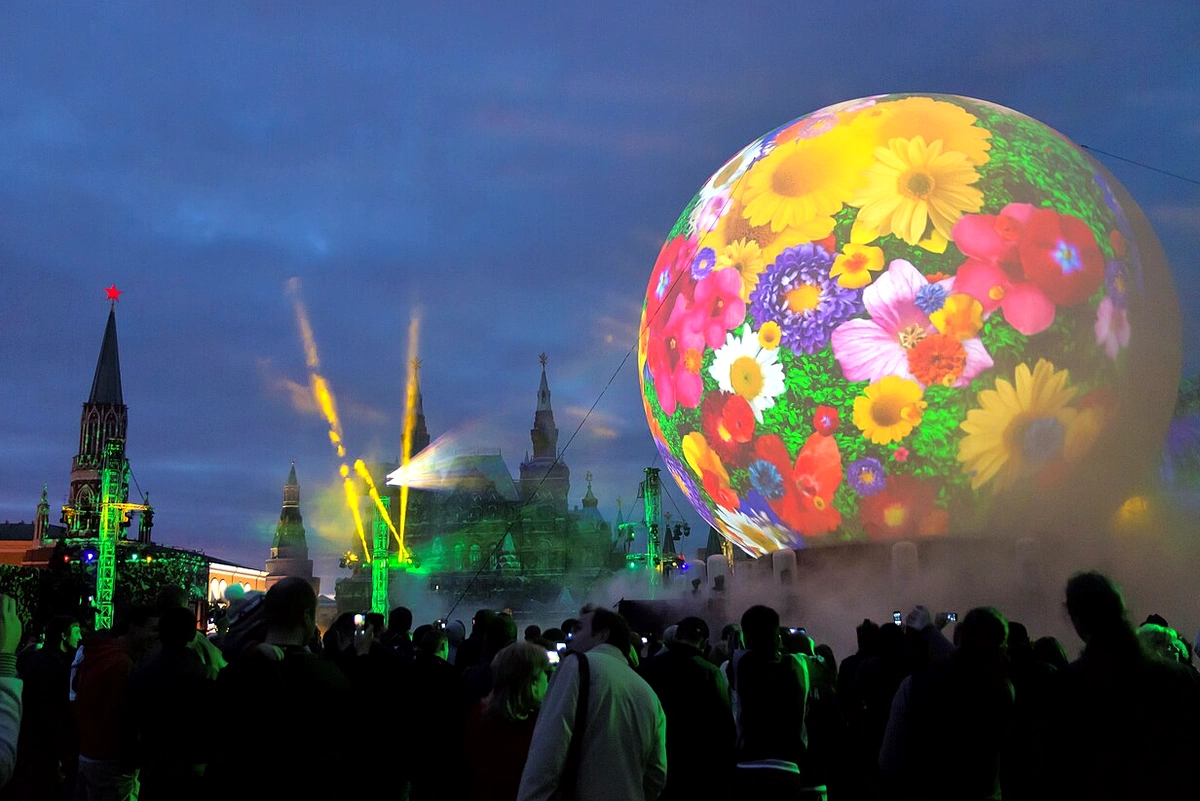
At night, the plaza surrounding St. Basil’s Cathedral is not merely a place for quiet admiration—it pulses with the vibrant cultural energy of locals and international travelers alike. During major national celebrations or the annual Moscow Light Festival, this historic square transforms into a colossal outdoor cinema. Cutting-edge 3D projection mapping is cast directly across the cathedral’s facade, vividly bringing to life heroic chapters of Russian history, from Tsar Ivan the Terrible’s famed Kazan campaign to epic chronicles of patriotism and the nation’s evolution across dynasties. These sweeping visual tableaux, paired with grand symphonic scores echoing across Red Square’s vast expanse, stir deep emotion in everyone watching.
Alongside major light festivals, evenings around the cathedral retain an everyday charm filled with street performances and lively public gatherings. Spontaneous folk performances frequently pop up on the square, where the crisp notes of the balalaika mingle with energetic Cossack dances, offering a glimpse of an authentic and warmly hospitable Russia. In winter, when fresh snow blankets the onion domes, the lanes adjacent to the cathedral come alive with the twinkling lights of traditional Christmas and New Year markets. Visitors can browse folk handicrafts and sample piping-hot seasonal specialties amidst the crisp winter chill of the land of white birches, capturing a nocturnal cultural portrait that is timeless, sparkling, and unforgettable.
Stepping away from the vividly hued onion domes and history-steeped precincts of the Red Square architectural ensemble, the heart of Moscow opens an enticing new chapter with its rich local culinary scene. Situated just steps from St. Basil’s Cathedral, the surrounding restaurants and traditional food stalls showcase a compelling convergence of Slavic heritage and Eurasian culinary traditions, shaped over centuries by a brisk continental climate.
Visiting this historic heartland, diners should not miss Russia’s iconic beetroot soup, Borscht—the true soul of Russian home cooking. This beloved classic marries deep crimson beets, which lend the broth its signature ruby hue, simmered until tender with meat and vegetables and finished with a dollop of rich smetana sour cream swirled in just before serving. Its gentle, earthy sweetness and comforting warmth effortlessly ward off the crisp chill of a Russian winter.
Equally celebrated on both royal and traditional menus is the world-famous Beef Stroganoff. Crafted with precision from prime beef tenderloin cut into thin strips, the meat is quickly seared in golden butter alongside button mushrooms and fragrant onions. Its crowning glory is a velvety, tangy sour cream sauce draped over tender, melt-in-your-mouth strips of beef, delivering a deeply comforting yet refined culinary experience.
For fans of hearty street fare and nostalgic comfort food, traditional Pirozhki baked or fried buns are an ideal treat. A symbol of domestic warmth and hospitality, these golden, crisp-crusted pastries encase savory fillings ranging from seasoned minced meat and braised cabbage to creamy mashed potatoes. Biting into a piping-hot Pirozhok along the historic lanes near Red Square offers an immediate taste of Russian generosity and everyday warmth.
The culinary tapestry around St. Basil’s Cathedral is further enriched by rustic, deeply flavorful staples such as traditional dark rye bread, prized for its gentle tang and wholesome aroma of toasted grain. Pair a slice with an elaborately layered Dressed Herring salad (Shuba), where savory cured herring is delicately stacked beneath tiers of grated boiled beets, potatoes, carrots, and rich mayonnaise.
To round out a walk through history, nothing compares to ducking into a cozy corner cafe for a steaming cup of robust black tea brewed in a traditional brass samovar. Locals traditionally sip this full-bodied tea alongside a spoonful of sweet wild berry jam, savoring the quiet ambiance where past and present converge over flavors passed down through generations.
Exploring this crowning architectural achievement of the Tsarist era at St. Basil’s Cathedral on Red Square is even smoother when you know the practical visitor regulations in advance. To admire the vividly painted onion domes and solemn Orthodox interiors up close, checking seasonal opening hours is essential. Monument authorities divide visiting schedules into two main seasons each year. During peak summer from June through August, the cathedral opens daily from 10:00 AM to 6:00 PM. From September through May, hours shift slightly to 11:00 AM to 5:00 PM to accommodate daylight conditions and conservation protocols. Importantly, keep in mind that the cathedral closes completely on the first Wednesday of every month for routine cleaning, scheduled maintenance, and security inspections. Booking e-tickets in advance via the official website is strongly recommended to minimize waiting times in Moscow’s brisk weather.
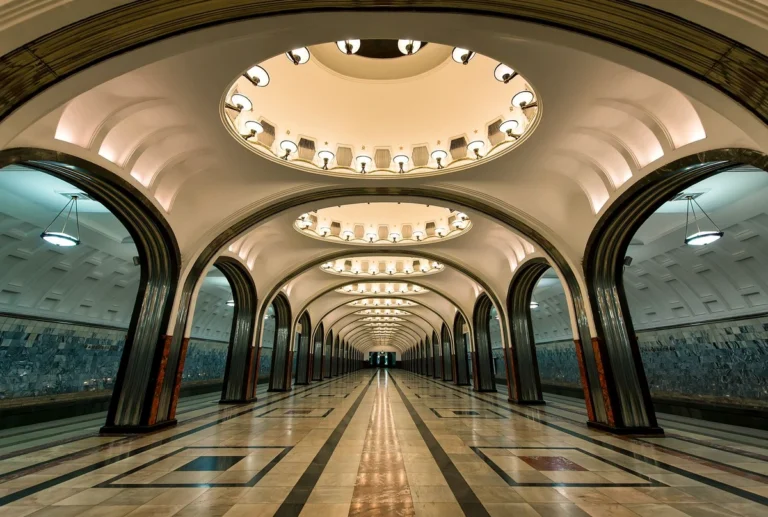
Reaching Red Square and the St. Basil’s Cathedral complex is effortless thanks to one of the world’s finest public transit networks. The Moscow Metro—famed for stations often dubbed “underground palaces”—brings visitors right to the heart of the city in minutes. You can take lines stopping at several nearby stations, including Okhotny Ryad, Ploshchad Revolyutsii (Revolution Square), Teatralnaya, or Kitay-gorod. From any of these exits, it is just a short walk across grand boulevards—where lively city rhythms meet solemn historical grandeur—straight onto Red Square, where the Kremlin’s crenellated walls and ancient bell towers guide you directly to this UNESCO World Heritage wonder.
Upon stepping inside the sacred interior of the cathedral, visitors are expected to observe Russian Orthodox etiquette and rules of conduct out of deep respect for local religious traditions. Men must remove their hats immediately upon entering the sanctuary. Women are advised to bring a lightweight silk scarf or shawl to cover their hair before stepping inside, and all visitors should avoid overly revealing clothing such as short skirts above the knee or sleeveless tops. Additionally, flash photography is strictly prohibited inside to protect centuries-old wall murals, delicate frescoes, and priceless icons from light damage. Security screening is thorough: bulky bags and large suitcases are not permitted inside exhibition spaces, and travelers should carry their original passport in case of routine security checks.
Alongside cultural etiquette and entry procedures, a few practical tips from seasoned travelers will help safeguard your belongings and prevent unnecessary hassles. Visiting during Russia’s harsh winter calls for insulated snow boots with reliable non-slip soles to navigate packed snow and ice across the square safely. One small yet crucial precaution is to remain alert around unsolicited street entertainers near Red Square—particularly individuals dressed in historical costumes or mascot outfits who eagerly approach tourists offering photos. This is a common tourist trap designed to pressure visitors into paying exorbitant tips or fees the moment a picture is snapped. Armed with a thorough travel guide, your exploration of humanity’s architectural heritage will be smooth, safe, and richly rewarding, offering deep insight into Russia’s multifaceted culture. To turn your dream of experiencing the splendor of the land of white birches—from the historic capital to the northern city of canals—into reality, explore detailed itineraries through our Russia tour program as you plan your upcoming journey.