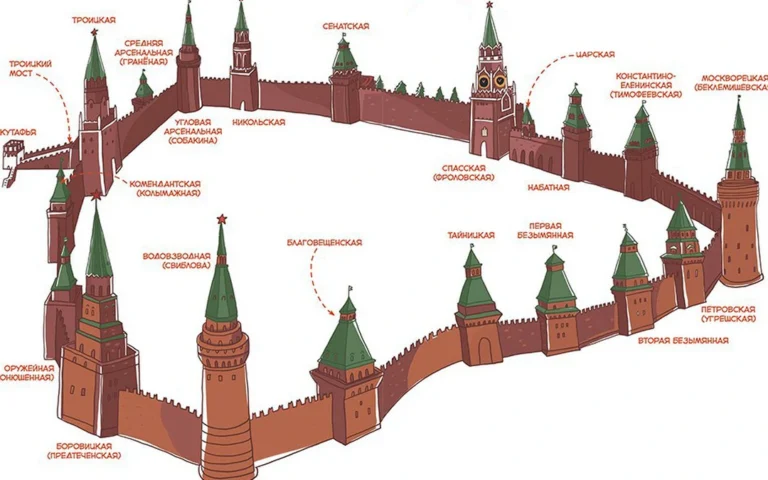
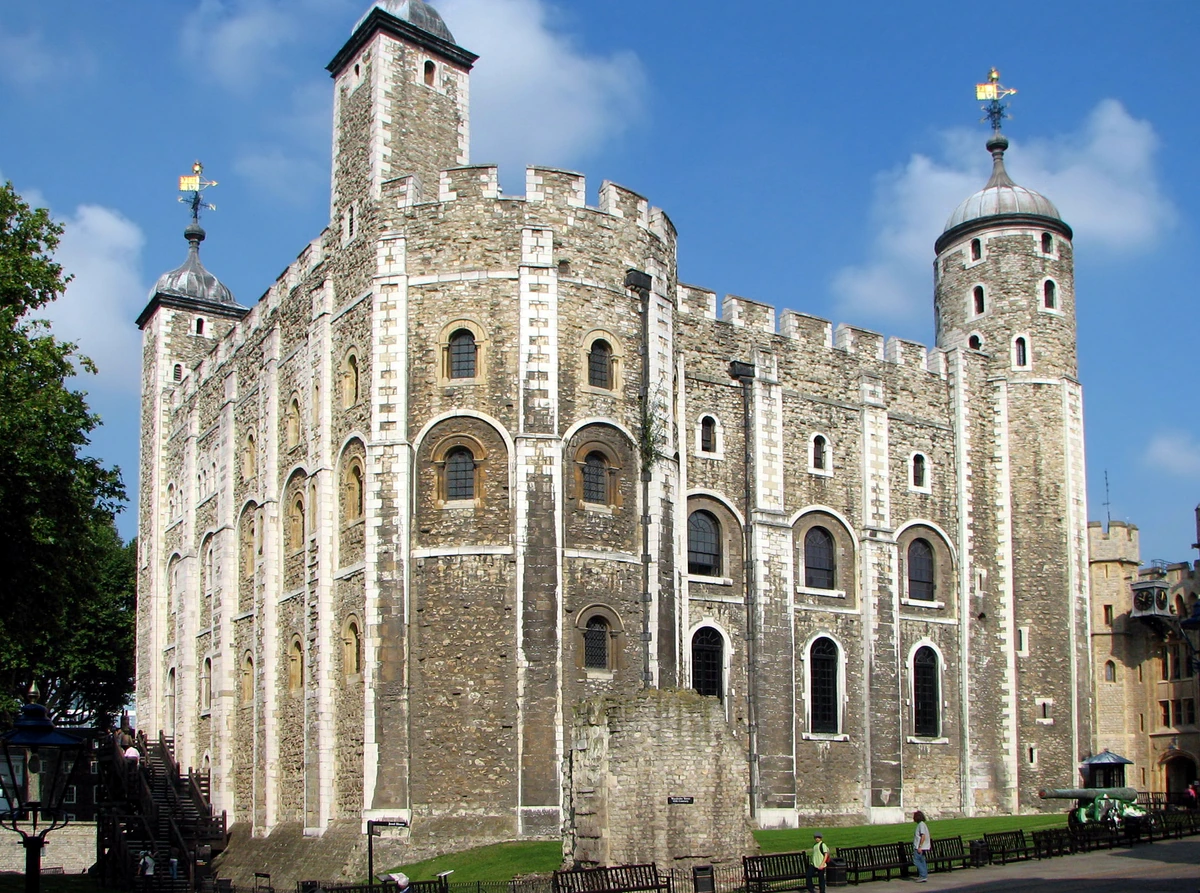
Along the silent, winding bends of the River Thames, where incoming North Sea tides beat against the heart of the British capital, stands a monumental architectural complex frozen in nearly a millennium of royal triumphs and trials: the Tower of London and Tower Bridge. The origins of this dramatic saga trace back to the fateful winter of 1066, when William the Conqueror, the illustrious Duke of Normandy, emerged victorious at the Battle of Hastings and was officially crowned King of England. To subdue the rebellious Anglo-Saxon nobility and assert the absolute authority of the Norman dynasty, an initial military stronghold was hastily erected near a corner of the ancient Roman city wall. By 1078, the king ordered the construction of the massive White Tower under the technical supervision of Bishop Gundulf of Rochester. Solidly built from white Caen limestone shipped across the English Channel from northern France, combined with local River Thames mudstone, the White Tower rose proudly as an impregnable fortress, laying a solid foundational core for the entire royal complex for hundreds of years to come.
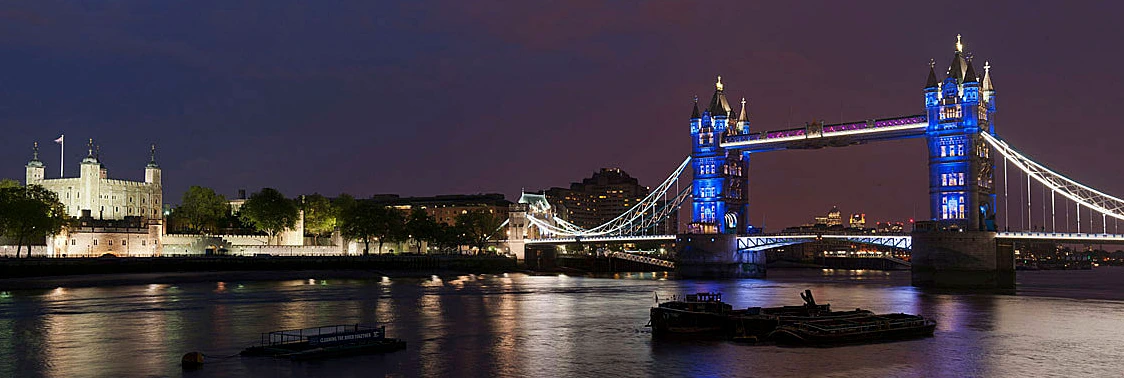
Through prosperous dynasties from the Plantagenets and Tudors to the Stuarts, the fortress was continually expanded with concentric curtain walls, deep moats, and fortified guard towers. Far more than a mere military outpost, the Tower of London has served some of the most diverse roles in Western history. It was once a lavish palace where monarchs stayed before their coronations, the Royal Armouries, a top-secret Royal Mint, and the national treasury. Starting as early as the thirteenth century under King Henry III, the fortress even housed an exotic Royal Menagerie featuring rare wild animals such as lions, leopards, and a polar bear permitted to swim and catch fish right at the fortress walls. Yet, this royal radiance gradually darkened with sorrow as the place transformed into a notorious prison for high-profile political figures. Its cold stone walls witnessed the ultimate tragedies of British history, from the mysterious disappearance of King Edward IV’s two young princes in the Bloody Tower to the decapitation executions of Queen Anne Boleyn, Queen Catherine Howard, and the brilliant scholar Thomas More.
Amid the gloomy layers of imprisonment and power, the Tower of London is likewise the sanctuary that preserves the monarchy’s most dazzling treasures: the collection of the British Crown Jewels. Once stored at Westminster Abbey before being permanently moved to the secure fortress following a fourteenth-century theft, this royal treasure was officially transferred for preservation and formal display in the Waterloo Block in 1994. Formerly a large Victorian military barracks, the Waterloo Block today safeguards sacred regalia used in coronation ceremonies, notably the Sovereign’s Sceptre set with the sparkling 530.2-carat Cullinan I diamond, the Imperial State Crown embedded with thousands of priceless gemstones, and the legendary Koh-i-Noor diamond, serving as a testament to the endurance and supreme authority of the monarchy across the centuries.
Entering the second half of the nineteenth century, London blossomed into a thriving global financial and commercial center during the reign of Queen Victoria. Population growth and industrial trading activities in the East End led to severe road traffic congestion across the two banks of the River Thames. An urgent demand arose for a new bridge that would not obstruct the maritime traffic of commercial sailing ships heading into the Pool of London harbor. The groundbreaking design by architect Sir Horace Jones in collaboration with civil engineer Sir John Wolfe Barry triumphed over more than 50 competing proposals to win approval. Construction began in 1886, consuming eight years of dedicated labor by over 430 workers, sinking two massive pier foundations weighing more than 70,000 tons into the riverbed, and erecting an 11,000-ton load-bearing steel skeleton. To harmonize delicately with the ancient appearance of the adjacent Tower of London, the entire steel frame was fully clad in Cornish granite and pristine Portland limestone in the magnificent Victorian Gothic style.
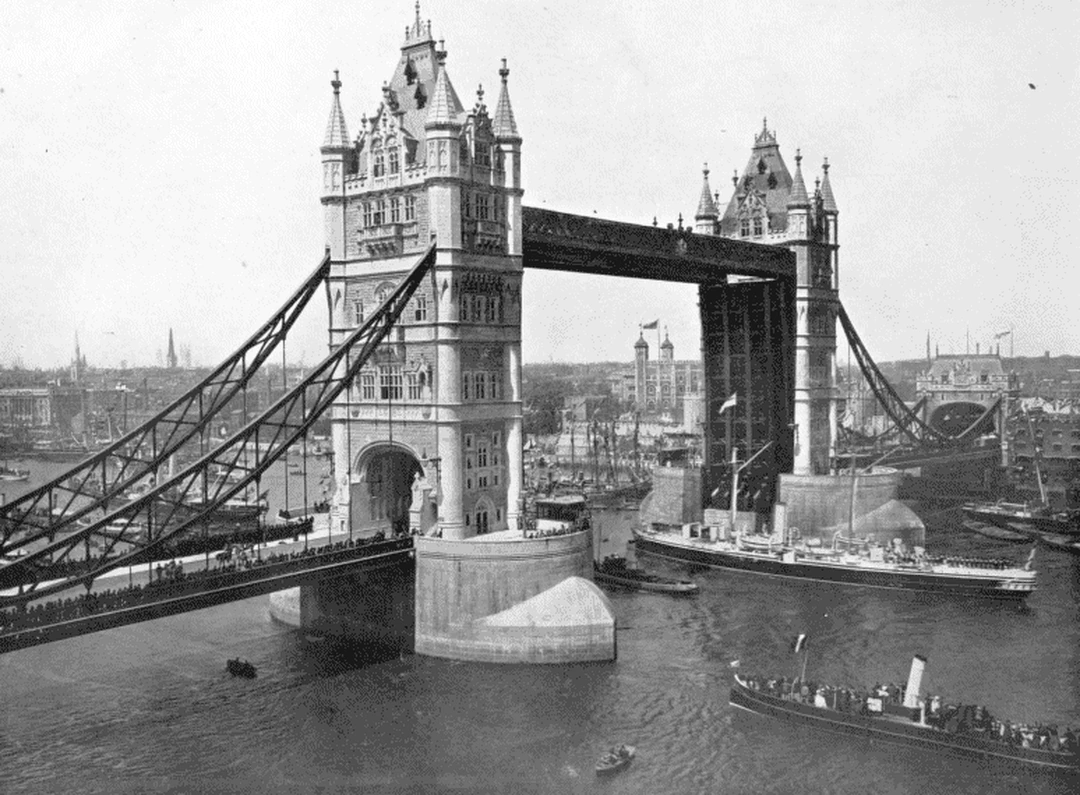
On June 30, 1894, Tower Bridge was officially inaugurated by the Prince of Wales (later King Edward VII), opening a traffic milestone featuring a bascule mechanism operated by state-of-the-art steam power and hydraulic pressure of that era. The wondrous pairing of a stern, thousand-year-old Norman fortress with the glamorous nineteenth-century bascule bridge over the waters of the River Thames perfectly illustrates an epic historical tapestry: where medieval conquests meet the peak engineering intellect of the industrial age, turning this land into an immortal symbol of the British realm.
Viewed through the lens of military geography and classical landscape planning, the commanding location of the Tower of London complex is an outstanding testament to William the Conqueror’s eleventh-century strategic vision. The complex sits majestically on a solid natural gravel terrace formed during the Quaternary period, sloping slightly upward on the north bank of a critical bend in the River Thames. The geological foundation of compressed gravel and sand layers built over millennia provides not only extraordinary load-bearing capacity to support tens of thousands of tons of stark white Caen limestone shipped from the Normandy coast, but also isolates the fortress from the surrounding low-lying flood-prone marshlands. The river’s dramatic bend at this coordinate acts as a natural moat enclosing the entire southern flank, placing all commercial vessels and warships advancing from the sea under the absolute firepower control of the crown.
The interaction between topography and tidal hydrodynamics here creates a uniquely dynamic defense system. The River Thames flowing through this plain is deeply influenced by North Sea tides, with water level amplitudes sometimes exceeding six meters between low and high tide. Capitalizing on this natural characteristic, medieval military engineers under Kings Richard the Lionheart and Henry III excavated a deep system of water moats surrounding the ramparts, turning the tidal flow into an automated moat-level regulating tool. Most prominent on the amphibious landscape is Traitors’ Gate beneath St. Thomas’s Tower, where murky floodwaters poured in with the rising tide to greet boats carrying political prisoners in gloomy darkness, before receding to leave a muddy riverbed that turned every escape route into a deathtrap.
Continuing this fortified defensive space is the presence of Tower Bridge, an engineering marvel planned to resolve commercial disputes between the two river banks without disrupting the maritime lifeline of the Pool of London harbor. The bridge serves as a vital bolt connecting the bustling Tower Hamlets district on the north bank with the industrialized Southwark district on the south. To stand firm on a river section subjected to swift currents and muddy sediment, Victorian engineers had to sink two massive pier foundations using pneumatic caisson methods down into the stable London clay layer, with each pier swallowing over seventy thousand tons of concrete and rubble to anchor the entire load-bearing structure for the bridge towers.
To prevent nineteenth-century technical landscaping from harming the solemn, secluded beauty of the adjacent thousand-year-old Tower of London, engineer John Wolfe Barry and architect Horace Jones draped the advanced steel skeleton in a mantle of cold grey Cornish granite and brilliant Portland limestone, carved in a magnificent Gothic Revival style. Inside the two giant bridge towers is a hydraulic lifting system that once operated entirely on coal-fired steam energy, supplying massive pressure to lift the two bridge spans—each weighing over a thousand tons—in less than two minutes. The blending of the ancient fortress’s resilient gravel terrace, the swirling tides of the Thames, and the proud silhouette of the bascule spans created a unique geo-engineering landscape where royal history and global mechanical heights intertwine amidst the misty morning fog.
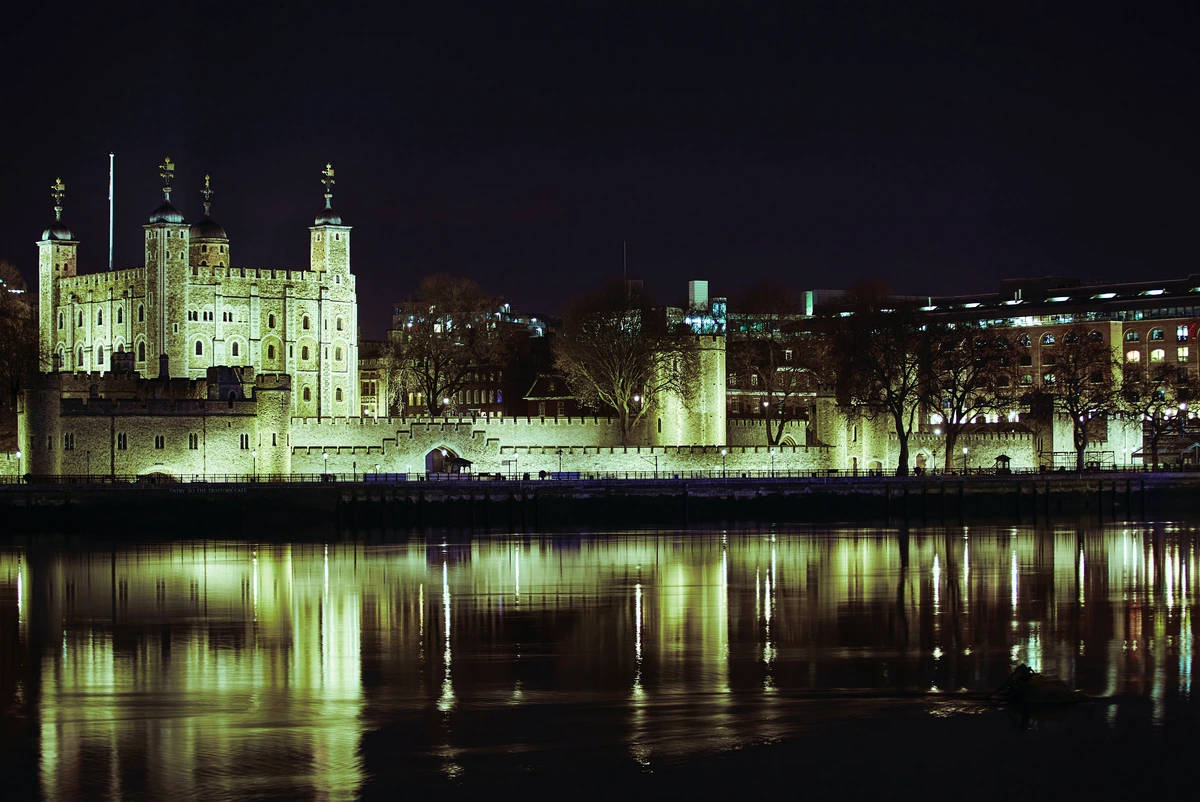
Viewed from the south bank of the River Thames, the Tower of London complex emerges as a massive chronicle carved in stone, reflecting the peak of medieval military art with its sturdy multi-layered concentric fortress model. The focal point of the entire complex is the White Tower, a square stronghold initiated by William the Conqueror, featuring stone walls nearly four meters thick at its base to defy all siege weaponry of that era. What gives the structure its soul is one of the most luxurious building materials of the Middle Ages: smooth creamy-white Caen limestone blocks quarried from renowned ancient mines in Normandy, then shipped across the English Channel and down the Thames to dock at the royal construction site, intertwined with rough native Kentish ragstone sandstone. Enclosing the central keep are two fortified curtain walls added across successive dynasties, harmoniously arranging thirteen satellite guard towers such as Wakefield, Beauchamp, and the Bloody Tower, creating an interlocking defensive battle formation with zero blind spots, ready to lock down any infiltration from water or land.
Positioned at the heart of this opulent suite of state rooms is the Amber Room, the renowned masterpiece hailed by posterity as the Eighth Wonder of the World. Across a floor area of roughly one hundred square meters, towering wall expanses are clad in more than six tons of natural amber originating from the windswept Baltic coast. Each wall panel is a painting created without a single brushstroke, crafted entirely from the artistry of piecing together tens of thousands of fragments of fossilized tree resin millions of years old in an extraordinary spectrum of shifting hues: from translucent honey gold and lustrous milky butterscotch to deep garnet red and antique wax brown. Interwoven among the intricately carved amber panels are exquisite Florentine mosaic artworks fashioned from marble, agate, and deep blue lapis lazuli, vividly depicting human senses alongside learned mythological allegories.
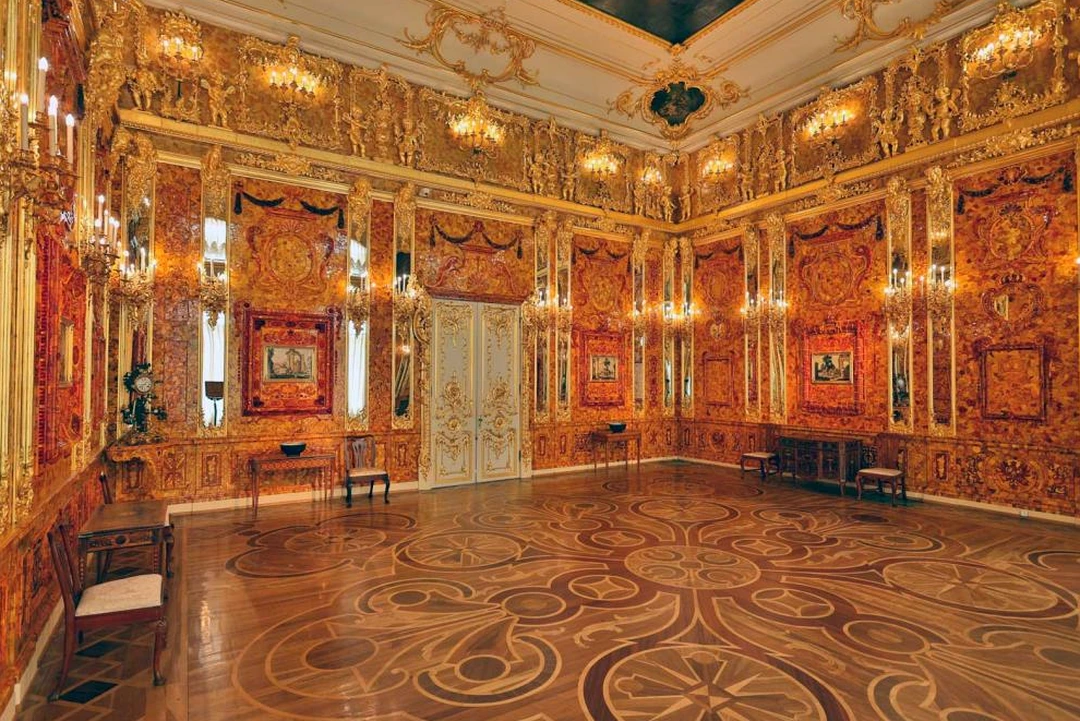
The mystique of the chamber grew many times deeper after its somber disappearance during World War II, sparking one of the most painstaking and accurate restoration campaigns in the history of human art spanning several decades. By examining every black-and-white archival photograph taken during the Tsarist era and the sole original stone mosaic fragment recovered, master artisans at the Tsarskoye Selo restoration workshop resurrected this masterpiece through the pinnacle of craftsmanship. They skillfully combined traditional heat-treatment techniques to transform the raw hue of the amber with transparent optical epoxy resin, creating a permanent bonding agent whose optical refractive index closely matches that of natural amber. Every micrometer-precise cut and delicate hand-carved layer restored the warm radiance and subtle pine scent of the fabled chamber when illuminated by candlelight, bringing the golden past back intact into the present day.
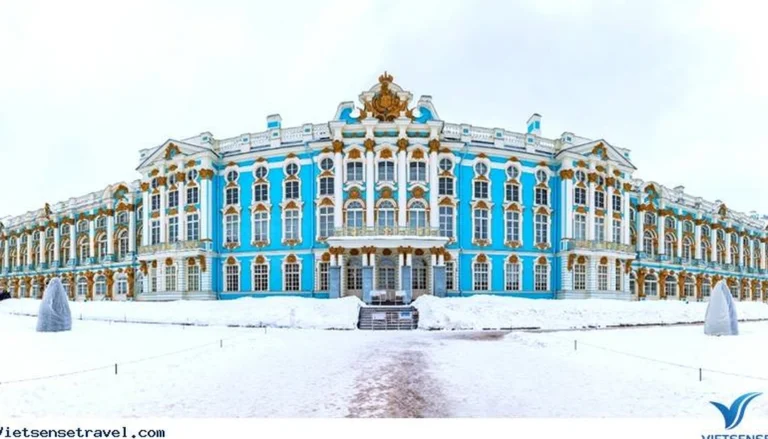
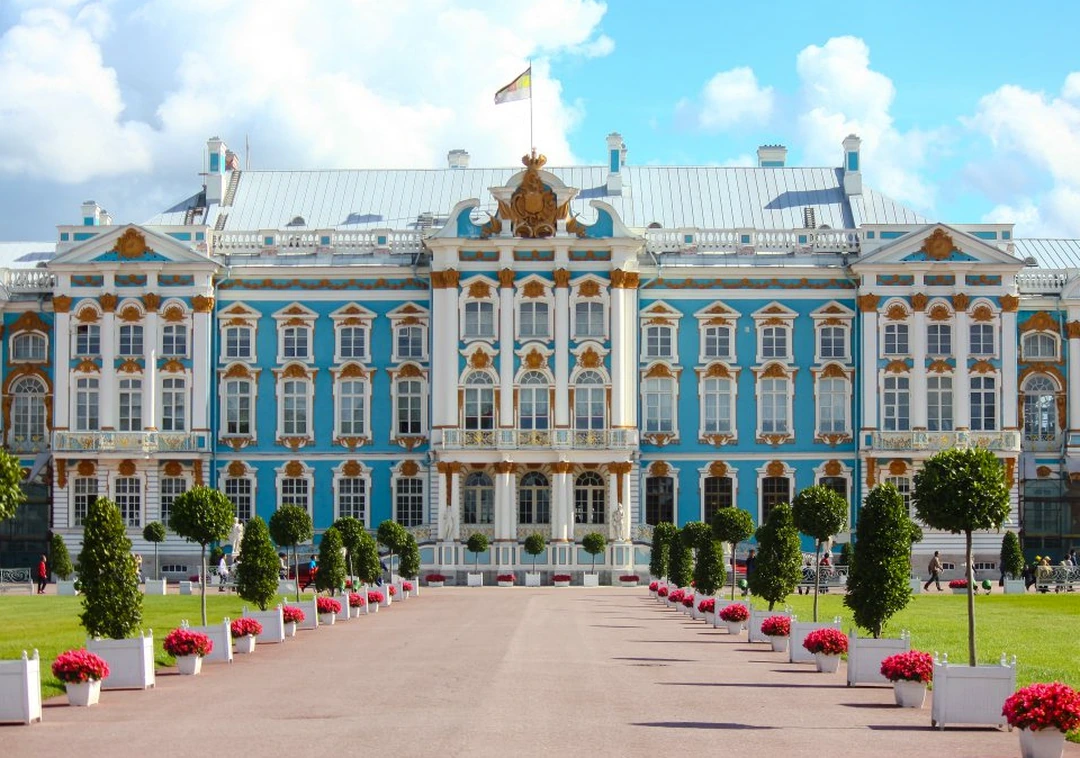
As northern twilight settles into the ancient birch groves of Pushkin, Catherine Palace sheds its daytime formality to transform into a breathtaking stage for architectural light. Shaped by the master architect Bartolomeo Francesco Rastrelli, its facade stretching more than three hundred meters in grand Russian Baroque style is awakened by a modern multi-layered architectural lighting system. Streams of crisp white light with carefully calculated color temperature shine directly onto the signature cobalt-blue walls, heightening the striking contrast with the original gilded gold of hundreds of muscular Atlantes supporting the entablature and graceful Caryatids. The entire monumental structure looks like a turquoise mass edged in blazing gold floating weightlessly in the quiet night, completely erasing the boundary between reality and illusion and recalling the zenith of the Romanov Empire under the reigns of two illustrious empresses, Elizabeth Petrovna and Catherine the Great.
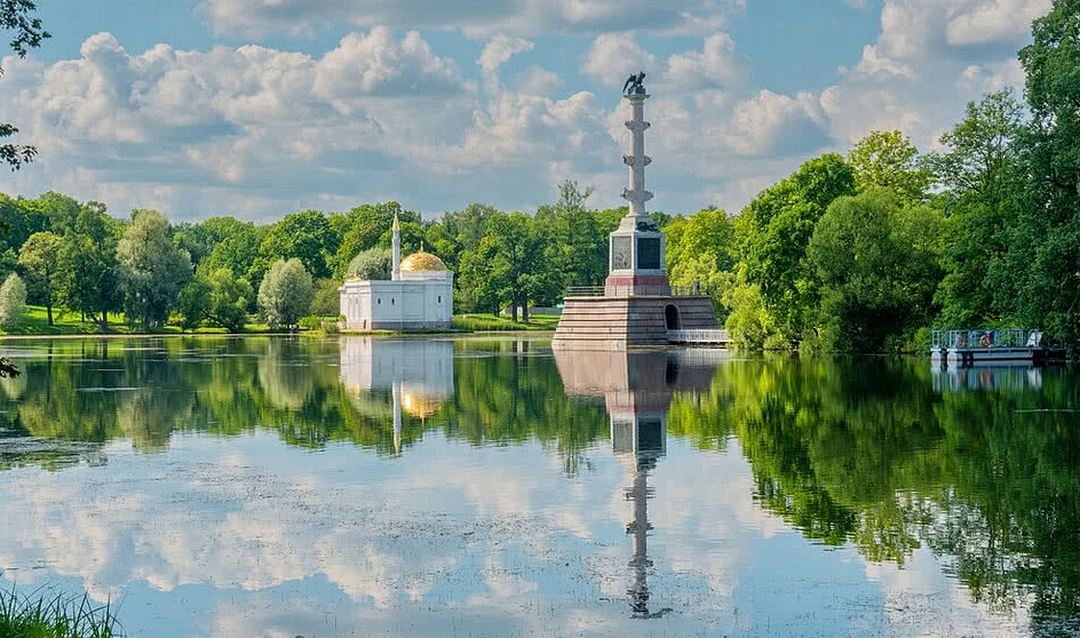
During the summer months, particularly during the magical White Nights stretching from late May to mid-July, the grounds never sink completely into darkness but instead are draped in an ethereal, silvery glow. Long, lingering dusk blends with artistic illumination from the palace, casting majestic reflections across the Great Pond as smooth as crystal glass. Covering dozens of hectares, Bolshoy Prud becomes the finest natural backdrop, reflecting the full pride of the Grotto Pavilion and Artificial Island, once witness to gilded pleasure barges carrying the nobility of St. Petersburg‘s imperial court. A gentle breeze off the water stirs the weeping willows, mingling with the soft light to create a living natural tableau that makes every step along the paths of the Ekaterininsky Park feel like a journey through time back to the eighteenth century.
The crowning highlight of nightlife in Tsarskoye Selo is its outdoor chamber concerts and premier classical arts festivals. The stone-paved forecourt and cour d’honneur become grand open-air stages where Russia’s leading symphony orchestras bring to life the immortal musical legacy of Pyotr Ilyich Tchaikovsky, Mikhail Glinka, and Dmitry Shostakovich. The soaring notes of violins and the majesty of brass resonate against curved Baroque vaults, drifting through colonnades before fading softly into the stillness of the oak woods. Woven between classical movements are performances by ballet dancers in Enlightenment ball gowns, vividly recreating the lavish masquerade balls where Empress Catherine II once entertained envoys from across Europe, when thunderous fireworks once lit up the entire northern sky.
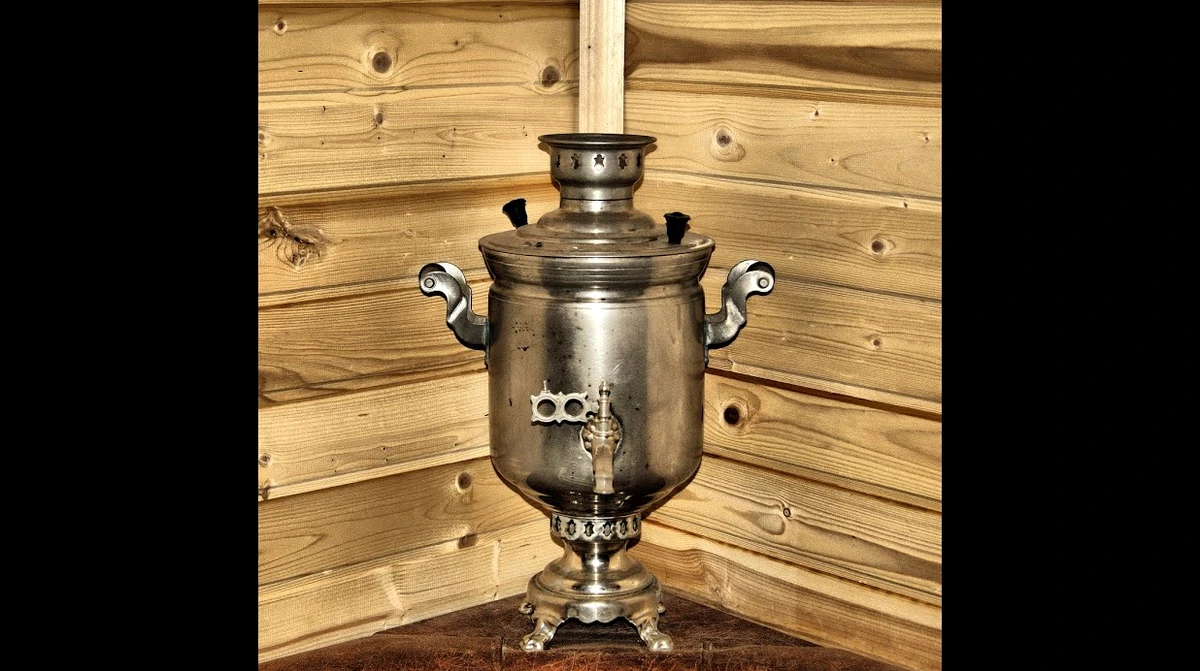
Bringing the visual and musical arts experience to a close, the evening atmosphere across the palace complex leads guests into refined imperial culinary moments. Beneath the flickering candlelight of summer tea pavilions bordering the grounds, visitors can savor traditional black tea brewed in red copper samovars heated with smoky pine charcoal, carrying a pure aroma of wild strawberry leaves and raspberries. Alongside a steaming cup of tea come delicacies that once graced royal banquets, from paper-thin blini topped with rich butter and famed black Beluga caviar to glasses of renowned Abrau-Durso sparkling wine crafted by the traditional method since the reign of Tsar Alexander II. The seamless blend of Baroque visual art, erudite classical music, and aristocratic dining culture turns an evening at Catherine Palace into an enduring epic that awakens every sense of the distant traveler.
Stepping out from the dazzling gilded rooms and the deep mystery of the Amber Room in the Imperial Village of Tsarskoye Selo, a wanderer’s journey into Russian culture feels truly complete when anchored at an imperial table—where the heights of royal gastronomy meet the rich natural bounty of the Northwest. Through centuries of serving monarchs of the Romanov dynasty, Pushkin’s cuisine has been far more than mere nourishment for the palate; it is a living harmony of eastern Versailles court refinement and pure Russian folk soul. Every dish preserved in this summer royal retreat bears the mark of grand feasts where celebrated European chefs poured out their skill to delight Empress Elizabeth Petrovna or Catherine the Great.
Opening the culinary ritual of Tsarskoye Selo is always the famed Rastegai Tsarskoye Selo pie. Shaped like a small boat with a golden, airy yeast-dough crust, it is deliberately left open in a neat round aperture right along the center of its ridge. The filling is crafted with care from rich Volga sturgeon or finely minced young veal with butter-sautéed onions, seasoned with fresh dill seed and black pepper. True to old court etiquette, before taking a first bite, guests have a server gently spoon hot fish broth or meat stock into the opening so the filling becomes thoroughly succulent, creating a tender, savory richness that brims on the tongue. Alongside rastegai come plates of Petersburg blini as light and delicate as silk, fluffy and fragrant with browned butter, often rolled around glossy black sturgeon caviar or smoked salmon and generously spread with traditional rich smetana sour cream.
The soul of an autumn northern table lies in the royal fish soup prepared according to traditional court recipe as Peter the Great’s fish soup. Unlike everyday soup, this imperial dish calls for simmering the broth across three tiers of fish: a first tier of small fish from Lake Ladoga for clean sweetness, a second tier simmered with perch and carp for rich body, and a final tier where pristine, fatty white sturgeon cuts are added. The broth turns crystal clear like gleaming amber, lightly fragrant with celery root, bay leaf, and allspice. According to court lore, the moment the pot is finished, the head chef plunges a glowing ember of birch wood straight into the bottom of the pot and adds a splash of fine grain vodka to lock in the primal forest smoke aroma, awakening the authentic palate of the old nobility.

The imprint of the vast oak and pine forests surrounding Tsarskoye Selo shines clearly in traditional slow-braised game dishes. Stag, wild boar, or wild grouse from imperial autumn hunts are marinated for days in red wine infused with juniper berries before being slow-simmered in an earthenware pot with white pine mushrooms and fresh porcini gathered from the Taiga woods. The deep, firm sweetness of wild game melds with the gentle tang of forest berries like cranberries and golden cloudberries to create a layered flavor that is at once untamed and peerlessly regal.
Bringing the royal culinary journey to a close is the stately appearance of Guryev porridge—the pinnacle of aristocratic dessert created in the early nineteenth century by Finance Minister Dmitry Guryev to present to Emperor Alexander I. The dish is a feat of layered culinary construction: semolina simmered in fresh milk is arranged in alternating tiers with lightly scorched milk skins that form a rich, nutty film, layered with crushed almonds, roasted hazelnuts, and concentrated forest fruit preserves, then baked golden on top in a stone oven. Savoring a warm spoonful of Guryev porridge beside a bubbling copper samovar, sipping Ivan-chay herbal black tea scented with pine smoke in the crisp autumn air of Pushkin, the traveler feels as though they have stepped through a doorway in time into the most splendid golden years of the great Russian Empire.

To touch the splendid imperial legacy in Pushkin, the journey from central Saint Petersburg opens a deeply nostalgic experience starting at Vitebsky Station. This is the very first railway station of the Russian Empire, inaugurated in 1837 under Tsar Nicholas I to establish a vital transport artery connecting the northern capital with the royal residence of Tsarskoye Selo. Travelers can board suburban electric trains running along the historic route to reach Detskoye Selo station in about thirty minutes, before catching local buses or a taxi for a short ride straight to the grounds of the Catherine Palace. Alternatively, taking a bus from Moskovskaya metro station is also a popular option, carrying travelers across wide boulevards bearing the architectural imprint of the Soviet era before immersing them in the quiet surroundings of a birch-shaded suburb.
Due to the international stature and unmatched allure of the legendary Amber Room, the management of the Tsarskoye Selo State Museum-Preserve enforces a strict visitor flow control system. Palace interior admission tickets are divided into fixed time slots with tight quotas per group in order to maintain steady humidity and temperature levels, protecting millions of precious fossilized amber pieces. Independent travelers must proactively book e-tickets at least two weeks in advance through the official portal tzar.ru, as the entire daily allocation often sells out just minutes after release. Upon stepping into the regal spaces of the Catherine Palace, visitors must strictly observe heritage security rules: camera tripods, selfie sticks, and large bags are strictly prohibited, and flash photography is strictly banned inside the Amber Room to avoid triggering photochemical reactions that would dull the ancient resin.
The heritage estate operates on a standard schedule from 10:00 to 18:00 on weekdays, closing regularly on Tuesdays and the last Monday of every month for restoration and technical maintenance. Admission tickets to Catherine Park and tickets to tour the palace interiors are issued separately, with Route 1 focusing on the gilded state halls and Route 2 leading into the private living quarters of the Romanov court. Fees to visit the palace and park vary flexibly by period, with rates for international visitors always including a professional multilingual audio guide. The period from November through March of the following year is considered an ideal time to observe the heritage’s beauty. When pure white snow blankets the gilded domes and the Great Pond turns into an eternal mirror of ice, the atmosphere becomes tranquil, allowing visitors to admire the Baroque masterpiece in full without being affected by summer crowds.
A highlight not to be missed within the residence grounds is the Cameron Gallery, an elegant Neoclassical structure designed by Scottish architect Charles Cameron at the wish of Empress Catherine the Great. Standing by the graceful Ionic colonnade of the gallery on quiet winter afternoons, travelers can take in panoramic views of the snow-covered gardens and feel the wondrous interplay between icy nature and master human craftsmanship. After hours of walking and absorbing history, stopping at traditional tea rooms to enjoy a plate of warm honey blini, a rich bowl of beetroot borscht, and a glass of black tea in a classic metal holder will round out a fulfilling day of travel in the famed Tsarskoye Selo. For a complete journey of discovery through the heritage land without worrying about advance ticket bookings or complicated transfers, travelers can sign up for a comprehensive Moscow – St. Petersburg Russia tour package designed with care and depth.