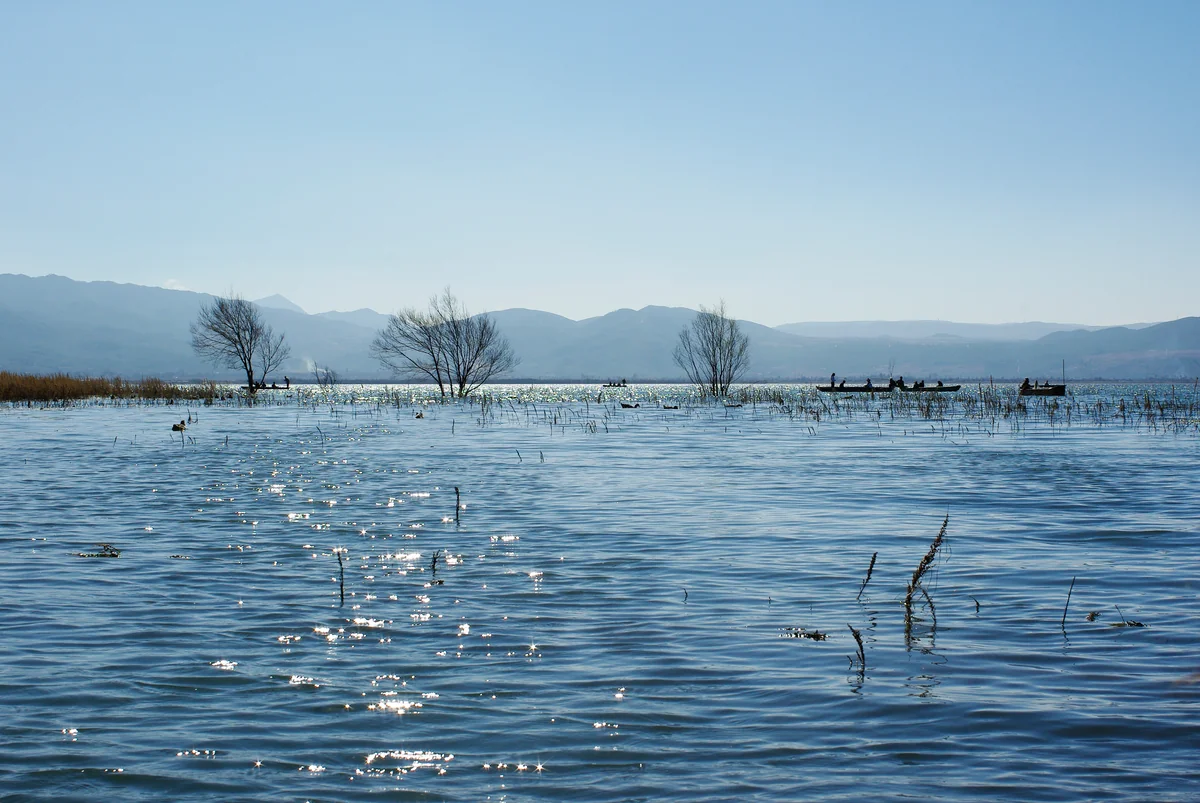
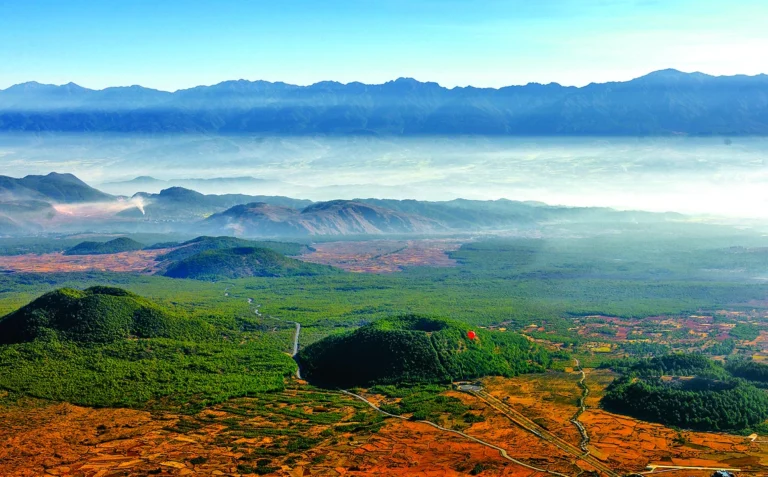
Lugu Lake, situated at an elevation of approximately 2,690 meters above sea level along the border between Yunnan and Sichuan provinces in the People’s Republic of China, is a tectonic fault-block basin formed during the Quaternary period. Geomorphologically, the lake basin is the result of stratigraphic subsidence driven by the geodynamic activity of the Tibetan Plateau, creating a freshwater body with an average depth of thirty meters and a maximum depth exceeding ninety meters. Geographical isolation from surrounding valleys—enforced by the towering, sheer peaks of the Hengduan Mountains—has fostered an independent microclimate while shaping an extraordinary anthropological space. For centuries, this rugged terrain minimized intervention from the northern feudal dynasties of the Central Plains, transforming the lake basin into a secluded yet stable habitat for the Mosuo people, a local subgroup of the Naxi nationality officially classified within China’s ethnological system.
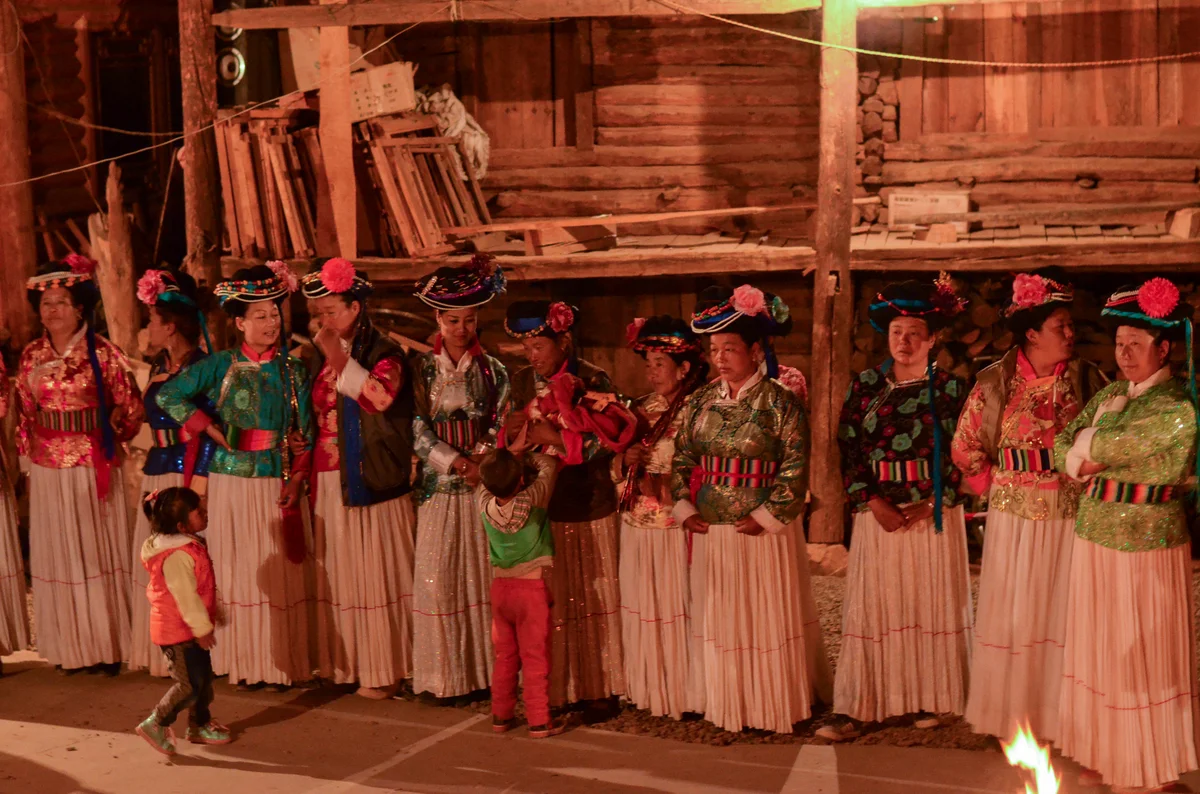
The historical trajectory of the Lugu Lake basin is closely intertwined with the evolution of one of the few ancient matrilineal social structures surviving in the contemporary world. Archaeological evidence and ethnographic records indicate that the Mosuo have inhabited the lakeshore for thousands of years, sustaining a social order grounded in strict matrilineal descent in which women occupy the central role in economic management, land ownership, and lineage continuity. During the feudal Ming and Qing dynasties, when the Tusi chieftain system was widely instituted across southwestern frontier regions to consolidate central authority, the Lugu Lake area was placed under the administration of local chieftains through hereditary feudal titles. However, the authority of these Tusi rulers largely took
Lugu Lake formed its geological structure through a complex tectonic faulting process during the Quaternary period, nestled on the Yunnan–Sichuan Plateau in southwestern China. Stretching across an average elevation of roughly 2,680 meters above sea level, the lake spans a surface area of nearly fifty square kilometers with a maximum depth of approximately ninety meters, forming an alpine body of water with a distinctly enclosed basin morphology. Encircling the shoreline, mountains of the Hengduan system rise continuously—reaching over four thousand meters at their highest summit—forming a natural windbreak that thoroughly isolated both the biological ecosystem and the anthropological culture of the indigenous Mosuo community for centuries. This isolation not only shaped a unique hydrological ecosystem with crystal-clear waters offering remarkable underwater visibility, but also provided a firm geographical foundation for developing residential spatial planning deeply marked by ecological adaptation.
The master layout of settlements surrounding Lugu Lake directly reflects the traditional matrilineal social structure of the Mosuo, where living spaces are organized around the extended maternal family axis. Entirely distinct from the patrilineal village models prevalent across China’s Central Plains, Mosuo villages here do not follow rigid feng shui rules regarding north-south axes or fortified defensive walls. Instead, residential spatial structures follow the natural topographical contours of terraced mountain slopes and narrow lakeshore alluvial strips, optimizing access to fresh water and limited arable land. Domestic compounds are arranged as enclosed U-shaped or square clan clusters, known as “Yizuo,” with their primary facades oriented directly toward the lake or small valleys. At the heart of each architectural cluster lies a spacious central courtyard that serves as the focal point for daily economic tasks, drying crops, and performing vital family religious rituals presided over by the eldest woman of the household.
The interior spatial division of every Mosuo dwelling strictly upholds matrilineal cultural values and social order through traditional timber materials and structural framing. The main hall, called the “Zabu,” serves as the spiritual and daily living heart of the entire extended family, housing a sacred hearth fire that is never allowed to go out throughout the clan’s lifespan. Space within the Zabu is clearly zoned into functional areas for cooking, receiving honored guests, and the living quarters of the matriarch. Surrounding the inner courtyard, auxiliary wings are arranged as private bedrooms for adult female members and spaces dedicated to the “walking marriage” custom, wherein men visit their female partners at night without moving into the woman’s household. Using natural pine timber framing paired with thick rammed-earth walls enables these structures to retain stable indoor temperatures amid the harsh highland climate, while demonstrating the advanced nail-free joinery mastered by local artisans.
The landscape enveloping Lugu Lake has been shaped by a centuries-old interplay between humanity and nature, with terraced fields, stands of old-growth spruce and pine forests, and small islands dotting the water forming the primary visual elements. Prominent islands on the lake—such as Gemu Island and slender peninsulas jutting deep into the water—hold not only ecological value as wildlife conservation corridors, but also sacred significance tied to Mosuo creation myths. Landscape stewardship here maintains minimal human intervention, leaving lakeside vegetation—including weeping willows and endemic aquatic flora—intact to preserve natural biological filtration for the lake’s water quality. Traditional pedestrian pathways, once primarily packed-earth trails winding along steep slopes, have been carefully upgraded to support heritage conservation while preserving green coverage and the authenticity of the ethnic cultural landscape.
From the perspective of architectural anthropology, spatial organization at Lugu Lake demonstrates a remarkable human capacity to adapt to a closed high-altitude ecosystem. Planning solutions—from overall village layouts down to granular residential structural details—reflect a long-term ecological vision in which the community coexists harmoniously within nature’s carrying capacity without disrupting local hydrology or topography. Boundaries between public and private space are softly delineated through rustic wooden fences or natural stone steps, producing a cohesive village architecture attuned to the contours of the surrounding lake and mountains. Over centuries, this spatial framework has successfully safeguarded the integrity of one of the world’s last surviving matrilineal cultural realms, establishing it as a vital subject of study in human settlement planning, architectural anthropology, and global cultural landscape management.
Lugu Lake, straddling the northwestern plateau of Yunnan Province and southwestern Sichuan Province, converges with the presence of the Mosuo people to create an extraordinary cultural and anthropological landscape on the human geographical map. Anthropologists and architectural scholars have long identified this region as one of the world’s rare surviving contemporary matrilineal centers, where social structure directly and profoundly governs the physical form of domestic architecture. The Mosuo architectural ecosystem ringing Lugu Lake is far more than inert timber and stone; it is the tangible manifestation of an enduring social order in which women hold central authority over power, economy, and lineage. The geographical seclusion of this tectonic basin at over 2,600 meters above sea level has preserved an indigenous building tradition over centuries—unadulterated by surrounding Han or Tibetan architectural currents, even while engaging in mutual exchanges through trade and Vajrayana Buddhism.
The building materials used by the Mosuo around Lugu Lake are intimately bound to the abundant old-growth forests encircling China’s second-deepest freshwater lake. Pine and spruce serve as the two primary timber species, harvested by hand under tacit community agreements governing the protection of sacred forest ecosystems. Traditional house construction—especially the classic log-cabin style known as “Zuo Fang” or “Qian Jiao Lou”—completely eschews iron nails or rigid metal fasteners. Instead, local carpenters employ intricate wooden joinery, including mortise-and-tenon joints, cross-lap joints, and interlocking purlin systems held together by the dead weight of the timber itself. The natural elasticity of this nail-free wooden framing enables dwellings to withstand frequent seismic tremors along southwestern China’s fault zones while allowing buildings to breathe with the dramatic swings of the highland climate.
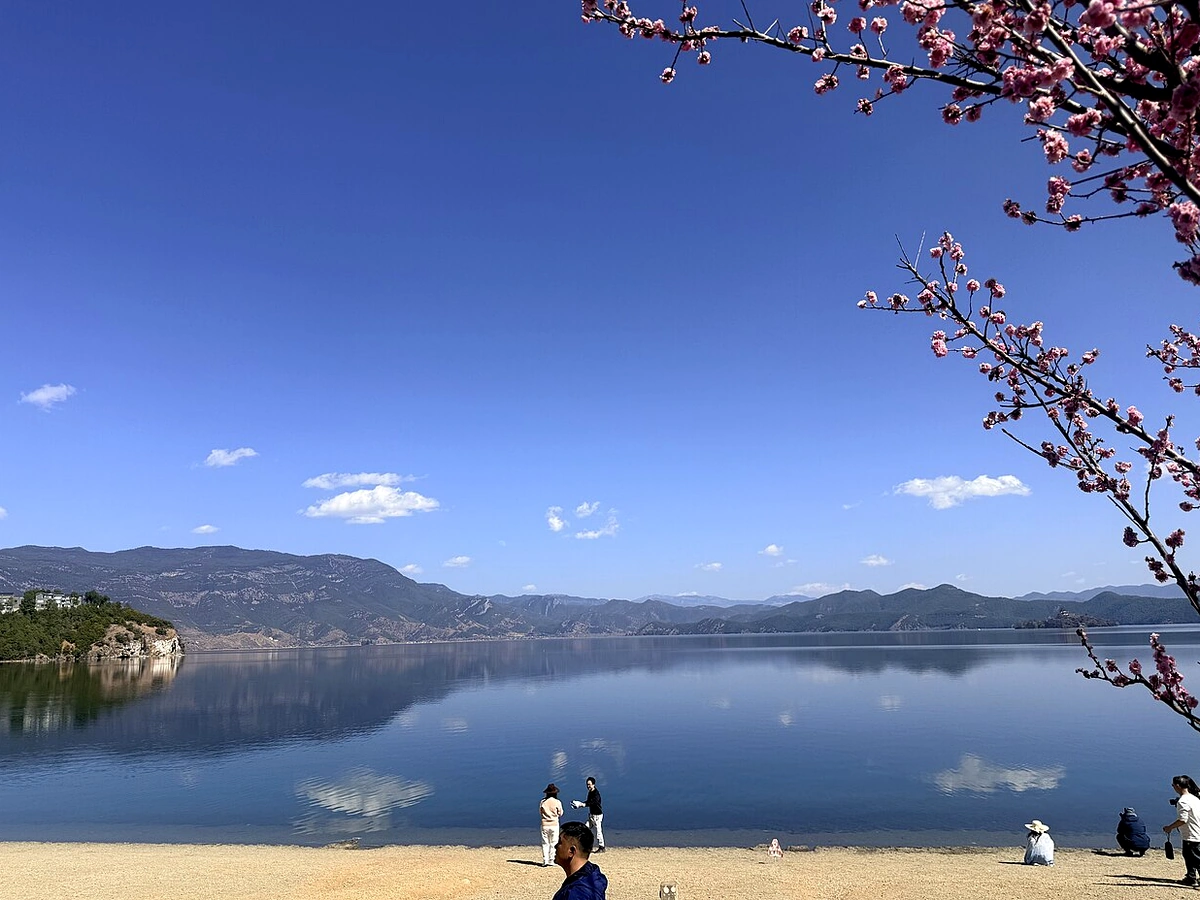
The spatial floor plan of a quintessential Mosuo compound strictly adheres to indigenous geomantic principles harmonized with matrilineal family structure. A complete architectural ensemble typically comprises four structures facing inward to enclose a square central courtyard, symbolizing the gathering of vital energy and the preservation of clan vitality. The main building—oriented toward the entrance gate or facing the lake—is designated as the Grandmother’s Hall, or “Zu Mu Wu,” the most sacred space of the entire lineage. Here, an eternal hearth fire is kept burning across generations, embodying the life force of the eldest matriarch, who wields supreme economic and spiritual authority. Flanking the Grandmother’s Hall are living quarters for female family members and children, whereas adult men in the clan primarily assist with heavy labor and spend most of their time in auxiliary rooms or at their partners’ homes under the distinctive walking marriage tradition.
Woodcarving techniques adorning architectural components around Lugu Lake reflect the Mosuo worldview of nature reverence and animistic beliefs. Across door frames, primary load-bearing pillars, and crossbeams, artisans carve motifs symbolizing blessings, fertility, and spiritual protection. Depictions of flames, the sun, the moon, and native fauna such as eagles and the endemic Schizothorax fish native to Lugu Lake are rendered in bold, primal relief. Unlike the ornate, intricate carvings of imperial Chinese dynasties focused on sovereign authority or aristocratic prestige, Mosuo visual artistry centers on the intimate bond between humanity, heaven and earth, forests, and water. Every wooden motif is passed down through generations of village carpenters, safeguarding collective memories never recorded in formal written scripts.
In terms of aesthetic philosophy, Lugu Lake’s architecture exemplifies an indigenous functionalism that achieves remarkable maturity in spatial symbolism. Living spaces are not partitioned into closed-off private rooms driven by individualism, but instead expand outward along communal kinship lines. The chambers of adult women—where walking marriages take place—feature small windows and discreet doorways that ensure complete privacy for traditional non-marital romantic life while remaining firmly embraced within the broader clan compound. This layout embodies the Mosuo ethos: championing female autonomy in love and intimacy while anchoring child-rearing responsibilities in the collective strength of the extended matrilineal household rather than placing the burden solely on an individual father.
Layers of artistic symbolism are further revealed in the roofing design of traditional dwellings. Before modernization introduced contemporary roofing materials to the region, original Mosuo homes utilized hand-split thin stone slabs or pine shingles weighted down with heavy boulders to withstand fierce gales sweeping off the lake onto the plateau. The weight of the stones pressing down upon the timber creates steady vertical compression, anchoring the structure firmly to the ground and preventing roofs from being torn off by high winds. Symbolically, that heavy, steadfast roof represents the absolute shelter provided by mothers and grandmothers to all generations beneath it—acting as a cultural shield protecting the community against both harsh natural elements and external patrilineal assimilation pressures over centuries.
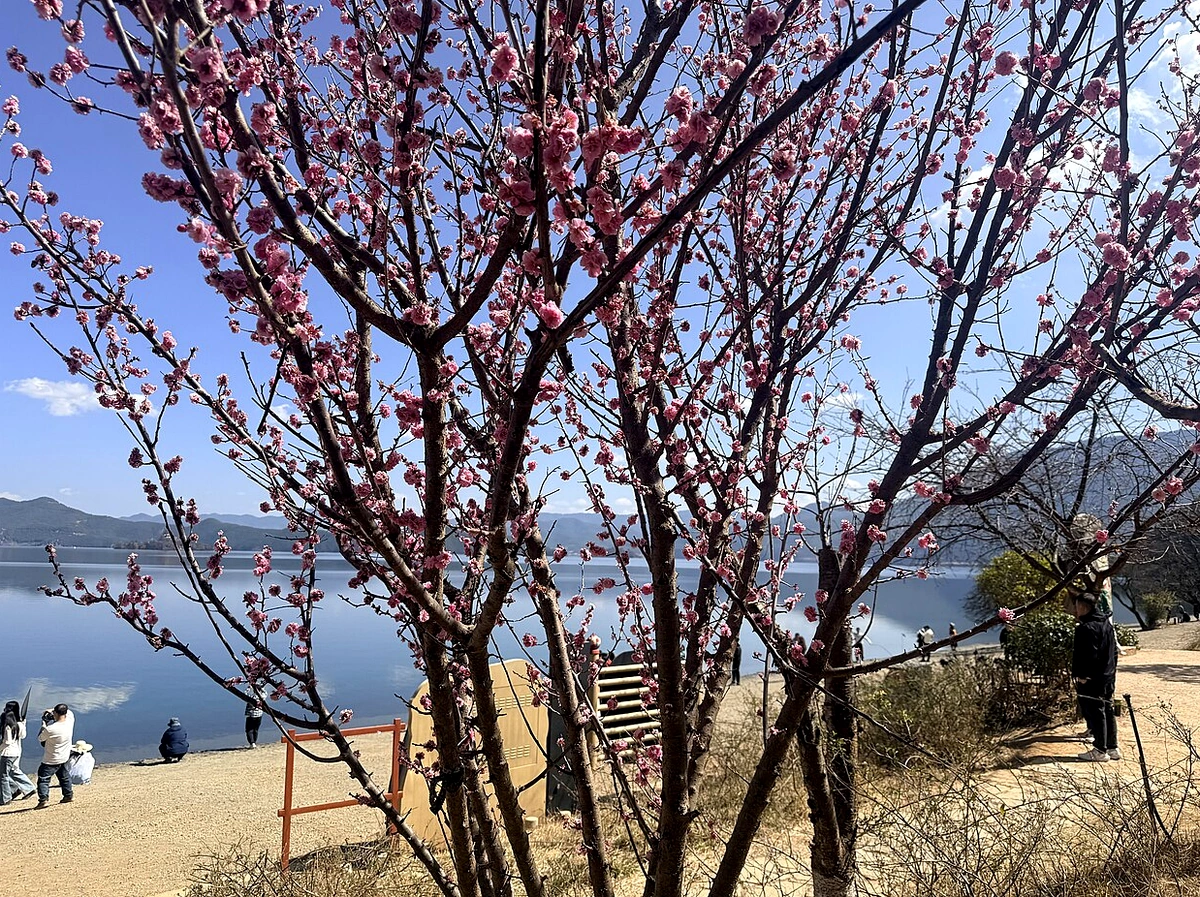
Alongside residential compounds, sacred architecture around Lugu Lake contributes an essential dimension to the broader cultural landscape. White stupas and stone altars lining the lakeshore and small islands reflect a spiritual syncretism blending indigenous Daba/Bön traditions with Tibetan Buddhism. Painted pure white, these tiered cylindrical or square stupas are built according to sacred Vajrayana geometric canons while standing in reverent harmony with Mosuo nature deities, such as Mount Wumu and the Goddess of Lugu Lake. Rather than diminishing the matrilineal character of the space, these religious monuments are woven into the annual festival calendar, during which Mosuo women continue to preside over supreme rituals honoring local deities.
Amid economic shifts since the final decades of the last century—as mass tourism began flowing into Lugu Lake—the local architectural landscape has undergone irreversible changes. Many traditional wooden houses with stone-weighted roofs have been replaced by hybrid reinforced-concrete structures built to accommodate hospitality businesses. Nevertheless, surviving authentic buildings in villages such as Luoshui and Lige steadfastly preserve their intrinsic value as a living anthropological museum. Studying the architecture of Lugu Lake therefore transcends conventional structural analysis, becoming an enduring lesson in how humanity adapts to the natural environment through the lens of a matrilineal social order—bequeathing to the world an invaluable material heritage of harmony among people, architecture, and untamed nature.
Stretching across an elevation of 2,690 meters above sea level and straddling the administrative boundary between Yunnan and Sichuan provinces in southwestern China, Lugu Lake is a tectonic fault-block formation dating to the Quaternary period. Its ecological realm is inseparably linked with the Mosuo people, an ethnic minority renowned for preserving a nearly intact matrilineal social system across centuries. Exploring the distinct sub-regions and on-site routes around the lake calls for a multidisciplinary perspective combining human geography, landscape ecology, and historical sociology. The entire perimeter of this nearly fifty-square-kilometer lake is divided into distinct geographical micro-regions, each representing a unique cross-section of traditional cultural life and natural conservation across the Yunnan-Guizhou Plateau.
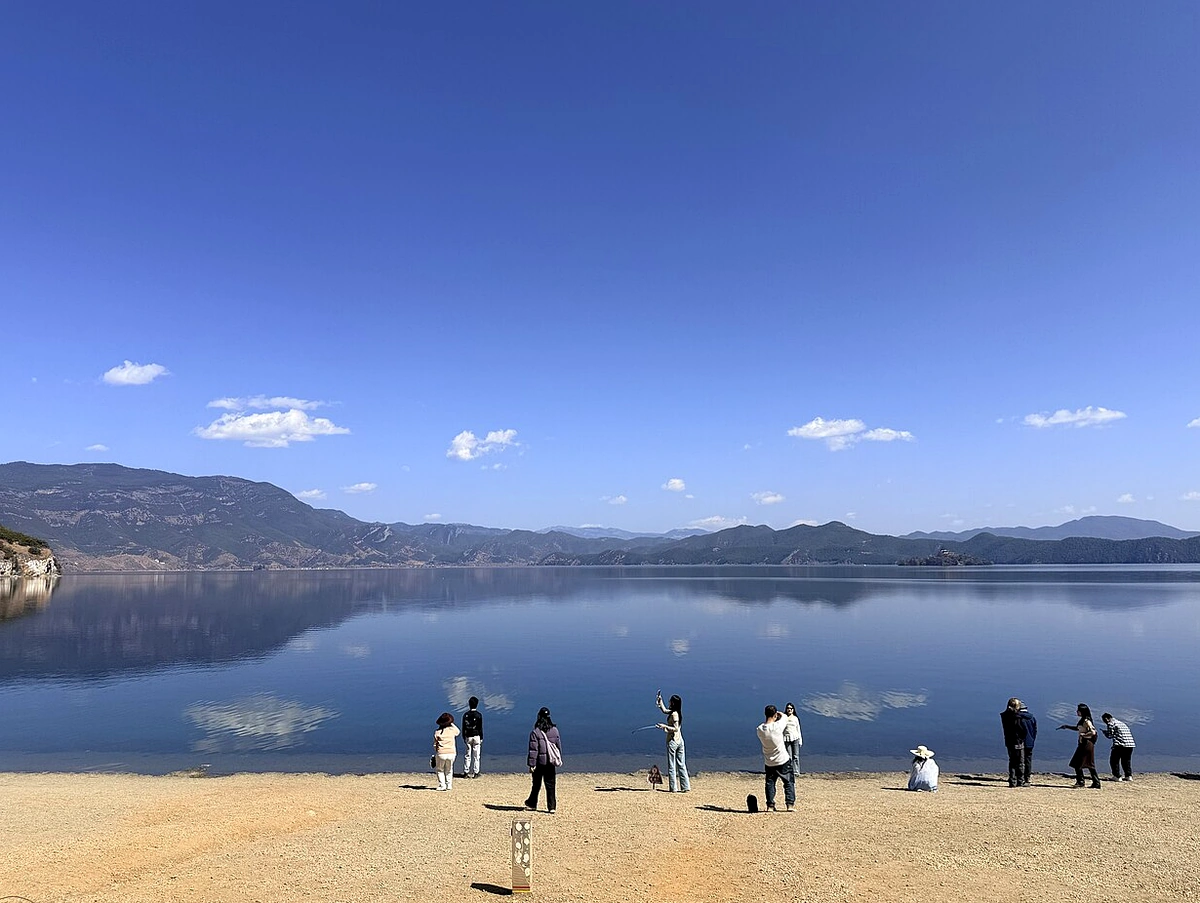
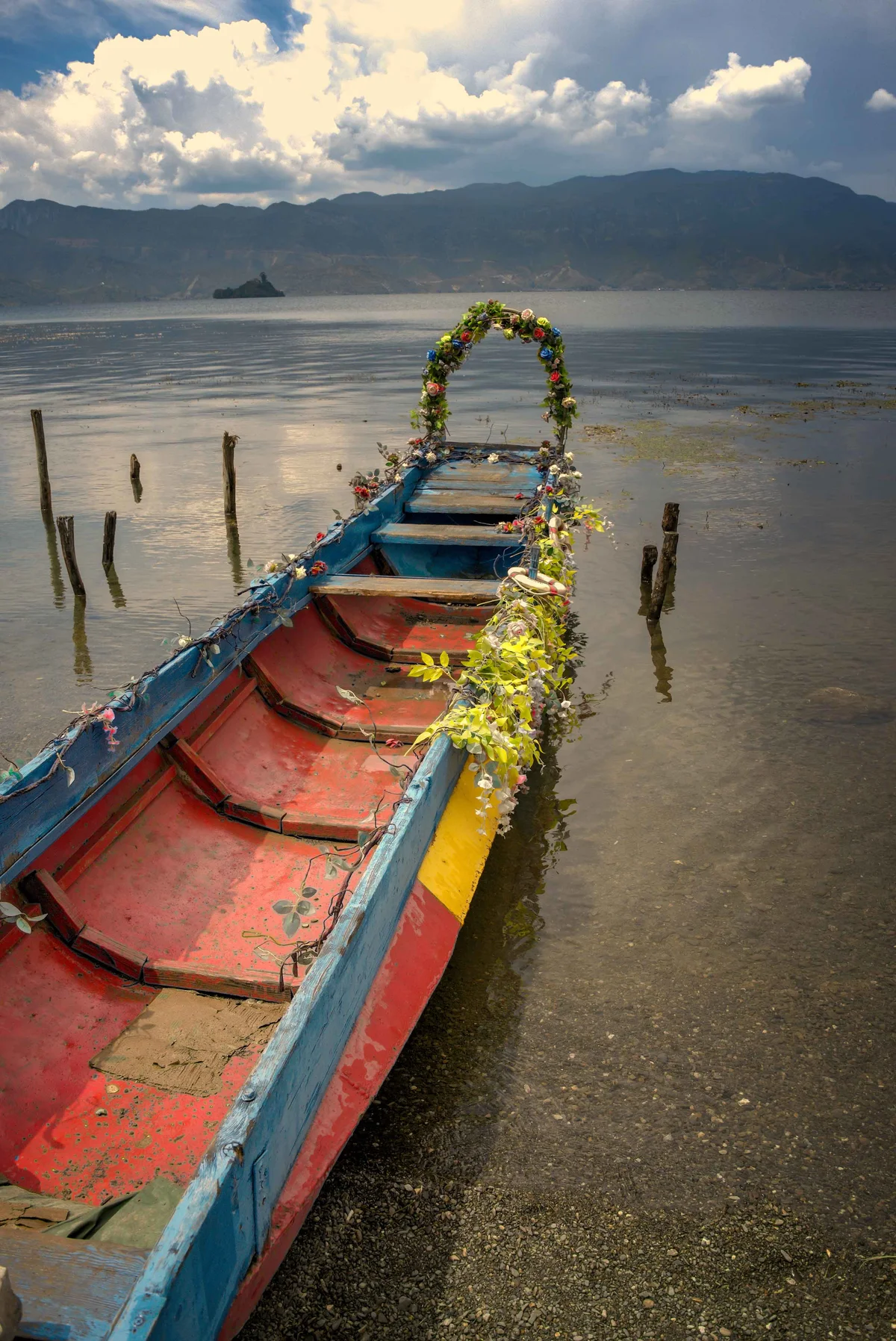
A journey into the region typically begins on the southern shore, home to major Mosuo settlements such as Luoshui Village. This sector serves as the primary transport hub as well as the largest center for visitor services and ethnographic study in the basin. Luoshui’s scenery is defined by gentle white-sand beaches sloping into deep turquoise waters, where traditional dugout canoes known as “pig-trough boats” lie moored in neat rows. Architecture here vividly illustrates social transformation under the influence of mass tourism, yet still retains traditional three-bay wooden homes centered around the sacred hearth room. Heading east from Luoshui leads travelers past the sheer cliffs of the Nisei Peninsula, where rugged terrain separated ancient clans for centuries before modern paved roads were completed.
Continuing clockwise across the border into Sichuan Province, visitors enter the Caohai and Lige sectors, where geomorphology shifts abruptly into towering basalt headlands forming slender peninsulas that jut deep into the lake. Lige is widely regarded as the premier visual highlight of Lugu Lake’s entire tourism ecosystem thanks to its dramatic setting at the foot of sacred Lion Mountain. Within Mosuo animistic belief, this peak embodies the protective goddess Gemu, the deity governing vitality, harvests, and romance across the matrilineal realm. Village structures in Lige hug the natural curves of the shoreline, creating an open spatial fabric where boundaries between water and settlement blur seamlessly. Exploring this area offers profound insight into how the Mosuo adapted to rugged highland topography without compromising pristine scenic beauty.
Venturing further north leads to Xiaowuwu and the sprawling Grass Sea wetland belt, an extensive marsh ecosystem of extraordinary biological value. This zone is distinguished by dense carpets of reeds and aquatic grasses forming lush natural labyrinths that shift colors with the seasons. The quintessential experience here centers on the historic wooden walkway known as the Marriage Bridge, a folk architectural landmark spanning the marshlands to link two villages on opposite banks. Historically, this bridge served as the sole pathway for Mosuo men practicing walking marriages—the customary visiting union in which a man visits his partner after nightfall and returns to his mother’s household before sunrise. Crossing the Grass Sea at dawn or dusk offers absolute stillness, allowing visitors to feel the unhurried rhythm and deep bond uniting local people with their natural surroundings.
Completing the full circuit around the lake brings travelers back to the western shore, encompassing the Walai sector and inland agricultural villages. Here, the scenery transitions from open water to terraced farmlands cultivating highland barley and corn, reflecting the community’s traditional self-sufficient economy. The roughly fifty-four-kilometer lakeside ring road is well-developed, integrating paved lanes for motor vehicles with dedicated paths for pedestrians and mountain cyclists. Key scenic overlooks along the route—such as the Sigela Pass at 3,200 meters—command sweeping panoramic views of the crescent-shaped lake basin, where crystal waters mirror crisp plateau skies and distant snow-capped peaks year-round.
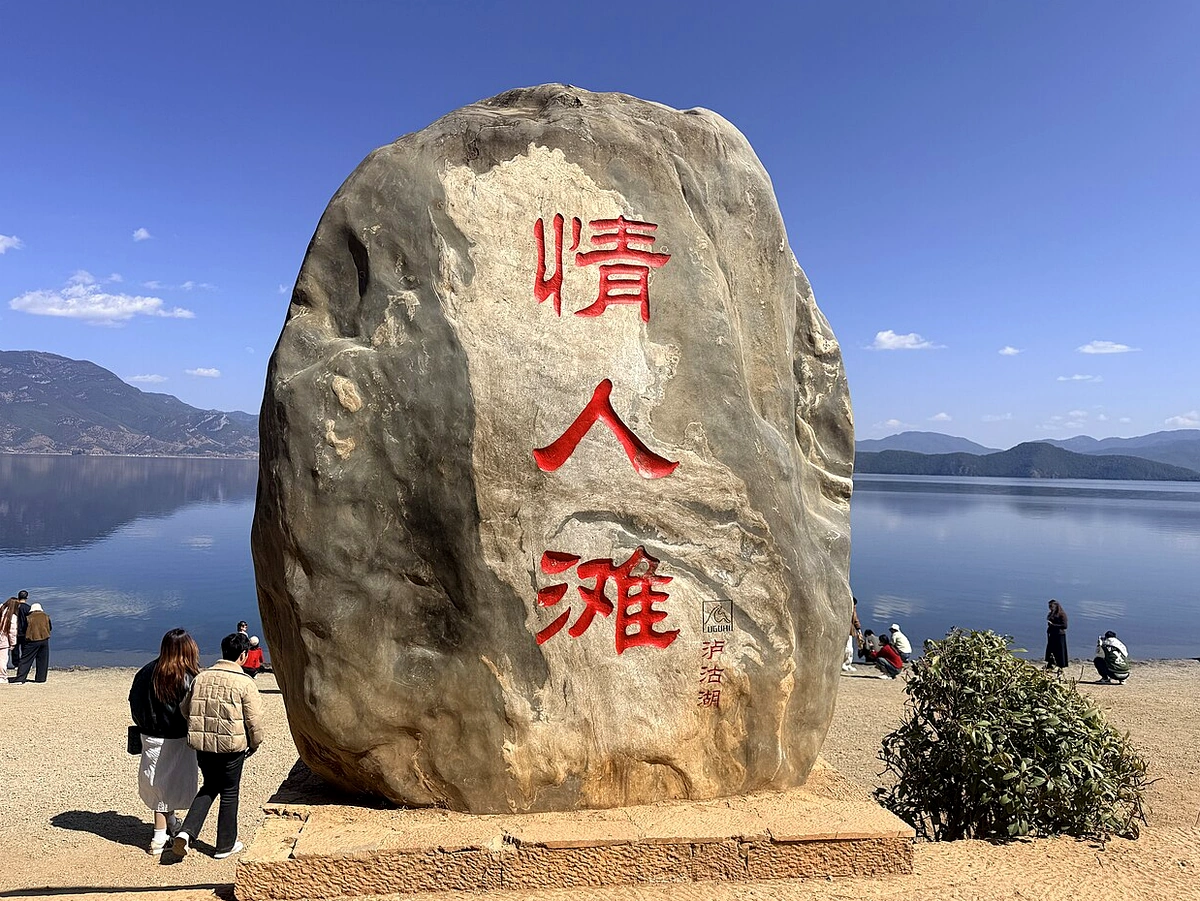
The ideal way to experience Lugu Lake firsthand combines both water and land travel to fully grasp the spatial layout of this matrilineal realm. Early mornings are best spent gliding across calm waters in a traditional dugout canoe from Luoshui to Lige to witness mist rising off the chilly lake as boats drift past small islands shaded by spruce and pine. Afternoons are ideally suited for driving or cycling along the elevated ring road, visiting folk culture museums, and delving deeper into matrilineal traditions alongside local guides and researchers. This balanced approach cultivates a comprehensive, objective, and nuanced appreciation of one of modern East Asia’s most extraordinary natural and cultural landscapes.
Lugu Lake, nestled on the plateau spanning northwestern Yunnan and southwestern Sichuan at an altitude of 2,685 meters above sea level, has long been recognized by anthropologists and cultural scholars as the core habitat of the Mosuo people. Officially classified as a subgroup of the Naxi nationality, this community preserves what is widely regarded as the world’s last surviving pure matrilineal society. Within the traditional spatial fabric of Mosuo communities around the lake, daily life revolves around the walking marriage custom, in which women direct household economies, manage property, and hold primary decision-making authority. Historical geographical isolation caused by the complex tectonic fault terrain of the Lesser Liangshan Mountains inadvertently created a natural fortress, shielding these ancient cultural traditions from extreme external migration and assimilation pressures. When modern transport infrastructure reached the basin in the final decades of the 20th century, the area evolved into a hub for ethnographic fieldwork and cultural tourism—posing the ongoing challenge of balancing authentic anthropological preservation with a hospitality ecosystem serving global visitors.
The accommodation and visitor amenity ecosystem surrounding Lugu Lake reflects the gradual adaptation of the indigenous community to commercial pressures. Traditional wooden dwellings constructed with nail-free mortise-and-tenon joinery—featuring pine log walls and roofs clad in slate tiles or wooden shingles—have been thoughtfully renovated by many Mosuo families into community guesthouses and boutique retreats honoring local architectural traditions. Zoning for hospitality facilities is closely overseen by local authorities and clan elders to prevent concrete overdevelopment along the lakeshore. Infrastructure ranging from clean water supply and solar power to wastewater treatment has been upgraded to protect the fragile ecology of a lake whose average depth exceeds forty meters. Guests staying here not only enjoy essential modern comforts, but also experience firsthand the spatial layout of an extended Mosuo household, where multiple generations share a single compound anchored by the central hearth room as the hub of daily life and spiritual observance.
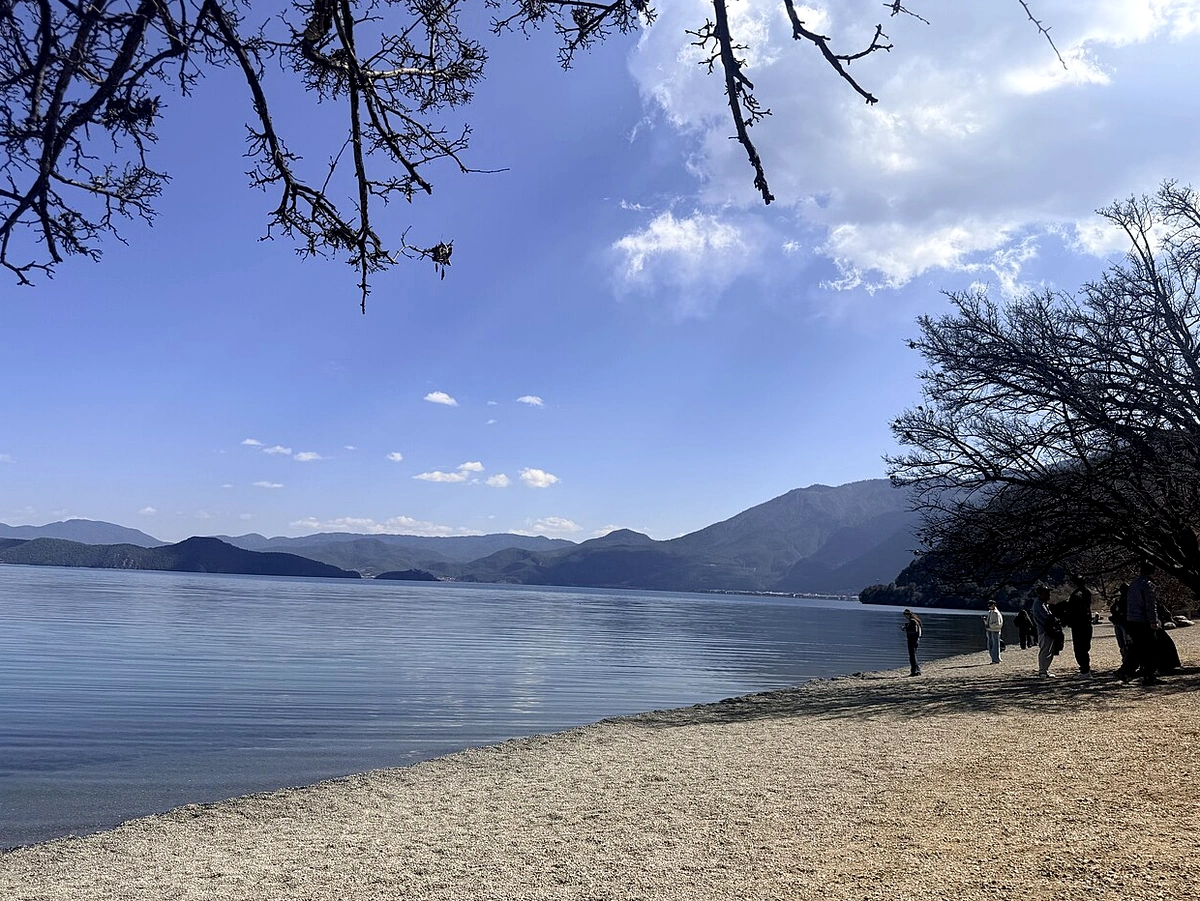
Community gathering spaces and cultural experiences at Lugu Lake are closely tied to traditional festivals, performing arts, and Mosuo religious ceremonies. A highlight of this cultural immersion is the evening bonfire gatherings held in major cultural villages such as Luoshui and Lige, where young Mosuo men and women perform traditional circle dances under the moonlight beside crackling fires. Far more than mere entertainment for visitors, these dances represent an age-old medium of social courtship through which young couples express affection via antiphonal folk songs and rhythmic steps. Excursions aboard hollowed-out single-log canoes—known as pig-trough boats for their elongated silhouette—provide visitors with traditional transport across glassy waters to explore landmarks such as Women’s Island, Lion Island, and shrines dedicated to the lake’s guardian goddess. Rowed by local women or men, these boats offer an intimate setting where boatmen share local legends, insights into aquatic ecology, and oral histories recounting the origins of the kingdom.
Local culinary specialties around Lugu Lake reflect sustainable resource harvesting from the alpine lake and surrounding mountain ecosystems. Staple ingredients center on Lugu Lake fish—most famously the endemic Lugu Lake snow trout—prepared simply in delicate broths with ginger and wild mountain herbs to preserve its natural sweetness, or sun-dried and cured with traditional spices. Whole cured pork, known as Zhazha pork and aged for years in cool cellars, stands as a symbol of household prosperity and food security; the age of the cured meat hanging from kitchen rafters often signifies a family’s standing and economic abundance. Flatbreads and cakes crafted from highland corn, buckwheat, and potatoes grown on steep terraced slopes serve as primary carbohydrates, paired with yak butter tea or mildly alcoholic home-brewed corn wine. Dining establishments here predominantly take the form of family-run farm-to-table eateries, where guests can observe traditional meals being prepared over the central wood-fired hearth using aromatic spices native to the Yunnan–Sichuan Plateau.
The daily rhythm of residents around Lugu Lake remains deeply attuned to nature’s cycles and the agricultural calendar. Mosuo women manage farm work, weave textiles by hand on traditional wooden looms, and operate small tourism-related enterprises, while men typically tend livestock on alpine pastures or assist with construction projects. Handwoven textiles featuring distinctive geometric patterns in raw wool and cotton rank among the most carefully preserved cultural crafts, offering visitors authentic keepsakes steeped in ethnic heritage. Animistic beliefs—especially reverence for the Goddess of Lugu Lake and surrounding sacred peaks—govern economic and social behavior, preventing overfishing and the depletion of watershed forests. While mass tourism presents ongoing challenges to preserving local authenticity, the Mosuo community continually negotiates a thoughtful balance between market integration and safeguarding the core anthropological values of this last kingdom of women.
Lugu Lake, sitting at an average elevation of 2,690 meters above sea level along the administrative border of Yunnan and Sichuan provinces, requires thorough practical preparation due to its highland terrain and the relative remoteness of the Mosuo cultural sphere. Planning a visit here involves more than simply arranging physical transit; it also means adapting to a demanding alpine climate and a distinctive matrilineal social fabric preserved over centuries. The golden window to fully appreciate Lugu Lake’s geographical and anthropological richness spans from May to October each year, when the southwest monsoon brings moderate rainfall alongside lush lakeshore greenery and the most luminous optical clarity across the water. During these months, daytime temperatures hover comfortably between 15°C and 25°C, creating ideal conditions for outdoor exploration and cultural fieldwork. Conversely, winter from November through April brings biting cold with nighttime temperatures frequently dropping below freezing, accompanied by localized frost in low-lying pockets around the lake and brisk northeast monsoon winds sweeping through tectonic valleys—necessitating specialized cold-weather gear.
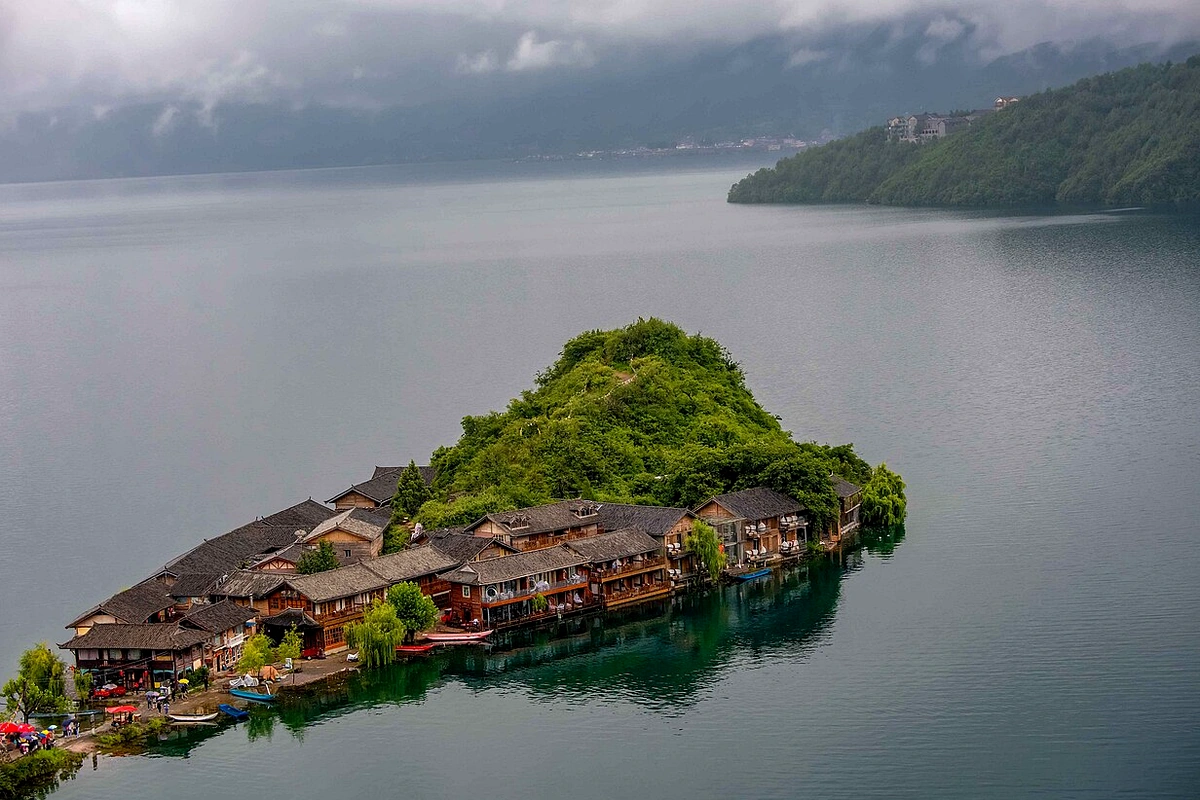
In terms of weather patterns and microclimate, Lugu Lake exhibits dramatic diurnal temperature swings typical of continental highland climates. Even during summer months, when solar radiation peaks between 10:00 AM and 4:00 PM, ultraviolet intensity is extraordinarily high and can quickly cause severe sunburn without physical and topical protection. An optimal packing list should therefore include high-grade UV-blocking sunglasses, broad-spectrum sunscreen rated SPF 50 or higher, a wide-brimmed hat, and dedicated sun-protective outerwear. Once the sun dips behind the surrounding limestone peaks, temperatures plunge abruptly within less than an hour, making layered clothing an essential rule of thumb for every traveler. A moisture-wicking base layer prevents chills during active movement, a fleece or synthetic wool mid-layer retains body warmth, and a windproof, water-resistant outer shell shields against sudden afternoon squalls sweeping across the lake.
To experience this journey to the fullest alongside a local guide, travelers can explore our 6D5N Dali – Lijiang – Shangri-La – Kunming tour featuring a thoughtfully curated itinerary.