The Yili Apricot Blossom Valley, located in the Xinyuan County of the Ili Kazakh Autonomous Prefecture in the northwest region of Xinjiang Autonomous Region, China, is a geographical space deeply imprinted with ancient geological tectonic formation and a complex human historical process. Geomorphologically, the Ili River basin formed millions of years ago under the impact of Eurasian continental plate tectonic movements, creating a vast basin open toward the west, allowing moist air masses from the Atlantic Ocean and the Black Sea to easily penetrate deep into the arid East Asian continent. This specialized climate condition has established a unique wild forest ecosystem on Earth, where temperate woody plants, especially of the genus Prunus, find an ideal environment to grow and develop into endless primeval forests stretching across gently rolling hills and basin valleys. The intersection between ecosystems from the Central Asian steppes to the high alpine forests of the Tianshan Mountains has turned this land into a natural biological museum, preserving rare wild plant genetic resources of immense scientific research value for global plant ecology and evolution.
The historical progression of the Yili Valley is closely tied to the most important geopolitical movements along the ancient trade route connecting East and West, commonly known by historiography as the Silk Road. Since ancient times, this area was once the dwelling and migration place of various nomadic peoples such as the Saka, the Yuezhi, and later the Turkic, Uyghur, and Mongol tribes. Due to its strategic position controlling treacherous mountain passes crossing the Tianshan range, the Yili Valley has long become a fiercely contested point between Central Plains Chinese feudal empires and northern steppe nomadic forces. During the Tang Dynasty, the Chinese feudal court established military administrative management agencies here to protect the lifeline of international trade, marking the first step in annexing this geographical space into the centralized administrative system, though actual control frequently fluctuated depending on the military strength of local khanates.
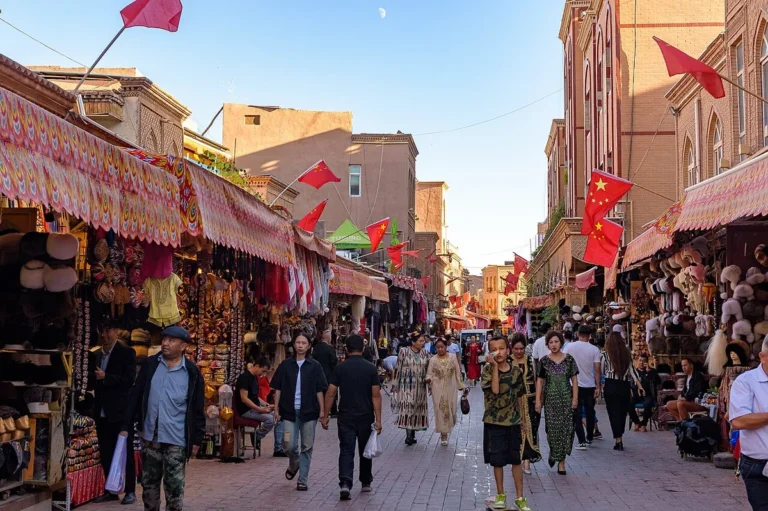
Entering the modern era, the Yili Valley continued to witness violent upheavals reshaping the demographic and political map of Northwest Asia. Under the Qing Dynasty, especially in the eighteenth and nineteenth centuries, this area became a major military garrison center with the construction of a fortified fortress system, exemplifying Gongsu Cheng, to consolidate border sovereignty against expansionist pressures from the Tsarist Russian empire and rebellions by indigenous peoples. The signing of unequal treaties between the Qing court and Tsarist Russia carved away a portion of the historical space of the Ili River basin, turning this place into a sensitive border region deeply influenced by political, commercial, and cultural migration flows among Han, Uyghur, Kazakh, and Russian populations. Successive conflicts and diplomatic compromises during this period left deep marks on the social structure, architecture, and traditional livelihood methods of the resident communities living in the valley down to the present day.
In the context of contemporary culture, the Yili Apricot Blossom Valley has transcended the boundaries of a natural ecological phenomenon to rise into a spiritual and cultural symbol with strong appeal to the global public. The image of apricot blossom forests bursting into brilliant bloom every April, just as the snow and ice on the peaks of the Tianshan Mountains melt away, has become a classic aesthetic motif in art photography and travel literature. The eruption of soft pink and pristine white hues blanketing the lush green hillsides creates a strong visual contrast, symbolizing the resilient vitality of nature in the northern Xinjiang region, where harsh winters yield to a reviving spring. This symbolic role not only reflects the closely knit relationship between humans and natural landscapes but also demonstrates the restoration and preservation of traditional ecological values amidst the intensive industrialization and modernization of the region.
The heritage value of the valley is further solidly reinforced through the ways in which local ethnic minority communities, especially the Kazakhs, maintain a semi-nomadic lifestyle in harmony with nature’s growth cycle. Spring rituals and traditional livestock grazing activities on meadows under the apricot blossom forest canopy have created a rich humanistic cultural landscape, where intangible heritage blends into the historical geographical space. Anthropology and cultural researchers often regard the Yili Valley as an exemplary cultural intersection space where traditional Central Asian nomadic cultural values are preserved across generations amidst changing times. The research and conservation of the Yili Apricot Blossom Valley therefore require a multidisciplinary approach, closely combining conservation ecology, architectural history, and cultural heritage management, to ensure that the deep historical layers and symbolic values of this land continue to be preserved for future generations without being eroded by the pressures of excessive commercialization.
The Yili Apricot Blossom Valley, located in the Ili River basin within the territory of Xinjiang Autonomous Region, China, is a terrain complex shaped over millions of years of geological movement of the Tianshan mountain system. On a macro-structural plane, this valley occupies a special ecological strategic position, where high mountain ranges block cold winds from Siberia in the north and receive moist air currents blowing from the Atlantic Ocean through western wind-blocking valleys. The complex interaction between rugged alpine topography and low-lying depressions has created a unique microclimate, accommodating relatively high precipitation compared to the rest of the semi-arid Xinjiang region. The geological foundation of the area includes dense weathered loess sedimentary layers combined with limestone and ancient alluvial strata deposited by the flow of the Ili River system across geological epochs. It is this fertile humus soil layer coupled with seasonal thermal and moisture regimes that created the biological prerequisite for the development of long-lived woody plant populations, especially wild apricot species growing naturally since ancient times.
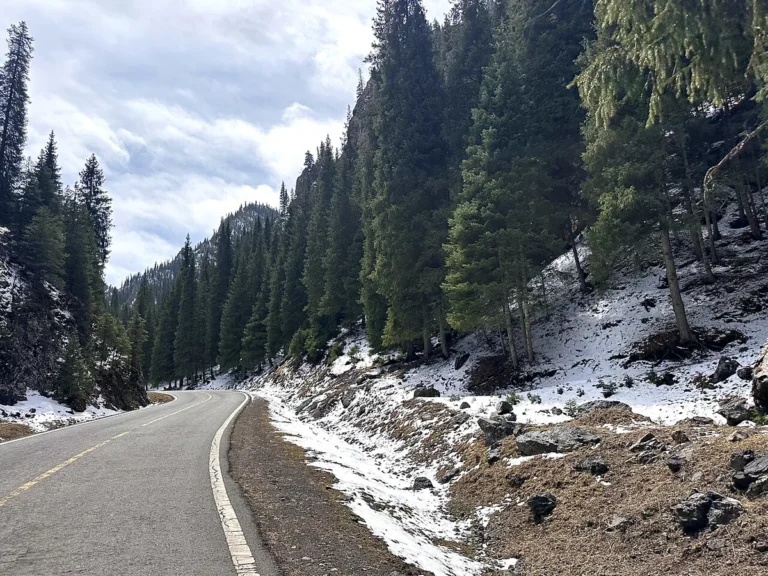
The master planning layout of the Yili Valley does not follow any urbanized model or artificial grid, but entirely follows the natural structure of hillside slopes and drainage gullies. The overall space is divided into distinct hierarchical tiers based on elevation above sea level, ranging from about one thousand meters at the valley floors to over two thousand meters on high mountain slopes adjacent to alpine pastures. Landscape planning and ecological heritage management experts approaching this area all recognize that the integrity of the Ili landscape lies in absolute respect for the original terrain. All infrastructure interventions over the past decades must comply with the principle of minimizing surface grading, to protect the root systems of ancient trees and maintain the natural porosity of the topsoil layer. Transportation routes serving access to the valley are designed hugging contour lines, winding along the curves of hillsides, thereby minimizing soil erosion caused by heavy rain or melting snow in early spring.
The spatial division solutions inside the Yili Valley demonstrate an extremely refined ecological and functional stratification, reflecting the long-standing relationship between the livelihood practices of Kazakh nomadic communities and the evolution of the wild apricot forest ecosystem. The central space of the valley is usually flat basins or wide open spaces along streams, where glacier meltwater cascading from high mountain peaks above pours down. This area acts as a transitional space where the density of apricot trees reaches its highest level, forming dense pink-and-white flower domes at the onset of spring. Surrounding these central patches are buffer belts comprising seasonal livestock grazing pastures and mixed conifer forest strips dominating higher elevations. This division is not imposed by humans through rigid boundaries, but is automatically shaped through the growth amplitude of each plant species under the impact of topographic slope and solar radiation exposure orientation.
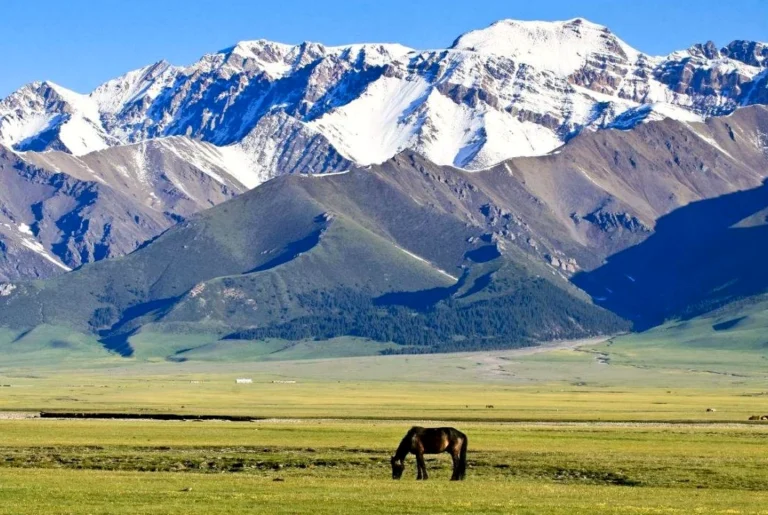
The landscape surrounding the Yili Valley is a spectacular opposition and intersection between temperate woody forest ecosystems and vast alpine grassland ecosystems. Above the hillsides covered with apricot blossoms are lush green meadows stretching to the foot of sheer vertical cliffs of the Tianshan range, where snow remains year-round. This visual scene creates a multi-dimensional field of view, where observers can clearly perceive the sudden transition from the pristine white of apricot blossoms to the dark green of spruce trees and finally the glacial white of high mountain peaks. Hydrological elements such as rocky streams, small waterfalls, and dry gullies channeling water from upstream act as backbone axes demarcating micro-landscapes, while providing essential freshwater for native flora and fauna to survive the harsh ecological cycles of Central Asia.

Architectural and tourist service spatial organization methods here also require specialized technical solutions to preserve the pristine state of sensitive ecological landscapes. Architectural structures serving scientific research, environmental monitoring stations, or scenic rest stops are all built according to a lightweight architectural philosophy, utilizing local materials such as heat-treated pine wood, rubble stones gathered from stream beds, and prefabricated steel frames that can be easily disassembled. These structures are elevated off the ground via point-foundation pile systems, aimed at not obstructing the natural surface water runoff when snow melts and protecting the root networks of ancient apricot trees underneath. The layout of high-altitude observation decks and elevated wooden boardwalks is also carefully calculated technically, helping to disperse the load pressure of large numbers of visitors gathering at the same time of year, avoiding soil compaction that exhausts forest vegetation vitality.
Viewed from the perspective of territorial planning history, the Yili Apricot Blossom Valley has undergone a transition from a purely nomadic grazing area into an ecological landscape heritage strictly controlled by local governments and forestry research agencies. Ecological conservation zoning regulations here are established based on the sensitivity level of the wild apricot forest ecosystem. The core zone completely prohibits permanent construction activities and strictly restricts private motorized vehicles from circulating during the blooming season to protect air quality and avoid noise pollution affecting the breeding cycles of wild animals. Meanwhile, the peripheral buffer zone is planned into controlled eco-tourism service areas, where traditional yurts of indigenous people are temporarily erected seasonally, replicating nomadic lifestyles harmonizing with nature without leaving negative ecological consequences for the soil environment and groundwater sources of the valley.
The Yili Apricot Blossom Valley, located in China’s Xinjiang Autonomous Region, not only exists as a periodic biological wonder every spring season but also as a cultural-architectural space reflecting the historical depth of Central Asia. The basin terrain enclosed by the Tianshan Mountains and the Ili branch system has created specialized microclimates, shaping how humans adapt, survive, and create living spaces across centuries. Nomadic and semi-nomadic resident communities that once lived here, including Kazakhs, Uyghurs, and Hans, left material marks closely intertwined with the natural landscape. Native architectural art in this valley is not separated from the surrounding ecosystem; on the contrary, it utilizes readily available materials from soils and pine forests to build structures carrying strong practical utility yet refined aesthetic sophistication. The interaction between human hands and harsh nature in Yili has produced a highly symbolic vocabulary of volumes, lines, and patterns, reflecting the cosmological worldview of ethnic groups closely bound to steppes and high mountains.
Traditional building materials in folk architecture throughout the Yili Valley depend entirely on local ecological resources, featuring Tianshan pine wood, rammed earth, pebbles from dry stream beds, and decomposed grass turf as staples. The Kazakhs, with a long-standing nomadic tradition, developed a flexible knockdown wooden-framed circular tent called a kiyiz uy, a masterpiece of ancient mechanical engineering bearing loads via crisscross lattice grid systems. The wooden frame of the tent is made from willow or pine strips bent by steam, connected together by animal hide ropes without metal nails, allowing the structure to withstand howling gales blowing from the Tianshan range down into the valley. Meanwhile, more permanent settlement structures of agricultural populations and merchants along historical trade routes applied rammed earth wall techniques combined with load-bearing wooden beams. Local sandy clay is rammed tightly within wooden formwork of great thickness, creating walls with exceptional thermal insulation properties, retaining warmth during freezing sub-zero winters and cooling during dry summers. This choice of material demonstrates thorough ecological wisdom, where humans do not seek to conquer nature with heavy reinforced concrete, but borrow the very substance of Mother Earth to create a safe protective shell for survival.
Carving techniques and characteristic structural joints in Yili architecture demonstrate the rich cultural intersection between Eurasian civilizations along the Silk Road. Rafter details, window frames, and supporting pillars in wooden architecture are often meticulously hand-carved with geometric motifs, stylized flora, and cosmic symbols. Traditional joinery techniques in woodworking are pushed to high levels of refinement, allowing wooden structures to expand and contract rhythmically with extreme day-night temperature variations of the highland valley terrain. Patterns on these structures are not purely decorative but harbor deep symbolic layers of meaning regarding fertility, divine protection, and the cyclical nature of the universe. Spiral motifs symbolize water and the endless movement of time, while the image of apricot blossoms, the dominant flower blooming across the valley every spring, is stylized into geometric motifs on wooden doors and moldings. Natural dye techniques from tree bark and minerals to protect wood also contribute to distinctive visual identities, with warm subdued tones harmonizing with the pink-and-white sea of blossoms and dark green of pine forests in the distance.
The aesthetic philosophy of architectural and cultural space in the Yili Apricot Blossom Valley is based on the principle of humility before the great wilderness and respect for the sacred space of nature. Unlike Eastern court architecture or Western religious architecture which seek to impress with soaring heights or the grandeur of precious materials, structures here hide humbly beneath wild tree canopies and gentle hillsides. Spatial layout always follows open directions, facing sunrise and eternal snow-capped peaks, expressing silent worship toward supernatural forces. Courtyards of settlement areas are not merely economic living spaces but also transitional intermediate spaces between the wild external world and internal family coziness. Natural sunlight is calculated and exploited thoroughly through small yet scientifically arranged windows, creating strong contrasting light and shadow intervals recalling Yin-Yang balance philosophies in ancient Eastern culture combined with the liberal spirit of nomadic culture.
Symbolic art layers of meaning in the Yili Valley reach their peak when the apricot blossom season bursts forth, transforming physical space into a living cultural text written in the language of plants and terrain. Apricot blossoms here not only play a botanical phenomenon role but also serve as core symbols in the aesthetic consciousness of long-standing residents, representing resilience in overcoming harsh winters to regenerate life. In oral literary works and folk decorative arts of the Kazakhs and border ethnic minorities, winding apricot blossom branches symbolize the pliable path of destiny and the resilient vitality of nomadic communities against historical upheavals. Spring rituals organized around ancient apricot groves reflect gratitude toward heaven and earth, where temporary yurt architecture blends into the permanent architecture of blossoms blooming white across hillsides. Over centuries, the combination of environment-adaptive construction techniques, exquisite hand-carving arts, and aesthetic philosophies deeply connected to nature has turned the Yili Apricot Blossom Valley into a unique landscape cultural heritage, where every house corner, every pattern, and every blossom season tells a long story about human history and the land of Xinjiang.
The Yili Apricot Blossom Valley, located in the Xinjiang Autonomous Region of the People’s Republic of China, represents one of the continental agro-forestry ecosystems and temperate landscapes with exceptionally high geographical research value. Morphologically, this valley stretches across gentle hillsides belonging to the Ili River basin, bordering the majestic Tianshan Mountains, where strong mixing occurs between moist air masses blowing from the Atlantic Ocean and towering wind-blocking mountain ranges. Elevation variations from low valley areas of about six hundred meters up to higher hillsides over one thousand meters create a distinctly stratified microclimate, promoting the natural development of the native wild apricot species Prunus armeniaca. Millions of years of geological tectonic processes alongside alluvial deposition from tributary river branches have sculpted a multi-dimensional spatial structure, divided into distinct ecological sub-zones serving biological plant research and immersive visitor landscape experiences.
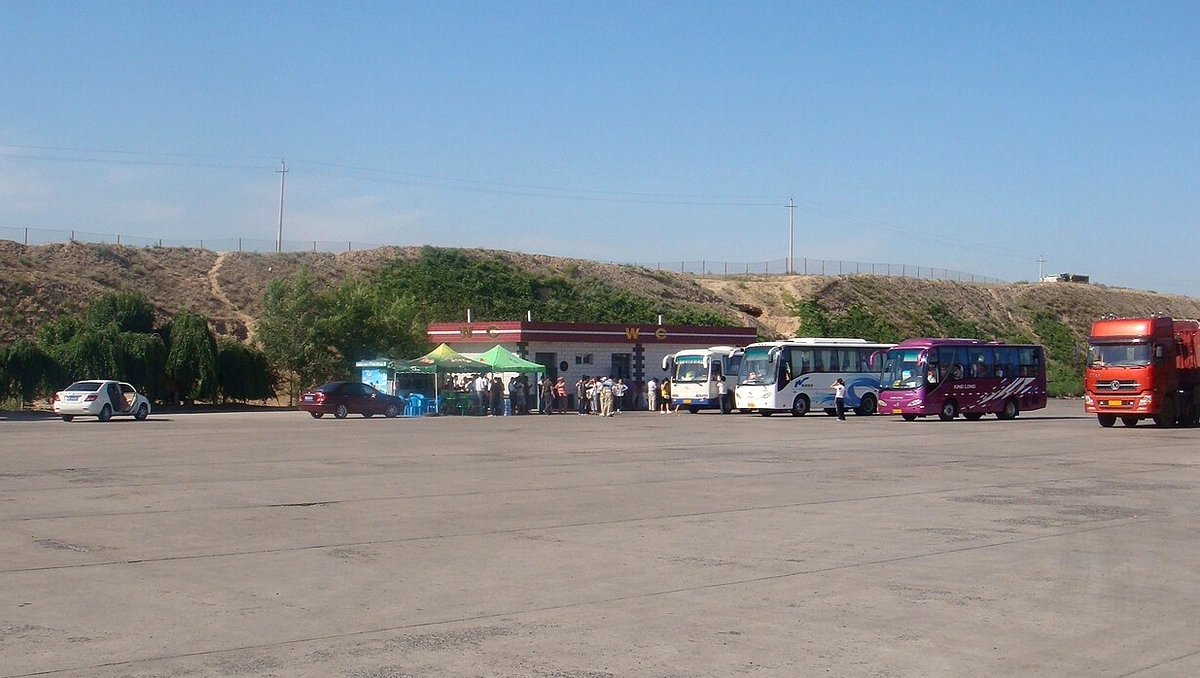
The journey to approach and explore the entire sub-zone system in the Yili Apricot Blossom Valley requires a scientific travel strategy due to the huge distribution area of primeval apricot forests reaching tens of thousands of mu of land. The optimal starting point for any expedition usually begins from the nearest county-seat town, where arterial transport routes connect visitors to the central checkpoint of the scenic area. From here, travel itineraries are divided into specialized routes for ecological electric vehicles and forest-crossing walking trail systems to maximally preserve the sensitive litter layer beneath. The first sub-zone appears in the lower valley section, termed by professionals as the Continental Terrace Flower Carpet area. Here, terrain is relatively flat with meadows brimming with sunlight, creating conditions for apricot blossoms to bloom earliest in the first days of April when snow and ice on mountain peaks begin melting under spring solar radiation.
Venturing deeper inland along the flow axis of small streams crossing ancient limestone strata, visitors will enter the central sub-zone named the Sloping Ancient Apricot Forest. This sub-zone occupies the majority of the plant population’s growth area with individual apricot trees ranging in age from several decades to hundreds of years, rugged trunks covered in lichens showing resilient vitality against highland winter hardships. The ecological architectural highlight here is minimalist observation rest stops designed using local wood, allowing researchers and nature observers to record canopy growth structures and mass blooming phenomena across broad areas. Apricot blossom structures in this area mainly feature pure white hues blended with gentle pale pink tints on flower calyces, creating a sea of color reflecting strong light under the clear blue skies characteristic of Xinjiang during seasonal changes.
The journey continues shifting upward to higher elevations to reach the windy highland sub-zone, where the boundary between apricot forests and grazing pastures of local Kazakhs intersects clearly. In this sub-zone, immersive experiences reach their peak thanks to panoramic vistas encompassing the entire valley from above, where winding apricot forest strips following hillside contour lines resemble fluent brushstrokes on a giant ink wash painting. Nomadic cultural spaces interweave into natural ecosystems as traditional round tents of herders appear scattered beneath blooming apricot tree canopies, providing deep anthropological insights into human adaptation to this harsh yet resource-rich ecological environment.
To optimize immersive experiences throughout travel across sub-zones, eco-tourism planning experts recommend strict adherence to the biological phenology timeframe of flower species. The period from April 5th to April 20th annually is identified as the most perfect time window, when all apricot trees from lowlands to highlands simultaneously burst into bloom before the first young leaves manage to emerge and overpower flower colors. Although walking trails across hillsides with continuously changing slopes require participants to possess stable fitness and specialized clothing for temperate mountain terrain, the reward in return is direct access to pristine nature unmarred by heavy commercial concreting structures.
Unmissable highlights in this journey also include narrow secondary valleys where morning temperature inversion phenomena create dense billowing sea-fogs beneath ancient apricot tree canopies. When morning sunlight pierces through fog layers and petal tiers, light scattering optical phenomena create magical illumination lasting about two hours, becoming golden hours for photographers and spatial optics researchers to record valuable documentation. The combination of glacial geomorphology, ancient woody flowering vegetation, and traditional nomadic lifestyles has turned the sub-zone system of the Yili Apricot Blossom Valley into a perfect outdoor laboratory where science
The Yili Apricot Blossom Valley in Xinjiang, China, has long surpassed the limits of a purely botanical wonder to transform into a complex socio-ecological space where traditional values of Kazakh and Uyghur ethnic groups deeply blend with contemporary tourism service systems. Stretching across hillsides belonging to the Ili River basin, spatial structures around blooming apricot areas are shaped by seasonal nomadic settlement morphology and long-standing agricultural cultivation practices. The formation of service ecosystems here does not proceed via forced urbanization directions, but develops based on ecological adaptation principles, maximally utilizing basin valley topography and temperate highlands to build facilities serving travelers. Historical trails used for livestock grazing are now planned into eco-tourism access axes, allowing visitors to penetrate deep into ancient apricot forests without damaging topsoil layers or fragile native vegetation mats of the Tianshan buffer zone.
Local resident community livelihoods here serve as the backbone for the entire service structure and cultural experience. Kazakhs, accounting for the majority of nomadic settlements around the valley, maintain lifestyles tied to traditional tent camps called yurts, while expanding homestay hosting models to provide the most authentic perspectives on steppe culture. Local families not only provide overnight accommodation spaces but also directly guide visitors to participate in daily activities such as processing fermented mare’s milk products, traditional carpet weaving techniques with ancient geometric motifs signifying nomadic worldviews, and eagle hunting arts recognized by UNESCO as intangible cultural heritage. Interaction between tourists and locals is maintained through nighttime community gatherings around campfire pits where traditional folk songs resonate alongside three-stringed dombra lutes, recreating legends of the Silk Road and migration histories of tribes against harsh yet magnificent terrain backdrops in northwestern China.
Specialty culinary arts in the Yili Apricot Blossom Valley area clearly reflect cultural food blending between Central Asian ethnic groups and survival methods tied to large livestock grazing on highland steppes. Mutton plays a leading role in almost all traditional dishes, processed via minimalist methods preserving natural sweetness like whole boiling in salted broth enriched with onions, or roasting over glowing coals in crispy Uyghur styles. Dairy products like kurt dried cheese, katyk thick yogurt, and especially traditional kumis beverages from mildly fermented mare’s milk provide high nutritional value, helping visitors quickly recover energy after hours of continuous travel across hilly terrain. Alongside, rice pilaf mixed with mutton fat and paired with yellow carrots and raisins, served with black tea brewed in traditional samovar kettles alongside clay-oven-baked naan bread, creates a rich taste map demonstrating long-standing human adaptation to arid continental climates and prolonged winters in this land.
Tourist service utility systems around the valley area have been invested by local governments and community cooperatives toward minimizing environmental impacts, prioritizing local timber and riverbed pebbles to build rest stops, observation decks, and public service zones. Eco-explanation interpretive signs in three languages are installed along main trails, providing detailed scientific knowledge regarding growth cycles of wild apricot species Prunus armeniaca, as well as code of conduct rules to protect sensitive ecosystems during short peak tourist seasons every spring. Transportation vehicles inside protected areas are strictly limited, replaced by eco-electric bus systems or traditional horseback riding rental services managed and operated directly by local nomadic households, thereby generating stable income helping them maintain traditional lifestyles without abandoning homelands to migrate to major industrial centers.
Cultural exchange spaces in the Yili Apricot Blossom Valley are further expressed through traditional rituals and festivals taking place throughout the blooming season around every April. When pink-and-white petals blanket hillsides, the Kazakh community often organizes traditional equestrian sports events on horseback like steep steppe speed races, traditional arm-wrestling matches, and folk games testing young riders’ dexterity. These events not only attract tourists worldwide but also serve occasions for family generations to gather, passing down survival skills, handicraft arts, and indigenous knowledge about nature to younger generations. The combination of magnificent natural landscapes of millions of wild ancient apricot trees and deep anthropological cultural depths of ethnic minorities has created an internationally scaled tourism destination where experiential values are measured by levels of understanding and respect toward pristine human and natural rhythms in Xinjiang.

The Yili Apricot Blossom Valley, located in the Qapqal/Xinyuan ethnic autonomous region of Xinjiang, demands extremely rigorous and scientific field preparation strategies due to highland terrain and geographical border particularities. Planning this expedition cannot rely on ordinary guesswork but must base on biological rhythms of native wild apricot ecosystems alongside particular administrative regulations of Northwest China. Grasping accurate timeframes, meteorological conditions, transport vehicles, and legal frameworks here constitutes the decisive key to success for entire research and sightseeing journeys.
The optimal time window in the year to set foot in the Yili Apricot Blossom Valley is extremely brief, usually lasting only from late March to mid-April, depending on accumulated temperatures in preceding winters. When snow on Tianshan hillsides begins melting under spring sunshine, centuries-old wild apricot forests in valleys belonging to Xinyuan County simultaneously burst into bloom, creating a pink blossom sea stretching to the horizon. The period from April 15th to April 25th annually is typically recorded as the peak of blooming cycles, when flower colors reach absolute brilliance before spring gales shed petals. Itinerary planning must closely follow local agricultural meteorological bulletins, because late cold snaps or unusual snowfall can completely alter expected blooming schedules.
Regarding daily timeframes, lighting plays a decisive role in observation and recording quality within valley areas. The period from 7:00 AM to 10:00 AM offers the softest lighting conditions, when early morning mist still lingers across ancient apricot tree canopies and lush green meadows where nomadic tribes graze livestock. Late afternoons from 5:00 PM onwards provide optical framing angles with brilliant golden light reflecting from distant snow-capped mountain peaks. Conversely, midday periods typically feature direct harsh sunlight, reducing spatial depth and creating excessive contrast across rolling hillsides.
Climate characteristics in the Yili Apricot Blossom Valley bear strong marks of arid temperate continental climates combined with high mountain terrain, leading to extreme day-night temperature ranges. In early spring, daytime temperatures can fluctuate between fifteen to twenty degrees Celsius under brilliant sunshine, but instantly plunge to sub-zero or near-freezing levels when the sun sets behind mountain ridges. Therefore, clothing systems prepared for trips must strictly adhere to multi-layer principles to flexibly adapt. Innermost layers require thermal-retaining and sweat-wicking materials when hiking long distances across hillsides. Middle layers need fleece or synthetic insulating products. Outermost layers must strictly be windproof, waterproof jackets to cope with cold winds blowing directly from the Tianshan range down to lowland depressions.
Alongside warm clothing, footwear is a paramount equipment category for field operations here. Apricot blossom valley terrain lacks flat paved stone walkways, featuring instead reddish alluvial clay mixed with silt, combined with steep grassy slopes. When snow melts, ground surfaces become extremely slippery, muddy, and difficult to access with ordinary footwear. Visitors and explorers are forced to use specialized hiking boots with high traction, good waterproofing, and high collars to protect ankles from injuries when navigating rugged terrain. Trekking poles are also indispensable supporting tools to maintain balance when conquering steep hillsides searching for panoramic valley viewpoints.
Transportation systems approaching the Yili Apricot Blossom Valley require close combinations of multiple vehicle types due to the huge geographical distances across Xinjiang. The standard central departure point is usually Urumqi city, from which travelers can choose domestic flights or long-distance trains to reach Yining city, capital of the Ili Kazakh Autonomous Prefecture. From Yining, journeys continue overland toward Xinyuan County via national highway systems and winding provincial roads. Renting four-wheel-drive high-clearance cars with local drivers familiar with mountain pass terrain and slippery road conditions is the safest and most effective option, rather than self-driving due to language barriers and complex border region traffic checkpoints.
Once arriving in areas close to the apricot blossom valley, private vehicles are typically restricted from circulating into ecological core zones to preserve pristine landscapes. Visitors must switch to management board eco-shuttle buses or rent horses from local Kazakh herding households to penetrate deeper into apricot forests. Horseback riding across hillsides requires basic riding skills or direct support from local guides. This simultaneously provides opportunities to observe traditional nomadic lifestyles while imposing high requirements on obeying safety rules when interacting with livestock on rugged highland terrain.
Legal regulations and administrative procedures in Xinjiang are key factors that must be completed before launching any journey to the Yili Apricot Blossom Valley. Due to geographical locations bordering Central Asian nations, this entire region applies extremely strict security control systems. Foreign passport holders or Chinese citizens from other provinces must all apply for Border Pass permits at local public security organs before entering certain remote areas. Security checkpoints appear densely along arterial routes, requiring all individuals to present original identity documents, facial scans, and luggage checks strictly. Absolute compliance with security regulations, avoiding filming or photography at military zones or border checkpoints, is a mandatory legal obligation for all visitors.
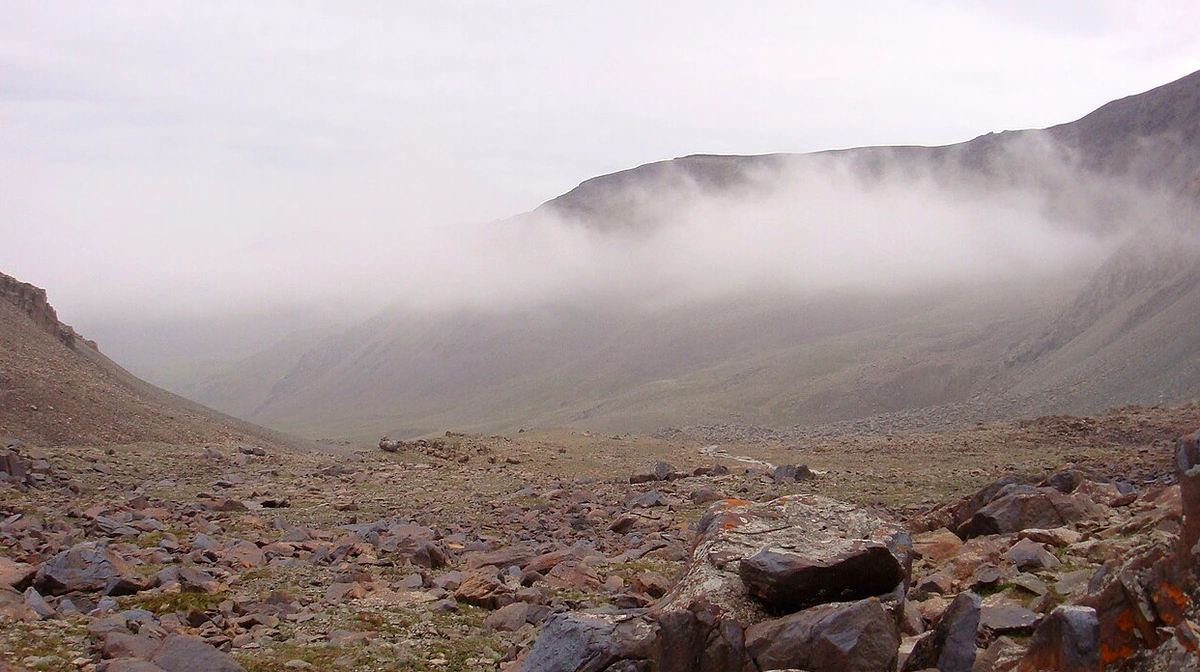
Ecological environmental protection work in the apricot blossom valley is also closely monitored by governments and local communities through strict regulations. Wild apricot forests represent precious ecological heritage needing intact preservation, hence branch-breaking, flower-picking, carving names onto ancient tree trunks, or littering casually will face heavy administrative fines from forestry ranger forces. Visitors must consciously carry personal trash bags to collect all daily waste and remove it from primeval forest areas. Additionally, respecting cultural customs of Kazakh communities living around the valley, asking permission before photographing residents or their livestock, and observing local religious beliefs will ensure field trips proceed smoothly, safely, and achieve complete research and sightseeing values.
To fully experience this journey with a local guide, you can refer to the Northern Xinjiang 8 Days 7 Nights No Shopping Tour with a pre-arranged itinerary.