The Tianshan Grand Canyon, located in China’s Xinjiang Uyghur Autonomous Region, is a magnificent geological formation sculpted over millions of years of Earth’s crustal movements and relentless natural erosion. Nestled along the southern slopes of the Tianshan Mountains, this canyon system is the product of complex interactions between tectonic mountain-building forces, deep geological faults, and the persistent meltwater flowing down from permanently snow-capped peaks. Geomorphologically, this region offers some of the clearest evidence of arid and semi-arid landscape evolution in the heart of the Eurasian continent. Spanning from the Quaternary period to the present day, climatic shifts combined with the lithological properties of red sandstone sedimentary strata have produced a striking landscape recognized internationally by geologists as Danxia landform developed on a red clastic rock base. Sheer cliff walls, dramatically weathered rock pillars, and deeply incised erosion gullies form a vast natural chronicle in which time is visibly etched across rock strata shifting from crimson and dark brown to burnt orange and silver-gray.
The historical trajectory of the Tianshan Grand Canyon is inextricably linked to the ebb and flow of the legendary Silk Road—the strategic commercial and diplomatic artery connecting ancient East and West. From the Han dynasty’s military campaigns to secure the Western Regions to the Tang dynasty’s establishment of the Protectorate General to Pacify the West, the territory flanking the Tianshan Mountains served as an indispensable transit corridor. Caravans laden with silk, porcelain, and spices—alongside envoys, Buddhist monks, and explorers such as Xuanzang—navigated winding routes beneath these canyon walls in search of safe passage through Eurasia’s rugged interior. Scattered ruins of ancient fortresses, cliff-carved shrines, and historic relay stations bear witness to a crossroads that once saw vibrant civilizational exchange among Turkic peoples, Mongols, Han Chinese, and indigenous Muslim communities. Far more than a natural barrier or visual spectacle, the Tianshan Grand Canyon is a living historical witness preserving the footprints of migrations, power struggles between nomadic and agrarian empires, and centuries of cultural synthesis.
Within the cultural symbolism and geographical landscape of contemporary Xinjiang, the Tianshan Grand Canyon occupies a pivotal role in defining regional identity. The Tianshan mountain range itself is inscribed as a UNESCO World Natural Heritage site, and its great canyons serve as flagship ecological and geological benchmarks for the entire Central Asian montane ecosystem. The symbolic resonance of the canyon lies in the interplay between raw, untamed natural grandeur and deep layers of human history set within a harsh desert and semi-desert environment. For indigenous communities living along the foothills of the Tianshan Mountains—from Uyghurs to Kazakhs—the canyon and surrounding peaks feature prominently in folklore, epic ballads, and oral traditions, reflecting a profound bond between human life and a demanding alpine world. The stark contrast between the silent permanence of million-year-old rock faces and the fleeting span of human dynasties lends a deeply contemplative dimension to anyone studying or visiting this extraordinary land.
Modern scientific inquiry into the Tianshan Grand Canyon began in the late 19th and early 20th centuries, when international expeditions comprising Russian, British, Swedish, and Chinese geologists and archaeologists conducted systematic surveys of the Tarim Basin and its bordering ranges. Those foundational field records paved the way for decoding the intricate tectonic structure of the Tianshan Mountains and offered the earliest geological explanations for how these dramatic gorges were carved.
The Xinjiang Tianshan Grand Canyon took shape through millions of years of complex tectonic activity within the fault-and-fold belt of the majestic Tianshan Mountains, one of Eurasia’s central mountain systems. Its topography was governed by powerful endogenic forces—most notably crustal uplift—working in tandem with intense exogenic processes such as glacial erosion, wide-amplitude thermal weathering, and periodic flash floods surging down from permanently snow-covered summits. Over geological epochs, these forces sculpted a rugged canyon landscape of sheer red sandstone cliffs and Tertiary and Quaternary clastic deposits, creating an enclosed spatial ecosystem set apart from surrounding steppes and deserts. Shifts in the arid continental climate etched distinctive formations into the rock faces, including tower-like weathered stone spires, natural caves, and deep fissure networks aligned with the ancient drainage channels of headwater mountain streams.
In terms of master planning for tourism and conservation, the Tianshan Grand Canyon is organized along a linear axis following the main riverbed of the gorge, where man-made interventions are kept to a minimum to preserve natural authenticity. Spatial planning here relies on rigorous engineering-geological assessments to pinpoint zones vulnerable to rockfalls triggered by thermal weathering and regional seismic activity. Primary access routes closely follow the valley’s natural gradient, employing local stone and semi-rigid load-bearing structures to minimize disturbance to both topsoil and underlying bedrock. Rest areas, checkpoints, and visitor facilities are distributed across wider clearings within the canyon, where terrain can safely accommodate foot traffic without overburdening the narrow ecological corridor of seasonal dry streambeds.
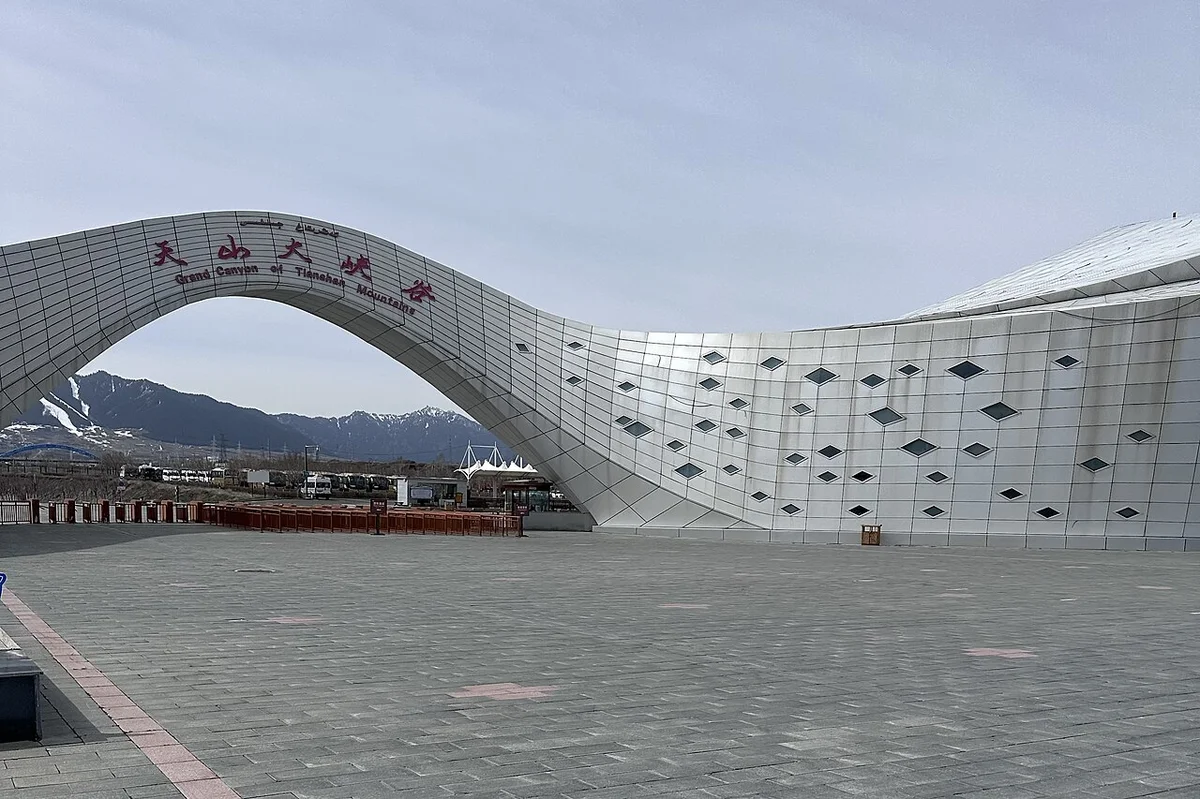
Internal zoning within the Tianshan Grand Canyon is guided by ecological sensitivity and carrying-capacity management tailored to distinct topographic segments. The first zone is the canyon entrance, where gentle rolling foothills narrow abruptly between sheer cliff walls rising hundreds of meters, serving as a dramatic threshold from open steppe into the enclosed depths of the gorge. Here, visitor facilities feature low-slung profiles built from local stone and weathered timber that blend seamlessly against the dark red sandstone backdrop. Deeper into the central reaches of the canyon, space constricts into narrow passageways accessible only on foot, requiring engineered solutions such as suspension bridges and elevated boardwalks anchored directly into cliff faces with high-tensile steel bolts to protect fragile ground cover and underlying rock strata.
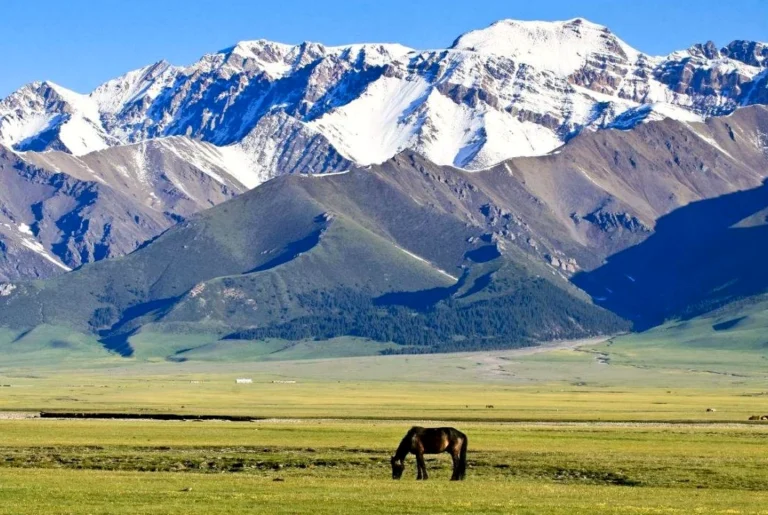
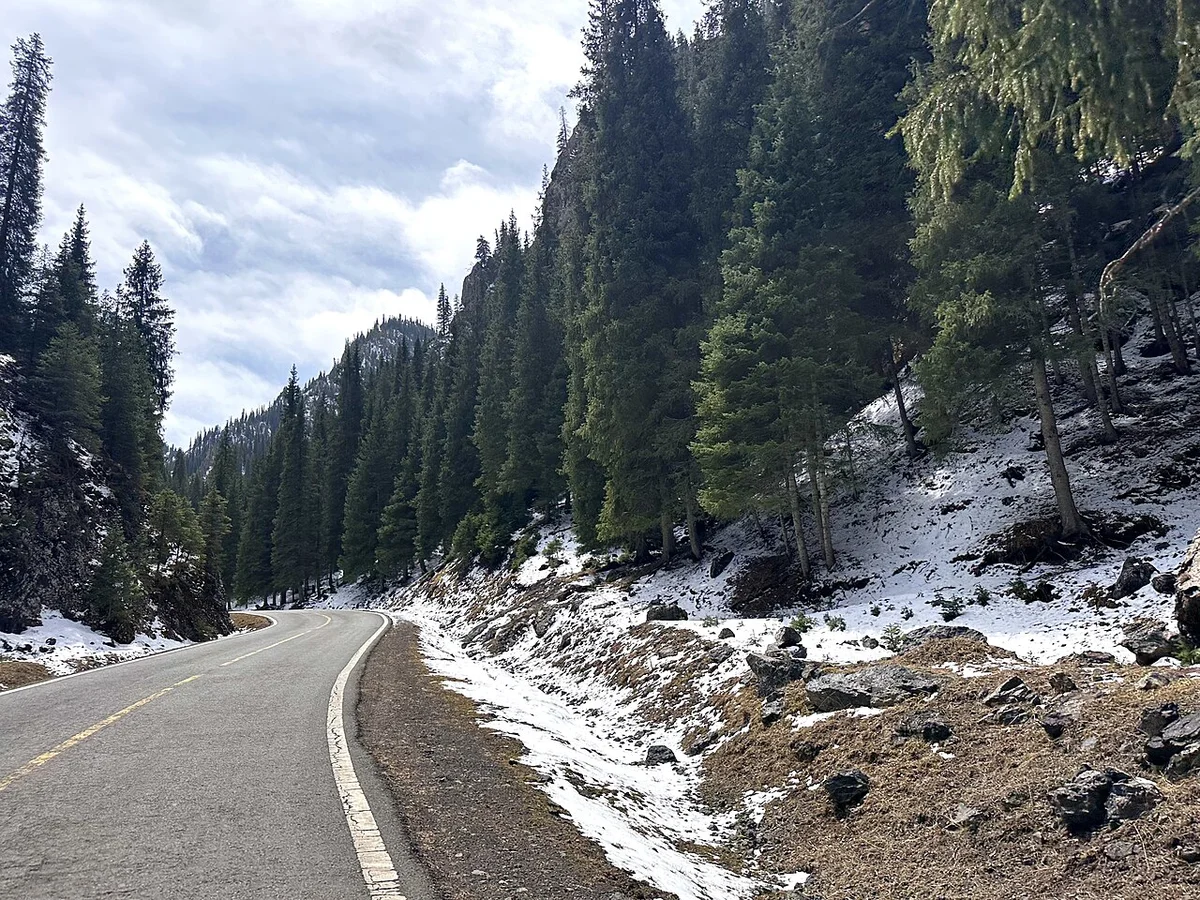
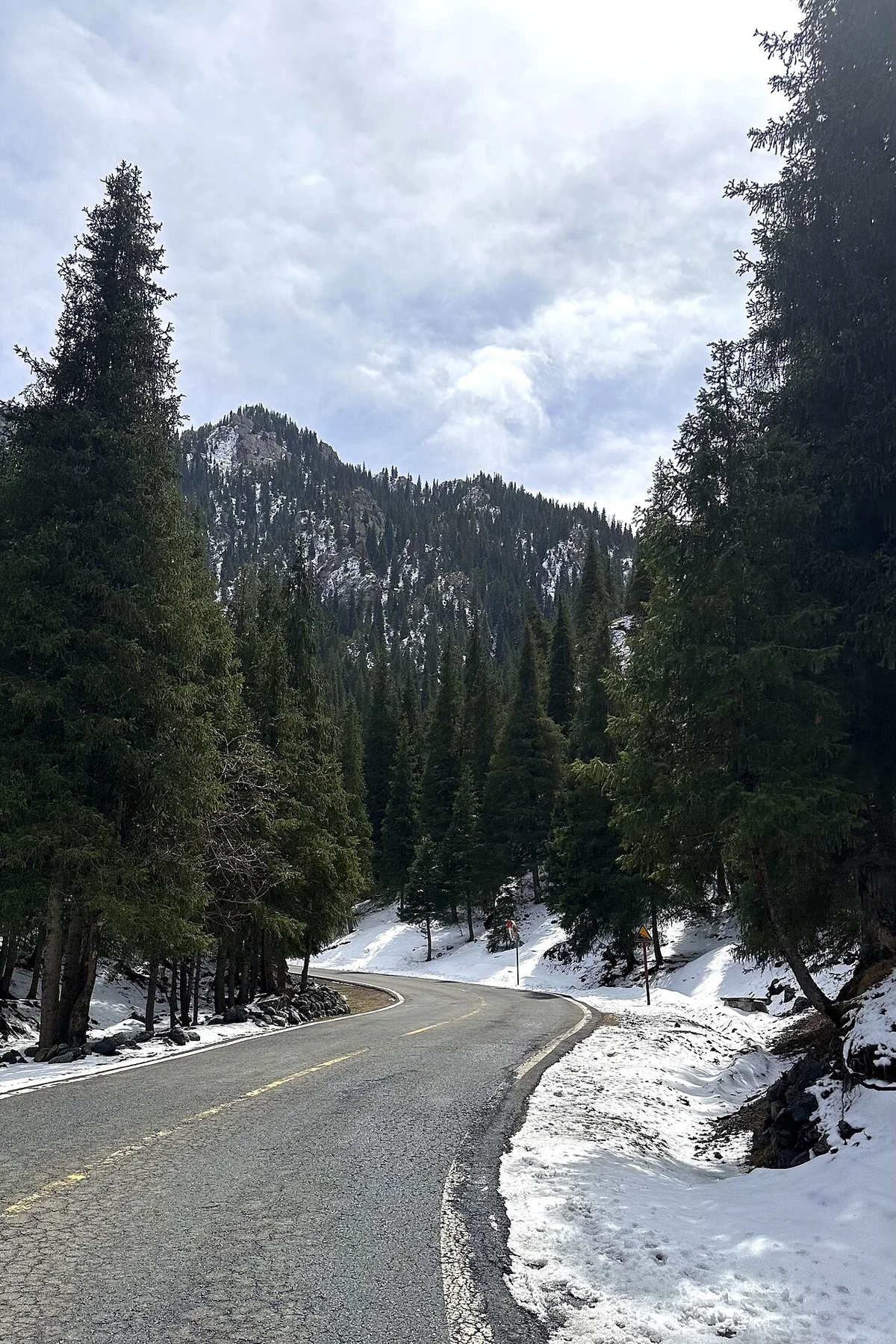
The landscape surrounding the Tianshan Grand Canyon displays marked ecological transitions driven by elevation and slope moisture, wrapping the arid rock formations in a diverse living mantle. Along the upper canyon rims stretch semi-arid grasslands and coniferous forests, where Tianshan spruces thrive in brownish-gray soils nourished by groundwater seeping from distant snowfields and glaciers. Down on the canyon floor, vegetation becomes far sparser, dominated by hardy drought-tolerant species, thorny scrub, and endemic grasses scattered along seasonal streambeds. The vivid contrast between the fiery red of ancient sedimentary rock, the deep emerald of upper spruce belts, and the gleaming white of distant snow peaks creates an extraordinary visual composition prized by landscape architects and environmental planners alike.
Visitor flow and trail design adhere to strict engineering standards aimed at preventing accelerated soil erosion from continuous foot traffic. Elevated walkways, timber bridges, and viewing platforms are raised ten to fifty centimeters above natural ground level, allowing seasonal rainwater and snowmelt to pass unobstructed beneath them without disrupting the canyon’s natural hydrology. Wayfinding signage and evening lighting are deliberately understated, powered by solar energy and tucked discreetly into rock crevices so as not to intrude upon the pristine daytime or nocturnal scenery. Together, these planning measures reflect a conservation-first philosophy that respects the natural evolution of one of central Eurasia’s premier geological treasures.
Forged across millions of years of tectonic upheaval, the Tianshan Grand Canyon in China’s Xinjiang Uyghur Autonomous Region presents a dramatic geomorphological realm of deeply eroded Mesozoic and Cenozoic red sandstone ranges. Within this demanding environment, human engineering is expressed not through sprawling cities or grand palaces, but through vernacular settlements, cliff-hewn shrines, and military-commercial transit routes hugging narrow gorges. This dialogue between human ingenuity and rugged nature stands as a testament to ecological adaptation, where local geology dictated building materials and gave rise to a distinctive architectural vernacular along the northern branch of the Silk Road. Successive inhabitants—including the Sakas, Uyghurs, and Central Plains dynasties that contested this frontier—adapted to harsh surroundings by making resourceful use of the mineral deposits and sedimentary stone abundant within these valleys.
In terms of construction materials, traditional architecture in and around the Tianshan Grand Canyon relied almost exclusively on red sandstone, loess clay, and Tianshan pine timber. Red sandstone—marked by distinct bedding planes formed during Jurassic and Cretaceous sedimentation—provided primary stone blocks for retaining walls, signal towers, and semi-subterranean dwellings cut into mountain slopes. Although relatively soft and workable with early bronze and iron tools, this stone withstands extreme day-to-night temperature swings typical of an arid continental climate. Alongside stone, loess mud mixed with straw and goat hair served as both mortar and exterior plaster, creating durable insulation against fierce sandstorms sweeping off the Taklamakan Desert into alpine valleys. For roof framing and structural beams, builders selected Tianshan pine from high-altitude forests where slow growth under scarce moisture yielded exceptionally dense, flexible timber naturally resistant to pests and capable of enduring centuries of weathering.
Rock-carving techniques and structural forms across the region reflect a pragmatic mindset paired with expressive plastic arts practiced by nomadic and semi-nomadic societies. Buddhist grottoes and shelter niches were excavated directly into sheer sandstone cliffs using arched vaulting that distributed structural loads evenly, preventing collapse beneath thousands of tons of overlying rock. Interior grotto walls were typically finished with a thin coat of gypsum plaster as a ground for murals, while architectural features—such as engaged pillars, altars, and portals—were carved in relief directly from living bedrock rather than assembled from separate blocks. Executing such work demanded intimate knowledge of bedding planes and fault lines, as a single miscalculation in shear stress could compromise an entire chamber. Square post-holes and recessed grooves cut into exposed cliff faces still mark where wooden stairways and covered galleries once carried trade caravans along sheer precipices where conventional foundations were impossible.
The aesthetic sensibility governing built structures in the Tianshan Grand Canyon stems from an indigenous worldview rooted in harmony between human works and the natural environment. Rather than imposing rigid geometry or jarring visual contrasts, historic structures here appear to dissolve into the rich crimson of surrounding sandstone cliffs. Because materials were quarried on site, watchtowers, shrines, and relay post ruins resemble natural geological outcrops rather than intrusive monuments. Modest proportions reflect a deep reverence for the overwhelming scale of the Tianshan range, reminding travelers that humanity was merely a transient guest along an ancient artery linking East and West. Interior spaces were deliberately intimate and inward-focused, fostering a quiet, contemplative atmosphere suited to resident monks and weary merchants praying for safe passage.
Symbolic motifs carved into rock faces and grotto ceilings speak directly to the cultural crossroads of the Silk Road. Decorative patterns frequently blend early Indian Buddhist iconography transmitted through the Western Regions with later Islamic geometric tracery and ancient animist emblems of Turkic tribes. Solar discs, flames, and stylized lotuses were rendered in crisp, angular lines suited to coarse sandstone grain, expressing both a will to survive and reverence for protective natural forces. Each cliff carving functioned simultaneously as artistic expression, territorial marker, and spiritual blessing for generations of travelers braving desert gales and mountain hazards. Viewed through the lenses of archaeology and art history, the Tianshan Grand Canyon stands as an open-air museum where architecture and geology merge into an enduring record of human resilience and aesthetic ingenuity.
Geologically also known as the Keziliya Grand Canyon, the Tianshan Grand Canyon lies along the southern foothills of the Tianshan Mountains in China’s Xinjiang Uyghur Autonomous Region, approximately seventy kilometers north of Aksu. This dramatic landscape is the result of millions of years of tectonic uplift followed by relentless erosion of Tertiary sedimentary strata—including red sandstone, mudstone, and limestone—by seasonal rains, windstorms, and freeze-thaw weathering. Spanning more than 5,000 hectares along a main axis roughly 5.5 kilometers long, the canyon exhibits rugged relief, intricate rock formations, and distinct spatial zoning. Visitor routes and conservation zones are organized around geomorphological features, historic Silk Road pathways, and signature scenic highlights, inviting travelers to explore both deep geological time and human heritage.
The approach to the Tianshan Grand Canyon typically begins in central Aksu along National Highway G217, the storied route connecting southern and Northern Xinjiang across the Tianshan range. Passing the main entrance gate, visitors enter the first transitional zone: the Red Sandstone Forecourt. Here, a relatively broad valley is flanked by heavily dissected mountains carved into truncated pyramids and sheer walls glowing deep red from high iron-oxide concentrations in the rock. Routes wind alongside dry gravel stream beds where tilted Jurassic and Cretaceous sedimentary beds—upended by ancient tectonic thrusting—are clearly visible. The centerpiece of this opening zone is the Tianshan Sky Gate, a monumental natural rock arch formed by the collapse of an ancient cavern roof, framing a dramatic window of deep Xinjiang sky. Exploring this sector calls for well-equipped vehicles and thoughtful preparation for wide day-night temperature swings and arid continental air.
Continuing deeper past the second kilometer, the route enters the dramatic core of the canyon: the Narrow Gorge and Divine Cliffs. This section delivers the most breathtaking visual drama in the entire Tianshan Grand Canyon, as the gorge floor abruptly constricts—at points narrowing to just one or two meters between opposing vertical walls. Visitors proceed exclusively on foot along elevated timber boardwalks and reinforced sand trails designed to safeguard the fragile valley floor. When the midday sun climbs directly overhead, shafts of sunlight pierce down into the dim chasm, creating glowing golden columns against sheer crimson cliffs towering up to two hundred meters high. Local folklore and travelers have given evocative names to formations here—such as Camel Peak, Miniature Potala Palace, and Guanyin Bodhisattva—which scientifically illustrate differential weathering, where softer rock strata erode faster than harder beds to sculpt undulating bands resembling billowing silk ribbons.
Further along lies the eastern sector, known as the Polychromatic Sedimentary Valley and Historical Grottoes. Here, the canyon’s palette expands beyond uniform crimson to reveal bands of mustard yellow, ash gray, and ivory white produced by exposed layers of ancient gypsum and mineral salts. Wider pathways in this section allow travelers to trace remnants of historic Silk Road trails once traversed by caravans carrying silk, jade, and spices between China’s heartland and Central Asia. Natural alcoves hollowed into cliff walls offered shelter to traveling merchants and Buddhist pilgrims, while dry stalactite formations and weathered caves record a far wetter climatic epoch tens of thousands of years ago. Stepping from the sun-baked desert canyon into cool, shadowed rock chambers offers a memorable blend of natural science and cultural discovery.
At the northernmost reach of the canyon lies the Plateau Observatory and Tianshan Headwaters Spring Area, where sheer gorges give way to windswept semi-desert highlands. Reaching this zone involves climbing switchback trails cut into steep mountain flanks. From the summit viewpoint at nearly two thousand meters above sea level, the full grandeur of the Tianshan Grand Canyon stretches across the horizon, its rugged folds sharply etched beneath northwestern China’s vast skies. In the distance rise the permanently snow-mantled peaks of the high Tianshan range, offering a striking visual counterpoint to the fiery red sandstone below. A complete exploration of all canyon zones typically takes six to eight hours and relies on mindful, low-impact travel practices to preserve this fragile Central Asian geological landmark.
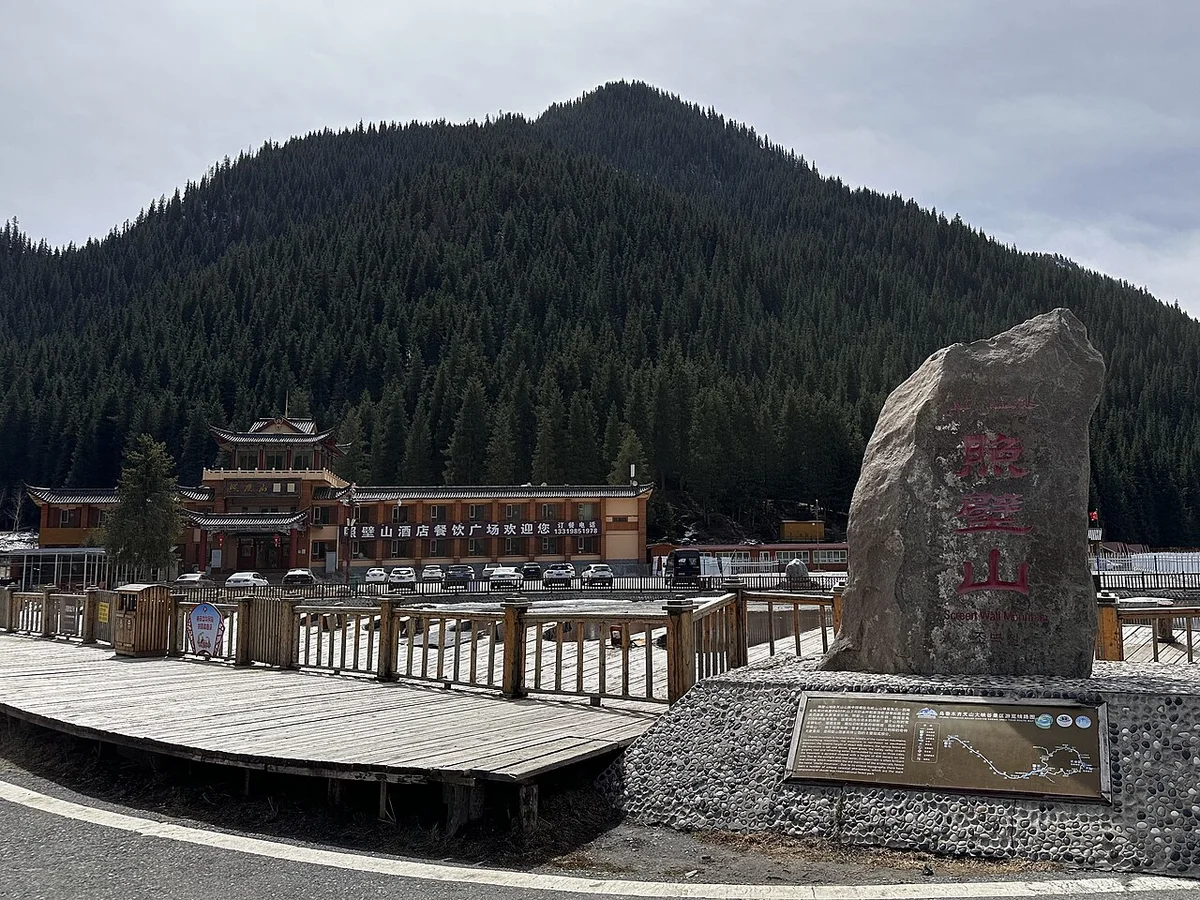
The surrounding belt of the Tianshan Grand Canyon in the Xinjiang Uyghur Autonomous Region is a vibrant cultural borderland where ancient geological landscapes meet enduring local traditions. Across high plateaus, semi-desert valleys, and alluvial terraces fed by glacial meltwater, diverse ethnic communities have coexisted for centuries. Uyghurs, Kazakhs, and Kyrgyz live alongside freshwater oases and mountain pastures, cultivating a distinctive cultural ecosystem that blends pastoral nomadism with settled agriculture and warm hospitality.
Lodging and rest facilities around the canyon have evolved from traditional self-reliant homesteads into welcoming, community-based hospitality while staying true to local heritage. Traditional Kazakh felt yurts—known locally as kiz uy—are pitched along historic seasonal migration routes, offering travelers an authentic glimpse into nomadic architecture. Built from collapsible wooden lattice frames wrapped in thick layers of pressed sheep’s wool felt, these dwellings provide remarkable insulation against biting mountain winds while remaining easy to dismantle and transport between summer and winter pastures. At valley gateways, family-run guesthouses constructed with traditional rammed-earth walls and dark timber beams offer cozy, climate-adapted stays steeped in regional character.
Local cuisine in the Tianshan Grand Canyon region reflects a rich synthesis of Central Asian and halal culinary traditions, drawing upon alpine livestock grazing and fertile oasis orchards. Mutton—particularly from prized local fat-tailed sheep—anchors the regional table, whether skewered and charcoal-grilled with aromatic cumin and crushed red chili, or slow-simmered in heavy iron cauldrons with sweet carrots, onions, and fragrant rice to make classic pilaf (polo). Hand-pulled noodles served in savory lamb-bone broth seasoned with wild mountain herbs are a staple at roadside family eateries, while traditional dairy specialties such as kumis (fermented mare’s milk), camel milk, and dried qurut cheese showcase time-honored nomadic preservation craft.
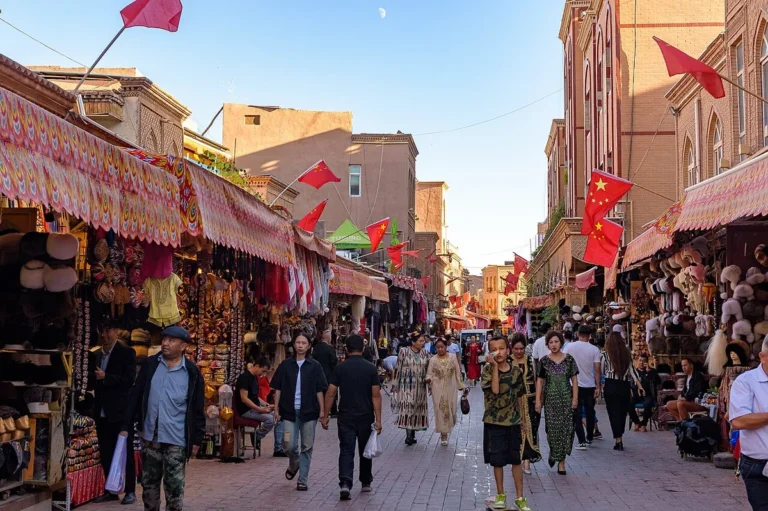
Community life revolves around bustling weekly bazaars that serve as vital hubs for trade, craftsmanship, and social gathering across neighboring valleys. Beneath colorful canvas awnings, the melodic cadence of Uyghur mingles with lively Kazakh conversation. Visitors can watch master luthiers shape traditional instruments such as the two-stringed Kazakh dombra and the long-necked Uyghur dutar—instruments that have carried epic poetry and steppe legends across generations. Hand-knotted carpets featuring bold geometric patterns, embroidered felt coats, and intricately chased brassware offer tangible expressions of an aesthetic deeply rooted in the surrounding landscape.
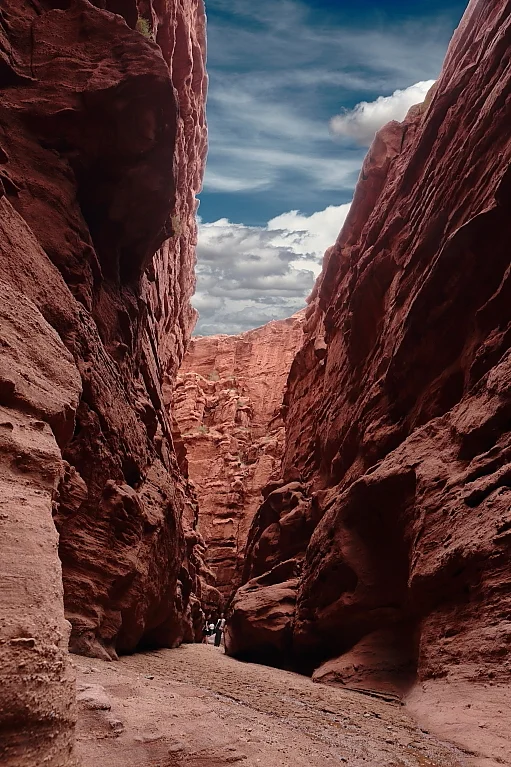
Daily life around the Tianshan Grand Canyon remains closely attuned to agricultural seasons and pastoral migration cycles. Even as improved roads and tourism connect the region more closely with the rest of China, local communities uphold cherished wedding traditions, religious observances, and major celebrations such as Nauryz, which welcomes the spring equinox and the renewal of pasturelands. Community tourism experiences allow visitors to participate directly in everyday rural life—from trying their hand at milking mares and riding horses along mountain trails with local herders to harvesting sun-ripened grapes, pomegranates, and melons nurtured by Xinjiang’s dramatic day-night temperature swings.
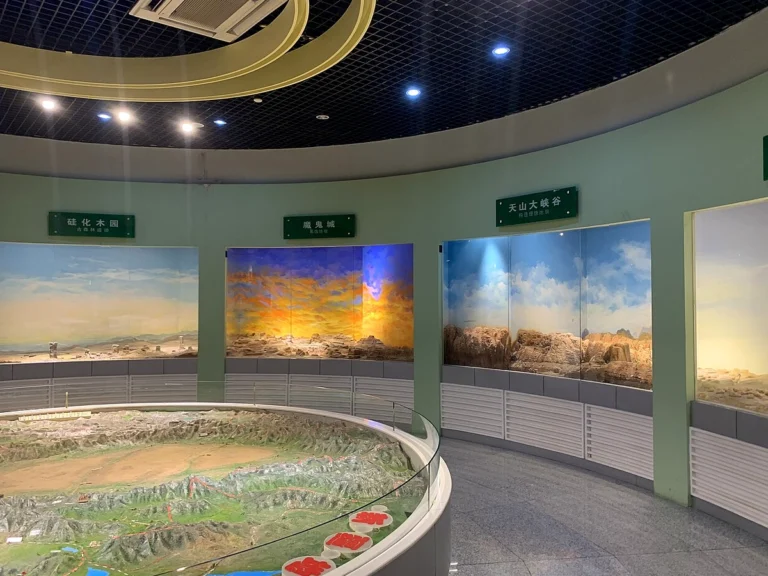
Visitor infrastructure at main canyon trailheads has been thoughtfully upgraded in recent years under strict environmental guidelines designed to safeguard fragile alpine-desert habitats. Visitor centers supply detailed topographic maps, multilingual local guides, and interpretive displays highlighting medicinal flora growing along seasonal glacial streams. Eco-conscious lodging and dining initiatives prioritize solar power for lighting and hot water alongside closed-loop wastewater treatment to protect scarce groundwater reserves—creating a sustainable tourism model built through close partnership between local authorities and resident communities.
Cultural encounters here go far beyond passive sightseeing, fostering genuine human connection through music, dance, and shared hospitality. Around evening campfires, local folk ensembles perform graceful Uyghur dances marked by expressive wrist movements and rapid spins alongside spirited Kazakh dances celebrating horsemanship and hunting traditions. The resonant plucking of the dombra and soaring Akyn epic ballads echoing beneath star-filled canyon skies create unforgettable memories, ensuring that tourism helps sustain—rather than erode—the living heritage of Xinjiang’s frontier communities.
Exploring the Tianshan Grand Canyon in Xinjiang calls for careful field preparation and disciplined travel habits. Located deep within the Eurasian interior, the region experiences an arid continental climate with dramatic diurnal temperature swings, while Quaternary erosion has sculpted sheer red sandstone walls and narrow corridors. Understanding seasonal timing, weather patterns, transport logistics, and local regulations is essential for a safe, rewarding expedition.
In terms of seasonal timing, June through September is widely regarded as the prime window for visiting. During these months, trans-Tianshan mountain highways remain free of winter snowpack, and long daylight hours bathe the crimson rock strata in vivid sunlight. By contrast, winter runs from November through March, bringing temperatures below -15°C and alpine blizzards that can close mountain passes. For daily scheduling, mornings between 9:00 AM and 11:00 AM and late afternoons from 4:00 PM to 7:00 PM offer the most comfortable temperatures and best photographic light, whereas summer midday hours bring intense ultraviolet radiation and trapped basin heat on the canyon floor.
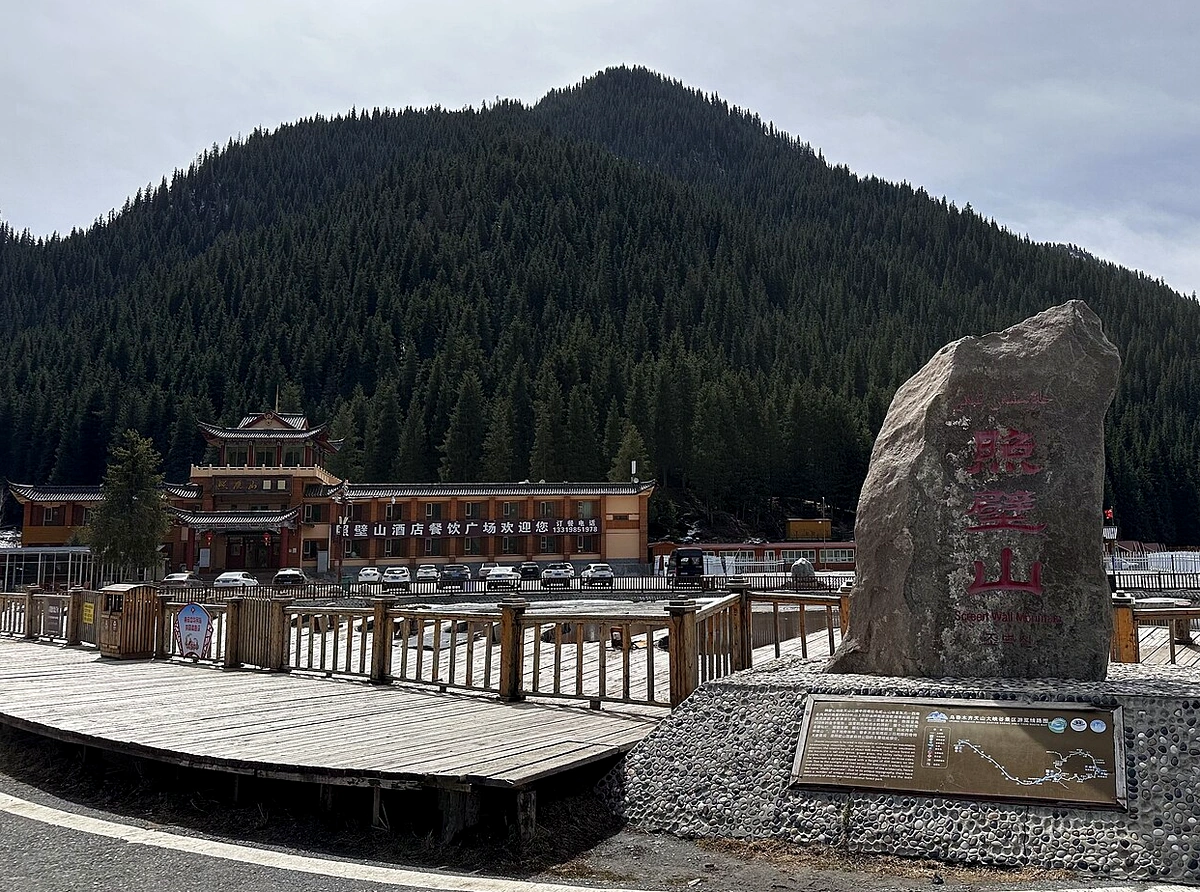
Weather inside the Tianshan Grand Canyon can shift rapidly due to its deeply incised valley topography. Even at the height of summer, temperatures can drop by 15°C to 20°C once the sun dips behind the canyon walls. Year-round relative humidity frequently falls below 30%, and brisk winds funneling through narrow gorges can create a pronounced wind-chill effect. Dressing in breathable layers is therefore essential: start with a moisture-wicking synthetic base layer, add a lightweight down or fleece mid-layer for warmth, and pack a windproof, water-resistant outer shell for sudden mountain gusts or brief showers.
Proper footwear is equally critical when navigating sandstone ledges and gravel streambeds. Casual sneakers or smooth-soled shoes lack adequate grip on loose scree, steep inclines, and fine desert dust. Sturdy hiking boots with high-traction rubber outsoles and reliable ankle support are strongly recommended. Sun and hydration protection should also be top priorities: bring UV400 sunglasses, a wide-brimmed hat shielding both face and neck, and SPF 50+ sunscreen, along with a large reusable water bottle and electrolyte packets to prevent dehydration in the dry air.
Reaching the Tianshan Grand Canyon requires thoughtful transport planning suited to Xinjiang’s vast distances and mountain terrain. Most travelers begin their journey in Urumqi or Turpan, both served by major airports and high-speed rail connections across China. From regional hubs, hiring a high-clearance four-wheel-drive SUV with an experienced local driver is the safest and most reliable option for navigating winding mountain passes and gravel access roads. Highways such as G30 and connecting provincial routes demand focused driving due to steep grades and occasional rockfalls. Independent self-driving is generally impractical for international visitors, as Chinese driving permits and familiarity with regional checkpoints are required.
Entry and security regulations across Xinjiang are strictly enforced. International travelers must carry their physical passport and valid visa at all times, as routine identity checks, QR code registrations, and baggage inspections are standard along major highways and at scenic area entrances. Because cellular service and GPS signals can drop out deep within narrow canyon walls, downloading offline maps in advance is a smart precaution.
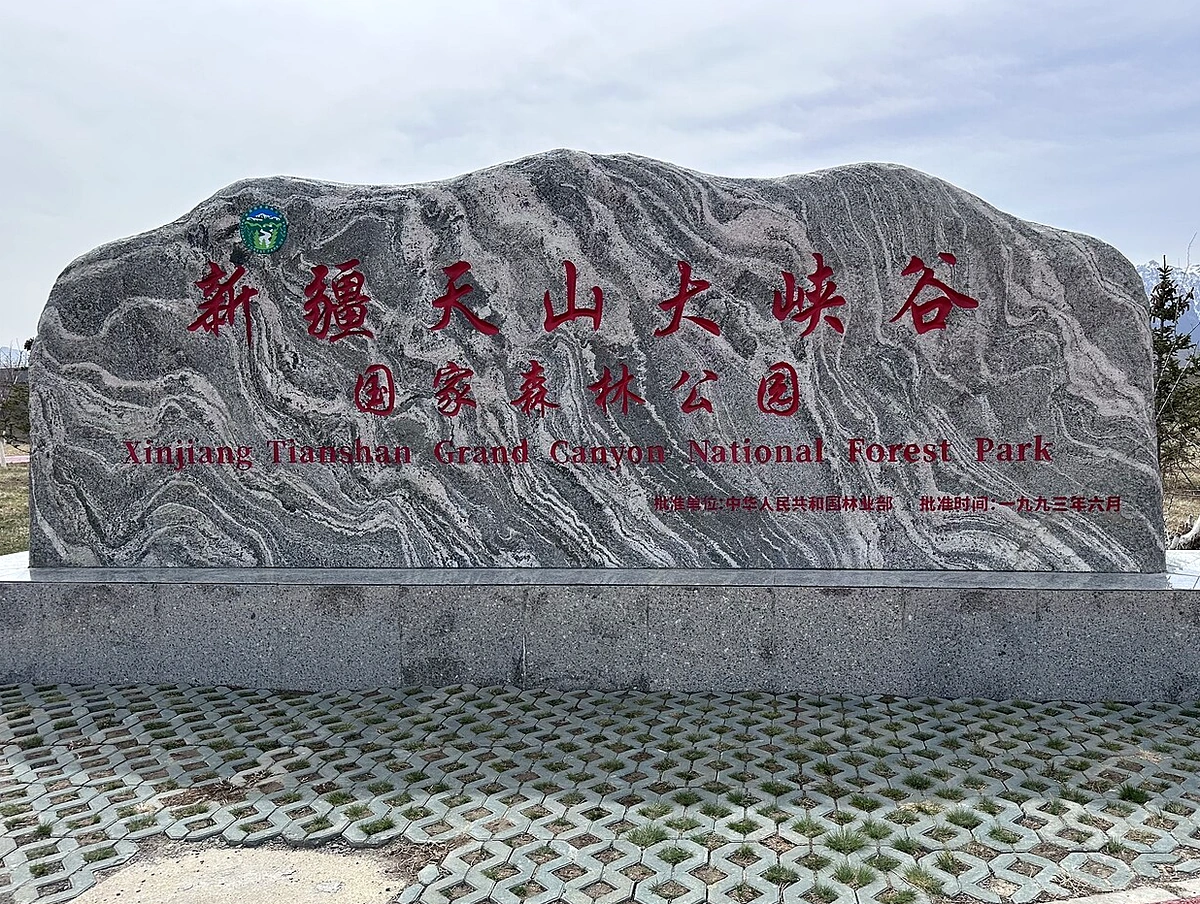
Environmental conservation rules within the Tianshan Grand Canyon carry strict penalties to protect its irreplaceable geological formations. Visitors must stay on marked boardwalks and trails and refrain from carving, touching, or climbing fragile red sandstone walls. All trash—especially single-use plastics—must be carried out of the canyon for proper disposal. Operating aerial drones requires strict compliance with local airspace and border regulations as well as advance permission from scenic area authorities. Following these guidelines ensures a safe, respectful, and unforgettable journey into one of Asia’s most extraordinary natural wonders.
To experience this remarkable journey seamlessly with knowledgeable local guides, explore our pre-arranged Northern Xinjiang 8D7N No-Shopping Tour Package.