The Nada district of Kobe City, Hyogo Prefecture, Japan, has long been defined in economic and cultural geography as the nation’s largest sake-producing center. Located at 34.71 degrees North latitude and 135.25 degrees East longitude, this region possesses distinctive natural conditions, including mineral-rich Miyamizu groundwater flowing from the Rokko Mountains and cold winter weather, laying the groundwork for the development of the traditional fermentation industry. The Hakutsuru Sake Brewery Museum, established on the foundation of a former brewery from the Taisho era, serves as a physical archive of the transition from artisanal production to industrialization in Japan’s sake sector. Its presence is not merely an exhibition space, but an architectural entity reflecting the intersection of time-honored traditional techniques and the advancements of the industrial age along the Seto Inland Sea coast.
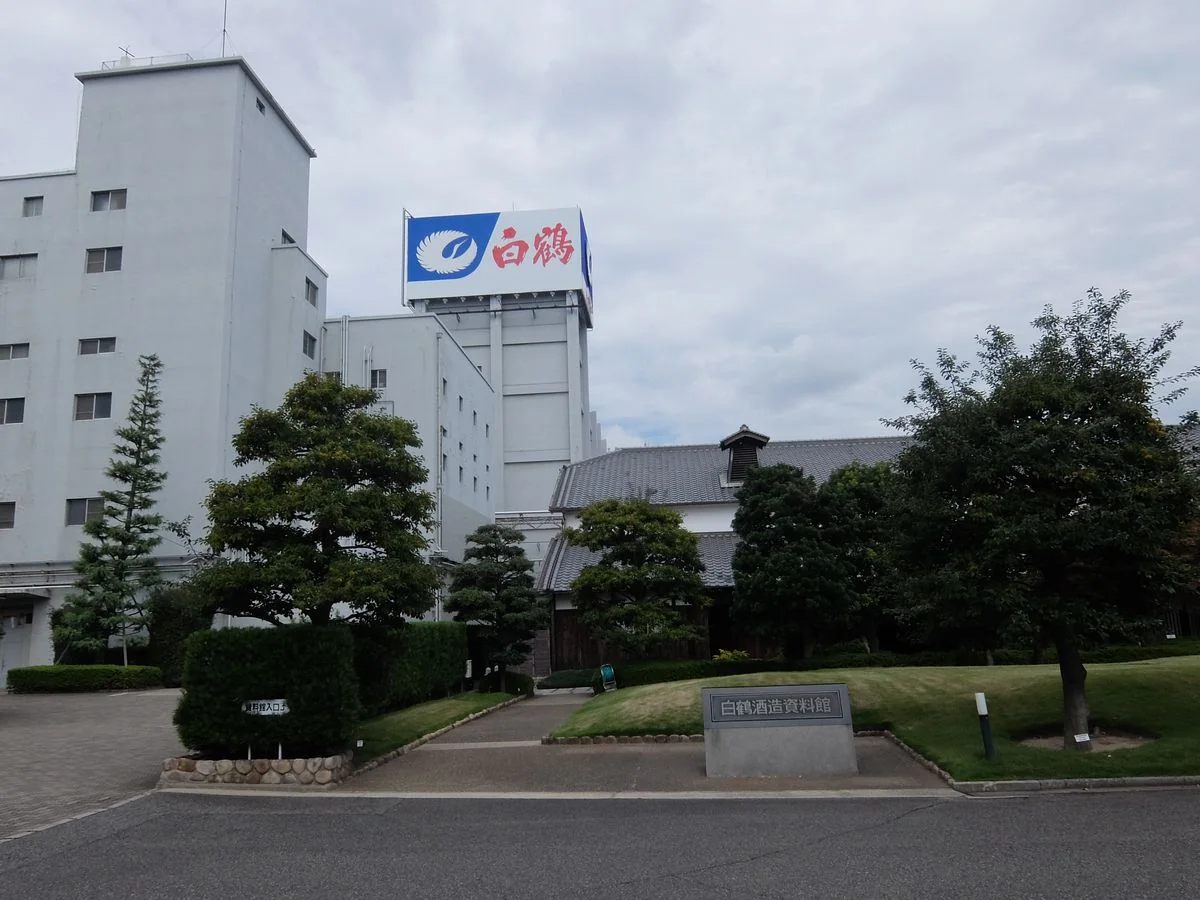
The history of the Hakutsuru brand dates back to 1743, when the Kano family began their brewing business in Mikage, an area within Nada. Over more than two centuries, Hakutsuru’s development has been closely intertwined with the upheavals of Japanese history, from the feudal Edo period to the vigorous modernization of the Meiji era. Today’s museum is housed in the former Hakutsuru Brewery No. 7, a structure built in 1912. Converting this brewery into a museum in 1982 marked a significant milestone in industrial heritage preservation. The museum’s architecture retains its traditional wooden framework with massive pillars and characteristic tiled roofs, allowing observers to envision the scale of sake production in the early 20th century, when manual methods still predominated before automated machinery completely took over the market.
The sake-brewing process in Nada, also known as Nada-gogo, shaped a specialized cultural system centered around the “tōji”—master brewers. The Hakutsuru Museum recreates this entire process through authentic artifacts, ranging from large wooden casks (taru) used for aging sake to water-powered rice-polishing equipment. Precision in controlling temperature and humidity, combined with selecting suitable rice varieties such as Yamada Nishiki, turned this region into a symbol of perfection in fermentation technique. The artifacts displayed at the museum are not merely inanimate tools of labor, but testaments to human perseverance in mastering harsh natural conditions. Preserving these implements helps future generations better understand the shift from manual labor to the application of science and technology in the food industry—a transformation that helped elevate sake into an iconic Japanese export worldwide.
The 1995 Great Hanshin-Awaji Earthquake inflicted severe damage across the Kobe region, including historic architectural landmarks in Nada. The Hakutsuru Sake Brewery Museum underwent structural restoration and reinforcement to ensure safety while keeping the original values of its Taisho-era architecture intact. This event posed a major challenge to heritage conservation in Japan, compelling managers to balance maintaining authenticity with adopting modern building standards. The result is a museum space that is both highly educational and seamlessly connects the past with the present. Sustaining the museum amid Kobe’s rapid urbanization underscores the importance of safeguarding intangible cultural values tied to traditional production sites.
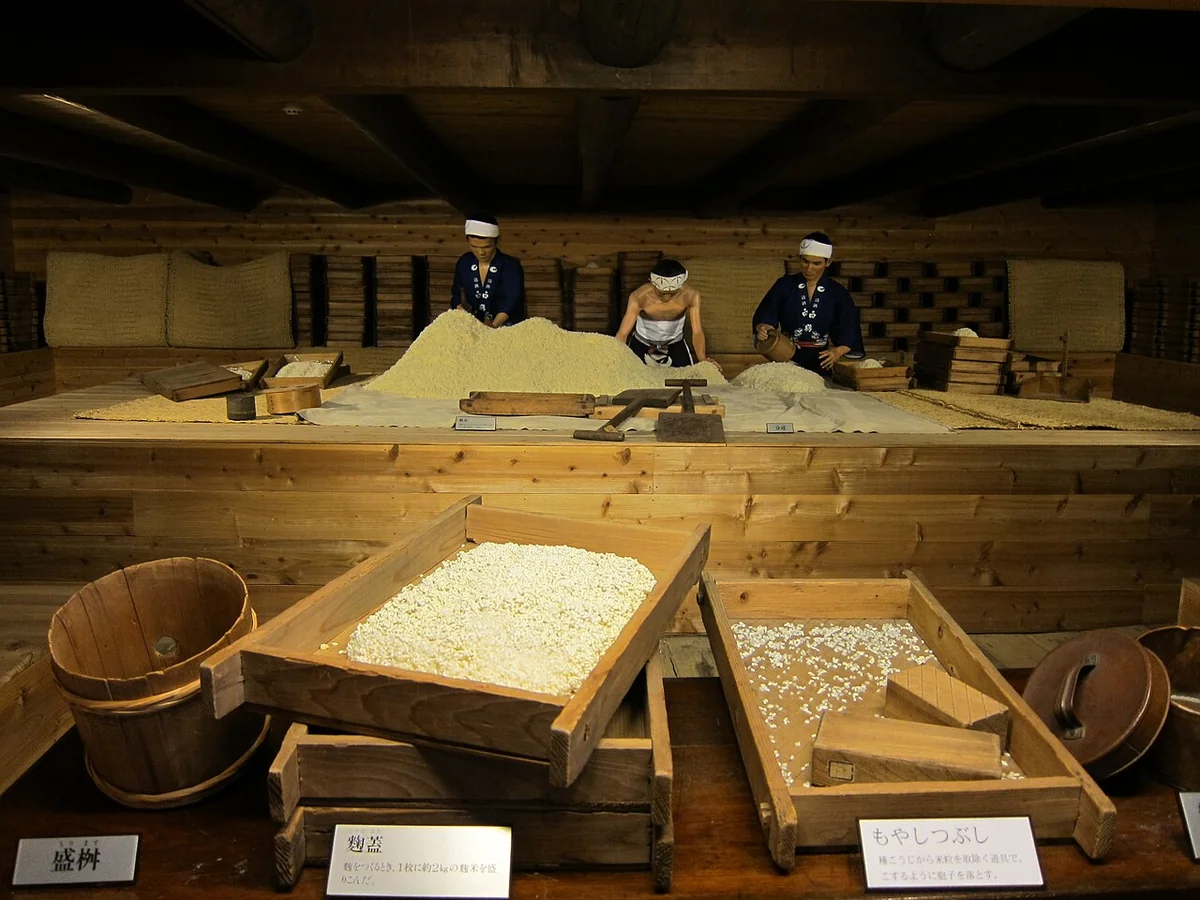
Sociologically, the museum functions as a center for cultural interpretation, where concepts of “sake-zukuri” (the art of sake brewing) are systematically conveyed. Visitors encounter dioramas recreating every stage of production, from washing and steaming rice to adding koji mold and fermenting in large vats. Life-size mannequins dressed in traditional brewers’ attire bring the authentic working atmosphere to life, creating a deeply immersive experience. This bridges the gap between modern consumers and past laborers while affirming Hakutsuru’s role in upholding the heritage of the Nada region.
The museum’s influence extends well beyond the local level onto the international stage. As a cultural destination, it attracts food historians, alcoholic beverage specialists, and tourists from around the globe. Explanations of technical terms such as “kimoto” and “yamahai”—ancient fermentation methods—deepen public appreciation for the complexity of sake. The museum also hosts tasting sessions, allowing visitors to directly experience the nuances between sake varieties crafted through different methods, thereby reinforcing sake’s stature as a culinary art form with profound historical and philosophical depth.
The synergy between Nada’s geographical advantages and the industrial heritage of the Hakutsuru brewery creates a sustainable cultural ecosystem. Miyamizu water, with its distinctive mineral profile, has been scientifically proven to be a decisive factor behind the signature flavor of the region’s sake. The museum skillfully weaves these scientific insights into the visitor journey, illuminating the intimate relationship between geology and product quality. It stands as a prime example of how an enterprise can contribute to cultural heritage preservation by operating a specialized museum, transforming technical expertise into a shared cultural asset for the community.
In an era of globalization, preserving traditional values at the Hakutsuru Sake Brewery Museum carries deep cultural and civic significance. It affirms Japanese identity in an increasingly homogenized world. Maintaining artisanal production techniques, even in an exhibition capacity, serves as a reminder of Japanese ingenuity and dedication. The museum is not simply a repository of artifacts; it is equally a custodian of the spirit of master brewers who devoted their lives to perfecting a beverage emblematic of the nation. Its continued existence within Kobe’s modern urban fabric testifies to the adaptability and enduring vitality of traditional values in contemporary society.
Viewed as a whole, the Hakutsuru Sake Brewery Museum Kobe is an architectural and cultural entity of high scholarly value. From its advantageous geographical coordinates in Nada to the historical trials it has weathered, the museum has firmly established its role in shaping public understanding of sake. The harmonious integration of exhibition spaces, historical artifacts, and educational programming has produced a model specialized museum. For scholars of Japanese industrial history, it is an indispensable destination for understanding the evolution of traditional food industries. For travelers, it opens a gateway into the world of sake, where history, culture, and craftsmanship converge to create a profound and memorable experience.
The museum’s contributions to sustaining and advancing sake culture go far beyond displaying static objects. Research initiatives and public outreach conducted here have helped elevate the status of this beverage on the global culinary map. Understanding the production process—from rice selection and polishing to fermentation and bottling—fosters a deeper appreciation for every drop of sake enjoyed. As an emblem of the Nada region, the Hakutsuru Museum continues to serve as a bridge between a storied past and a promising future for Japan’s sake industry, affirming that traditional values, when properly preserved and interpreted, will always hold a steadfast place in the flow of time.
Ultimately, the resilience of the Hakutsuru Sake Brewery Museum in the face of time and natural disasters stands as proof of the enduring vitality of cultural heritage. More than an architectural structure, it is part of the very soul of Nada, where every wall and wooden cask tells a story of perseverance, creativity, and the pursuit of perfection. Studying this museum in depth reveals how a nation preserves its identity through industrial heritage while offering fresh perspectives on the interplay among humanity, nature, and technology in economic and cultural development. The Hakutsuru Sake Brewery Museum Kobe thus rightfully earns its place as an important landmark on the global cultural map, where history is safeguarded and heritage is honored with dignity and completeness.
The Nadagogo district in Kobe City, Hyogo Prefecture, Japan, possesses a geological and climatic heritage exceptionally suited to alcoholic fermentation, providing a solid foundation for large-scale sake production dating back to the Edo period. From a spatial design perspective, the Hakutsuru Sake Brewery Museum Kobe is built upon the foundations of an original traditional brewery that endured turbulent historical events and severe natural disasters, notably the 1995 Great Hanshin-Awaji Earthquake. Preserving and reconstructing this spatial layout reflects a philosophy of safeguarding tangible heritage bound to the collective memory of Nada’s artisan community, where mineral-rich Miyamizu groundwater flowing down from the Rokko Mountains has nurtured the art of brewing for centuries. The museum’s master plan not only adheres strictly to classical Japanese timber architecture principles but also incorporates modern engineering solutions to showcase the complete ancient sake-making workflow, from selecting Yamadanishiki rice to pressing and filtering the final product.
In terms of architectural style, the museum complex exemplifies the traditional Japanese storehouse known as kura, distinguished by thick white-plastered walls, exposed load-bearing timber frames, and steep black-tiled roofs engineered for efficient rainwater drainage. The primary building materials are Japanese red pine and cedar, paired with layers of straw-mixed mud and slaked lime on wall surfaces to maintain stable internal temperature ranges within spaces housing large wooden casks and ceramic vats. The distinctive craftsmanship of traditional master carpenters (miyadaiku) is applied throughout to join structural timbers without using a single metal nail, relying instead on intricate wooden joinery capable of flexing elastically against the frequent seismic tremors across the Japanese archipelago. Soaring ceilings and a natural convection ventilation system calculated precisely a century ago regulate indoor humidity and air temperature optimally, protecting delicate koji mold cultures from adverse external conditions throughout months-long fermentation cycles.
The museum’s floor plan is organized as a continuous sequence of spaces, guiding visitors through each historical stage and technical phase of sake production in a vivid, chronological order. Spanning a generous footprint, the facility encompasses historic storehouses linked by rustic wooden corridors and courtyard gardens imbued with the minimalist aesthetic philosophy of wabi-sabi. The main halls are proportioned to match large-scale Edo-period industrial workshops, featuring expansive double-height volumes housing life-size wax figures that meticulously depict every strenuous movement of toji master brewers. Exhibition zones are methodically divided into sections introducing raw ingredients, rice soaking and steaming in traditional wooden vats, koji mold cultivation, fermentation in massive tanks, and finally pressing, filtration, bottling, alongside a retail showcase.
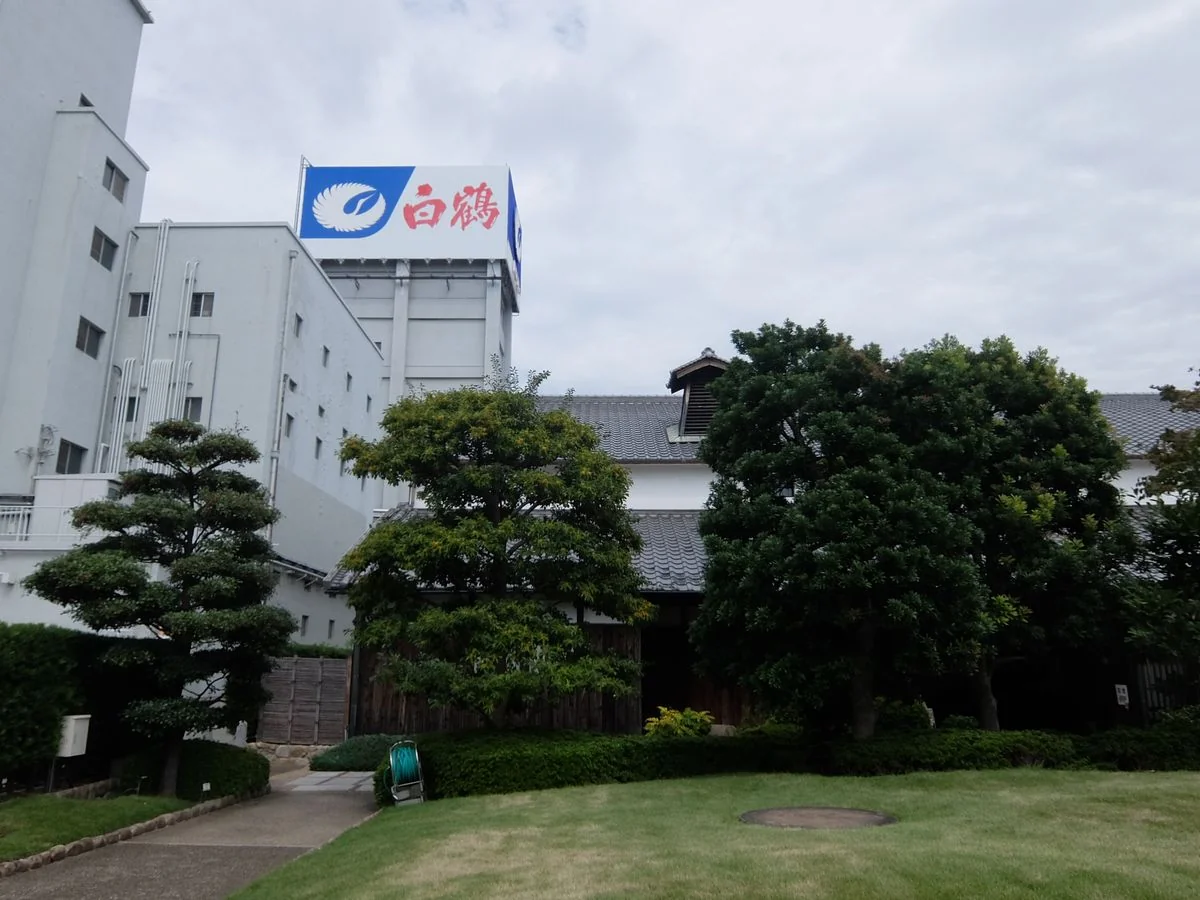
Visitor capacity is carefully calibrated to balance preserving fragile wooden structures with meeting growing cultural demand from international travelers and food technology historians. Visitor pathways are fitted with sturdy wooden flooring, multilingual interpretive plaques, and subtle directional lighting that highlights ancient wood grains and the textured surfaces of ceramic and brass brewing tools. A spacious central reception area connects directly to the tasting room, where guests can sample pure sake varieties crafted using time-honored artisanal methods. Foot traffic is carefully managed to keep indoor temperature and humidity steady inside the century-old storehouses, protecting the historic timber architecture from excess moisture and body heat generated by daily crowds.
Intricate engineering details in the roof framing and load-bearing post-and-beam systems attest to the pinnacle of traditional Kansai carpentry. Large-diameter horizontal timber beams were selected from old-growth trees and subjected to traditional soaking and natural air-seasoning to resist termite damage and decay over time. Workshop floors are elevated above ground level on massive stone plinths, creating a ventilated crawlspace beneath that prevents ground moisture from rising and safeguards sake fermenting in sunken vats. This seamless marriage of natural organic materials and mathematically precise spatial planning has ensured the museum’s longevity, turning it into a living architectural archive of East Asian fermented beverage culture.
Site planning around the historic storehouses also prioritizes recreating the ecosystem of a traditional craft village by preserving old groundwater wells, bamboo water conduits, and outdoor equipment once used for waterborne transport of raw materials. Clean pebble-paved courtyards create a gentle transition between the stout storehouse volumes and Kobe’s surrounding modern cityscape. Guided by long-term planning vision and restoration methods respectful of original fabric, the museum retains the dedicated working atmosphere of past generations of artisans while providing an in-depth academic setting for architectural historians, cultural anthropologists, and food technologists worldwide to study how human ingenuity adapts to distinctive natural geographies.
Situated in Kobe’s Nada district—long revered as the sacred heartland of traditional Japanese brewing—the Hakutsuru Sake Brewery Museum stands as an architectural emblem steeped in history and the refined craftsmanship of the Edo and Meiji eras. Converted from an original production facility known as Brewery No. 2, the complex preserves its traditional timber structure intact, complete with massive oak pillars, complex load-bearing trusses, and black-tiled roofs blending Shoin-zukuri elegance with 19th-century industrial workshop architecture. Rather than serving merely as a display gallery, this space acts as a living physical witness to the convergence of Japanese minimalist aesthetics and a worldview rooted in the five elements, nature, and the universal laws of fermentation.
Stepping through the main gate, the interior unfolds into clearly mapped zones following the exact sequence of classical sake production, from rice selection to final pressing and filtration. Here, life-size figures sculpted by folk artisans realistically portray every arduous yet graceful motion of master toji brewers hailing from the renowned Tamba region. Every nuance—from facial expressions and bowed postures monitoring the steam temperature of wooden koshiki rice steamers to the gentle care shown toward finely polished rice grains—speaks to the dignity of labor. Spatial curation across these galleries observes the quietude and reverence of a Shinto shrine, giving visitors the sensation of entering a sacred precinct where humanity performs an offering to the deities.
At the heart of the collection are unique artifacts including Yoshino cedar (Yoshino sugi) casks and massive wooden vats called kioke, assembled entirely by hand without a single iron nail—a testament to the mastery of traditional daiku woodworking. Tightly woven bamboo hoops bind the cask staves together, yielding structures both resilient against liquid pressure and graceful in silhouette. Alongside them, the museum safeguards hundreds of antique tools such as wooden shaku paddles for stirring fermenting mash, intricately woven bamboo sieves, finely calibrated brass beam scales, and ceramic vessels used to store sake across successive historical eras. Each piece carries the quiet patina of age, imbued with the lingering aroma of koji mold and steam accumulated over centuries of continuous use.
A closer look at the decorative arts—including folding screens, antique washi paper documents, and ukiyo-e woodblock prints on display—offers deeper insight into sake consumption among the samurai class and wealthy merchants of feudal Japan. Carved motifs adorning fusuma sliding doors and ranma transoms depict resilient, noble flora such as pine, bamboo, chrysanthemum, and plum blossom, interwoven with allegories of bountiful harvests and gratitude toward Inari, the deity of agriculture. The interior palette is anchored by the warm tones of aged timber, ivory-white handmade paper, and the soft amber glow of chochin lanterns, harmonizing into a serene, contemplative atmosphere that invites quiet reflection.
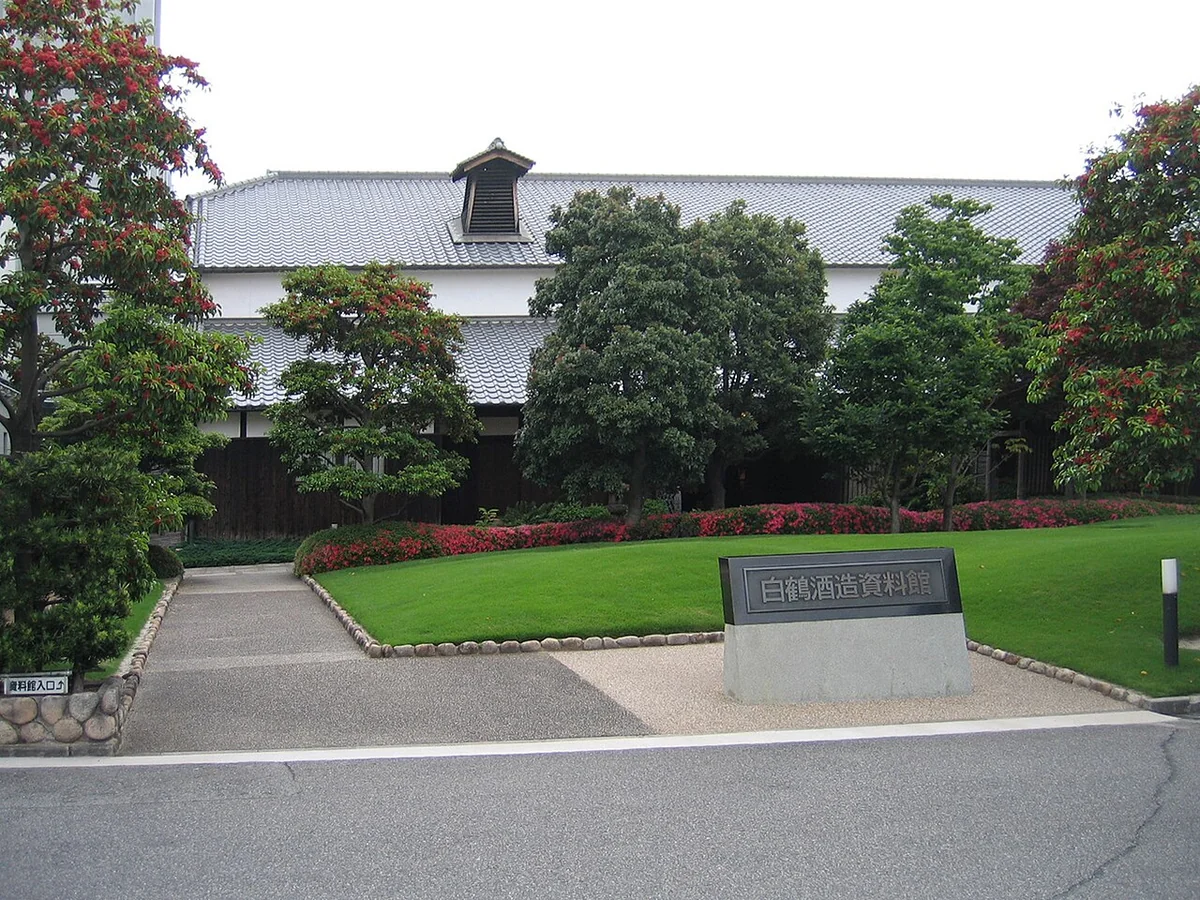
The museum’s cultural depth is further expressed through its miniature shrine area and spiritual emblems tied to the brewing craft, honoring the guardian deity of sake makers. The sugidama—a sphere crafted from fresh cedar sprigs hung beneath the brewery eaves—is a distinctive piece of folk artistry bound from thousands of green cedar needles at the onset of winter, gradually turning russet brown by spring to signal that the new sake has matured to perfection. Beyond serving as a traditional signboard announcing the arrival of freshly brewed sake to the community, the sphere carries deep spiritual meaning as a prayer asking the deities to shield the fermenting mash from impurities and spoilage. The annual ritual of replacing the sugidama has evolved into a cherished community tradition reflecting the intimate bond among humanity, nature, and the divine in Shinto belief.
Examining the philosophical underpinnings of its architecture and curation reveals the Hakutsuru Museum as an embodiment of wabi-sabi, celebrating rustic simplicity, impermanence, and the passage of time etched into physical matter. Natural hairline cracks in antique ceramic jars, the faded fabric of happi coats once worn by master brewers, and the faint scent of fermented rice and cedar clinging to the storehouse timbers all evoke human humility before the forces of nature. Here, sake brewing is elevated into a spiritual path requiring inner stillness, boundless patience, and deep attunement to unseen microorganisms such as Aspergillus oryzae mold and sake yeast.
Having weathered major historical trials—most notably the catastrophic 1995 Great Hanshin Earthquake that devastated much of Kobe—the museum’s traditional wooden structure was faithfully restored and preserved intact thanks to the dedication of the founding family and the local community. This reconstruction went beyond merely mending broken beams; it revived a cultural soul that had united generations of Nada residents. Traditional joinery techniques were strictly observed throughout the restoration, ensuring that every mortise-and-tenon joint and architectural line retained the authentic spirit of the original edifice.
Concluding an exploration through the galleries, artifacts, and architectural symbols of the Hakutsuru Sake Brewery Museum Kobe, visitors recognize that this institution preserves far more than a traditional commercial trade. It distills the essence of Japanese culture, where manual craft reaches the stature of fine art and inanimate materials are imbued with life to narrate a story of fertility, reverence for nature, and the resolve to safeguard national identity amid the relentless currents of modernization.
Since the 17th century, the Nada area of Kobe City in Hyogo Prefecture has stood as the largest sake-producing hub in the Japanese archipelago, blessed with pure Miyamizu groundwater and chilly Rokko-kaze winds sweeping down from the northern mountains toward Osaka Bay. Amid this storied industrial heritage landscape, the Hakutsuru Sake Brewery Museum rises as a living keeper of temporal memory, where the rhythm of local daily life intertwines seamlessly with the artisanal craft of brewing a sacred beverage offered to the gods. Observing the museum’s operations and daily cadence from dawn until nightfall reveals a comprehensive portrait of a fermentation culture that has endured centuries of historical change, demonstrating the resilient vitality of tradition at the heart of a modern metropolis.
Dawn in Nada breaks as the first rays of sunlight filter across the dark timber architecture of the sakagura storehouse, illuminating whitewashed plaster walls and noren curtains fluttering before the museum’s main entrance. Morning air carries a crisp breeze off the bay, mingling with the signature aroma of steamed rice and koji mold drifting from neighboring breweries. At this hour, master brewers and artisans—known as toji and kurabito—begin their day with quiet focus, echoing the time-honored routines of Nada brewing. Visitors arriving in the morning experience the serene solemnity of the galleries, where antique wooden artifacts, from sakadaru casks to manual pressing tools, rest peacefully in soft natural daylight. Early morning quiet provides an ideal setting to study life-size dioramas illustrating every step from rice polishing and koji mixing to cultivating traditional kimoto starter mash, vividly conveying local reverence for nature and grain.
As the sun climbs toward midday, the tempo at the Hakutsuru Sake Brewery Museum shifts into a livelier rhythm as streams of visitors arrive to explore. Midday brings continuous craft demonstrations and thematic talks that draw cultural researchers and international travelers alike. Inside the exhibition halls, the measured voices of local guides recount the history of the Kano family, who founded the Hakutsuru label in 1743. Sensory experiences unfold in the tasting room, where guests sample the subtle contrasts between fresh, unpasteurized nama-zake and aged daiginjo varieties. Pairing tastings with detailed guidance on serving temperatures—from chilled sake to warmed tokkuri flasks—offers visitors an intimate grasp of Kansai’s refined culinary arts. Under bright daylight, every intricate detail of the museum’s traditional woodwork stands out clearly, bearing witness to the supreme skill of carpenters across generations.
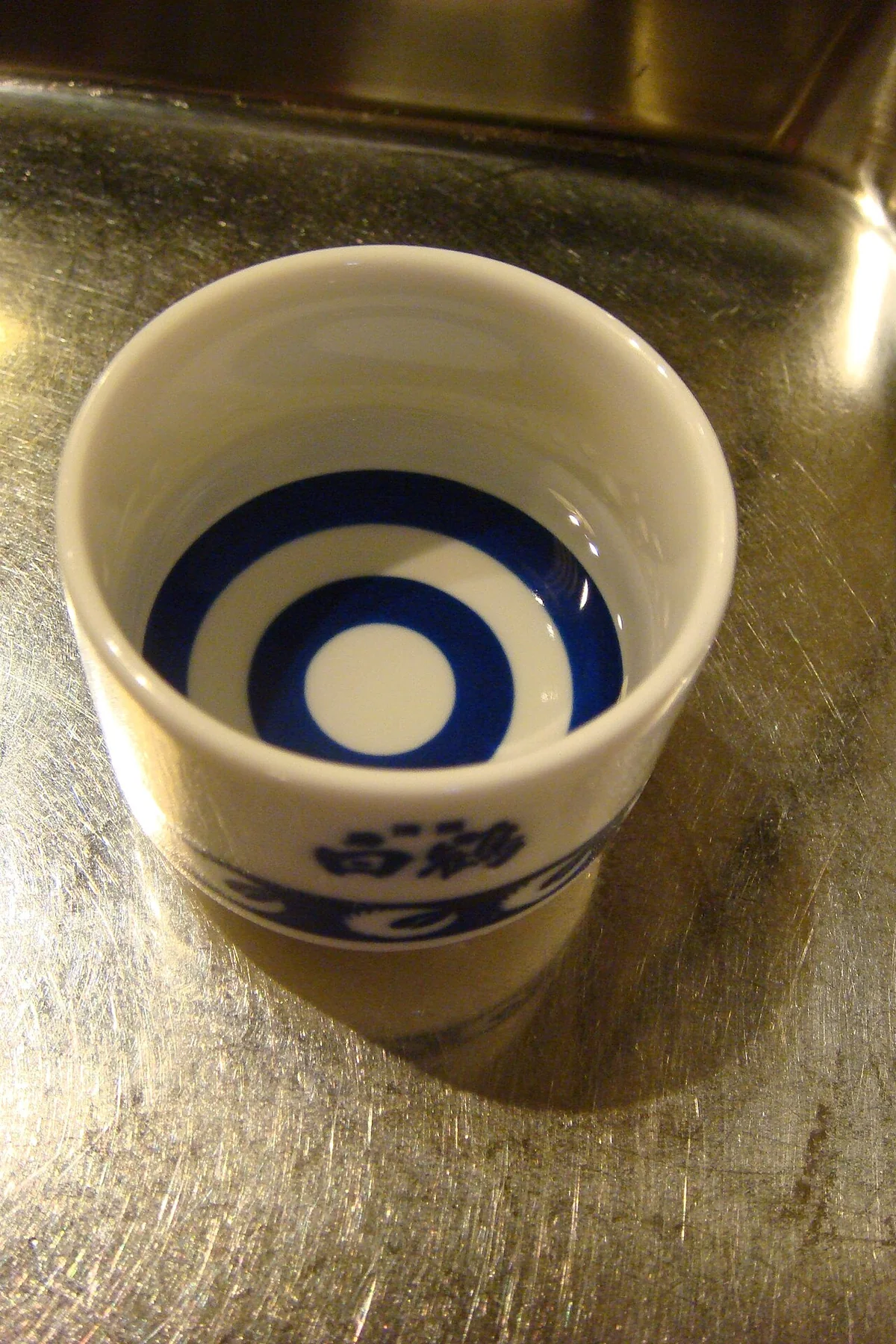
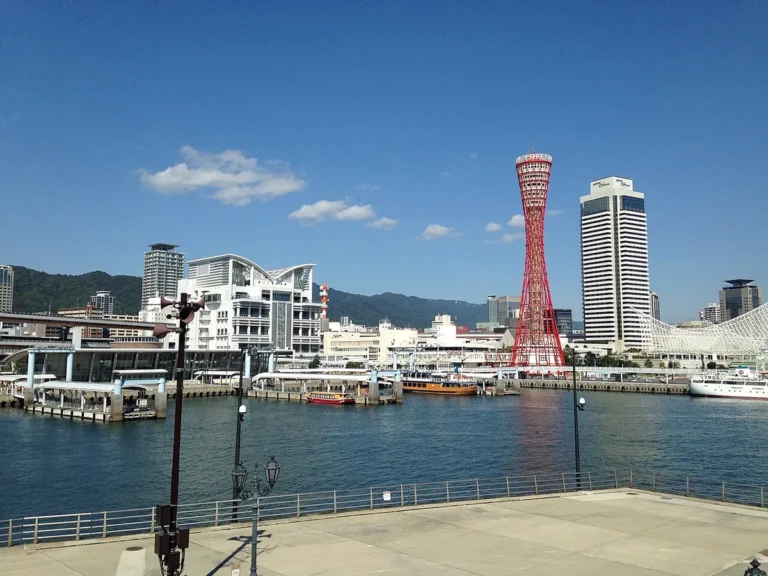
Dusk descending over Kobe’s skyline brings a profound aesthetic transformation across the entire museum complex. Amber sunset light glints off windowpanes and washes across dark wooden walls, evoking a nostalgic atmosphere reminiscent of the golden Edo era, when sturdy cargo ships carried casks of Nada sake down the coast to the capital of Edo. As daytime crowds thin out, tranquility returns to the heritage grounds. At this hour, one of the most rewarding panoramic views emerges from the upper balcony looking out toward the Rokko Mountains and the glittering lights of Kobe Port. From this vantage point, observers take in the poetic contrast between historic black-tiled sakagura storehouses and modern urban transit as commuter trains glide past in the twilight. This visual dialogue between past and present captures the enduring adaptability of intangible cultural heritage amid industrial urbanization.
When night falls, the Hakutsuru Sake Brewery Museum takes on an enchanting glow thanks to subtle architectural lighting arranged along its traditional facade. Warm golden light spilling from small windows accentuates massive timber columns and classic tiled roofs against the night sky of the port city. During seasonal festivals or local cultural commemorations, the museum’s outdoor courtyard transforms into a stage for traditional taiko drum performances and bon odori folk dances celebrating the rich spiritual life of the brewing community. Resonating drumbeats carried on crisp winter evenings or cool autumn nights create an emotional crescendo for all in attendance. Alongside the festivities, artisan stalls and pop-up food counters serve classic accompaniments to sake such as piping-hot oden stew or ginger-simmered sardines, celebrating the local culinary philosophy of harmony between food and drink.
Examining the daily rhythm of the Hakutsuru Sake Brewery Museum from morning to night reveals not a static display venue, but a living organism where past and present remain in constant dialogue. From meticulous preparations at daybreak to lively midday exchanges and romantic illumination after dark, each hour unveils distinct layers of cultural meaning. A visit here transcends simply sampling an alcoholic beverage; it becomes an immersive journey into Japanese philosophy, perseverance in craftsmanship, and centuries-old reverence for the natural world.
Since the 17th century, the Nadagogo district of Kobe City, Hyogo Prefecture, has held a prominent place on Japan’s economic and cultural map as the premier fermented beverage production hub of the Land of the Cherry Blossom. The Hakutsuru Sake Brewery Museum Kobe, converted from the historic brewery of one of the region’s oldest founding families, opens a comprehensive window into the culinary culture surrounding this quintessential national drink. Kobe’s distinctive topography—sheltered from winter winds by the Rokko Mountains behind it and nourished by mineral-rich Miyamizu groundwater filtering through geological strata—provides ideal raw ingredients. Miyamizu water is naturally high in phosphorus and potassium yet low in iron, a chemical balance that inhibits harmful bacteria during fermentation, allowing sake yeast to thrive and yield a crystal-clear brew with bold, crisp character. The culinary culture flourishing around the museum is thus inseparable from these hydrological flows and the cultivation of Yamada Nishiki rice—revered as the king of sake rice for its large grains, starchy white core (shinpaku), and minimal protein impurities.
The signature cuisine surrounding Nadagogo and Kobe’s portside neighborhoods boasts a distinct flavor profile shaped by the marriage of fresh seafood caught in the Seto Inland Sea and abundant agricultural produce from the Kansai plain. Traditional local dishes are thoughtfully crafted to complement the delicacy of sake, adhering to sensory balance among natural sweetness, rich umami, and the gentle warmth of fermented alcohol. Stepping into the neighborhood surrounding the museum, diners encounter dishes showcasing world-famous Kobe beef, whose intricately marbled fat melts effortlessly on the palate alongside unfiltered or chilled sake. Local culinary tradition emphasizes preserving the natural flavor of ingredients, avoiding heavy spices that might overpower the nuanced aromas of steamed rice and koji. Classic techniques such as grilling over binchotan white charcoal, simmering gently in traditional dashi broth, or light pickling bring ingredients to peak tenderness while retaining their natural texture.
A closer look at time-honored culinary techniques in traditional restaurants around the museum reveals meticulous attention to seasonal ingredients. Winter in Kobe calls for steaming nabemono hot pots, where salmon, fresh oysters from Osaka Bay, and local vegetables simmer in a delicate kombu kelp broth, enjoyed alongside gently warmed sake known as kanzake. Warming sake requires deep familiarity with each brew’s profile, as an ideal serving temperature between 40 and 50 degrees Celsius unlocks aromatic amino acids and natural sugars that pair harmoniously with rich seasonal seafood. Conversely, during summer, fresh unpasteurized namazake is thoroughly chilled and served with thinly sliced sea bream or bluefin tuna sashimi, offering crisp refreshment against the warmth of the temperate maritime climate.
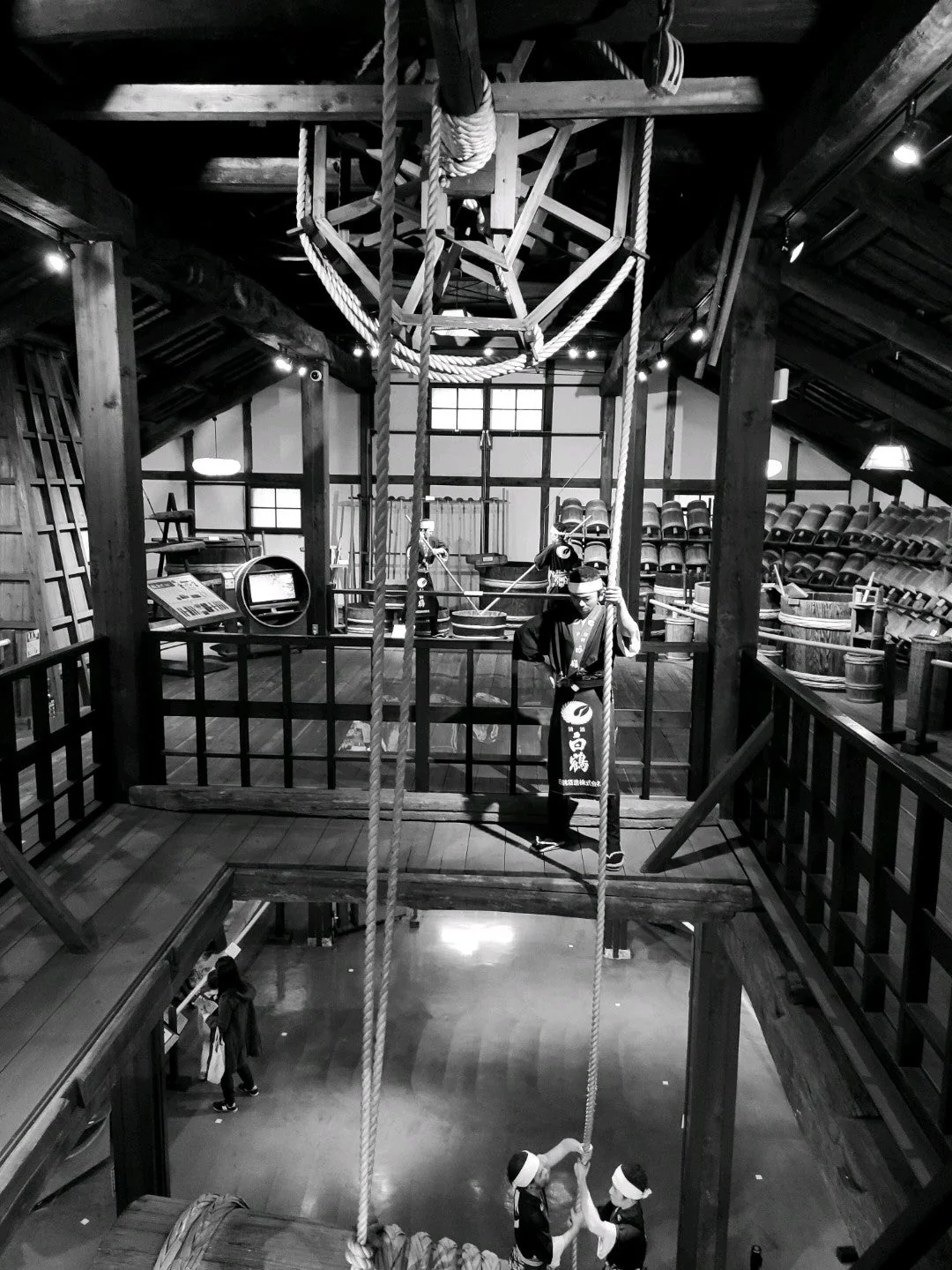
Dining and drinking etiquette here is infused with Zen mindfulness and reverence for nature, embodied in the ritual of kanpai and the thoughtful selection of drinking vessels. In traditional tasting spaces inside and around the museum, sake is not merely consumed but appreciated across multiple senses through compact porcelain sakazuki cups or wafer-thin crystal glasses. White porcelain cups allow drinkers to admire the clarity and pale amber tint of the brew, while rim thickness guides how the liquid flows across the palate. Etiquette always honors both the person pouring and the dedication of the toji brewers who kept vigil through freezing winter nights monitoring the temperature of every sugi cedar vat filled with fermenting mash.
The culinary lanes and walkways flanking the Hakutsuru Museum preserve the architectural charm of the Edo and Meiji periods, where whitewashed plaster walls framed by jet-black timber beams evoke a nostalgic ambiance. Along these stone-paved streets, traditional izakaya taverns and tasting rooms sit side by side, adorned with iconic wooden sake barrels and canvas noren curtains fluttering in the sea breeze. Visitors exploring the neighborhood can join guided blind-tasting sessions to distinguish among pure-rice junmai, subtly fruity ginjo, and premier daiginjo brewed from highly polished rice grains. Each style is thoughtfully paired by local culinary artisans with traditional bar snacks called otsumami, including cured anchovies, sea-salted boiled edamame, and artisanal grilled kamaboko fish cakes made from fresh local catch.
The close bond between the museum and its surrounding community sustains a vibrant cultural ecosystem in which ancestral recipes are passed down intact across generations despite waves of modernization. Veteran chefs at Nadagogo restaurants still adhere strictly to seasoning simmered fish and braised meats with authentic mirin and soy sauce aged in century-old wooden casks. Precision in cooking paired with mindful sake appreciation has turned this district into an internationally recognized destination for culinary heritage research. Exploring local gastronomy here therefore extends far beyond recording flavors; it becomes an inquiry into how humanity partners with nature, elevating humble agricultural harvests into culinary art through patience, wisdom, and respect for Japan’s enduring traditions.
Located along Kobe’s Nada coastline—which rose to prominence in the 17th century as Japan’s largest traditional brewing hub thanks to pure Miyamizu groundwater and crisp Rokko-oroshi winds blowing down from the northern mountains—the Hakutsuru Sake Brewery Museum is a historical landmark that rewards thoughtful planning regarding timing and access. To fully appreciate the namazake brewing process and inspect antique wooden presses, understanding Kobe’s seasonal climate is essential for a rewarding visit. The Kansai region, and Kobe in particular, experiences four distinct seasons: spring (March through May) brings mild weather between 10 and 15 degrees Celsius, ideal for strolling through historic timber breweries; summer turns warm and humid, calling for breathable clothing alongside a light jacket when stepping into cool cellar galleries kept at low temperatures to preserve koji cultures; autumn (September through November) greets visitors with vibrant maple foliage lining portside avenues, making it the finest time of year to combine industrial heritage sightseeing with Osaka Bay scenery; and winter, though brisk, rarely sees heavy snow, offering the crisp, dry chill characteristic of western Japan—making a cup of freshly warmed sake at the museum tasting counter after a brisk walk especially inviting.
Kobe’s public transit network is renowned worldwide for punctuality and seamless connectivity, making the museum effortless to reach without a private vehicle. Departing from central Sannomiya Station, the most convenient and authentic way to travel is via the Hanshin Electric Railway or the JR Kobe Line. On the Hanshin Line, board an eastbound train from Sannomiya to Sumiyoshi Station or Mikage Station, followed by a pleasant five- to ten-minute walk through quiet residential streets to the museum grounds. If taking the JR Kobe Line, alight at Sumiyoshi Station, where local Kobe City Bus routes or a brief stroll bring you straight to the entrance. Taxis are also a practical option for larger groups or travelers carrying luggage, departing from Sannomiya Station or Shin-Kobe Station where Shinkansen bullet trains stop. However, since portside roadways often experience congestion during morning and evening rush hours, urban rail remains the top choice for keeping your itinerary on schedule.
The optimal times of day to visit the museum are morning hours between 9:00 AM and 11:00 AM or early afternoon between 1:00 PM and 3:00 PM. During these windows, international tour crowds are lighter, giving you peaceful space to examine intricate carvings on antique brewing implements, read bilingual interpretive panels thoroughly, and converse with knowledgeable guides well versed in the Kano family’s history. Avoiding the midday peak when large group tours arrive ensures a contemplative, unhurried experience. For attire, because the museum is housed in a historic brewery with original wood and concrete floors, flat shoes or sneakers with good grip are recommended for navigating multiple exhibition levels and damp cellar spaces. Smart, neat clothing is ideal, avoiding overly loose garments that might brush against open displays or vintage machinery. In particular, when entering the sake tasting room at the end of your tour, refraining from wearing heavy perfume or cologne is an unspoken courtesy so as not to interfere with the delicate olfactory notes essential to appreciating different sake styles.
Exploring a cultural institution rooted in Japan’s centuries-old fermentation heritage calls for mindful observance of local etiquette and on-site guidelines. Regarding admission, a generous hallmark of the museum is its free-entry policy for both domestic and international visitors across the main exhibition galleries, reflecting the founders’ commitment to sharing cultural heritage with the public. However, premium sake tastings or specialized blending workshops led by master brewers require advance online registration or purchasing a nominal tasting voucher at the reception desk. Inside the exhibition halls, visitors must never touch antique wooden tools, ceramics, or life-size brewer figures unless explicitly permitted by signage, as natural oils and perspiration from skin can damage centuries-old historical artifacts. Flash photography is strictly prohibited in dimly lit galleries to protect fragile antique paper records and Edo-period ukiyo-e woodblock prints depicting historical brewing methods.
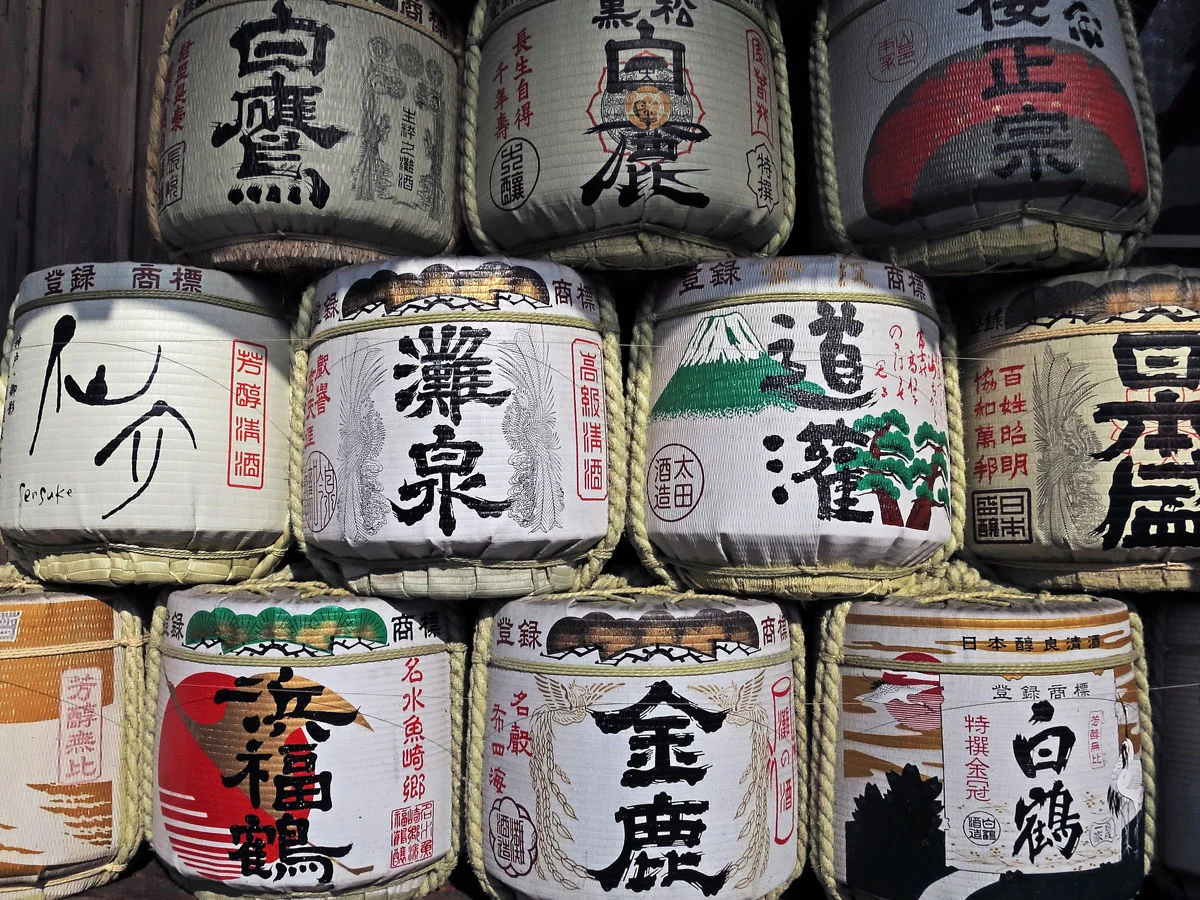
Cultural taboos surrounding sake and master brewers are equally important to keep in mind as a sign of respect for local tradition. In the worldview of toji master brewers, the koji fermentation room is regarded as a sacred sanctuary where living microorganisms determine the fate of an entire batch; bringing strong outside scents, loud noise, or straying into restricted areas is strictly frowned upon. In the tasting room, basic Japanese etiquette dictates never pouring sake into your own cup—instead, pour for companions and allow others to fill yours, lifting your cup with both hands when served to express gratitude toward your host and the artisans behind the brew. Driving under the influence of alcohol is strictly illegal in Japan, so visitors planning to sample full-strength undiluted sake should arrange return transit via train or ride-hailing services in advance. Paired with thoughtful timing and cultural awareness, these practical tips unlock a deeply enriching window into one of the oldest and most celebrated pillars of Japanese culinary heritage.
To experience this journey seamlessly with a local guide, consider our curated 6-Day 5-Night Tokyo – Mount Fuji – Nagoya – Kyoto – Osaka Tour with a thoughtfully arranged itinerary.