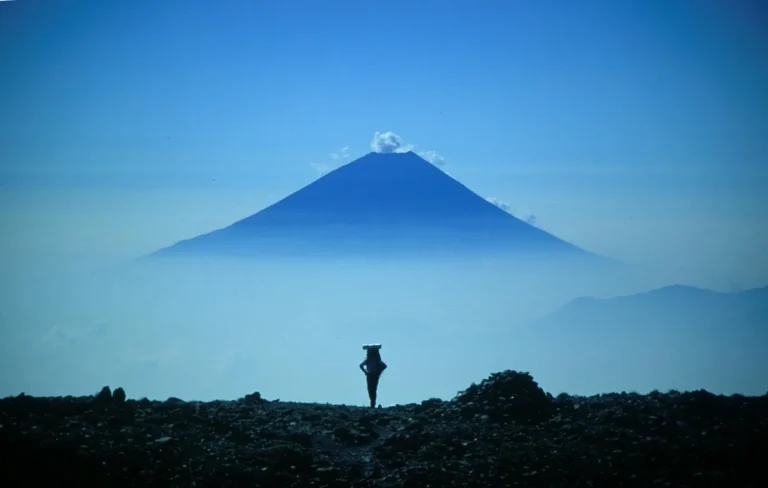
Stepping back in time to the 8th century, when the Japanese imperial court established its capital at Heijō-kyō—now the ancient capital of Nara—the eastern outskirts of the capital at the time began to undergo transformations that would shape an entire civilization of Buddhism and Shinto. Under the brilliant radiance of the flourishing Nara period, it was right here that Emperor Shōmu piously vowed to construct a monumental repository of Buddhist scriptures: Tōdai-ji Temple, along with the majestic Great Vairocana Buddha statue, a spiritual and architectural achievement transcending space and time. To fulfill this grand aspiration, he entrusted the responsibility to Gyōki Bosatsu, an extraordinary figure with unrivaled public prestige, who was tasked with leading the fundraising campaign (勧進) and designing the entire foundational infrastructure. The presence of these revered sages and sovereigns transformed the once-barren land into the spiritual focal point of the entire nation, where nature and human creation merged in a profoundly sacred way.
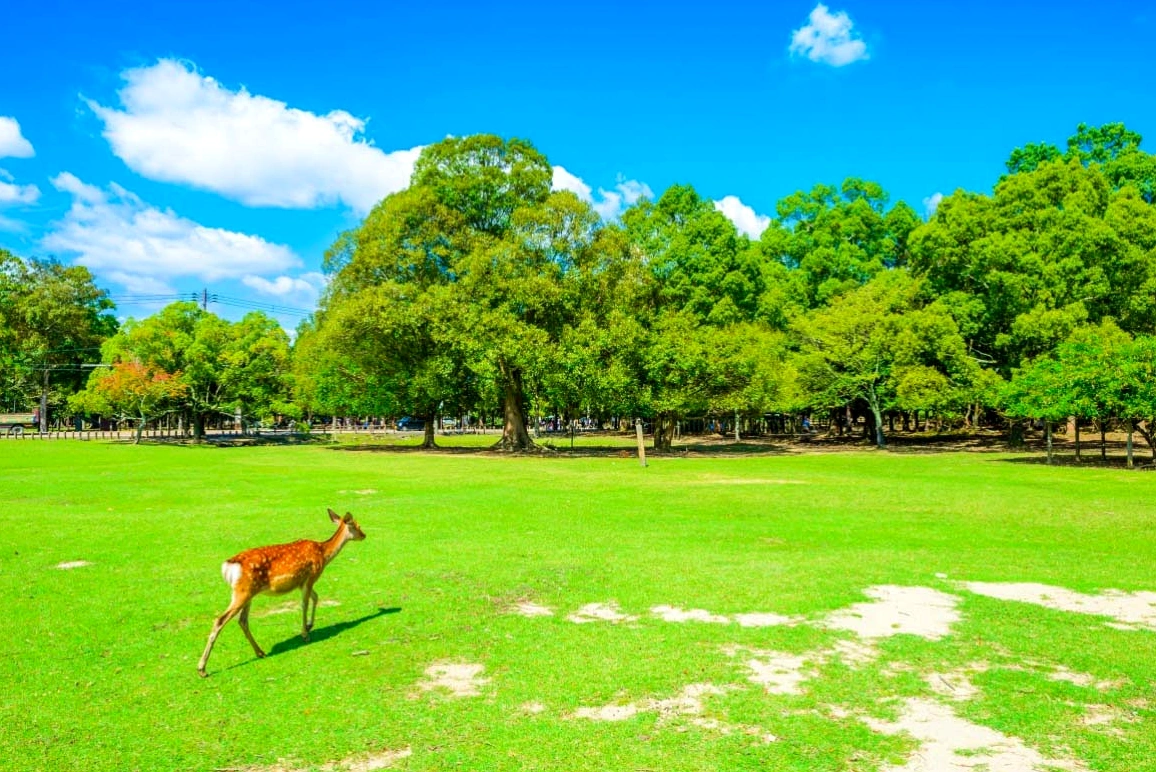
The concept of this sacred land was further reinforced in the first year of Kasō Jōgun, corresponding to 767 AD in the Gregorian calendar, when the imperial court officially escorted the deity Takeemikazuchi-no-mikoto from sacred Kashima to reside at Kasuga Taisha Shrine. This monumental event not only laid the foundation for the region’s central Shinto system but also established the inviolable status of the deer, giving rise to the concept of “Divine Deer” (Shinroku)—four-legged messengers carrying the spirits of deities possessing supreme authority to protect the entire realm. Through all the vicissitudes of time, as the capital relocated and time cast moss over successive dynasties, the vast expanse enveloping world heritage sites such as Mount Wakakusa, Tōdai-ji Temple, Kasuga Taisha Shrine, and Kōfuku-ji Temple has preserved its initial tranquility and sanctity intact, where Buddhist and Shinto traditions blend harmoniously and enduringly across the centuries.
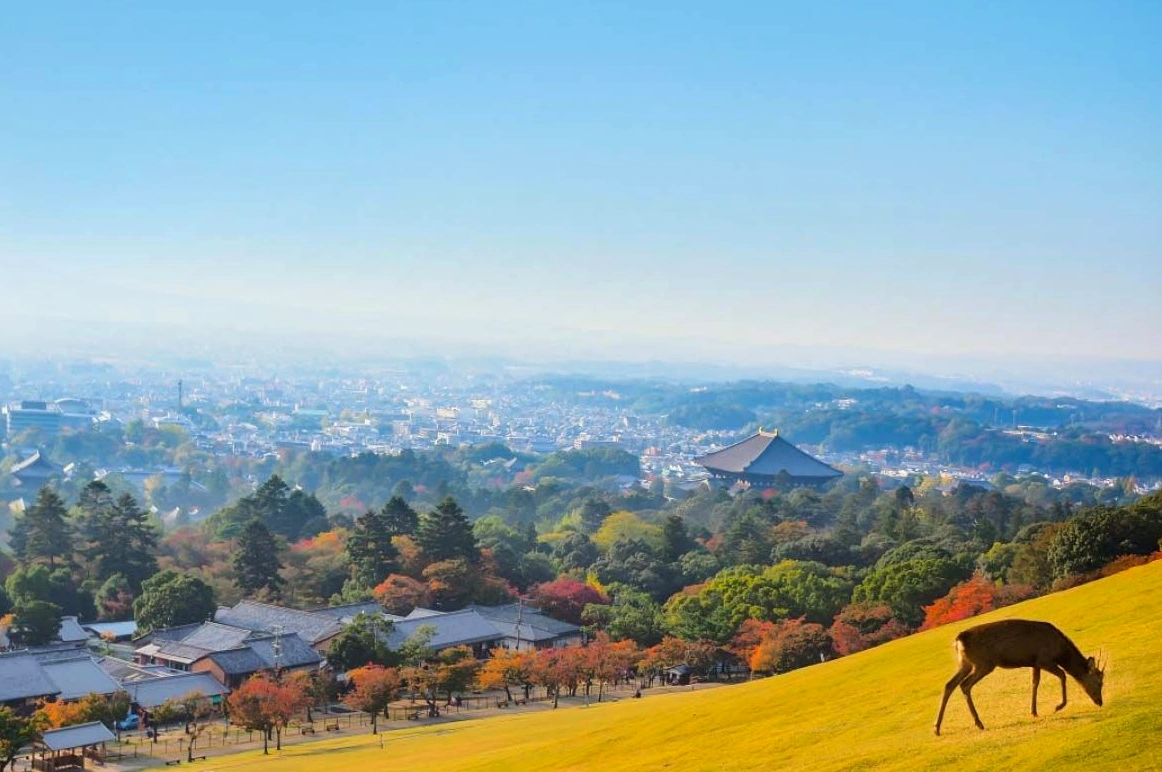
The legal turning point and modern urban planning of this scenic area took place on February 14 in the 13th year of Meiji (1880), when the Daijō-kan (Grand Council of State) officially issued Decree No. 16, laying the first legal stones to give birth to Nara Park with a massive total area of up to 660 hectares. Not stopping at a wild natural space, by the 24th year of Meiji (1891), the talented architect Nagaoka Anpei infused it with a landscape planning style deeply imbued with Western romanticism, skillfully combining the solemn beauty of thousands of ancient trees, lush green lawns, and traditional wooden architectural systems. This historical mark lies not only in administrative documents but also lives on through thousands of physical relics handed down across generations, exemplifying the 3,000 mossy stone lanterns lining the pathways leading to Kasuga Taisha Shrine, the stone stele recognized as a National Treasure at the Great South Gate of Tōdai-ji Temple, or invaluable pictorial records from the historical scroll Kasuga Gongen Genki E dating back to the Kamakura period.
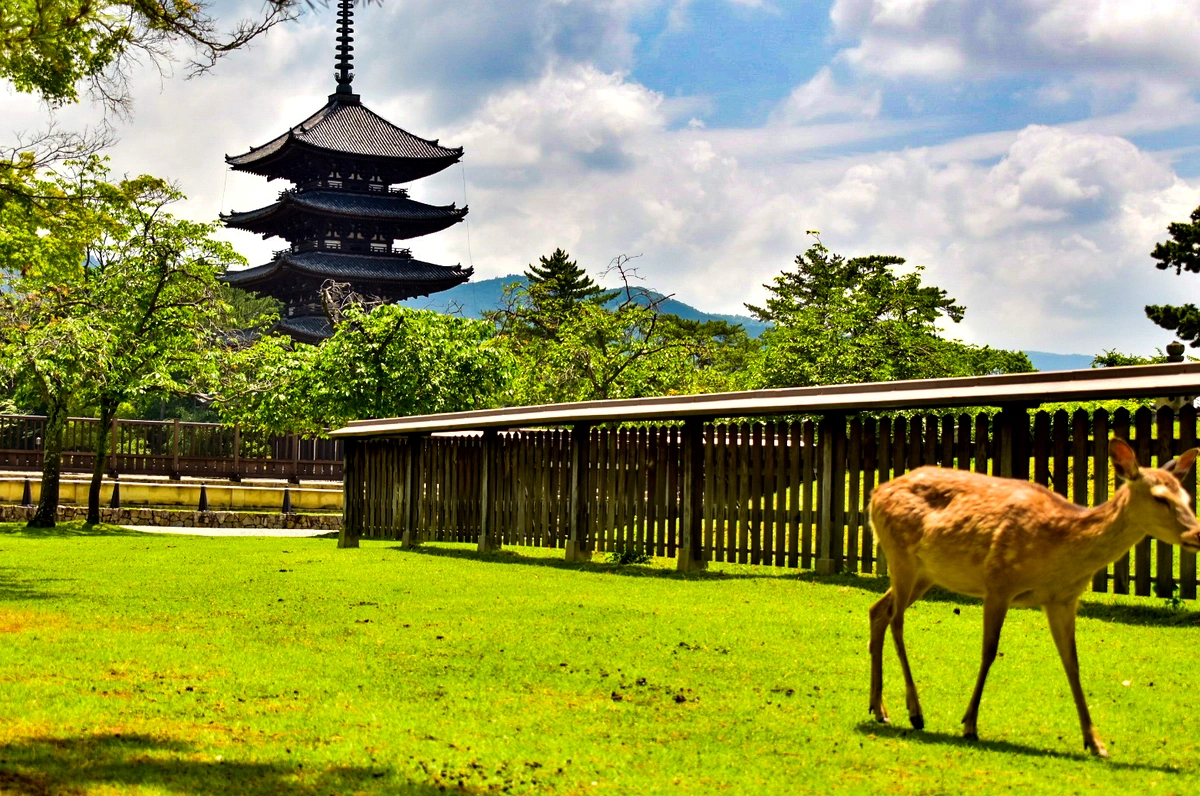
The name “Nara” since ancient times has originated from meanings denoting flat land or vast oak forests, and has now transcended the boundaries of an administrative placename to become a cultural symbol of human stature. Here, every inch of soil is imbued with the sweat and faith of ancestors, from emperors initiating Mahayana philosophies to ascetic monks paving paths and establishing settlements, and from modern architectural planners to deer freely wandering amidst the heart of heritage. Through various historical periods spanning the Nara, Heian, and Kamakura eras down to modern times, Nara Park stands firmly like a living encyclopedia made of wood, stone, and nature, completely preserving the essence of Japanese culture across a millennium.
Exploring the deep cultural and ecological layers of Nara Park unveils an apex landscape planning masterpiece where traditional Eastern feng shui philosophy harmonizes exquisitely with the national defense and protection ideology of ancient Japan. Through the lens of spatial architecture and East Asian geomancy, the entire expansive space of the park did not acquire its uniquely solid and sacred terrain by chance. An examination of the overall topographical structure shows that this scenic complex backs completely against a boundless sacred mountain range, with Mount Mikasa and the primordial Kasugayama forest standing tall to serve as the Black Tortoise (Xuanwu) guardian sheltering the eastern side, creating a sturdy and majestic natural screen. From that supreme natural pivot, the ground elevation across the entire park area gently slopes downward toward the west, opening up an airy space where underground water veins nurtured across ages gather into the crystal-clear Sarusawa Pond and the babbling Mizutani Stream flowing year-round. This classic geomantic landform of backing against mountains while facing water not only holds profound spiritual meaning regarding the accumulation of prosperous energy and the balancing of yin and yang according to traditional feng shui, but also shapes a landscape architectural layout with absolute spatial depth, where every branch, blade of grass, and body of water strictly adheres to nature’s cyclical laws.
Accompanying this innate topographical layout is a primordial forest ecosystem belonging to a unique transition zone between warm temperate vegetation and broad-leaved deciduous forests, notably exemplified by the Kasugayama primordial forest, which has been strictly protected by the imperial court and local people with a total ban on logging and destruction for over a thousand years. This pristine preservation has kept the local ecosystem maintaining its primordial wild beauty, creating an ideal habitat for thousands of rare plant and animal species. The ecological highlight that forms the living trademark and immutable soul of Nara Park is the presence of a population of approximately 1,200 wild Japanese sika deer (Cervus nippon) roaming freely across the lawns and pathways. Within this ecosystem, these deer are not merely sacred symbols of deities according to Shinto legends where the god Takemikazuchi rode a white deer to govern the land of Nara, but they also act as highly effective natural “landscape managers.” Thanks to their grazing habits targeting grass and low-lying vegetation, the deer act as giant biological lawnmowers, helping keep the park’s lawns short and tidy while maintaining unobstructed sightlines around temple complexes, creating a picture of flawless harmony between humans, animals, and nature that few modern cities worldwide preserve intact.
Exploring Nara Park goes far beyond the peaceful presence of thousands of deer or year-round lush green vegetation, opening up an apex architectural art space that fully preserves the ancient Buddhist and Shinto heritage of the Land of the Rising Sun. Stepping into the overall spatial structure of this heritage complex, the observer is immediately captivated by the exquisite harmony between Eastern humanistic philosophy, elite woodworking techniques, and landscape planning bearing deep traditional imprints. The entire religious architectural complex enveloping the park space is a living testament to the golden age of Nara culture, where aesthetic thinking and construction techniques reached the highest level of sophistication in Japanese architectural history.
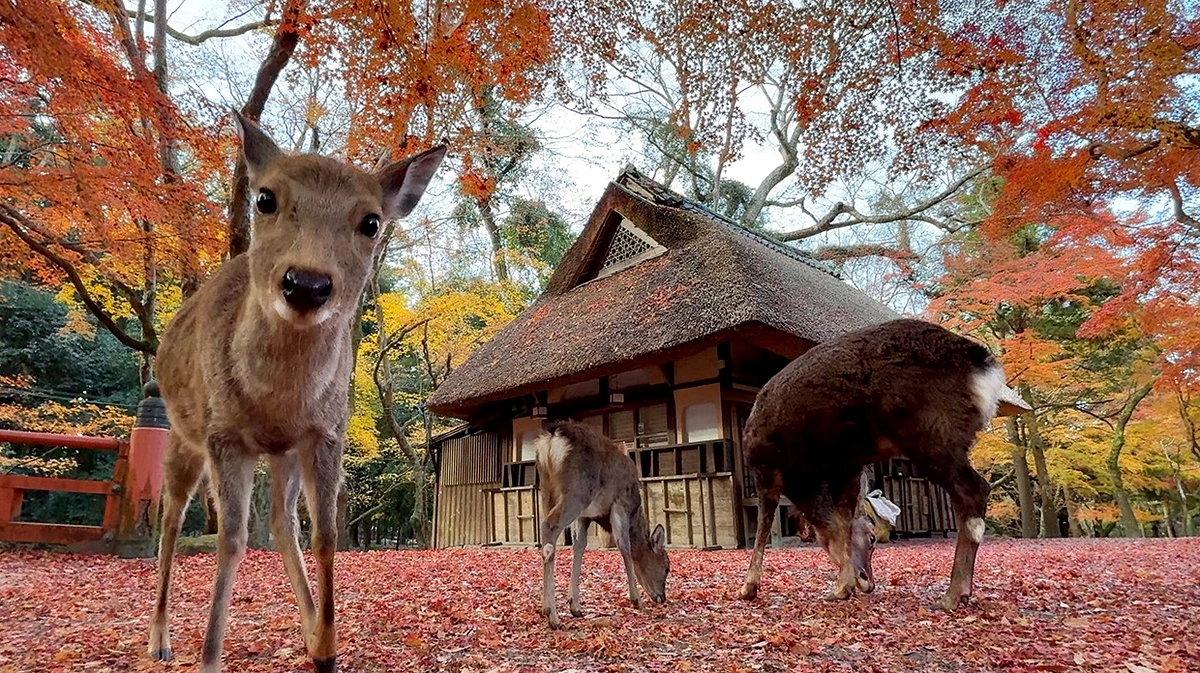
At the center of that spatial structure is the grand scenic wonder of Tōdai-ji Temple, where religious architectural complexes harmoniously integrate Tang Dynasty architectural styles of ancient China. Through all historical vicissitudes and numerous major restorations across periods, the main hall of Tōdai-ji Temple, also known as the Great Buddha Hall (Kondo), still stands majestically as a symbol of eternity. Here, load-bearing structures apply a skillful combination of the indigenous “Wayaku” architectural style and the “Daibutsuyo” (also known as Tenjikuyo) great Buddha style. The intersecting tie beams passing through columns along with directly protruding dougong bracket systems not only deliver unparalleled aesthetic value from an ancient mechanical masterpiece, but also demonstrate extremely solid weight-distribution strength, helping this large-scale wooden structure survive storms across the centuries.
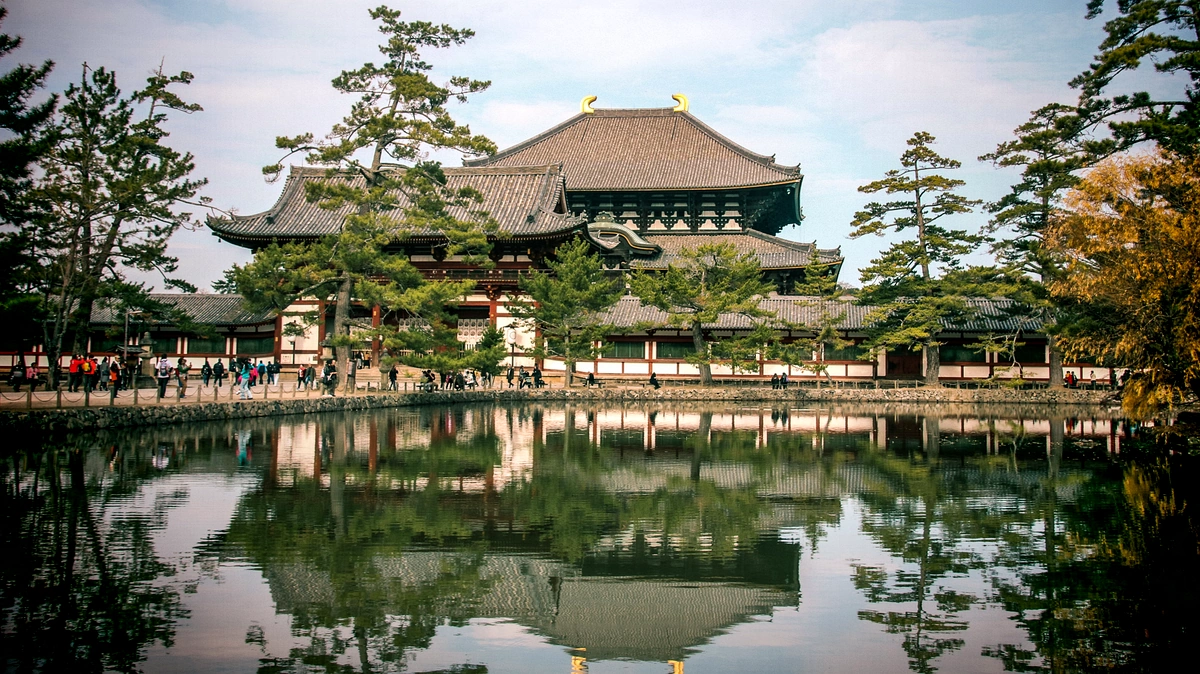
Venturing deeper into the gateway system of the heritage complex, the Great South Gate (Nandaimon), erected in 1203 during a major restoration under the Kamakura period, delivers a truly overwhelming sensation of monumental sculpture art. This site houses a pair of 8-meter-tall Nio guardian statues (also known as the Deva Kings) carved directly by the talented hands of two legendary sculptors of the era, Unkei and Kaikei. Every bulging muscle, fierce authoritative gaze, and contrasting dynamic-static posture of the two guardian deities is depicted with astonishing detail, showcasing the pinnacle of medieval Japanese religious molding art and awakening the sacred consciousness of anyone stepping across this threshold.
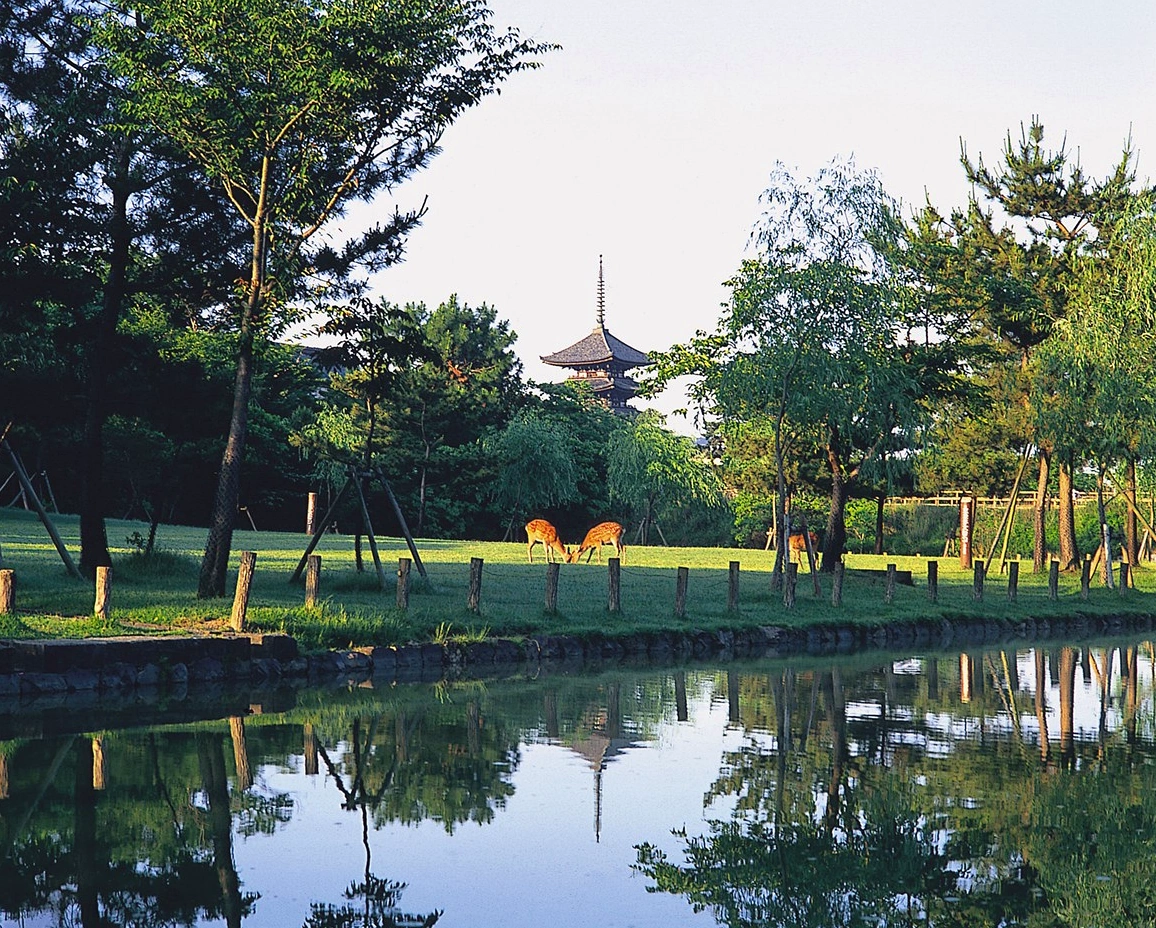
Leaving the subdued space of Buddhism, the architectural current continues to guide visitors toward the vibrant yet remarkably serene beauty of Shinto at the historic Kasuga Taisha Shrine. The main sanctuary (Honden) of the shrine is designed in the most typical and pure “Kasuga-zukuri” architectural style, featuring a gracefully customized hanging gable roof (Xuanshan) combined with flowing Tang-style curved gables (Karahafu) or plain gables (Pinhafu). The entire structure is cloaked in vibrant vermilion lacquer (commonly known in folklore as cinnabar-painted pillar styles), standing out brilliantly against pristine white plastered walls while being sheltered by roofs thatched meticulously layer by layer with thick Japanese cypress bark (hinoki-buki). This bold yet harmonious color palette creates an intense visual symphony, feeling both solemn and closely connected to the surrounding primordial nature.
It can be affirmed that the intersection between expansive natural ecological spaces and dynasty-marked architectural masterpieces has transformed Nara Park into one of the most vibrant living architectural museums. Every wooden grain, every curved tiled roof, and every sculpted statue here is not merely inanimate matter, but the embodiment of wisdom, reverence for deities, and the timeless aesthetic thinking of Japanese forebears. This spatial structure has thus transcended the limits of a conventional tourist destination to rise into a comprehensive spiritual cultural space where past and present merge, guiding human souls back to pristine tranquility amidst the transient flow of time.
When night falls, the aesthetic lens of Nara Park (奈良公园) transforms completely, stepping away from daytime hustle to immerse in a quiet, magical, and deeply spiritual space. Speaking of the nightlife rhythm here, one cannot omit “Nara Tōka-e”—the renowned summer illumination festival meticulously organized to transform the heritage space into a dreamlike realm. Instead of glaring industrial lighting, organizers employ sophisticated projection art using warm-toned earthenware lanterns combined with tens of thousands of shimmering handmade candles. The soft yellow candle glow is precisely calculated to highlight the ancient curved outlines of the Torii gate system, the endless winding corridors of shrines, and the slopes of Mount Wakakusa, generating a dim, sacred light that awakens deep layers of traditional East Asian culture.
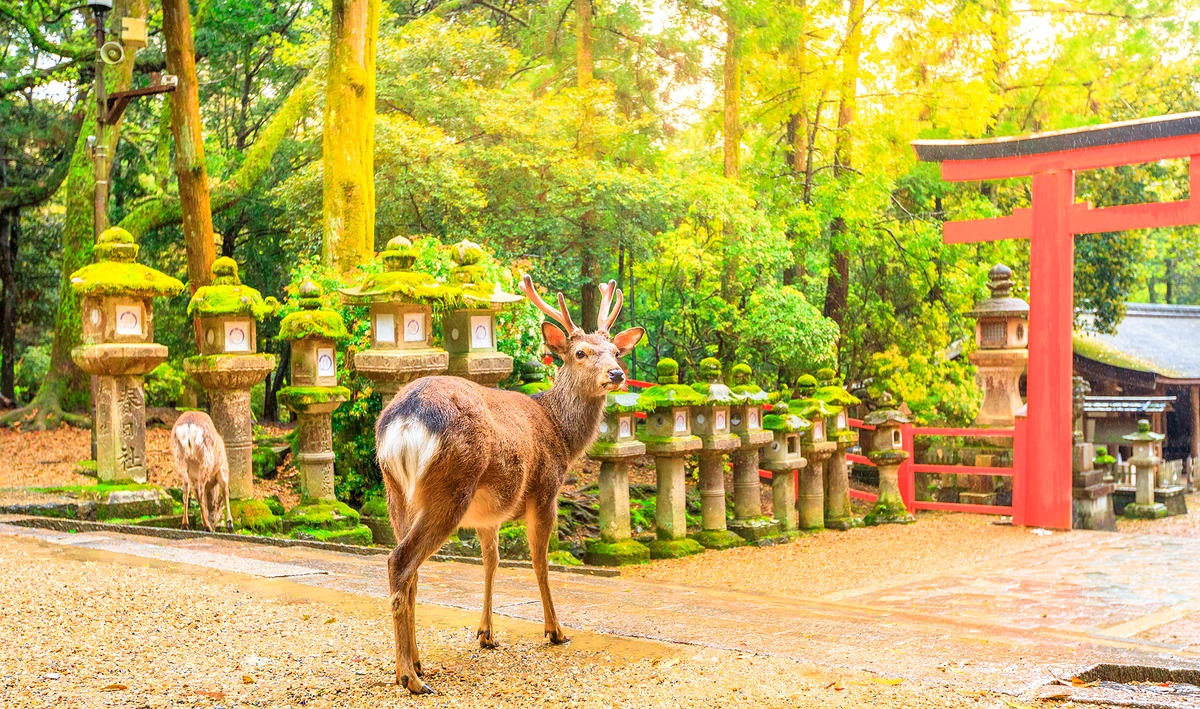
Accompanying this luminous space are highly symbolic folk performances, exemplifying the “Shika-yose” (Deer Calling) ritual—a vivid living tableau preserved intact since the Meiji period. At designated times, artisans from the Nara Deer Preservation Foundation use rustic horns to blow melodic, resonant tunes echoing through the mountains and forests. Strangely enough, like a secret language passed down through generations, that sound immediately alerts the deer hiding across the vast space, prompting them to dash across meadows and gather at a single spot amidst the awed applause of visitors. This is not merely a performance catering to tourism, but an ecological interaction of profound symbolic significance, testifying to the centuries-old tight bond between humans and the sacred animals regarded as messengers of deities in this ancient capital.
The pinnacle of live-action performance art and faith in Nara is further exemplified by the “Wakakusayama Yamayaki” (Burning of Mount Wakakusa) festival, taking place on the final Saturday of January annually. The ceremony begins with solemn ritual prayers led by priests and monks praying for peace and bountiful harvests before setting fire to the dry grass covering the vast slopes of Mount Wakakusa. The moment flames burst forth in the winter cold, devouring the darkness and mingling with brilliant fireworks to paint the night sky, it draws a scene that is both majestic and powerfully stirring to the soul. All these live-action experiences, from the dim candlelight of Tōdai-e and nostalgic deer-calling horns to the brilliant sea of fire on Mount Wakakusa, weave an invaluable nighttime artistic appreciation space, affirming the enduring vitality of a world cultural heritage that never sleeps.
Wandering across velvety manicured lawns and beneath the secluded shades of Nara Park is not simply a journey of paying homage to spiritual heritage or conversing with divine messengers, but also a breathtaking plunge into a traditional culinary universe imbued with a thousand years of regional flavor. As seasons shift or twilight settles over the mossy tiled roofs of Tōdai-ji Temple, the flavors of the ancient capital of Nara invite visitors to immerse in a delicate culinary synthesis where past and present converge through each time-honored artisanal product. Unlike the clamor and modernity of neighboring metropolitan cities, Nara’s cuisine preserves absolute tranquility, depth of Buddhist philosophy, and traditional health-nourishing essences, turning every dish into a living cultural work of art passed down across generations.
Kicking off this culinary experience is Kaki-no-ha-sushi, also known as persimmon leaf sushi, an epicurean treasure born from treacherous geographical conditions and the adaptive ingenuity of the ancients. In times lacking modern preservation methods, merchants utilized the legendary “Salt Road” to transport seafood caught from the open ocean, such as mackerel and salmon, deep into the treacherous mountainous interior of Nara. To keep fish fresh without spoiling during long transport, locals conceived slicing fish thinly, seasoning it thoroughly with salt, and placing it atop squares of vinegar-seasoned rice before wrapping each sushi piece tightly inside fresh persimmon leaves. From modern scientific perspectives, persimmon leaves not only impart a characteristic herbal aroma hinting at mild astringency, but also contain abundant tannins offering exceptionally powerful antibacterial and antioxidant properties. Through natural fermentation, extracts from the persimmon leaves penetrate deeply into each fish fillet and rice grain, creating a flawless combination of rich sweet fatty fish fat, tangy rice vinegar, and rustic mountain forest aromas, making this dish a proud emblem of ancient capital cuisine.
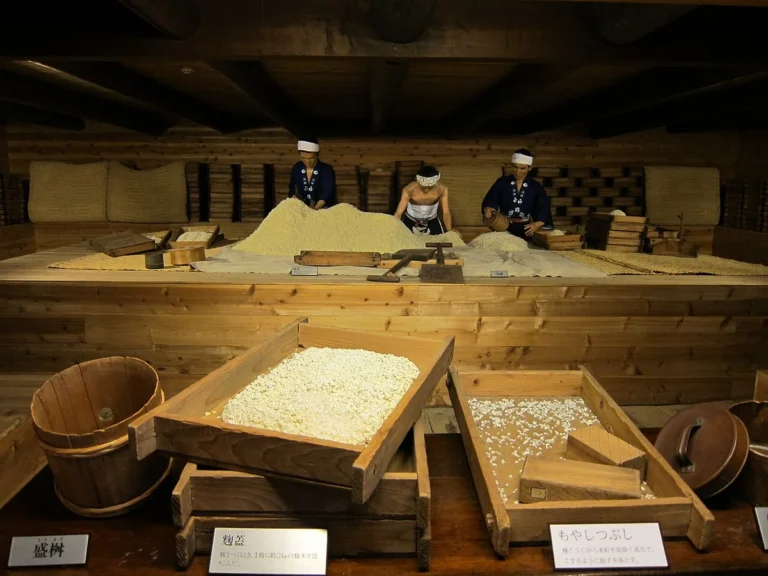
Alongside the fresh flavors of persimmon leaf sushi, Nara’s culinary map leaves a profound mark with Nara-zuke, a longevity pickled melon masterpiece requiring absolute patience and meticulous processing techniques. To produce batches of standard Nara-zuke, artisans must select the finest white melons (hakuri), young cucumbers, or fresh ginger roots, air-dry them naturally, and subject them to rigorous pickling processes. The core element giving this dish its fame lies in the stage of steeping in sake lees (sake kasu)—a premium byproduct from rice wine fermentation. These ingredients are buried and repeatedly steeped in high-quality wine lees for months, even stretching across multiple years. Under the action of wine yeast, the melon gradually absorbs complex flavor layers, turning into a deep, beautiful amber hue and producing remarkably high natural amino acid content, yielding an irresistible rich umami flavor. When savored, each slice of crunchy melon fragrant with long-aged wine awakens all senses, traditionally served alongside a warm bowl of white rice as a rustic yet regal culinary tradition of the Japanese people.
The traditional culinary treasury in this sacred land extends to the enduring values of handmade noodle processing and herbal starches, represented by Miwa Somen noodles with a history surpassing a millennium. Originating from the Miwa area at the foot of Mount Sanwa, these noodles are made entirely by hand using traditional hand-stretching techniques, utilizing pure mountain spring water and characteristic cold winds to air-dry them naturally on bamboo racks under sunlight. Each strand of Miwa Somen is as thin as silk yet possesses chewy and smooth textures, emitting a sweet barley fragrance when boiled, carrying the nourishing essence of ancient temples that nurtured generations of monks. Nara’s culinary art further ascends with refined desserts made from wild Yoshino Hon-kuzu arrowroot starch, creating ice-transparent kuzukiri blocks or chewy, refreshing kuzu-mochi cakes. Prepared according to family secret recipes from arrowroot roots growing on nearby Mount Yoshino, these dishes not only cool and detoxify the body, but also embody the philosophy of absolute harmony between humans and nature, leaving a taste experience right in the heart of ancient Nara Park.
Concluding a journey ascending through age-old historical and cultural layers, preparing a meticulous practical handbook is the golden key for travelers to turn their expedition to the ancient capital into a complete, safe, and nostalgic experience. Field surveys show that the natural space of Nara Park itself remains entirely open year-round, welcoming visitors twenty-four hours a day without charging any admission fees, allowing anyone to freely step into the world where deities and mortals mingle at any time. However, to fully explore the majesty of core internal architectural structures such as the grand repositories of scriptures or art museums, visitors should note standard operating hours typically starting from eight in the morning and closing at five in the afternoon daily. This time management will keep viewing journeys uninterrupted while providing wonderful tranquil moments when morning sunlight shines through centuries-old tree canopies or when twilight hangs lazily over the calm waters of the sacred pond.
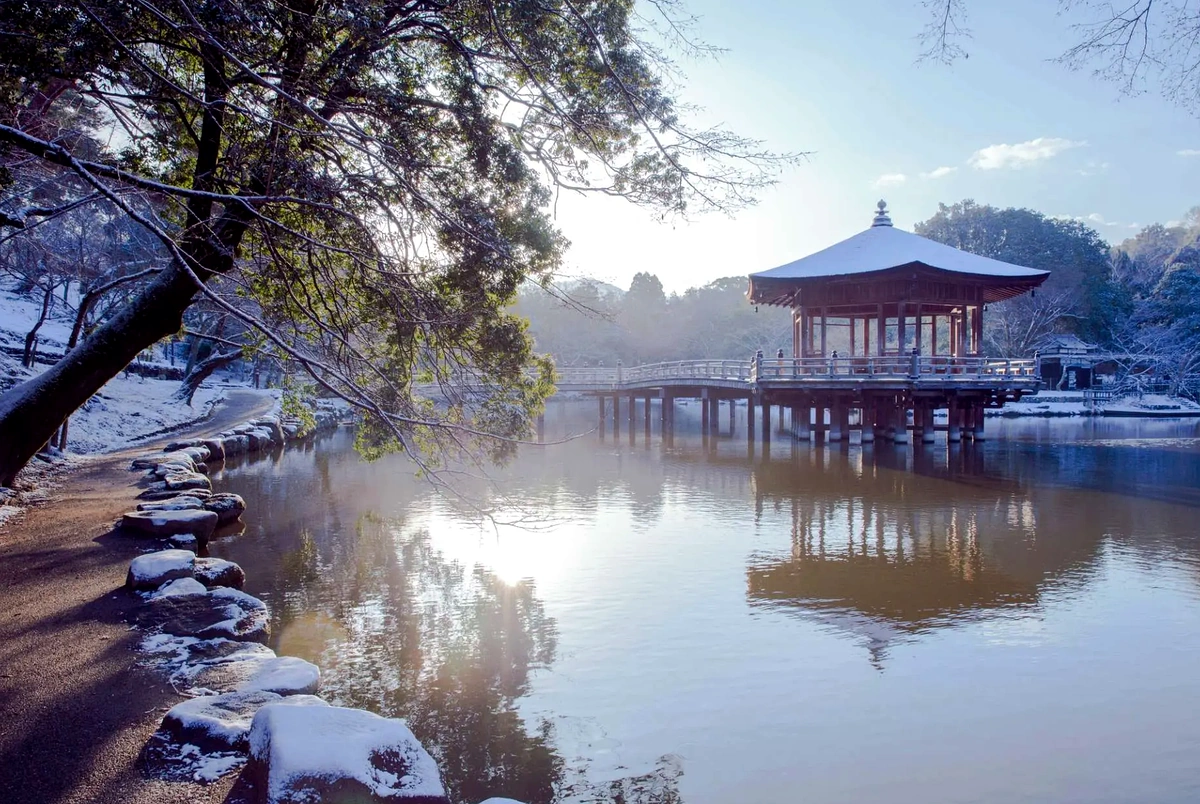
Regarding transport connections, the optimal and top-recommended railway route by local researchers is using the Kintetsu Nara Line directly to Kintetsu-Nara Station, from where it takes a mere five-minute leisurely walk for visitors to step right into the green tree-shaded territory of the heritage complex. For those yearning for a closed archaeological and spiritual itinerary, a classic one-day journey has been preset to guide footsteps through countless legendary stops, starting from the ancient Kofuku-ji Temple with its towering five-story pagoda, passing the shimmering waters of Sarusawa Pond to admire reflecting water shadows, proceeding to the Nara National Museum to view priceless Buddhist treasures, stepping right into the majestic Great South Gate and Great Buddha Hall of Tōdai-ji Temple, climbing the hillside slopes to touch two sacred pagodas Nigatsu-do and Sangatsu-do, before concluding along the pilgrimage path lined with ancient stone lanterns of Kasuga Taisha Shrine leading straight up to the poetic slopes of Mount Wakakusa.
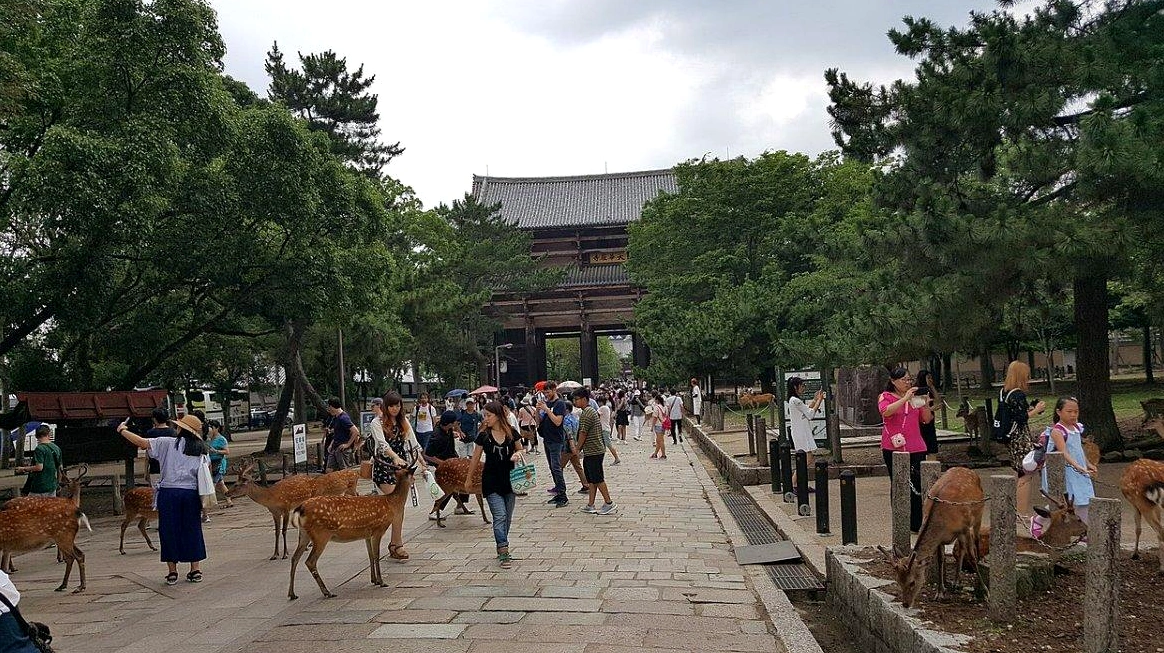
Accompanying the joy of exploring cultural spaces is the absolute awareness of respecting ecological behavioral rules to protect the divine messengers, among which the strictest regulation is the absolute ban on frightening, chasing, or harming the wild deer population. The only source of nutrition permitted by the government and management board for visitors to interact with them is traditional crackers named shika-senbei, made entirely from pure rice bran and unseasoned wheat flour, ensuring absolute safety for the digestive system of this sacred animal species. Furthermore, entering the male deer rutting season taking place every autumn, visitors must maintain safe distances and heighten vigilance against territorial defense behaviors of mature males to prevent any unfortunate incidents. With the motto of preserving a clean, green, and pristine environment where modern trash is rarely found, every traveler upon leaving has the responsibility to self-equip private bags to carry all waste back to the city, preserving pristine beauty for the millennium-old heritage. To actualize this enchanting ancient capital exploration plan without worrying about organizational logistics, readers can check out detailed info at our all-inclusive tour program featuring culturally curated touchpoints specifically designed for travel enthusiasts.