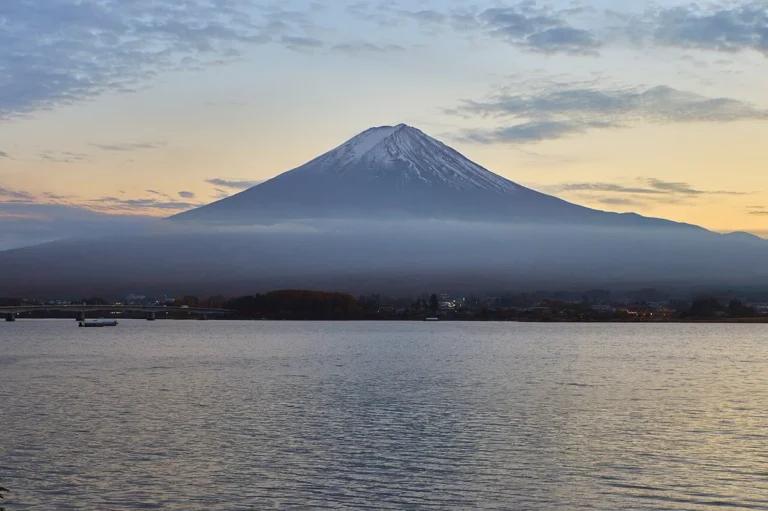
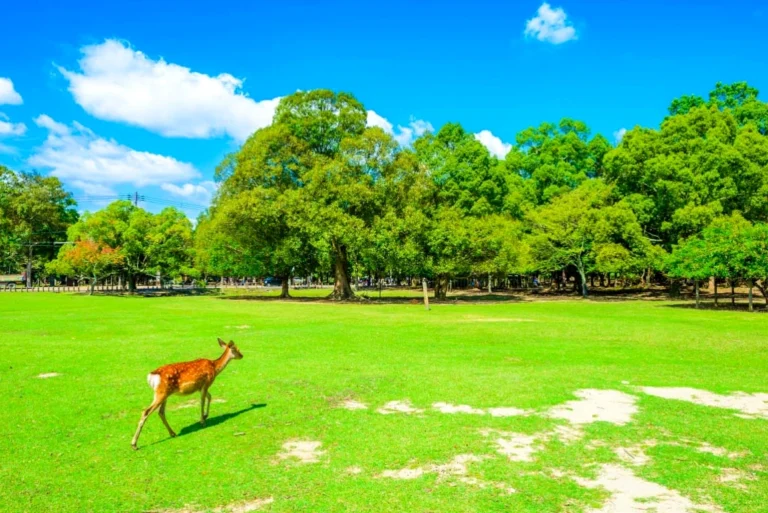
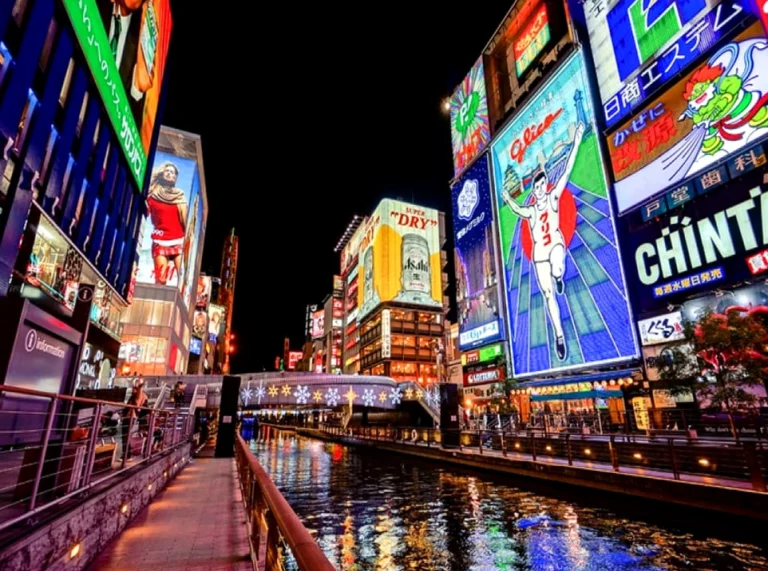
Mount Fuji, known in Japanese as Fujisan, is a perfectly symmetrical stratovolcanic geological structure located on the boundary between Shizuoka and Yamanashi prefectures on Honshu Island. With an exact height reaching 3,776.24 meters above sea level, it is the highest peak in the Japanese archipelago, serving as a geographical landmark that shapes the topography of the Kanto and Chubu regions. Tectonically, this mountain is the result of complex volcanic activities spanning hundreds of thousands of years, situated at the intersection of three tectonic plates including the Amur plate, the Okhotsk plate, and the Philippine Sea plate. The formation of Fuji is divided by geologists into three main stages, beginning with Komitake, followed by Ko-Fuji, and finally Shin-Fuji, the current structure observed by humanity today. The stability of its balanced conical shape is not merely the result of basaltic lava flows accumulated over multiple eras but also a testament to a persistent geological accretion process, creating a physical symbol of unprecedented historical and spiritual weight in the consciousness of the Japanese nation.
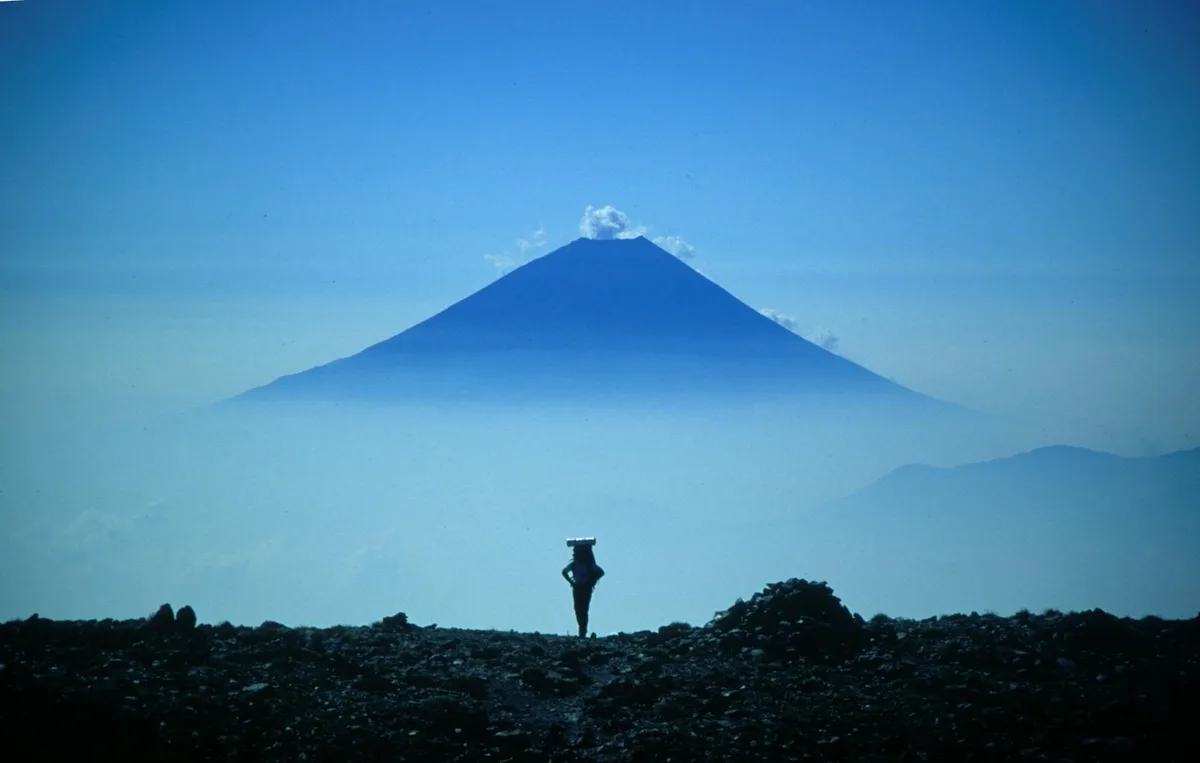
The eruption history of Mount Fuji is a series of geological events with profound impacts on the development of surrounding settlements. According to archaeological records and historical documents, the most violent eruption in the modern era was recorded in 1707, known as the Hoei eruption. This event not only altered the surface topography with the formation of the Hoei crater on the southeastern flank but also blanketed the Kanto plain with a thick layer of volcanic ash, including the Edo area, present-day Tokyo. Previously, ancient documents such as the Nihon Shoki also mentioned the geological activities of this mountain from the 8th century. These upheavals shaped a relationship of both awe and reverence between local residents and the mountain. The silence of the mountain since 1707 does not mean it is completely extinct, as scientists continue to maintain strict seismic monitoring systems to track movements beneath the basalt crust, affirming its status as a living entity within Japan’s geological ecosystem.
In the course of cultural history, Mount Fuji transitioned from an object of primitive worship in the Shinto religion into a national aesthetic and philosophical symbol. Since the Heian period, the mountain has become an endless source of inspiration for poetry and painting, appearing in Waka poetry anthologies such as the Man’yoshu and Kokin Wakashu. Edo period artists, typified by Katsushika Hokusai with his woodblock print series “Thirty-six Views of Mount Fuji,” brought the mountain’s image beyond geographical borders to become a global visual icon. These works do not simply depict the physical beauty of the mountain under different angles and weather conditions but also reflect philosophical thoughts on permanence, impermanence, and the relationship between humans and majestic nature. UNESCO’s recognition of Mount Fuji as a World Cultural Heritage site in 2013 based on criteria as a place of religious significance and artistic inspiration solidified its status as a human heritage that must be strictly preserved.
The influence of Mount Fuji also spread strongly into the spiritual realm through the formation of the Fujiko cult during the Edo period. This was a religious movement focusing on pilgrimages to the summit of the mountain as an act of soul purification and the pursuit of enlightenment. These pilgrimage associations established trails, resting stations, and small shrines along the mountain slopes, creating a spiritual cultural network closely intertwined with the terrain. Fujisan Hongu Sengen Taisha Shrine, located at the foot of the mountain, acts as the administrative and worship center where devotees perform rituals before beginning their journey to conquer the peak. The intersection of Shinto beliefs and Buddhism in worshipping the mountain created a rich system of symbols, where the mountain is regarded as the embodiment of deities, a bridge between the mortal world and the sacred realm. The remnants of shrines, Torii gates, and ancient steles still existing today bear witness to a pilgrimage history spanning millennia.
Regarding management and conservation, Mount Fuji faces major challenges from the pressures of mass tourism and climate change. Maintaining a balance between the sightseeing demands of millions of visitors each year and protecting the fragile ecosystems at various elevations is a complex problem. Modern management policies focus on controlling mountaineering traffic volumes, protecting endemic alpine plant species, and maintaining the cleanliness of trails. These efforts are not solely aimed at preserving the physical value of the mountain but also at safeguarding the spiritual value it represents. Seasonal changes in the snow caps on the mountain peak, from the pristine white of winter to the bare basalt rock in late summer, serve as vital environmental indicators that scientists are closely monitoring. The mountain’s existence in the modern context requires a multidisciplinary approach combining geology, cultural history, and sustainable management to ensure that this symbol remains intact for future generations.
On the aspect of national symbolism, Mount Fuji acts as an identifying milestone for Japan in the eyes of the international community. The image of the mountain appears on currency, postage stamps, national promotional publications, and in the consciousness of anyone mentioning the land of the rising sun. It represents steadfastness, simple yet authoritative beauty, and the harmony between contrasting natural elements. Throughout historical periods, from the rise of the Shogunate to the modern industrial era, Mount Fuji has stood firm as a spiritual anchor, witnessing the ups and downs of Japanese society. Its presence in literature, music, and cinema has transformed the mountain into a multi-dimensional cultural entity where each individual can find a distinct meaning, from admiration of aesthetic beauty to awe before the power of raw nature.
The connection between Mount Fuji and the surrounding lakes, especially the Fuji Five Lakes region, creates a complete cultural and ecological ecosystem. Lakes such as Kawaguchi, Yamanaka, Sai, Shoji, and Motosu are not merely the result of volcanic eruptions blocking natural water flows but also mirrors reflecting the beauty of the mountain from various perspectives. The interaction between tranquil water surfaces and majestic mountain peaks has generated classic sceneries captured in millions of photographs and artworks over centuries. Settlements surrounding these lakes developed based on symbiosis with the mountain, from agriculture and fishery to cultural services, creating a distinctive local culture tied to the mountain’s cycles. Clear understanding of the history of these areas gives observers a more comprehensive view of how Mount Fuji shaped the economic and social life of residents at the mountain foot throughout its long history.
Finally, Mount Fuji is not purely a geological structure but a living historical entity where past and present intersect. Archaeological studies in volcanic caves, ancient shrine ruins, and records of pilgrimages from medieval times have painted a comprehensive picture of a mountain participating in every aspect of Japanese life. Maintaining these values requires respect for natural laws and profound understanding of the historical strata accumulated by the mountain. As a national symbol, Mount Fuji continues to be an inspiring force for heritage conservation efforts, while serving as a reminder of human insignificance before grand geological upheavals. Its persistent existence over millions of years is testament to the power of nature, while its status in human culture stands as proof of human capacity to assign meaning and value to physical entities, creating a timeless enduring heritage.
Architectural layout and real-scene spatial planning surrounding Mount Fuji, Japan.
Mount Fuji, the supreme geographical symbol of the Japanese archipelago, towers majestically at the exact altitude of 3,776 meters and 12 centimeters above sea level, extending across the administrative boundaries of Yamanashi and Shizuoka prefectures in the central area of Honshu Island. Geologically, this stratovolcano is the result of a complex tectonic process beginning hundreds of thousands of years ago, piled upon one another across various volcanic activity periods. The formation process began with Komitake, an older volcano located deep beneath the current structure, followed by the Ko-Fuji period occurring from about 100,000 years ago, and finally Shin-Fuji emerging from approximately 10,000 years ago to the present. Peak eruptions during the Heian era, especially the great eruption in the 5th year of Hoei (1707), shaped the perfectly symmetrical cone along with a deep funnel-shaped crater over 200 meters deep and a rim diameter of about 800 meters at the summit, creating a rare natural geometric masterpiece on the Earth’s surface.
Spatial planning and landscape structures surrounding the mountain strictly adhere to traditional Japanese philosophical principles combined with modern anthropological management to preserve the fragile ecosystem. The mountain space is clearly divided into ten stations (合 – Gome), counting from the foot of the mountain up to the highest summit, wherein the main mountaineering trail network originates from the 5th station at an average elevation of about 2,300 meters. Major routes including Yoshida, Fujinomiya, Subashiri, and Gotemba are planned with clear traffic diversion functions, regulating hundreds of thousands of visitor arrivals each climbing season taking place from early July to mid-September annually. The total area of the world cultural heritage site recognized by UNESCO encompasses both the volcano and five large northern lakes including Yamanaka, Kawaguchi, Sai, Motosu, and Shoji, as well as Sengen shrines, Shiraito Falls, and the Aokigahara primeval forest area in the southwest, creating a vast conservation belt spanning over 90,000 hectares.
Primary building materials constituting the artificial landscapes along trails and temple complexes bear strong native imprints, making maximum use of volcanic basalt stone, hinoki wood (Japanese cypress), and gray cobblestones sourced directly from local slopes. Construction techniques for religious architecture and resting stations require profound understanding of harsh weather conditions, where summit wind speeds can exceed 30 meters per second and winter temperatures drop to minus 30 degrees Celsius. Shrines such as Kitaguchi Hongu Fuji Sengen Jinja apply traditional wood mortise-and-tenon techniques without metal nails, granting structures high elasticity against frequent seismic tremors occurring within the convergence zone of the Pacific, Eurasian, and Philippine Sea tectonic plates. Roof tiling for these structures typically employs heavy Hinoki wooden shingle techniques or thick layered Hinoki bark, reinforced by heavy load-bearing pillar and beam systems to withstand enormous accumulated snow loads every winter.
Visitor capacity and tourist infrastructure systems here are calculated with high precision to harmonize commercial pressures with ecological heritage conservation requirements. Annually, the mountain welcomes millions of visitors, including approximately 300,000 people undertaking journeys to conquer the peak by hiking across gravel trails. Service zoning diagrams at resting stations are tightly planned, providing emergency medical stations, eco-restrooms utilizing advanced waste treatment technology to avoid contaminating underground water tables, and mountain lodges (Yamagoya) constructed with reinforced steel frames combined with load-bearing timber. These lodges are designed following raised-floor architectural models to prevent direct impacts on weathered lava layers while offering concentrated sleeping spaces in traditional tatami mat formats for climbers stopping to rest before catching the sunrise.
Access transportation systems to the mountain also reflect highly synchronized urban and regional spatial planning mindsets. Expressways and railways such as the Fuji Kyuko line leading directly from Tokyo to the mountain foot are designed with large transfer stations where visitors must transfer to eco-friendly clean energy buses to proceed deeper into inner checkpoints during peak seasons to minimize carbon emissions. Managing visitor flows via electronic ticket gates at the 5th station of each trail helps management precisely control the number of people present on the mountain at any given time, preventing overcrowding that could trigger landslides on loose volcanic ash slopes (sunaba). Continuous geotechnical studies are conducted to monitor volcanic crust deformation, ensuring that all architectural interventions or tourism infrastructures do not impair the natural stability of geological structures existing over tens of thousands of years of history.
The landscape architectural style surrounding the mountain is further expressed through the arrangement of traditional gardens, public observation decks across the Fuji Five Lakes, and ancient handicraft villages such as Oshino Hakkai, where melting ice water flowing from the mountain peak seeps through decades of volcanic eruption layers to emerge as crystal-clear ponds. Civil structures here must strictly comply with strict regulations regarding height and exterior material colors to avoid overshadowing expansive vistas toward the giant volcanic cone. Human-geographic space interactions here clearly manifest ecological architectural philosophy, where modern technical solutions blend with profound reverence for nature’s power, maintaining sustainable balances between human exploration activities and the sanctity of global geological heritage.
Unique architectural art alongside exquisite heritage carving details at Mount Fuji, Japan.
The majestic presence of Mount Fuji in Japanese consciousness is not merely a geological wonder formed from basaltic eruption chains overlapping across tens of thousands of years, but a sacred space shaped by human hands, minds, and faith over centuries. Standing at an altitude of 3,776 meters, this mountain is the center of a complex architectural and religious ecosystem where Shinto and Buddhism intertwine deeply to create a world cultural heritage recognized by UNESCO. Since prehistoric times, the Japanese worshipped this mountain as a supreme deity representing reproductive energy, destruction, and rebirth. The process of humanizing the mountain into deities such as Konohanasakuya-hime, goddess of cherry blossoms and symbol of the fragile yet resilient nature of life, laid foundations for constructing numerous religious architectures around the mountain foot and along traditional pilgrimage routes. These works not only served prayer needs but served as artistic masterpieces expressing wabi-sabi aesthetic philosophies, honoring beauty in impermanence, rusticity, and absolute harmony with raw nature.
Shrine systems surrounding Mount Fuji stretch from primeval forests at the mountain base up to volcanic craters at highest summits, most notably the Fujisan Hongu Sengen Taisha Shrine complex, acting as the head shrine for over one thousand Sengen shrines across Japan. Sengen Taisha’s architecture reflects Zenshu-zukuri and Nagare-zukuri traditional styles with thick hinoki cypress bark roofs gently curved into bow shapes to reduce winter snow weight and create dignified silhouettes close to surrounding landscapes. Vermilion red lacquered wooden pillars stand out amidst deep greens of pine forests and ancient moss, symbolizing purification and powerful yang energy dispelling evil forces. Right within temple grounds, the Wakutama-ike spring originating from melting glacier ice inside Mount Fuji over decades is arranged into a natural purification area where Shinto priests and pilgrims perform Misogi rituals to cleanse bodies and souls before entering sacred lands. Wood carving arts on crossbeams and roof eaves demonstrate masterly proficiency of Edo period artisans, featuring peony, phoenix, and swirling cloud motifs symbolizing wishes for longevity, national peace, and divine protection over the stability of subterranean fires.
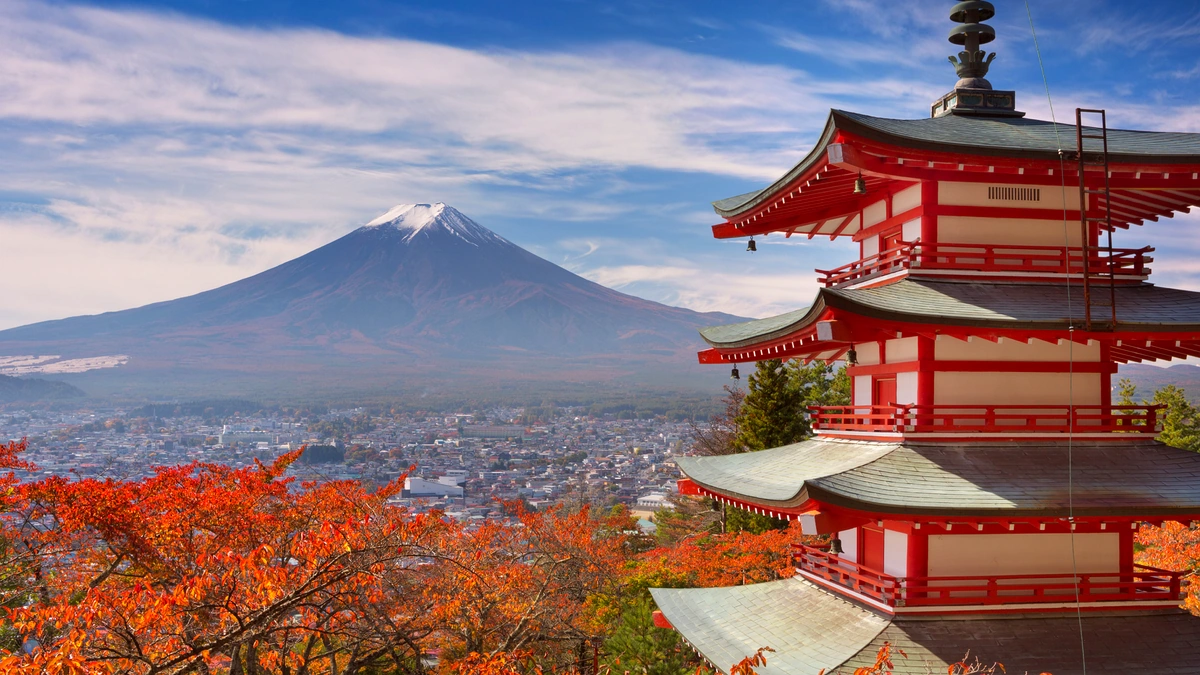
Venturing deeper into the architectural heritage system related to the mountain, Arakura Sengen Shrine alongside the Chureito five-story pagoda forms a classic visual icon where Mahayana Buddhist architectural thought blends perfectly into Shinto sacred spaces. The five-story pagoda, erected as a peace monument in the latter half of the 20th century while strictly adhering to proportions and traditional wood joinery techniques of the Asuka and Nara periods, carries profound philosophical meanings regarding the five elements in Buddhist cosmology encompassing earth, water, fire, wind, and void. Each pagoda tier gradually diminishes in height, symbolizing spiritual evolution from crude material worlds toward ultimate enlightenment. Standing from expansive courtyards before pagodas looking northwest, graceful structures placed parallel with Mount Fuji’s majestic conical mass generate highly standardized visual art compositions, reflecting yin-yang balancing philosophies and nature’s eternity before human mortality. Minimalist pagoda decorations avoid flashy colors, exposing natural wood grains or applying matte lacquer layers, helping structures humbly sink into grand landscape paintings of spring cherry blossoms or fiery autumn foliage.
At ancient pilgrimage departure stations like Yoshida-guchi or Subashiri-guchi, imprints of the Fujiko ascetic movement—a folk religious form combining Buddhism, Confucianism, and Shinto flourishing in the Edo period—remain intact across stones and commemorative architectures. Here, stele networks, known as Hihi and Kinenhi, are intricately carved with names of pilgrimage groups crossing hundreds of overland miles from Edo to climb summit peaks. These artifacts serve as invaluable historical evidence of collective devotion, recording arduous journeys of tens of thousands of believers seeking enlightenment by conquering sacred mountain peaks. Right at these resting stations, small monolithic basalt shrines, called Hokora, were erected to worship local guardian deities. Crafting arts for stone Buddhist statues and Shinto deities placed inside these small shrines bear rugged sculptural styles, featuring powerful chisel strokes overflowing with compassionate expressions, subject to erosion from mountain winds and times, further enhancing ancient beauty and sacred cultural depths.
Architectural art and cultural research journeys regarding the mountain remain incomplete without reaching its highest summit, housing Okumiya Shrine, part of the Fujisan Hongu Sengen Taisha system, located right beside giant volcanic craters known locally as Naiin. Transporting building materials to altitudes near 4,000 meters under extreme weather, fierce storms, and year-round snow represents an engineering marvel of ancient Japanese construction. Okumiya Shrine utilizes detachable wooden structures anchored by cable systems and large stacked stone blocks without mortar, evidencing profound understanding of material durability against extreme natural pressures. Summit areas preserve treasures like metal pilgrim staffs, ancient bronze amulets engraved with Buddhist scriptures, and sacrificial ceramics from various historical eras. All elements combine into a living outdoor museum where architecture is not merely divine shelter but vehicles connecting humans to eternal realms, affirming Mount Fuji’s irreplaceable unique value within human heritage treasuries.
Expansive field spaces and valuable real-scene exploration itineraries at Mount Fuji, Japan.
Service ecosystems, cultural aesthetics, and distinctive local lifestyles surrounding Mount Fuji, Japan.
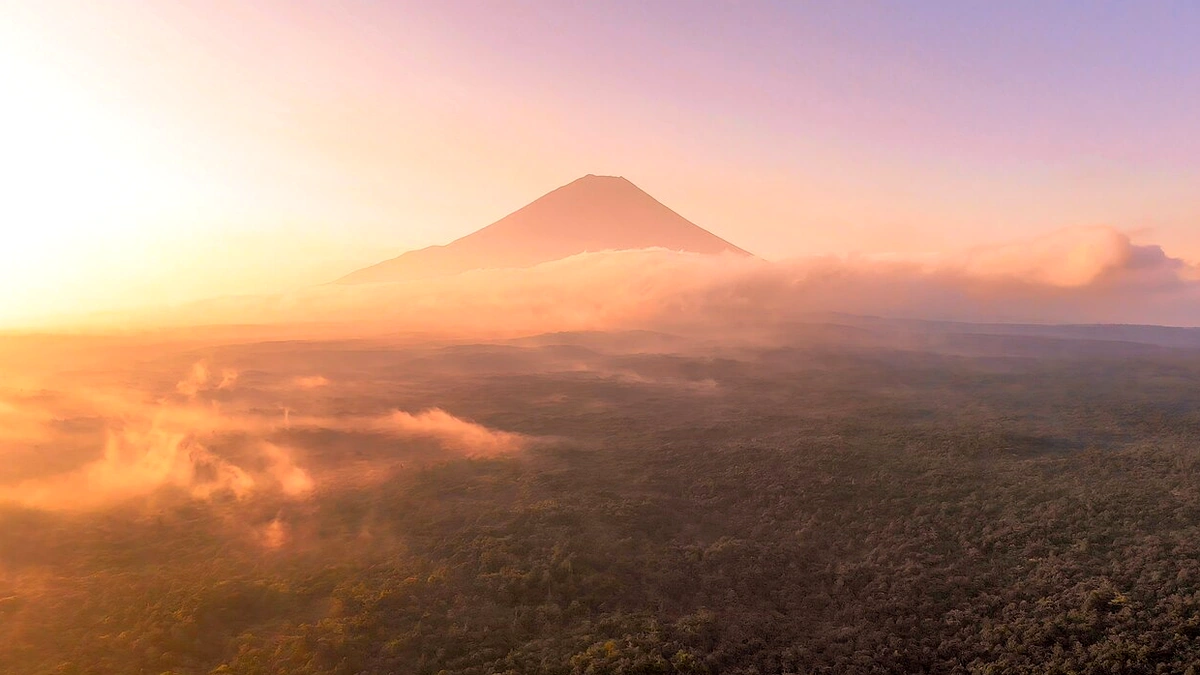
Lands surrounding Mount Fuji, towering in Honshu’s island realm, record local lifestyles deeply imbued with traditional identities, where local communities interweave daily routines with continuous natural rhythms of sacred fire peaks erupting centuries prior. As night recedes to yield to dawn’s first sunbeams, Fuji Five Lakes spaces shift from deep indigo to brilliant pinkish-orange, illuminating eternal snow caps with mystical lights known in Japanese culture as akafuji, meaning red Mount Fuji. This moment occurs in absolute earthly silence, as calm water surfaces at Lake Motosu or Lake Yamanaka act as giant mirrors perfectly reflecting astonishingly symmetrical volcanic tectonic shapes. Local fishermen begin mornings by rowing wooden boats onto lake hearts casting nets for Kokanee salmon and stream trout, maintaining livelihoods passed down since the Edo period, while monks at Asama shrines at the mountain foot perform early morning chanting rituals, offering incense sticks to Shinto deities governing mountains to pray for peaceful harvests and pilgrim crowds.
At midday, lifestyles in ancient villages like Oshino Hakkai shift into bustling atmospheres while retaining typical rural nuances of the Land of the Rising Sun. Eight crystal-clear ponds here, nourished by glacier ice meltwater seeping from mountain slopes across decades of volcanic strata, welcome visitors admiring pure mineral-rich water streams. Local artisans in traditional thatched-roof houses immerse themselves in handicraft works from mountain cherry woods and weaving indigo-dyed silk textiles featuring geometric motifs simulating Mount Fuji slope curves. Fragrances of buckwheat soba noodles grown on mineral-rich soils at the mountain foot rise from small family eateries, inviting travelers to stop and taste pure earthy flavors. Local craftsmen work beyond livelihood; they practice ancient aesthetic philosophies, treating every created product as homage to natural perfection bestowed upon this land.
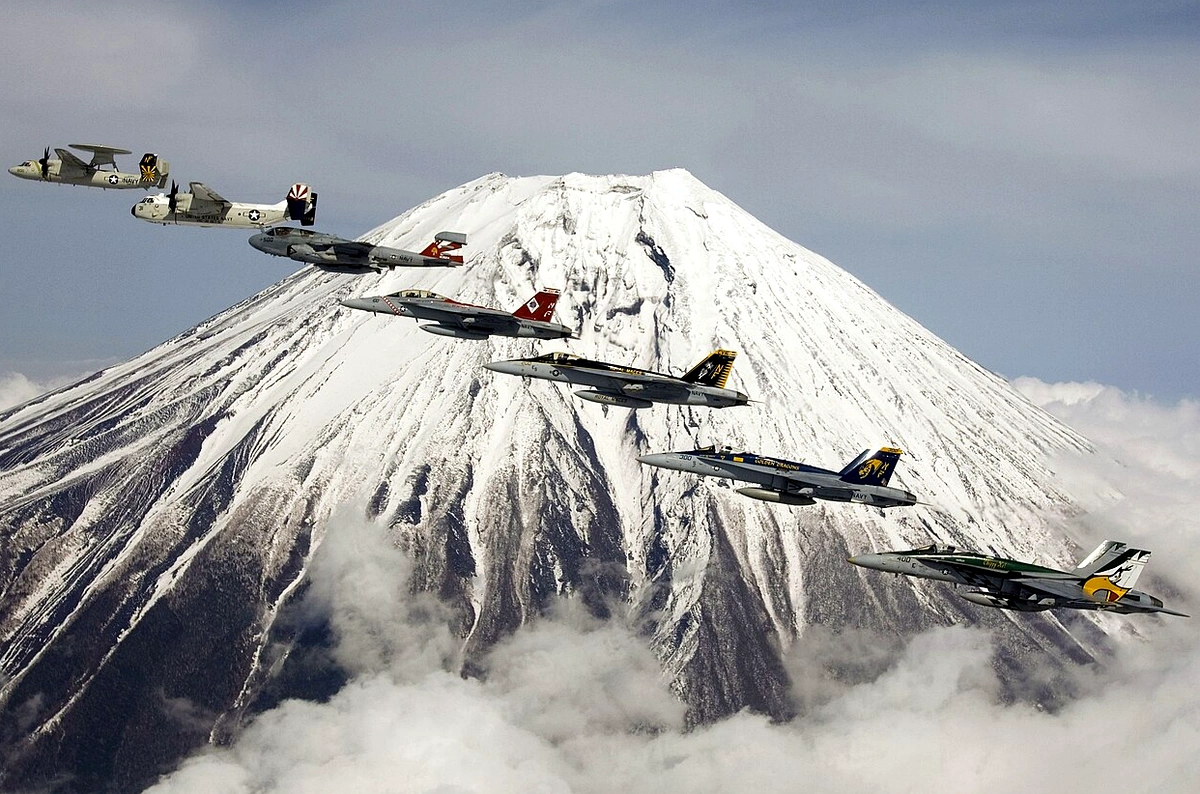
As evening twilight descends on sacred mountain feet, local sunsets create spectacular visual spectacles as the sun slowly sinks onto mountain peaks, a fascinating natural phenomenon Japanese call Diamond Fuji. This moment attracts photographers and cultural researchers crowding eastern shores of Lake Yamanaka, where opposing viewpoints let them capture precise moments when solar light flashes brilliantly like diamonds set atop white snowy peaks. Simultaneously, in small lakeside towns, taiko drum sounds echo resonantly, opening community art performance acts. Dancers in traditional yukata costumes step into rhythmic meandering dances to shinobue flute sounds, re-enacting ancient legends of Princess Kaguya flying heavenward or warrior deities distributing strength to mortals. These local festivals act as strong community bonding threads where generations preserve intangible cultural heritage recognized as world heritage.
When night falls completely, Mount Fuji adorns itself in radiant cloaks from small campfires emitted by climbers conquering Yoshida or Subashiriguchi trails to catch sunrises from 3,700-meter peaks the following morning. From towns below, this twinkling light chain resembles secondary Milky Ways connecting earth to star-studded night skies. At traditional ryokan inns, travelers and locals gather around outdoor hot spring onsen baths, soaking in sulfur-rich mineral waters steaming amidst chilly plateau weather while gazing at dark majestic mountain silhouettes under silver moonlight. Dinners served kaiseki-style feature diverse dishes processed from local produce like sansai wild mountain greens, lake-caught salmon, and lava stone-grilled beef, delivering elevated sensory experiences distilled from regional volcanic soils and climates.
Exploring lands around this grand mountain requires profound understanding of classic panoramic viewpoints honored by Ukiyo-e masters like Katsushika Hokusai and Utagawa Hiroshige since the 19th century. Observation points from Chureito Pagoda Park in Fujiyoshida city deliver classic compositions where crimson five-story pagodas tower beside snowy mountain ranges, creating iconic paintings for Japanese cultural cores. Another magnificent viewpoint sits in Misaka Pass areas, where visitors gaze across deep valleys encompassing entire majestic tectonic blocks within unoccluded frames. These experiences transcend ordinary sightseeing, becoming deep internal dialogues between modern humans and raw natural power alongside millennial historical strata accumulated beneath sacred mountain shadows.
Favorable field perspectives for exploring and admiring Mount Fuji, Japan in its entirety.
Geographical belts enveloping Mount Fuji, sacred spiritual peak symbols of Japan, constitute unique geological wonders while serving as cradles producing unique culinary cultural ecosystems. Centuries of accumulation under volcanic ashes and pure glacier meltwater from surrounding plateaus imbued regional cuisines with distinctive seasonal soils and climates. Local culinary systems reflect Japanese philosophies of natural harmony, where ingredients are harvested seasonally and processed with absolute respect for original flavors. Intersections between harsh snowy winters and brief fertile summers shaped rich flavor maps, ranging from ancient traveler field rations to elaborate masterpieces for nobility and Buddhist pilgrims.
Atop local culinary heritage lists stands Hōtō noodles, a renowned specialty tied to Yamanashi prefecture at Mount Fuji’s foot. Distinct from regular udon, Hōtō noodles bypass kneading/cutting fiber stages, utilizing flat, wide, unsalted dough strips cooked directly with seasonal vegetables in specialized iron pots. Broths are simmered from local miso combined with Japanese pumpkins, taros, shiitake mushrooms, and pork or chicken, producing characteristic thicknesses and rich flavors warming bodies in frigid winters. Cooking requires precise flame tuning so dough releases enough starch thickening broths without breaking, showcasing culinary mindsets maximizing heat usage and harmonious highland agricultural produce integration.
Furthermore, highland flavors are shaped by freshwater fish thriving in pure surrounding spring lakes, notably Fuji trout and ayu. Mineral-rich springwaters filtered through decades of lava layers yield firm fish meat and pure sweet flavors distinct from other Japanese territories. Traditional processing applies Shioyaki salt-grilling over white Binchōtan charcoal, skewering fish in swimming postures, dusting pure sea salt on skins creating outer crispers while keeping inner flesh moist. Chefs must master temperatures and timings to melt natural fish fats into meat fibers without losing fresh lake catches’ flavors.
Complete discussions on Fuji’s culinary pictures cannot omit tea appreciation cultures and green tea agricultural derivatives cultivated on sprawling Shizuoka plateau tea hills facing seas. Year-round fog and high day-night temperature ranges create ideal conditions for tea plants, accumulating high amino acid levels in young buds. Tea appreciation arts involve meticulous brewing using pH-balanced Fuji springwater extracting natural umami flavors from Sencha or Gyokuro. Locals developed tea-accompanying dish processing, from crispy young tea bud tempuras to traditional matcha sweets, forming ethereal culinary rituals reflecting meditative Zen philosophies and inner stillness against grand nature.

Historical trade system developments also left deep marks across ancient culinary streets along old pilgrimage paths climbing mountain peaks. In small towns like Fujiyoshida or Hakone, narrow cobblestone streets surrounded by traditional Machiya wooden architecture maintain family-run eateries serving signature Yoshida Udon noodles. Famous for chewy firmness, noodles accompany miso-braised horse meat and boiled cabbage, optimal energy sources for ancient mountaineers. Owners preserve multi-generational secret broth recipes combining Niboshi dried sardine broths and Kombu seaweed, creating complex, rustic flavor layers leaving deep aftertastes in travelers’ memories.
Traditional culinary customs retain ceremonial traits and respect for four-season natural cycles. Ryokan ryokan-served dishes follow five-color and five-flavor principles, presented on handmade Wabi-Sabi rustic ceramics. Dinners progress from light appetizers to grilled/simmered dishes, concluding with highland rice bowls, miso soup, and Tsukemono pickles. Enjoyment transcends biological fueling, elevating into inner dialogues between humans and nature where table ingredients narrate geological creation and persistent labor histories.
Under cultural research lenses, food systems and dining rituals surrounding Mount Fuji represent living heritage, proving human adaptability before harsh nature. Esoteric processing passed down generations—from pickling, drying preservation to seasoning balances in country hot pots—blends into unique flavor identities. Through hot Hōtō bowls in snowy nights or morning-dew green tea cups, culinary heritage affirms enduring values, preserving traditional cultural souls amidst shifting modern lives.
Artistic decorative patterns and refined architectural lines at Mount Fuji, Japan.
Panoramic majestic spaces and characteristic heritage cultural depths at Mount Fuji, Japan.
Lands surrounding regal Mount Fuji possess alpine monsoon mountain climates where four seasonal transitions feature distinct, magnificent traits. Spring starting around April brings mild winds melting snow caps, dyeing surrounding valleys with cherry blossoms, creating contrasts between pure white ice and pink petals. Summer from July to September marks the sole yearly period when trails open for pilgrims and climbers worldwide conquering 3,776-meter heights. Moderate daytime summer station weather cools sharply at night, demanding physical preparedness and specialized gear. Autumn visiting in October brings crimson-gold maple forests reflecting off calm Fuji Five Lakes waters, creating artistic depths. Winter from December to February blankets symmetrical volcanic cones in thick snow layers, making peaks proud and harsh against Siberian cold winds.
Planning travel routes requires understanding Japan’s complex transport networks. Tokyo serves as primary departures, where Shinkansen bullet trains bring passengers to Shin-Fuji or Odawara in under an hour. For direct lake viewings, Fuji Excursion Limited Express trains from Shinjuku to Kawaguchiko eliminate complex transfers. Highway buses offer economical transit from Shinjuku Bus Terminal. Local buses like Retro Buses serve sightseeing. Taxis offer flexibility at high costs.
Ideal morning viewing hours run from sunrise to 9:00 AM. Afternoon clouds tend to obscure peaks. Layered clothing is essential due to alpine temperature drops. Bring windbreakers, thermal gear, trekking boots, gloves, woolen caps, trekking poles, headlamps, and energy rations.
Respect Shinto sanctity: avoid littering, noise, or ecosystem damage. Purify at water basins before torii gates. Defacing nature is heavily penalized. Drone usage is restricted near peaks.
Online ticket booking 3 to 7 days in advance is crucial for managing trail access and conservation. Advance transport bookings prevent sold-out issues during peak seasons. Prepare coins and small cash denominations for museums, automated restrooms, or mountain drinking water.
To fully experience this journey alongside a local guide, you can refer to the Tokyo – Mount Fuji – Nagoya – Kyoto – Osaka 6D5N Tour with a pre-arranged itinerary.