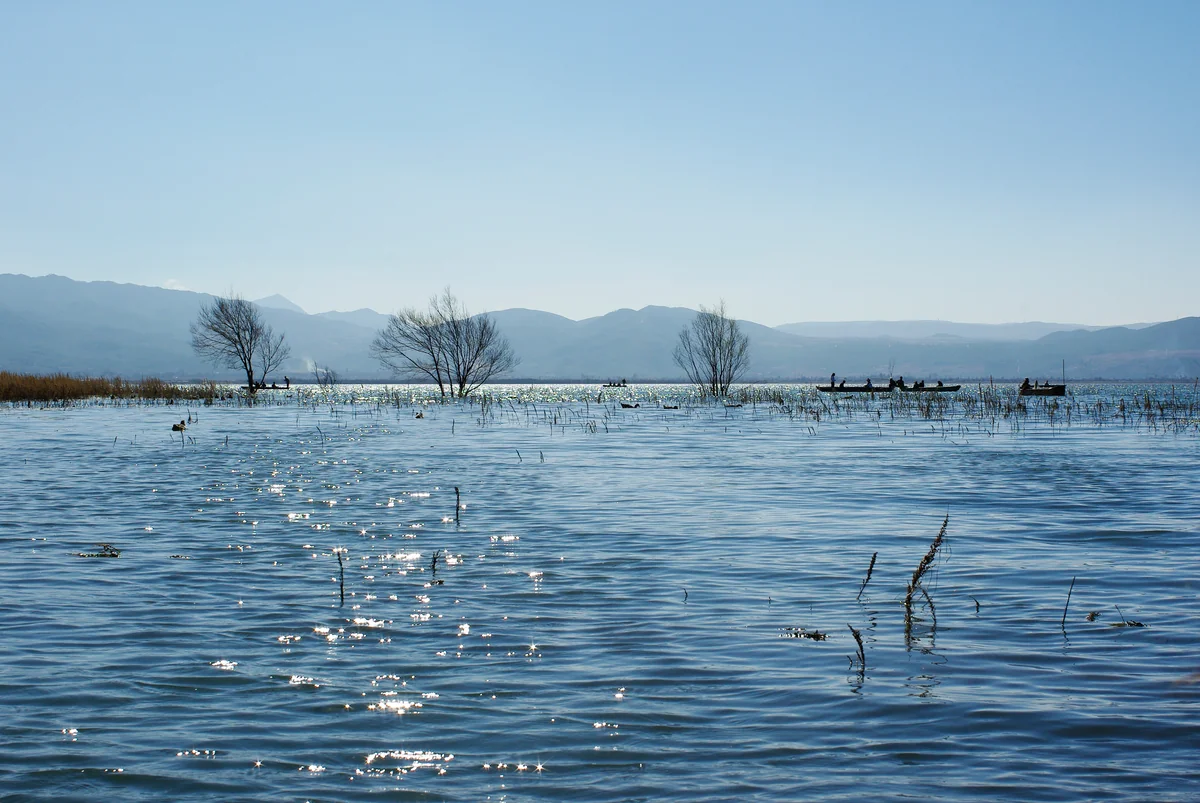
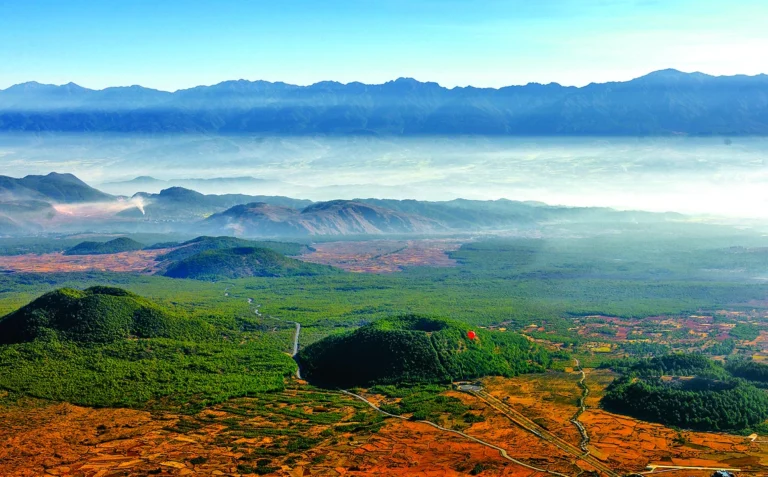
Tucked deep in the far west of Yunnan Province along the border with Myanmar—a region that once witnessed monumental tectonic movements of Earth’s crust—Tengchong has long held a singular place on the global travel and geological research map thanks to its renowned volcanic and geothermal resources, with Tengchong Rehai (“Hot Sea”) serving as the legendary centerpiece anchored by the Big Boiling Pot, a vast cauldron bubbling for millennia. In terms of natural origins, the formation history of this wonder dates back hundreds of thousands of years to the late Pleistocene epoch, resulting directly from the uplift of the mighty Himalaya mountain range combined with volcanic eruptions across this frontier region. Beneath layers weathered by time, groundwater seeps deep underground, gets heated by residual magma pockets, and surges forcefully through tectonic faults, creating a grand hot-spring complex that ancients praised as the “foremost hot sea under heaven.” Before the Ming dynasty arrived to open up the land and establish administrative systems, this territory was steeped in the lore of ancient indigenous peoples such as the Guliao, Bai Pu, and early Tai tribes. In their primeval worldview, white steam rising from the earth was not a mere natural phenomenon, but a sacred “spirit ladder” or divine hot spring—a meeting place of heaven and earth and yin and yang—tied to rituals praying for rain, warding off calamity, and thanking deities for warm waters that nourished rice valleys.
The historical turning point that transformed scholarly records of the Big Boiling Pot occurred during the Ming dynasty, an era marking the deep entry of Chinese geomantic and geographical knowledge into the southwestern frontier. Amid the turbulent late Ming period, as the central court experienced decline, an extraordinary figure in cultural and geographical history appeared here: the celebrated geographer Xu Xiake. In the fifth lunar month of the twelfth year of Chongzhen (1639), after an arduous journey of thousands of miles trekking through forests and across streams, Xu Xiake arrived in Tengchong and directly surveyed and documented this remarkable phenomenon. In his immortal work Travel Diaries of Xu Xiake (Dianyou Riji 8), the great scholar left one of the most vivid and accurate descriptions in world geological history, depicting billowing steam rising high from the gorge like dense mist, with over a dozen hot springs bubbling vigorously like boiling broth and tossing spray several feet into the air. Xu Xiake’s travelogues not only established the first scientific milestone recording geothermal activity here, but also became an invaluable resource for later generations of scholars studying environmental change in Yunnan’s high-mountain tropical ecosystem.
Through the vicissitudes of the Qing dynasty and into the tumultuous Republican era of modern Chinese history, the site continued to draw special interest from intellectuals, revolutionaries, and prominent scholars—notably Yunnan patriot Li Genyuan, who conducted in-depth research and left important writings documenting the scenery, culture, and strategic and economic potential of the Rehai area. The name “Big Boiling Pot” (Da Gun Guo) comes directly from the visual geography of the site: the spring vent forms a giant natural stone cauldron while the basin boils and churns without pause across all four seasons. In feudal-era gazetteers and local records, it also bore names rich in empirical observation and descriptive imagery, such as “Sulfur Pond Boiling Spring” or “Frenzied Boiling Spring,” reflecting high concentrations of minerals—especially sulfur and hydrothermal compounds. Meanwhile, the overarching name “Rehai” (“Hot Sea”), coined since the Ming period, carries a poetic ancient explanation—hot subterranean vapors billowing upward like rolling ocean waves—capturing the latent power within the earth.
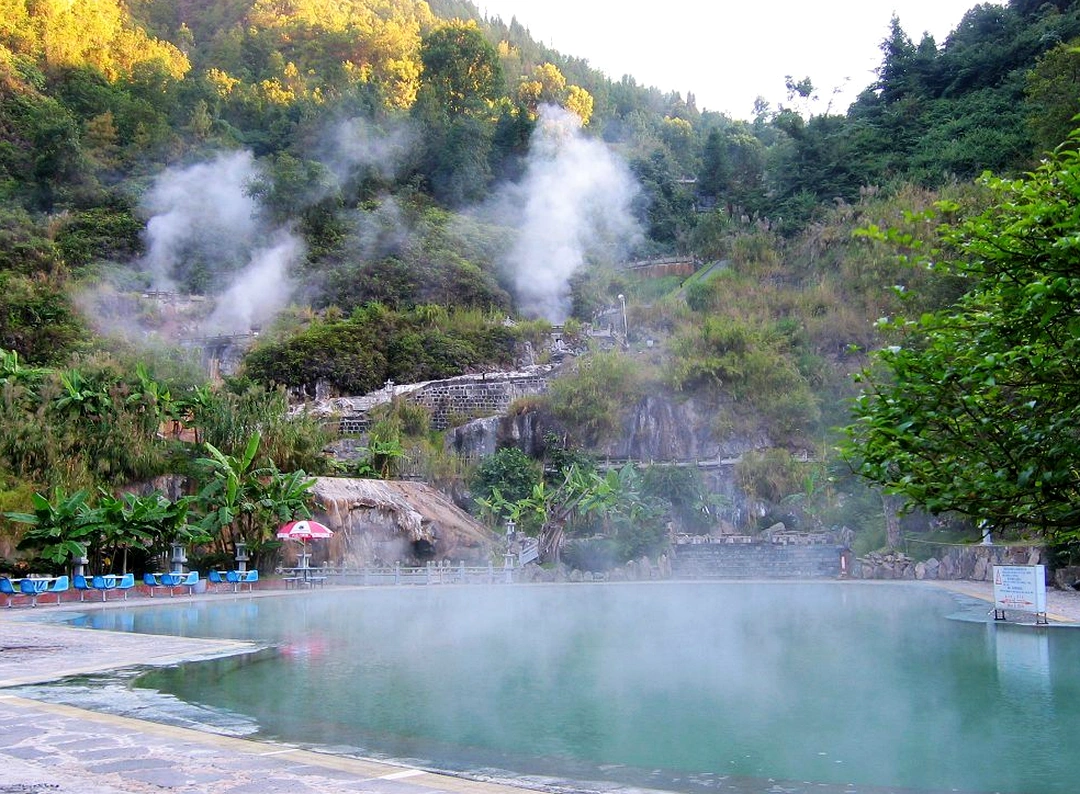
Looking back across time—from antiquity under early ethnic communities, through the meticulous notes of late-Ming geographer Xu Xiake, to the studies of Republican-era scholars—the Big Boiling Pot at Tengchong Rehai has grown beyond an ordinary natural attraction into a living historical chronicle carved in stone, water, and thermal fire. Marked by a major milestone in 1994, when China listed it in the first batch of National Key Scenic Areas, the wonder entered a new chapter of sustainable development. Across decades of restoration, modernized ecological conservation, and cultural-tourism planning, the Big Boiling Pot today preserves both its primeval Quaternary geological value and the spirit of frontier history, where tens of thousands of years of geothermal flow blend with contemporary human culture.
Setting foot in the far west of Yunnan Province, travelers encounter a geological masterpiece stamped with Earth’s tectonic forces, where the boiling cauldron stands as vivid proof of primeval energy deep inside the planet. Geologically, it sits right at the key intersection of the Tengchong volcanic-geothermal fault zone, embraced by surrounding mountain ranges: to the southeast extends the towering Gaoligong Mountain range, while to the west it borders Dayin Mountain, forming a closed valley nestled at the base of the Liuhuangtang geothermal field. This three-sided mountain enclosure not only creates dramatic scenery, but also acts like a giant natural heat trap that keeps subterranean thermal energy from dispersing into surrounding space.
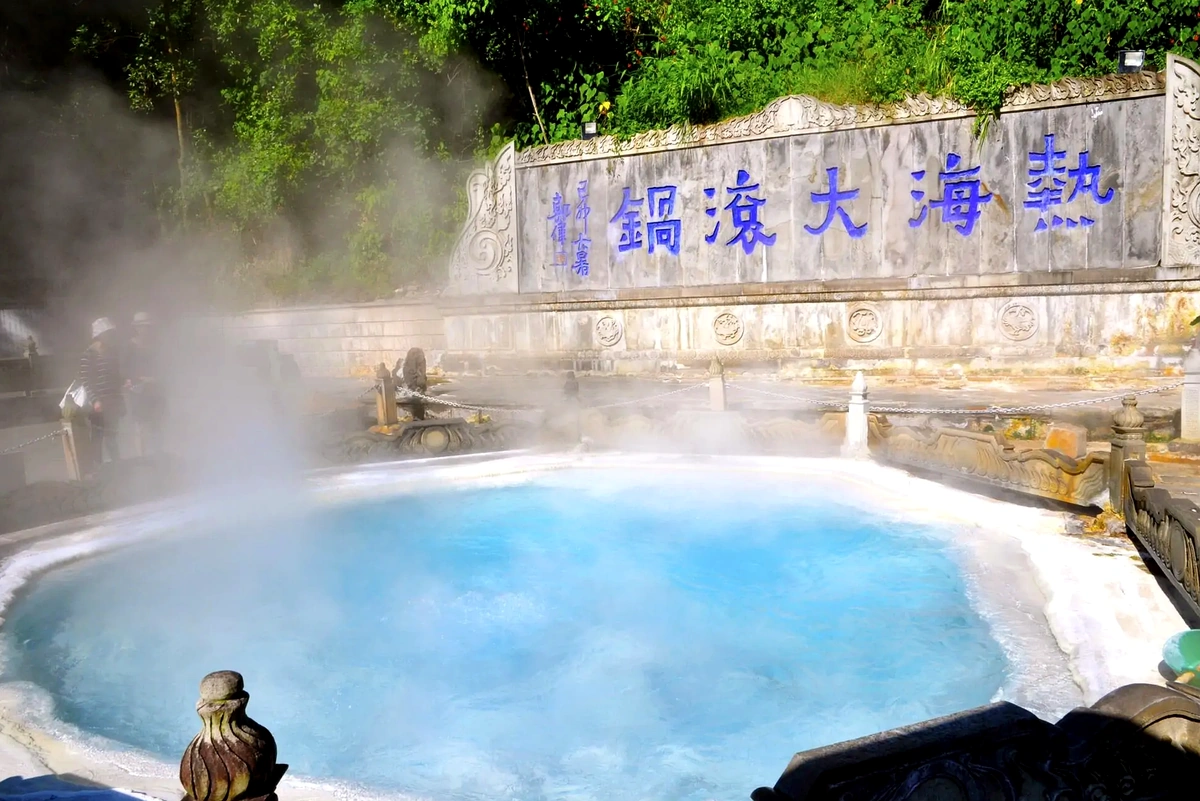
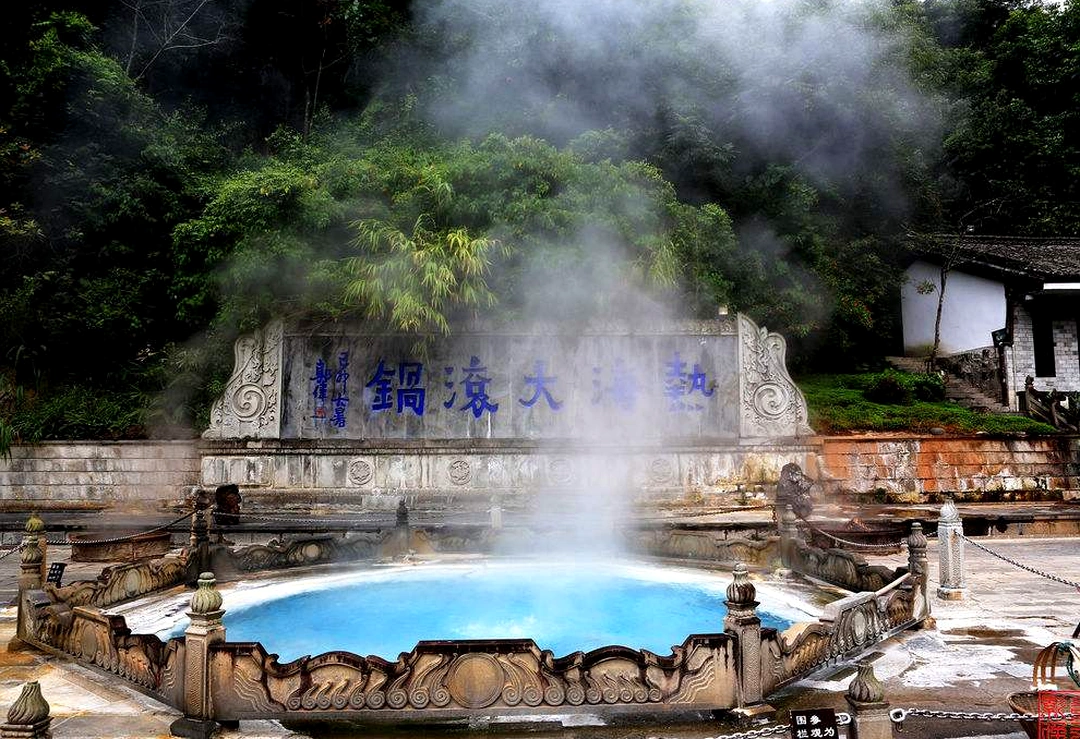
Viewed up close, the Big Boiling Pot is essentially a massive spring vent roughly 6.14 meters across at the surface and around 1.5 meters deep, boiling and steaming year-round. Its water comes from a deep circulating groundwater system heated directly by residual thermal energy from ancient volcanic magma chambers. As groundwater seeps into high-temperature geological strata and moves along tectonic fault zones, it heats to extremes, builds immense pressure, and surges rapidly to the surface—producing a high-intensity mixture of steam and hot mineral water that stays fiercely hot, turning the site into nature’s giant boiling pot with a constant rumble and hiss day and night.
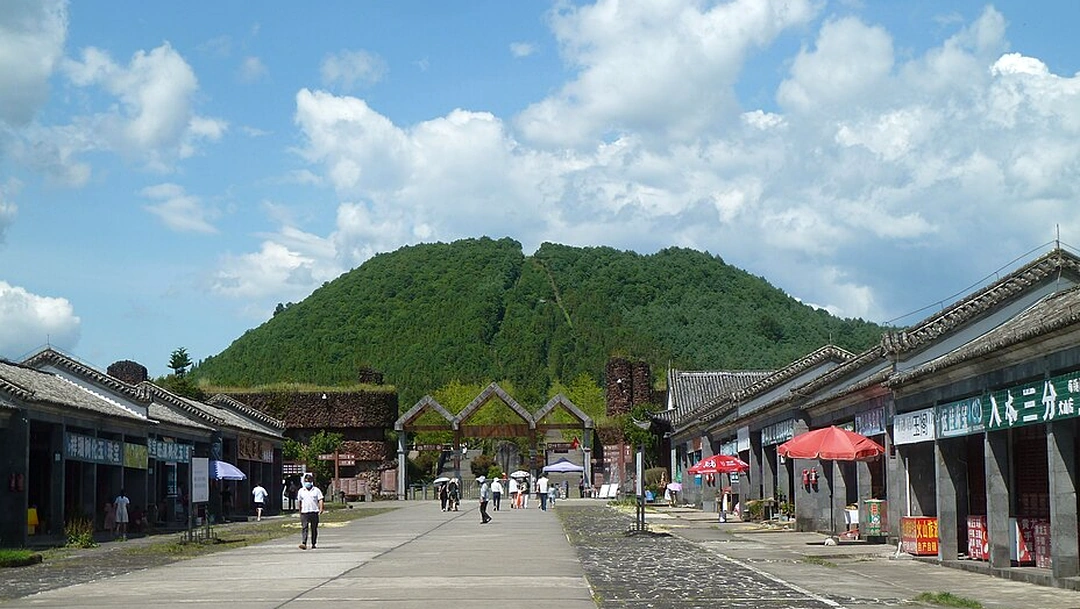
Beyond its geological value, viewed through traditional East Asian feng shui, the terrain around the Big Boiling Pot reflects the profound concepts of sheltering wind to gather vital energy (“cangfeng juqi”) and harmonizing water and fire. According to traditional masters, mountains enclosing the sides help block harsh winds and gather vitality in the central hollow, where warm subterranean water meets deep geothermal heat in a rare energetic balance that draws a strong magnetic field and enriches visitors’ experience.
To support sightseeing while preserving natural scenery as much as possible, the walkways and viewing angles follow the natural contours of the mountainside. Builders utilized the cliff slope—higher on the west and gently sloping toward the east—arranging tiered paths for sweeping panoramic views. This layout aligns with traditional landscape principles of an open foreground framed by surrounding hills (“mingtang kaikuo, chaoshan anshan”), while keeping visitors clear of direct blasts of high-temperature sulfurous steam. Looking down from cliffside viewpoints, drifting white mist mingling with deep forest green and dark volcanic rock creates a dynamic, awe-inspiring panorama that stays with anyone who visits Tengchong.
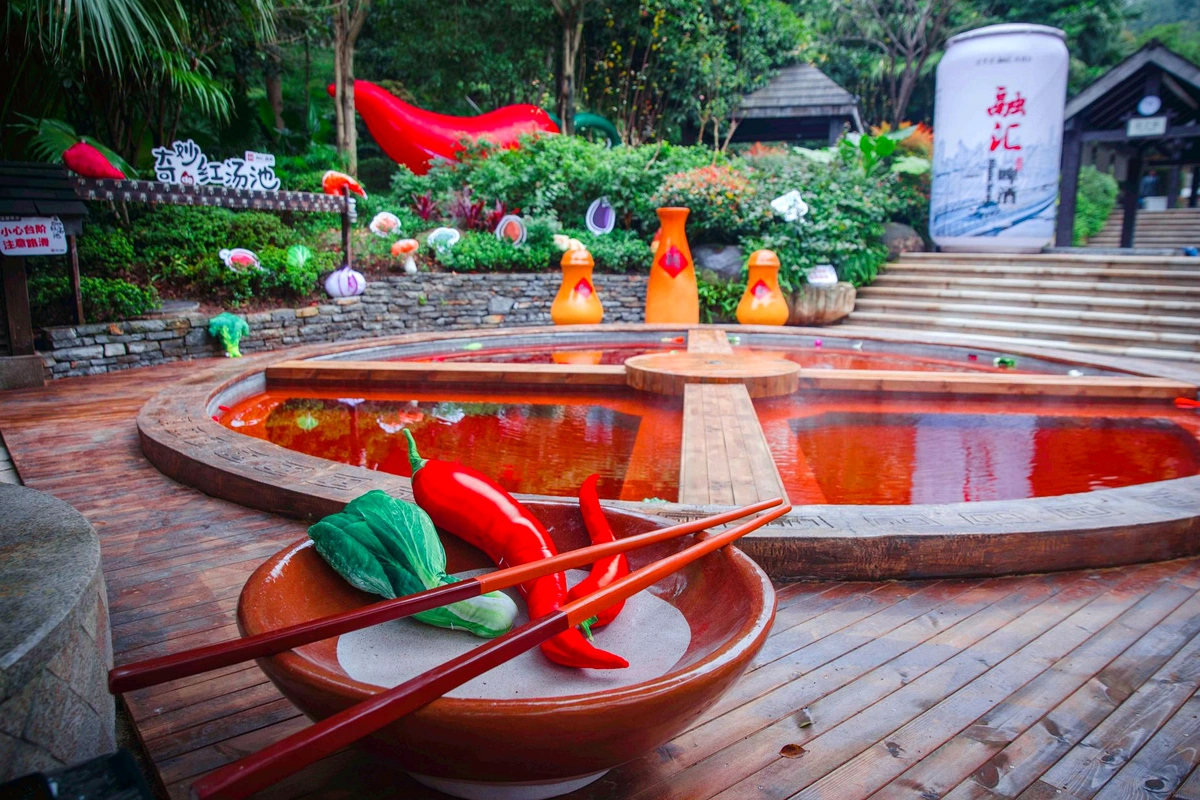
Before the geothermal wonder of Tengchong Rehai—where nature across southwestern China’s frontier displays the raw power of the earth—the spatial layout and architecture around the Big Boiling Pot read as a remarkable meeting point between human craftsmanship and demanding geology. From a cultural-history perspective combined with field observation, the core area around this giant boiling pool is more than a visitor facility; it shows modern design adapting to extreme natural conditions. Right away, the core layout around the geothermal basin stands out for balancing strict safety engineering with respect for the wild, dramatic scenery of the Yunnan–Guizhou Plateau.
Looking closely at materials and load-bearing structures, the rim around the basin is reinforced with a sturdy concrete frame paired with local volcanic stones such as porous volcanic rock and basalt. Using local stone adds rustic, nostalgic character suited to the geothermal landscape while meeting strict engineering demands: Tengchong volcanic rock is prized for high heat resistance and strong resistance to corrosion from acids and concentrated sulfuric gases rising from below. To keep structures durable in this harsh geothermal environment, exposed metal components receive specialized anti-corrosion coatings to prevent oxidation caused by hydrogen sulfide ($\text{H}_2\text{S}$) gas.
Stepping onto the viewing decks and curving walkways, visitors immediately feel the impressive yet secure scale of the complex. The foundations of the scenic structures are anchored deep into weathered rock layers to withstand periodic geodynamic activity along the Western Yunnan fault zone. Center stage is the bubbling surface of the Big Boiling Pot, measuring roughly 6.14 meters across with water temperatures staying around 96–97°C year-round and reaching up to 102°C in its deepest pocket. Around this boiling focal point sits the main viewing platform spanning about 300 square meters in a wide arc, holding hundreds of visitors at once as they watch, listen to the roaring water, and breathe in warm mineral steam.
Beyond sightseeing, the architectural space also integrates practical cultural features such as egg-boiling troughs and steam-use platforms. Crafted from heat-resistant stainless steel paired with local stone slabs, these setups let visitors try traditional geothermal cooking firsthand. Blending modern construction, durable local stone, and thoughtful spatial planning turns the Big Boiling Pot area into an open-air showcase where visitors can see a major geothermal landmark while appreciating how people have lived alongside and harnessed an active natural environment.
When night falls over the Tengchong volcano valley, a different world awakens around the Big Boiling Pot, where reality and dreamlike atmosphere blur inside ever-present steam. Drawing on the thick, warm vapor rising year-round from the giant boiling pot, site management pairs modern lighting with night-time spatial design to turn the area into a striking open-air evening showcase on China’s southwestern frontier. Rather than letting darkness swallow the landscape, cold-light LEDs and laser projection run along rock slopes and thermal vents; as multicolored light hits rising mist above the boiling water, the Big Boiling Pot lights up in a vivid visual spectacle where mist and geothermal warmth create layered, shifting color.
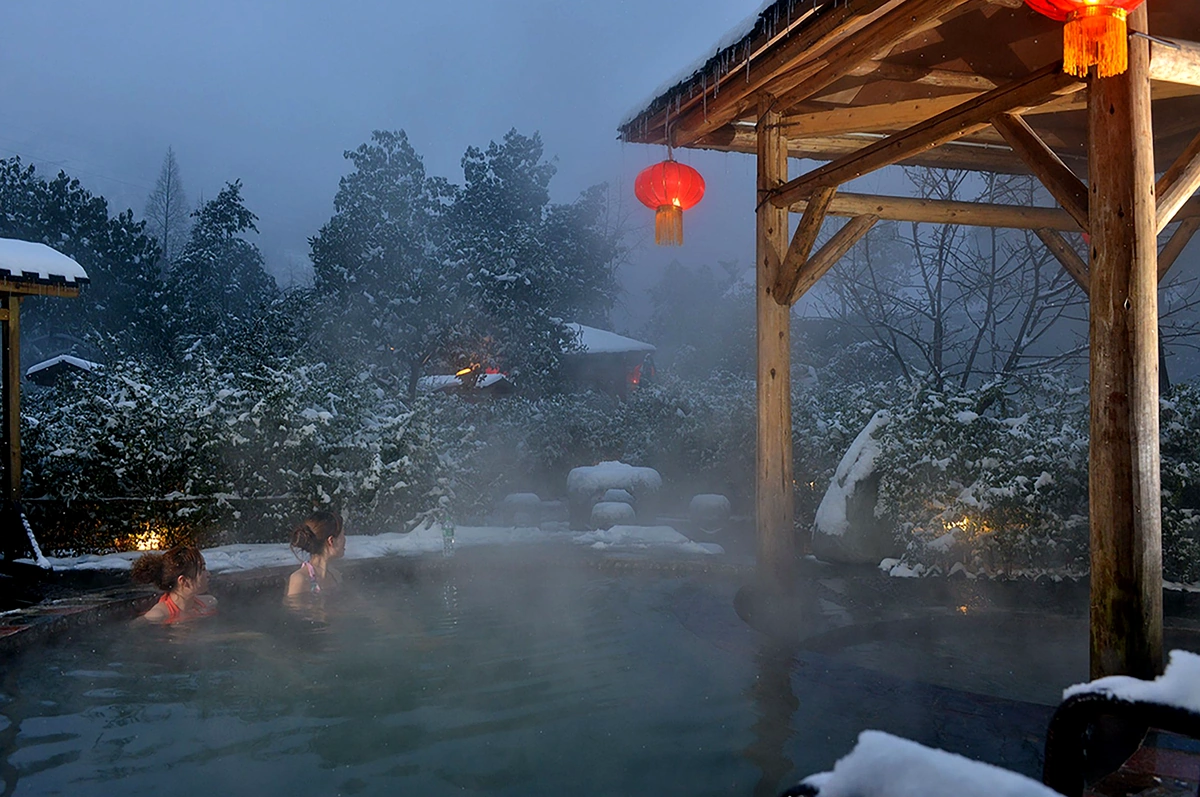
What gives the night experience cultural depth and care is pairing lighting with strict ecological protection. All lighting adheres to ecological conservation boundaries for the geothermal biosphere reserve, using low-radiation, low-heat eco-friendly fixtures to minimize light pollution for local flora and fauna. Beneath a starry sky and rising geothermal warmth, visitors enjoy a lively evening display while respecting the fragility of wild nature—blending vibrant color with the quiet, sacred character of a landscape shaped over tens of thousands of years.
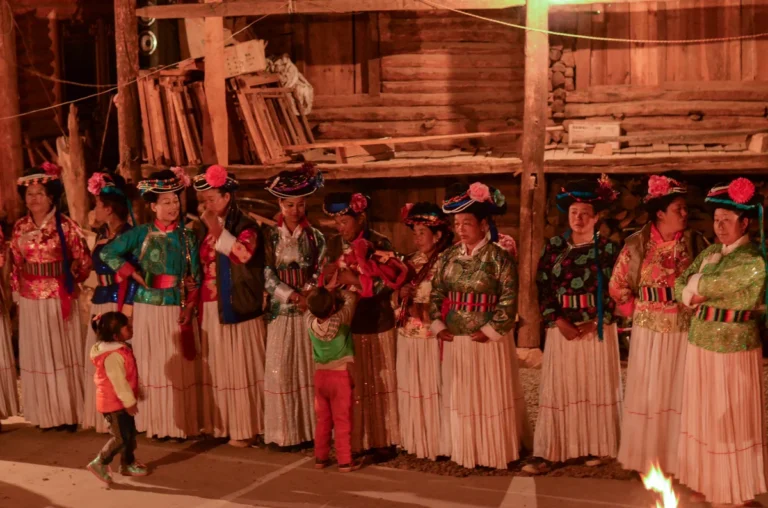
Deeper into the evening program, visitors can take in regular micro-immersive performances bringing Tengchong’s millennia-old history and culture to life. Inspired by late-Ming explorer Xu Xiake’s travelogues and the myths and folklore of long-settled highland ethnic groups—such as Tai, Hui, and Wa/Xa communities—directors craft a multi-layered performance bridging past and present. Accompanied by traditional drums and gongs, flickering flames from Torch Festival rituals, and rhythmic folk dance, guests feel drawn into a cross-era dialogue with earlier generations.
The interplay of resonant festival drums, steam rising from the Big Boiling Pot, and modern lighting weaves a distinctive evening atmosphere. Pausing here, travelers can find a quiet corner to soak in local culture and hear echoes of history alongside the gentle sound of thermal waters. Nightlife at Tengchong Rehai is more than a light-and-sound show; it is a reflective journey reconnecting modern travelers with nature, heritage, and inner calm.
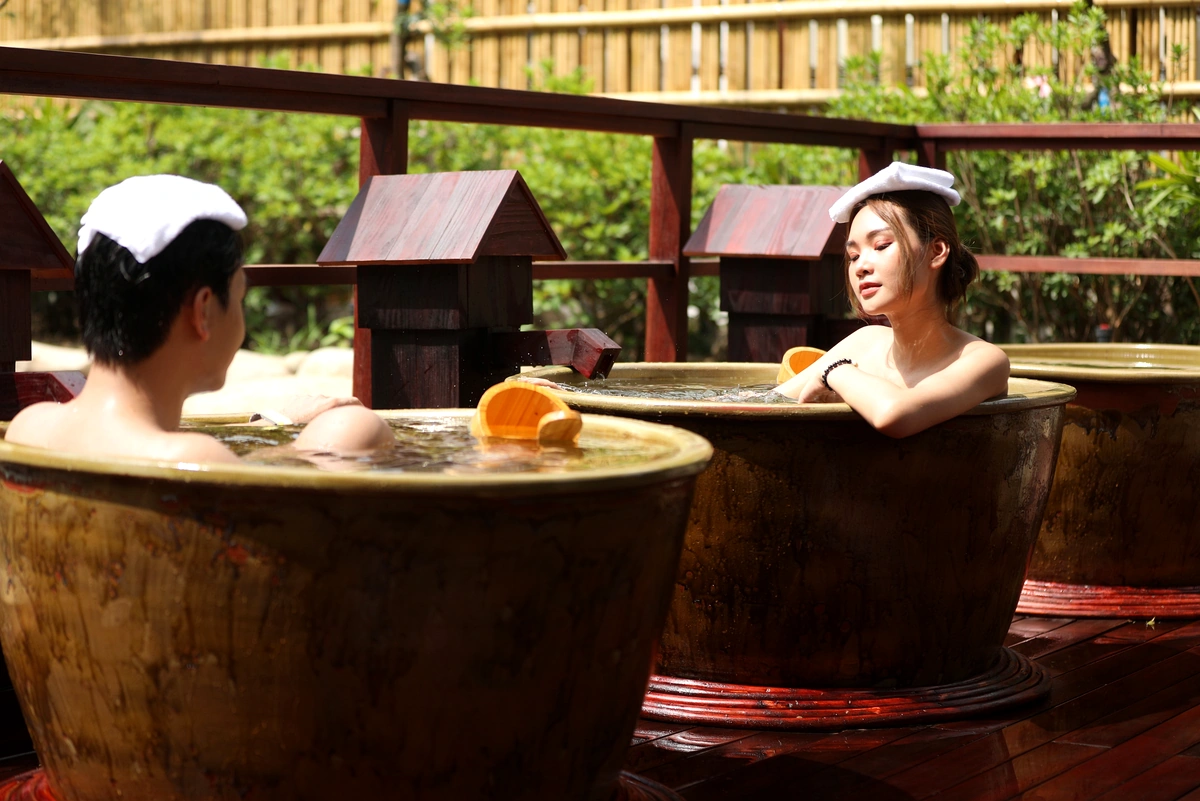
Stepping past the mineral-scented mist of Rehai Valley, visitors enter a rustic food scene where earth’s heat turns into signature flavors along southwestern China’s historic trade routes. High temperatures and mineral-rich water at the Big Boiling Pot have helped shape a distinct culinary tradition rooted in the Ancient Tea Horse Road of western Yunnan. Instead of charcoal or firewood, cooking relies on heat and clean steam from underground, producing dishes passed down across generations of Yunnan locals.
A signature example is Rehai’s classic geothermal-cooked chicken eggs, a must-try tasting experience here. Fresh eggs from local farmers are placed in woven bamboo baskets or tied in dry straw and suspended over vents or high-steam zones of the natural thermal pool. Depending on preference, cooking times are carefully judged: 15 to 20 minutes for a rich, runny yolk and tender white, or over 30 minutes for a firm, fully set yolk. The subtle touch comes from sulfurous mineral steam permeating the porous shell, lending the egg whites a light savory note and faint characteristic aroma that makes a simple snack surprisingly memorable.

Beyond boiled eggs, locals also use geothermal heat for staple dishes like rice noodles and ersi (rice cakes)—two quintessential Tengchong specialties. Blanching ersi made from fine rice directly in hot mineral water keeps the strands chewy and tender without breaking apart. Served with savory local chicken broth, seasoned minced meat, and crisp fried pork (surou), a bowl of Rehai noodles captures highland flavors in every spoonful.
Local ingenuity continues with high-heat steaming in traditional bamboo baskets, notably cured/smoked pork and wild forest mushrooms gathered from the Gaoligong Mountains. Aged cured pork and fresh wild mushrooms are arranged in large bamboo steamers and slow-cooked for hours using intense underground steam. High-pressure mineral steam renders the cured pork fat until tender and non-greasy while infusing rich mountain aroma, and keeps wild mushrooms sweet and nutrient-rich—showing how locals turned simple ingredients into enduring food heritage.
Knowing practical details on hours, routes, costs, and safety rules is essential before exploring one of western Yunnan’s grandest geothermal sites. The scenic area is open year-round with no days off, welcoming visitors from 8:00 AM to 6:30 PM daily, and extending hours flexibly to 9:00 PM during peak seasons or evening light-and-performance shows for a misty night perspective.
For tickets and budgeting, main entrance admission to the Rehai scenic area is around 50 CNY per person, while on-site electric shuttle carts are priced separately depending on the route. To save time and avoid ticket-window queues, booking a day ahead through official channels or authorized online platforms for real-name registration is recommended. Getting from central Tengchong (Tengyue Town area) to the geothermal core is straightforward: drive or hire a car heading south along the Rehai road for roughly 10 to 12 km—about 20 to 25 minutes along scenic mountain roads—or use dedicated tourist buses or ride-hailing apps.
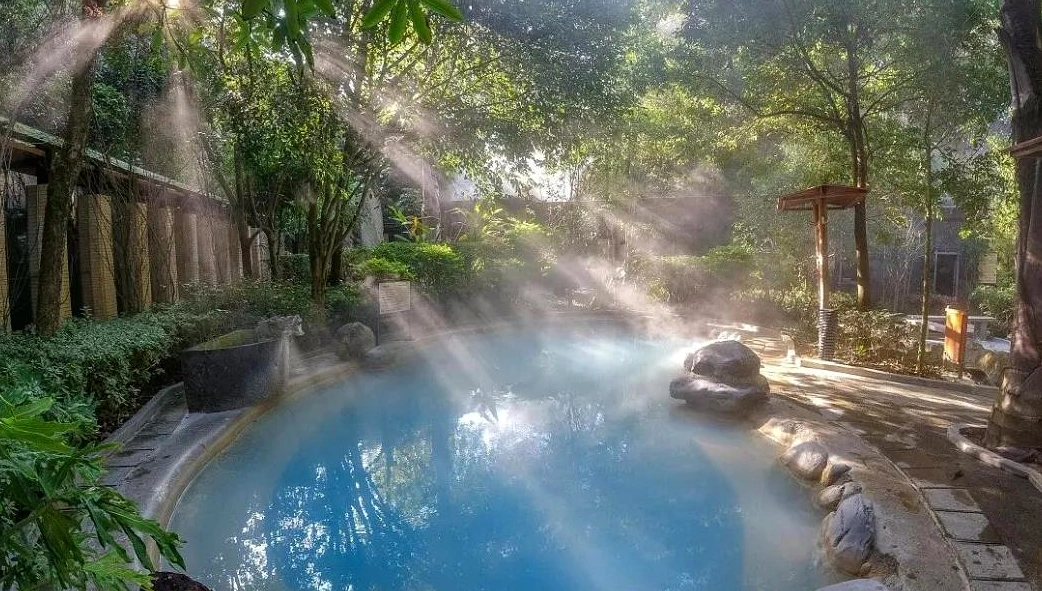
For visitors interested in deeper geological observation or a structured day flow, starting in the morning is ideal—moving from Hama Spring (Toad Spring) with its hissing steam and bubbling Pearl Spring, past Huaitai Well with its local lore and tranquil Sister Springs, before reaching the Big Boiling Pot centerpiece. Around midday and early afternoon, you can shift from geology to local food cooked over geothermal steam, then stay into the evening as artistic lighting turns the mist-filled valley into an immersive stage retelling local stories through light and sound.
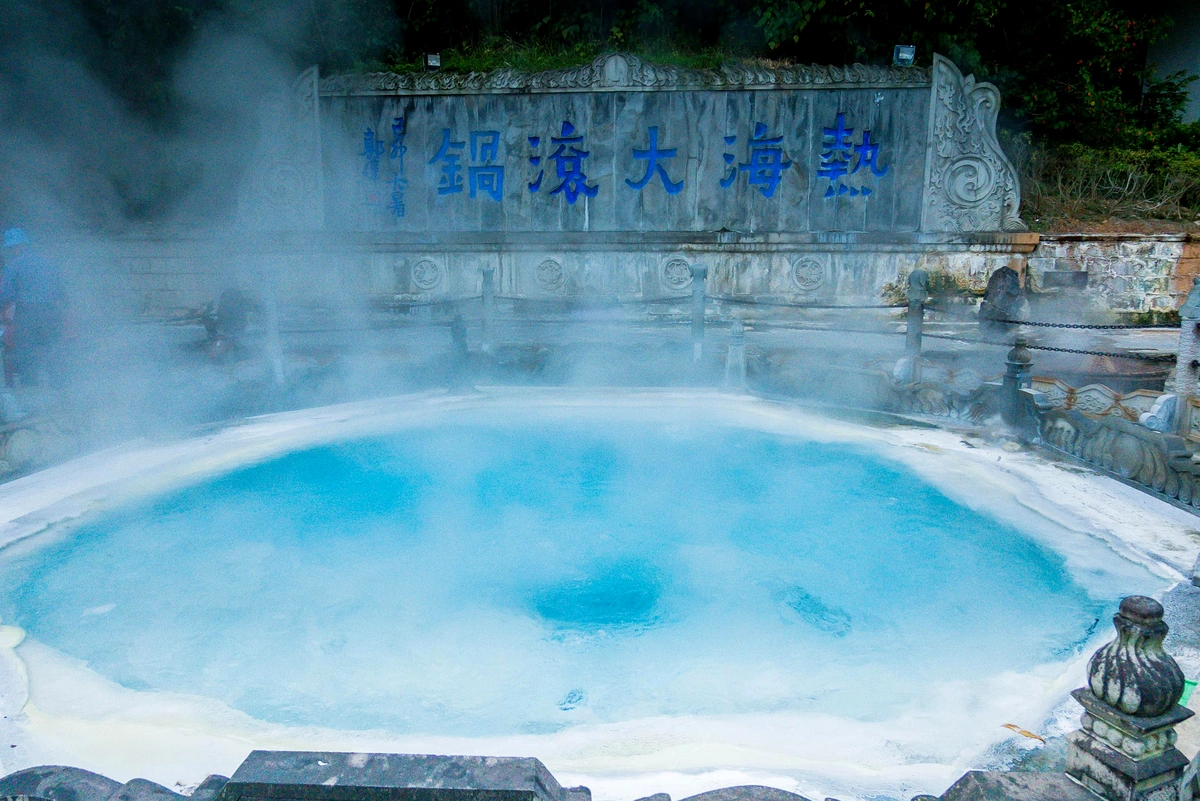
At the same time, essential safety precautions apply around volcanic terrain and active thermal vents. High heat, humidity, and hydrogen sulfide ($\text{H}_2\text{S}$) sulfur odors are common, so breathable, durable, water-resistant outdoor clothing and non-slip walking shoes on damp stone are best, and anyone with heart or respiratory conditions should avoid lingering in dense steam. Crucially, water in thermal vents—especially around the Big Boiling Pot—can reach around 97°C near boiling, so never climb over safety railings or place any part of your body near the water. For more practical planning details, you can explore our all-inclusive tour packages to help turn a trip to this misty mountain region into reality.