Tracing back through distant years of imperial Chinese history, the western frontier of Yunnan Province witnessed profound shifts of the times, where untamed borderlands were gradually built up through the sweat, blood, and aspirations of generations of ancestors who settled to build lasting homes. The historical origins of Tengchong Ginkgo Town—also known originally as Jiangdong Village in Gudong Town—can be traced back to the early Ming Dynasty, specifically during the Hongwu era spanning 1368 to 1398. At that time, founding emperor Zhu Yuanzhang, after pacifying the rugged and wild lands of Yunnan, resolved to enact two long-term strategic policies: dispatching northern troops southward and establishing military agricultural colonies (“juntun”). Under this dynasty, a large wave of migration—comprising tens of thousands of soldiers and civilians from prosperous Jiangnan and the Central Plains—traveled thousands of miles across arduous roads, venturing into western Yunnan (“Dianxi”) to establish settlements and turn misty valleys into sturdy outposts safeguarding the nation’s frontier.
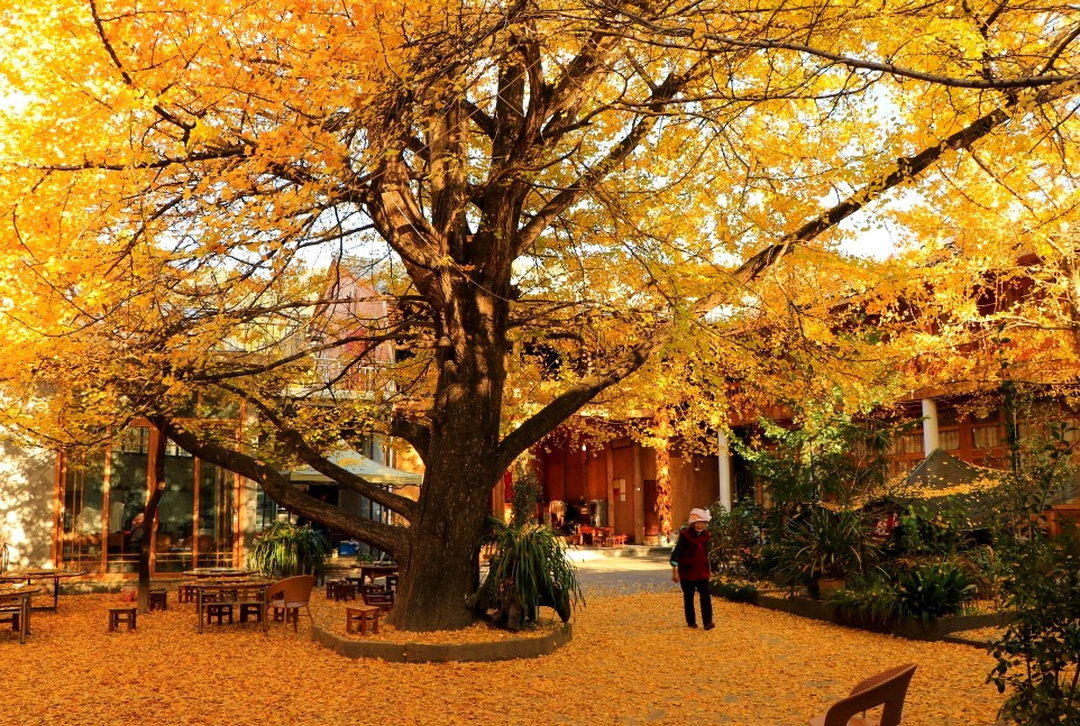
The name Jiangdong, handed down across centuries, carries both nostalgic longing and a geographical marker left by ancients. On one hand, the name expresses enduring homesickness for the distant ancestral homeland of Jiangnan among early settlers; on the other, it accurately reflects actual geography, as the village sits peacefully east of the Longkai River system. Entering the mid-Ming Dynasty—coinciding with the Chenghua and Hongzhi eras—life for the migrant community here stabilized and shifted toward a distinctive ecological economy. During this period, ancestors brought ginkgo trees (“bai guo shu”) to plant densely throughout lanes and hillsides around the village. Planting ginkgo initially held practical value for harvesting nutritious ginkgo nuts while also providing durable, precious timber for construction and daily life.
An advantageous geographic position turned Jiangdong Village into an indispensable link along the vital trade network of the Southern Silk Road—known to historians as the ancient Shu–Shentu route linking China with distant Myanmar and India. Throughout the Ming and Qing dynasties, cross-border horse caravans (“mabang”) with ringing bells passed bustlingly through here, transforming a purely agricultural village into a lively stopover where merchants, cultures, and wondrous tales from afar converged. Yet the flow of history was not always calm, sometimes taking poignant, fateful turns. Notably, in the 30th year of the Republic (1944), the fierce Battle of Tengchong erupted, turning this area into one of the harshest battlefields of the war against Japanese aggression—leaving deep war scars while tempering the indomitable resilience of locals as they swiftly rebuilt their homeland from bomb-struck ruins.
Across hundreds of years of historical change, traditional values in Tengchong Ginkgo Town have been remarkably preserved through a rich system of tangible and intangible cultural heritage. Today, visitors arriving here can still admire ancestral clan halls and stone stelae inscribed from the Qing Dynasty through the Republican era, serving as living proof of bloodline roots and the prosperity of major clans settled here for ages. Notably, within village genealogies and customary compacts, strict rules acting as community law have been honored across generations—foremost among them a strict ban on felling ginkgo trees in any form in order to protect water resources and soil ecology. Thanks to strict protection by clan compacts, natural scenery and centuries-old ancient trees remain intact, blending harmoniously with heroic historical depth to form a distinctive cultural space enduring across time in western Yunnan.
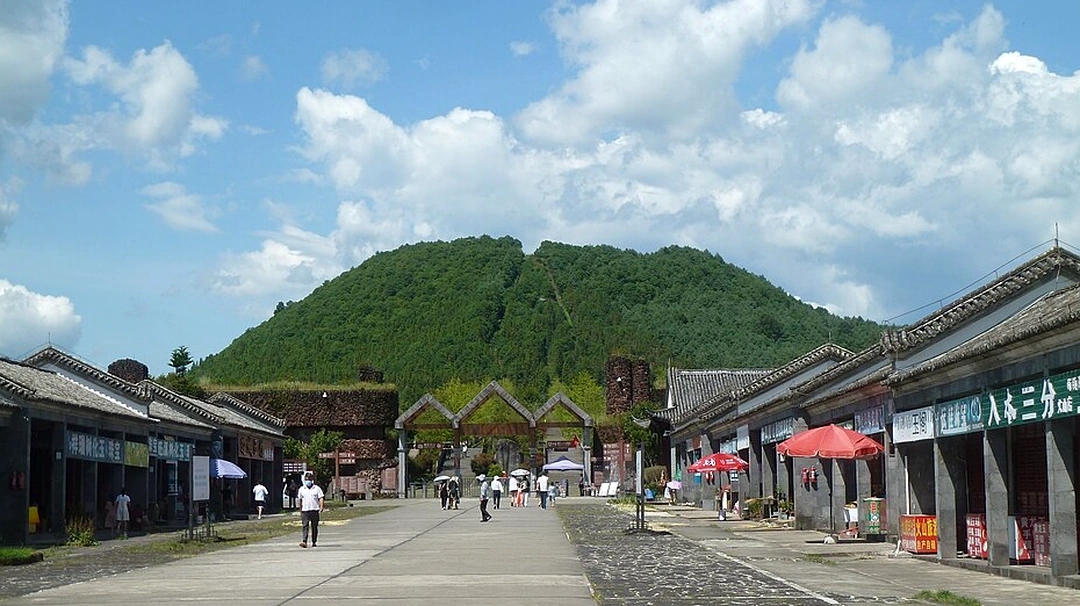
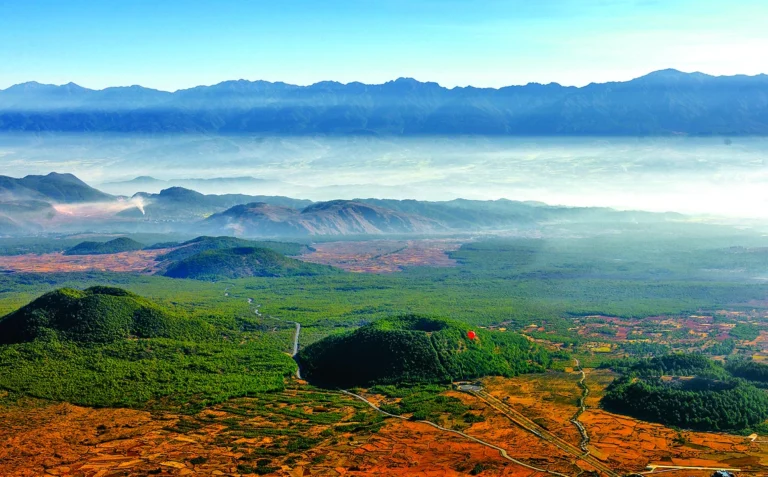
Setting foot on the western frontier of Yunnan Province, travelers are struck by a geological masterpiece shaped by nature over millions of years: Tengchong Ginkgo Town—recorded in chronicles as Jiangdong Village—appears vividly nestled inside one of the planet’s grandest volcanic fault and geothermal basins. Along the western flank of Gaoligong Mountain, this site witnessed intense Cenozoic volcanic eruptions. Over tens of thousands of years, Quaternary lava flows cooled and weathered under time and climate to generate fertile red volcanic-ash soils spread across the terrain, affectionately called “golden earth mounds” (“huang tu gang”) by locals. Rich in nutrients with high phosphorus and potassium content, paired with loose structure offering excellent drainage, this soil created a singular ecological foundation—turning Tengchong into a unique promised land nurturing tens of thousands of ancient ginkgo trees standing tall across epochs.
Viewed through traditional spatial culture, this ancient village’s feng shui layout is clear proof of ancient survival wisdom and harmony with all things, uniting mountain backing, water orientation, and yin–yang balance. To the west, the village leans firmly against branches of sturdy Gaoligong Mountain, forming a solid rampart blocking freezing Siberian winds each winter. Conversely, its front opens wide toward the alluvial valley of the Longchuan River, drawing in warm, moisture-laden currents rising from the Bay of Bengal in the Indian Ocean. The meeting of these two air flows shaped a rare mild microclimate—pleasantly warm in winter and refreshingly cool in summer—enabling a highland subtropical ecosystem to flourish sustainably over time.
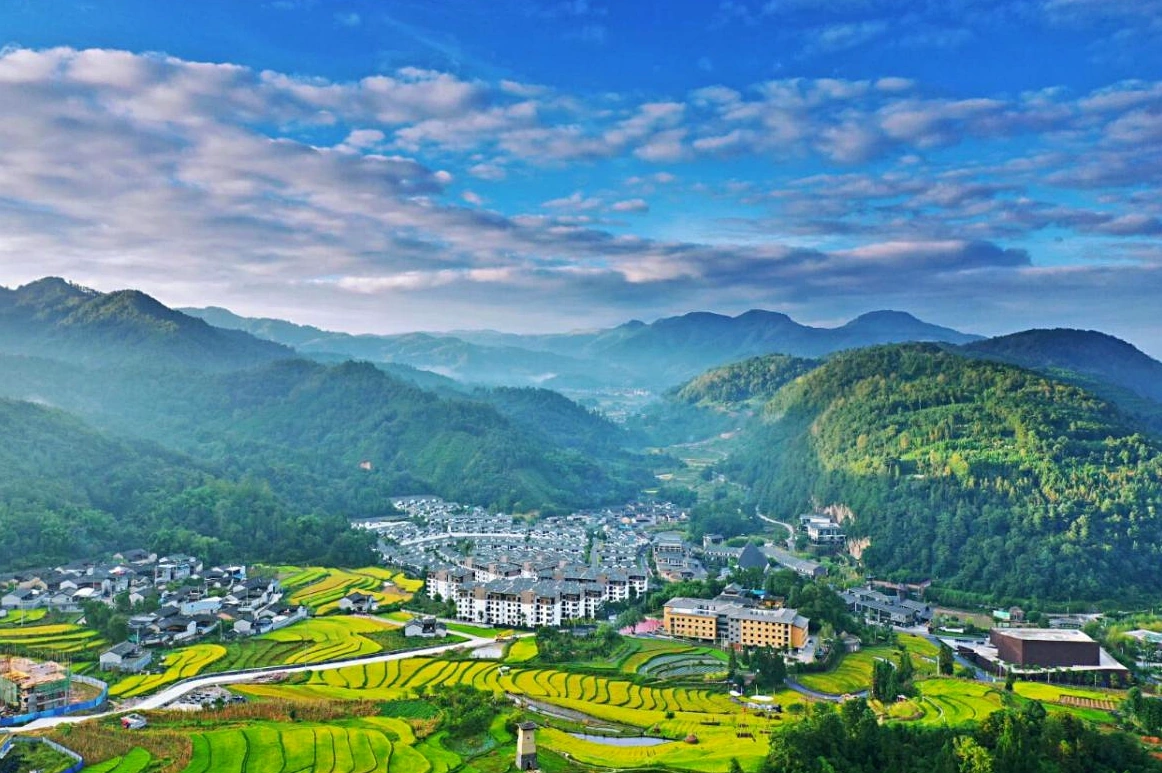
That very terrain and distinctive siting shaped a remarkable spatial plan where people did not try to level or remake nature, but followed the undulation of ancient lava terraces to settle and grow. Village architecture and layout strictly follow the principle of adapting to natural contours (“sui xing jiu shi”), following rolling basalt ground to spread organically like plants and wildflowers. Every house, lane, dry-stacked mortarless volcanic-stone wall, and open drying courtyard is arranged with spontaneous yet logical order, creating a formal and linear language rich with natural growth. Through historical shifts, the village structure has kept its raw, original beauty—like a supple living organism moving as one with the breath of earth and sky and the pulse of thousand-year soil.
Passing beneath millennium-old ginkgo canopies glowing with lasting gold, the cultural space of Tengchong Ginkgo Town opens into a distinctive architectural face where time seems to pause across moss-grown yin-and-yang roof tiles. Examining surviving traditional architectural heritage here, cultural researchers marvel at a folk ensemble deeply stamped with time, shaped chiefly from the Ming and Qing dynasties through the Republican era. Rather than chasing ornate palace templates common in eastern plains, Tengchong residents adapted skillfully to western Yunnan geography to invent a residential form known as “One Seal” (“Yi Ke Yin”, 一顆印)—a distinctive folk house style unique to western Yunnan.
An impressive starting point in local architecture lies right at the wall base, where local carpenters and masons made full use of nearby natural resources to build sturdy foundations. Wall bases are laid with black porous volcanic stone from Tengchong Volcano—a unique geological material filled with tiny vesicles that offers a quiet, understated look alongside astonishing lightness, damp resistance, and strong seismic resilience. Stacked atop rugged, sturdy volcanic-stone bases are upper walls finished using traditional rammed earth or bamboo-lath and yellow-mud plaster coated outside with crisp white limewash. Pairing deep black volcanic stone with white limewashed walls creates bold yet refined visual contrast while acting as protective armor against year-round highland mist and weather.
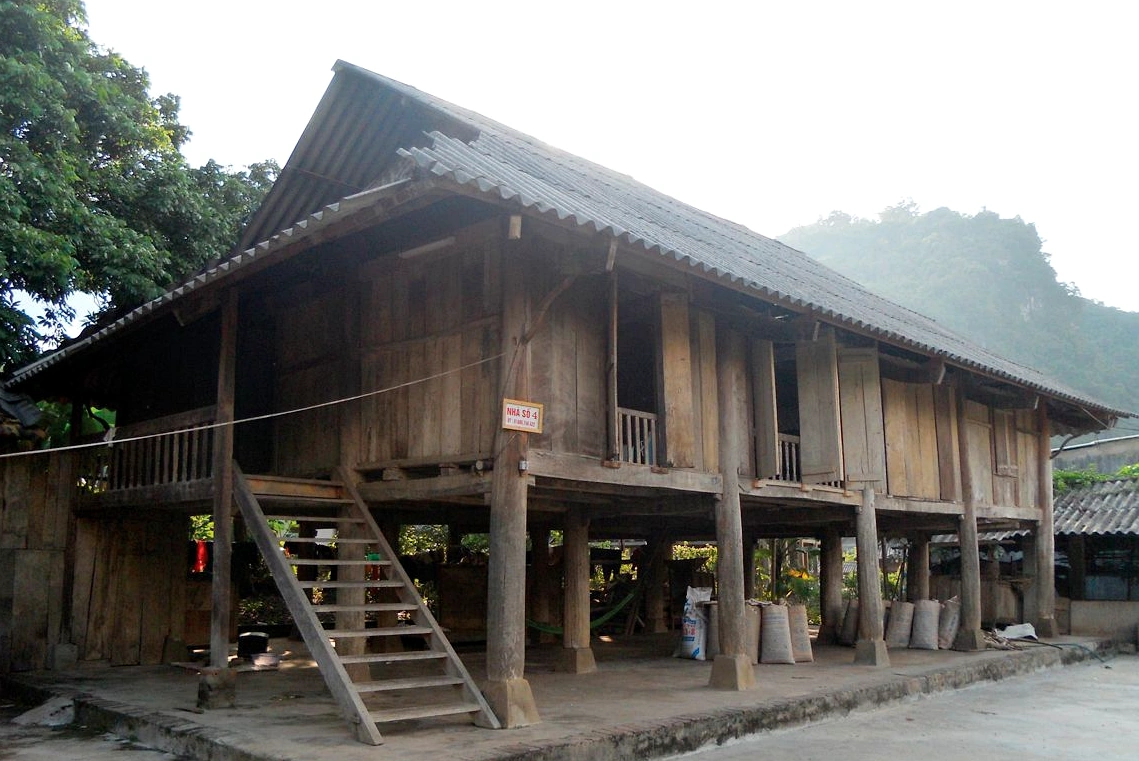
Looking deeper into the load-bearing frame of these historic houses, travelers admire the master builders’ high craft in joinery built without a single iron nail. Timber frames in Tengchong’s “Yi Ke Yin” houses blend two renowned East Asian structural systems: column-and-tie (“chuandoushi”) and post-and-beam (“tailiangshi”). To withstand potential frontier earthquakes, frames are carved and fitted with strict male-and-female mortise-and-tenon joints accurate to the millimeter, yielding a flexible frame with strong elasticity and load-bearing resilience. Prized highland timbers—such as Yunnan pine, dense oak, and fragrant Phoebe (“nanmu”)—were carefully chosen for posts, beams, purlins, and tie-beams, carrying a warm scent across centuries of sun and rain.
Crowning that sturdy timber frame are dark yin-and-yang tile roofs laid in graceful layers, extending with sweeping eaves and four corners curving upward like swallows gliding through white clouds. Ridges and hip lines are adorned with lively traditional lime-plaster relief motifs, from blooming hibiscus to stylized Buddhist and Daoist patterns. Beyond structural solidity, interior woodwork reaches high refinement through detailed hand carvings on lattice doors, plaques, couplets, and trusses. Auspicious East Asian motifs seeking peace and prosperity—such as “Five Blessings” or “Pine and Crane Longevity”—come alive under folk artisans’ hands, turning each room into a miniature folk art museum.
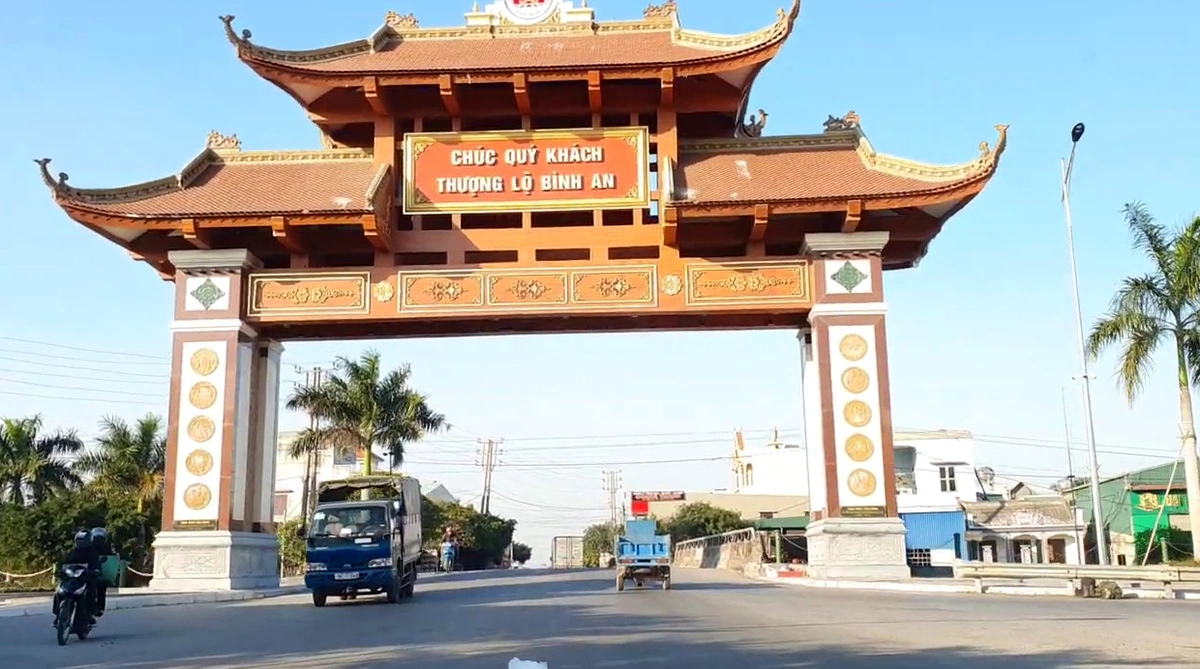
In actual scale and overall spatial layout, traditional residences in Tengchong Ginkgo Town are typically planned as compact courtyard compounds covering 150 to 300 square meters of land, with usable floor area around 200 to 400 square meters. Most are two-story structures with tight, enclosed layouts that conserve space to retain warmth in winter against biting highland cold while letting in natural light. A compact central courtyard serves as the household’s living heart, gathering vital energy, daylight, and rainwater in line with ancient feng shui wisdom of gathering water to foster prosperity. Beneath canopies of golden ginkgo leaves, historic “Yi Ke Yin” homes—with volcanic-stone walls, yin-and-yang tiles, and nail-free timber joinery—weave a deep humanistic architectural tapestry proving the enduring vitality of traditional housing in Tengchong.
When night falls, shedding daytime brilliance, Tengchong Ginkgo Town enters a very different dimension where evening life lacks modern city engine roar or glaring neon, immersing instead in refined, restrained lighting aesthetics. Sustainable cultural tourism here applies a night-landscape design philosophy grounded in minimal intervention and full respect for the natural rhythms of centuries-old trees. Rather than harsh multicolored strips causing visual pollution, specialized LED fixtures in a warm 2700K–3000K color-temperature range are paired thoughtfully with wall-grazing and low-angle uplights. Under lighting engineers’ hands, rugged, ancient ginkgo trunks rising strong beneath golden canopies seem awakened from legend, casting shimmering shadows against the deep night sky.
Along moss-grown blue-stone lanes, illumination comes not from dazzling high poles, but from discreet low-level fixtures near the ground—just enough to guide footsteps without disrupting surrounding plant cycles. This respect for nature turns Tengchong’s nights into a quiet yet unlonely memory space where light and shadow weave a cinematic visual language. Amid this misty, atmospheric setting, echoes of caravan history and trade culture rise again through lively live-action performances. Foremost is the scenic drama Mabang Xiongfeng (“Heroic Spirit of the Caravan”), staged at the village’s traditional stage or an open square within the settlement. This visual work vividly portrays the arduous, perilous yet proud journey of horse caravans along the legendary Ancient Tea Horse Road and the bustling trade lifeblood of Yunnan merchants traveling back and forth with prized tea.
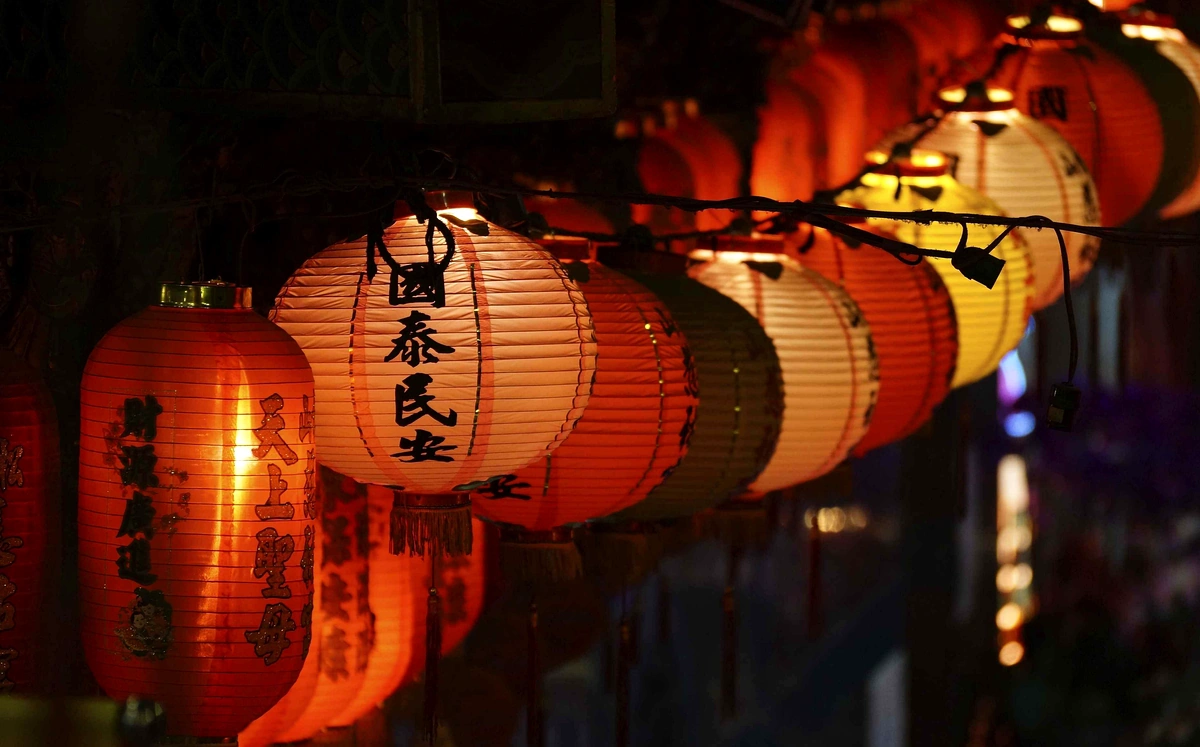
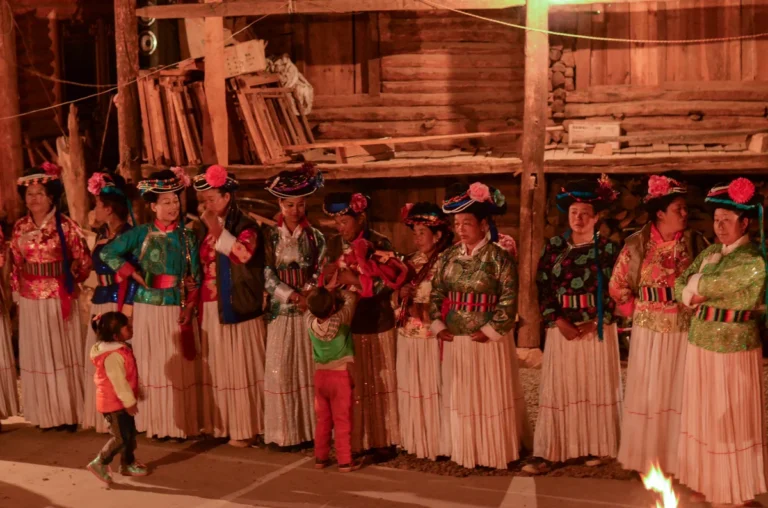
Hoofbeats echoing in quiet air and mountain calls across passes blend with crackling fires of community evening gatherings, dissolving distance between past and present. As the drama closes, a central bonfire blazes bright, drawing both distant visitors and locals into the community’s signature traditional dance. Beneath firelight illuminating joyful faces, rhythmic steps of the lively Datiao (“Stamp-and-Leap”) dance—passed down from generation to generation—ring out without pause. The resonant pluck of the three-stringed sanxian harmonizes smoothly with the clear, winding notes of the gourd-pipe hulusi, painting a simple yet stirring soundscape. There, boundaries between audience and performer, visitor and local fade away; everyone holds hands and joins an authentic folk-art gathering, closing a day of exploring Tengchong with lasting echoes in every traveler’s heart.
Visiting Tengchong Ginkgo Town and exploring its local food map offers a window into deep cultural blending between western Yunnan frontier flavors and creative culinary use of products from millennium-old ginkgo trees. Amid cooking smoke drifting from volcanic-stone houses, local cuisine does more than satisfy the palate; it preserves family secrets passed down across generations, distilled from age-old farming wisdom beneath majestic Gaoligong Mountain.
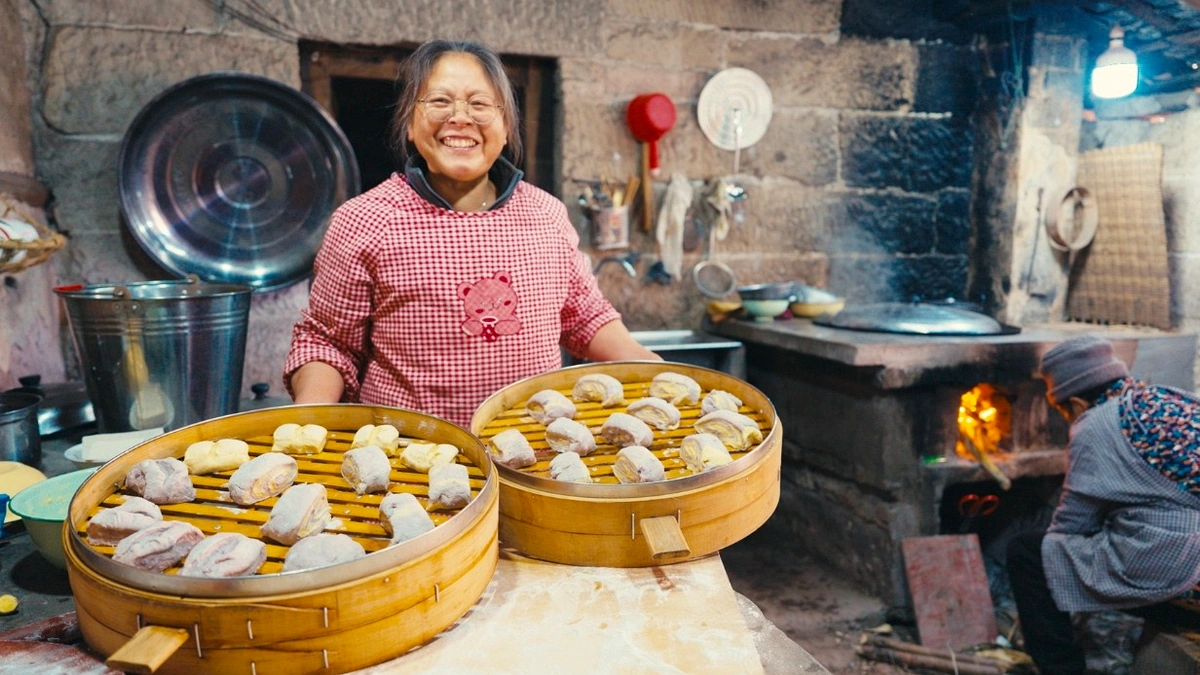
Holding a place of honor on Tengchong’s celebrated menu is ginkgo stewed with free-range mountain chicken—affectionately nicknamed by locals “ginkgo stewed with tree-climbing chicken.” To craft its unmistakable flavor, village households carefully pick purebred native chickens raised freely on high mountain slopes, prized for agile foraging and firm, sweet, aromatic meat. Chicken pieces are slow-simmered in an earthenware pot with freshly harvested ginkgo nuts, paired carefully with angelica sinensis (“danggui”) and goji berries over a gentle wood fire for more than four hours. Ladled into a bowl, the thickened broth turns a milky white, offering deep, clean sweetness mingled with ginkgo’s gentle, lingering bitterness—an ideal tonic on crisp autumn and winter days.
Alongside nourishing stews, ginkgo is transformed into simple, addictive snacks such as salt-and-pepper roasted ginkgo or sugar-glazed ginkgo. Through home cooks’ skilled hands, ginkgo nuts are carefully prepared to remove astringency, then roasted with salt or coated in sugar until crisp outside yet chewy, rich, and nutty inside. Strolling through lanes bathed in gold, the rich aroma of roasted ginkgo mingles with evening hearth smoke from old kitchens, awakening every sense of travelers seeking authentic roots.
The culinary journey here also beckons diners with Da Jiu Jia (“Great Savior”)—a local dish with a colorful name tied to dramatic imperial-court tales. In essence, it consists of thinly sliced traditional rice cakes (“erkuai”) stir-fried over high heat in a hot cast-iron wok with signature ingredients such as sliced cured smoked pork, free-range farm eggs, seasonal greens, ripe tomatoes, and essential quick-pickled mustard greens. Skillful stir-frying over lively wood flames coats every rice-cake slice with seasoning while keeping a chewy, tender bite—glossy yet never greasy—as bright tang from pickled greens meets mild numbing spice in a burst of flavor from the very first bite.
Delving into hands-on farm-stay (“nongjiale”) cultural experiences in the village, visitors can watch and join in preparing traditional farming foods. From plump handmade tofu pressed in time-honored wooden molds and fragrant palm-flower rice to “Tounao”—a traditional sweet soup indispensable at weddings and major festivals—every dish reflects the close bond between Tengchong people and nature. Each dish here is made not only with clean mountain ingredients, but passed down with wholehearted dedication, love of homeland, and reverence for cultural heritage built by ancestors over centuries.
Exploring and studying culture in this golden corner of southwestern China calls for thorough preparation and a clear grasp of natural rhythms and local infrastructure. From the perspective of a cultural historian and seasoned travel specialist, catching the golden season is the first key to unlocking the finest experience in this ancient village. The ideal time—and richest viewing window of the year—runs from mid-November to early December. That is when all of Jiangdong Village reaches its visual peak, as tens of thousands of ancient trees turn bright gold together and fallen leaves weave a shimmering carpet across lanes and paths. During this window, daily community life harmonizes completely with seasonal change, creating a scene at once serene and breathtaking that any thoughtful traveler longs to experience once.
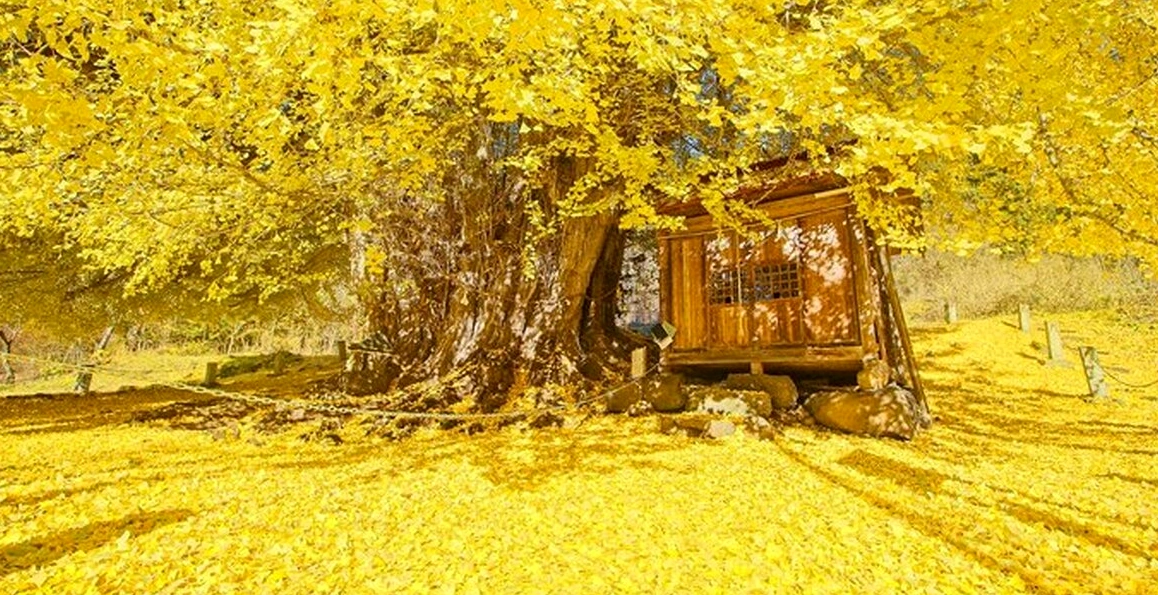
To savor every interplay of light and scenery, local specialists advise paying attention to two golden windows each day. Morning, from 7:30 AM to 9:30 AM, wraps the old village in delicate highland mist as early sunlight filters through ginkgo canopies, waking stone-and-earth homes and illuminating moss-grown steps. Conversely, 5:00 PM to 7:00 PM brings a quieter, more nostalgic light as sunset casts slanting golden rays across rammed-earth walls and stretches millennium-old tree shadows across the ground. Planning your day around these windows helps ensure you do not miss any aesthetic layer built up over centuries.
Regarding transport, reaching Tengchong Ginkgo Town calls for flexible coordination between modern transit and local connections. Travelers from afar can fly directly to Tengchong Airport or travel by rail to Baoshan Station, then take intercity coaches toward Tengchong county town. From Tengchong tourist bus station, continue by local bus or rural shuttle toward Gudong Town, then transfer to shared rides or local motorbike taxis straight into Jiangdong Village. For travelers who prefer independence and freedom to explore, self-driving via navigation straight to Ginkgo Village is a great choice—noting that management provides large parking lots outside the village to protect quiet ecology, while the heritage core strictly bars motor vehicles. Admission generally ranges from roughly 30 to 40 RMB per person, and booking tickets online in advance via e-service channels saves waiting time at checkpoints.
A well-paced exploration route shaped by the old village’s spatial layout helps optimize fieldwork and sightseeing. In the morning, start near the Tian family ancestral hall or Jiangdong Village’s main gate to enter the Golden Square and the ancient tree grove, where ginkgo density and trunk diameters are greatest. At midday, stop at a roadside family eatery to try ginkgo stewed with mountain chicken—a local specialty uniting traditional medicinal herbs with folk cooking craft. In the afternoon, head deeper into smaller hamlets like Chenjia and the upper stream area for elevated panoramic views across the golden valley. As dusk settles, return toward the center to enjoy evening cultural settings and join traditional bonfire gatherings with local ethnic communities.
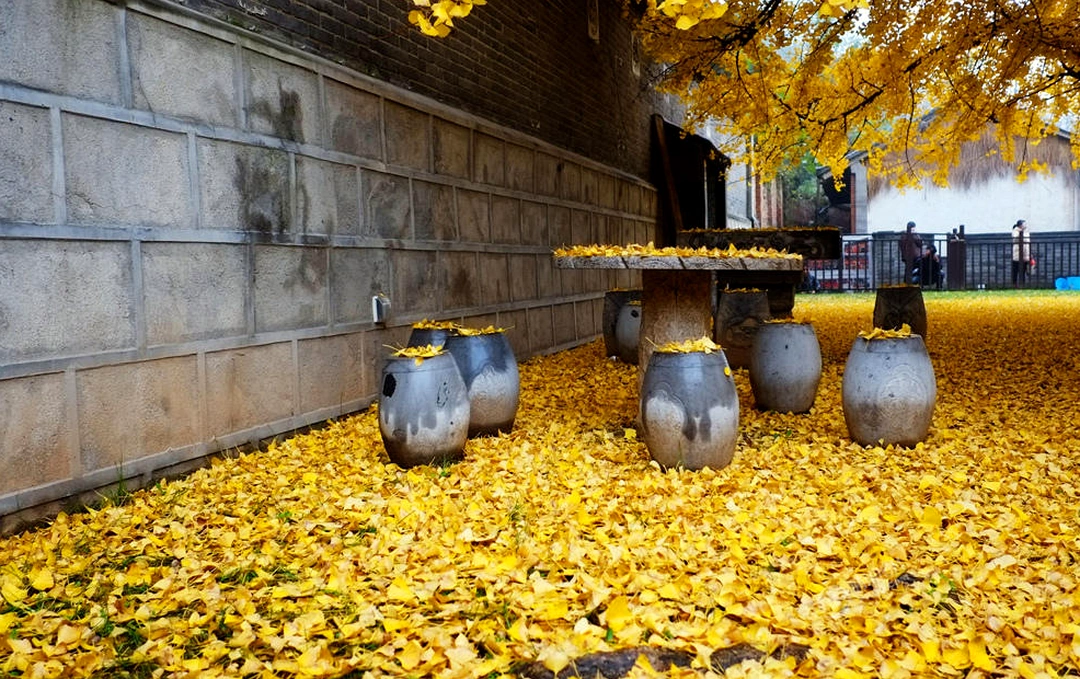
Even so, highland terrain and weather also call for careful preparation in practical gear and daily habits. In November, day-to-night temperature swings here are sharp—often exceeding 15 degrees Celsius—making a down jacket or thick windproof coat essential for early mornings and late nights. Meanwhile, bright daytime sun calls for skin protection such as sunglasses and sunscreen, alongside sturdy hiking shoes with strong grip for slick stone-paved lanes. Finally, while immersed in this natural heritage, every traveler should uphold key cultural etiquette: never carve into, climb, or harm ancient ginkgo trees, and show deep respect for local customs, beliefs, and residents’ living spaces. For thorough preparation for this trip, you can explore all-inclusive tour packages with thoughtfully designed itineraries crafted by leading cultural specialists.