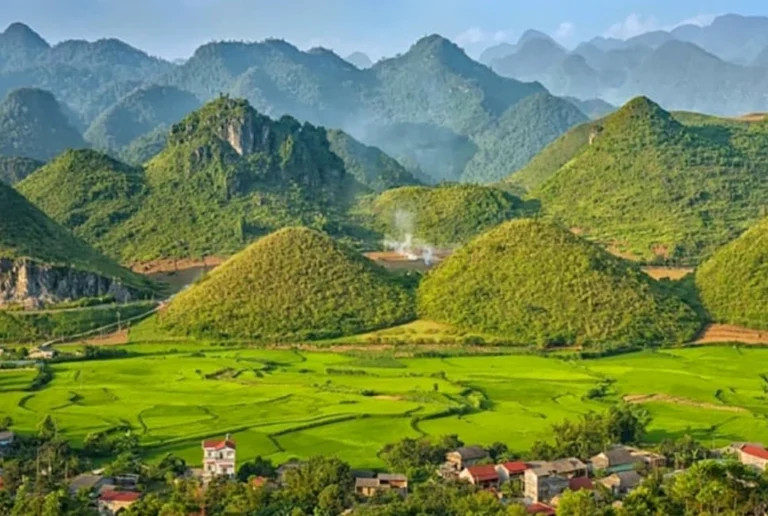
Perched precariously at an altitude of approximately 1,500 meters above sea level, Quan Ba Heaven Gate—located at coordinates 23°04’N and 105°00’E—emerges as a sacred landmark where drifting clouds, mountain winds, and the mortal world converge. Spanning a rugged mountain pass in Quan Ba District, Ha Giang Province, this site is far more than the single most vital transport artery opening the gateway to the majestic Dong Van Karst Plateau; it is also a scenic masterpiece steeped in deep geological, historical, and cultural significance at the northernmost frontier of Vietnam.
Viewed through the lens of traditional geomancy (feng shui), the mountainous terrain of Quan Ba possesses a rare topographic formation characterized by “mountains bowing and waters converging, backed by peaks and facing the stream, with the dragon flanking and the tiger crouching.” Standing guard at the rear is the mighty Black Tortoise formation—a sweeping wall of rugged karst peaks acting as a natural screen that blocks harsh northern miasmas while serving as the wellspring of vital terrestrial energy. Facing forward lies the Vermilion Bird formation overlooking the fertile Tam Son Valley, where the Mien River meanders gracefully to create a rare energy-gathering basin nestled amid the vast wilderness. Flanking the left and right, jagged limestone ridges interlock like the sturdy armrests of an imperial throne, cradling the natural wonder of Co Tien Twin Mountains—an enduring symbol of fertility, prosperity, and the harmonious balance of yin and yang between heaven and earth.
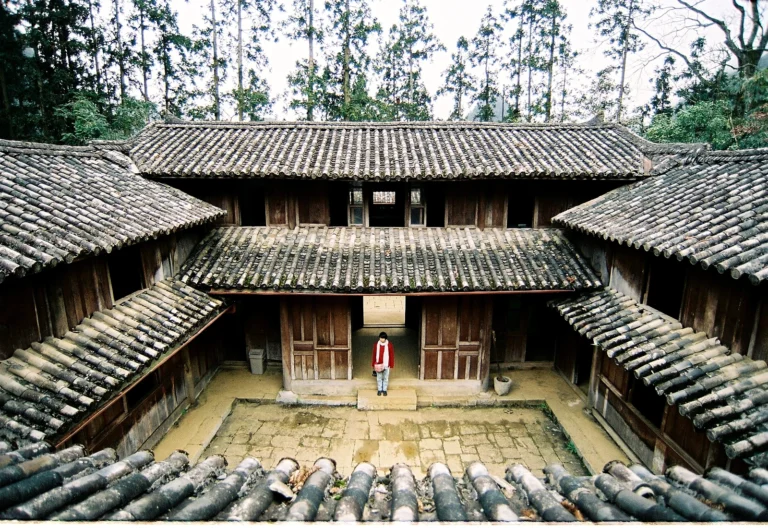
The formation and name of Quan Ba Heaven Gate are closely intertwined with generations of Vietnamese history dedicated to reclaiming land and defending the northern frontier. Since prehistoric and protohistoric times, this region has witnessed the migratory footsteps of ethnic minority communities, evidenced by scattered archaeological cultural layers. Under independent feudal dynasties such as the Ly, Tran, and Le, the area served as a crucial border bulwark administered by the central court through local chieftains and tribal leaders. In those days, Heaven Gate was not merely a treacherous trading trail, but a formidable natural stronghold separating the highland basin from the outside world.
Through the vicissitudes of time, this landmark has also been enriched by poignant folk legends, most notably the tale of Co Tien Twin Mountains, which tells of a fairy who left her breasts behind in the mortal realm to nourish the land and its people. The seamless fusion of unique geological scenery, millions of years of tectonic creation, and the vibrant indigenous culture of local ethnic communities has transformed Quan Ba Heaven Gate into an invaluable heritage site. Cultural researchers, historians, and the press continually acclaim it as an emblem of resilient vitality, untamed beauty, and the sacred spirit of Vietnam’s frontier mountains and rivers.
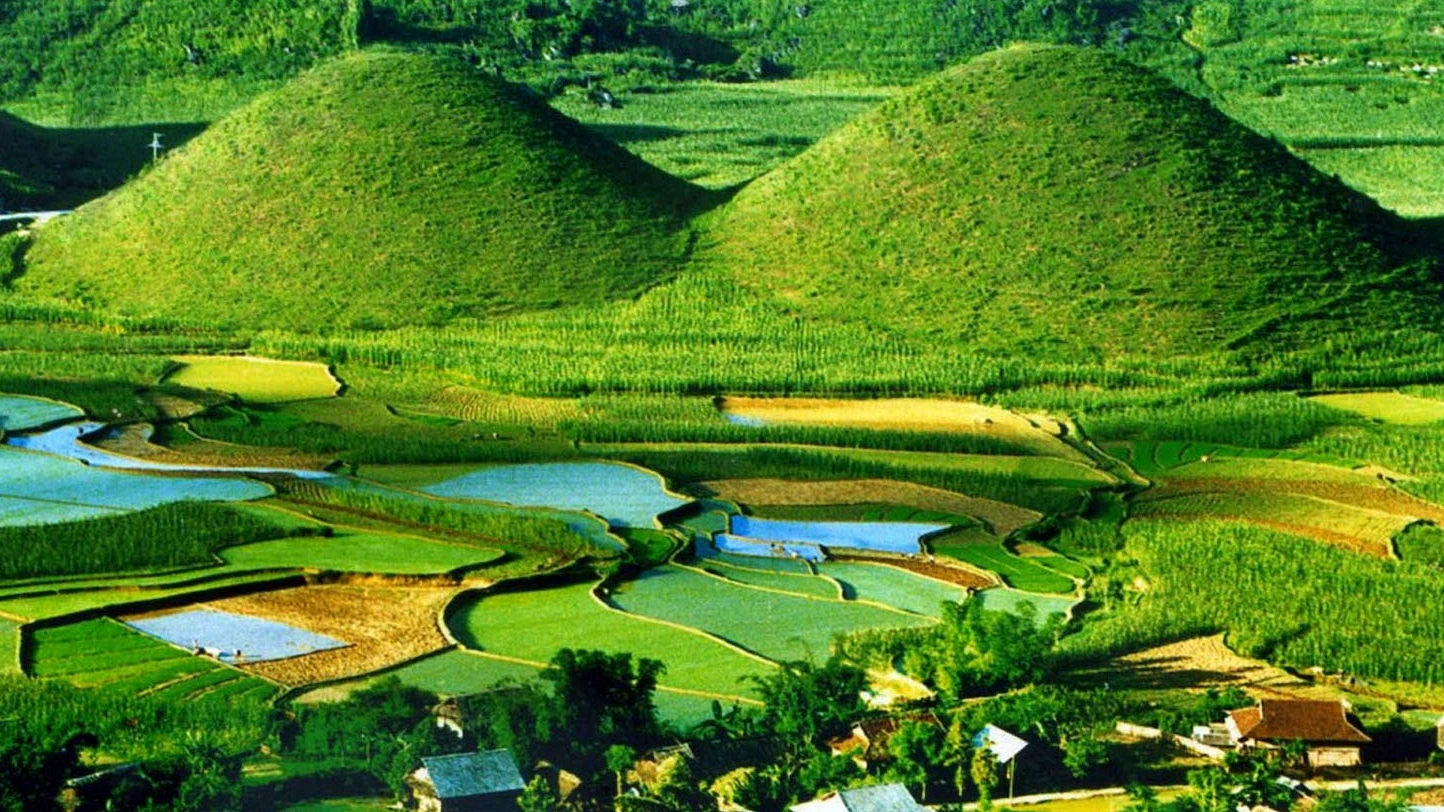
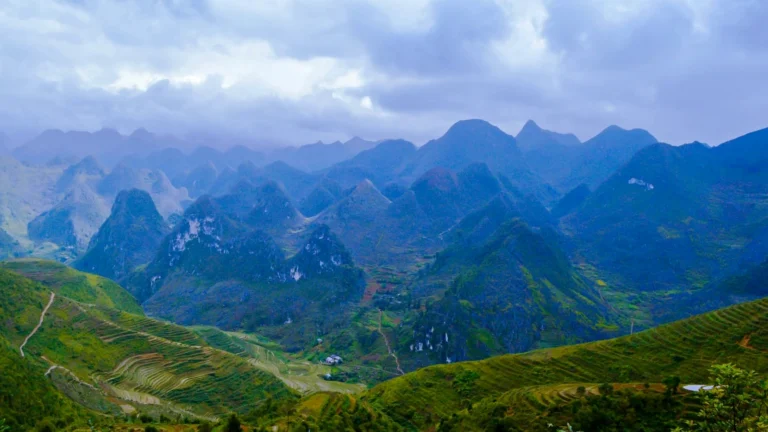
Sitting at an elevation of around 1,500 meters above sea level, Quan Ba Heaven Gate appears as an ethereal boundary between heaven and earth, swinging open the doors to the awe-inspiring expanse of the Dong Van Karst Plateau. From a landscape perspective, the site boasts an unrivaled natural architectural masterpiece sculpted by nature over millions of years of geological evolution. Jagged, razor-sharp limestone peaks rise one after another in powerful succession, forming a stalwart rampart that embraces the sky and earth of the borderlands. Gazing out from the summit of the pass, the scenery unfolds into boundless spatial depth with plunging abysses and winding mountain roads draped like soft silk ribbons across the slopes, standing in dramatic contrast to the rugged, imposing grandeur of the surrounding rock formations.
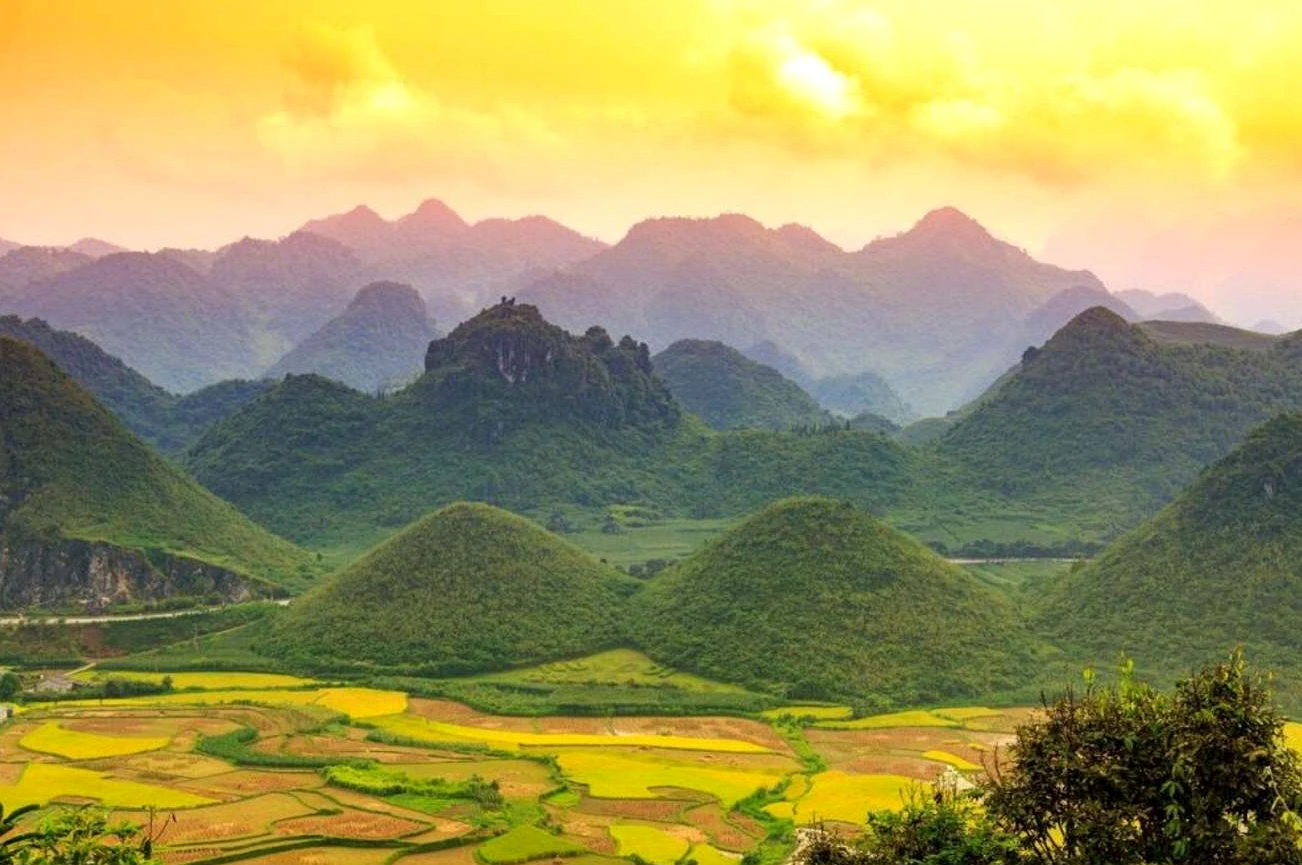
The crowning highlight that captivates every traveler setting foot at Heaven Gate is the sweeping panorama of Tam Son Valley unfolding right before their eyes. Dominating the scene is the natural marvel of Co Tien Twin Mountains—two remarkably symmetrical, rounded peaks standing proudly amidst a lush green valley carpeted with vegetation and cascading terraced rice fields. This extraordinary landform not only carries profound symbolic meaning of fertility and auspicious energy in feng shui tradition, but also composes a visually flawless tableau. The subtle interplay between the emerald greens of mountain forests, the shimmering gold of seasonal ripe rice, and the billowy white of drifting seas of clouds creates a living, breathtaking natural canvas that transforms its appearance with every passing hour of the day.
To capture this magnificence in full, professional photographers and travel journalists often share two classic, ideally positioned vantage points. The first check-in spot sits right on the highest viewing terrace of the rest stop area, where a wide-angle lens can frame the entire Tam Son Valley with Co Tien Twin Mountains centered squarely in the shot, evoking the sensation of holding the entire mountain realm in your embrace. The second spot lies on a jutting rocky outcrop on the northeastern side of the pass summit—the ultimate angle for photographing treacherous hairpin bends snaking along sheer cliffs, accentuating the wild, dramatic, yet breathtaking beauty of northern highland roads.
When it comes to lighting, sunrise between 5:00 AM and 6:30 AM is widely regarded as the most magical window at Quan Ba Heaven Gate. During these early hours, pale golden rays pierce through thick blankets of mist, creating a dazzling optical spectacle of rosy cloud ribbons draped across the peaks while bathing the valley below in pure, otherworldly light. Conversely, dusk brings a more contemplative, majestic palette as the setting sun dyes a corner of the frontier sky crimson, throwing the sharp silhouettes of overlapping mountain ranges into bold relief. Experiencing the atmosphere here is guaranteed to leave an indelible impression on anyone who loves nature and is passionate about exploring Vietnam’s heritage.
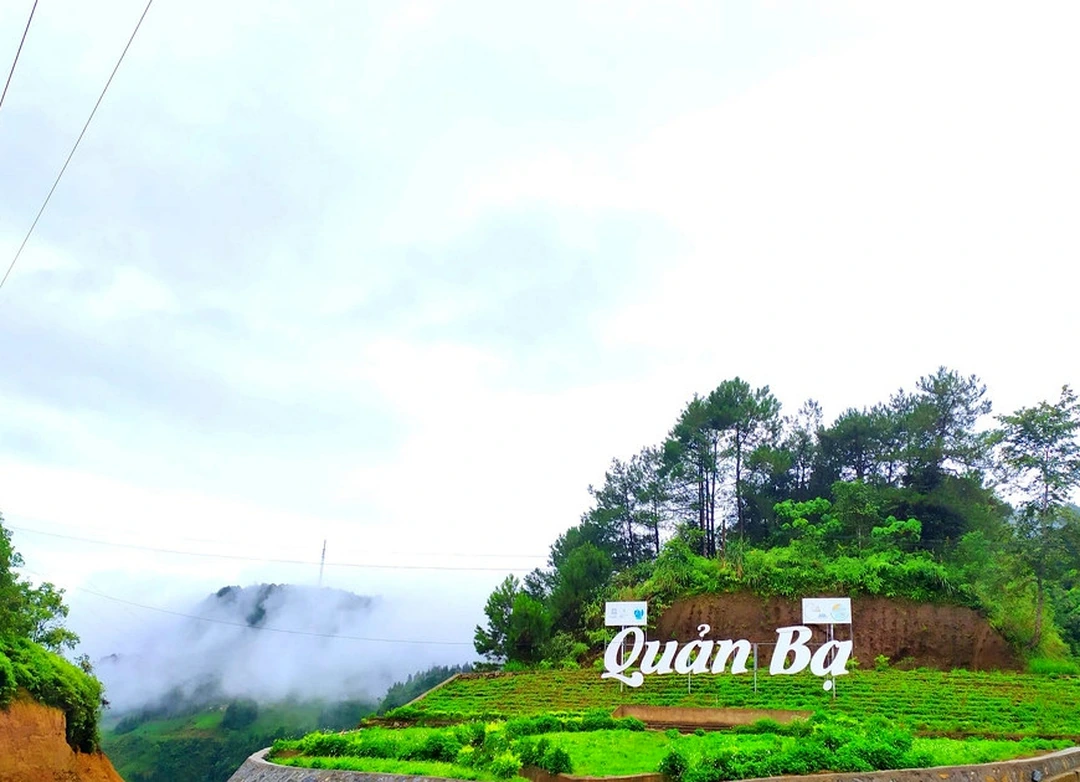
After conquering the hair-raising switchbacks and reaching the summit of Quan Ba Heaven Gate at 1,500 meters, every traveler is bound to gasp in wonder before a floating world of white clouds. An overwhelming sense of awe fills the mind as you gaze out into the distance, breathing in the picturesque mountain-and-water panorama of the Dong Van Karst Plateau. Looking down from here, Tam Son Valley stretches out like a giant emerald carpet, anchored by Co Tien Twin Mountains standing serenely between earth and sky in full, graceful symmetry. Wisps of fog drift lazily through rocky crevices while morning sunlight filters through thin layers of cloud to cast ethereal shafts of light, making the scenery resemble a sublime realm on earth that brings a remarkably deep sense of stillness and peace to the traveler’s soul.
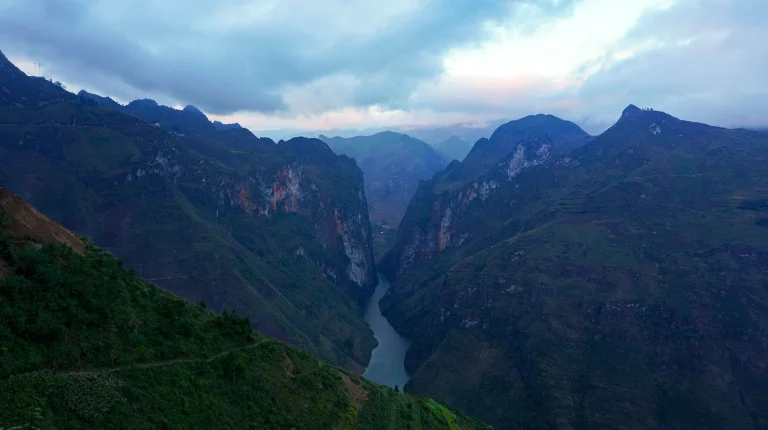
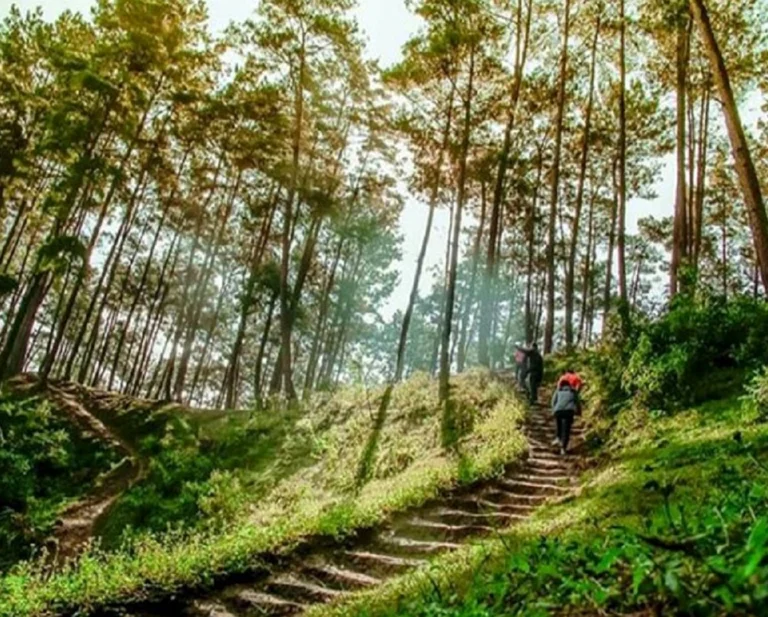
Beyond admiring the vistas from above, exploring Quan Ba Heaven Gate unlocks a wealth of immersive experiences rich in indigenous cultural identity. Visitors can embark on gentle treks along winding limestone trails to blend into the untamed wilderness, breathing in crisp mountain air and listening to highland winds whispering through ancient pine groves. Descending into the valley below, a boat ride along the tranquil Mien River offers an entirely fresh perspective, where mirror-calm waters reflect the drifting clouds and towering mountain ranges lining both banks. Additionally, visiting sacred spiritual sites woven into the traditional beliefs of local ethnic minority communities allows travelers to gain deeper insight into the historical depth and enduring bond between humanity and nature at the nation’s northern rampart.
Your journey through Quan Ba would not be complete without pausing to savor the renowned culinary specialties of the highlands. Amid the brisk chill of the windswept pass, enjoying a steaming bowl of thang co rich with aromatic black cardamom, nibbling on smoky, wood-cured buffalo or pork jerky, or savoring the sweet, nutty flavor of buckwheat cakes (banh tam giac mach) makes for an unforgettable gastronomic experience. Every dish carries the breath of the mountains and forests, distilled from nature’s bounty and the diligent craftsmanship of the H’Mong, Dao, and Tay peoples. Departing from here, travelers take home not only spectacular photographs of clouds and karst peaks, but also the warmth of highland hospitality and the lingering flavor of a living heritage land.
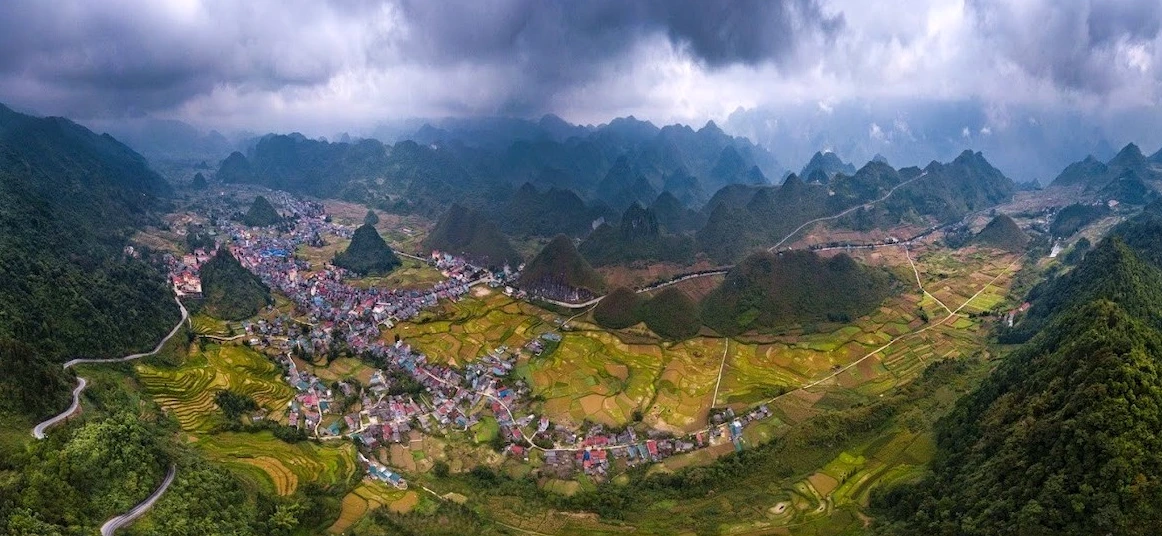
Welcoming visitors year-round, Quan Ba Heaven Gate (Ha Giang Province) firmly maintains its status as an unmissable, legendary stopover along the route to conquer the Dong Van Karst Plateau. To ensure your journey exploring this “sacred gateway” is seamless and safe, the pocket guide below provides the most accurate and up-to-date practical information.
Regarding opening hours, the Quan Ba Heaven Gate scenic area is open freely to visitors 24/7 every day of the week. However, the best times of day to visit are from 6:00 AM to 9:30 AM in the morning, or from 3:30 PM to 5:30 PM in the afternoon. These are the golden windows for cloud hunting, taking in unobstructed views of Tam Son Valley, and admiring the ethereal beauty of Co Tien Twin Mountains bathed in brilliant sunrise or sunset light.
Great news for travelers is that admission to the scenic viewpoints at Quan Ba Heaven Gate is currently completely free of charge. You only need to cover personal incidental expenses, such as motorbike or car parking fees at the cafes and restaurants around the pass (typically ranging from 5,000 to 10,000 VND per vehicle) if you stop to enjoy a unique cup of coffee above the clouds.
For transportation and the optimal travel route, departing from Ha Giang City center, you will follow National Highway 4C toward Quan Ba District for approximately 46 kilometers. This stretch is famous for its thrilling yet breathtaking hairpin turns, most notably Bac Sum Slope. You can opt to ride a motorbike (ideal for adventure riders, using a well-maintained semi-automatic or manual bike) or hire a private car/take a Ha Giang – Dong Van sleeper bus or shuttle to ensure safety if you are unaccustomed to steep, winding mountain passes.
Due to the 1,500-meter karst mountain terrain, the weather here is often chilly and foggy in the early morning or late afternoon. Visitors should pack neat, modest, yet warm clothing, prioritizing athletic shoes with good grip for climbing the stairs up to higher viewing platforms. In particular, when visiting culturally or spiritually significant areas or surrounding ethnic minority villages, please dress respectfully, honor local customs and traditions, and remember to keep the area clean to preserve the pristine natural landscape of this heritage site.
To enjoy a seamless getaway and take in the full splendor of Quan Ba Heaven Gate without worrying about arranging transportation, booking tickets, or planning itineraries, travelers can choose VDS Travel’s premium all-inclusive Ha Giang tour packages. Every itinerary is thoughtfully timed for check-ins when the scenery is at its most dazzling, accompanied by knowledgeable local guides well-versed in regional culture alongside top-tier hotel and dining standards.