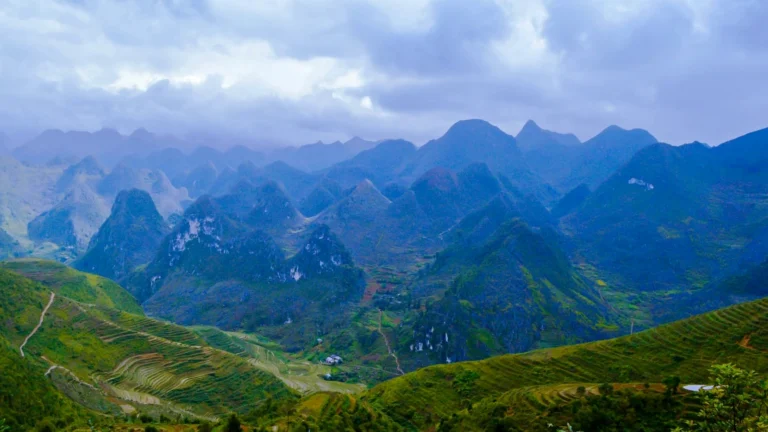
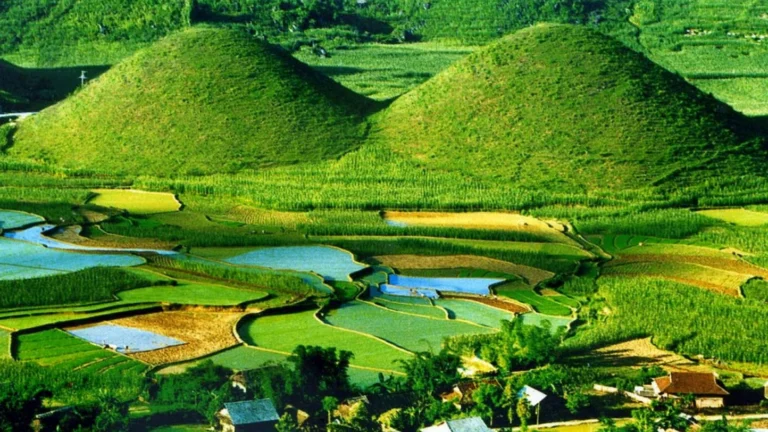
Located at coordinates 23°12’50″N 105°18’30″E, Tu San Canyon is far more than a geological marvel—it is a natural “cathedral” sculpted by monumental tectonic shifts in the Earth’s crust since the Quaternary Period. Roughly two million years ago, when the Dong Van Karst Plateau was still an ancient seabed, cycles of tectonic uplift and subsidence combined with the relentless erosion of the Nho Que River sliced straight through massive limestone formations, carving out a bottomless gorge with cliff walls towering nearly 1,000 meters high. This site serves as a priceless “chronicle in stone,” preserving marine fossils dating back 250 million years as living proof of a land that once lay deep beneath the ocean floor before rising to become the northernmost frontier of the nation.
In the spiritual consciousness of the indigenous Hmong, Lo Lo, and Giay communities, Tu San Canyon holds profound sacred meaning. In the local dialect, the name “Tu San” is deeply intertwined with legends surrounding the birth of the Nho Que River—an emerald-green silk ribbon revered as the “dragon vein” of the rocky plateau. Ancestral lore tells that this river is a manifestation of divine spirits, flowing through Heaven’s Gate to bring life and fertility to villages perched precariously along the cliffs. During early spring rituals honoring mountain and river deities, local people always turn toward the canyon in gratitude to the creator, where the sacred energy of heaven and earth converges to shelter the community through harsh dry seasons.
From the perspective of feng shui and geography, Tu San is a textbook embodiment of the “mountain-backed, water-facing” (toa son huong thuy) terrain—a topographical alignment regarded in traditional geomancy as the pinnacle of auspiciousness. Sheer cliffs rise like natural fortress walls to form a protective “Dragon Flanking” embrace, while the Nho Que River winds along the base to create a “Water Gathering” basin. The interplay between the stillness of stone and the fluidity of water generates a remarkable energy field, where “water”—symbolizing prosperity and vitality—is safeguarded by “mountain,” the emblem of stability and permanence. This extraordinary topography has transformed Tu San into a spiritual anchor, a testament to nature’s raw power where every visitor feels humbled by humanity’s smallness against the vastness of time.
Since the Dong Van Karst Plateau was officially recognized as a UNESCO Global Geopark in 2010, Tu San Canyon has entered the ranks of international heritage sites under strict cultural and geological conservation regulations. Domestic scholars and press unanimously acclaim it as Vietnam’s “foremost majestic landscape.” Preserving this sanctuary goes beyond safeguarding its scenery; it means protecting an authentic cultural realm where geological history intertwines seamlessly with folk beliefs. Every cliff face and every bend of the Nho Que River at Tu San represents a chapter in Vietnam’s travel heritage, beckoning kindred spirits to pay homage, reflect, and cherish the natural legacy bestowed upon Ha Giang.
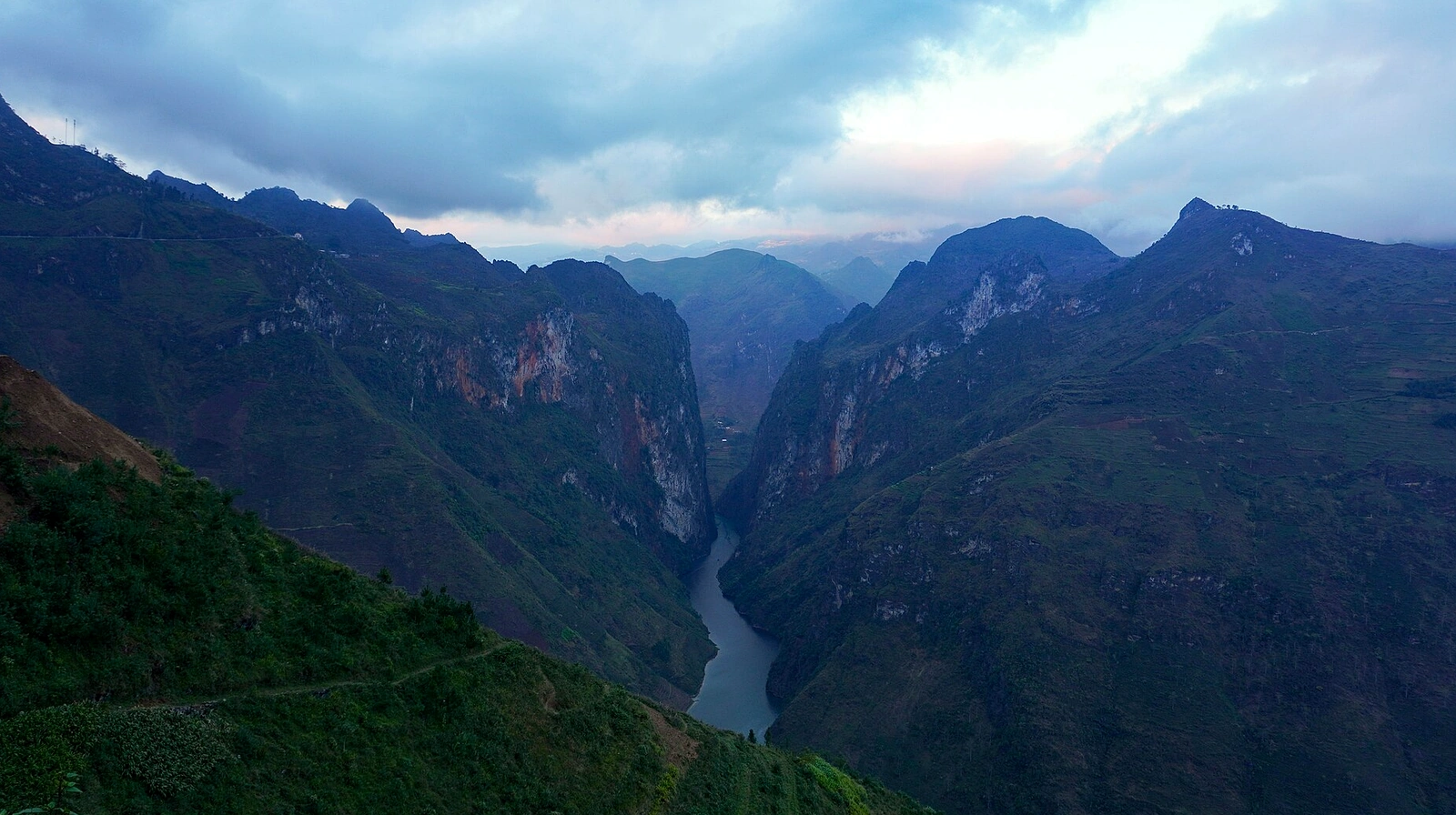
Tu San Canyon is not merely a geological wonder, but an architectural masterpiece molded by nature over millions of years, where every cliff face takes on the form of a monumental sculpture. Stepping into this landscape, travelers are left breathless by sheer limestone walls soaring toward the blue sky, forming a dizzyingly deep gorge whose cliffs reach nearly 1,000 meters in places. The striking contrast between the cool, solemn gray of ancient limestone and the crystal-clear emerald green of the Nho Que River winding below creates a vivid, mesmerizing ink-wash painting. Natural rock striations and tectonic fracture lines form intricate patterns, resembling the meticulous carvings of an unseen master artisan and reminding anyone standing before them of how fleeting human life is beside the permanence of time.
The architecture of Tu San Canyon is a harmonious union of its “mountain-backed, water-facing” setting and the ceaseless motion of flowing water. After surging through fierce rapids upstream, the Nho Que River grows gentle and serene as it glides through the gorge, resembling a soft silk ribbon draped across the heart of the mountains. Rather than diminishing its grandeur, this tranquility heightens the awe-inspiring presence of the vertical cliffs standing like impenetrable fortress walls. As sunlight filters into the canyon depths, it paints ethereal bands of color—at times radiant gold, at others mysterious and brooding in the shadow of the rock faces—creating an evocative artistic sanctuary for lovers of beauty.
To capture “million-view” photographs of this masterpiece, professional photographers typically favor two iconic vantage points. The first is from high above, at observation points lining the Ma Pi Leng Pass. From here, the entire canyon unfolds like a deep gash carved into the heart of the karst plateau, with the Nho Que River reduced to a slender emerald thread winding between two colossal walls of stone. The ideal time to shoot here is at sunrise, when the first rays of light pierce through the mountain peaks and illuminate the canyon floor, igniting the river’s jade-green hue in sharp contrast against the slate-gray limestone. The light at this hour is remarkably soft, bringing out crisp textures and rich depth across the cliff faces.
The second vantage point offers an immersive perspective right on the river, near the boat pier. This angle captures the overwhelming sensation of gazing upward from the canyon floor, where towering cliffs seem to brush the sky and envelop visitors in a hush of quiet authority. Sunset brings the most enchanting light; as the sun dips behind the peaks, the gorge sinks into twilight, leaving only the final streaks of daylight grazing the upper cliffs in a poetic interplay between earth and sky. Using a wide-angle lens here encompasses the sheer scale of the space while emphasizing human insignificance before nature. From any perspective, Tu San Canyon remains an endless wellspring of inspiration—a natural architectural “museum” everyone should witness at least once to appreciate the miracle of creation.
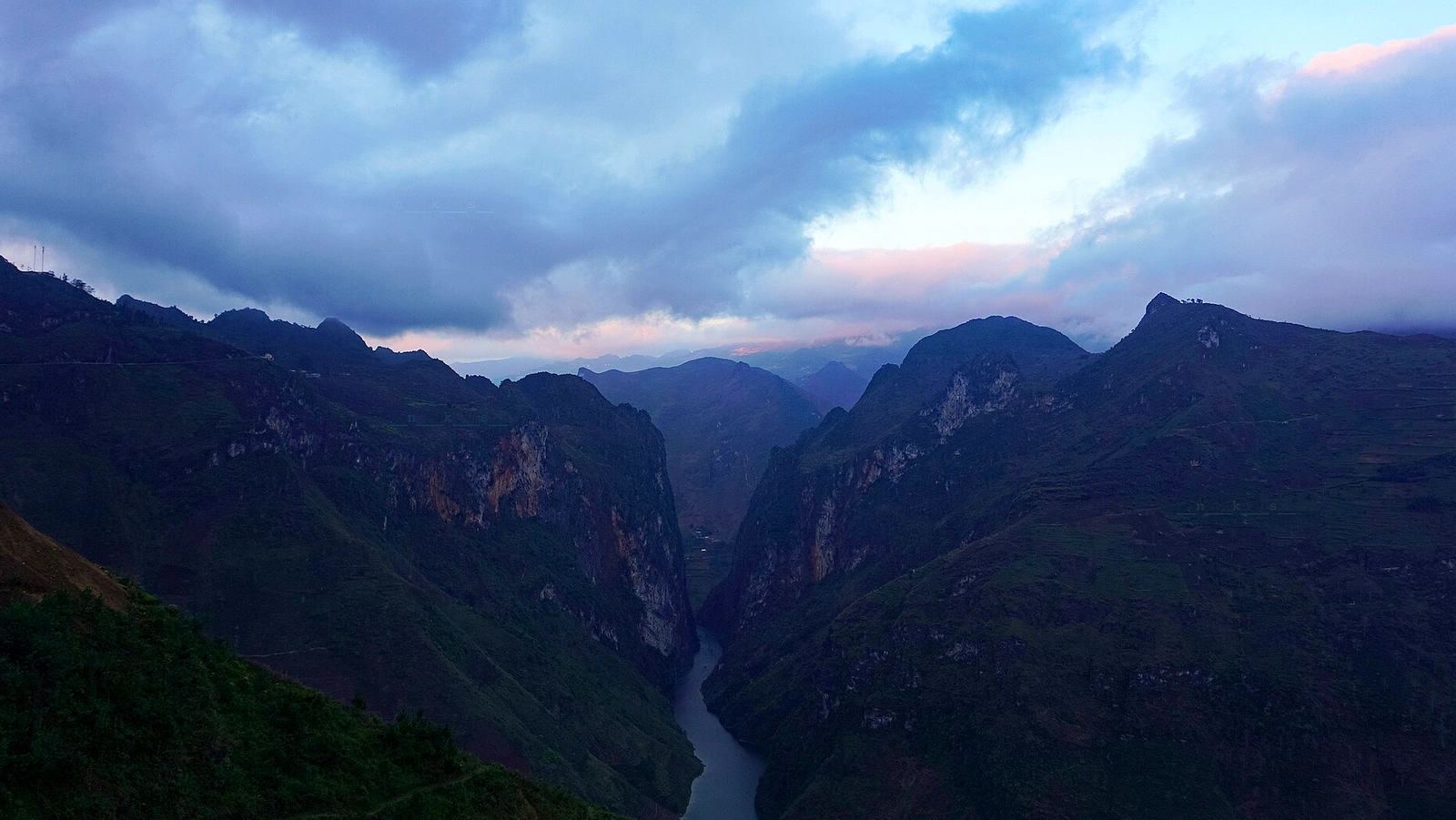
As your wooden boat parts the waves, leaving behind the gentle current of the Nho Que River to venture deep into Tu San Canyon, the immediate sensation is one of breathless awe. On either side, vertical cliffs rise hundreds of meters like colossal ramparts built by nature, blotting out the sky save for a narrow ribbon of vivid blue tracing the water below. Down in these shadowy depths, the noise of the modern world seems to vanish completely, leaving only the soft lap of water against the hull and the whisper of wind whistling through ancient crevices. Visitors feel an unmistakable sense of their own smallness before nature’s grandeur—a psychological shift that naturally inspires stillness, reverence, and humility.
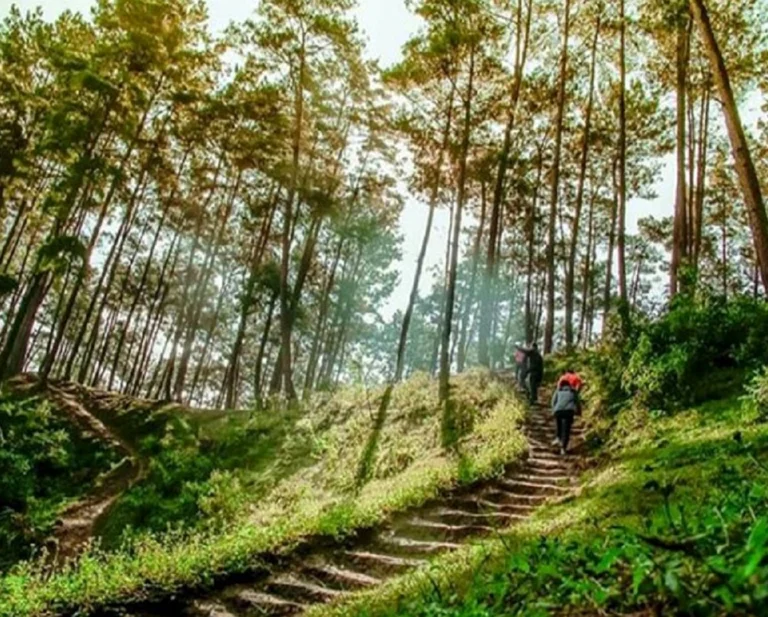
Experiencing Tu San firsthand goes far beyond sightseeing; it is a journey into the living pulse of local culture. After disembarking, travelers can follow mountainside trekking trails up to panoramic viewpoints overlooking the gorge. From above, the entire canyon stretches out like a jade silk ribbon weaving through the rugged gray karst plateau. Here, visitors may also witness the mystical spiritual rituals of the Hmong people. During local festivals, the haunting resonance of the Hmong khene (bamboo mouth organ) echoing off the canyon walls is far more than music—it is a dialogue between humanity and the spirits, a prayer for peace and favorable weather. Seeing indigenous villagers dressed in vibrant traditional attire, devoutly offering gifts along the banks of the Nho Que River, delivers a vivid, deeply moving cultural encounter that no film could ever fully capture.
After hours of invigorating exploration, the journey becomes even more rewarding with a stop at nearby Lo Lo or Giay villages nestled close to the canyon. Here, cuisine is not merely about dining, but about connecting with the land. Travelers are welcomed with steaming bowls of thang co (traditional highland stew), smoky kitchen-hung black pork infused with mountain spices, and fragrant cups of leaf-fermented corn wine inside the cozy warmth of rammed-earth houses. Every dish carries a story of survival and of how local communities have lived in harmony with a harsh environment to forge a truly singular culture. The sincere hospitality of the locals, paired with authentic highland flavors, leaves an unforgettable impression on every traveler.
Standing at this crossroads of “mountain” and “water,” where millions of years of geological history meet vibrant contemporary culture, visitors feel their spirits cleansed. Initial astonishment gradually settles into quiet contemplation and a profound bond with the land. Tu San Canyon is not merely a photo stop—it is a sanctuary for reflection, where travelers discover inner serenity and a deep appreciation for the natural heritage gifted to humanity. It is a journey undertaken not just on foot, but with an open heart and genuine cultural empathy.
To ensure a fulfilling exploration of Tu San Canyon while honoring its heritage value, travelers should keep practical logistics and travel guidelines in mind. Unlike museums, Tu San Canyon has no fixed opening or closing hours; however, waterway boat services generally operate from sunrise until sunset, roughly between 07:00 and 17:30 daily. Visiting during these hours ensures safe navigation along the Nho Que River while taking full advantage of natural daylight to admire the towering sheer cliffs in all their glory.
Regarding costs, visiting the elevated viewpoints overlooking Tu San Canyon currently requires no direct entrance fee. However, to experience the canyon floor up close, visitors must book boat or motorboat transfers operated by licensed local transport providers. Ticket prices are publicly posted at piers such as Ta Lang Pier or the Nho Que River Pier and vary depending on the vessel type and route. Travelers are advised to check directly with pier management or reputable tour operators for the most accurate rates at the time of their trip.
The best route from Ha Giang city center follows National Highway 4C, winding through the dramatic mountain passes of the Dong Van Karst Plateau toward Ma Pi Leng Pass. Along this legendary road, travelers can pause at scenic overlooks to take in panoramic views of the gorge from above before descending to the boat pier. Motorbikes remain the most popular and flexible mode of transport, allowing easy stops at viewpoints, though riders must have solid handling skills and mountain-pass experience. Those traveling by car should opt for high-clearance vehicles to safely navigate the rocky mountain terrain.
The ideal seasons to visit Tu San Canyon are autumn and early winter, when dry weather prevails, the Nho Que River glows in its signature emerald green, and the air is crisp and refreshing. This is also when local cultural festivities are at their liveliest, offering richer spiritual and cultural immersion. For attire, given the sharp limestone terrain and the sacred nature of this heritage region, visitors should wear modest, respectful clothing made from breathable, durable fabrics. Sturdy athletic shoes with reliable grip are essential for safely navigating steep, rocky trails. Always practice responsible tourism—leave no litter behind and respect the sacred spaces of the Hmong and Lo Lo communities living here—to help preserve the pristine beauty of this natural wonder for generations to come.
To enjoy a seamless getaway and take in the full splendor of Tu San Canyon without worrying about transportation, ticket bookings, or itinerary planning, travelers can choose from VDS Travel’s premium all-inclusive Ha Giang tours. Every itinerary is thoughtfully timed to capture the scenery at its most radiant, accompanied by knowledgeable local guides and top-tier hotel and dining standards.