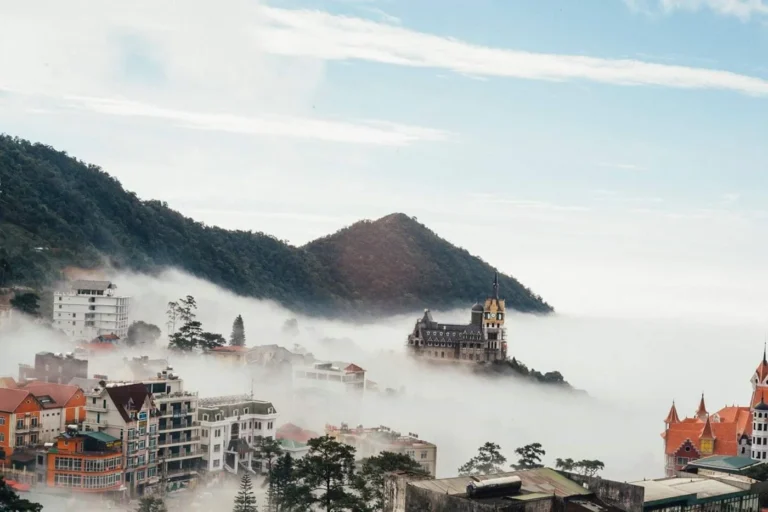
Nestled deep within the legendary Muong Hoa Valley in Hoang Lien Commune, Sa Pa Town, Lao Cai Province, Cat Cat Village emerges as a masterpiece of harmony between majestic nature and the persistent pioneering spirit of its people. Located only about two kilometers from the town center, this village boasts a premier geographical setting—close enough for travelers to easily reach via a leisurely stroll or a breezy ride through the morning mist, yet secluded enough to embrace the profound tranquility of the Hoang Lien Son mountains. Its terrain bears the distinct hallmark of traditional highland feng shui: backed by overlapping mountain ranges for shelter, with the Sa Pa stream murmuring day and night toward the valley in front, creating a rare convergence of water and good fortune where sacred energy gathers and sustains the Black H’Mong community across centuries.
Looking back through the corridors of time, the formation of Cat Cat Village is closely tied to the geopolitical and cultural shifts of the early 20th century. The name “Cat Cat” did not originate from a purely indigenous dialect, but rather stands as a relic of cultural exchange when the French first set foot on the Sa Pa plateau. Recognizing the valley’s refreshing temperate climate and unrivaled, breathtaking scenery, French colonial officials chose this spot as an ideal retreat and named the magnificent waterfall at the heart of the village “Cat Cat” based on French phonetic transcription. Over the ebbs and flows of time, local residents adapted the pronunciation into “Cát Cát”—a name that carries both a modern resonance and a nostalgic charm, having since become one of the most celebrated heritage tourism brands in Northwest Vietnam.
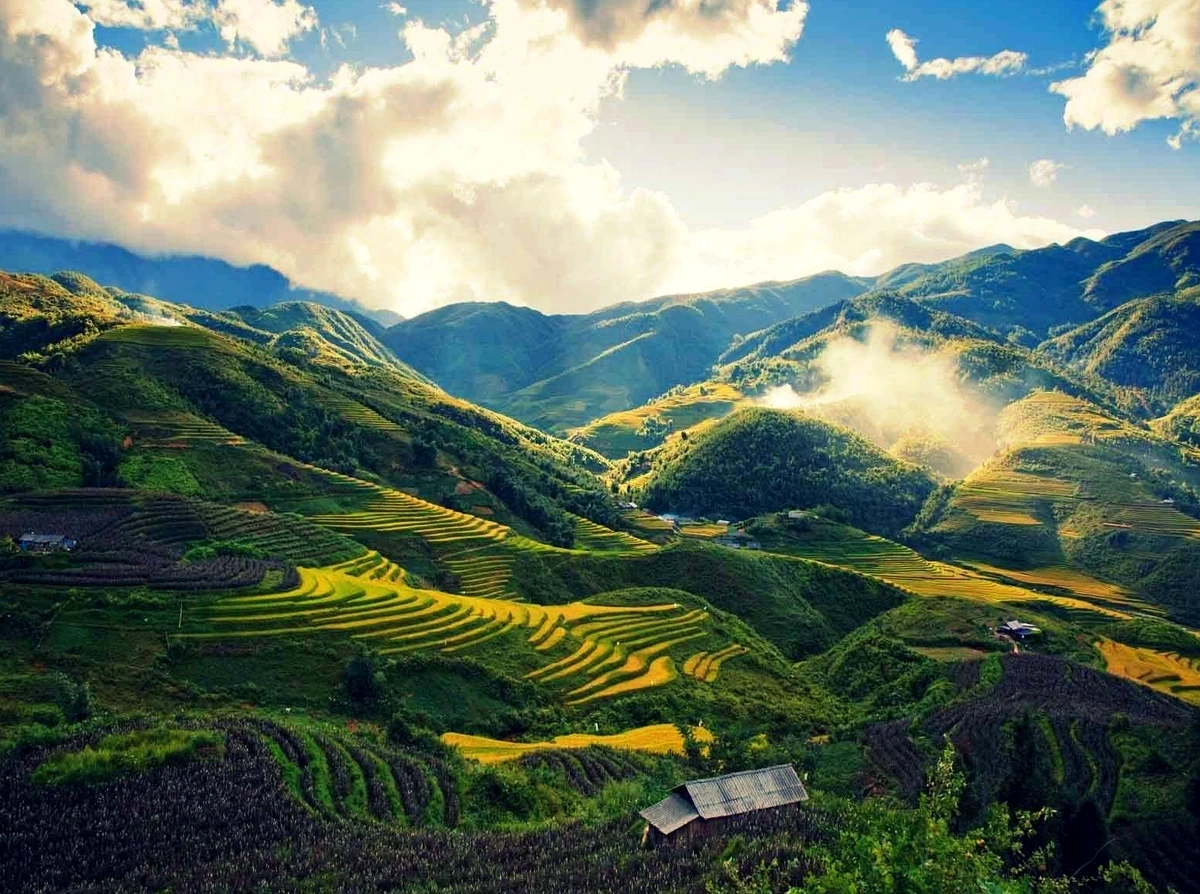
More than just a name steeped in history, Cat Cat Village is a vibrant living cultural space of the Black H’Mong—true artisans of the mountains and forests. Local legends and collective memory still pass down stories of the diligence, skillful hands, and remarkable ingenuity of their ancestors in taming the wild terrain. They transformed steep mountain slopes into golden terraced rice fields, curving like soft silk ribbons draped across the sky. Both tangible and intangible heritage values are preserved intact through exquisite traditional handicrafts: from cultivating flax and weaving fabrics to create vibrantly colored brocades, to masterful silver carving and forging sharp agricultural tools to support daily farming life.
From the perspective of tourism authorities, cultural researchers, and travel journalists, Cat Cat Village is positioned as an open-air “living museum” preserving the authentic values of ethnic minority traditional architecture. The three-compartment rammed-earth houses roofed with durable Po Mu wood shingles—featuring a sturdy “three-compartment, two-lean-to” structure built to withstand wind and frost—stand as a testament to the H’Mong philosophy of living in harmony with and relying upon nature. The seamless blend of an exclusive location, deep cultural history, and grand feng shui landscape has turned Cat Cat into an irreplaceable destination on Vietnam’s heritage tourism map, where every inch of earth and every ripple of the stream whispers enduring tales of time and identity.
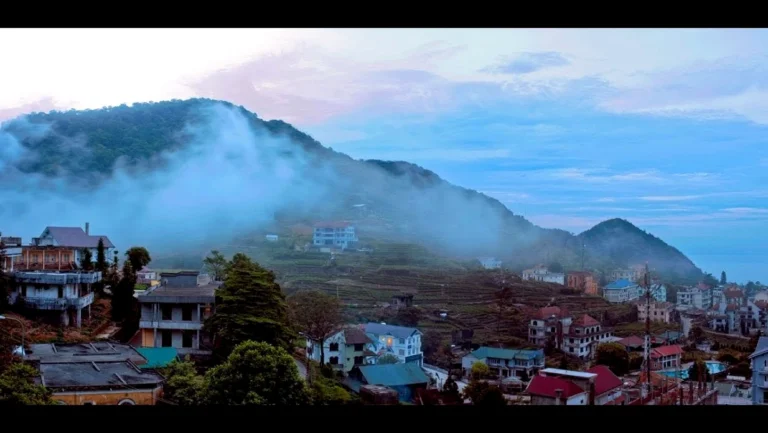
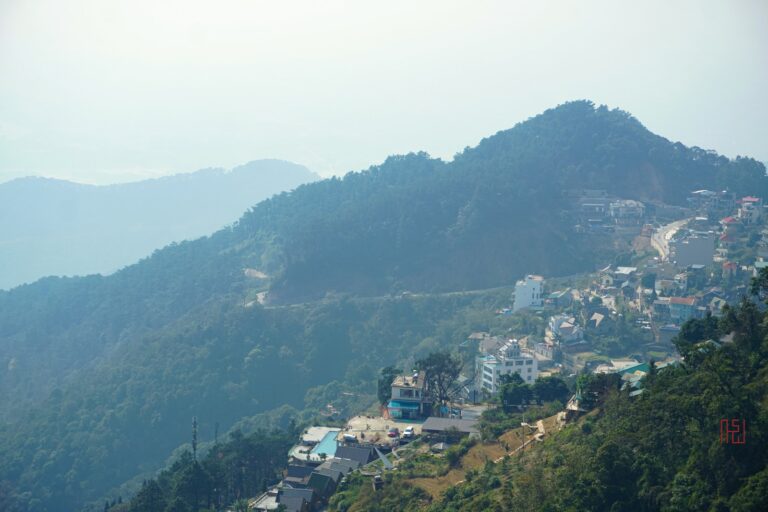
Tucked deep inside the mystical Muong Hoa Valley, Cat Cat Village unfolds like an enchanting ink-wash painting skillfully woven by nature and human hands. From the very first steps onto the winding stone path hugging the mountainside, visitors are immediately captivated by the unique topography of this fairytale village. Sitting entirely within a natural basin surrounded by the towering peaks of the majestic Hoang Lien Son range, it forms an isolated, peaceful, yet equally spectacular sanctuary where mountain clouds and highland breezes linger around the rooftops year-round.
Strolling along the winding slopes, the distinctive traditional architecture of the Black H’Mong people comes clearly into view through rustic, three-compartment, two-lean-to rammed-earth houses. The thick, painstakingly compacted earthen walls not only provide complete insulation against the biting cold of the highland winter, but also keep the interiors cool during summer. The defining feature behind the longevity and resilience of these homes is their roofing made from rare Po Mu timber, which over the years has weathered into an antique moss-covered hue, blending seamlessly with the endless greenery of the Northwest mountains. Every house embodies meticulous craftsmanship, ingenuity, and the indigenous philosophy of living in harmony with nature.
The centerpiece of Cat Cat Village’s scenic masterpiece is Cat Cat Waterfall, also known as Tien Sa (Fairy) Waterfall, thundering down day and night. Water cascades from above in clouds of white foam, mingling with the babbling stream and the rhythmic clacking of water-powered rice mortars to compose a lively mountain symphony. Right beside the waterfall stands the unmistakable emblem of the village: giant bamboo waterwheels turning tirelessly with the current. Nearby, rustic wooden bridges span the stream, creating a poetic, romantic scene straight out of a historical period film.
To capture million-view moments here, seasoned photographers and travel vloggers frequently recommend visiting the three most iconic photo spots. First is the elevated viewpoint overlooking the panoramic Muong Hoa Valley, where terraced fields wind around the hillsides like lush green silk ribbons during the water-pouring season or shimmering gold in September and October. Second is the wooden suspension bridge in front of Tien Sa Waterfall, where you can frame the full grandeur of the cascade and the giant waterwheels behind it. Third is the pathway lined with traditional laterite stone fences overflowing with wildflowers.
As for the best lighting of the day, early morning from 7:00 AM to 9:00 AM is hailed by travel media as the ultimate “golden hour.” During this window, the first rays of morning sunlight pierce through the thin mist still clinging to the mountaintops, illuminating the stream and rammed-earth rooftops in a soft, magical, and remarkably crystal-clear golden glow. Meanwhile, sunset—when twilight bathes the terraced hillsides in amber—brings a contemplative, tranquil, and deeply nostalgic atmosphere that makes anyone who visits reluctant to leave.
Stepping into Cat Cat Village, travelers do not merely visit a tourist attraction; they embark on a journey to touch the very breath of the deep forest. The first and most unforgettable experience is walking along the winding stone-paved pathways. As stone steps lead you deep down into the valley floor, the world seems completely cut off from urban noise. The murmur of the stream blends with the wind rustling through bamboo groves, creating an enchanting mountain harmony. The deeper you venture, the greater the awe as ancient rammed-earth houses appear amidst lush forest greenery, where giant waterwheels spin endlessly, carrying forward the flow of time of the Black H’Mong people.
For adventurous souls, light trekking along the hillsides offers the chance to take in the entire panorama of Muong Hoa Valley. Looking down from above, the terraced rice fields resemble golden silk ribbons draped mid-sky, as breathtaking as a living natural masterpiece. Beyond the scenery, visitors can immerse themselves in local life through distinctive cultural activities. You can witness firsthand the dexterous hands of H’Mong women meticulously dyeing fabrics with indigo, weaving linen, or engraving intricate silverwork. Do not hesitate to dress in vibrant traditional attire to feel a deep connection with local heritage through every stitch and embroidery thread.
After hours of exploration, the culinary journey in Cat Cat serves as the final piece to awaken all your senses. Nothing beats stopping at a small roadside eatery to savor renowned local specialties such as richly smoked buffalo meat, steaming hot Thang Co (traditional highland stew), or fragrant grilled stream fish served with fresh wild forest greens. The natural sweetness of the meat and the fiery kick of mountain spices paired with a warm cup of corn wine will delight any palate. In this setting, a quiet stillness settles over the mind as you sit on a wooden porch, sip hot tea, watch clouds drift lazily past Fansipan Peak, and listen to locals recount legends of the village.
The sense of wonder comes not only from the majestic beauty of Tien Sa Waterfall or the splendor of the rice fields, but also from an extraordinary peace of mind. There are moments when, standing in the middle of the suspension bridge gazing at the white cascading waters, travelers suddenly feel their hearts grow light, as if every worry is swept away by the current. Cat Cat is not merely a place for social media check-ins—it is a sanctuary to rediscover stillness and reflect on the beauty of diligence and sincere hospitality. Every step taken, every smile from local residents, and every flavor tasted becomes a cherished memory, leaving every departing visitor with a piece of their heart left behind in the legendary Muong Hoa Valley.
To ensure your journey to explore Cat Cat Village is as fulfilling and seamless as possible, knowing practical tips regarding opening hours, ticket prices, transportation, and attire is essential. Located very close to Sa Pa town center—only about 2 km away—travelers can easily plan a flexible half-day or full-day itinerary.
Regarding operating hours, Cat Cat Village welcomes visitors daily from 6:00 AM to 6:00 PM. Travelers should set out early in the morning to enjoy the crisp air, drifting morning mist, and avoid peak-hour crowds. Notably, the tourist area regularly hosts traditional H’Mong folk art performances at the village cultural house—be sure to check the schedule board right at the entrance so you do not miss these captivating shows.
According to the latest published rates, admission tickets to Cat Cat Village are 150,000 VND for adults and 70,000 VND for children. This ticket includes access to all scenic installations, waterfalls, suspension bridges, traditional cultural exhibition houses, and scheduled folk art performances within the village.
In terms of transportation and routes, from Sa Pa town center, you can easily reach Cat Cat Village by motorbike, taxi, or on foot if you prefer a leisurely walk soaking in the mountain scenery. Upon arrival, you will find two entrance gates with distinct advantages. Gate 1 is the main walking trail winding along the mountainside, ideal for trekking enthusiasts who want panoramic views of Muong Hoa Valley from above and photo stops along every stone step. Conversely, if you have limited stamina or are traveling with elderly family members or young children, choosing Gate 2 and hiring a local motorbike taxi straight down to the valley floor and waterfall area is the optimal energy-saving option.
Because the terrain in Cat Cat Village consists largely of steep stone staircases, high mountain slopes, and slippery sections, choosing the right clothing and footwear is crucial. Always prioritize athletic shoes or trekking shoes with good traction, and avoid high heels or flip-flops that can easily cause injury. For clothing, opt for comfortable, breathable outfits suited for plenty of walking, while dressing modestly and respectfully when entering spiritual cultural spaces and traditional Black H’Mong homes.
Finally, choosing the ideal time of year to visit will reward you with truly stunning photographs. If you love vibrant blossoms, the period from March to May sees peach and plum flowers blooming across the hillsides. If you wish to admire golden terraced rice fields hugging the mountain slopes, plan your visit during the harvest season from September to October. Wishing you an unforgettable and meaningful adventure exploring Cat Cat Village!
To enjoy a seamless holiday and experience the full beauty of Cat Cat Village without worrying about arranging transportation, booking entrance tickets, or planning itineraries, travelers can choose VDS Travel’s premium all-inclusive Sapa tours. Every tour is thoughtfully designed to optimize photo opportunities when the scenery is at its peak, accompanied by knowledgeable local guides well-versed in indigenous culture and top-tier hotel and dining standards.