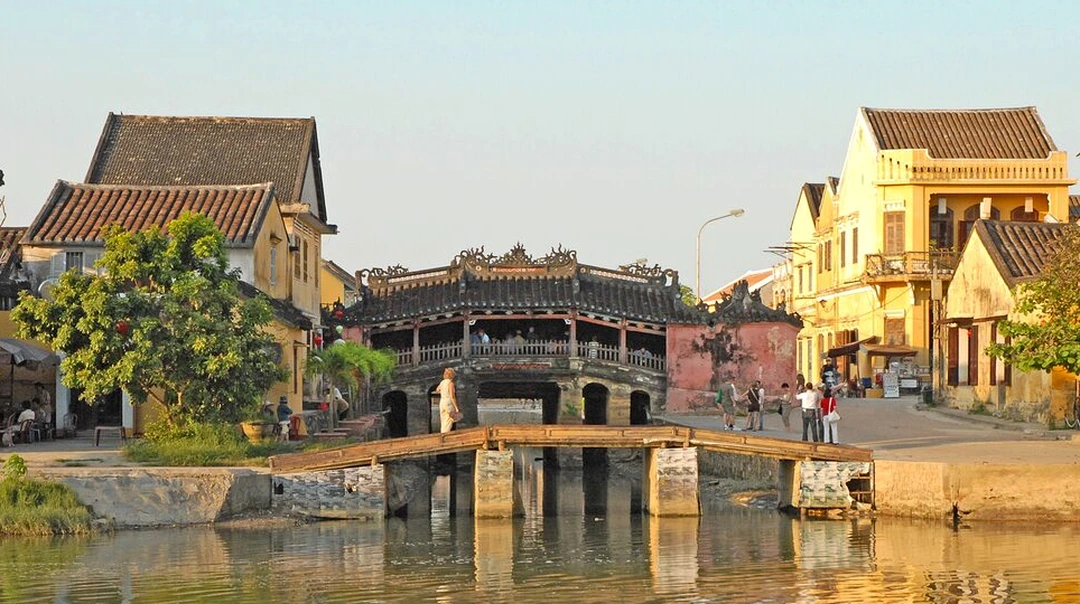
Standing at the crossroads of past and present on the western edge of Hoi An Ancient Town, the Japanese Covered Bridge (Chua Cau) is far more than an architectural landmark—it is a cultural emblem intrinsically tied to the golden age of the historic Faifo trading port. Occupying a prime location spanning a small creek that flows into the poetic Thu Bon (Hoai) River, the bridge serves as a vital geographical link connecting Tran Phu and Nguyen Thi Minh Khai streets. In the hearts of locals and heritage researchers alike, the Japanese Covered Bridge is regarded as the beating heart of the ancient town, where Japanese, Chinese, and Vietnamese cultural currents converge to form a one-of-a-kind architectural masterpiece at the center of a UNESCO World Heritage site. Historically, construction of the bridge began in the late 16th century, specifically in the Year of the Wood Monkey (1593), as inscribed on its main roof beam. According to historical records, it bears the unmistakable imprint of the Japanese merchant community, who established Hoi An as a key stopover along international maritime trade routes. Its original name, Lai Vien Kieu—meaning “Bridge of Friends from Afar”—embodies the hospitality and spirit of cross-cultural exchange cherished by its builders. From an architectural standpoint, the structure masterfully blends a traditional wooden bridge with a shrine dedicated to Bac De Tran Vo (the Northern God of Weather), which was added later. This fusion gave rise to its distinctive “house above, bridge below” (thuong gia ha kieu) design—a rare architectural form that has endured remarkably intact through the centuries. The bridge’s strategic setting is also steeped in spiritual and feng shui folklore. Ancient Japanese legend held that Namazu, a mythical giant catfish, lay beneath the earth with its head in Japan, its tail in India, and its back stretching directly beneath Hoi An; whenever the creature thrashed, earthquakes and natural disasters would strike. Consequently, the Japanese Covered Bridge was built not merely as a thoroughfare, but as a sacred spiritual anchor to pin down the monster and preserve peace and prosperity for the region. Flanked at either end by intricately carved wooden statues of a monkey and a dog, these guardian figures mark the years construction began and concluded while reflecting East Asian reverence for protective zodiac animals. Recognized as a National Relic by Vietnam’s Department of Cultural Heritage, the Japanese Covered Bridge stands as one of the foremost pillars of Hoi An Ancient Town’s Outstanding Universal Value. Having undergone several restorations—most notably a recent comprehensive conservation project—the monument has been returned to its original splendor, reaffirming its status as an architectural treasure. More than a sightseeing stop, the bridge is a living cultural artifact where every brick and yin-yang roof tile tells the story of a prosperous era of global trade, preserving timeless human values across generations.
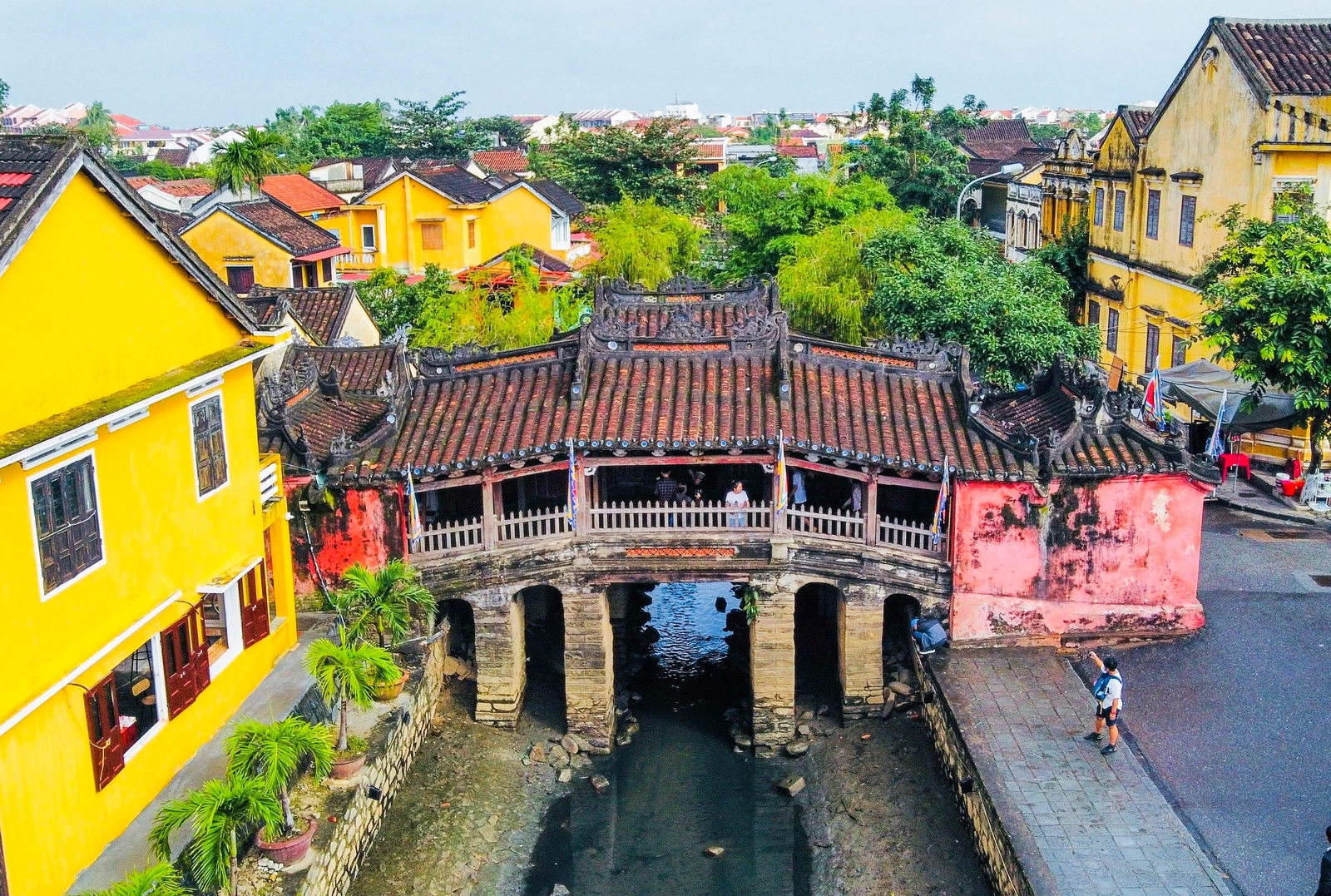
Whenever Hoi An comes to mind, travelers visiting this heritage town instinctively gravitate toward the Japanese Covered Bridge as an enduring symbol of the city’s soul. Gracefully positioned on the western side of the Old Town above a tranquil tributary of the Hoai River, this architectural gem appears like a delicate silk ribbon draped across space and time. Its layout is remarkably thoughtful—not only did it serve as a bustling commercial artery linking historic merchant quarters, but it also functioned as a sacred focal point gathering water and good fortune in accordance with East Asian feng shui principles. Stepping closer to admire its craftsmanship, visitors are captivated by its seamless blend of cultural influences. Founded in the 17th century by Japanese traders, the structure radiates traditional Japanese aesthetics through its gently curved, sturdy roof blanketed in moss-covered yin-yang tiles. Over successive restorations, however, the bridge absorbed intricate carvings and decorative motifs distinctly Vietnamese and Chinese in character. The result is an unexpectedly harmonious whole in which the walkway and the adjoining shrine to Bac De Tran Vo flow together effortlessly. Massive load-bearing timber pillars, meticulously joined trusses, and fine woodcarvings showcase the extraordinary artistry of master craftsmen from centuries past. At both entrances stand the famous wooden statues of a dog and a monkey—legendary guardians chosen to subdue the water monster Namazu, while simultaneously commemorating the zodiac years in which the bridge was started and completed. Beyond its timeless historical and architectural allure, the Japanese Covered Bridge is a photographer’s dream packed with iconic angles that delight every traveler. To capture the monument at its finest, seasoned photographers swear by three standout vantage points. First is the frontal view from across the banks of the Hoai River, where the bridge’s graceful arch mirrors cleanly in the rippling emerald water, creating a serene and deeply poetic composition. Second is the golden hour at sunset, when warm amber light washes over the moss-draped yin-yang roof tiles and bathes the weathered timber in a rich, nostalgic glow far removed from modern city bustle. Finally, an unmissable “hidden gem” angle looks outward from inside the bridge itself: its rustic wooden window frames act as a natural picture frame capturing the unhurried rhythm of Hoi An’s signature mustard-yellow heritage houses beyond, lending effortless artistry to every snapshot. Arriving at the Japanese Covered Bridge at dusk, as honey-toned twilight settles across its venerable tiled roof, evokes an unforgettable sense of wonder. It is more than admiring an antique structure; it feels like brushing up against the living pulse of one of Southeast Asia’s busiest 17th-century trading ports. Amid the faint chime of temple bells mingling with the gentle hum of town life, the bridge stands as a proud, quiet interlude where past and present intertwine.
Experiencing the Japanese Covered Bridge goes far beyond admiring its exterior. For travelers seeking stillness, strolling slowly across the timber planks, running a hand along time-worn wooden pillars, and paying respects at the shrine of Bac De Tran Vo becomes a deeply grounding ritual. Within the intimate sanctuary, wisps of fragrant incense blend with the cool river breeze to create a sacred calm that melts away the stress of everyday life. Afterward, take a leisurely walk along the canal where rustic wooden sampans wait to carry you down the Hoai River, offering a striking water-level perspective of the Ancient Town. Drifting gently downstream just as silk lanterns flicker to life reveals a magical, shimmering side of Hoi An after dark. If you prefer elevated panoramas, climb up to one of the rooftop cafes facing or bordering the bridge. From above, a sea of moss-tinged rooftops stretches across the horizon with the Japanese Covered Bridge poised modestly yet unmistakably at the center—an ideal visual vantage point to take in the Vietnamese-Japanese-Chinese fusion woven into every house and narrow lane. Local culture also shines brightly through the culinary scene surrounding the landmark. Just steps away, street vendors and family-run eateries tempt passersby with irresistible aromas. Be sure to savor a bowl of cao lau topped with chewy noodles and savory pork, or bite into a world-famous Hoi An banh mi layered with crispy crust, rich fillings, and secret house sauce. Seated on a low wooden stool sipping a refreshing herbal lotus drink (nuoc mot) while watching passersby cross the centuries-old bridge, you feel woven into the living tapestry of Hoi An’s heritage. Initial awe at the monument’s antiquity soon gives way to a remarkably peaceful sense of stillness. Far more than a sightseeing landmark, the Japanese Covered Bridge is an eloquent witness to history, sharing tales of cross-cultural friendship and ancient prayers for harmony through the legend of Namazu. Every step and every breath here carries the distinct soul of Hoi An—at once generous and understated—leaving visitors with a lingering fondness and a quiet promise to return and listen once more to the echoes of time. To make your visit to the Japanese Covered Bridge—the timeless icon of Hoi An—as smooth and rewarding as possible, it helps to stay informed about current visiting regulations and practical travel tips. Because the bridge is both a historic monument and an active place of worship, a little preparation ensures you can fully appreciate its serene beauty without any hiccups.
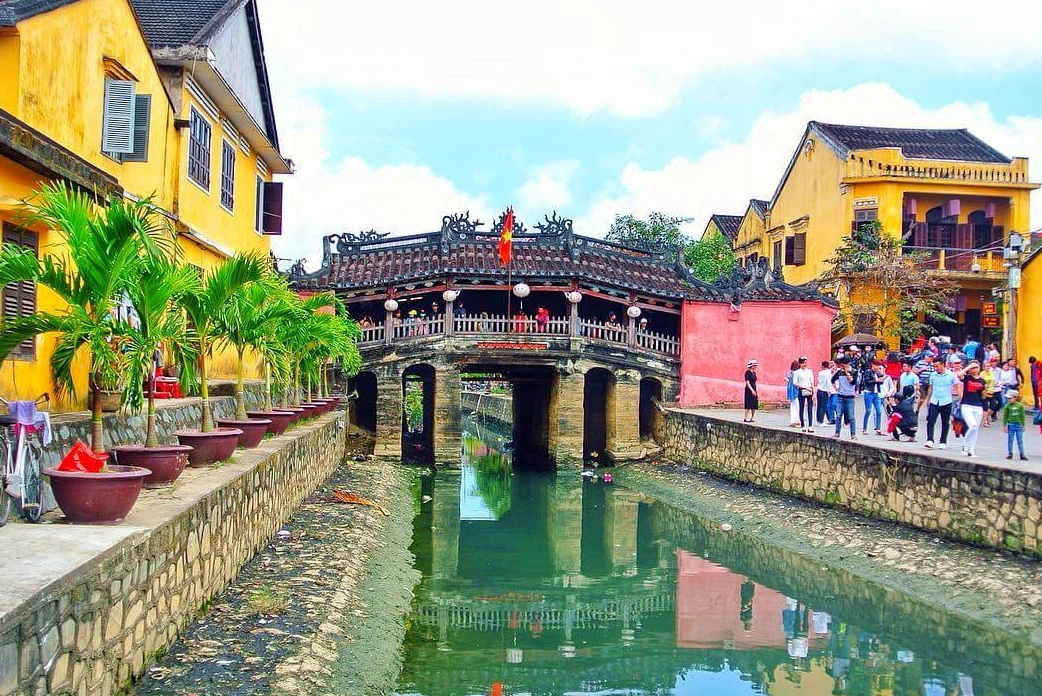
Regarding admission rules, the Japanese Covered Bridge remains under the management of the Hoi An Center for Culture, Sports, Radio and Television. Visitors are required to purchase an Ancient Town sightseeing ticket, priced at 80,000 VND for domestic travelers and 120,000 VND for international visitors. This single pass serves as an all-access key granting entry to multiple heritage sites across the historic core. The bridge is open daily from 9:00 AM to 9:00 PM; however, keep in mind that management typically closes the monument on the 20th of each month for routine cleaning and conservation work, so be sure to double-check your schedule before visiting. For getting around, Hoi An prioritizes pedestrian-friendly streets, particularly within the Old Town center, making walking or cycling the best ways to reach the bridge. If you are staying outside the Ancient Town, park your motorbike or car at designated public lots along the perimeter—such as on Phan Chau Trinh or Ly Thuong Kiet streets—and stroll in on foot. Walking not only spares you from traffic congestion but also lets you soak in the unhurried charm of heritage shophouses and artisan workshops along the way. As for dress code, because the Japanese Covered Bridge houses a sacred shrine dedicated to Bac De Tran Vo, modest and respectful attire is essential—avoid overly short or revealing outfits out of respect for the worship space. While the terrain is flat, the bridge’s antique wooden planks and stone surfaces can become slick in damp weather, so comfortable flat shoes or sneakers are your safest bet. Finally, the best time of year to visit the Japanese Covered Bridge is from February to April, when Hoi An enjoys cool breezes and gentle sunshine without intense summer heat or late-year downpours. For unforgettable photos, plan your visit around sunset, when golden-orange light dances across the yin-yang roof tiles to create a cinematic, ethereal glow. Pack a little patience as well—given the landmark’s popularity, waiting briefly for a clear frame is all part of the charm of discovering this living heritage site.
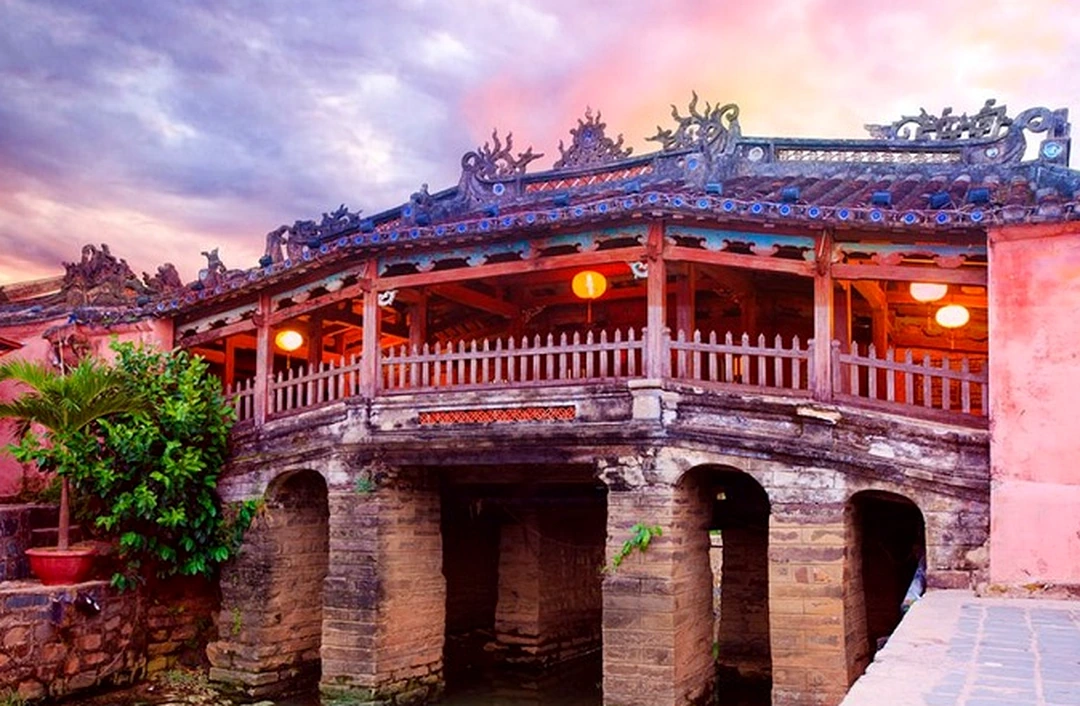
To enjoy a seamless getaway and experience the full splendor of the Japanese Covered Bridge without worrying about transportation, sightseeing tickets, or itinerary logistics, explore VDS Travel’s premier all-inclusive Hoi An tour packages. Every itinerary is thoughtfully timed for peak scenic photo moments, accompanied by knowledgeable local guides and top-tier hospitality and dining standards.