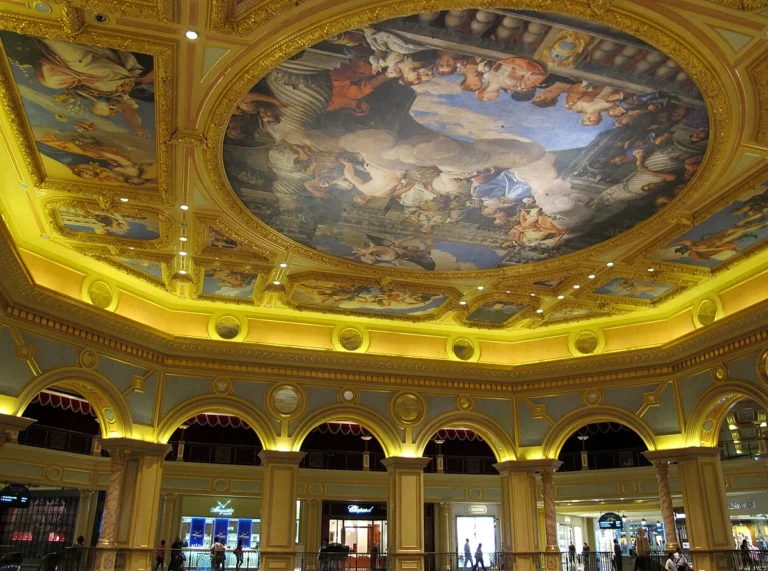
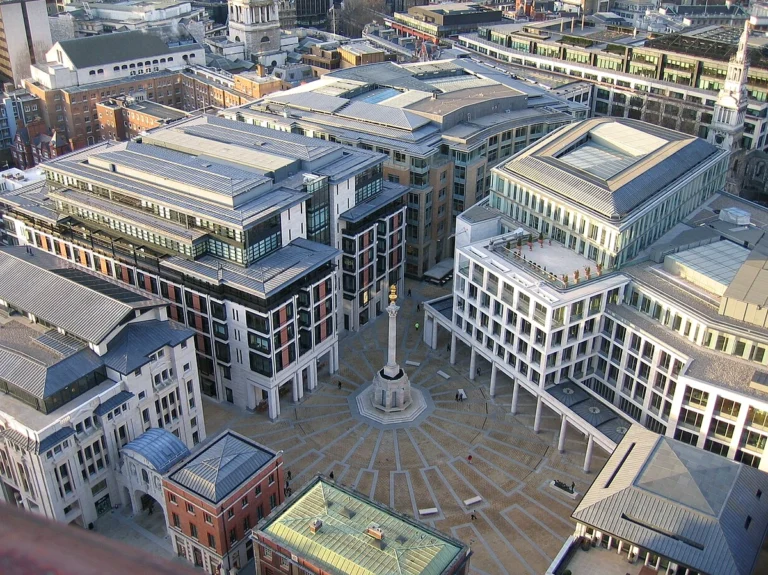
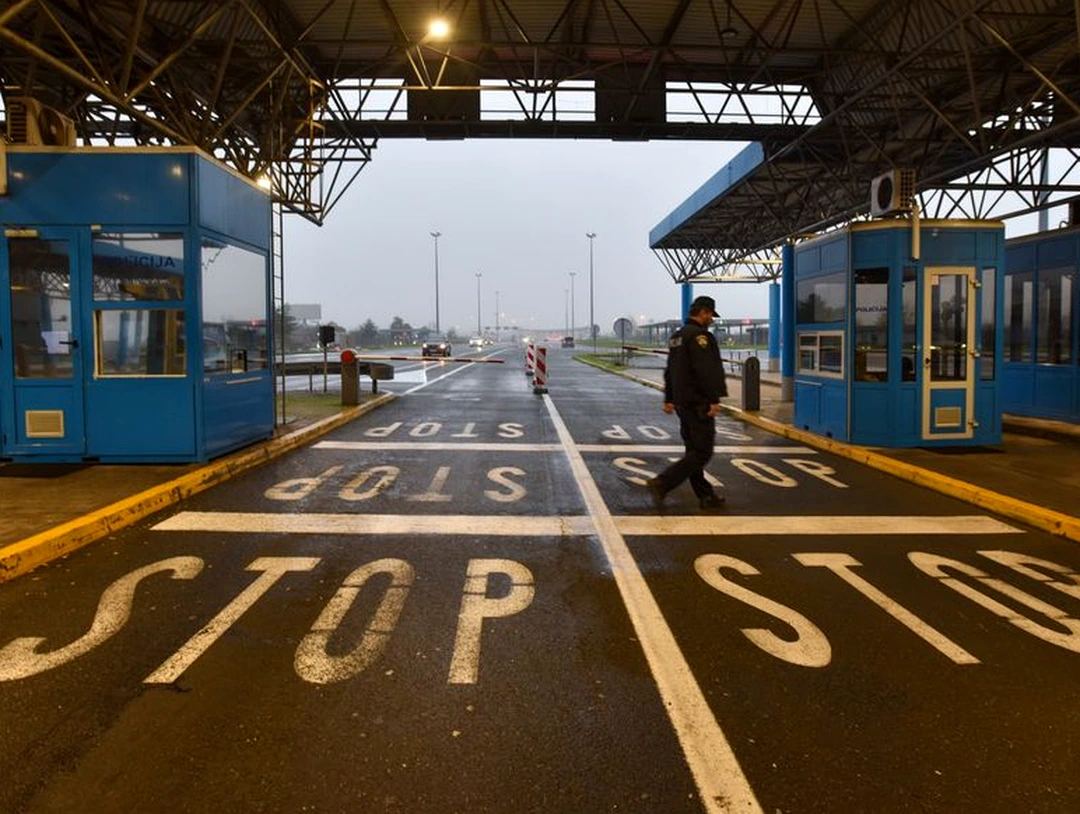
When taking the first step across the border checkpoints that no longer have barriers in the heart of the old continent, the faraway traveler is often amazed by the wondrous seamlessness of modern Schengen space. However, behind the freedom of movement on broad avenues and transnational railways lies much more than a mere administrative agreement or temporary economic policy. It is the millennial sediment of a cultural river basin built up through rising and falling dynasties, bloody expeditions, and the enduring aspiration for harmony among resident communities. Every inch of land along the banks of the Rhine, Danube River, or the fertile plains stretching from the Atlantic coast to the majestic Alps carries the memory of political institutions that once aspired to forge the entire Western world into a unified entity.
The origin of the idea of a united Europe began with the brilliant Carolingian Empire in the early Middle Ages. On Christmas Eve in the year 800, at St. Peter’s Basilica in Rome, as Pope Leo III placed the golden crown upon Charlemagne’s head, Western history turned a new page. The extraordinary emperor, praised by contemporary historians as Pater Europae – The Father of Europe – brought together most of the territories of modern Western and Central Europe, including the lands of France, Germany, Switzerland, Austria, Belgium, the Netherlands, and northern Italy, into a shared power structure. Under his reign, the Carolingian Renaissance not only standardized the Latin writing system but also established a network of monasteries, schools, and a unified administrative system, erasing the boundaries between old barbarian tribes to forge a common spiritual identity under the banner of Christianity.
Yet, that dream of unity was soon tested by the inherent fragmentation of the feudal system. After the Carolingian Empire was shattered by the Treaty of Verdun in 843, Europe entered centuries of territorial strife. Amidst this chaotic picture, Emperor Frederick Barbarossa – who ruled the Holy Roman Empire of the Hohenstaufen dynasty in the 12th century – emerged as a symbol of the will to revive imperial order. With his legendary red beard and exceptional tactical skill, Barbarossa led armies across the Alps, reaffirming ancient Roman law throughout northern Italy and German lands. His laws at the Diet of Roncaglia not only protected merchant ships and ensured the safety of caravans across perilous mountain passes but also laid the foundation for transcontinental trade routes, the precursors of today’s tourist paths crossing natural boundaries.
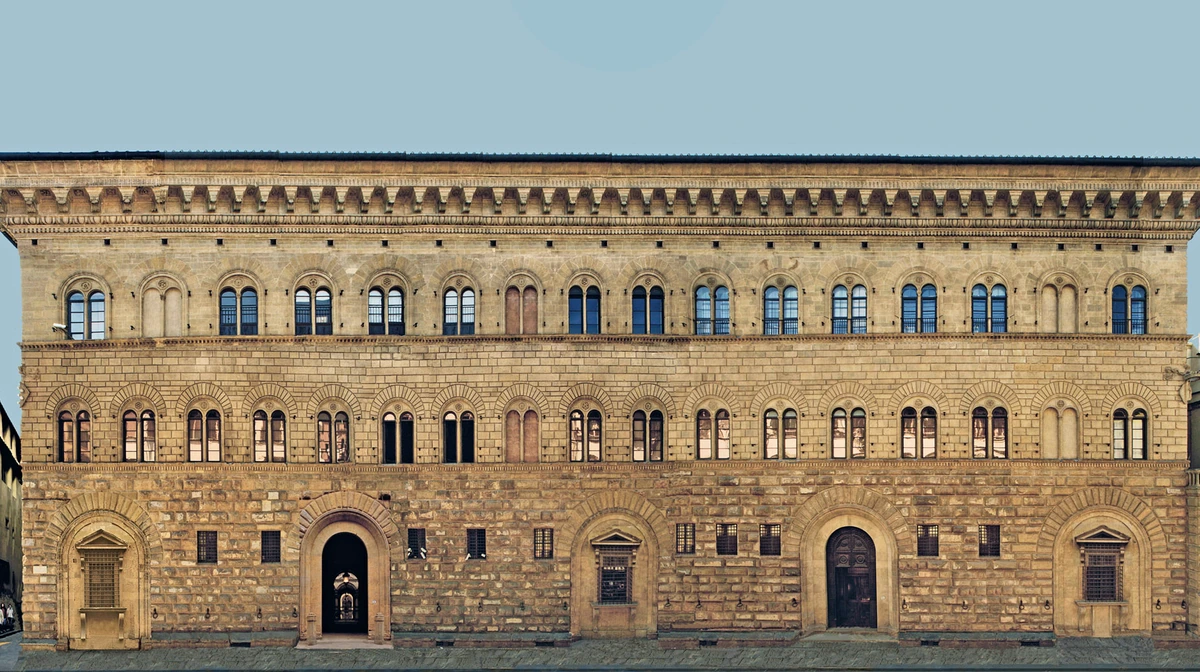
Entering the Renaissance era, the continent’s connective lifeblood was sustained by a soft yet enchanting power: finance and art. On the Italian peninsula, the illustrious Medici family in Florence became the great patrons of Western civilization. The Medici branch banking network spread across Geneva, Lyon, Bruges, and London, circulating capital and establishing the first international credit system. Above all, the flow of art under the patronage of Cosimo and Lorenzo de’ Medici spread humanism from Tuscany to the Loire Valley of France, spilling across Flanders and weaving into the free city-states of Germany. The frescoes, vaulted architecture, and aesthetic ideals of the time became a universal language, binding together diverse ethnic communities with different native tongues.
After the shocks of the Thirty Years’ War left Western Europe exhausted, the Peace of Westphalia signed in 1648 in the two towns of Münster and Osnabrück marked a profound historical turning point. This treaty officially established the principle of supreme national sovereignty – the foundation of the modern border map. Yet paradoxically, the Westphalian order, by acknowledging the independent and equal existence of national entities, simultaneously stirred a deeper aspiration: how to ensure territorial boundaries do not become walls separating human hearts. The sediment from the Carolingian dynasty to the fires of the Renaissance and the Westphalian documents formed the ideological roots so that centuries later, in the peaceful small village of Schengen along the banks of the Moselle River, people dared to dismantle checkpoints, completing a millennial dialogue between fragmentation and the yearning for mutual freedom.
Viewed from tectonic and geo-geomantic perspectives, the old continent of Europe is a multi-layered entity sculpted through millions of years of earth’s crust movement, starting with the fertile sedimentary plains of France. Nestled entirely within the vast Paris Basin structure, this Western European plain possesses layers of porous, mineral-rich chalk deposited since the Mesozoic era, nourished and enclosed by the calm hydrological network of the Seine, Loire, and Marne rivers. The gently rolling topography sloping down to the Bay of Biscay and the English Channel not only creates a natural shield moderating harsh oceanic winds but also shapes exemplary feudal rural planning principles. Here, sedimentary soils combined with evenly distributed thermal and moisture conditions gave birth to the concept of land fertility, turning gentle hills into the cradle of famous agricultural estates in Champagne or the royal Loire valley, reflecting the harmonious interaction between human-made order and natural geomorphology.
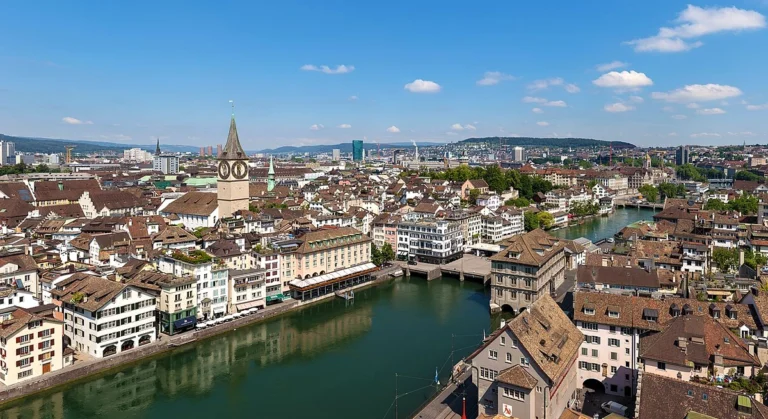
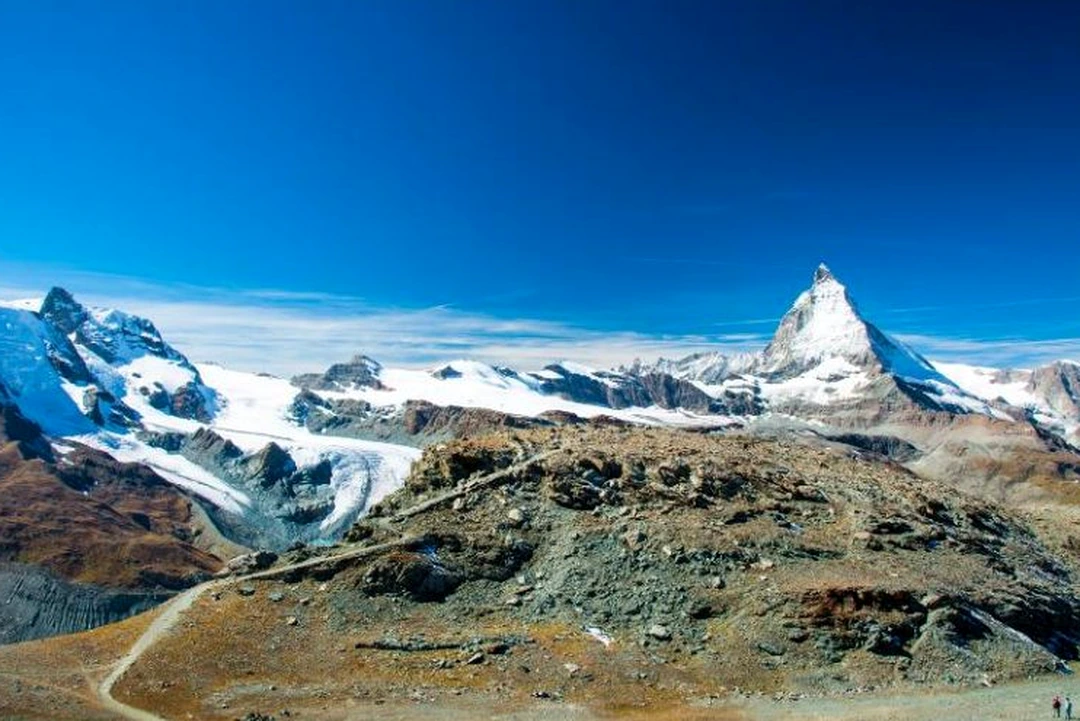
Crossing the gently sloping plains toward the southeast, the terrain abruptly rises with the towering arc of the Alps, where Switzerland reigns as a giant water tower for the entire continent. This magnificent tectonic fold block, featuring permanent ice peaks like the Jungfrau and Matterhorn towering over four thousand meters, is the watershed intersection of the four largest river systems in Western and Central Europe: the Rhine, Rhône, Inn, and Ticino. At the foot of sheer granite cliffs lie deep glacial lakes such as Lake Geneva, Lucerne, and Zurich, acting as hydrological regulating basins and creating a mild microclimate sheltering deep valleys. Mountain residents from centuries ago tamed the treacherous terrain by cutting into rock to lay cogwheel railways and building multi-tiered viaducts across plunging chasms, transforming typical U-shaped glacial valleys like Lauterbrunnen into fortified settlements that shield against wind and snow from high peaks while preserving the majestic, solitary character of the mountain landscape.
Flowing southward through steep mountain passes, the Italian peninsula appears with its spine formed by the Apennines stretching from north to south, acting like a natural wall dividing the climate between the Tyrrhenian and Adriatic coasts. Nestled right at the foot of the northern Alpine arc is the Po Valley, the most fertile plain in Southern Europe, an alluvial flatland formed from millions of tons of rich silt brought down to the sea by melting snows. Since the Renaissance, Italian hydraulic engineering advanced remarkably with intricate artificial canal systems helping to control floods and regulate flow, turning muddy Lombardy into a year-round granary of wheat and lush pastures. Moving further south, the landscape shifts to the rolling clay hills of Tuscany, where medieval agricultural landscape planning is perfectly preserved through straight rows of cypress trees plunging into gravelly soil, anchoring the soil against erosion on sloping hillsides while creating a symmetrical visual rhythm embracing clusters of fortress villages built of golden sandstone.
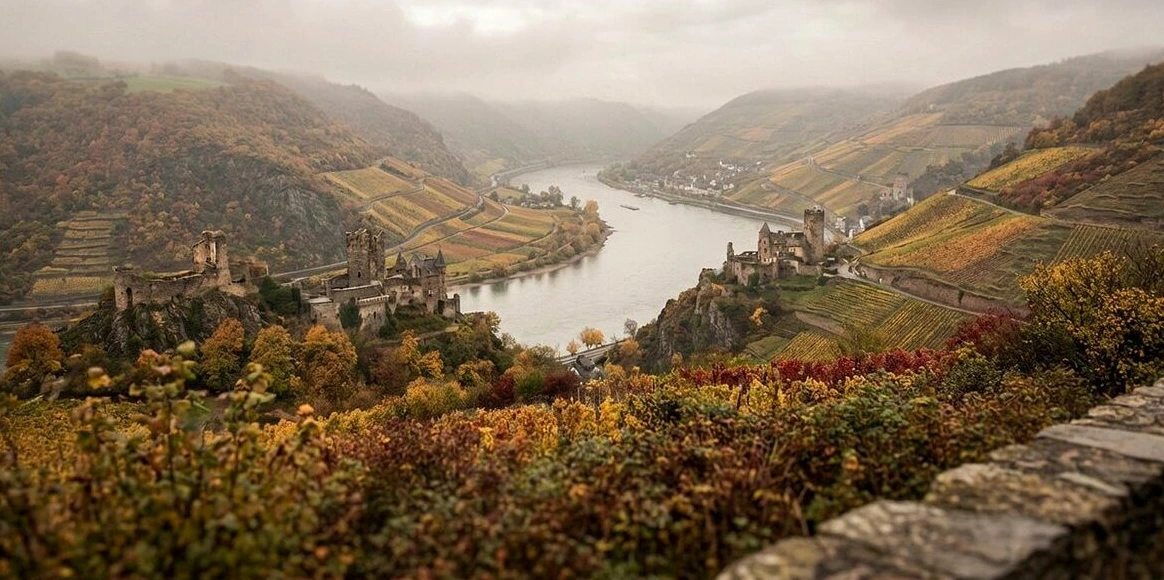
Heading back north to Central Europe into German territory, the geomorphology opens a more somber chapter with ancient Hercynian mountain massifs and river valleys deeply carved into dark slate strata. The gorge of the Middle Rhine is a prime example of treacherous terrain engineering, where steep terraced vineyards cling tightly to sheer rock faces, interspersed with medieval fortresses guarding high rocky outcrops to control vital maritime routes. To the southwest, the Black Forest with its ancient crystalline rock structure rises majestically, serving as the source of the legendary Danube River winding its way into Eastern Europe. Dense fir and oak vegetation covers ancient tectonic fault zones, accumulating high humidity and nurturing valuable underground thermal mineral springs, weaving a geographic space that is both mystical and shapes traditional dispersed settlement patterns associated with discipline and the enduring adaptability of local life.
A journey through European capitals and towns unveils a massive visual epic where the history of human thought is densely condensed through every block of stone, vault, and structural joint. On French soil, architectural landscape represents a dramatic transition between the intricate stone-carving techniques of the Flamboyant Gothic period and the strict symmetry of 17th-century classicism. This supreme landmark reigns at the Palace of Versailles during the reign of King Louis XIV, where architects Louis Le Vau and Jules Hardouin-Mansart created a space of absolute power across grounds spanning over eight hundred hectares. The Hall of Mirrors (Galerie des Glaces), seventy-three meters long with seventeen massive mirror arches reflecting natural light from seventeen windows overlooking André Le Nôtre’s geometric gardens, is not merely a luxurious interior work but the peak symbol of handmade mercury-silvered glass manufacturing art from Saint-Gobain, demonstrating the ambition to subjugate nature under human rational order.
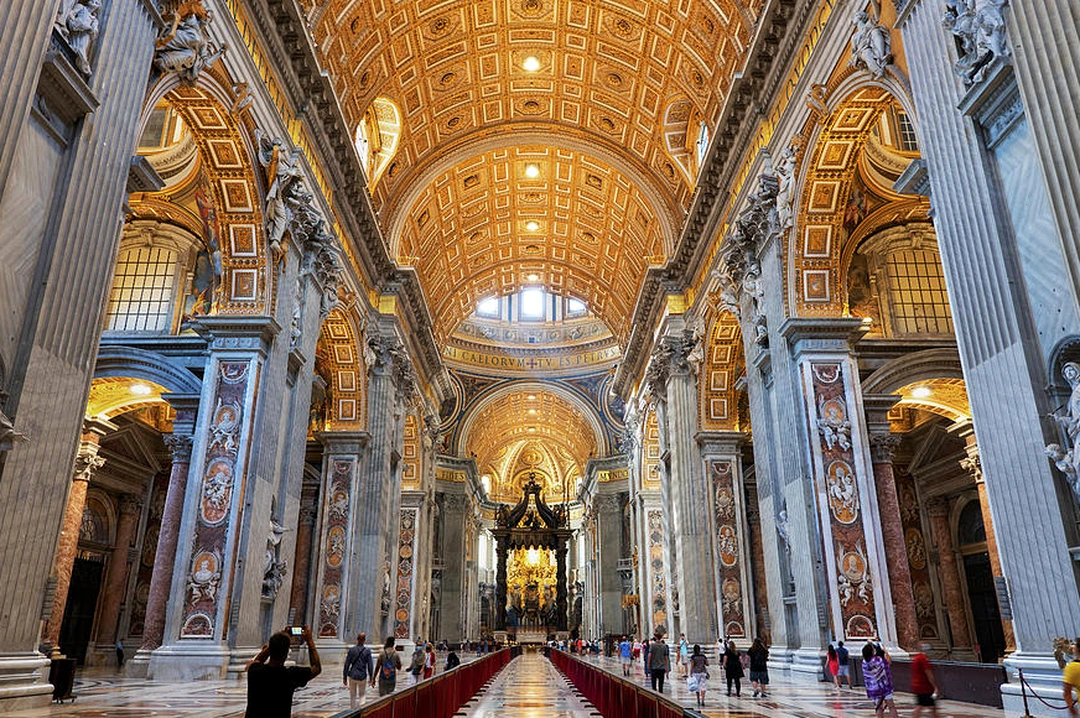
Heading south across the Alps, the cradle of the Italian peninsula showcases the grand turning point of the Renaissance and Baroque eras, where pure geometry blends with intense religious emotion. The pinnacle of construction engineering of this period was established by Filippo Brunelleschi’s double dome without supporting scaffolding at the Cathedral of Santa Maria del Fiore in Florence, spanning over forty-five meters in diameter and weighing thirty-seven thousand tons of brick and stone. Continuing that renaissance spirit, Baroque art exploded in Rome under the talented hands of Gian Lorenzo Bernini and Francesco Borromini. St. Peter’s Square with its Tuscan colonnade of two hundred and eighty-four curved stone pillars embracing worshippers like two arms, combined with trompe-l’œil illusion techniques and chiaroscuro contrast in churches, created a visual stage transforming static space into a mystical spiritual flow.
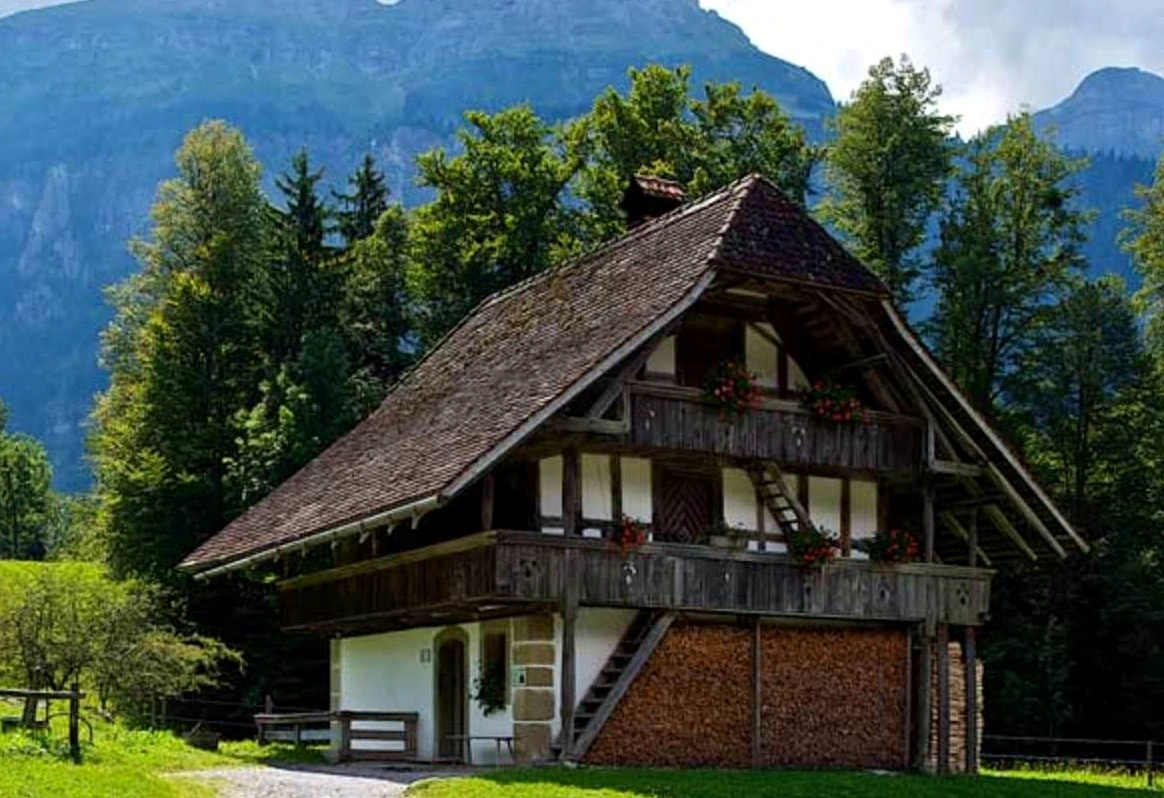
Within the geographical landscape of Switzerland, architectural excellence reflects the intimate, survival-driven interplay between humanity and the harsh terrain of the Alps. Over the centuries, indigenous Alpine vernacular architecture perfected the traditional wooden chalet, constructed with mortise-and-tenon joinery free of metal nails, load-bearing larch heartwood, and gently pitched slate roofs designed to distribute the immense weight of heavy winter snowfalls. In stark contrast to this organic simplicity, Switzerland is also the birthplace of Charles-Édouard Jeanneret—better known as the master architect Le Corbusier. He revolutionized global building philosophy with his Five Points of Modern Architecture: pilotis elevating the structure off the ground, flat roof gardens, an open floor plan, continuous horizontal ribbon windows, and a free façade. The contrast between traditional timber chalets anchored into steep mountain slopes and light-flooded geometric concrete villas weaves a singular spatial identity across this cultural crossroads.
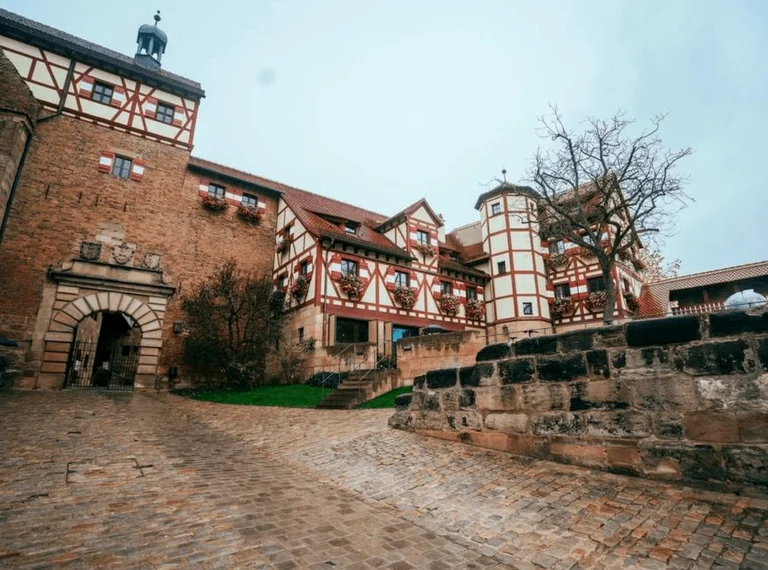
Moving northward, the borderlands of Germany and the surrounding Baltic region preserve an entirely distinct architectural chapter defined by the Brick Gothic (Backsteingotik) style of the Hanseatic League. In historic cities like Lübeck and Stralsund, where natural stone was scarce, medieval masons fired local red clay into millions of dark bricks, meticulously arranging them into stepped gables, fortified city gates, and soaring bell towers that symbolized the rise of a free merchant class. Entering the twentieth century, German rationalism once again reshaped the global skyline through the Bauhaus movement founded by Walter Gropius in Weimar and Dessau. Stripping away all superfluous ornamentation, celebrating geometric forms, and establishing the credo that form follows function, the synthesis of load-bearing steel frames, expansive glass curtain walls, and reinforced concrete completely liberated interior spaces, giving birth to the visual language of contemporary urban architecture.
As twilight descends across the Old Continent, European cities do not drift off to sleep; instead, they step into an enchanting nocturnal choreography where visual art and architecture merge through mesmerizing light installations. The tradition of transforming monuments into open-air theaters reaches its pinnacle at Lyon’s Festival of Lights (Fête des Lumières), a custom dating back to December 8, 1852, when residents simultaneously placed lit candles on their windowsills to give thanks to the Virgin Mary for sparing the city from the plague. Today, that centuries-old spiritual ritual has evolved into a massive technological spectacle, projecting millions of lumens across the façade of Saint-Jean Cathedral and Place des Terreaux, turning Renaissance sandstone walls into magnificent moving canvases. Similarly, in Milan, the grand Duomo—adorned with over 3,400 statues and 135 spires carved from Candoglia marble—is bathed in a warm spectrum of illumination after dark. Precision architectural lighting accentuates every Gothic rib and ornate vault, transforming the colossal structure into a majestic, glowing sculpture at the heart of its granite piazza.
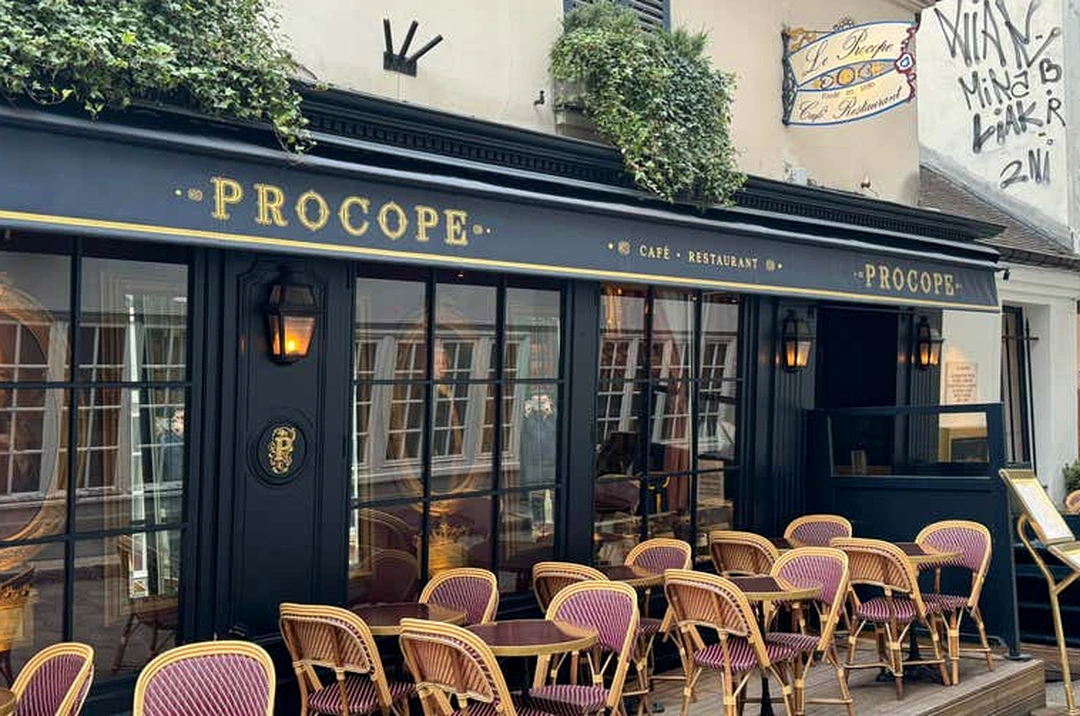
European nightlife is far more than a mere continuation of evening leisure; it is a direct inheritance from the sociable spirit of the Enlightenment, an era when darkness was pushed back to make room for civic discourse. Exemplifying this cultural depth is the network of Parisian sidewalk cafés, beginning with Café Procope, founded in 1686 by Sicilian-born Francesco Procopio dei Coltelli in the Saint-Germain-des-Prés quarter. Beneath the glow of antique chandeliers, illustrious thinkers such as Voltaire, Denis Diderot, and Jean-Jacques Rousseau once debated long into the night over encyclopedic knowledge and the principles of human rights. To this day, rows of brass-rimmed bistro tables lining the pavements of Haussmannian boulevards preserve that exact cultural purpose: an open forum where locals savor the art of slow living, sipping an espresso while watching the currents of daily life drift past beneath autumn plane trees.
Shifting south down the Apennine Peninsula, the Italian aperitivo ritual offers another vibrant slice of urban evening culture. Originating in Turin in 1786 when distiller Antonio Benedetto Carpano perfected his herbal vermouth recipe, this custom spread across northern Italy and came to define its daily rhythm—especially along Milan’s historic Navigli canals and beneath the soaring glass-vaulted arcade of the Galleria Vittorio Emanuele II. As late afternoon bells chime, locals gather at storied establishments like Camparino in Galleria to raise glasses of bright orange Spritz or bitter-sweet Negroni, accompanied by refined small plates of Cerignola olives, chunks of aged Parmigiano-Reggiano, and crisp, freshly baked focaccia. The stone terraces become a lively stage of effortless elegance, where sharp tailoring mingles with warm laughter and conversation well into the night.
In Germany’s Bavaria region, evening communal life finds a rustic sanctuary beneath the leafy canopies of open-air beer gardens. Born from a royal decree issued by King Maximilian I in 1812—which permitted breweries along the Isar River to serve beer directly beneath shade-giving chestnut trees planted to keep their underground cellars cool—the beer garden tradition dissolved all social boundaries. Under strings of warm lights draped through the branches, patrons share long wooden benches, raising one-liter glass steins brimming with crisp Helles or malty Dunkel alongside coarse-salted Brezn pretzels and rich, creamy Obatzda cheese spread. Running parallel to this jovial outdoor beer culture are Europe’s opulent temples of high art, such as the Vienna State Opera and Paris’s Palais Garnier, where timeless operas by Mozart and Wagner resound beneath gilded domes—weaving a multi-layered European night that is at once transcendent in its artistic refinement and deeply grounded in human warmth.
European cuisine is far more than mere sensory gratification; it is a living chronicle etched through the philosophy of terroir and dining traditions passed down across centuries. In France, the roots of Western culinary artistry are codified by the strict Appellation d’Origine Contrôlée (AOC) certification system, established by law in 1935 to safeguard the authenticity of every acre of Burgundy vineyard and coastal pastureland in Normandy. The traditional French gastronomic meal—inscribed on UNESCO’s Representative List of the Intangible Cultural Heritage of Humanity—is a leisurely, multi-hour ritual in which the timeless aphorisms of gastronome Jean Anthelme Brillat-Savarin come alive course by course: from palate-awakening hors d’oeuvres to main dishes paired seamlessly with Grand Cru wines aged for decades in oak barrels, culminating in a platter of Comté cheese carrying notes of wild meadow hay from the Jura highlands.
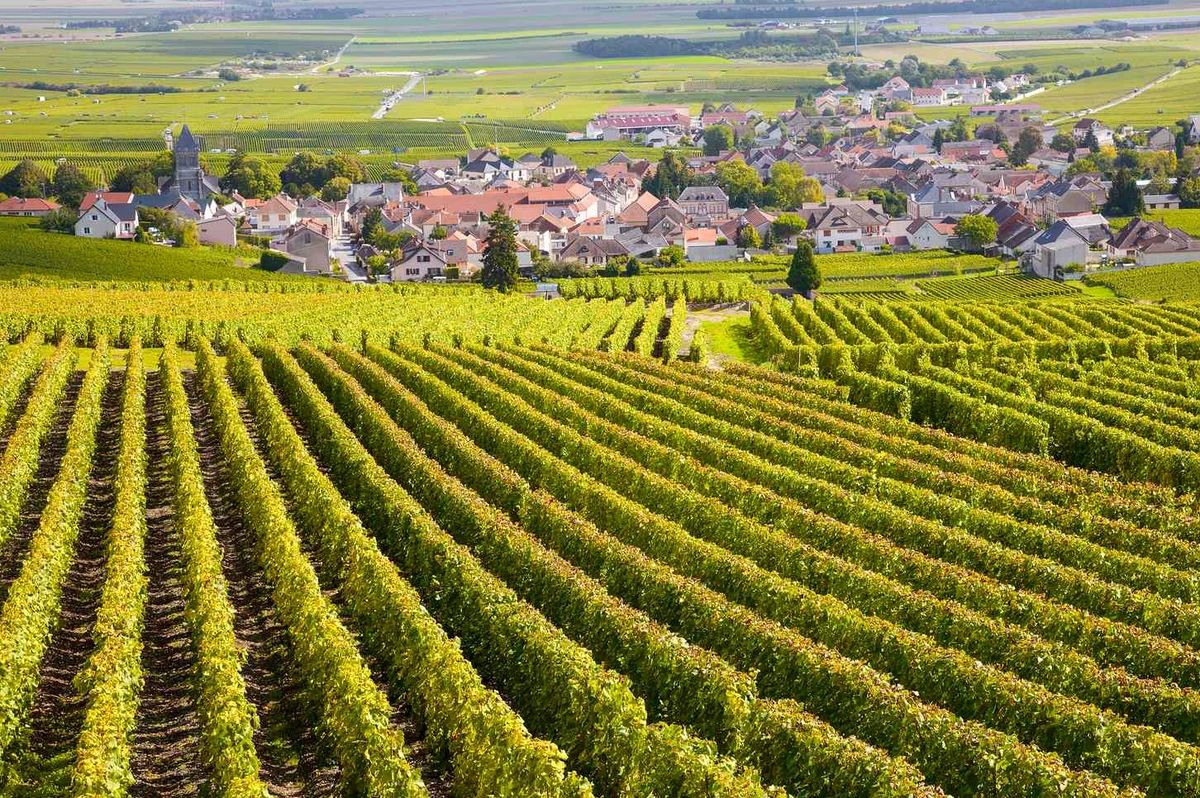
Crossing the Alps southward, the Italian peninsula tells its culinary story through the humble yet profound lens of “cucina povera”—the art of elevating simple, rustic peasant ingredients into timeless gastronomic treasures. Examples abound, from Tuscany’s hearty Ribollita soup simmered with day-old bread and cavolo nero kale, to Rome’s deceptively simple Cacio e Pepe, where toasted black pepper clings effortlessly to sharp sheep’s-milk Pecorino Romano. The soul of the Italian table lies in an absolute reverence for local provenance: drops of traditional Aceto Balsamico Tradizionale di Modena aged across generations of oak and mulberry casks for nearly thirty years, blistered Neapolitan pizza baked in roaring oak-fired ovens in Campania, and wheels of Parmigiano Reggiano from the Po Valley matured for a full thirty-six months to develop delicate, crunchy umami crystals.
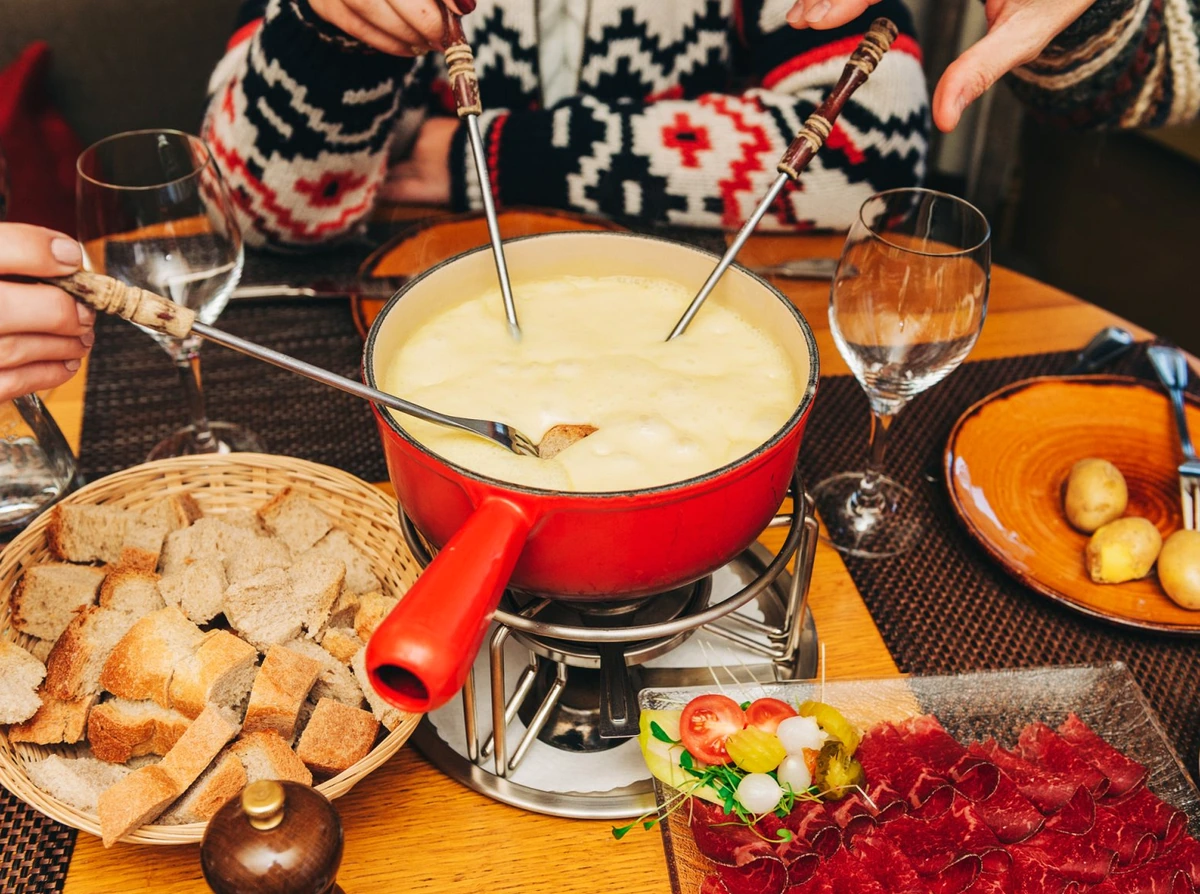
Tucked among the sheer limestone peaks of the Alps, Switzerland preserves a culinary heritage tightly bound to seasonal transhumance, when cattle are driven up to wildflower-blanketed high pastures over two thousand meters above sea level to yield the richest, most aromatic milk. Blocks of Gruyère AOP and Raclette du Valais, handcrafted in alpine timber huts since the twelfth century, form the very soul of iconic Swiss fondue—an enduring symbol of cozy conviviality amid snowy winters. Accompanying this mountain dairy legacy is Switzerland’s legendary chocolate-making craft: in 1879, chocolatier Rodolphe Lindt invented the conching process, transforming bitter, gritty cacao paste into a velvety confection that melts effortlessly on the tongue and established the gold standard for European confectionery.
Moving toward the plains of Central Europe, German culinary culture affirms its steadfast, disciplined character through centuries-old baking and brewing traditions. The Reinheitsgebot (Beer Purity Law), enacted by Duke Wilhelm IV of Bavaria in 1516—one of the oldest consumer protection decrees still in effect today—strictly mandated that beer be brewed solely from barley, hops, and pure spring water, giving rise to golden Märzen and Hefeweizen pours served in stoneware mugs across Munich’s historic beer halls. This heritage pairs seamlessly with more than three thousand varieties of naturally leavened sourdough rye bread (Roggenbrot) boasting crisp crusts and chewy crumbs, alongside artisanal sausage-making ranging from charcoal-grilled Thüringer Rostbratwurst to delicate parsley-flecked Weißwurst, reflecting a warm communal spirit and deep respect for regional produce.
Ultimately, savoring the cuisines of Europe across its winding routes is never merely a sequence of isolated tastings, but a profound encounter with the historical identity and collective memory of every region. Whether seated at a crisp white linen-draped table inside a classic Parisian residence or on a weathered wooden bench beneath emerald grapevines in Florence, European dining culture endures as a living museum—one where every heirloom recipe preserves the authentic flavors of land, climate, and human spirit across the passage of time.
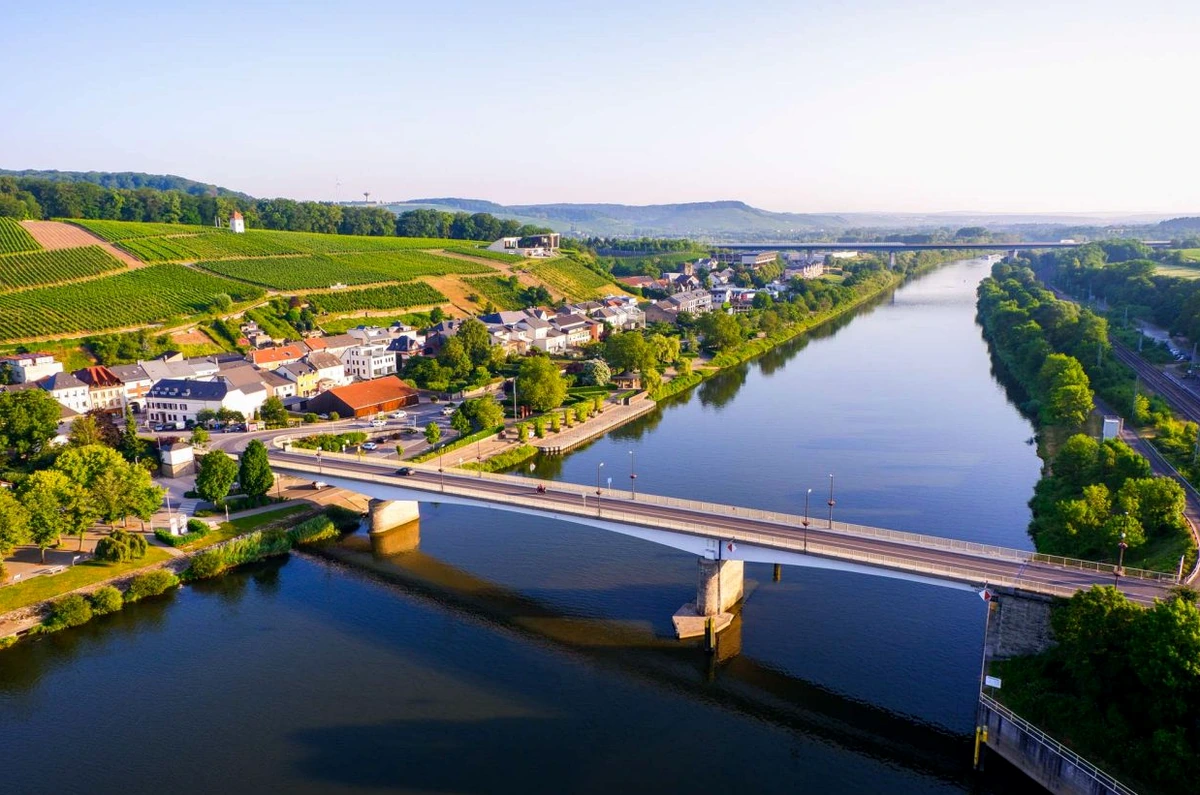
When bringing a transcontinental journey to life, the first gateway to this land always opens with the prestigious Schengen visa. The core and immutable principle of the treaty, signed alongside the Moselle River in the peaceful village of Schengen in 1985, is that applications must be submitted to the consular office of the primary country of stay—where travelers spend the longest total duration or which serves as the central purpose of the trip. Preparing a transparent travel itinerary, international medical insurance with a minimum limit of thirty thousand euros, and authentic accommodation documents is not merely an administrative procedure, but proof of respect for the legal order of the alliance. Travelers should pay special attention to checking the allowed number of stay days and the validity period of the visa to arrange reasonable flight legs, avoiding violations of the strict immigration regulations of Europe’s common borders.
Regarding methods of transit between cultural capitals, the transnational high-speed rail system is the superior choice for both time efficiency and visual experience. TGV trains gliding past the lavender fields of Provence, the absolute punctuality of Germany’s Intercity-Express (ICE) network cutting through the majestic Rhine river valley, or the “Red Arrow” Frecciarossa trains connecting Milan, Florence, and Rome at three hundred kilometers per hour all offer supreme comfort. Historic central stations like Gare de Lyon or Milano Centrale are magnificent architectural works in their own right, bringing travelers straight into the urban heart without enduring the hassles of prolonged airport security procedures. To optimize travel costs, booking tickets early two to three months in advance on each country’s railway system or considering an Eurail Global Pass will help save a significant budget.
The lifestyle and opening hours in the Old Continent’s cities possess specific rules that require thorough preparation. Most major museums, such as the Louvre in Paris or the Uffizi in Florence, close periodically on a weekday and enforce a mandatory fixed-time reservation policy to regulate visitor density. Equipping oneself with cultural passes like the Paris Museum Pass, Berlin WelcomeCard, or Firenze Card will free travelers from waiting in long lines for hours under the scorching sun or freezing mist. Additionally, the rhythm of daily life in Nordic regions and German-speaking areas strictly adheres to the concept of a tranquil Sunday, when most supermarkets, pharmacies, and shopping malls simultaneously suspend service, yielding the space to rest and family activities.
Cultural etiquette when experiencing European countries requires subtlety to fully blend into local life. In Switzerland and Germany, the standard of respecting schedules is considered the ultimate measure of civilization; arriving late by even a few minutes for appointments is regarded as discourteous. Conversely, when visiting the holy sites of Italy, which preserves millennia of Christian heritage, dress codes upon entering sanctuaries such as the Papal Basilica of Saint Peter or the Milan Duomo require visitors to cover their shoulders and knees, maintaining a quiet demeanor before sacred works of art. Tipping culture also varies markedly: while service charges are typically included directly in the bill in France, Italy often features a table service fee known as coperto, and in Germany, a small rounded-up amount is a graceful gesture of gratitude to the server.
Financial planning for a trans-European journey always fluctuates depending on the geographical region and travel style. Northern European countries and Switzerland typically demand significantly higher daily spending norms compared to Central and Eastern Europe or the sun-drenched Iberian Peninsula. To touch the depths of history while optimizing resources and avoiding all operational risks, accompanying all-inclusive European tour packages will open up a seamless sightseeing experience, perfectly connecting the artistic heritage, architecture, and exquisite culinary flavors of the old continent.