Welcome to one of humanity’s most distinctive and enigmatic architectural icons—the Leaning Tower of Pisa, or in native Italian, Torre di Pisa. As our Lead International Travel Writer and Cultural Historian, I am delighted to guide you on a deep dive into the origins and historical context that shaped this wonder, a signature heritage highlight on our All-Inclusive Tour Package .
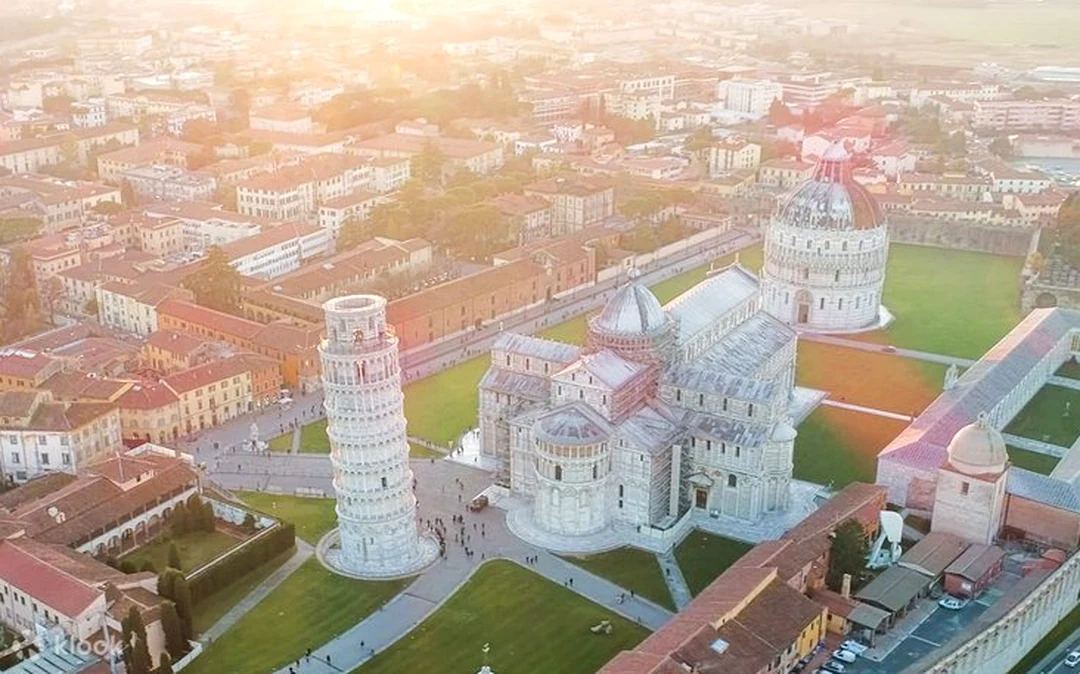
The story of the Leaning Tower of Pisa is not merely an architectural legend, but an epic of ambition, miscalculation, perseverance, and even historical miracles. To understand how it came to be, we must travel back to the 12th century, when the city of Pisa stood at the height of its power and prosperity. Set along the gentle banks of the Arno River, Pisa was once one of the four most powerful Maritime Republics of Italy (alongside Venice, Genoa, and Amalfi), boasting a renowned merchant fleet and navy that controlled vital sea lanes across the Mediterranean. Wealth from trade and resounding military victories ushered in a golden age, fueling a desire to build grand monuments that expressed civic prestige and devotion to God.
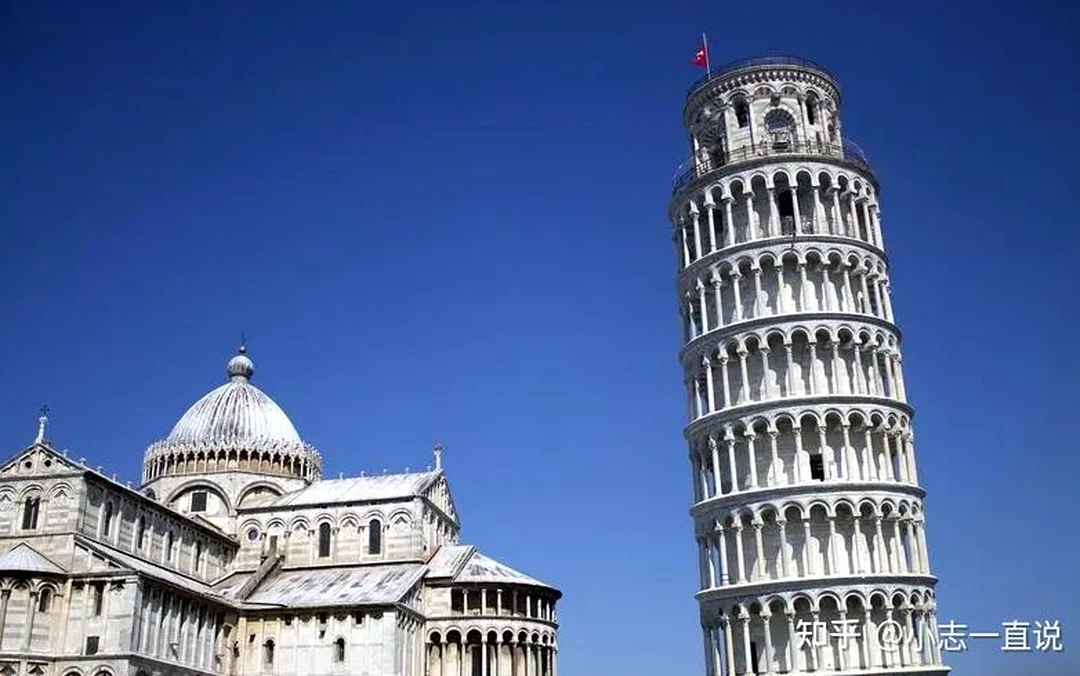
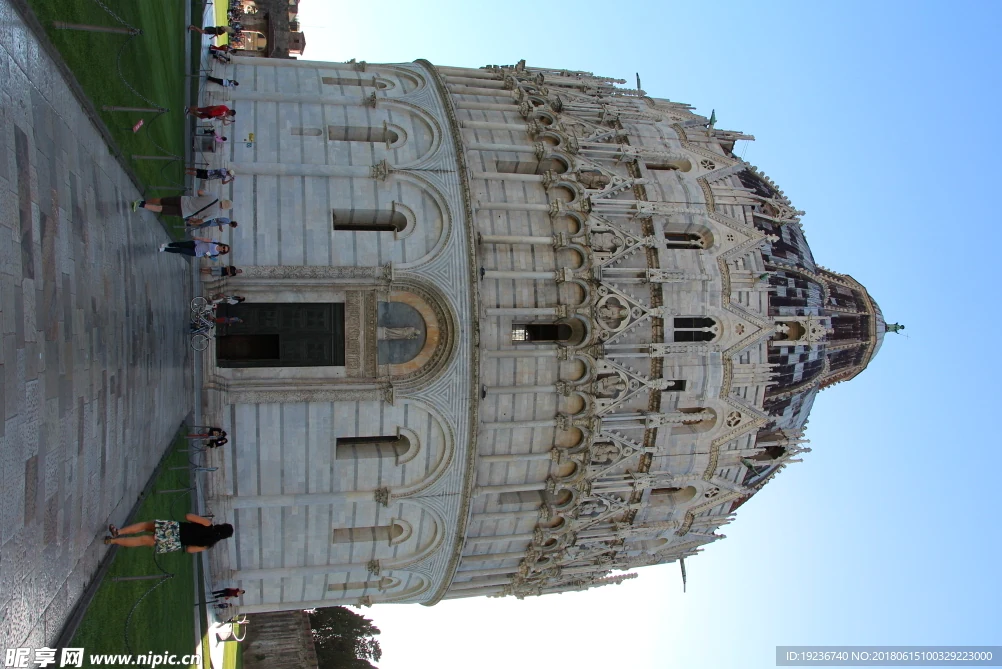
It was against this splendid backdrop, on August 9, 1173, that the foundation for an iconic structure was laid in Cathedral Square, also known as Piazza del Duomo—and given another poetic name, Campo dei Miracoli (Field of Miracles). The tower was originally intended to serve as a freestanding bell tower (campanile) rising beside the Duomo cathedral and the Baptistery, completing the magnificent Pisan Romanesque architectural ensemble. This distinctive Pisan Romanesque style is a unique fusion of Lombard influences, classical Roman elegance, and subtle Islamic touches brought back through maritime trade, creating a beauty that is at once graceful and imposing.
The first phase of construction, spanning from 1173 to 1178, began under the supervision of architect Bonanno Pisano or Gherardo di Gherardo. They envisioned a soaring tower crafted from gleaming white and gray marble blocks quarried in nearby San Giuliano. However, as soon as construction reached the third story, a fateful incident occurred that forever altered the tower’s destiny and turned it into a global icon: the tower began leaning toward the southeast. The root cause lay in a shallow foundation, barely 3 meters deep, set into a weak layer of sandy clay and mud. A structure weighing up to 14,500 tons required a far sturdier base. This unexpected settlement forced work to be suspended, not for technical reasons, but because war broke out between Pisa and Genoa, a conflict that drained the city’s resources.
Nearly a century later, in 1272, as the political climate stabilized, construction resumed under the direction of architect Giovanni di Simone. Faced with the existing lean, he proposed a bold yet risky solution: building the upper stories taller on the leaning side than on the opposite side. The aim was to compensate for and realign the tower’s vertical axis. Instead of straightening the tower, however, this method inadvertently introduced a slight curve, giving the building the distinctive “banana” profile we see today. Even so, this effort could not be completed in full because, once again, history intervened. Work halted in 1284 due to the Battle of Meloria, a devastating defeat for Pisa at the hands of Genoa that marked the decline of this powerful Maritime Republic.
It was not until around 1372, after nearly two centuries of interruptions and tireless efforts, that architect and engineer Tommaso Pisano was able to complete the top of the tower, namely the bell chamber (campanile). The tower finally stood complete, though not straight as originally intended, leaning proudly instead. With an impressive height of roughly 55.86 meters on the low side and 56.67 meters on the high side, along with a foundation diameter of 15.48 meters, the tower comprises 8 stories: a ground level featuring a blind arcade attached to the wall, six upper levels with open galleries and delicate marble colonnades, and finally the bell chamber. Every detail reflects the artistry of medieval craftsmen who turned a geological mistake into an irreproducible architectural masterpiece.
Thus, the nearly 200-year journey of building the Leaning Tower of Pisa is a vivid testament to the interplay of art, engineering, and historical upheaval. From a weak foundation to an architectural symbol defying gravity, the story of the tower’s origins is not just about stone and mortar, but also about the indomitable human spirit, grand dreams, and hard-won lessons from the past. This serves as the solid—if not quite straight—foundation for continuing to explore the mysteries and timeless value of this wonder in the sections that follow.
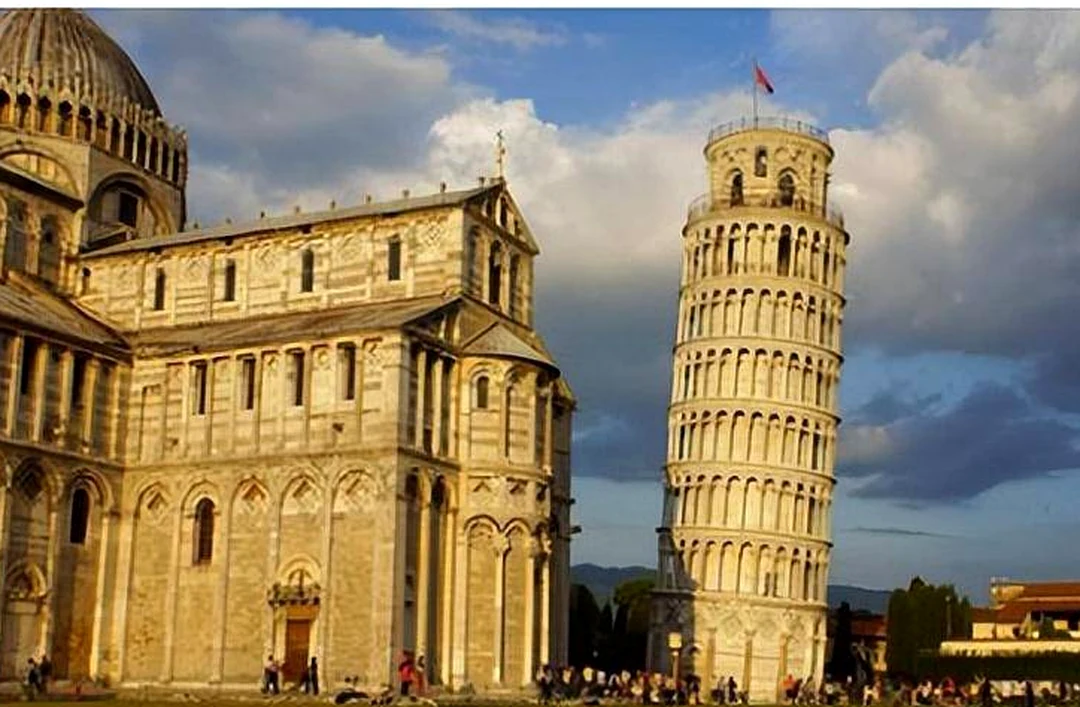
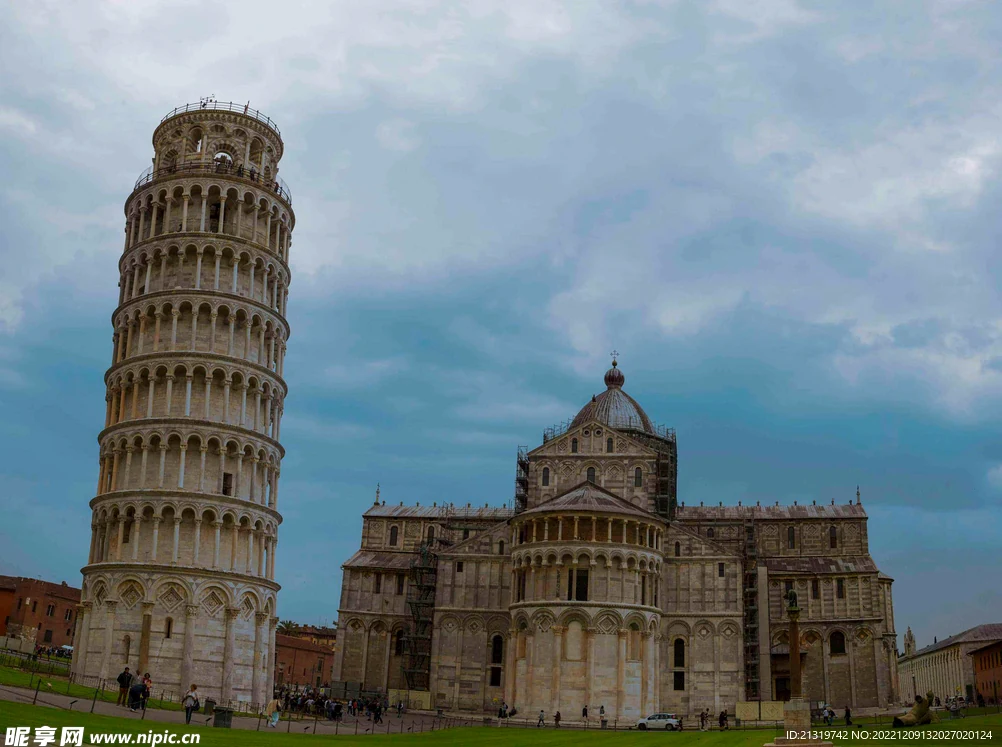
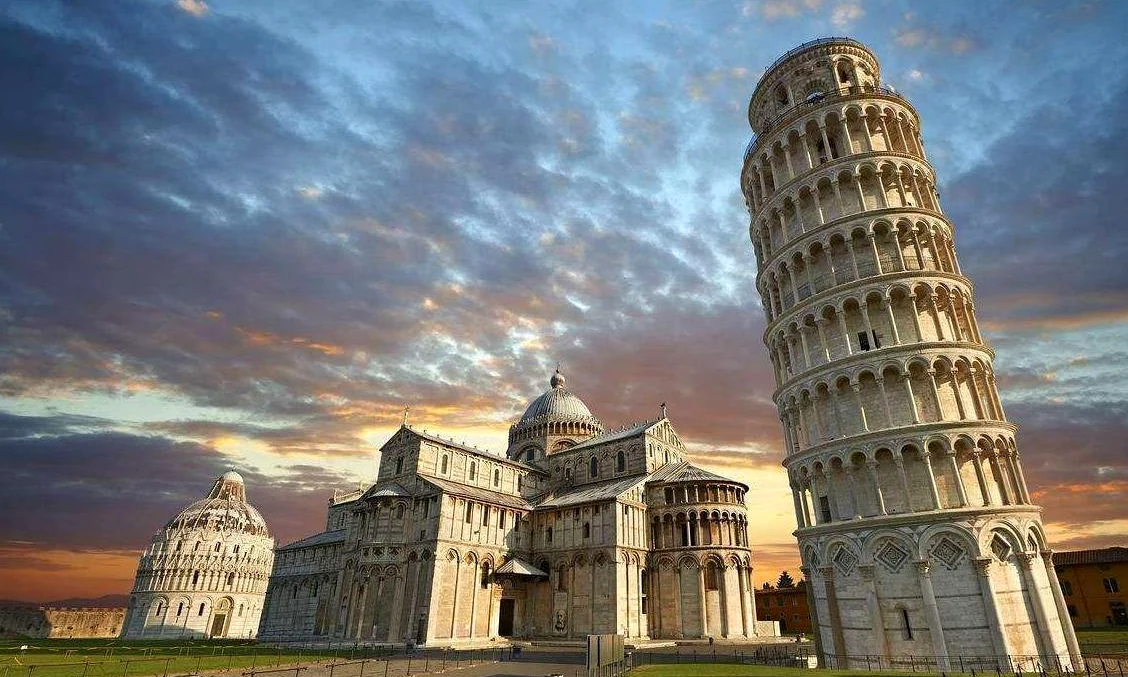
Stepping into Cathedral Square, also famed as the Field of Miracles (Campo dei Miracoli), visitors are captivated by the surreal beauty of the snow-white architectural complex standing out against Tuscany’s bright blue sky. Within it, the Leaning Tower of Pisa is more than just a symbol of defying gravity; it is a supreme architectural masterpiece and eloquent proof of the talent and vision of medieval artisans, where artistic value is elevated into legend.
The Leaning Tower of Pisa is a quintessential example of the unique Pisan Romanesque style, a refined synthesis of the vigor of Lombard architecture, classical Roman grace, and enchanting influences from Islamic art brought home along the bustling sea trade routes of the Republic of Pisa. Every detail on the tower tells a story of cultural exchange, of a Pisa once a maritime superpower where architectural ideas from across the Mediterranean converged and flourished. Seen from afar, the tower resembles an intricately carved giant candle tilting through space, defying the laws of physics while preserving its full splendor and poise.
The primary material giving the Leaning Tower its timeless beauty is white and gray marble quarried from the nearby hills of San Giuliano. This precious stone not only provides durability but also creates a stunning visual effect, making the tower shimmer in the sunlight and shift in tone throughout the day. Every stone block and column is meticulously dressed, reflecting the master craftsmanship of its builders. With an impressive height of roughly 55.86 meters on the low side and 56.67 meters on the high side, and an estimated weight of up to 14,500 tons, the tower is a monumental achievement that demanded superior calculation and technique even on weak ground.
The structural design of the Leaning Tower of Pisa blends delicacy with balance. The tower consists of 8 stories, each forming a chapter in its architectural story. The ground floor is adorned with a blind arcade set against the wall, lending a sense of solidity and antiquity. The next six stories are artistic highlights with open galleries encircled by hundreds of slender, finely carved marble columns supporting graceful curved arches. This rhythmic repetition of columns and arches creates an illusion of lightness and airy elegance that contrasts sharply with the building’s massive weight. That very arrangement transforms inert stone into a living architectural sculpture where light and shadow dance across every line.
At the top of the tower is the bell chamber (campanile), home to seven bronze bells, each tuned to a note of the major scale so they ring out in harmony across the city. Among them, the heaviest bell, named Lassa and weighing as much as 3,620 kg, was cast in 1655 and stands as a triumph of bronze casting. Inside the tower, a spiral staircase of 294 steps winds up to the summit, offering visitors a singular experience as they walk along the tilted floor and feel the structure’s historic sway firsthand. It is more than a walkway—it is a journey of discovery where every step connects with a story of human resilience and skill.
The greatest miracle of the Leaning Tower of Pisa lies in its transformation from an initial “engineering flaw” into an unmistakable “signature feature.” When construction reached the third floor, the tower began tilting southeast due to its shallow foundation and soft soil. Rather than giving up, architects such as Giovanni di Simone sought to offset the tilt by building subsequent stories taller on the leaning side, creating a gentle curve like a banana. That very “imperfection” shaped its one-of-a-kind beauty, turning the Leaning Tower into a symbol of resilience and a testament to human adaptability and creativity in the face of natural challenges. Today, even after skilled engineers stabilized it at a safe angle of roughly 3.97 degrees, the lean remains its soul, its highest artistic value, and the defining feature that makes the Leaning Tower of Pisa one of the most admired structures on earth—a true wonder of the world.
When the golden Tuscan sun caresses the ivory marble of Cathedral Square, visitors come not only to admire an architectural wonder, but also to immerse themselves in unique experiences and “priceless” moments found nowhere else on earth. With its gravity-defying stance and turbulent history, the Leaning Tower of Pisa beckons us not only with its beauty, but also with personal adventures and lasting memories on our journey to discover Italy’s heritage.
The first experience, and perhaps the most iconic one, is capturing that “classic” moment with the tower. On the western lawn of *Piazza del Duomo*, a natural “stage” has formed where thousands of visitors line up every day to strike poses “pushing,” “supporting,” or “holding up” the Leaning Tower. This is not merely a photo, but a collective performance of creativity and joy, where everyone comes together to turn a grand architectural monument into a playful prop. At VDS Travel, we understand that every moment is priceless, so our team is always ready to guide you to the exact camera angle to make sure you get the perfect shot. For VIP guests, we also arrange a dedicated professional photographer so you can immerse yourself completely in the experience without worrying about the technical side.
However, to truly feel the “soul” of the Leaning Tower, nothing compares to conquering the top of the tower. It is a journey not just for your legs, but for all your senses. As you step through the antique doorway, you begin the climb up 294 spiral steps tucked inside the thickness of the tower walls. Every step is a discovery as you distinctly feel the building’s historic tilt. The floor is uneven and the space seems to sway gently, creating a sensation that is both exhilarating and a little thrilling—as if you are walking aboard a giant ship listing across the ocean of time. It is a unique physical experience, a direct interaction with an engineering marvel that has stood firm across centuries.
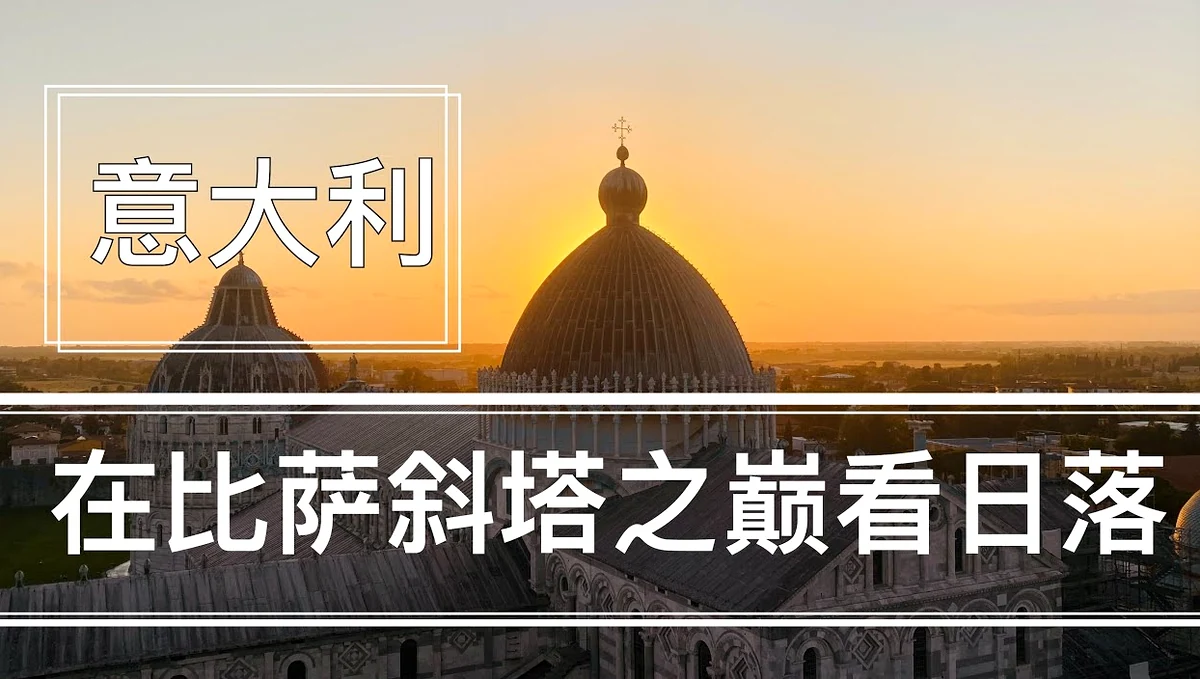
And then, when you set foot on the top of the tower at nearly 56 meters high, a breathtaking panorama opens up before you. The entire historic city of Pisa stretches out below, with bright terracotta rooftops, winding narrow streets, and the gentle curve of the Arno River. Even more special is the sweeping view over the *Campo dei Miracoli*—the Field of Miracles—with the magnificent Duomo Cathedral and the stately *Baptistery*, all framed by lush green lawns. From up here, you are not just sightseeing; you feel the grandeur of history and the brilliant minds that created these immortal monuments. It is a quiet moment where time seems to stand still so you can breathe in the blend of past and present.
To protect the delicate structure of the Leaning Tower, visits to the top are strictly controlled. Each time slot is limited to around 30–40 visitors, which is why booking tickets online in advance is mandatory—ideally 30 to 60 days ahead to secure a spot. This is a necessary measure to keep this world heritage site safe and sustainable. One especially important rule is that visitors are not allowed to bring backpacks or bags up the tower; everything must be checked in the free cloakroom outside. You may only bring a camera, a phone, and plain water. In addition, for safety reasons, children under 8 years old are not permitted up the tower. These rules may seem strict, yet they reflect the care and effort put into preserving one of the most unique architectural wonders on Earth, ensuring these “priceless” experiences endure over time.
After hours of being awestruck by the surreal beauty of the Leaning Tower—an architectural wonder that defies gravity and time—a traveler’s spirit is drawn toward another kind of magic just as enchanting: flavor. Pisa, standing at the heart of legendary Tuscany, is not only home to gleaming white marble heritage, but also the cradle of a rich local culinary tradition where every dish tells a story and carries centuries of cultural identity. Stepping away from the grand *Campo dei Miracoli*, we wander into historic lanes where the aroma of freshly baked bread, extra-virgin olive oil, and fine wine drifts through the air, inviting us to explore a captivating “food map.” This is more than a tasting journey; it is an immersion into Tuscany’s refined dining culture, where a meal is not just about filling up, but a moment of connection, zest for life, and love for timeless traditions.
Our first stop on this culinary map has to be Cecina—a thin flatbread packed with unforgettable, rich flavor. Made from the simplest ingredients—chickpea flour (*chickpea flour*), water, olive oil, and a pinch of salt—Cecina is baked in a traditional wood-fired oven, where high heat turns the outside crisp and golden while keeping the inside tender and pleasantly rich. When you eat it, a light sprinkle of black pepper awakens every sense, delivering a tasting experience that feels both rustic and refined. This dish is more than an ideal snack; it is proof of Tuscan resourcefulness in turning humble ingredients into a culinary masterpiece, reflecting a simple yet poetic philosophy of life.
Continuing along the route, we discover Tuscan Ribollita—a traditional stew that feels comforting at the very mention of its name. “Ribollita” in Italian means “reboiled,” and it is precisely this unhurried preparation that gives the soup its irresistible depth of flavor. Cooked with day-old bread, the region’s signature kale (*cavolo nero*), creamy cannellini beans, and an abundance of fresh vegetables, Ribollita simmers gently over low heat for hours. The result is a thick, velvety stew where the natural sweetness of the vegetables blends with nutty beans and gently chewy bread. It is far more than a dish; it is a symbol of thrift, family warmth, and the art of turning leftover ingredients into a nourishing meal full of heart.
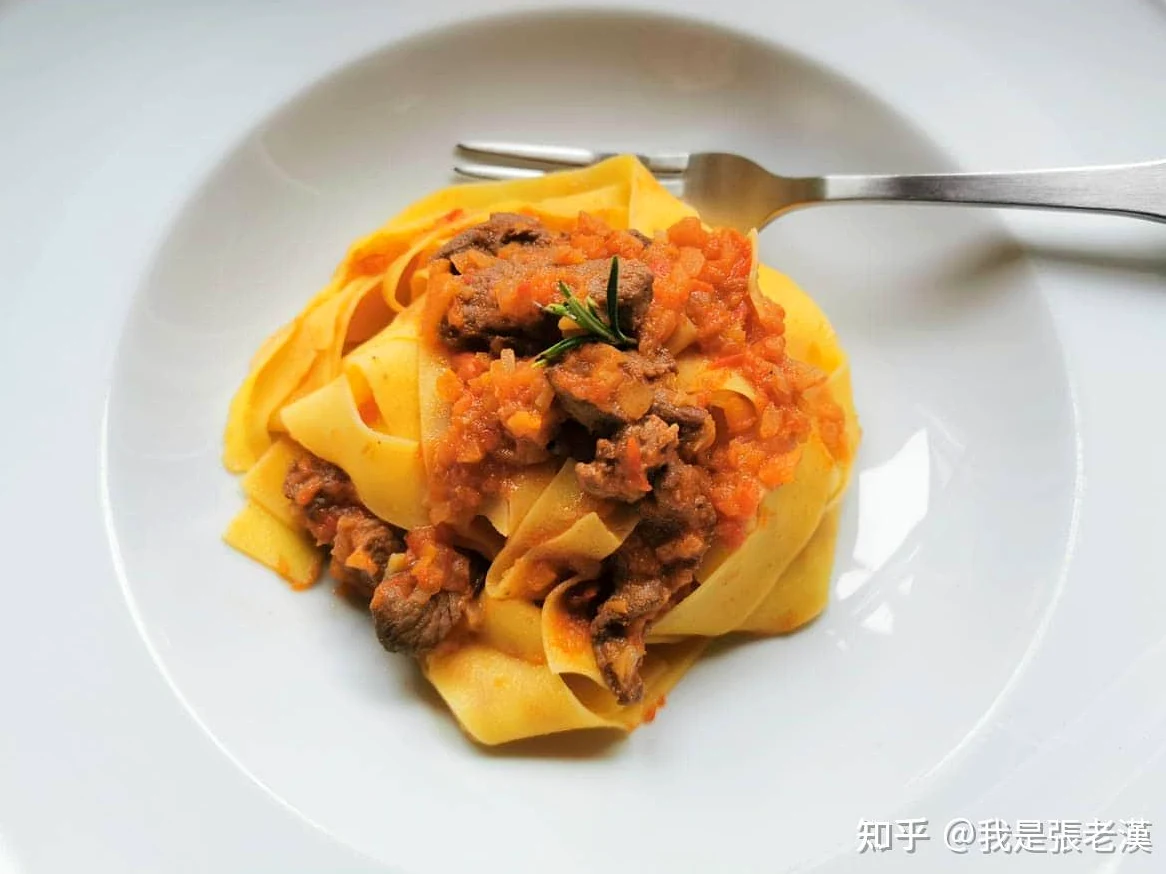
To experience the full essence of Tuscany’s mountain and forest cuisine, don’t miss Pappardelle al Cinghiale. This wide, flat ribbon pasta, whose name evokes woodland trails, is served with a slow-braised wild boar sauce. Wild boar, a Tuscan specialty, is carefully seasoned and slowly braised with renowned Chianti red wine and local herbs such as rosemary and bay leaves. Long, slow cooking makes the meat melt-in-your-mouth tender and deeply infused with wine and herbs, creating a bold, wild yet remarkably refined harmony of flavors. Each chewy strand of Pappardelle clings to the rich sauce, offering a deeply rustic woodland dining experience that makes you feel right inside Tuscany’s sweeping landscapes.
And it would be a major omission not to mention Chianti Classico DOCG Wine—the soul of this region. Tuscany is famous not only for its historic architecture, but also as one of the world’s most celebrated wine capitals. Vineyards stretching endlessly across rolling hills beneath Italy’s warm golden sun produce bottles of Chianti Classico with an unmistakable character. With an inviting ruby hue and a complex bouquet of ripe red fruits like cherry and raspberry mingled with warm oak notes and a subtle spice, Chianti Classico pairs effortlessly with every Tuscan meal, especially red meat dishes. Sipping a glass of Chianti inside a cozy traditional *trattoria*, by soft candlelight and lively conversation, is more than drinking wine—it is savoring history, culture, and the openhearted spirit of Italy.
At VDS Travel, we believe cuisine is an inseparable part of cultural discovery. Every dish and every glass of wine in Pisa and Tuscany opens a window into the local worldview, where sincerity, passion, and love for the land shine brightest. From humble starters to elaborate mains, and from full-bodied red wine to bold espresso, every element paints a vivid, colorful culinary portrait. These are the experiences VDS Travel pours its heart into creating—not only for you to enjoy with your palate, but with your whole heart as well, so every trip is not just about looking, but about feeling and living every moment in this enchanting land.
After pages of wandering through glorious history, fine architecture, and “priceless” experiences at the Leaning Tower of Pisa, now, as your trusted travel companion at VDS Travel, I would like to share an essential “pocket guide.” Because for your journey to discover this wonder to be truly complete and safe, careful preparation is the golden key that opens the door to unforgettable moments.
The best time to visit Pisa—and especially the Cathedral Square (*Piazza del Duomo*) complex—is during spring (April – May) or autumn (September – October). These are the months when the Tuscan sky and earth wear their gentlest beauty: mild weather, golden sunshine pouring like honey over marble slabs, and crisp, pleasant air. Visitors avoid the harsh, muggy heat of peak summer (July–August), which often brings dense crowds that make the experience feel less serene. Spring brings blooming flowers, while autumn turns vast vineyards golden, creating a supremely romantic natural backdrop ideal for once-in-a-lifetime photos and peaceful reflection.
One of the bucket-list highlights VDS Travel always encourages is conquering the top of the Leaning Tower. However, turning that dream into reality takes some strategic ticket planning. Because strict hourly visitor caps—only around 30–40 people per turn—protect the tower’s delicate structure, you must book tickets online in advance, ideally 30 to 60 days before your trip. Planning ahead ensures you get your preferred time slot and avoids sold-out dates or long lines. The tower is open daily year-round, typically from 09:00 AM to 06:00 PM or 08:00 PM depending on the season, though you should always double-check exact hours before planning.
Once you have that prized ticket in hand, keep the strict safety and access rules in mind. One of the most notable rules is that visitors are not allowed to bring backpacks or bags up the tower. All personal bags, large or small, must be left at the free cloakroom outside before entering. You may only carry a camera, a phone, and plain water. This not only protects the tower’s structure from accidental bumps, but also keeps movement comfortable along the narrow spiral stairs. Another important note is that children under 8 years old are not allowed up the tower for safety reasons. VDS Travel always makes sure this information is communicated clearly to every traveler so everyone can prepare as smoothly as possible.
Beyond climbing the tower, exploring the entire *Campo dei Miracoli* complex also calls for a measure of respect. Because this is a sacred religious complex—including the Duomo Cathedral and the *Baptistery*—visitors are asked to follow a modest dress code: shoulders and knees covered, applying to both men and women. It is a lovely cultural custom that shows reverence for local heritage and faith while helping you blend into the solemn, historic atmosphere of the place.
Last, but certainly not least, are security precautions. Although the Piazza area in Pisa and the walking route from the train station to the tower are lovely and grand, they are “hotspots” for pickpocketing and petty scams. Common tricks include staging dropped items, offering fake charity bracelets, or simply taking advantage of a visitor’s lapse in attention. Especially emphasizing the “Rule”: our guides are always on hand, strictly managing guests’ personal belongings, and advising travelers never to wear a shoulder bag slung to one side or keep a wallet in a back pocket. Always keep your valuables in the safest place possible, stay alert to people who get overly friendly too quickly, and trust our team’s guidance for a safe, worry-free trip.
With these “pocket tips,” we trust you will have a journey exploring the Leaning Tower of Pisa that is not only rich in deep cultural experiences, but also safe, comfortable, and full of emotion. Let every step in this Field of Miracles become an unforgettable mark in your own travel journal.
As the last rays of afternoon sunlight settle over Cathedral Square, gilding the white marble of the Leaning Tower in gold, a deep sense of fulfillment rises within every traveler. Together we have journeyed through nearly nine centuries of history, from the ambitious groundbreaking on August 9, 1173, witnessing the fateful tilt at the third story, through periods interrupted by war between Pisa and Genoa, to the miraculous twentieth-century rescue efforts that secured a safe tilt of 3.97 degrees. We have admired the distinctive Pisan Romanesque style, felt the intricacy of its eight tiers and 294 spiral steps, and pictured Galileo Galilei dropping spheres from the top of the tower to uncover laws of the cosmos. Now, the story of the Leaning Tower of Pisa goes beyond a single monumental structure, opening a door to deeper journeys of discovery that turn every trip into an authentic experience of connection.
Within our luxury travel product ecosystem, the Leaning Tower of Pisa is more than just a stop on the western lawn of *Piazza del Duomo* to snap the classic “holding up the tower” photo. It is a golden link, a signature heritage highlight woven thoughtfully into an Italian heritage itinerary where every stop tells a connected story. You can choose a classic golden route linking legendary cities like Rome – Florence – Pisa – Venice, where you will immerse yourself in the grandeur of the Roman Empire, the Renaissance beauty of Florence, the romance of Venice, and, of course, the uniqueness of Pisa. Or, if your spirit craves exploring artistic and cultural depth, the thematic itinerary “Imprints of the Tuscan Renaissance” takes you through Florence, Siena, San Gimignano, and Pisa, where every lane and wall breathes history and art.
What sets us apart are our exclusive experiences, carefully crafted to elevate your journey. We understand that time is precious, especially when you are standing before a world wonder. That is why we proudly arrange skip-the-line tower tickets through our direct strategic partnership with the *Opera della Primaziale Pisana* management body. You will not have to stand in long queues, but can step unhurriedly through the entrance, feel each marble step worn smooth over time, and take in sweeping views of Pisa alongside the Duomo Cathedral and Baptistery from nearly 56 meters high, where Mediterranean sea breezes still whisper ancient stories.
Even more, we do not just bring you to look—we help you understand. We arrange an accompanying architectural historian who will do more than recount the 1173 groundbreaking date or interrupted construction phases, delving instead into signature Pisan Romanesque building techniques, analyzing white and gray marble from San Giuliano, and explaining in detail the engineering solutions that saved the tower from collapse in the late twentieth century. You will hear how architects such as Giovanni di Simone tried to “curve” the tower to compensate for its lean, creating a subtle “banana” shape that few people know about. This in-depth knowledge turns every architectural detail and every crack in the stone into a living page of history, opening up a fresh perspective on this wonder.
And to make your exploration of Tuscany’s finest elements even more complete, we bring you an unforgettable culinary experience. After conquering the Leaning Tower, you will be taken to a traditional wine estate in the Chianti region near Pisa to enjoy a refined lunch paired with wine tasting. Amid lush pastoral scenery and the warm Tuscan sun, you will sip fine glasses of Chianti Classico DOCG—savoring ripe red fruit notes mingled with oak and light spice—while enjoying local specialties such as Pappardelle al Cinghiale, wide ribbon pasta with slow-braised wild boar sauce, or Cecina, crisp chickpea flatbread. This is more than a meal; it is a feast for the senses where flavor, landscape, and culture blend together, leaving a lasting imprint in memory.
The Leaning Tower of Pisa, a symbol of resilience and timeless beauty, awaits you. We are committed to delivering a journey that is not merely sightseeing, but a deep connection with history, culture, and people. Let us guide you to one-of-a-kind experiences where every moment is elevated and every story is told vividly. Do not miss the chance to turn your dream of exploring Italy into reality with privileges found only at VDS Travel. Start your journey today by booking through our All-Inclusive Tour Package, so we can write the most memorable chapters about this magical boot-shaped land together.