The modern concept of travel in international parlance traces its roots to the Old French word “tour,” implying a closed circle or a circular voyage in which the starting point is also the ultimate destination—a journey from which the traveler returns with an entirely transformed perspective and mindset. Looking back across the sweep of human civilization, crossing borders was originally bound to life-or-death expeditions, merchant caravans forging paths along the fabled Silk Road, or devoted pilgrims embarking on arduous journeys toward sacred lands. Yet the desire to roam truly broke free from military and survival imperatives to become a pure cultural pursuit only when Europe entered the 17th century with the rise of the Grand Tour.

Throughout the Age of Enlightenment, the Grand Tour was regarded as a mandatory rite of passage for the offspring of the aristocracy and elite classes across Britain and Western Europe. Young men from noble families routinely spent months, or even years on end, crossing the English Channel to set foot in glamorous Paris and traversing the treacherous Alps to reach the cradle of the Renaissance in Florence, Venice, and the ancient ruins of Rome. This transcontinental odyssey was never merely about sightseeing; it served as a comprehensive experiential education in which the rising generation was honed in politics, archaeology, painting, and the art of diplomacy, establishing a profound aesthetic standard that shaped an entire era.
The monumental turning point that transformed elite expeditions into a universal privilege occurred in the mid-19th century under the momentum of the Industrial Revolution. On July 5, 1841, social reformer Thomas Cook chartered an entire steam train to transport 540 passengers from Leicester to Loughborough in England, marking the birth of the world’s first organized package tour industry. Driven by the rapid expansion of railways and steamships, Thomas Cook dismantled the aristocracy’s monopoly on travel, laying the legal and logistical foundations for a brand-new economic sector and turning the crossing of geographic boundaries into an attainable aspiration for everyday citizens.
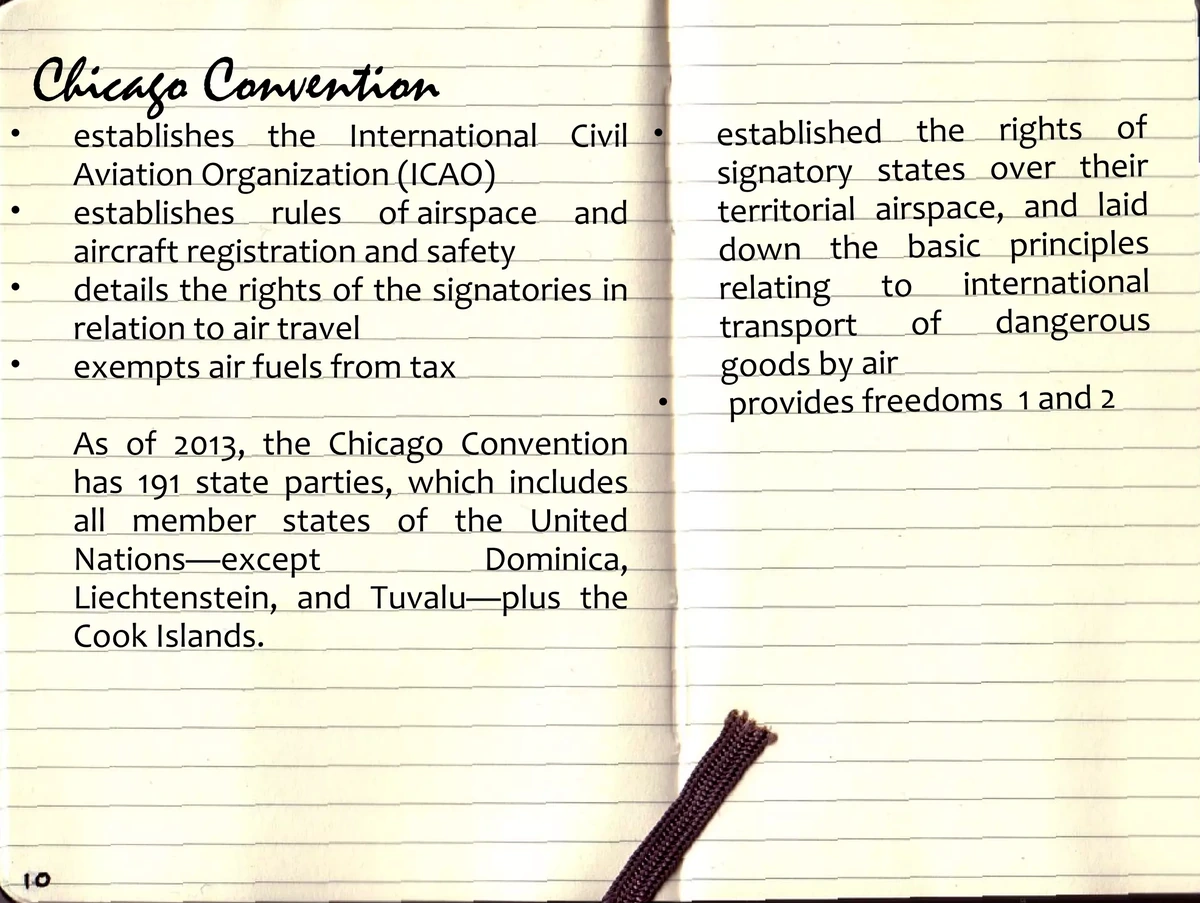
The shifting global order following the two World Wars of the 20th century continued to reshape the map of international tourism toward standardization and expanded freedom of movement. In 1944, even as Allied powers convened at Bretton Woods to restructure the post-war financial system, the Chicago Convention on International Civil Aviation was signed in Illinois, formally establishing a solid legal framework for airspace governance, standardizing aviation safety protocols, and defining international air transport rights. This landmark accord paved the way for the Jet Age, shrinking vast oceans into flights lasting just a few hours and binding distant continents closer together than ever before.
The aspiration for a borderless world reached a historic pinnacle in 1985 in the small village of Schengen in the Grand Duchy of Luxembourg. The Schengen Agreement was born with the historic decision to abolish internal border checkpoints, creating an unprecedented zone of free movement across the Old Continent. From the ascetic pilgrimages of antiquity to today’s multinational visa networks and dense global flight corridors, the history of international travel vividly chronicles humanity’s evolution in striving to break down dividing borders in pursuit of cultural exchange and enduring peace.
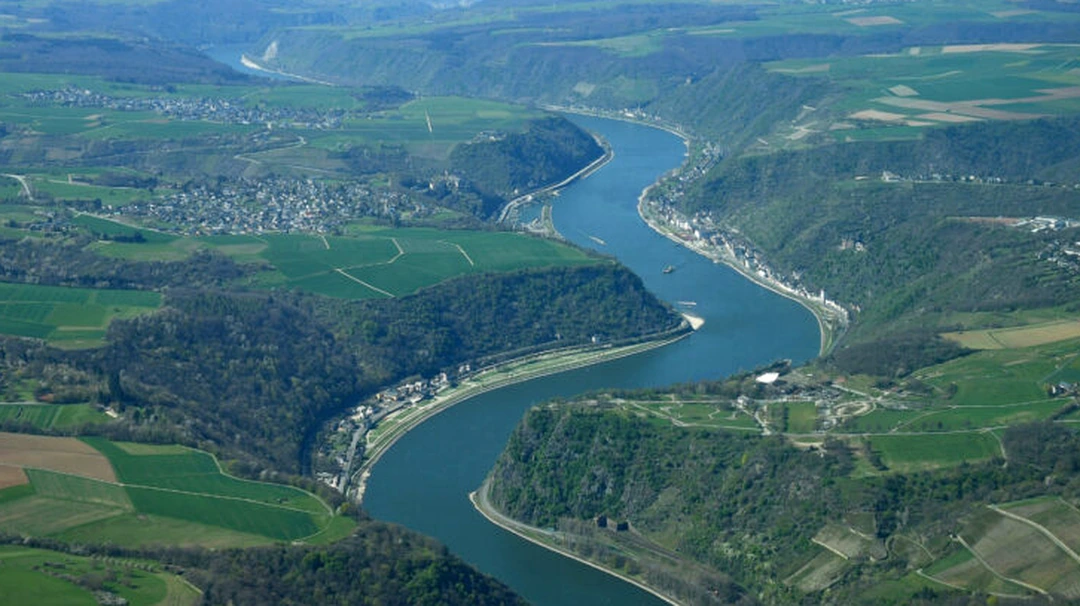
Viewed through the lens of human geography and macro-spatial planning, international travel goes far beyond crossing administrative borders—it is a profound encounter with the planet’s mountain systems, hydrology, and soil formations. Great civilizations throughout history have invariably emerged from auspicious terrain, converging along the fertile alluvial basins of mighty rivers such as the Rhine, the Danube, or the Nile Valley, and nestled beside majestic mountain ranges like the Alps or the Pyrenees. When a cross-border itinerary is approached from the perspective of topography and natural landscape harmony, a traveler’s journey becomes a rhythmic observation of energy-gathering landforms, fertile basin valleys, and sweeping coastal plains. Grasping the laws of terrain variation—from tectonic fault lines to ancient volcanic plateaus—is the crucial stepping stone to crafting a precise, coherent, and nature-aligned voyage of discovery.
At an advanced technical level, applying the Köppen climate classification system serves as an indispensable analytical tool for decoding the character of each region and optimizing travel timing. For example, in regions defined by a Mediterranean climate—classified as Csa with harsh, hot, dry summers, or Csb with mild, breezy summers moderated by ocean currents—selecting the right departure window demands precise calculation rooted in agricultural calendars and meteorology. Rather than crowding into peak midsummer months when temperatures soar alongside overwhelming tourist numbers, the shoulder seasons from April to May or September to October represent the golden window. During these intervals, solar radiation angles recede and subtropical high-pressure systems temporarily weaken, giving way to mild temperatures ranging from 18°C to 24°C—creating ideal conditions for strolling through open-air limestone architectural heritage without physical exhaustion.
Alongside an understanding of nature comes the advancement of modern Resilience Planning, designed to preserve landscape integrity against the pressures of global travel flows. In premier tourism cities worldwide, spatial planning philosophy has shifted from pure exploitation toward sustaining microclimatic ecosystems. A cornerstone of contemporary technical infrastructure is the seamless integration of high-speed rail (HSR) networks, smoothly linking historic city centers with ecological peripheries. Powered by renewable energy, these sleek trains glide effortlessly across complex terrain corridors, not only slashing transit times between ancient cities but also relieving accommodation pressure on crowded heritage cores while drastically cutting the carbon footprint per kilometer compared to traditional short-haul aviation.
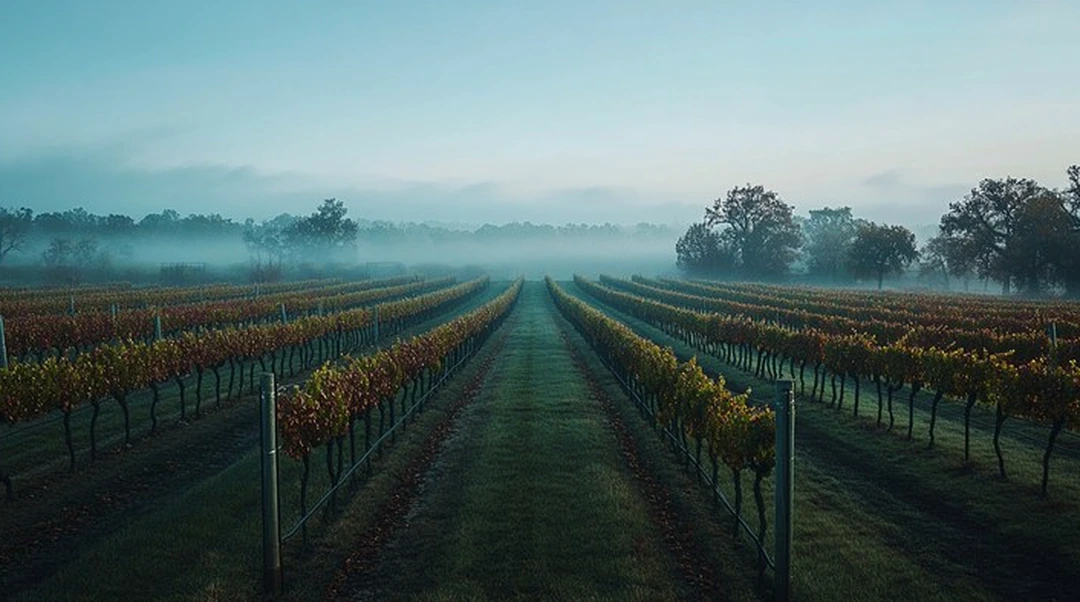
The signature landscape of every international territory is thus the crystallization of millions of years of geological movement shaped by human ingenuity across generations. From layered terraced hillsides cradling the morning mist in sprawling grape and olive valleys to sheer karst coastlines rising dramatically beside emerald waters, every vista displays a strict spatial order. When travelers master topographic principles, climate patterns, and adaptive transit networks, a journey across continents ceases to be a matter of random chance and becomes a poised cultural odyssey, where every footstep resonates with the deep breath of the earth and timeless layers of civilization.
Throughout the evolution of human civilization, the boundary between functional engineering infrastructure and high artistic icon has never been more blurred than in next-generation aviation hubs. Once categorized by architectural theorists as “non-places”—soulless transit corridors through which people pass in anonymity—contemporary international transfer hubs have undergone a radical structural revolution. They have transformed into captivating “third places,” where service convenience, natural ecology, and precision mechanical engineering merge into a unified whole. The most dazzling testament to this philosophy stands at Jewel Changi Airport, where architect Moshe Safdie realized biophilic design on an unprecedented scale. The entire structure is encased within a toroidal glass-and-steel roof dome woven from over 9,000 specialized glass panels and 18,000 structural steel beams, forming a colossal microclimatic conservatory embracing the Shiseido Forest Valley and thousands of plant species curated from every continent. At the heart of this awe-inspiring space cascades the 40-meter-tall HSBC Rain Vortex, where harvested equatorial rainwater plunges straight through the central oculus at tens of thousands of liters per minute, orchestrating a spectacle of optical refraction and natural acoustics at the core of one of the busiest transit hubs on Earth.
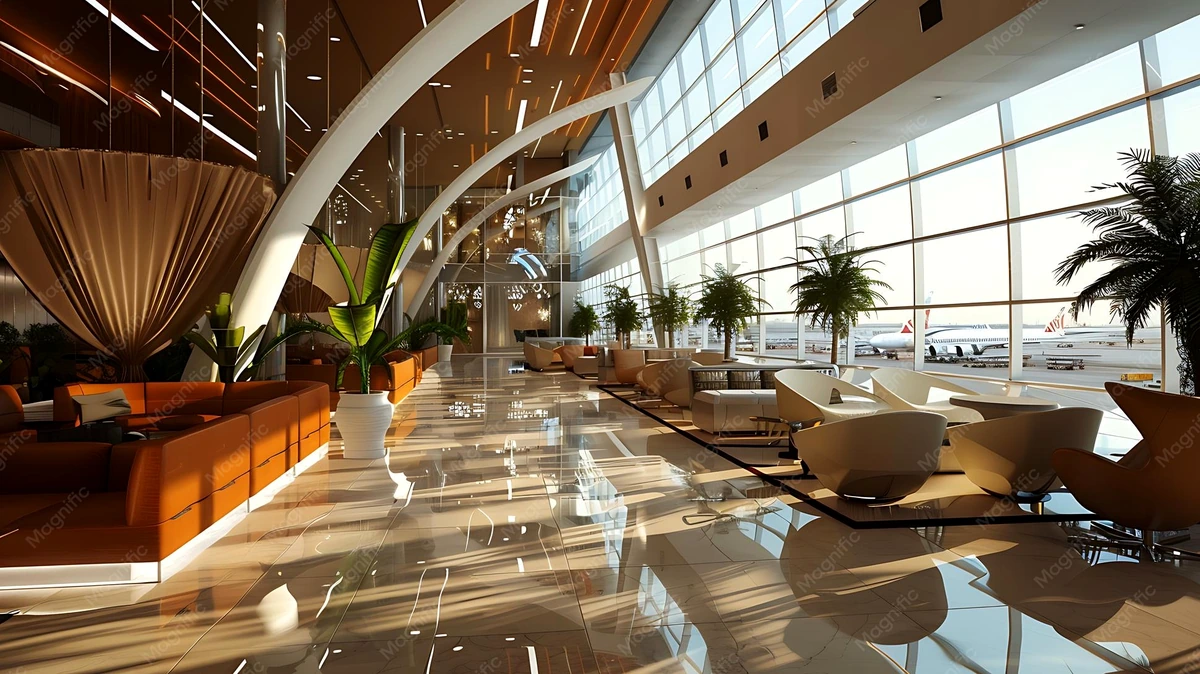
This visual grandeur is underpinned by a hyper-precise spatial and logistical framework known as the “Hub-and-Spoke” model. It serves as the primary territorial and routing skeleton for maritime and aviation megahubs such as Dubai International (DXB), London Heathrow (LHR), and Tokyo Haneda (HND). At this scale, architecture does far more than accommodate parked aircraft; it solves the spatial conflict of coordinating tens of millions of transfer passengers annually. A prime example is Terminal 3 in Dubai International—a marvel of reinforced concrete and aluminum alloy spanning more than 1.7 million square meters of floor space that once held the record as the world’s largest single building. Its entire layout is engineered in multi-tiered linear tiers to mechanically separate departing, arriving, and transiting passenger flows. The futuristic sweep of its undulating metallic roofs not only evokes the rolling sand dunes of the Arabian Desert, but also conceals a subterranean baggage handling network buried dozens of meters underground, featuring over 100,000 meters of automated conveyor belts driven by real-time optical sensors.
Actual capital investment in these 21st-century trade and transit complexes routinely surpasses ten billion US dollars, turning each megastructure into a self-contained smart city. Alongside renewable energy systems and smart thermal insulation materials that maintain stable microclimates amid extreme weather, the arteries linking concourses kilometers apart are Automated People Mover (APM/APT) systems. Driverless air-cushion or rail-guided trains governed by central algorithms with millisecond precision glide silently through negative-pressure tunnels, seamlessly connecting satellite concourses with the main terminal. Such sophisticated mechanical engineering demands structural accuracy down to minimal tolerances, completely eliminating vibrations to preserve the integrity of panoramic glass curtain walls spanning tens of thousands of square meters.
Beyond cold technical specifications, the art of organizing international transit spaces serves as a profound cultural manifesto for each gateway nation. While the serene minimalism of cedarwood slats and Shoji-inspired light screens at Tokyo Haneda’s International Terminal embodies Japan’s traditional Omotenashi hospitality, the sunlit grand concourses of London Heathrow radiate rationalist clarity, showcasing the precision of British structural expressionism. Every curve of a steel girder, every rhythm of acoustic ceiling baffles, and every stream of engineered airflow is calibrated to dissolve the fatigue of intercontinental flights, elevating a routine layover into an immersive encounter with spatial artistry and human engineering mastery.
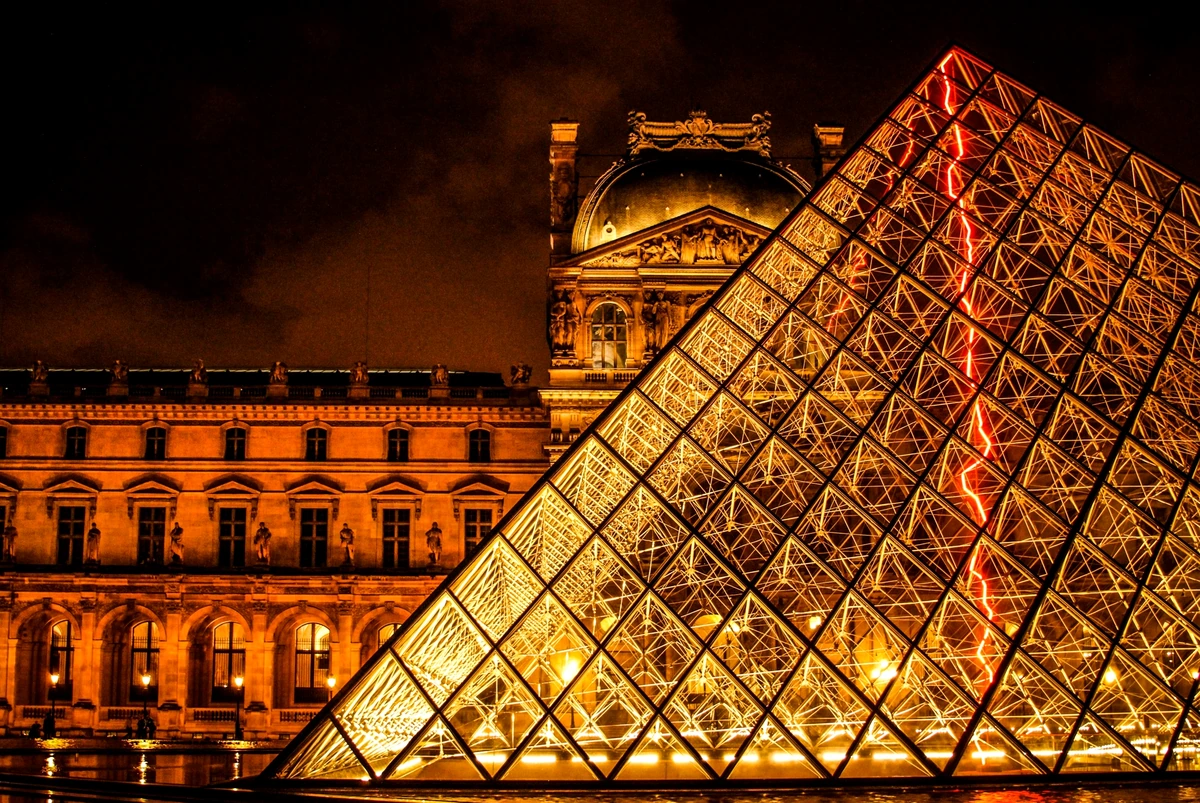
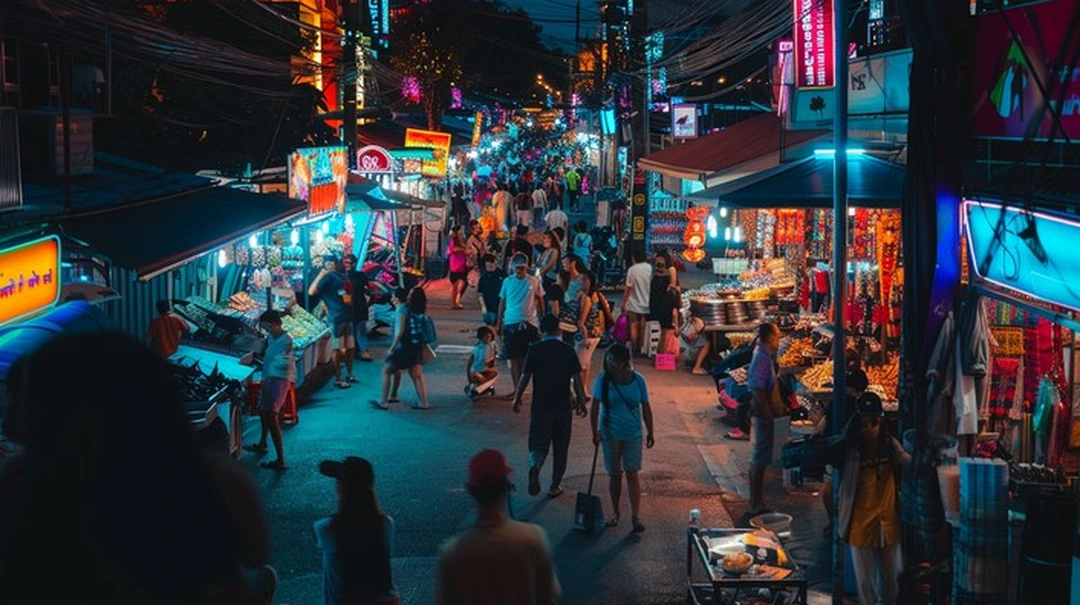
When night falls, the world’s premier travel capitals never drift off to sleep; instead, they enter a second awakening in which the nighttime economy becomes the truest measure of urban vitality and civic identity. Far beyond mere commercial entertainment venues, darkness is celebrated by urban planners through refined architectural lighting design. In Paris, the illumination of Baron Haussmann-era facades eschews harsh glare in favor of a soft, warm golden spectrum that casts delicate shadows across carved Lutetian limestone moldings, turning the Champs-Élysées and the banks of the Seine into ribbons of understated splendor. In contrast to Western rhythms, the ancient capital of Kyoto practices a shadowy aesthetic inspired by writer Jun’ichirō Tanizaki’s celebrated essay praising shadows. Beneath the Higashiyama hills or along the historic flagstone lane of Ishibe-koji in Gion, light never asserts itself mechanically; instead, it hides behind translucent paper andon lanterns, casting fragile silhouettes across bamboo yarai fences and weathered machiya wooden walls to recreate the tranquil, primeval atmosphere of Japan centuries ago.
The intersection of sweeping natural landscapes and contemporary performing arts shines brilliantly through large-scale outdoor live spectacles. Prominent across the East are monumental productions that use rivers and mountains as natural stage backdrops, exemplified by the live-action show on the Li River in Yangshuo, Guilin. Amid a serene amphitheater ringed by twelve towering karst limestone peaks, digital lighting systems harmonize seamlessly with a performance by more than 600 local fishermen, transforming two square kilometers of open water into a mesmerizing, living landscape. Meanwhile, back on the European continent, sound-and-light symphonies staged at the Acropolis in Athens or in the courtyard of Château de Chambord in the Loire Valley transport spectators back to the grandeur of the Renaissance, where 3D projection mapping brings every mossy crevice and ancient bas-relief to life upon timeless limestone walls.
A destination’s nocturnal rhythm is equally anchored by unwritten communal rituals woven deeply into local life across generations. In Italy, as dusk paints ancient bell towers crimson, residents of every generation step out for the leisurely evening stroll—the passeggiata—across iconic piazzas like Piazza Navona or along Corso Umberto. More than mere exercise, this is an open-air stage for social connection, where neighbors exchange warm glances, catch up over vibrant orange glasses of Aperitivo, and nibble on plates of briny, sea-kissed cicchetti. Halfway across the globe, late-night dining culture in traditional Japanese alleyways offers a distinctive ritual for releasing social pressure. Tucked behind fluttering noren curtains in the narrow lanes of Omoide Yokocho or Shinjuku Golden Gai, fragrant smoke from binchotan oak charcoal mingles with the crisp warmth of pure nihonshu sake. Beneath the cozy glow of red akachochin lanterns, social hierarchies dissolve, leaving only genuine camaraderie among kindred spirits seeking a moment of refuge after demanding workdays.
Stepping into a destination’s nightlife is an expedition into its subtlest cultural strata, where lighting artistry converses with architectural heritage and everyday culinary customs become the thread connecting travelers to the innermost soul of a place.
The global culinary map has never been merely a checklist of delicacies laid out on a banquet table; rather, it is a maritime logbook recording centuries of symbiosis between humankind and local microclimates. Any cross-border journey remains incomplete unless the traveler unlocks the philosophy of “terroir”—a profound concept rooted in traditional French agriculture that denotes the inseparable organic bond among soil composition, slope aspect, rainfall, sunlight, and the nurturing hands of the artisan. Terroir explains why, even with the exact same grape varietal or fermentation method, wines from the Bordeaux and Champagne valleys—or famed Roquefort sheep’s milk cheese aged inside the natural limestone caves of Mount Combalou—possess singular flavor profiles that no other corner of the planet can ever fully replicate.
To safeguard the inviolability of these regional treasures, France established the rigorous Appellation d’Origine Contrôlée (AOC) certification system, setting an unshakeable benchmark across Europe and the world for the authenticity of local produce. Beyond raw ingredients, the pinnacle of Western gastronomy represents an intricate dialogue between nature and rational science. The technique of sous-vide—vacuum-sealed slow cooking calibrated to a tenth of a degree Celsius, perfected by chef Georges Pralus at the renowned Maison Troisgros in Roanne—stands as a brilliant triumph of Haute Cuisine. This method preserves the cellular structure, natural pigments, and succulent juices of rich foie gras or prime cuts of beef, allowing diners to experience ingredients at a state of perfection unattainable over an open flame.
Counterbalancing Western precision is the contemplative depth of East Asian culinary traditions, where preservation and preparation follow the natural rhythms of heaven and earth. On the Korean Peninsula, the art of jang fermentation—encompassing doenjang (soybean paste), ganjang (soy sauce), and gochujang (red chili paste)—is a revered intangible cultural heritage with roots stretching back to the Three Kingdoms period and perfected during the Joseon Dynasty. The heirloom secrets of noble yangban households and ancient Zen monasteries are not preserved in ink on paper, but reside inside hundreds of dark earthenware onggi jars basking in sun-drenched courtyards.
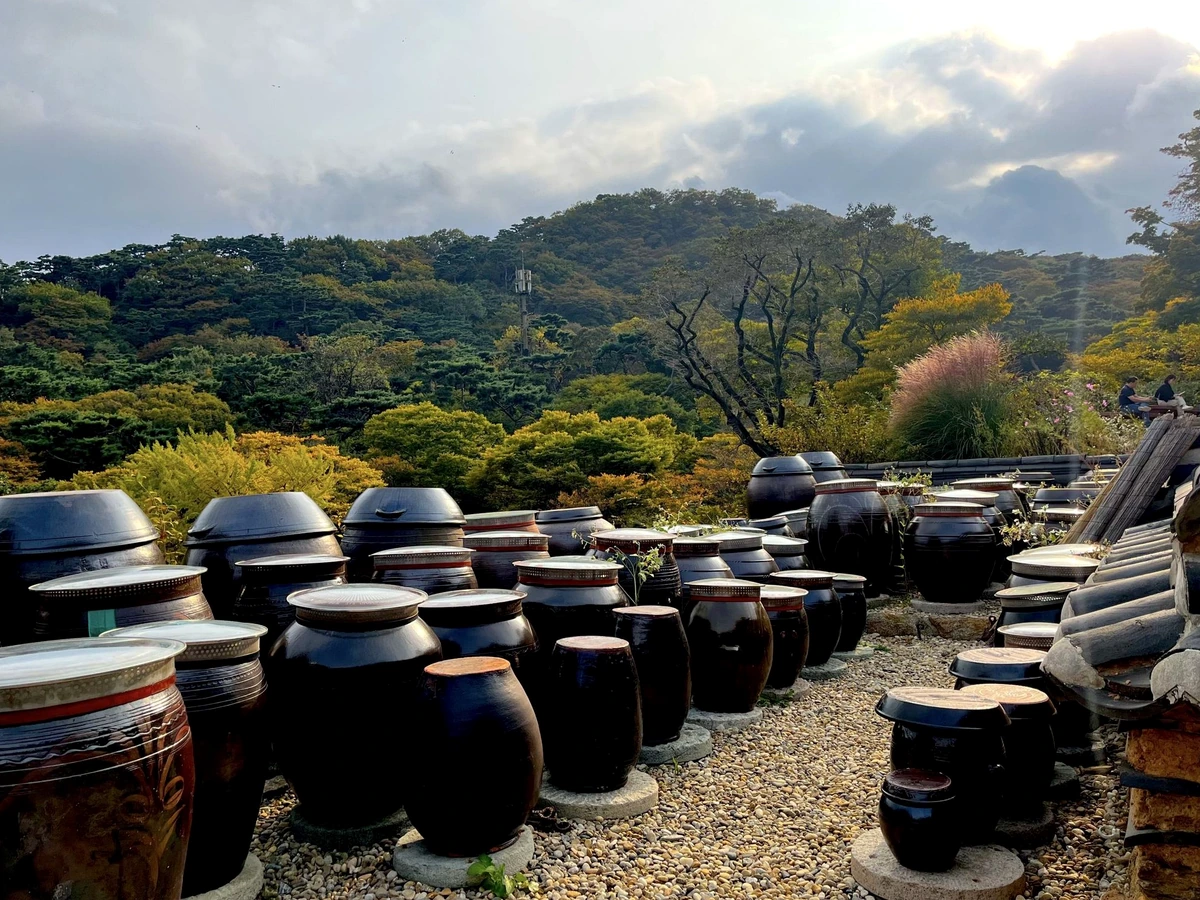
These porous, breathable clay vessels inhale mountain breezes and morning dew across freezing winters and humid summers, allowing indigenous microorganisms to quietly transform blocks of boiled meju soybeans into rich, glistening elixirs brimming with deep umami. Tasting a single drop of soy sauce aged for three decades is not merely sampling a condiment—it is imbibing the passage of time, human patience, and ancestral resilience in harmony with unforgiving seasons. Stepping into the family kitchen of a distant land and tracing the provenance of every cut of meat and every broth simmered across generations is the highest rite of initiation, elevating a traveler beyond a passive sightseer into a true participant in the soul of an indigenous civilization.
The art of international travel demands astute financial orchestration, where every dollar spent is transformed into lasting intellectual and emotional value. Within the classic budget framework of seasoned explorers, the 30–30–40 ratio stands as the golden rule for maintaining optimal balance. Specifically, 30 percent of the total budget is allocated to international and domestic transit arteries, 30 percent goes toward character-rich accommodations or reliable hospitality standards, and the remaining 40 percent—the most vital portion—is safeguarded exclusively for on-the-ground experiences. Dedicating the largest share of resources to curated fine arts exhibitions, restricted heritage access passes, traditional local craft workshops, and heirloom culinary tastings rescues a trip from the trap of passive consumption, elevating the itinerary into a vibrant cultural inquiry.

To maximize time and transit efficiency across distant territories, adopting a multi-destination strategy via open-jaw flight itineraries plays a pivotal role. Rather than locking a schedule into a conventional round-trip route that forces a backtrack to the original point of entry, flying into one city and departing from another eliminates wasted transit hours while cutting unnecessary expenses on redundant domestic flights or rail backtracking. Alongside intelligent route design, understanding the daily rhythms and operating schedules of each destination is essential. Major museums in Western Europe customarily close on Mondays or Tuesdays, whereas serene temples across East Asia shut their monastery gates at dusk; proactively checking schedules and securing timed online reservations in advance spares travelers disappointing detours at closed heritage doors.
Beyond spatial logistics, discipline in finalizing legal documentation and electronic travel authorizations acts as a protective shield for a seamless journey. For destinations operating visa-waiver programs or electronic travel authorization systems, registration reviews and applications should be completed at least thirty days prior to departure. This buffer window not only safeguards against unexpected diplomatic processing delays, biometric verification lags, or immigration portal glitches, but also grants travelers peace of mind to focus thoroughly on preparing for the experiences ahead.
A journey that transcends conventional templates invariably calls for sharp cultural intelligence, demonstrated through adaptability and fluency in local behavioral codes. To sidestep the commercialized tourist traps clustered around headline landmarks, savvy travelers actively tap into domestic search engines and local data platforms. Navigating native ecosystems such as Baidu within the Chinese cultural sphere or Naver on the Korean Peninsula unlocks doors to hidden alleyway teahouses, multi-generational family eateries, and artisanal craft villages well beyond the reach of Western guidebooks. This cultural sensitivity both preserves the authenticity of the voyage and conveys genuine respect toward local communities.
Ultimately, every international journey is the synthesis of meticulous planning and an open spirit ready to embrace the wonders of humanity. To bring ambitious travel dreams to life without being weighed down by complex visa hurdles, transit connections, or itinerary logistics, discerning travelers can choose to journey with all-inclusive international tour packages thoughtfully crafted where intellectual depth and gold-standard service unite into priceless memories.