Welcome, dear readers—I am an international travel writer and cultural historian here to guide you deep into the heart of Europe, where royal stories and the imprint of time weave together in every brick and fresco. Our first stop, a grand emblem of power and artistry, is the magnificent Schönbrunn Palace in Vienna, Austria—a UNESCO World Heritage site where every corner holds an epic tale.
To truly feel the pulse of Schönbrunn, we need to turn back the clock to its earliest days, when the site was still a wild tract of land brimming with potential. The story begins in 1569, when Emperor Maximilian II of the illustrious Habsburg dynasty acquired the area. At first, his aim was simply to turn it into a hunting and leisure ground, a peaceful retreat away from the bustle of the capital. Right here, a clear freshwater spring was discovered, giving birth to the name Schönbrunn—meaning “Beautiful Spring”—for what would become one of the most splendid palaces in European history.
Yet it was not until the late 17th century that the dream of a true imperial residence began to take shape. Under Emperor Leopold I, a bold vision took root: to build a palace rivaling the grand Palace of Versailles in France, the supreme symbol of monarchical power of that era. This lofty commission went to master architect Johann Bernhard Fischer von Erlach. From 1696 to 1712, the first bricks were laid, giving rise to a majestic Baroque structure marked by monumental lines, exact symmetry, and the theatrical display of power characteristic of the age.
Even so, the Schönbrunn we admire today bears the unmistakable stamp of a legendary empress—Maria Theresa. She was one of the most powerful and influential figures in European history, ruling the Habsburg Empire from 1740 to 1780. Under her direction, the palace underwent a comprehensive transformation, evolving from a Baroque residence into the undisputed political and cultural center of the empire. Architect Pacassi, under Maria Theresa’s patronage, skillfully reshaped Schönbrunn, infusing it with the refined grace of the Rococo style. Ornate decorations, soft pastel tones, and delicate harmony replaced the initial monumentality, creating the architectural masterpiece we see today.
Schönbrunn was not only a witness to the zenith of the Habsburg dynasty, but also a cradle of royal destinies. It was the birthplace of Emperor Franz Joseph I in 1830, the longest-reigning monarch in Austrian history. And it was here too that he breathed his last in 1916, marking the close of a gilded yet turbulent era for the Austro-Hungarian Empire. Alongside the legendary Empress Sisi (Elisabeth), Schönbrunn preserved its final golden years—stories of love, power, and tragedy that helped shape European history.
Schönbrunn’s history is also intertwined with many other watershed events. The palace was chosen as headquarters by the French army of Napoléon Bonaparte during the campaigns of 1805 and 1809, a testament to its strategic and symbolic standing. After World War I, when the Austro-Hungarian Empire collapsed in 1918, Schönbrunn passed from imperial property to the newly established Republic of Austria, preserved as a national museum open to the public. Even during the tense height of the Cold War, it hosted the historic 1961 summit between U.S. President John F. Kennedy and Soviet Premier Nikita Khrushchev, underscoring the palace’s enduring international role.
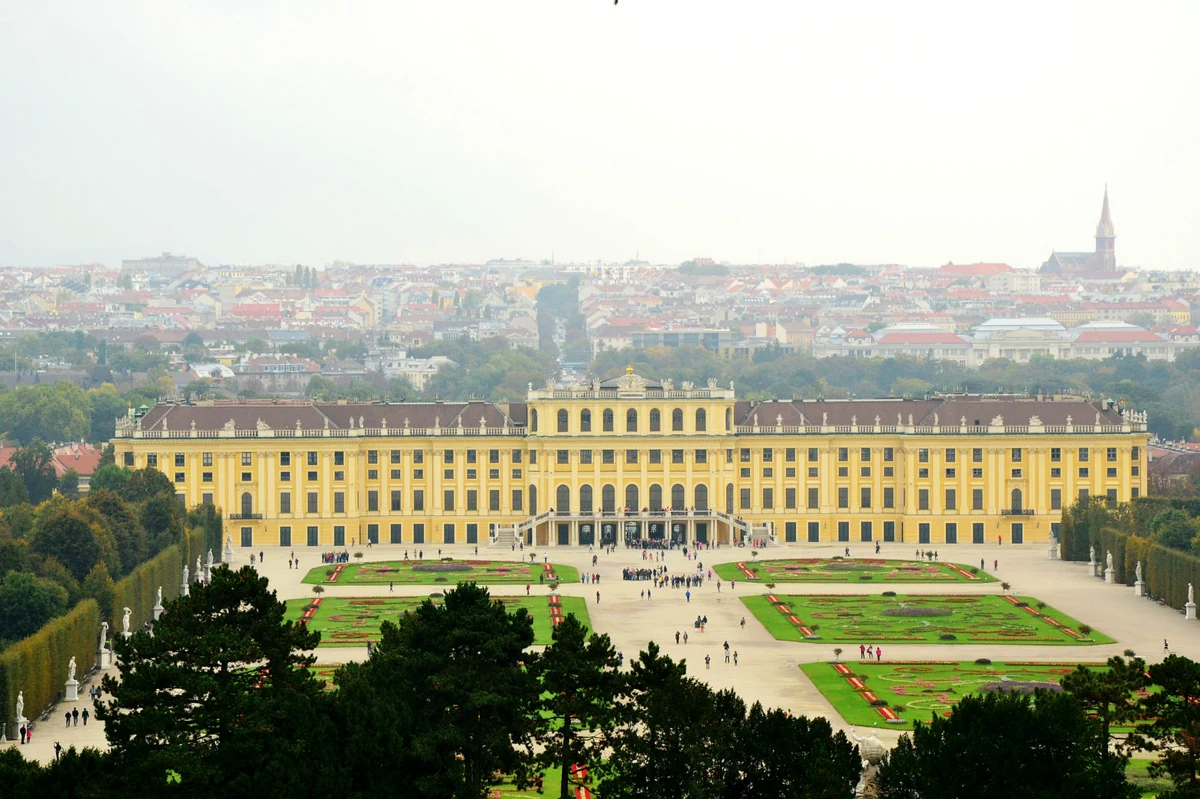
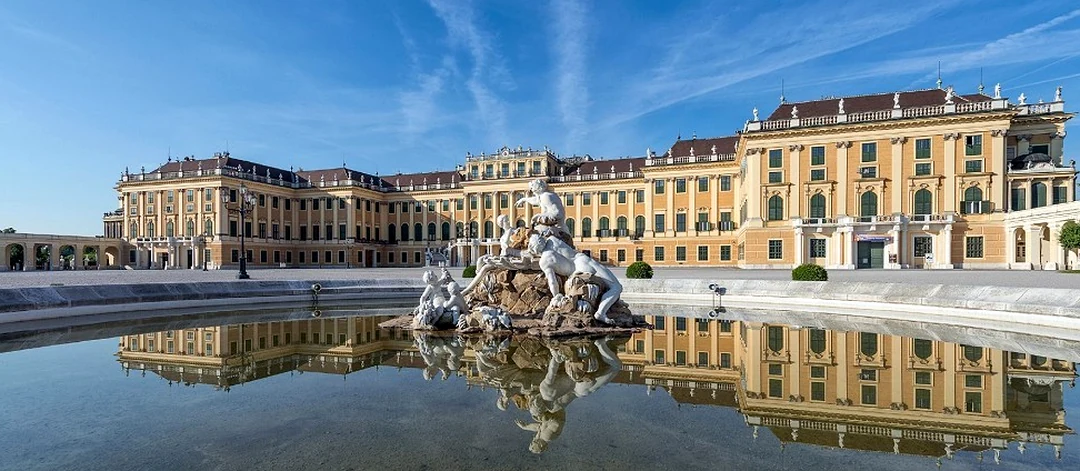
The pinnacle of international recognition arrived in 1996, when UNESCO officially inscribed Schönbrunn Palace as a World Heritage Site. This honor celebrated not only its overarching Baroque architecture and one-of-a-kind imperial garden landscape, but also its significance in human cultural history. Architecturally, Schönbrunn blends grandiose Baroque with intricate Rococo, especially in the interior details from Maria Theresa’s reign. The palace facade is famous for its signature hue, known among specialists as “Schönbrunn Yellow” (Schönbrunner Gelb)—a warm blend of cream and earth that was far more than an aesthetic choice, serving instead as a symbol of Habsburg authority. This color, paired with primary building materials such as limestone from nearby quarries, fine stucco, precious oak flooring, and gilded gold leaf accents, produced a timeless masterpiece.
From a modest hunting ground to a magnificent imperial palace, Schönbrunn has weathered centuries of upheaval, witnessing the rise and fall of empires while standing tall as a living chronicle of history and art. It is more than a building; it is a vast historical ledger inviting us to uncover the stories held within its walls.
Having traced the earliest footsteps of its history—from Maximilian II laying the groundwork for the royal hunting estate to the moment Schönbrunn earned UNESCO World Heritage status—we now immerse ourselves in its crowning architectural beauty and artistic value, the elements that turned it into an enduring icon of power and royal taste.
Schönbrunn Palace is far more than a simple architectural work; it is a grand synthesis of two renowned artistic movements: the majesty of the Baroque and the refined elegance of the Rococo. Under architect Johann Bernhard Fischer von Erlach, Schönbrunn began with ambitions to rival Versailles, carrying a solemn Baroque presence. Yet it was Empress Maria Theresa, who turned the palace into the seat of Habsburg power, who clothed Schönbrunn in graceful Rococo styling—particularly inside—under the direction of architect Pacassi. This fusion created a distinctive whole, at once resplendent and gentle, capturing the spirit of an empire at its peak.
The scale of Schönbrunn is genuinely awe-inspiring. With 1,441 rooms in total, even though only a small share is open to the public, the palace easily evokes the lavish life of the court. The grounds and pleasure gardens span 160 hectares (equal to 1,600,000 m²), turning the estate into a miniature city of landscape art. Every step along the gravel paths and every glance through a window frame opens a living picture where history and fine art meet.
One of Schönbrunn’s unmistakable hallmarks is the signature color on its facade, affectionately termed “Schönbrunn Yellow” (Schönbrunner Gelb) by specialists. This earthy cream-yellow shade is more than an aesthetic preference; it stands as a symbol of power and permanence for the Habsburg dynasty. The main building materials—from limestone quarried nearby and intricate stucco work to prized oak parquet floors and gleaming gold leaf on interior ornaments—were carefully chosen, reflecting the court’s boundless investment in this masterpiece.
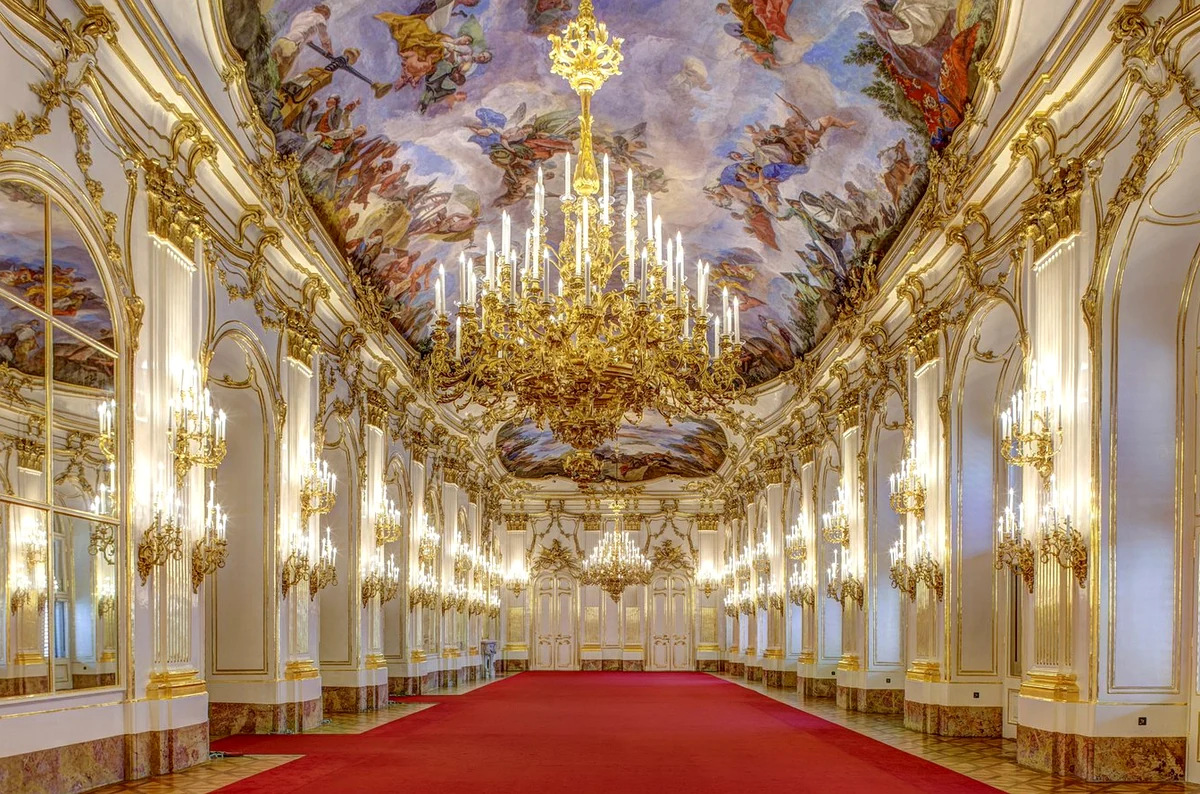
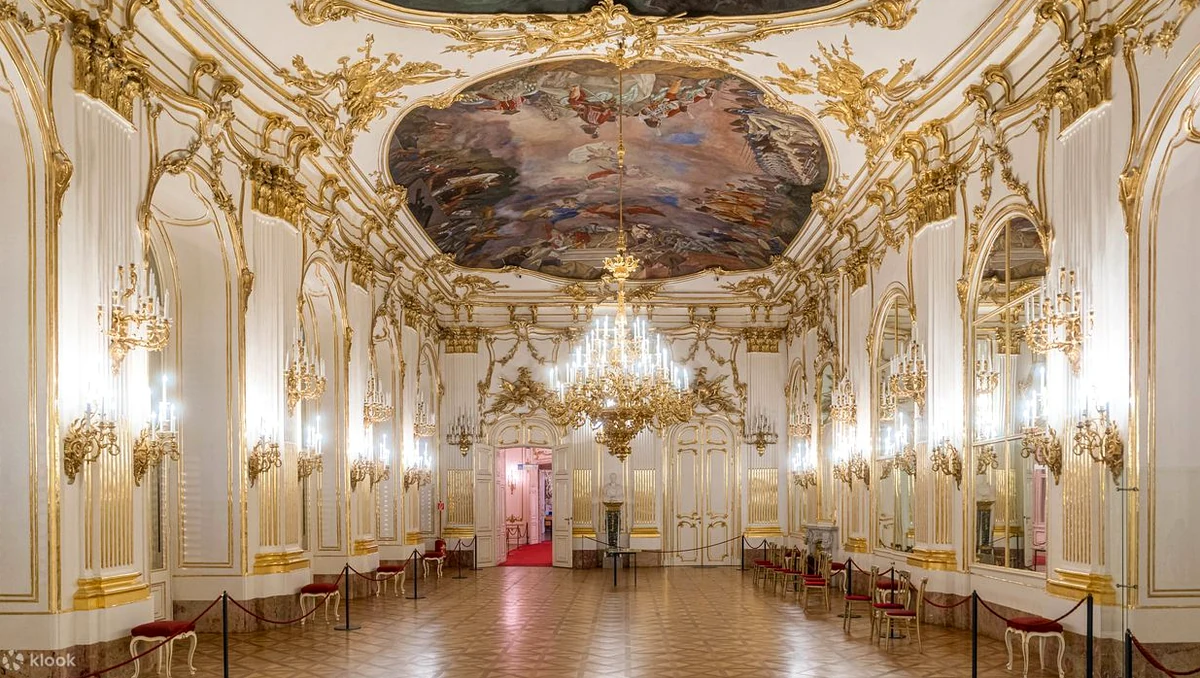
Stepping inside, the Great Gallery stands as a powerful testament to the height of Rococo artistry. Measuring over 40 meters long and nearly 10 meters wide, this hall once hosted glittering balls and major diplomatic receptions. The ceiling features vibrant frescoes painted by Italian artist Guglielmo Borremans, depicting mythological scenes and the glories of the dynasty. Symmetrically arranged large mirrors not only double the natural light but also create an endless optical illusion, making the room feel larger and more enchanting than ever—a technique that became a benchmark for European royal palaces.
Architectural beauty extends well past the interiors into the pleasure gardens. The Great Parterre exemplifies French-style Baroque geometric symmetry, complete with meticulously trimmed flowerbeds, finely carved sculptures, and grand fountains. The garden’s main axis stretches out from the palace, drawing the eye up the hillside to the Gloriette. Built in 1780, the Gloriette is a belvedere-style monument perched atop a 60-meter hill, serving not only as an architectural focal point but also as a monument celebrating Austrian power and the triumph of justice. From here, visitors can take in sweeping views of the entire palace, gardens, and part of Vienna—a breathtaking vista everyone wants to capture.
Every detail at Schönbrunn—from finely carved furniture and lively ceiling frescoes to the balanced arrangement of trees and fountains across the park—bears witness to a golden age of art and architecture. It is not merely a palace, but a living museum where every brick and wall is steeped in the story of a famed empire and the people who shaped an enduring architectural and artistic triumph.
When the golden gates of Schönbrunn Palace swing open, a world of authority, art, and courtly intrigue comes into view—yet to truly connect with the soul of this UNESCO landmark, curated experiences go beyond ordinary sightseeing to deliver “unmissable highlights” tailored for travelers seeking distinctiveness and cultural depth.
The journey begins with the Grand Tour, an admission pass that takes visitors deep inside 40 of the palace’s most opulent rooms. More than just admiring intricate Rococo architecture from the reign of Empress Maria Theresa, it is a walk through history where every wall and piece of furniture tells a story of the illustrious Habsburg dynasty – from the private apartments of Emperor Franz Joseph I, born here in 1830 and where he took his final breath in 1916, to the splendid halls that witnessed the turbulent life of Empress Sisi. The signature hue of the palace facade, known as “Schönbrunn Yellow,” serves as a reminder of imperial power and endurance, vividly echoed in every glittering gold-leaf detail within.
To capture royal moments, you cannot miss the palace’s “million-dollar photo spots.” First is the terrace in front of the Gloriette. Standing 60 meters high, this temple-like monument built in 1780 is not only a symbol of Austrian glory but also a panoramic viewpoint looking over Schönbrunn Palace nestled amid the lush greenery of the 160-hectare park, with historic Vienna rising in the background. It is a living tableau where natural beauty meets architectural mastery, creating a frame-worthy shot at every angle. Next is the Great Gallery, a hall over 40 meters long and nearly 10 meters wide where natural light reflects off tall windows and magnificent crystal chandeliers. Its ceiling is adorned with exquisite frescoes by artist Guglielmo Borremans, while symmetrical large mirrors create a grand optical illusion that turns every photo into a regal work of art. Finally, for a fun, distinctive experience, lose yourself in the Schönbrunn Maze & Labyrinth, where classic trimmed hedges offer a light yet refreshing challenge that brings plenty of laughter and playful photos.
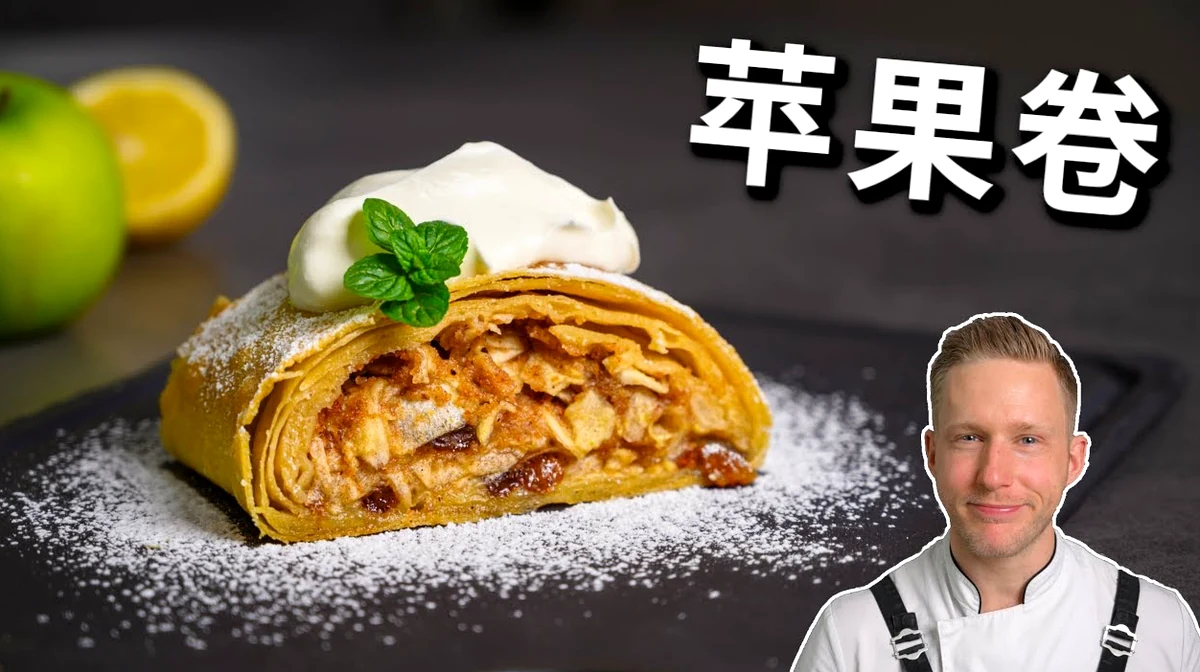
Beyond sight alone, Schönbrunn awakens every sense with special shows and cultural experiences. At Café Residenz, right on the palace grounds, visitors can enjoy the Strudel Show. Watch royal pastry chefs stretch dough for the traditional Apfelstrudel (baked apple strudel) until it is paper-thin, wrapping it around fragrant cinnamon-spiced apples and plump raisins. After the show, nothing beats tasting the warm pastry with whipped cream or vanilla sauce alongside a cup of Wiener Melange – Vienna’s signature coffee variation of espresso, finely frothed milk, and a thick layer of milk foam, served on an elegant silver tray.
In the evening, the imperial setting lights up with Evening Concerts at the Orangery. This imperial conservatory, once host to court music performances in the 18th century, now serves as a stage for timeless classics by Mozart and Strauss. Seated in a historic hall as immortal melodies echo through the room, visitors feel the intersection of past and present, art and heritage – a truly unforgettable experience. And don’t forget Tiergarten Schönbrunn (Schönbrunn Zoo), the world’s oldest zoo dating back to 1752, an essential part of this comprehensive experience that offers deeper insight into biodiversity and imperial conservation history.
From exploring 40 grand rooms and taking photos at million-dollar viewpoints to enjoying imperial cuisine and music, these curated experiences ensure a journey that feels both luxurious and deeply authentic, touching the heart of Vienna and the soul of the Habsburg Empire.
Leaving behind the grand halls and expansive grounds of Schönbrunn, exploring the Habsburg imperial heritage would be incomplete without a refined culinary “map,” where local flavors tell the story of a dining culture cultivated over centuries. As capital of the Austro-Hungarian Empire, Vienna was not only a center of political power but also the cradle of a rich court cuisine, where dishes nourished the body while symbolizing luxury, refinement, and tradition.
Our first stop – and perhaps the sweetest – is Apfelstrudel, Viennese baked apple strudel, a baking masterpiece that has won over generations of royals and travelers alike. At Café Residenz, located right on the Schönbrunn Palace grounds, visitors have a rare chance to watch the unique Strudel Show. Under the skilled hands of royal pastry chefs, dough rolled out so thin and translucent you could almost read a newspaper through it is artfully stretched around aromatic cinnamon-infused fresh apples, juicy raisins, and a touch of butter-toasted breadcrumbs. Fresh from the oven, the pastry fills the air with fragrance, its crisp crust melting on the tongue alongside the clean sweet-tart apple and warm spice. Enjoying warm Apfelstrudel with a scoop of cool whipped cream or rich vanilla sauce, paired with an authentic Viennese coffee, is an unforgettable experience that whisks you back to aristocratic afternoon teas of days gone by.
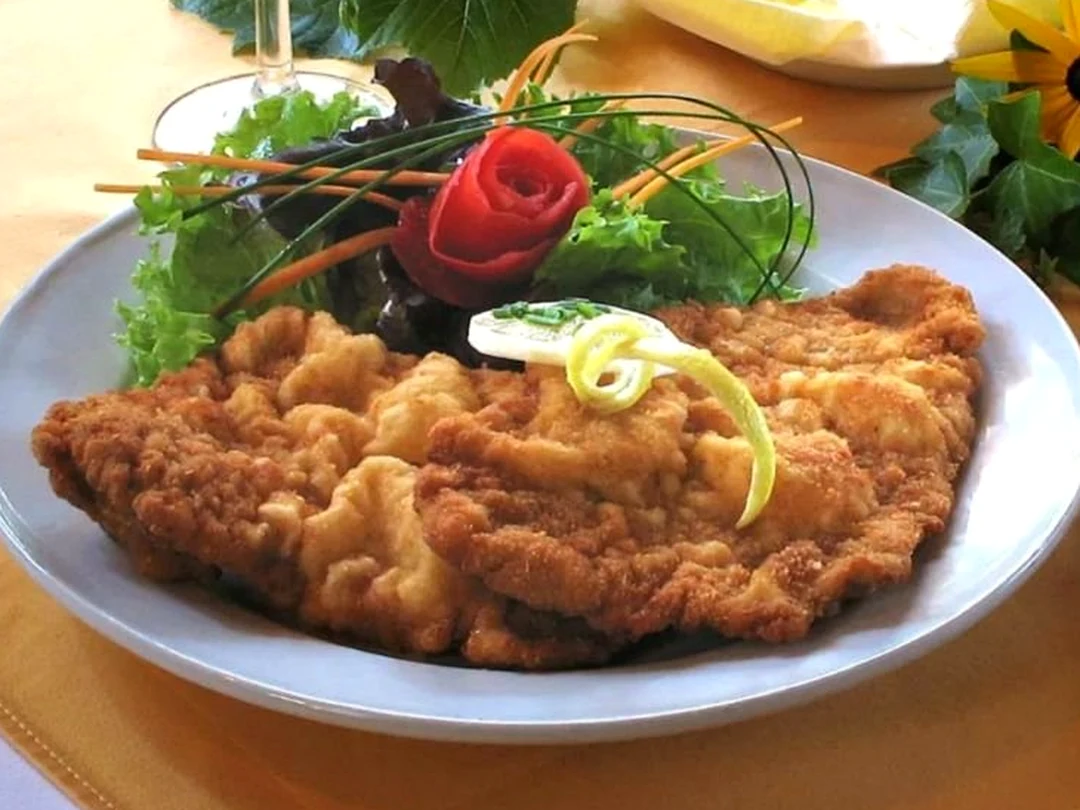
If Apfelstrudel is a sweet ballad, then Wiener Schnitzel is the triumphant anthem of Viennese cuisine – a quintessential national dish anyone visiting the city must try. At Restaurant Landtmann’s Jausen Station, nestled amid the lush greenery of the Schönbrunn gardens, visitors can savor a classic version of this crispy breaded veal cutlet. Prime, fresh veal is pounded thin to perfection, then dredged in fine flour, beaten egg, and crisp breadcrumbs. The secret lies in golden-frying it in clarified fat, creating a crisp, golden-brown crust while keeping the meat tender, juicy, and naturally sweet inside. Wiener Schnitzel is typically served with a fresh lemon wedge to squeeze over for balance, or a traditional potato salad, making for a hearty, complete meal.
Vienna’s coffeehouse culture is another highlight not to be missed, and the Wiener Melange is its quintessential symbol. More than just a drink, the Wiener Melange is a ritual and an essential part of Viennese social and intellectual life. It blends a rich espresso shot with finely frothed milk and a thick crown of milk foam light as a cloud. Each Melange is usually served on an ornate silver tray alongside a small glass of water, a gesture of refinement and care. Sitting in a historic café, sipping a warm Melange, watching passersby, and taking in Vienna’s unhurried rhythm is the best way to soak up a unique cultural space where philosophical conversations and great literary works have long been born over coffee.
To round out the imperial culinary picture, we must mention Tafelspitz – the traditional slow-simmered beef dish that was a favorite of Emperor Franz Joseph I. It calls for patience and craft, as prime beef is simmered gently in a rich bone broth with vegetables until melt-in-the-mouth tender. The clear, sweet-savory broth is served first as a starter, followed by thinly sliced beef accompanied by pungent apple horseradish and boiled potatoes. Tafelspitz is more than a meal; it is a comforting culinary experience that evokes imperial banquets, where simple preparation lets top-quality ingredients shine.
From delicate pastries to deeply flavorful mains, dining around Schönbrunn Palace offers more than just food – it brings living pieces of Vienna’s history and culture to the table. Every flavor carries the story of a glorious dynasty and the people who created and preserved these distinct traditions. It is an indispensable part of visiting Schönbrunn, allowing travelers not only to admire the architecture but also to “taste” the essence of an empire.
Now that our exploration of Schönbrunn Palace – Vienna’s signature landmark – has delved into the depths of its history, architecture, and culinary culture, we need a practical roadmap and pocket guide so every step of your visit is smooth and safe. Consider this your compass for ideal timing, smart sightseeing, and essential tips to make your trip an unforgettable memory.
The best times to soak in Schönbrunn’s beauty are the shoulder seasons. From April to June, as Vienna’s weather turns mild, the expansive Baroque gardens burst into bloom with everything from vibrant tulips to graceful roses, creating a lively, poetic natural backdrop. Visitor crowds during these months are also moderate, letting you stroll comfortably without heavy congestion. Likewise, September and October bring romantic golden autumn hues, colorful foliage, and crisp, pleasant air – an ideal window to admire the palace’s serene beauty and cobblestone paths.
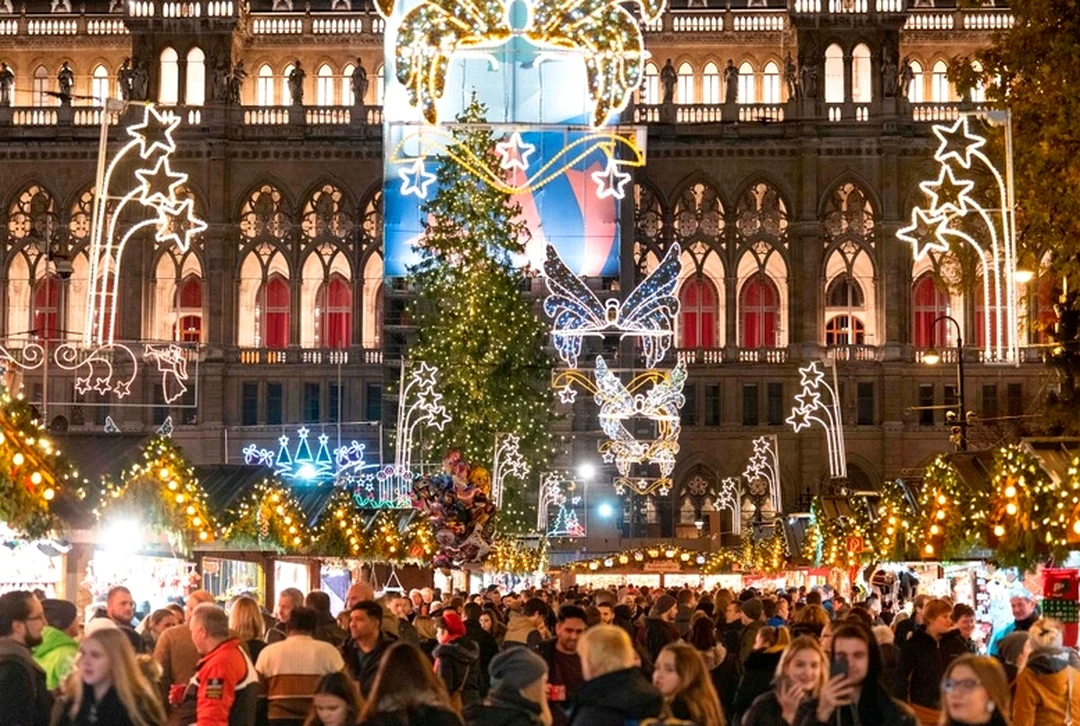
If you are craving a more magical, sparkling atmosphere, however, December is hard to beat. Schönbrunn Palace dresses up in festive holiday splendor with its renowned Schönbrunn Palace Christmas Market. Dozens of charming wooden stalls display handicrafts, traditional sweets, and mulled wine amid twinkling lights and the scent of cinnamon and star anise, creating a fairytale holiday setting against an imperial backdrop. Just be prepared for larger crowds and brisk European winter chill.
To make the most of your palace visit, choosing the right ticket package is essential, and the Grand Tour comes especially recommended. It is an ideal option that opens the doors to 40 of the palace’s most lavish rooms, filled with court stories and intricate Rococo artistry from Empress Maria Theresa’s era. It also includes entry to the vast imperial gardens, Tiergarten Schönbrunn – the world’s oldest zoo with roots going back to 1752 – and the majestic Gloriette viewpoint atop the hill. Booking tickets in advance saves valuable time by helping you avoid ticket lines that can stretch from 1 to 2 hours during peak season, while securing your preferred entry slot.
Safety is always a top priority on any trip, and Schönbrunn is no exception. The spacious square in front of the palace’s main gate, along with Tram Lines 10 and 58 or Metro Line U4 (especially Schönbrunn station), are places where visitors need to stay especially alert. These areas are operating grounds for some professional pickpocket gangs. Our guides will always remind guests to keep a close eye on personal belongings, never wear backpacks on their backs when moving through crowds, and always hold wallets and phones securely. Staying careful will help you avoid unnecessary risks.
Regarding dress codes, when visiting the palace interior, you should choose polite, modest attire to show respect for this cultural heritage space. For exploring the grounds and the vast imperial gardens spanning up to 160 hectares, a pair of comfortable athletic shoes is an essential companion. You will do plenty of walking along gravel paths and climb a gentle incline up to the Gloriette hill to take in panoramic views of Vienna. Comfortable shoes will keep your feet from tiring, helping you savor every moment.
Schönbrunn Palace is open daily year-round, including major holidays, with standard hours starting at 08:30 AM. Closing times can vary by season, usually 17:00 in winter and extending to 17:30 or 18:00 in summer. We especially recommend booking tickets and visiting during the earliest time slot (08:30). This is the “golden hour” that helps you avoid mass tour groups and enjoy the palace spaces in peace and comfort before crowds pour in. Let every detail in this guide become a trusted companion, helping you have a complete, safe journey exploring Schönbrunn filled with worthwhile memories.
As the doors of time close behind the magnificent halls of Schönbrunn Palace, while stories of the powerful Maria Theresa, the reserved Franz Joseph, and the enchanting Sisi still echo in mind, we realize this is not merely an architectural work, but a living museum of history where every brick and every fresco tells an epic. And so that your journey exploring this imperial heritage goes beyond admiration to touch deeper emotion and knowledge, we are proud to offer outstanding experiences, turning every trip into a true adventure into the heart of the past.
Schönbrunn Palace, holding its place as one of the essential “royal touchpoints,” is positioned as a signature heritage highlight across luxury Eastern Europe tours. From classic heritage routes like Vienna – Prague – Budapest to deep journeys through Germany – Austria – Hungary, Schönbrunn is always a focal point where guests immerse themselves in the power and romance of the Habsburg Empire. We understand that the value of a trip lies not only in the destination, but also in how you experience it.
That is why we always put guests’ interests and comfort first. With group tickets reserved in advance through strategic partners, we offer guests fast-track/skip-the-line priority access, freeing you from exhausting lines that can eat up a full precious hour during peak season. Your time is gold, and we are committed to optimizing every moment so you can dedicate it fully to discovering the palace’s endless beauty.
More than an ordinary sightseeing tour, we craft exclusive experiences that elevate your journey to a different level. Imagine strolling through Empress Sisi’s private rooms—spaces standard tour groups cannot access—while listening to behind-the-scenes stories about her life full of tragedy yet equally rich in romance. Afterward, you will enjoy an royal afternoon tea at a historic café right on the grounds, sipping an authentic Viennese coffee and savoring famous Apfelstrudel, feeling like a member of the old nobility.
Educational entertainment—or Edutainment—is one of our core competitive strengths. Our senior tour guides are not only gifted storytellers but also scholars deeply versed in history and culture. With a professional wireless audio guide system (Whisper system), every story about the Habsburg dynasty and pivotal historical events—from Napoleon’s wars to the historic summit between Kennedy and Khrushchev—is conveyed vividly and engagingly, helping guests not just look at static artifacts but truly “live” within the flow of history. From grand Baroque architecture to refined Rococo style, from signature “Schönbrunner Gelb” yellow to splendid ceiling frescoes in the Grand Hall, every detail is decoded, opening up a fascinating world of knowledge.
To make your trip even more complete, we also pay attention to the smallest details. We recommend visiting in spring (April – June) or autumn (September – October) to enjoy mild weather and the vibrant beauty of the gardens. Or if you love a fairy-tale atmosphere, the Schönbrunn Christmas Market in December will be an unforgettable experience. Our guides will always remind you about security measures, especially in crowded areas, and advise on suitable attire so you can comfortably explore the palace’s vast 160-hectare grounds.
And to turn this royal dream into reality, we have curated unique itineraries, including our All-Inclusive Tour Package, where Schönbrunn is not merely a stop but a living chapter of history waiting for you to discover. Let us be your trusted companion, guiding you through layers of emotion—from awe at architectural beauty to deep understanding of a dynasty that shaped European history. Don’t hesitate—contact us today to book your spot and begin a journey connecting with humanity’s great heritage, where every step is a story and every glance is an unforgettable memory.