As a Senior International Travel Chronicle Writer and Cultural History Specialist, I am delighted to open the first chapter of an in-depth chronicle on one of the most radiant wonders on Earth: Keukenhof Tulip Gardens, the signature heritage of Lisse, Netherlands. To truly feel the breathtaking beauty of millions of blooms bursting open every spring, we need to turn back the clock and trace the historical current that shaped this renowned “Garden of Europe,” from its earliest beginnings to its rise as a global icon.
Keukenhof’s journey began long ago—not with vibrant beds of tulips, but with a very different purpose. Going back to the 15th century, this expansive estate was part of the domain of Countess Jacoba van Beerenbrouck, also known as Jacqueline of Bavaria—a noble and powerful figure. It served as her favorite hunting ground as well as a place to grow fresh herbs and vegetables for the Countess’s castle. Precisely from this role supplying food like a giant “kitchen” for the castle, the name Keukenhof (literally “Kitchen Garden”) emerged, carrying the imprint of a bygone era where nature and aristocratic life blended organically.
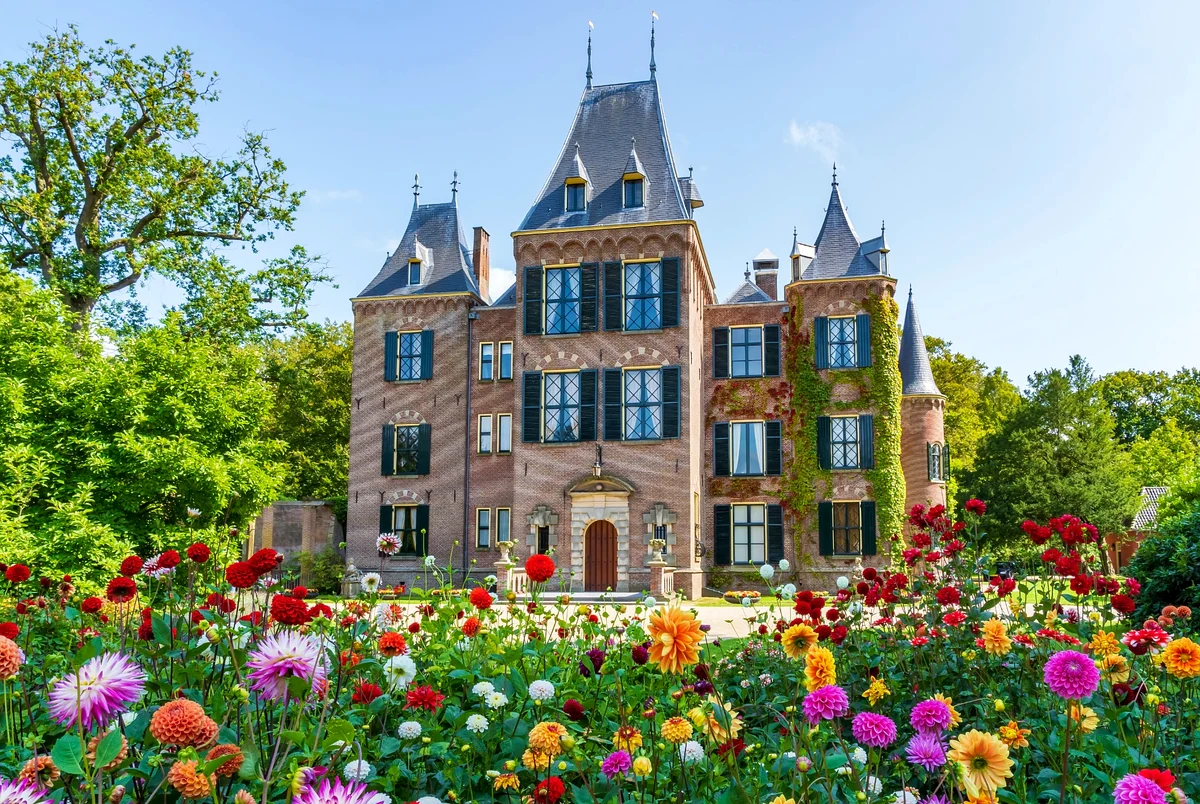
By 1641, the character of the Keukenhof estate underwent a notable transformation. On the grounds of the ancient kitchen garden, the imposing Keukenhof Castle was built. This architectural work was the creation of the accomplished architect and explorer Adriaen Maertensz Block. The arrival of the castle not only affirmed Keukenhof’s status as a noble estate but also laid the groundwork for later landscape developments, turning the site from a utilitarian plot into a space rich in aesthetic and historical value.
However, it was not until 1857 that Keukenhof truly experienced a “landscape revolution” that shaped the spatial layout we admire today. Two renowned landscape architects, father and son Jan David Zocher and Louis Paul Zocher, were entrusted with redesigning the entire area around the castle. They applied the English landscape style—a school of design that emphasizes natural beauty, gentle curving lines, serene ponds, and lush green lawns. This masterly plan created a sturdy “skeleton” for Keukenhof, featuring wide green spaces, tranquil water bodies, and winding walking paths inviting visitors to explore. Interestingly, the Zocher father-and-son duo also created the famous Vondelpark in Amsterdam, a testament to their stature and influence in Dutch landscape art.
The most pivotal historical turning point that turned Keukenhof into the “floral paradise” we know today occurred in 1949. After the devastating years of World War II, the Netherlands’ flower bulb industry faced major challenges in recovery and growth. Against that backdrop, a group of 10 leading local bulb growers and exporters, led by W.J. Lambooy—then mayor of Lisse—came up with a bold idea. They decided to use the Keukenhof grounds as a large-scale outdoor flower exhibition, not only to showcase the finest varieties but also to promote, revive, and boost the nation’s bulb industry. The first Keukenhof exhibition officially opened in 1950 and achieved immediate resounding success. From an economic recovery initiative, Keukenhof quickly stepped beyond national borders to become a global symbol of beauty, innovation, and Dutch resilience. From a modest kitchen garden, through a noble estate and landscaped park, Keukenhof rose to become a celebrated floral brand and a must-visit destination on the world travel map.
After reflecting on the historical current that shaped a legendary Keukenhof, let us step together into a space where nature and human hands harmonize to create a masterpiece of landscape architecture and supreme artistic value—a living museum of color and fragrance. Keukenhof is not merely a flower garden; it is a carefully choreographed harmony in which every flowerbed, every path, and every structure is a brushstroke in the larger composition.
The foundation for Keukenhof’s breathtaking beauty today was laid in 1857, when the gifted landscape architects Jan David Zocher and his son Louis Paul Zocher—creators of Amsterdam’s renowned Vondelpark—imbued the estate with an English landscape style. This revolutionary design established a green spatial framework of crystal-clear ponds, soft winding walkways, and sweeping lawns that serve as a backdrop for millions of blossoms. It is a refined fusion of natural beauty and intentional arrangement, turning the park into a living architectural artwork where every angle opens onto a striking view.
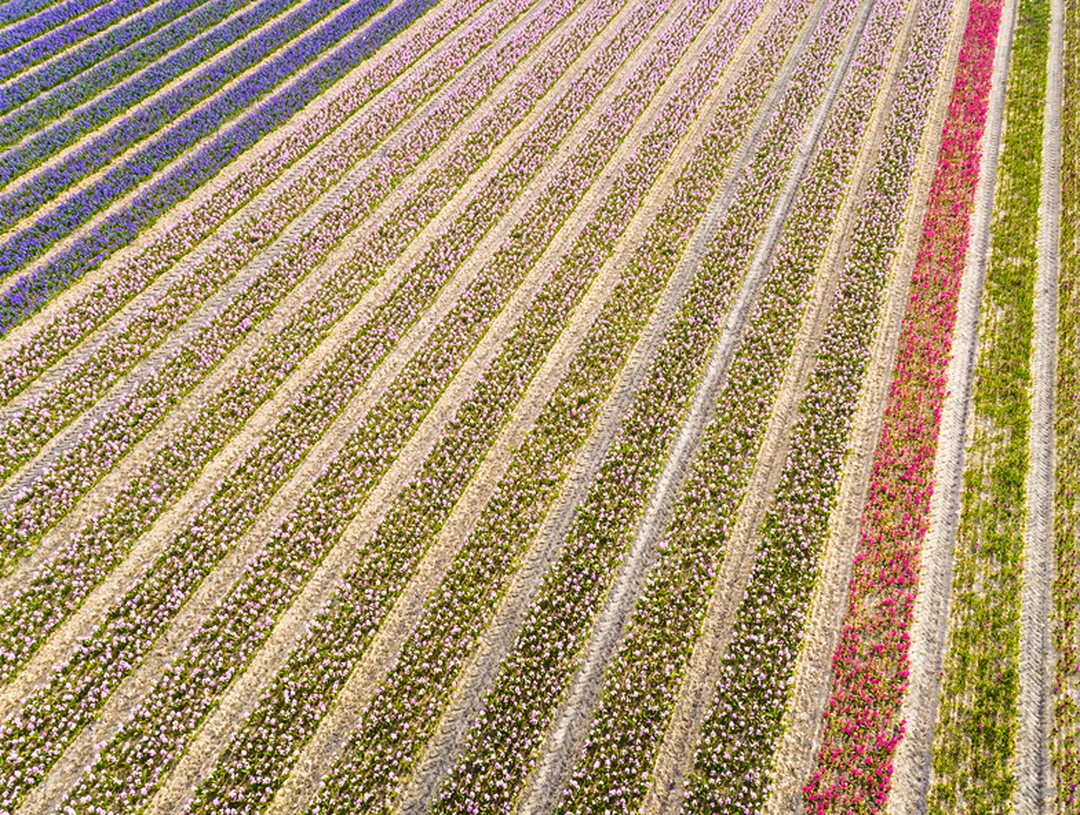
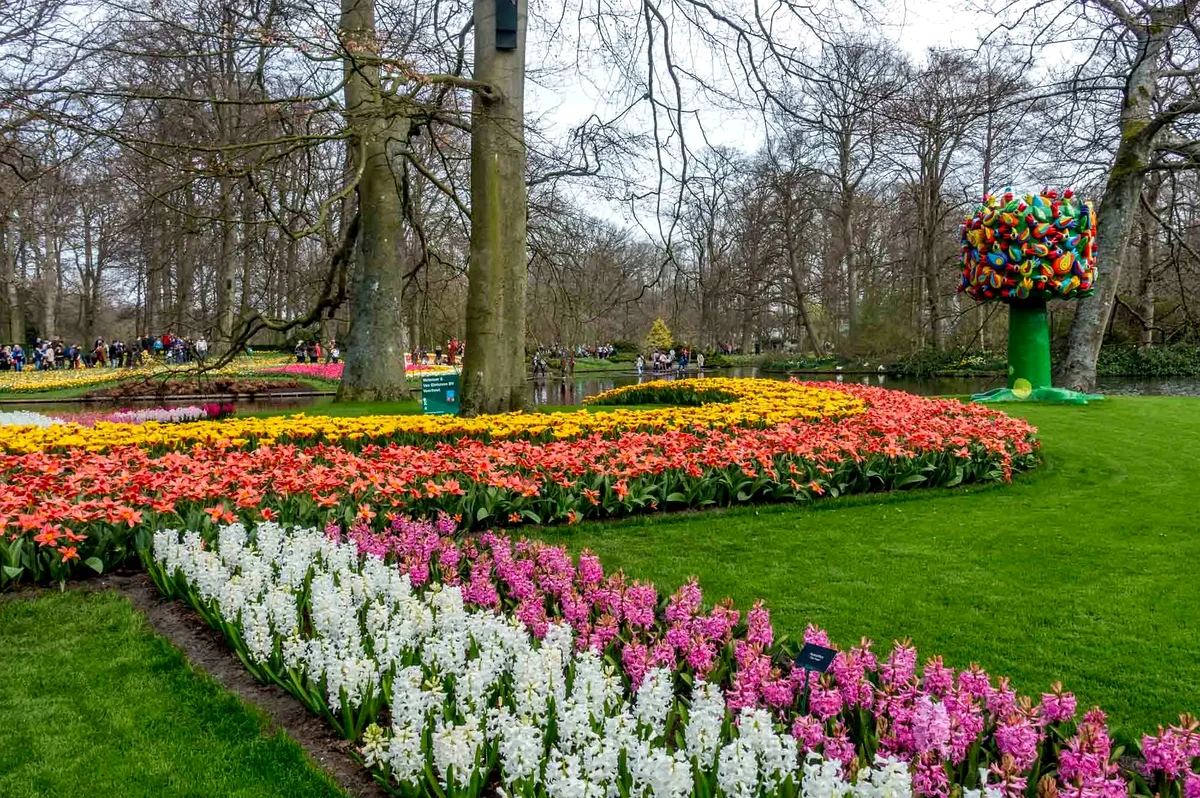
Covering a total area of up to 32 hectares (equivalent to 320,000 m²), Keukenhof is a grand stage for nature’s performance and ongoing human creativity. Each spring, lasting barely about 8 weeks, the garden becomes home to roughly 7 million flower bulbs across more than 800 tulip varieties, planted by hand with meticulous care. That figure speaks not only to scale, but also to astonishing variety—from simple petals to rare genetic mutations, each bloom a distinct accent in the overall canvas.
Behind that vibrant display lies a refined cultivation technique—gardening art elevated to science. Gardeners at Keukenhof have successfully applied the layering technique, a secret to ensuring continuous, dense blooming throughout the 8-week cycle. By placing early-blooming bulbs in the lower layer and late-blooming bulbs in the upper layer within the same planting hole, they create a stunning visual effect where waves of flowers follow one another without leaving bare gaps. It is proof of a seamless marriage between agricultural knowledge and artistic sensibility, turning each flowerbed into a living sculpture.
To nourish this remarkable beauty, soil plays a vital role. The well-drained sandy loam (Geestgrond) of the Lisse region is continuously enriched every year with specialized organic fertilizer to provide ideal nutrients for the tulip’s physiology. In addition, the irrigation system is an engineering feat of its own, using a network of natural underground channels paired with automatic pumps drawing water from the Zuid-Holland dike system to keep soil moisture at an ideal level so millions of bulbs grow healthy and burst into full bloom.
Within Keukenhof, royal-named pavilions serve not only as shelter for delicate blooms but also as distinctive art galleries. The Oranje Nassau Pavilion is a splendid hall showcasing large cut-flower exhibitions of roses, orchids, and carnations, elevated by top-tier floral arrangement artistry that turns every bouquet into a delicate sculpture. Stepping inside, visitors admire the boundless creativity of floral artists arranging color and form with harmony and emotion.
Next, the Beatrix Pavilion opens another world—a showcase of orchids and anthuriums featuring an enclosed tropical miniature landscape that feels like wandering into a compact rainforest, where rare blooms display poise and mystery. And one cannot overlook the Willem-Alexander Pavilion, the largest pavilion, presenting tens of thousands of tulips in every hue and rare genetic variation. It is a festival of color—a living painting where every tulip is a unique brushstroke forming an overwhelming artistic whole.
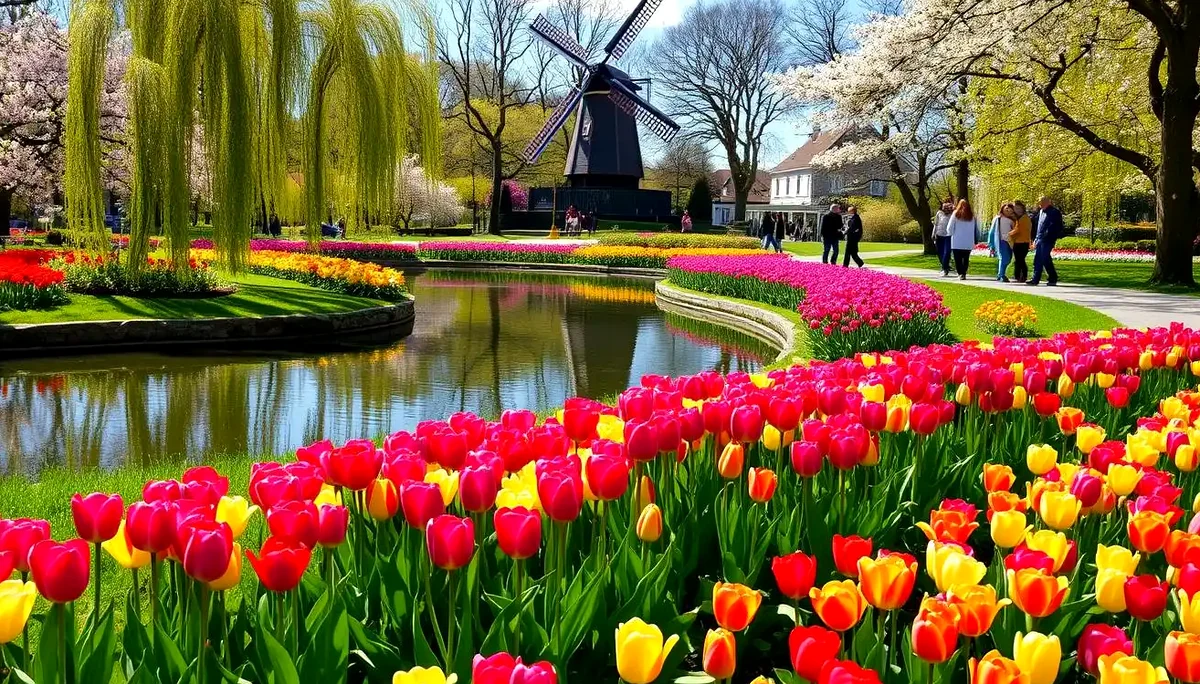
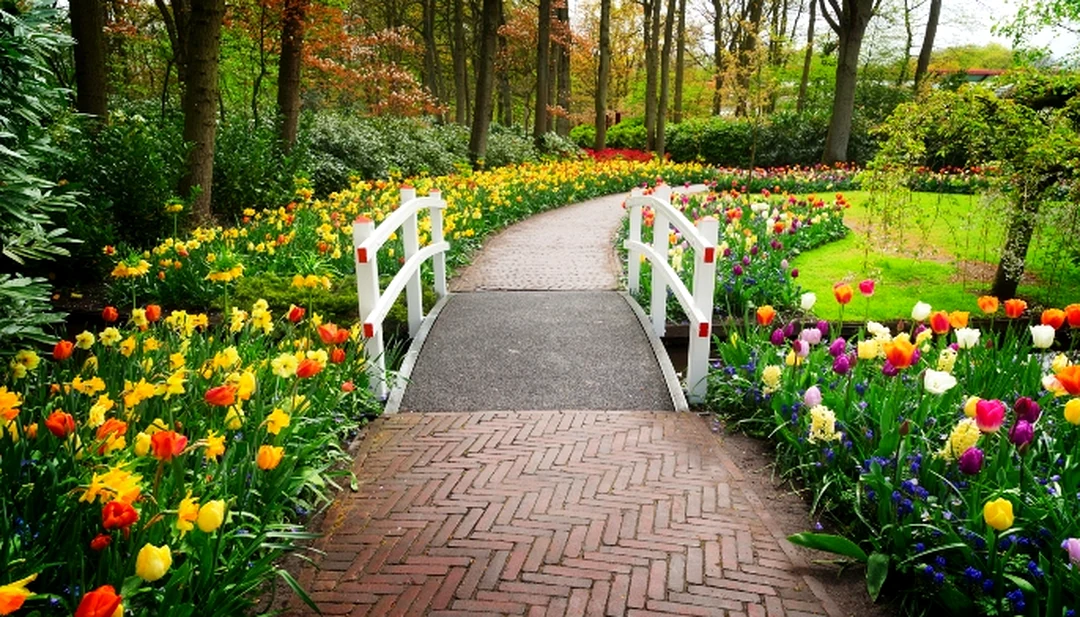
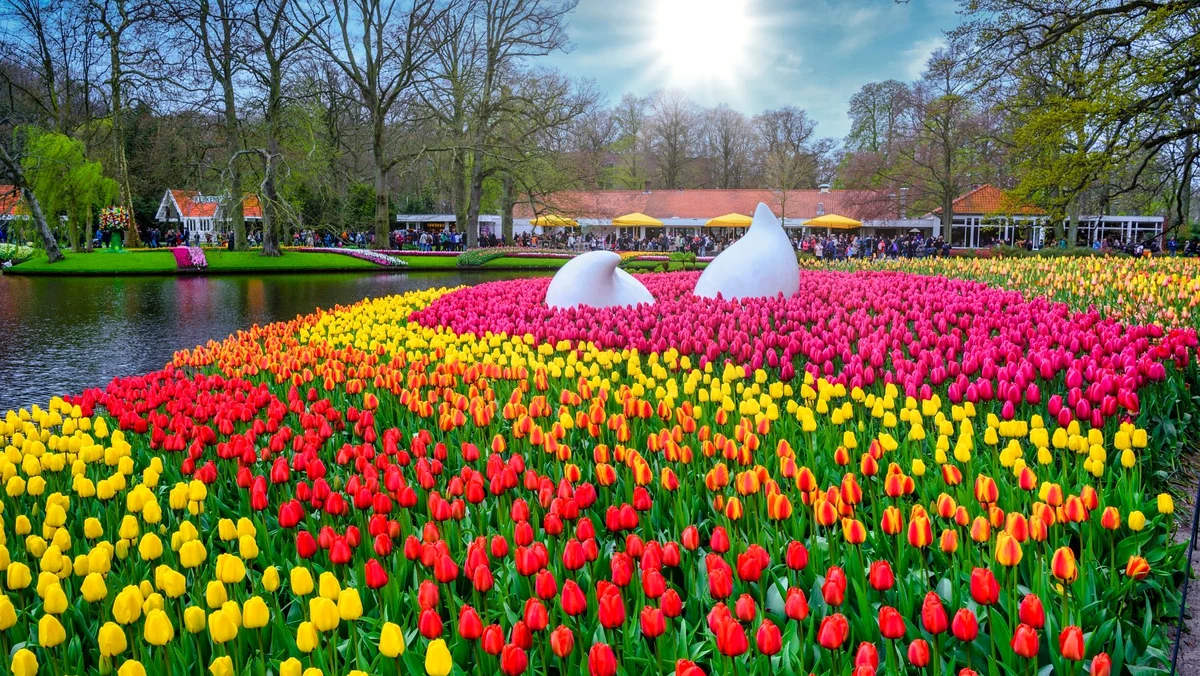
Beyond the pavilions, Keukenhof also features distinctive outdoor art installations, often changed according to each year’s artistic theme (such as “Flower Power” or “A World of Colours”), pairing giant models made of fresh flowers to create striking focal points. Winding paths known as The Tulip Promenade cross a small stream over classic wooden bridges, with flower carpets stretching along both sides to guide visitors through idyllic scenes as if strolling through a fairy-tale garden. Every detail—from flowerbed layout and color selection to small architectural structures—is carefully calculated to deliver a complete, unforgettable artistic experience.
Keukenhof—with all the refinement of its landscape architecture, the care behind its cultivation techniques, and the artistry of its floral displays—truly stands as a masterpiece of architecture and supreme artistic value. It is more than a travel destination; it is a living school of art and eloquent proof of humanity’s boundless creativity in harmony with the beauty of nature.
After admiring the grand scale and masterly cultivation that shaped Keukenhof, visitors are guided into truly high-value experiences and unmissable moments where floral beauty blends with cultural and historical depth. This is more than sightseeing; it is full immersion into the essence of the “Garden of Europe,” where every corner tells a story and every shade holds a feeling.
Exploring these finest highlights often begins at classic photo crossroads—icons that have entered Keukenhof legend. Foremost among them is the historic windmill (Keukenhof Mill), a beacon of Dutch heritage standing tall along the park’s southern edge. From the windmill’s viewing deck, the panorama opens into a breathtaking vista: gentle winding canals embracing endless carpets of tulips stretching into the distance, merging with the blue sky and the commercial bulb fields beyond. It is a golden moment to capture lifetime photographs, where time seems to stand still and only the raw, majestic beauty of nature nurtured by human hands remains.
Continuing the flow of emotion, The Tulip Promenade invites visitors to stroll along graceful pathways crossing small streams over classic wooden bridges. Along the way, millions of tulips bloom in a riot of color, forming a vibrant floral corridor that enchants every sense. This is the living embodiment of the English landscape design created in 1857 by the father-and-son architects Jan David Zocher and Louis Paul Zocher, establishing a poetic “green spatial framework” where every step brings a new discovery of harmony between architecture and nature. The gentle scent of blossoms mingling with the spring breeze, birdsong, and warm golden sunlight creates a symphony of life that awakens all the senses.
Beyond its natural beauty, Keukenhof is also a vast open-air art museum where unique art installations are crafted directly from fresh flowers. Each year, the park selects a distinct artistic theme—such as “Flower Power” or “A World of Colours”—to tell its story through giant models and living sculptures assembled from thousands and tens of thousands of blooms. This continuous creativity gives Keukenhof a fresh face every season, turning each visit into a one-of-a-kind experience full of surprise and inspiration.
To elevate the experience and explore lesser-known corners, upgraded ways of getting around are especially recommended. A Whisper Boat tour (Rondvaart) is hard to beat. Visitors glide smoothly aboard quiet, battery-powered electric boats along the historic moats encircling the gardens. From this distinctive vantage point, you can take in close-up views of local growers’ expansive commercial bulb fields—areas inaccessible to pedestrians. It is a rare opportunity to gain deeper insight into bulb cultivation, the backbone of the Dutch floral industry, and feel the interplay between scenic tourism and agricultural enterprise.
For adventurous spirits wanting to immerse themselves fully in the Dutch landscape, renting a bike to explore the surroundings is another standout experience. At Keukenhof’s main entrance, visitors can easily rent city bikes or e-bikes and ride along trails spanning 5 km to 25 km. These routes lead you through massive flower fields outside the park grounds, stretching across neighboring towns such as Lisse, Hillegom, and Noordwijkerhout. The freedom of cycling amidst a colorful sea of blossoms, breathing in crisp air, and passing charming country houses makes for an unforgettable memory—offering one of the truest, closest glimpses into life and scenery across the Low Countries.
These standout experiences—from admiring classic icons to discovering hidden corners by boat or bicycle—are carefully curated to give visitors a Keukenhof journey that is not only visually stunning but also rich and multi-dimensional. They are moments money cannot buy, felt with the heart and kept in memory, enriching every traveler’s journey.
After crossing the colorful floral carpets of Keukenhof, where millions of tulips whisper stories of spring and renewal, another of the traveler’s senses awakens, inviting exploration of the Low Countries’ signature flavors. Dutch cuisine, especially around the town of Lisse, is more than mere food; it blends history, geography, and the industrious spirit of the people into every bite of fresh herring or sweet waffle. This is the journey into the “Local Culinary Map & Tasting Culture”—an essential part of feeling the full pulse of the tulip land.
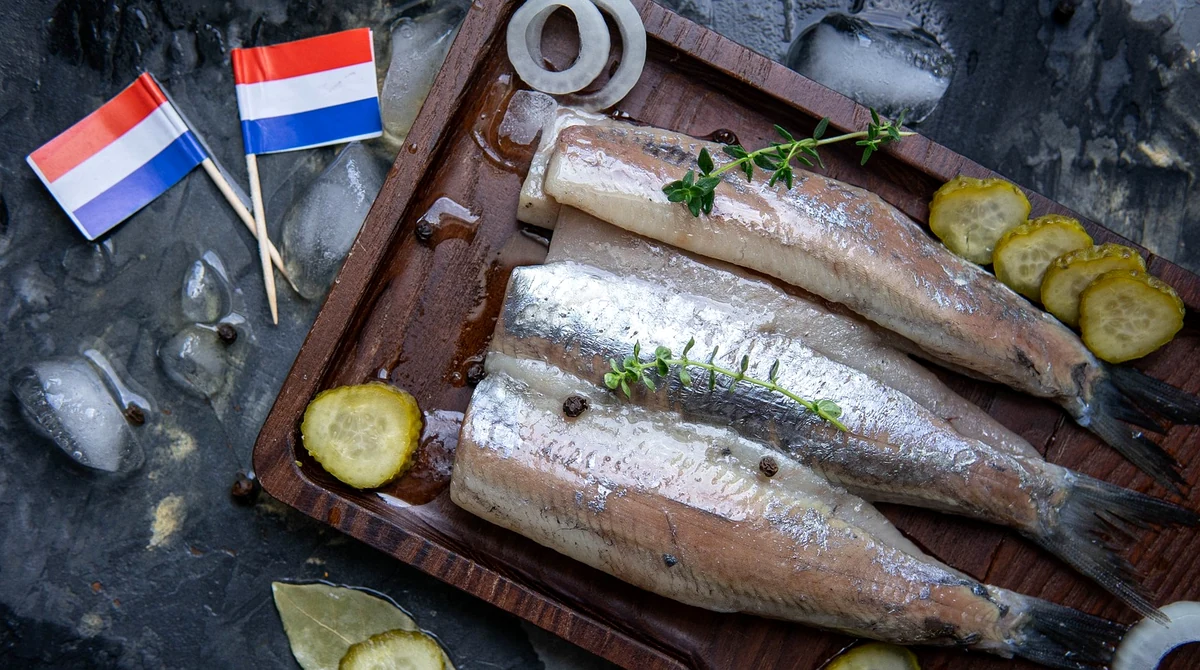
When North Sea breezes carry their salty tang inland, the region’s rich seafood heritage naturally takes center stage. Most iconic—and perhaps the quintessential Dutch street food—is salted herring (Hollandse Nieuwe). It is more than a dish; it is a rite of spring, when young early-season herring are caught and lightly salted to preserve their natural sweet freshness. Each glossy, tender piece of herring—typically served with finely diced raw onions and pickled gherkins—strikes a crisp balance of savory, sweet, and gently tangy notes. Eating it the traditional way is an experience in itself: hold the tail, tilt your head back, and savor the fish melting on your tongue as pure sea flavor spreads across the palate. It is a moment of connecting with local culture that lingers in the memory of anyone who visits.
Alongside the delicacy of herring, another seafood favorite brings a lively, approachable charm: Kibbeling. Bite-sized chunks of fresh cod, battered and deep-fried to a crisp golden brown, fill food stalls around Keukenhof with an inviting aroma. The crunchy exterior encases tender, juicy white fish inside, creating an appealing contrast. Kibbeling is usually served with creamy garlic mayonnaise (Knoflooksaus) or tangy remoulade sauce, turning a simple snack into a mini treat for the taste buds. Even as street food, it reflects the Netherlands’ appreciation for abundant seafood, offering warmth and satisfaction after hours of walking among flowers.
Leaving coastal flavors behind, we enter the sweet world of traditional pastries. No list is complete without the Stroopwafel—a gem of Dutch baking. Two thin, crisp golden waffle layers sandwich a warm, silky layer of caramel syrup made with treacle. The aroma of cinnamon, caramel, and baked dough blends into an irresistible pull. Experiencing a Stroopwafel authentically involves a small ritual: place the cookie atop a hot cup of tea or coffee so the rising warmth softens the caramel center into a warm, sweet flow. Every bite is a burst of flavor and a gentle invitation into the coziness and refinement of Dutch food culture.
Continuing the sweet tasting journey, Poffertjes appear like little pillows of soft, airy dough. These mini round pancakes, made from yeast batter and baked in a special cast-iron pan, develop a slightly crisp edge with a melt-in-your-mouth center. Fresh off the griddle, warm Poffertjes are dusted with snowy powdered sugar (poedersuiker) and topped with a pat of butter that slowly melts over the surface, often accompanied by sweet fruit syrup. More than just dessert or a snack, they symbolize togetherness and relaxed afternoons with family and friends. Their gentle sweetness and soft, melting texture leave a lasting impression, especially for those who love light, delicate treats.
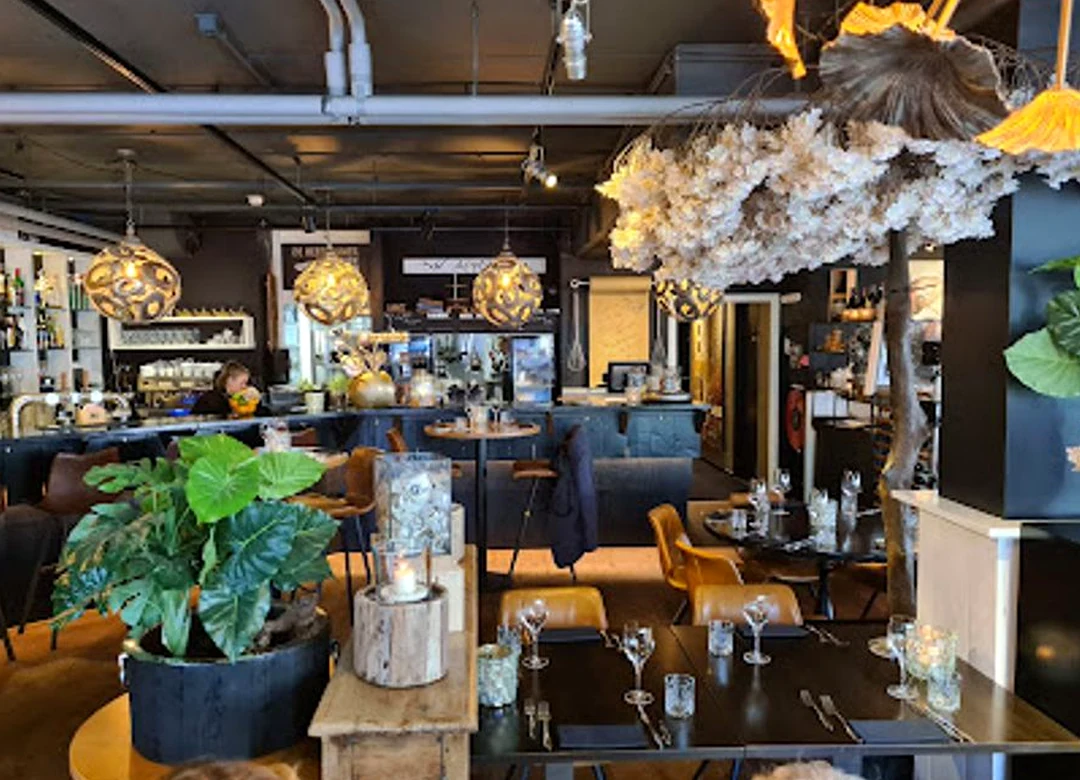
For travelers seeking a more refined dining experience, upscale restaurants around Lisse make ideal stops. De Vier Seizoenen in Lisse, with a modern European approach, showcases dishes crafted from seasonal ingredients of the South Holland (Zuid-Holland) region, where each plate is a composition reflecting the bounty of land and sea. There, culinary creativity meets natural ingredients to deliver a feast for both eyes and palate. Closer to the Keukenhof castle grounds, Lodge Keukenhof offers a distinctive eco-friendly setting where guests can enjoy European dishes featuring local produce in a peaceful atmosphere close to nature. Both are wonderful choices to wrap up a day at Keukenhof with an unhurried dinner that elevates local flavors into art.
From fresh seafood carrying the breath of the sea to warming sweet pastries and refined restaurant meals, the culinary map around Keukenhof is a captivating journey. Every dish does more than replenish energy—it tells a story of culture, of the Dutch people, and of how they cherish and make the most of nature’s gifts. Immersing yourself in this food scene adds depth to your trip, turning a visit to Keukenhof from simple sightseeing into a multi-sensory adventure that leaves lasting memories of the magical tulip land.
After following the threads of historical dates, grand architectural scale, and standout experiences at Keukenhof, I now present an essential “pocket guide” to help you make the most of your visit. More than dry facts, this is a practical key to experiencing Keukenhof smoothly, safely, and memorably—turning every moment in the “Garden of Europe” into a lasting highlight of your trip to the Netherlands.
The first and most important detail to keep in mind is the **golden window** when Keukenhof reveals its finest display. The gardens open for only about **eight brief weeks in spring**, typically from mid-March to mid-May each year. It is a seasonal treat not to be missed. However, to see the peak bloom—when millions of tulips burst into color together—aim for the **second and third weeks of April**. Depending on how mild or cool the preceding winter was, Keukenhof erupts into a palette of color that dazzles every sense, right when carefully tended bulbs reach full bloom and paint nature’s finest picture.
As for **opening hours and the art of avoiding crowds**, Keukenhof welcomes visitors from **08:00 AM to 07:30 PM daily**. Based on field experience, though, timing matters if you want to feel the garden’s calm and unhurried beauty. Book a time-slot e-ticket in advance, which is required to manage visitor flow smoothly. A practical tip is to enter before **08:30 AM** or after **04:00 PM**. Between 11:00 AM and 3:00 PM is peak crowding, when tour buses arrive in waves and turn scenic paths into bustling streams of people. Choosing quieter hours gives you space to wander at your own pace, take in the floral scents, capture crowd-free photos, and feel the true spirit of the historic “kitchen garden.”
Safety is always a top priority on every journey with us, and Keukenhof is no exception. Although it is a well-ordered, welcoming destination, pickpocketing can still occur in crowded spots such as the entrances and exits, large pavilions (especially the Oranje Nassau and Willem-Alexander Pavilions), or around the historic windmill—areas where visitors are often absorbed in taking photos. To ensure **security and risk management** for the group, our tour guides always provide connected audio-guide headsets so you can stay focused and in touch. We also strictly enforce a clear safety rule: do not wear backpacks on your back in crowded areas; instead, use a crossbody or chest bag with hidden zippers or a compact handbag that stays in plain sight. Staying alert and following these guidelines will help you relax and enjoy the scenery without unnecessary worry.
Last but certainly not least are Keukenhof’s **landscape protection rules**—a symbol of respect for nature and dedicated craftsmanship. The gardens are tended by talented horticulturists who have devoted their lives to creating this masterpiece. For that reason, you must **never step into the flower beds** or trample on bulb plots to take photos. This is a strict, non-negotiable rule monitored closely by security cameras and staff stationed throughout the grounds, and penalties for violations are steep. Always remember that Keukenhof’s beauty is built on delicate design and the living bulbs of millions of flowers. Protecting the landscape is not just about following regulations; it is a way of honoring the art, nature, and hard work of the people who keep Keukenhof alive in visitors’ memories. Please take photos only right along the designated paths so every frame is not only beautiful, but also reflects the responsible travel spirit of a VDS Travel guest.
After pages of stories about endless beauty, shifting history, and the finest experiences at Keukenhof Tulip Gardens, you can likely picture just how vibrant and alive this scene is. Yet turning a dream of spring in the Netherlands into reality—so every moment in the “Garden of Europe” is more than sightseeing and becomes a true sensory highlight—is the mission we are proud to deliver. We are not merely a guide, but an architect of meaningful journeys where every detail is carefully refined to elevate your experience to an entirely different level.
Keukenhof, in all its splendor and charm, is a centerpiece and signature heritage stop in VDS Travel’s collection of premium European spring tours. We have thoughtfully woven together a golden itinerary—a blend of color and culture—that takes you from the lively, free-spirited energy of Amsterdam, through the breathtaking blooms of Keukenhof in Lisse, to the classic windmills and traditional craft village of Zaanse Schans. The journey continues with the peaceful, poetic charm of the “Venice of the Netherlands”—Giethoorn—before opening the door to the architectural grandeur and rich cultural heritage of Brussels or Bruges in Belgium. Each stop is more than a place on a map; it is a new chapter in your travel memories, arranged with care to create a seamless, deeply resonant emotional flow.
The exclusive value we offer goes well beyond itinerary design. We know your time is priceless, especially when facing long lines at famous attractions. That is why we are proud to provide fast-track admission tickets at Keukenhof, an upgraded service touchpoint that lets your group bypass queues that can stretch for kilometers. Imagine stepping effortlessly into a fairy-tale world of tulips while other visitors are still patiently waiting in line, savoring every precious moment without delay. This convenience not only saves time, but also brings a sense of ease and refinement that underscores the quality of our service.
Beyond transportation and sightseeing, we also elevate dining and exploration. Rather than leaving you to hunt for a meal in a busy food court, we can arrange a table reservation at the upscale Lodge Keukenhof eco-restaurant right beside the castle estate, where you can enjoy refined European dishes featuring local produce in an elegant, tranquil setting. Or, if you want to immerse yourself in nature at your own pace, private bicycle rentals can be arranged so you can explore the sweeping flower fields outside Keukenhof—an authentic, romantic perspective few travelers get to experience.
More than just a trip, we also bring lasting brand and informational value through professionalism and credibility. Before every departure, guests receive our exclusive “Destination Encyclopedia,” an in-depth guide compiled by our scholars and specialists. It offers rich details on Keukenhof’s history, culture, architecture, and standout experiences while reflecting the depth of knowledge and genuine care we put into every travel product. We believe a meaningful trip is not just about looking, but about understanding and feeling the place you visit more deeply.
Keukenhof is more than a flower garden—it is an emblem and a once-in-a-lifetime experience. To make your journey to this icon as complete, seamless, and memorable as possible, let us be your trusted travel companion. We are committed to delivering a trip that is rich in scenery, rewarding in experience, deep in culture, and attentive in service. Do not miss the chance to admire the wonders of Keukenhof and discover more of Europe with us. Connect today to turn your Dutch spring dream into reality, and reserve your spot for the journey of a lifetime through our All-Inclusive Tour Package. VDS Travel – Where journeys become legend.