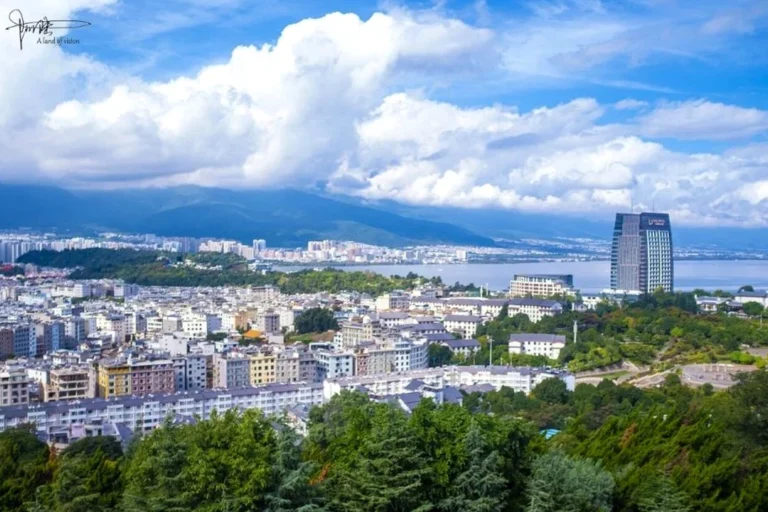
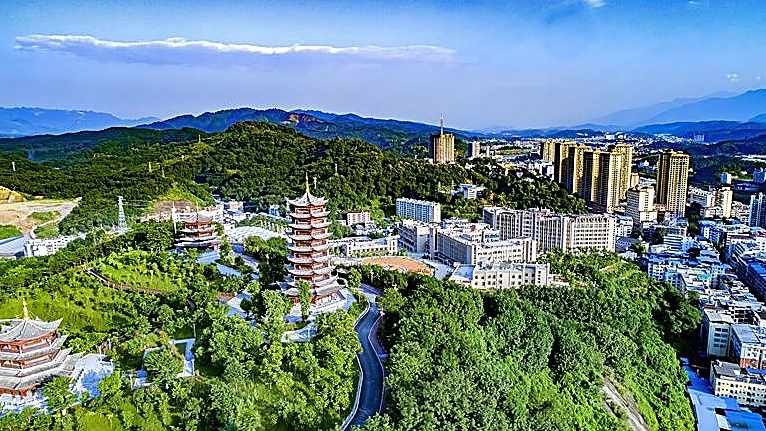
Nestled silently at the foot of the majestic, millennia-old Jade Dragon Snow Mountain, the land of Lijiang stands as a living museum, preserving some of the most magnificent cultural sediments in Southwest China. Originating from the dawn of time when the Naxi people followed the Jinsha River to settle in this fertile land, Lijiang soon became a vital crossroads for ancient tribes. The birth of the artistic epic known as “Lijiang Eternal Love” is not merely a contemporary entertainment production; it is a meticulous and historically accurate reconstruction, condensing the entire evolution of an ancient city from the Neolithic era, through the early days of the mystical Dongba culture, to the glorious golden age under the rule of illustrious local chieftains (Tusi).
The site vividly recreates the traditional Naxi architectural space, featuring curved yin-yang tiled roofs and somber wooden walls that contrast sharply against the backdrop of layered snow-capped mountains. The theater facade is intricately carved with ancient Dongba hieroglyphs and guardian spirits, combined with a vast gray-brick square dotted with prayer flags fluttering in the mountain winds. The fusion of grand architectural scale and visual artistic depth creates an overwhelming impression, transporting visitors directly into the nostalgic realm of a thousand-year-old trade outpost.
Tracing back through the chronicles, Lijiang entered the orbit of Chinese politics during the Tang Dynasty, when the region fell under the control of the Nanzhao Kingdom and later the Dali Kingdom during the Song Dynasty. A pivotal historical turning point occurred in 1253, when the Mongol army led by Kublai Khan crossed the Jinsha River on sheepskin rafts to launch their southern expedition. Recognizing the shifting tides, the Naxi leader at the time, A Liang A Hu, proactively submitted, paving the way for the establishment of indigenous rule under a hereditary Tusi system. In the fifteenth year of the Hongwu reign of the Ming Dynasty, Ming Taizu Zhu Yuanzhang bestowed the noble surname “Mu” (木) upon the fourteenth Tusi, A Ta A De, officially initiating nearly four centuries of peace and prosperity for the Mu family in this land.

During the Ming and early Qing dynasties, the Lijiang capital reached its peak, becoming an irreplaceable economic heart on the legendary Ancient Tea Horse Road. Caravans of courageous horsemen traversed treacherous, snow-covered mountain passes, transporting Pu’er tea from Xishuangbanna to Tibet in exchange for warhorses and precious spices. The historical legacy of enlightened leaders like Tusi Mu Zeng in the early 17th century left behind not only magnificent mansions modeled after the Forbidden City but also integrated the essence of Confucianism, Tibetan Buddhism, and primitive Dongba beliefs, creating a multi-layered cultural ecosystem. Lijiang Eternal Love has fully inherited that heroic memory, transforming the sweat of horsemen, the rise and fall of dynasties, and the steadfast love of couples crossing class boundaries into an immortal epic flowing through time.
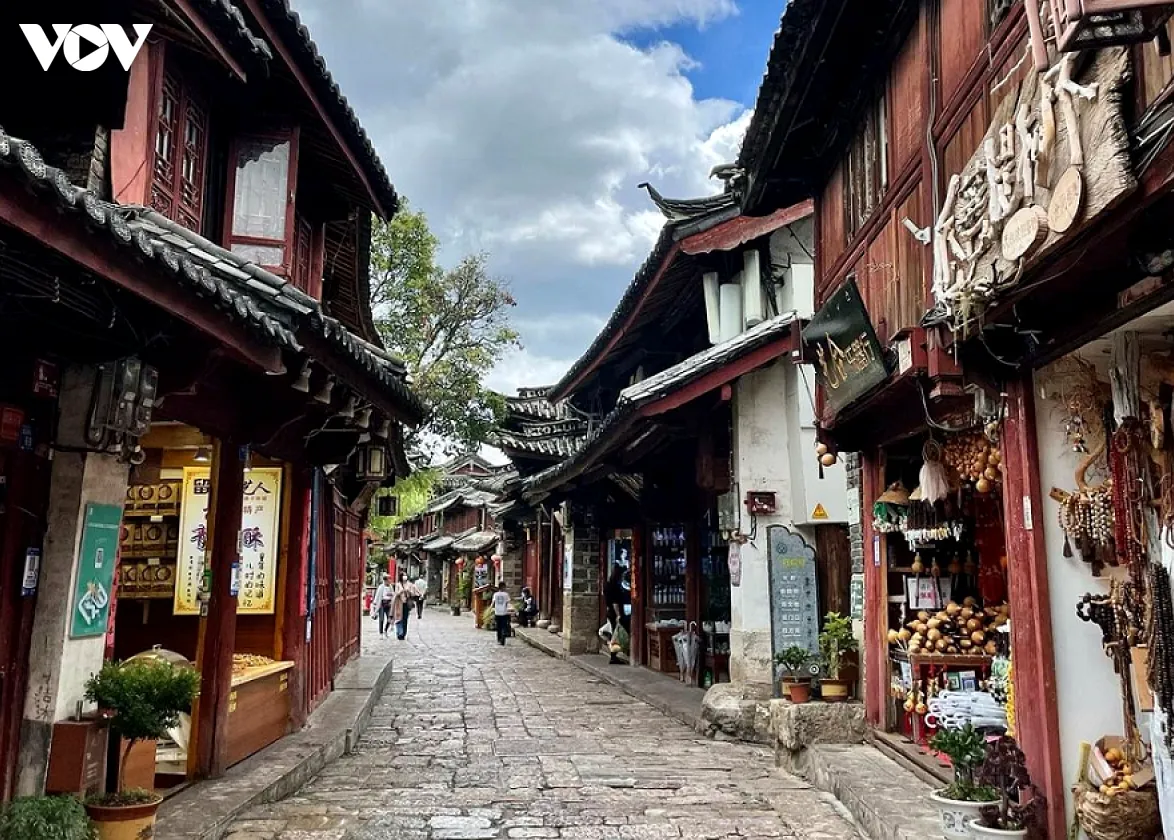
Located deep within a highland valley in the Yulong Naxi Autonomous County, the Lijiang Eternal Love complex enjoys a rare and auspicious feng shui position, where the spiritual energy of the mountains of Northwest Yunnan converges. Since ancient times, the Naxi people have upheld the belief in animism, viewing humans and nature as twins sharing the same sacred blood. The planning of this site strictly respects indigenous philosophy, situated on a gentle plain at the foot of Wenbi Mountain, with a direct view to the north of the perpetually snow-capped Jade Dragon Snow Mountain. The solid support of Wenbi Mountain acts like a giant brush holder guarding the southern dragon vein, while the thirteen undulating peaks of the snow mountain serve as the “Black Tortoise” protecting the north, creating a dignified and elegant “sitting on the mountain, gazing at the green mountains” layout in the heart of the granite valley.
Stepping across the threshold, the traveler’s gaze is immediately overwhelmed by the expansive foreground layout, where rustic wooden city gates and sturdy stone blocks rise proudly against the deep blue sky of the plateau. Along the path leading to the main square, a system of massive Naxi totem poles carved with the mythical Garuda bird and ancient Dongba hieroglyphs are arranged symmetrically, casting majestic reflections upon the clear water. Colorful prayer flags flutter in the snow-mountain wind, blending with the somber gray of the yin-yang tiles, perfectly sketching the appearance of a bustling ancient outpost on the historic tea-horse trade route.
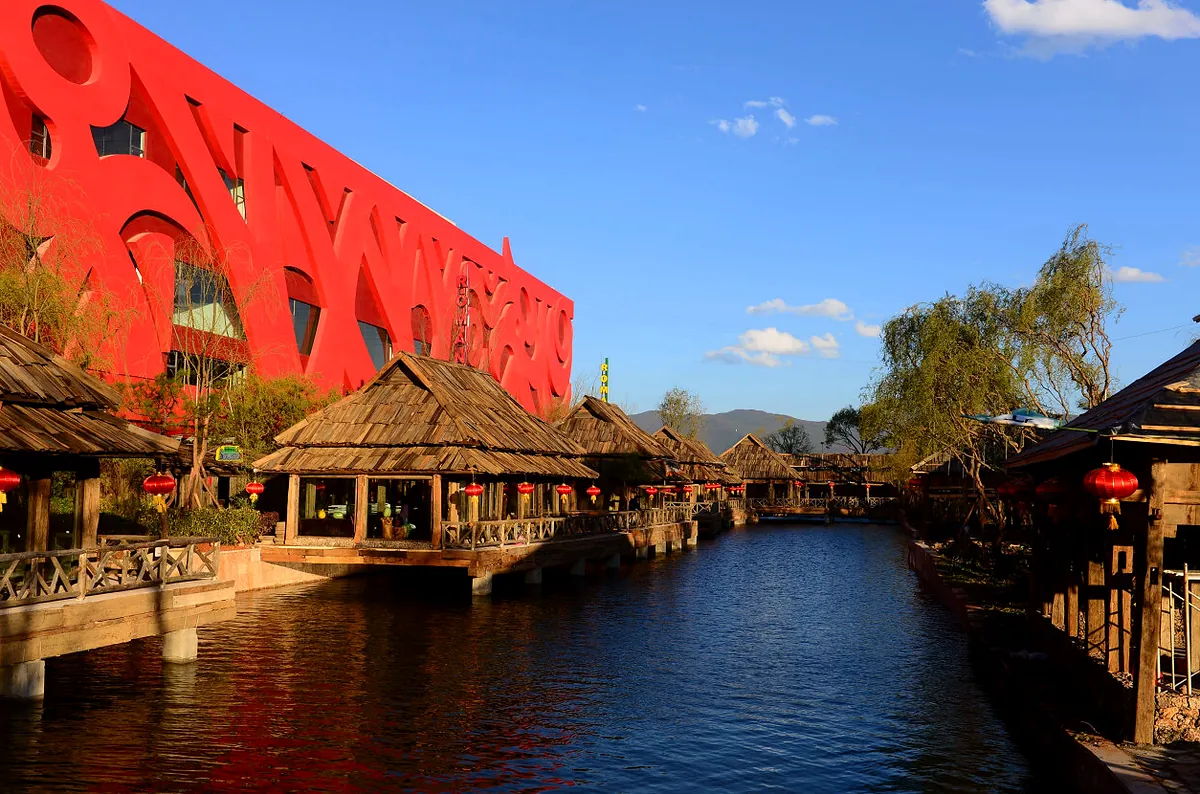
In terms of topographic planning, the designers skillfully transformed a site spanning hundreds of acres into a rhythmically stepped spatial labyrinth, entirely leaning against the natural slope of the ancient lava terrace. Rather than mechanically leveling the terrain, functional subdivisions—from the Tea-Horse Square, the Millennium Fair, and the Naxi Ancient Village to the grand theater zone—are intricately layered along the north-south axis. The artificial water network was meticulously dredged, guiding cool water from tributaries of the Jinsha River to meander past rows of stilt houses, vividly recreating the intricate canal system that serves as the survival lifeline of the ancient villages in the Lijiang region. The calm water surface not only regulates the dry microclimate characteristic of the altitude of over 2,400 meters above sea level but also turns the entire area into a natural mirror reflecting the vast, expansive sky.
The art of “borrowing scenery” (tá cảnh) is applied at a masterful level throughout the exterior landscape design. Standing from any open courtyard or pavilion, the skyline of the complex never obstructs the view toward the Jade Dragon Snow Mountain range—the dwelling place of Sanduo, the supreme protective deity in the consciousness of the snowland people. The harmonious transition between warm-toned rammed earth walls, weeping willows along the lake, and rugged gray stones creates a visual symphony that is both rustic and epic. Every flagstone on the trail and every log of aged pine used to build the watchtowers was carefully selected, leaving them exposed to the borderland rain, snow, and sunlight to develop a layer of ancient, weathered patina.
The spatial terrain here is not merely a stage setting but essentially a symbiotic entity intertwined with the geographic and cultural origins of the Tibetan and Naxi cultures. The artificially sculpted earthen hills emulate the rugged terrain of the Ma’an Pass, combined with straight spruce trees blocking the cold northern wind, creating profound depth and perfect shelter for the traditional houses. The seamless integration between man-made structures and the majestic backdrop of nature has turned Lijiang Romance Park into a flawless feng shui space, where travelers can instantly feel the pristine heartbeat of the far-western land upon their first steps.
Created with a massive investment of hundreds of millions of yuan by the Songcheng Performance Group, the Lijiang Romance Park complex stands impressively beneath the towering Jade Dragon Snow Mountain like a masterpiece of cross-cultural spatial planning. Spanning dozens of hectares, this multi-functional complex is not simply a commercial performance venue, but an open-air living museum that fully recreates the prosperous appearance of ancient postal stations along the legendary Tea-Horse Ancient Road. By harmoniously combining modern construction techniques with indigenous Southwest aesthetic philosophies, the entire space successfully resurrects the millennia-old breath of the Naxi, Yi, and Tibetan communities that once coexisted along the Jinsha River valley.
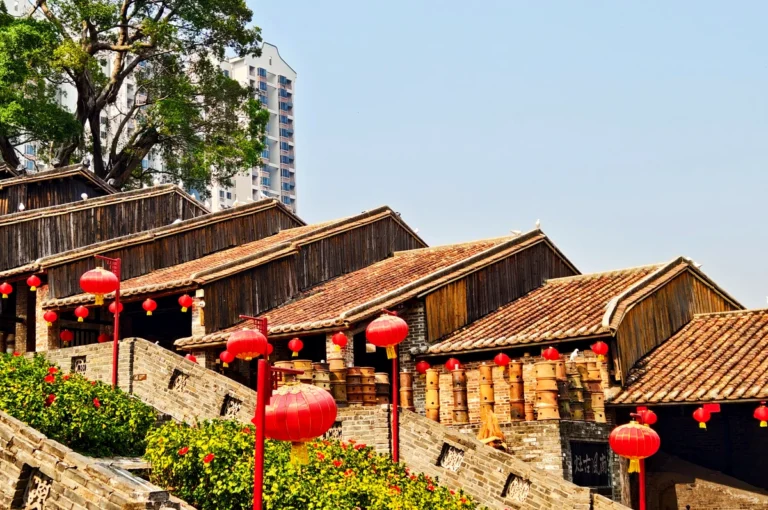
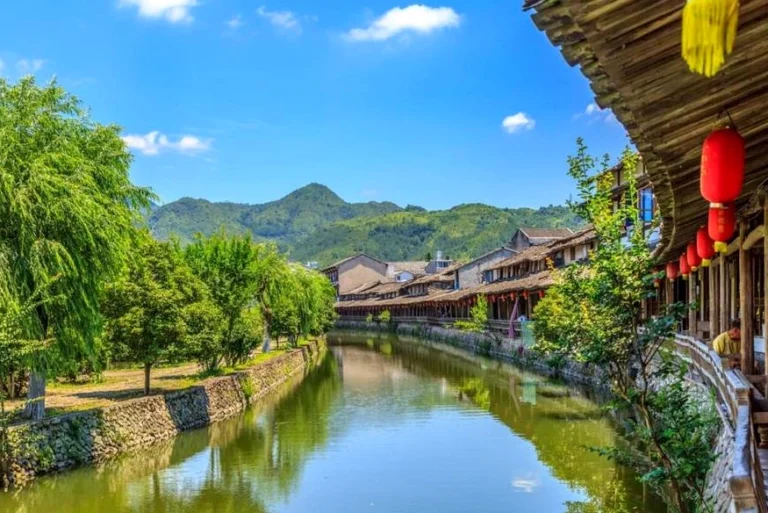
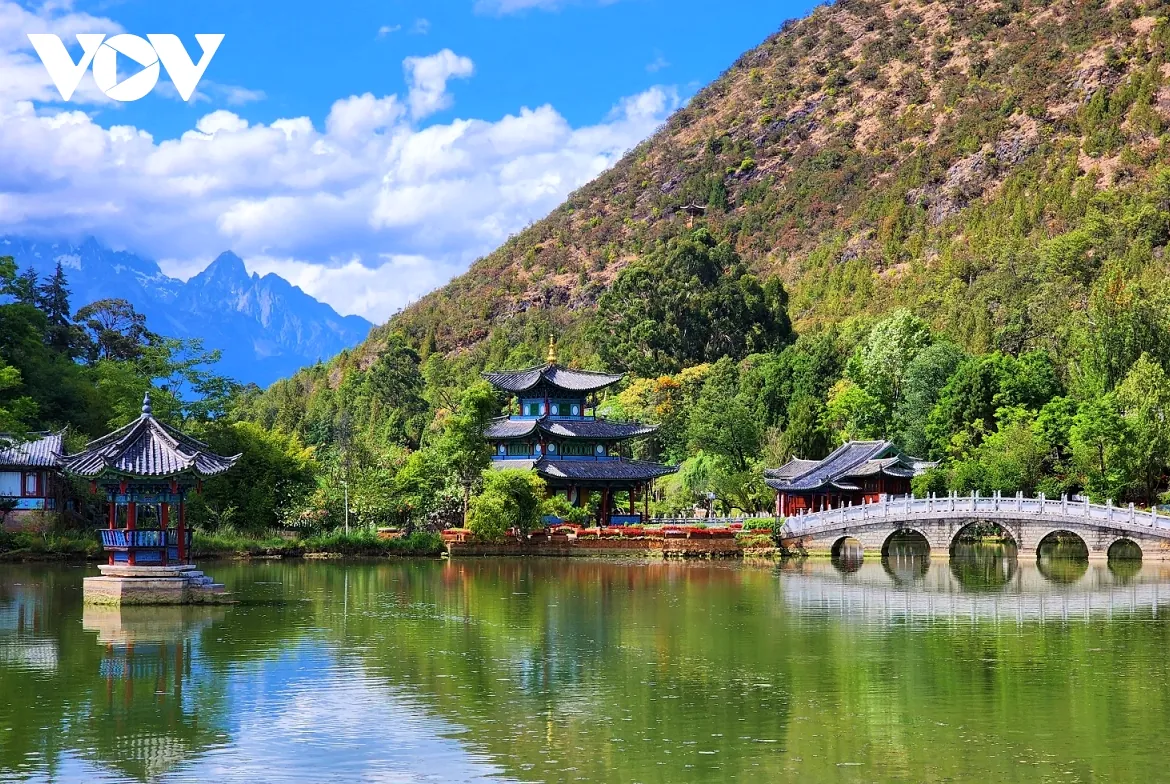
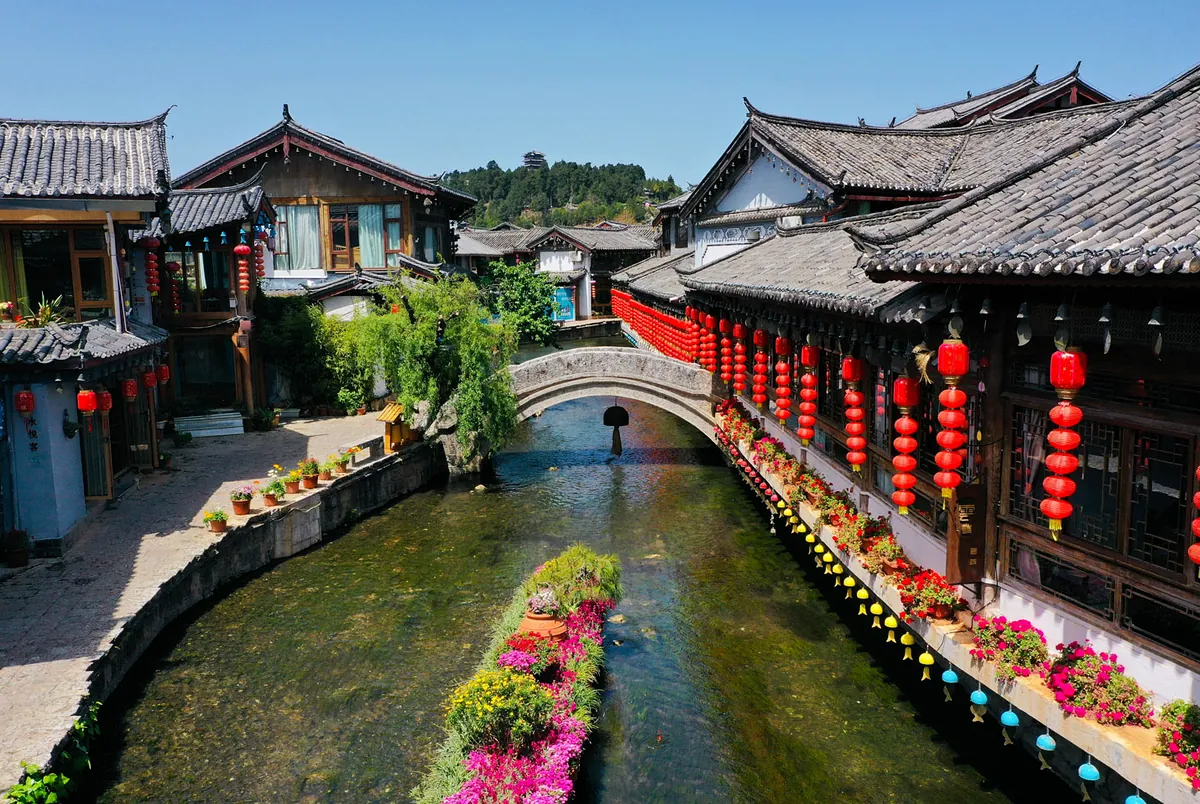
Right from the initial pathways, visitors are immediately immersed in a picturesque ancient town scenery with clear, winding canals embracing traditional curved-roof wooden houses. Dotted along the rustic lemonwood corridors are hundreds of bright red lanterns swaying gracefully, casting shimmering reflections on the mirror-like water surface. A weathered semi-circular stone arch bridge spans the canal, connecting both banks with colorful flower beds arranged on floating rafts, creating a multi-layered ink-wash painting composition that is both serene and evocative of the prosperous riverside merchant life of bygone eras.
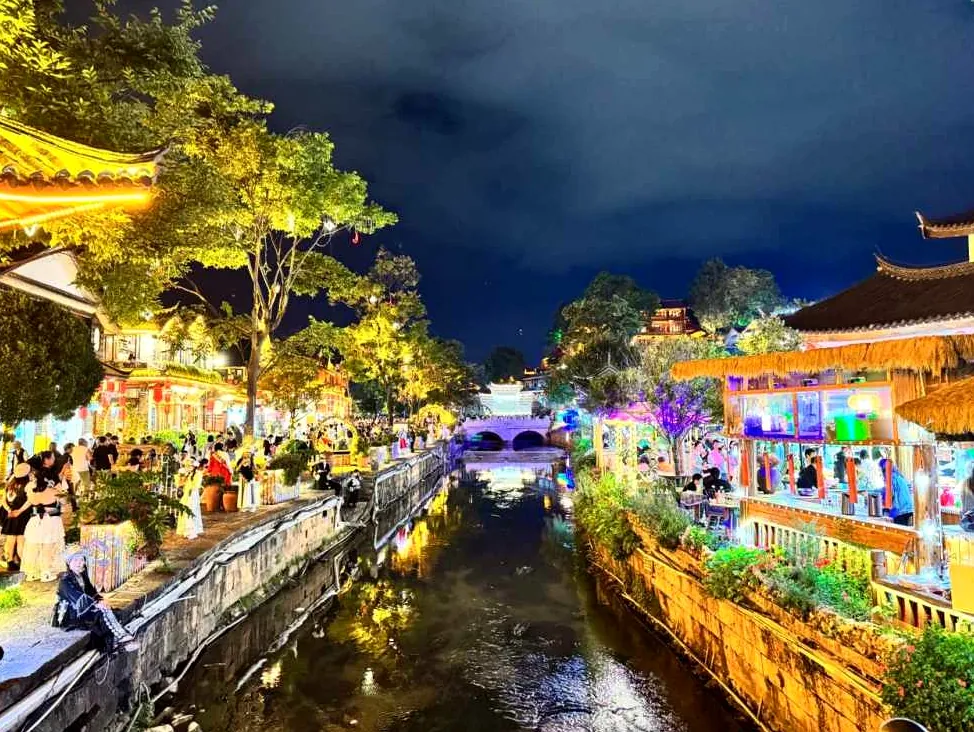
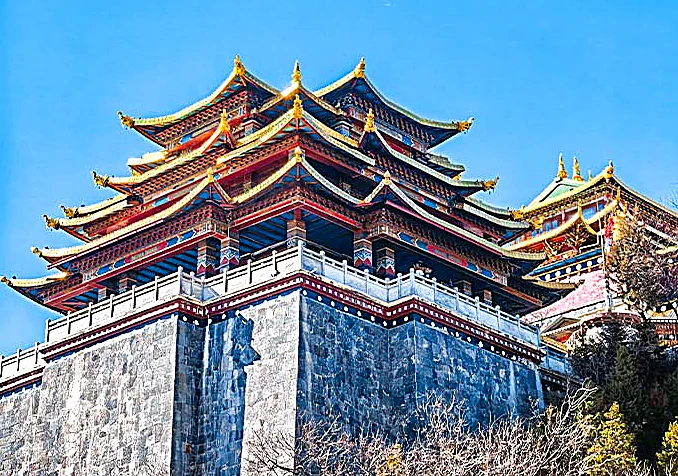
The architectural structures here thoroughly leverage the traditional timber framework of the Naxi people, typically featuring solid snow-pine post-and-beam construction combined with rammed earth walls and rough sandstone foundations. Every beam, bracket, and curved roof corner is carved with auspicious symbols from ancient Dongba beliefs, reflecting the worldview of animism and a deep reverence for nature. Interspersed among the traditional Naxi houses are sturdy stone watchtowers bearing the stylistic features of Kham Tibetan fortifications, complete with white-rimmed window frames contrasting against the dark gray stone background, showcasing a vibrant cultural exchange between the Qinghai-Tibet Plateau and the Yunnan basin.
The site planning of the tourist area follows a highly coherent functional zoning order while retaining the spontaneous charm of traditional settlement structures. The main landscape axis opens up to independent themed zones such as the Tea Horse Ancient City, Naxi Village, Dan Tiao Goddess Temple, and traditional handicraft workshops. As visitors traverse the uneven slate-paved streets, they never feel mechanically separated, as winding waterways and native vegetation ecosystems serve as soft, natural boundaries, seamlessly guiding footsteps from the bustling market atmosphere to the serene spiritual spaces.
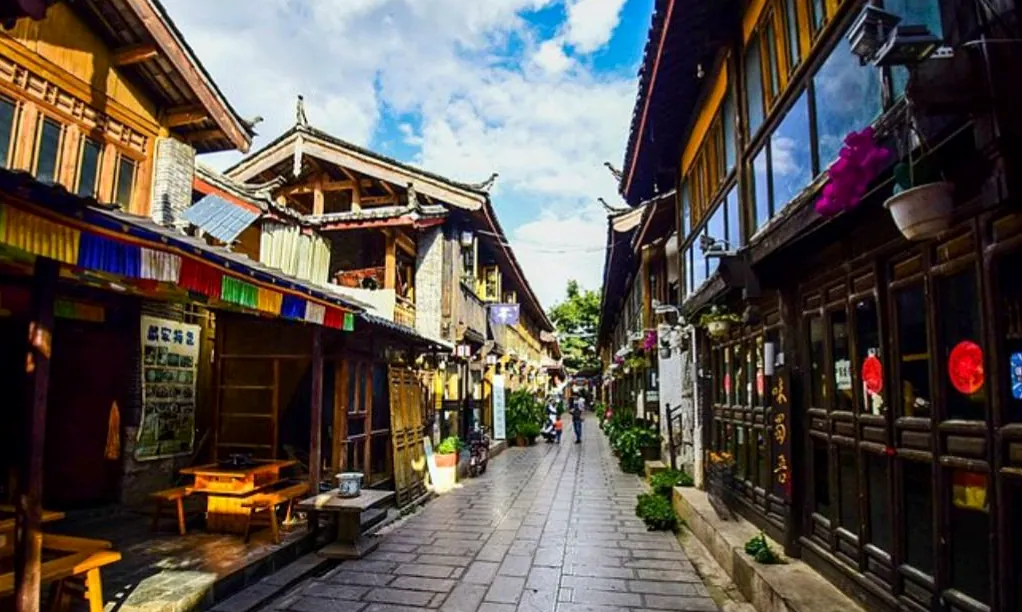
The electromechanical heart and the pinnacle of the entire complex is the Lijiang Eternal Love Grand Theater, with a capacity of nearly five thousand spectators in a fully enclosed auditorium. To facilitate grand historical scenes, the theater is equipped with a multi-level hydraulic lifting system, hundreds of high-pressure nozzles, and a massive water storage tank capable of releasing thousands of tons of water onto the stage in seconds to recreate the terrifying legendary great flood. The 360-degree mechanical rigging system and state-of-the-art lighting network are perfectly concealed behind spruce wood ceiling decorations, allowing cutting-edge digital performance technology to blend seamlessly into a space rich in folk cultural materials.
Under an artificial sky illuminated by thousands of smart bulbs and a multi-dimensional special effects system, the cultural tapestry of Northwest Yunnan emerges on the Lijiang Eternal Love stage with immense scale and dramatic intensity. On a multi-level hydraulic floor that moves rhythmically, dancers in vibrant brocade costumes recreate thousand-year-old legends amidst cascading water simulating the Jinsha River floods and the ethereal cold mist covering the Jade Dragon Snow Mountain. Every mechanical movement, combined with the mystical glow of turquoise and lotus pink, transforms the theater into a surreal arena where the boundary between heroic history and contemporary performance art is completely blurred.
This grand real-scene performance is not merely a standard stage dance drama but a pinnacle convergence of large-scale performance technology with a massive production budget. Under the talented direction of renowned director Huang Qiaoling and the Songcheng Group, the massive auditorium is enveloped by a state-of-the-art 360-degree mechanical stage ecosystem. Curved ultra-flat LED screens, hydraulic lifting platforms capable of pumping thousands of tons of water in an instant, and pulley cable systems lift horse caravans and actors, floating them through the air above the audience’s heads. Lighting techniques are programmed with millisecond precision, coordinating high-power moving head lights with liquid nitrogen cold smoke effects to perfectly capture the intense contrast between the eternal ice of the Jade Dragon range and the warm, glowing hearths of the highland plateau.
The flow of time in the performance is unfolded through five classic acts, leading visitors from the primordial Naxi legends in the “Creation” epic, through the peaceful matriarchal world by Lugu Lake of the Mosuo people, and reaching an emotional climax with the “Ancient Tea Horse Road” chapter. In this scene, the theater seems to tremble under the weight of history as resilient merchant caravans carve through mountains and cross passes, battling blizzards and deep abysses on horseback. The audience is left breathless as a real waterfall pours from the ceiling onto the stage, highlighting the tragic sacrifice of tea porters on the legendary Silk Road through Tibet and South Asia. The ultimate splendor of the Mu Tusi era during the Ming Dynasty follows, illuminating the stage with palace grandeur, silk, brocade, and elegant court dances, affirming the prosperous identity of an autonomous land at the edge of the Southwest sky.
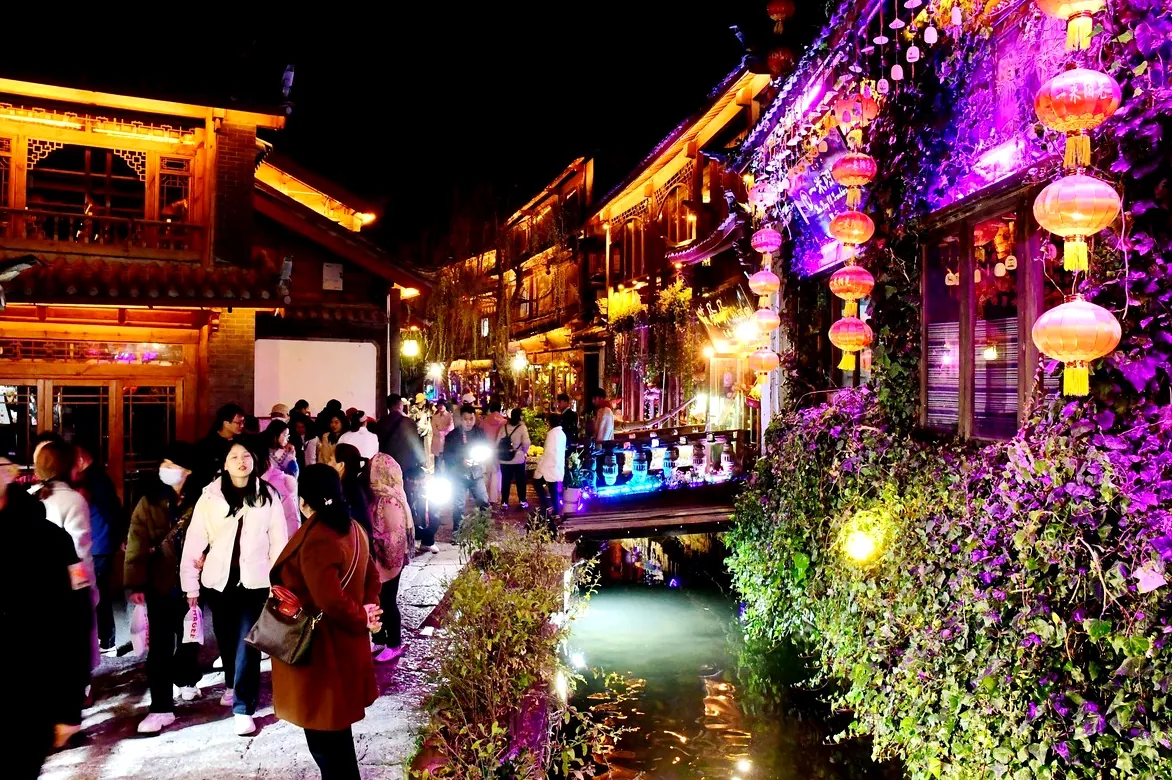
When the velvet curtain of the grand theater closes, the nightlife in the surrounding cultural park erupts in an authentic and passionate way. The five-colored stone-paved alleys are brightly lit by thousands of paper lanterns bearing ancient Dongba script patterns, casting a warm golden glow that filters through every curved roof tile. The quiet of the night gradually gives way to the lively sounds of cowhide drums, the Ba Wu flute, and the shrill, melodic reed pipes. At the central square, a roaring bonfire marks the beginning of the traditional Guozhuang dance. Travelers and local youth in traditional attire join hands in endless concentric circles, stomping to the rhythmic beat while singing in unison. The rich, creamy aroma of warm butter tea blends with the crispy taste of Baba flatbread and herb-grilled lamb, completing a perfect harmony of sight, sound, and taste in the heart of the ancient town at night.
Stepping out of the magnificent auditorium of Lijiang Eternal Love, visitors are immediately treated to an enchanting olfactory feast along the food streets, which faithfully recreate the appearance of the ancient Tea Horse Road markets. Beneath time-worn wooden eaves and vibrant paper lanterns, clay stoves crackle with pine charcoal smoke. This place showcases the full essence of Yunnan borderland cuisine, where sizzling pancakes on glowing embers and the earthy scent of air-dried meat mingle with highland herbs, carried by the chilly breeze from the foot of Jade Dragon Snow Mountain, turning every stroll into a vivid culinary expedition.
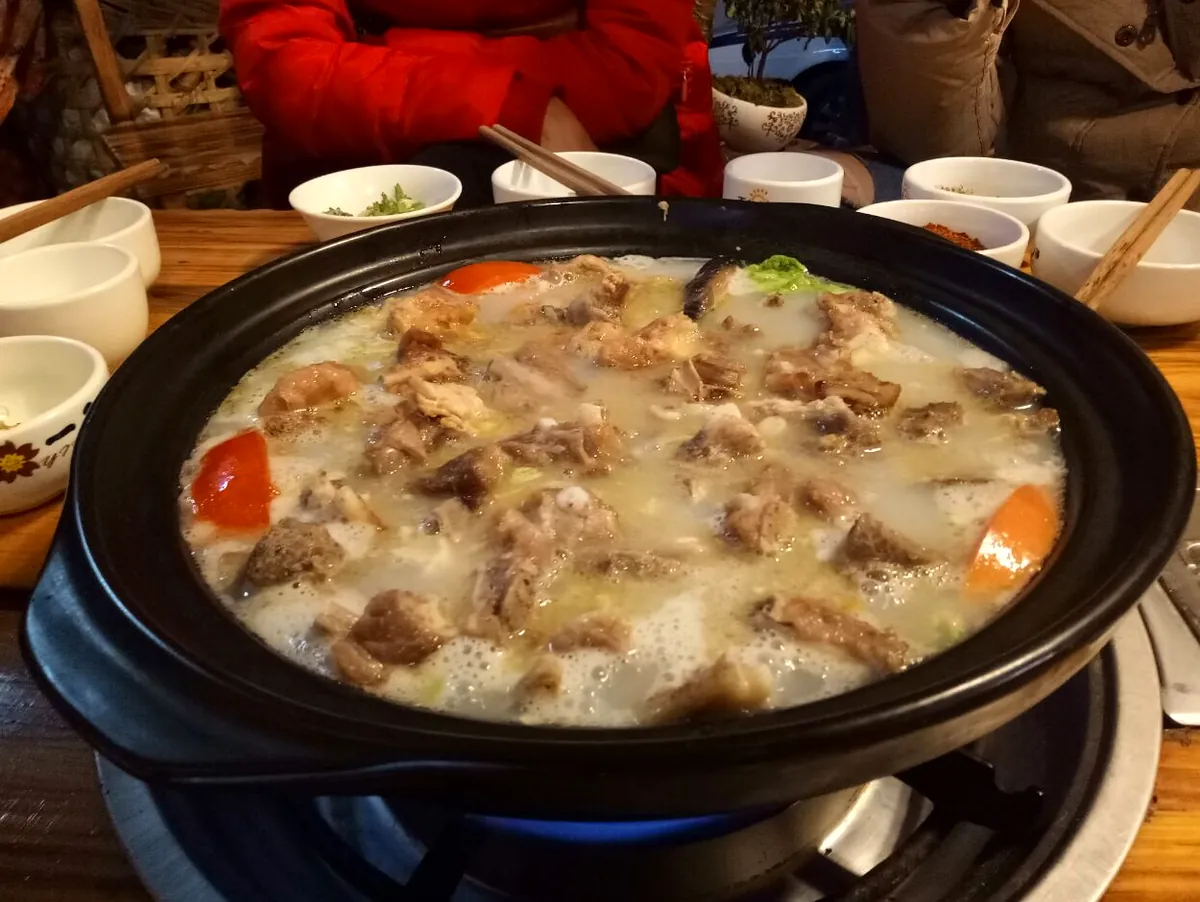
At the top of the list of must-try delicacies is the cured pork rib hotpot (La Pai Gu), a dish crystallized from both the harshness and the bounty of the snow-covered highland climate. The Naxi people select the freshest pork ribs during the freezing winter, marinating them thoroughly with sea salt, chili, Sichuan peppercorns, and a local barley-fermented liquor before hanging them to dry for three to six months in the dry, biting winds blowing from the peaks of Jade Dragon Snow Mountain. When simmered in a clay pot with a broth made from bone marrow, sweet white radish, wild mushrooms, and rock moss, each rib piece glows with a soft pink hue, offering a deep, rich flavor that is both crispy and savory—a reminder of the enduring energy that sustained the ancient caravans crossing treacherous snowy passes for centuries.
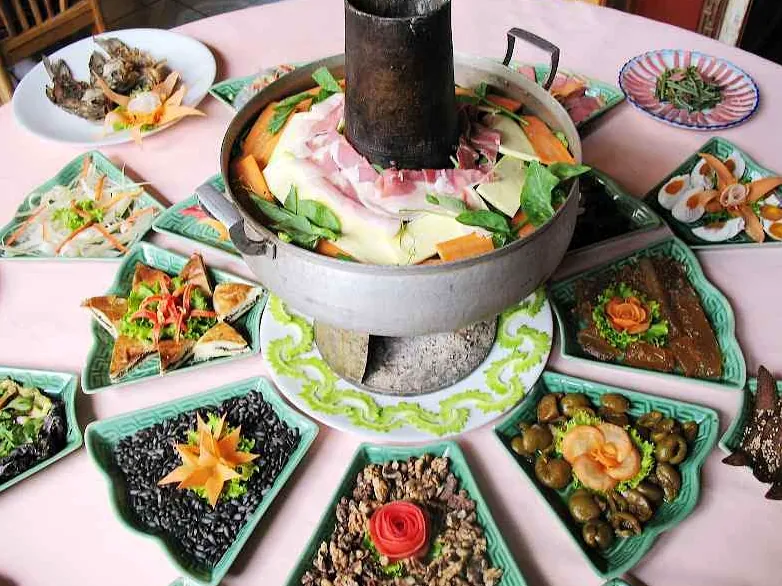
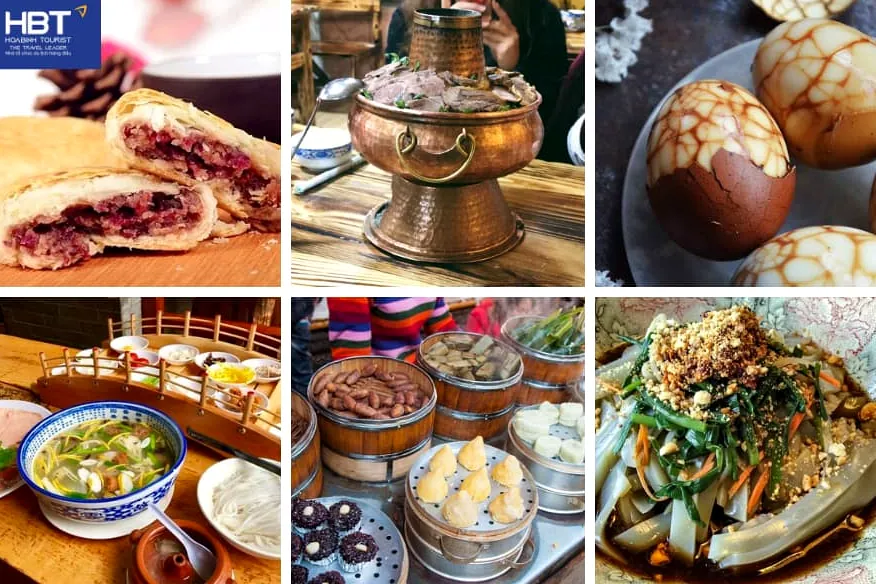
Alongside the intense flavor of smoked meat, Lijiang Baba represents the delicate art of wheat dough crafting, dating back to the Ming Dynasty and the reign of the Mu Tusi chieftains in Lijiang. This bread consists of dozens of paper-thin layers of dough, brushed with fragrant lard and grilled to a golden crisp on a cast-iron stove. It comes in two unique styles: a sweet version filled with Danfeng rose jam and toasted sesame, and a savory version rich with diced Xuanwei ham and fresh, crunchy scallions. There is no better accompaniment to this crispy flatbread than a bowl of silky, ash-gray Jidou Liangfen (chickpea jelly), thinly sliced and tossed in aromatic vinegar, spicy chili oil, minced garlic, and wild cilantro, providing a refreshing sensation that perfectly awakens the palate after long journeys.
Visiting this land in the months following the summer rains, diners can also admire a magnificent culinary landscape featuring world-class wild mushrooms harvested from vast primeval forests at altitudes over 3,000 meters. From Matsutake mushrooms with their heavenly aroma and golden, buttery Porcini to the rare Morel, all are dropped into a chicken broth simmered for hours, creating a soup with a pure, sweet taste in every drop. Furthermore, the pristine glacial meltwater from the snow-capped mountains nurtures Lijiang rainbow trout, known for its firm, nutrient-rich orange-red flesh, typically prepared in the traditional style: the head and bones are used for a tofu and mushroom soup, while the fillet is thinly sliced to be eaten raw with wasabi or quickly blanched in a spicy, tongue-numbing hotpot.

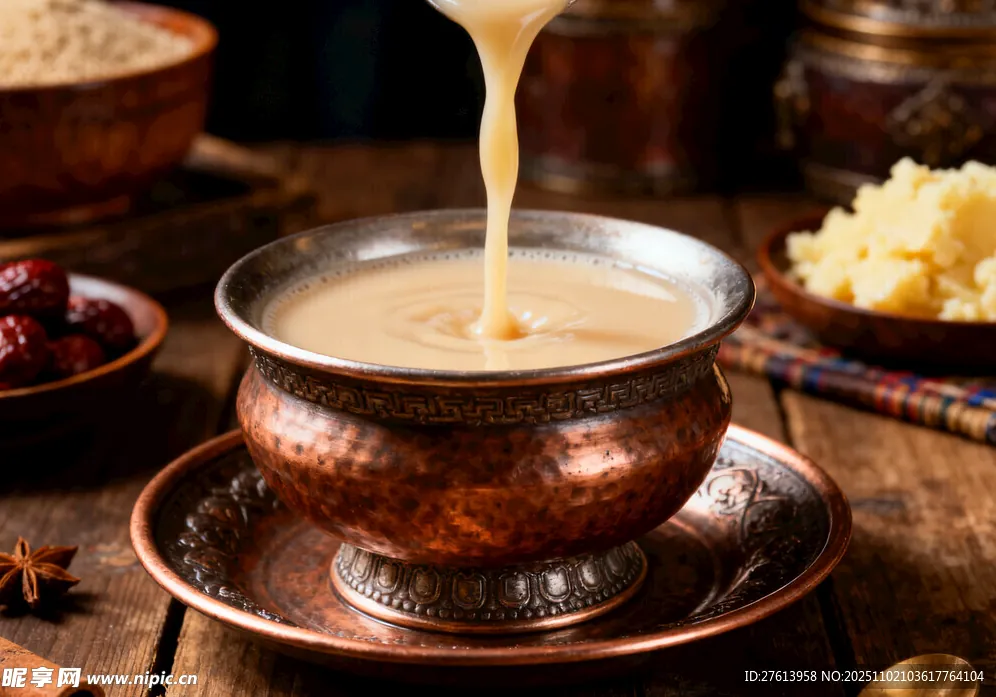
The Lijiang culinary experience would not be complete without a steaming cup of Butter Tea, an iconic drink symbolizing the strong cultural intersection between the Naxi and Tibetan people at the gateway to the Qinghai-Tibet Plateau. Strong black Pu-erh tea is boiled vigorously, then poured into a specialized wooden churn with butter extracted from Yak milk and a pinch of coarse sea salt, stirred until the mixture is smooth and fragrant with a rich, nutty aroma. The warm tea slides down the throat, bringing a warmth that dispels the highland chill, making the journey of enjoying the art in Lijiang Eternal Love a lasting, authentic memory, filled with human warmth and the soul of an ancient civilization that has never faded.
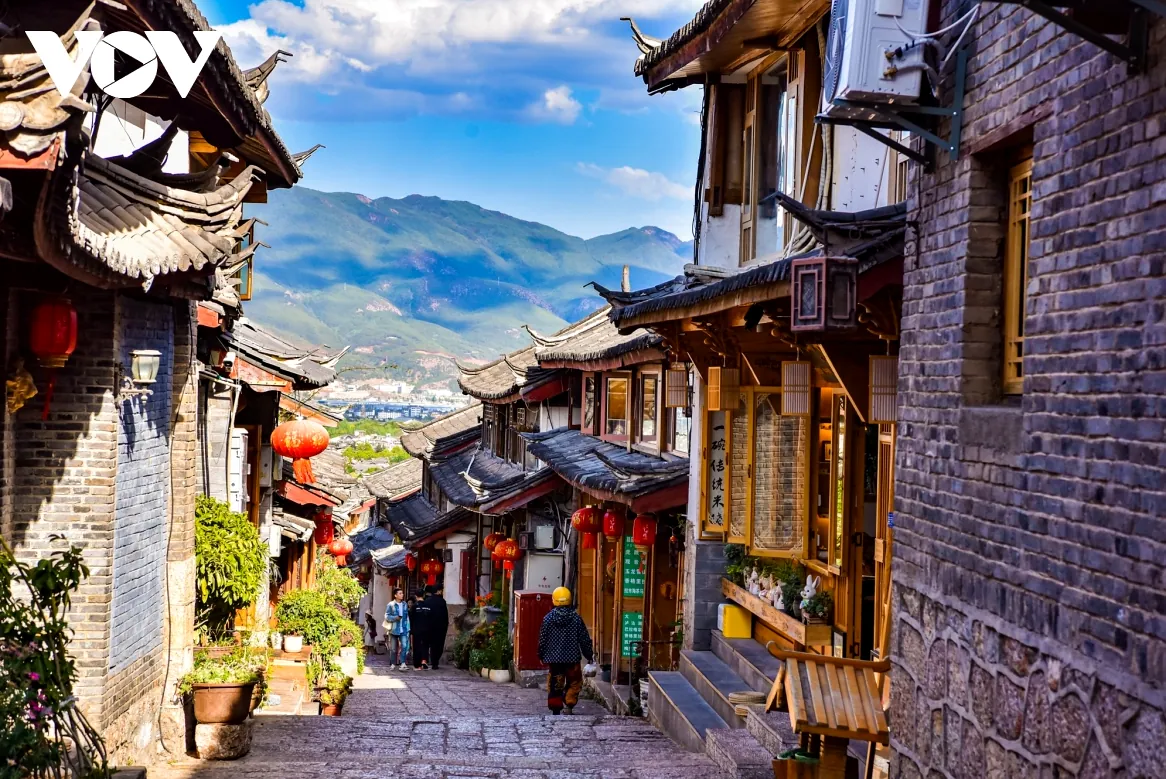
Passing through the massive gates leading into the Lijiang Black Dragon Pool Park complex, visitors are immediately overwhelmed by the magnificent architectural space that fully recreates the appearance of a bustling ancient city on the Tea Horse Road during its peak. Along the polished blue-stone streets are rows of red pine wooden houses built using the traditional Naxi joinery technique, interspersed with countless five-colored Lungta prayer flags fluttering in the highland wind. Deep red lanterns hang beneath moss-covered yin-yang tiled roofs, reflecting the sunset on the deep blue sky, creating a superb harmony between the Southwest’s wood-carving art and the sacred mystery of the snow-capped valley.
The park grounds typically open to visitors from 1:30 PM until 9:00 PM daily, providing a leisurely buffer of time for travelers to stroll through the zones recreating ancient villages before entering the main auditorium. The epic show performances are usually scheduled in flexible time slots, commonly at 2:00 PM, 4:30 PM, and peak performances at 7:30 PM or 8:00 PM, depending on seasonal tourist volumes. The entire complex is located in Huangshan Town within the Yulong Naxi Autonomous County, just about 6 to 7 kilometers south of Dayan Ancient Town’s center and about 4 kilometers from the Lijiang railway station. Access routes are extremely convenient; passengers can easily catch public city bus routes 16 or 23 departing from the outer edge of the ancient town, or hail a ride-hailing service like Didi with travel times of under 20 minutes along tree-lined fir avenues.
Setting foot in this ancient land requires thorough preparation regarding visa procedures and personal health essentials. Vietnamese citizens can complete group visa-on-arrival procedures when traveling by road through the Lao Cai International Border Gate – Hekou, then connect to a high-speed train across the Honghe plain to Kunming and Lijiang. If choosing air travel, an L-visa sticker or e-visa is a mandatory requirement before landing at Sanyi International Airport. Nestled peacefully at an altitude of over 2,400 meters above sea level, Lijiang’s atmosphere is pristine yet quite thin and dry, with temperature variations between sunny days and cold, misty nights ranging from 10 to 15 degrees Celsius. Therefore, equipping yourself with a windproof jacket, warm scarf, continuously drinking mineral water, and carrying moisturizing spray are crucial preparatory steps to prevent mild altitude sickness.
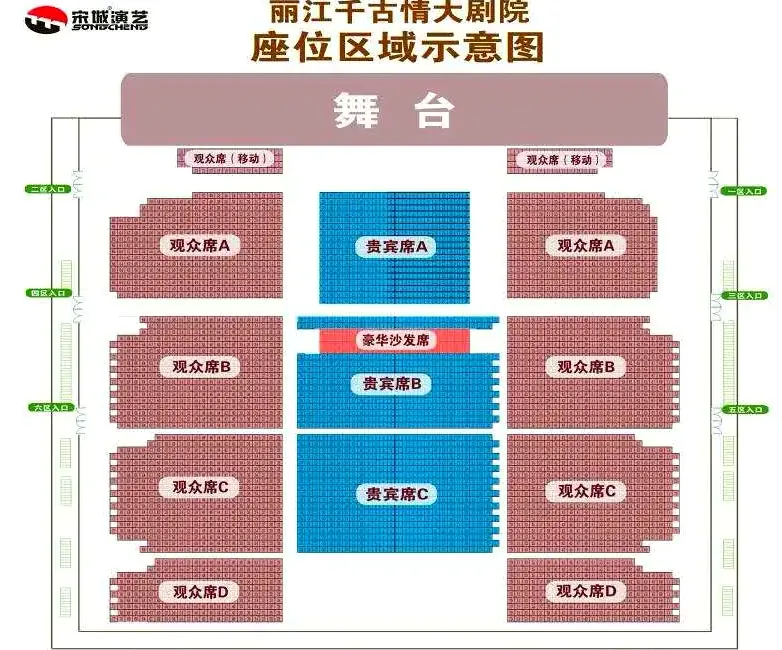
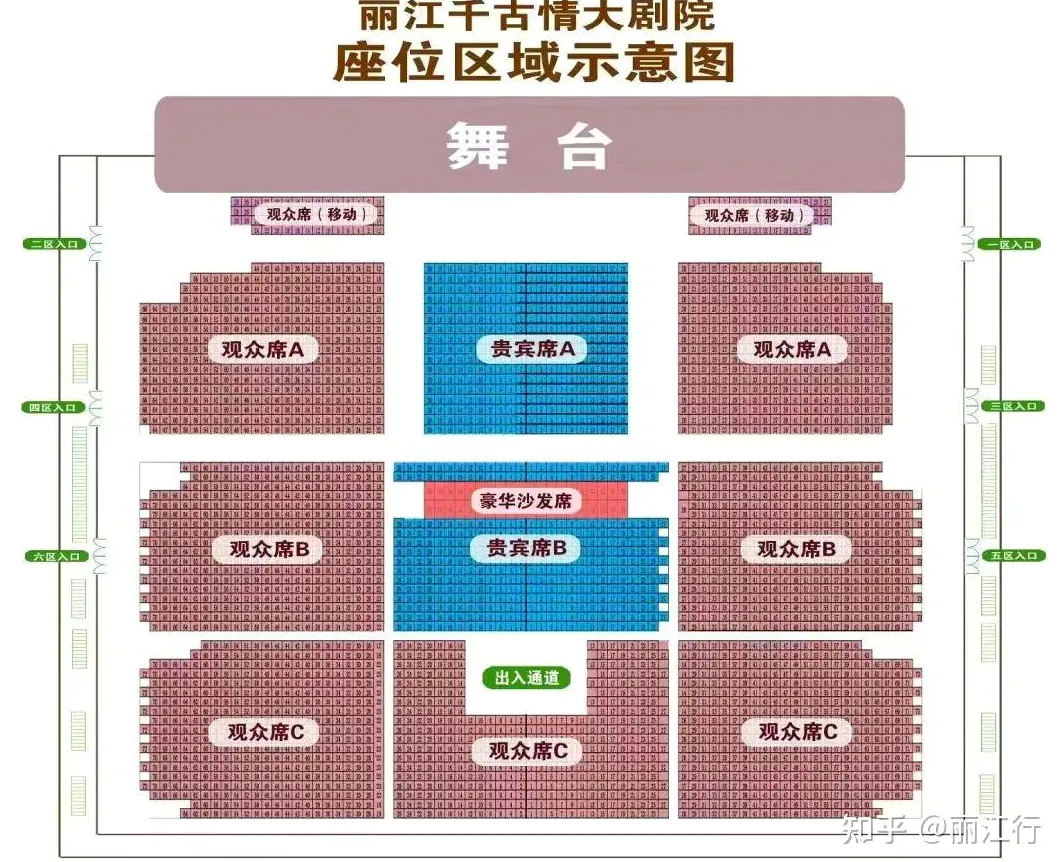
To optimize the experience of witnessing this theatrical masterpiece, visitors should book tickets at least 2 to 3 days in advance, especially for prime premium seats located in the center rows of the auditorium, where your field of view can encompass all effects from waterfalls pouring from the ceiling to caravans galloping along the aisles. In addition, cashless payment systems via international e-wallets integrated with Alipay or WeChat Pay have spread widely from the main ticket counter to every tiny souvenir stall, making transactions instantaneous without worrying about small change. When wandering around the peripheral food court after the curtain drops, don’t forget to warm your hands with a cup of rich, savory butter tea, enjoy a freshly baked crispy rose pastry, or taste a bowl of aromatic air-dried Naxi spare rib hot pot infused with highland yeast. For those who want to fully immerse themselves in this magnificent historical flow without worrying about travel itineraries or complex customs procedures, choosing an all-inclusive tour package professionally designed will be the perfect key to unlocking the soul of the land of eternal snow mountains.