Along the northeastern frontier, where the Bac Luan River lazily marks the natural boundary between Vietnam and China, the Bac Luan 1 Border Gate (东兴口岸 – Dongxing Port) stands tall like a living epic, bearing witness to the many ups and downs of history. Looking back to the late 19th century, after the border demarcation treaties were signed, this vital location was merely a primitive ferry crossing connecting Van Ninh Prefecture to Fangcheng County. At that time, the colonial administration erected a simple wooden bridge across the narrow river, serving both the military control needs of the ruling apparatus and laying the initial foundation for one of the busiest land trade ports along the northern border.
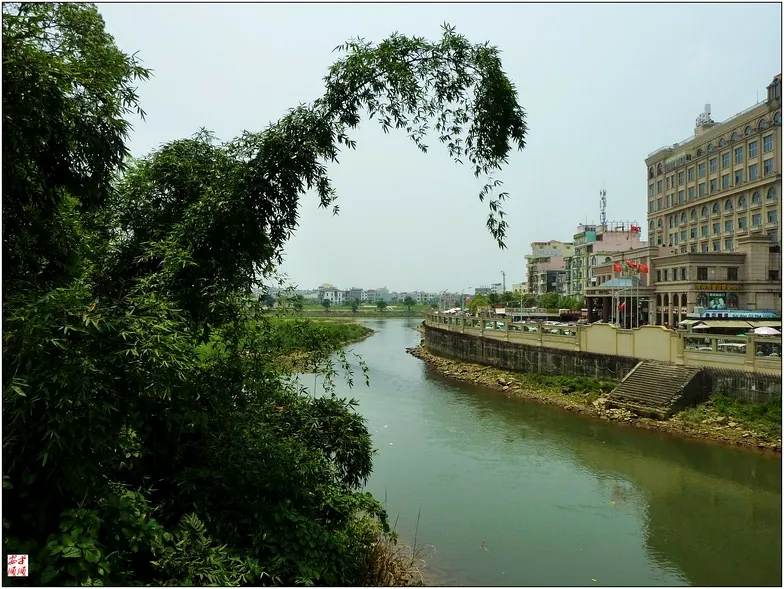
Admired from the banks of the Bac Luan River, the landscape unfolds as a harmonious painting of water and land, with rows of lush green trees casting shadows over the calm water in the foreground. On the right bank, buildings with distinct European classical architectural styles rise high, featuring exquisite moldings, gracefully arched doorways, and artistic wrought-iron balconies, reminiscent of the profound East-West cultural intersection that once existed in this frontier land. The harmonious contrast between the vibrant green of the vegetation and the ancient, imposing nature of the structures has sculpted a riverside urban appearance that is both poetic and imbued with historical memories.
Overcoming the war-torn years and the ravages of time on the original wooden structure, a significant historical turning point occurred in 1958. The two neighboring nations joined hands to build the first sturdy reinforced concrete bridge spanning the Bac Luan River. This project was not merely an infrastructure solution connecting Mong Cai and Dongxing, but was also likened to a symbolic bridge of friendship, marking an era of post-war reconstruction cooperation. Each steel girder and bridge pier embedded deep into the sediment of the border river has witnessed countless trucks carrying aid, tearful reunions, and the fluctuations in diplomatic relations between the two shores.
Entering the final decade of the 20th century, faced with the wave of economic opening and strong trade demands, the historical milestone of 1997 officially recognized the upgrade of the Bac Luan 1 Border Gate to an international standard port. This landmark event transformed the site from a local checkpoint into a bustling official trade hub, creating a massive economic development impetus for the entire Northeast coastal region. Linked to this shift in trade flow is the tightly-knit symbiotic life of the local Kinh and Chinese communities. From the Kinh people who have long resided on the Tra Co coast to the three peninsulas of Wanwei, Shanxin, and Miaowei on the other side of the border, the flow of people passing through the Bac Luan checkpoint has cultivated a diverse cultural space, where the traditional values, customs, and languages of both peoples have developed side-by-side for generations.
Looking back at the journey of over a century, from a rustic colonial-era wooden bridge to a modern international trade gateway, the Bac Luan 1 Border Gate is not just a mere geographical intersection but a symbol of the resilient vitality of the frontier. Every paving stone and every border marker here preserves memories of historical treaties, the sweat of ancestors who reclaimed the land, and the economic pulse of the integration era. The Bac Luan River continues to flow day and night toward the Gulf of Tonkin, carrying stories of people who cling to the land, protect their villages, and continue writing the epic of peace and prosperity on this frontier of the Fatherland.
From the perspective of Feng Shui and geomorphology, the Bac Luan 1 Border Gate is located in a rare, prime position where the alluvial sources of the historic Bac Luan River converge with the expansive breath of the sea. As a gentle natural boundary winding between Mong Cai city in Quang Ninh and Dongxing town in the Guangxi Zhuang Autonomous Region, the land here possesses the full spiritual energy of a riverside plain opening toward the vast ocean. This land has long been considered a place where water gathers to generate wealth, where the river acts like a soft silk ribbon carrying heavy silt, creating a natural buffer between the overlapping mountains of the Northeast arc and the expansive space of the Gulf of Tonkin Economic Belt. The convergence of these geographical features not only establishes a solid shield at the frontier of the Fatherland but also opens up one of the busiest trade arteries in the region.
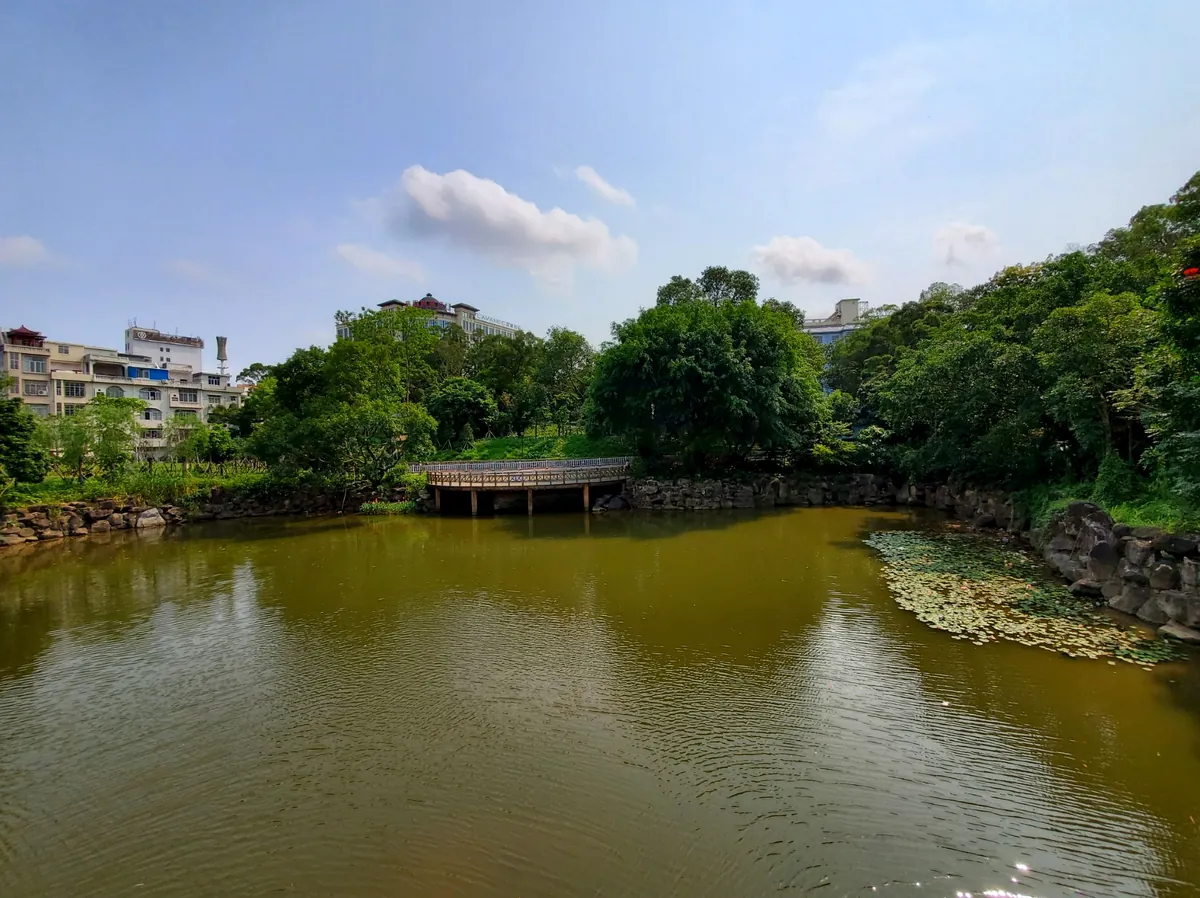
From a panoramic view overlooking the Bac Luan River, the border landscape appears impressive with a harmonious blend of lush nature and the splendor of modern urban planning. Before the eyes are rows of lush green trees casting graceful shadows over the calm water, creating a fresh, tranquil ecological buffer along the bank. Just to the right, magnificent buildings with the breath of European classical architecture rise proudly, highlighted by elegant dome systems, exquisite moldings, and majestic symmetrical columns. The entire space carves out a superb riverside urban scene, where the romantic spirit of the West harmonizes miraculously with the peaceful ecological life of the Northeast frontier.
The terrain of the Bac Luan river basin possesses a unique ecological transition structure, shifting from rolling hills to alluvial plains and mangrove deltas before merging into the open sea. While the river is not particularly deep, the tidal rhythm creates a fascinating alternating current, depositing rich silt that allows local vegetation to thrive year-round. In traditional Feng Shui, the land configuration of the Bac Luan 1 Border Gate converges the four symbols, with a solid foundation provided by the gentle hills behind and an expansive “front hall” formed by the clear waters of the Bac Luan River. This calm water surface opens up a vast view, not only keeping the local microclimate mild and breezy even in the height of the tropical summer but also creating an ideal premise for building an open border landscape axis that connects the vitality and cultural life of communities on both banks.
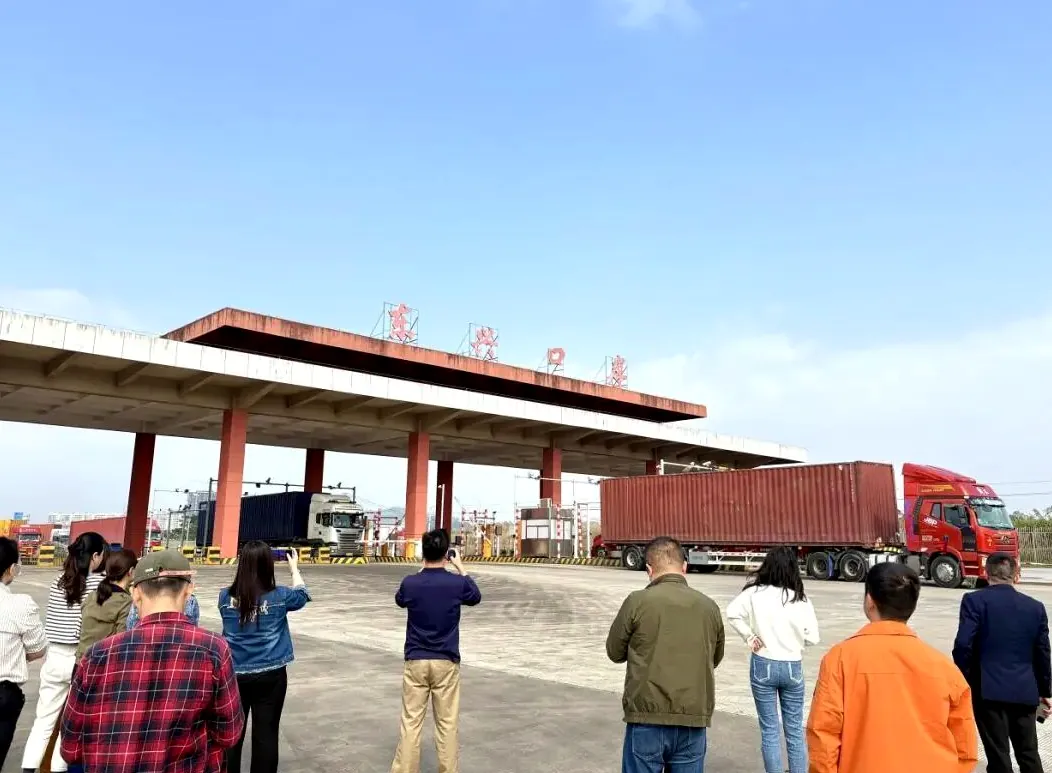
Under methodical planning, the pristine natural landscape has been gradually integrated into a world-class modern border infrastructure network. The Bac Luan 1 Border Gate serves as a key land gateway, connecting directly to vital transnational highways and extending the transport corridor from Quang Ninh’s coastal expressway network to the modern highway system of Guangxi Province, reaching deep into the mainland. Instead of stark concrete structures, the border zone is organized with interspersed ecological green spaces, combining riverside parks and waterfront walkways that catch cool breezes. The skillful combination of international-standard trade infrastructure and picturesque river scenery has created a standard border urban appearance that is both majestic and harmonious with the local nature.
Along the Ka Long River, which carries silt between the two territories, the space of the Bac Luan 1 International Border Gate emerges as a living museum of border architecture and the cultural exchange between East and West. Located at the vital connection point between Mong Cai City and Dong Hung Town, the entire border control area is not only responsible for territorial demarcation but is also a meticulously planned entity. The spatial layout here is clearly stratified, from the expanded reception lobby and glass-roofed pedestrian corridors to the interdisciplinary inspection zones arranged in a seamless aerodynamic sequence, creating the dignified appearance of a bustling trade gateway.
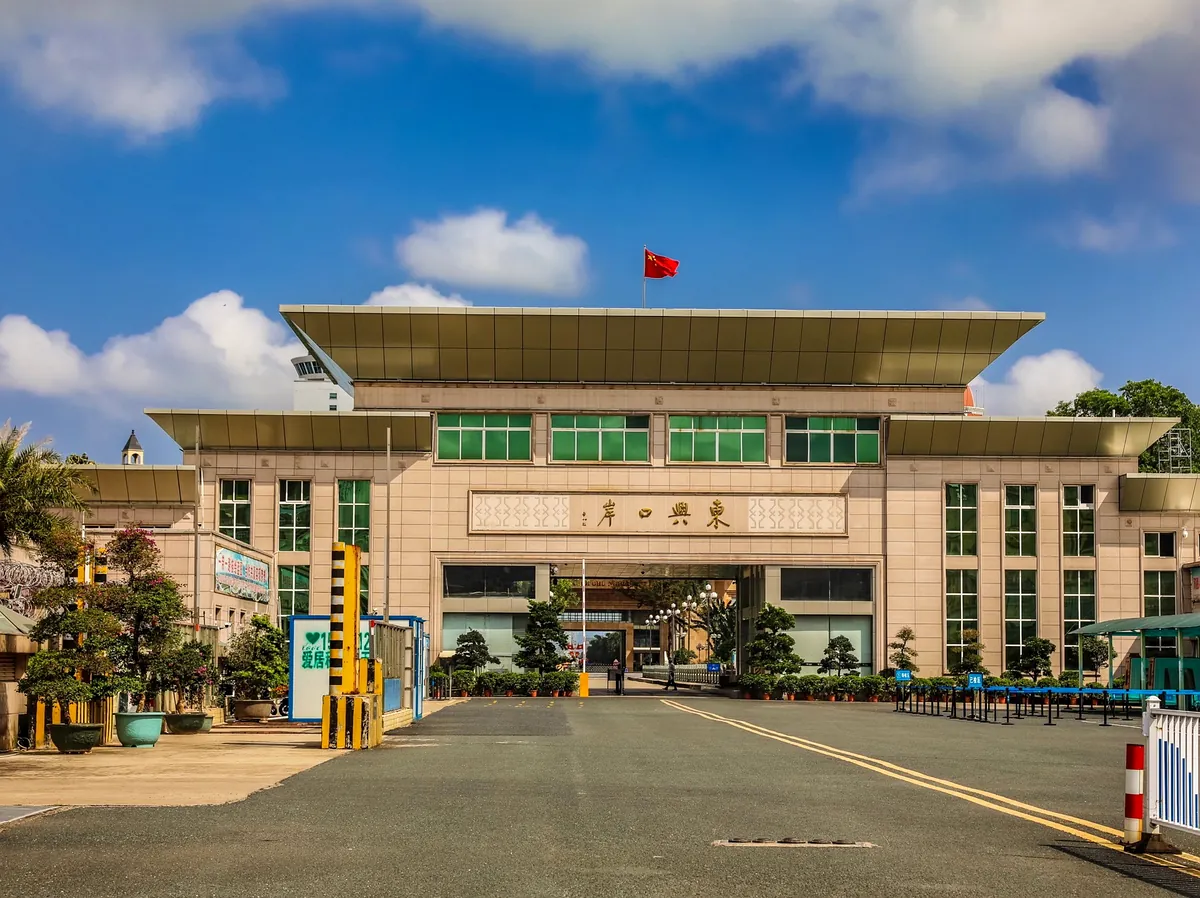
Approaching the northern bank, the Dong Hung border gate stands tall with a modern architectural language that is both authoritative and imposing. The main gate is constructed from massive reinforced concrete, dressed in elegant tones combined with dark blue tempered glass panels that reflect the brilliant border sunlight. Standing out on the majestic gate lintel is a sign with gold-plated Chinese characters, proudly facing the historic river. Right at the peak of the structure, the bright red national flag flutters in the mountain wind, harmonizing with the symmetrical geometric lines to create a solid visual symbol that clearly depicts the spirit of integration and the strong development energy of the northern coastal region.
The heart of this magnificent space is the Bac Luan 1 Bridge – a masterpiece of transport infrastructure spanning the calm border river. The bridge features the classic design of a reinforced concrete arch bridge, both graceful and soft, while possessing durability against the erosion of time and the coastal monsoon climate. The bridge deck is designed with a gentle camber, and the protective railings are cast with elegant geometric patterns coated with a salt-corrosion-resistant layer. The most sacred highlight on the bridge is the sharp, reflective border demarcation line running across the center of the main span, where every step a traveler takes allows them to deeply feel the sacred moment of crossing between two lands. Along both bridge abutments, a system of boundary markers and small gardens are symmetrically arranged, adding to the solemn, ancient beauty of a witness that has accompanied many historical periods.
Following a comprehensive functional restructuring, the operational appearance of the Bac Luan 1 Bridge has undergone a strategic shift within the overall border trade network. Since the inauguration of the Bac Luan 2 Bridge, which handles the entire flow of heavy cargo, container trucks, and large-scale industrial logistics, the historic Bac Luan 1 Bridge has been fully restored to its original elegant mission: specializing in serving pedestrians, international tourists, and the simple vehicles of border residents. This clear separation of routes not only relieves the structure from the pressure of exhaust fumes and mechanical loads but also transforms the entire border corridor into a peaceful cultural walking axis, where travelers can leisurely admire the lush green riverbanks and the tranquil life of the border town.
The actual investment scale in the Bac Luan 1 area is further elevated by the synergy of cross-border inter-regional infrastructure planning strategies. On the other side of the river, the logistics transport network has been comprehensively synchronized with the operation of the Dongxing – Fangchenggang high-speed railway, transforming the border gate area into a modern multimodal transit hub. After completing customs procedures via the Bac Luan 1 Bridge, travelers and merchants can quickly access the high-speed rail network to connect deep into the vast domestic economic system. The seamless harmony between the classic arched architecture of the Bac Luan 1 Bridge and the surrounding advanced control centers, access roads, and commercial service complexes creates a border landscape that is both rich in historical depth and a testament to the remarkable development of a dynamic international gateway.
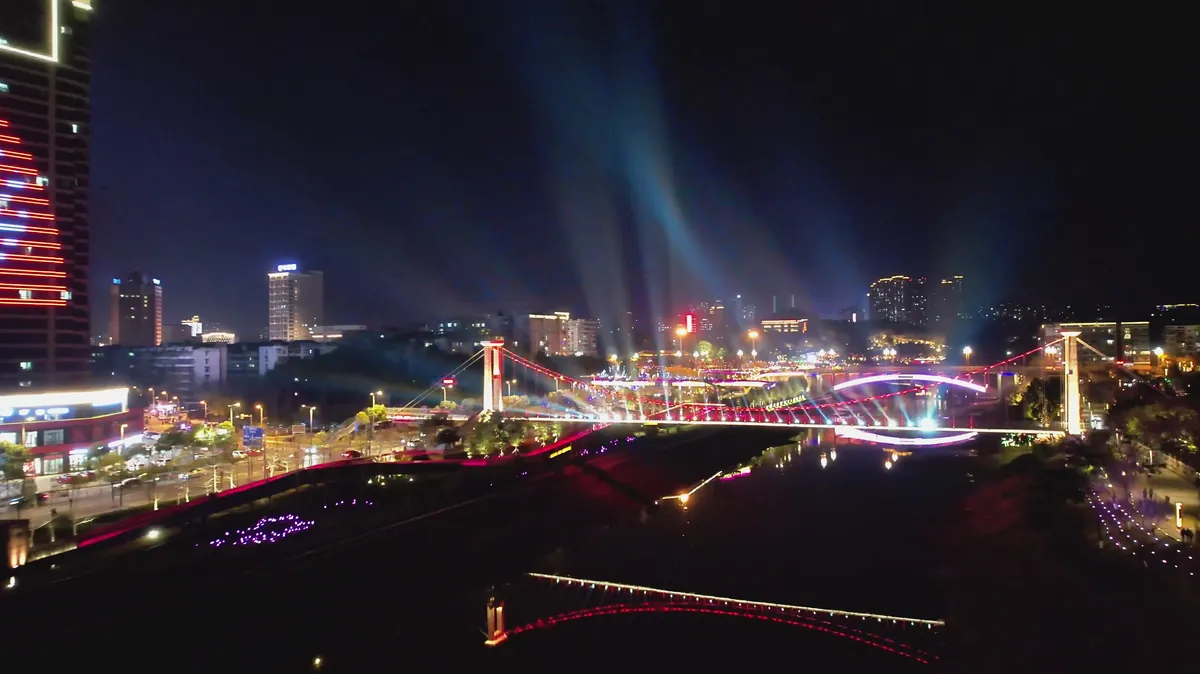
As the sunset fades behind the border strip and darkness falls over the gently flowing Bac Luan River, the Dongxing border town sheds its solemn, quiet daytime appearance to don a magnificent evening gown. In stark contrast to the tranquil, dignified space surrounding the landmark representing national sovereignty, crossing the demarcation line immediately awakens the urban rhythm on the other side of the bridge. The border night is far from desolate; instead, it marks the beginning of a multi-colored symphony of neon lights, bustling city sounds, and crowds flowing into busy commercial streets.
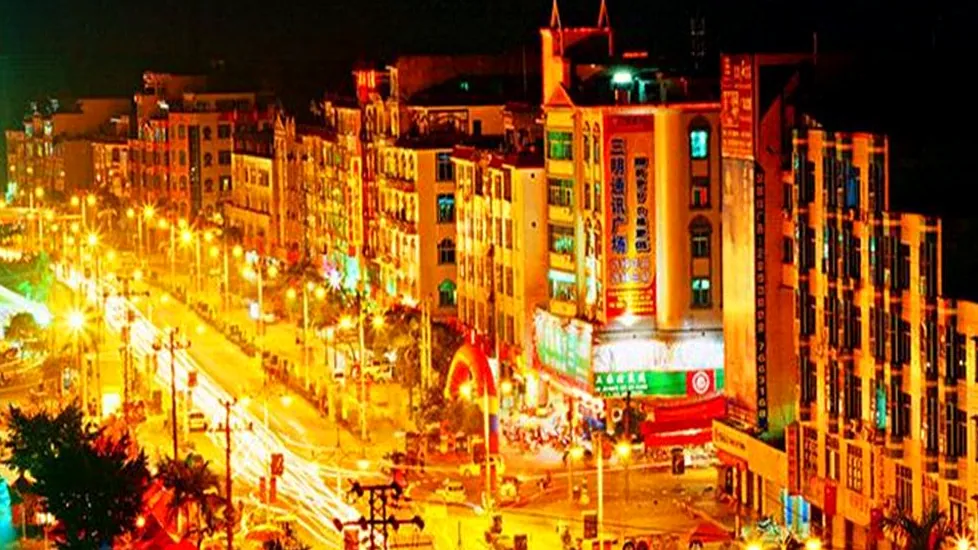
The scene of Dongxing streets at night is overwhelming, with wide commercial thoroughfares where high-rise buildings stand proudly under vibrant, colorful architectural lighting. Along both sides of the avenue, countless Chinese-character advertising signs glow in a mix of red, yellow, and blue, weaving together like a modern painting of light. On the smooth road surface reflecting the shimmering glow, vehicles constantly move back and forth, leaving light trails that stretch like soft, vibrant red silk, perfectly capturing the prosperous pulse and rapid development of a border trade metropolis.
The art of lighting in Dongxing is not merely for daily illumination but is planned as a large-scale visual performance of urban architecture. High-rise buildings featuring contemporary Lingnan architectural influences combined with traditional Qilou shophouse lines are meticulously outlined by LED strip lighting, running from the tower tops down to the eaves. At the foot of the skyscrapers along Xinhua Avenue or the Baihui commercial area, warm golden light from luxury shops blends with the magical blue and pink hues of electronic signs. This light casts a shimmering reflection on the waters of the Bac Luan River, creating a fiery horizon that mirrors a surreal blend of reality and dream, proving the rapid transformation of a gateway port connecting China with Southeast Asian nations.
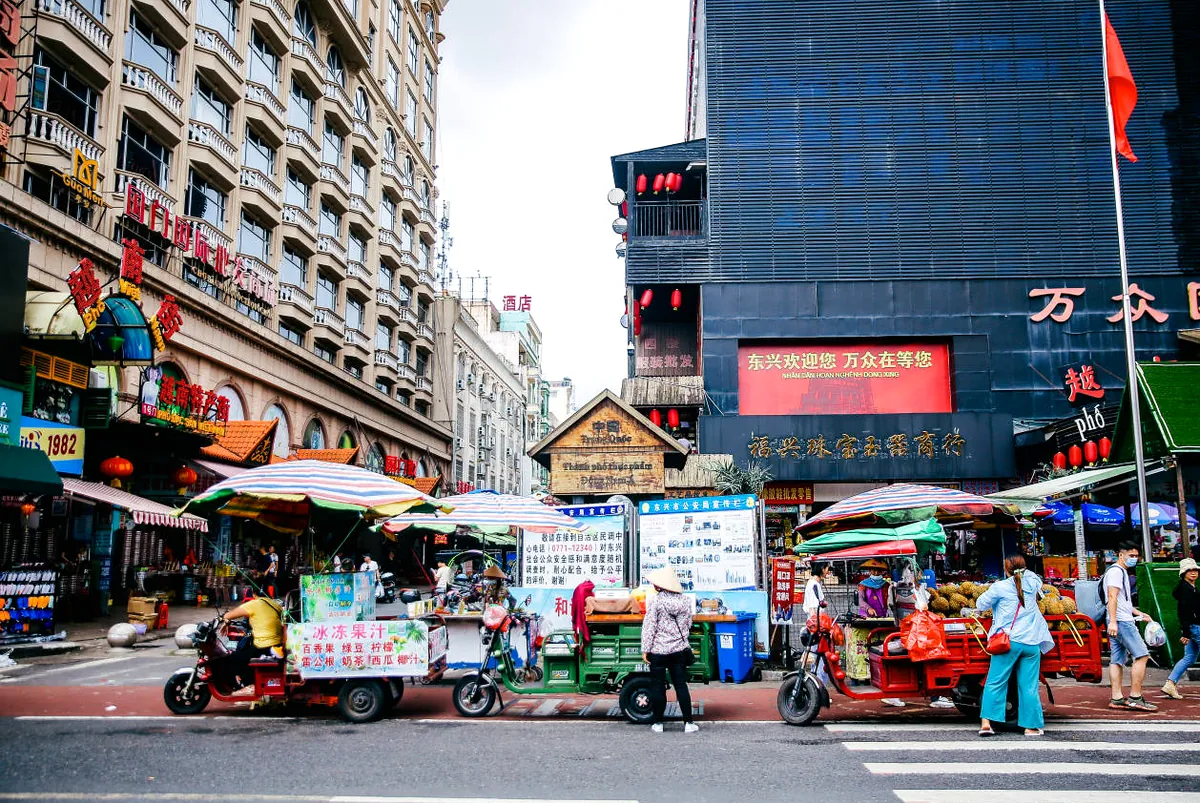
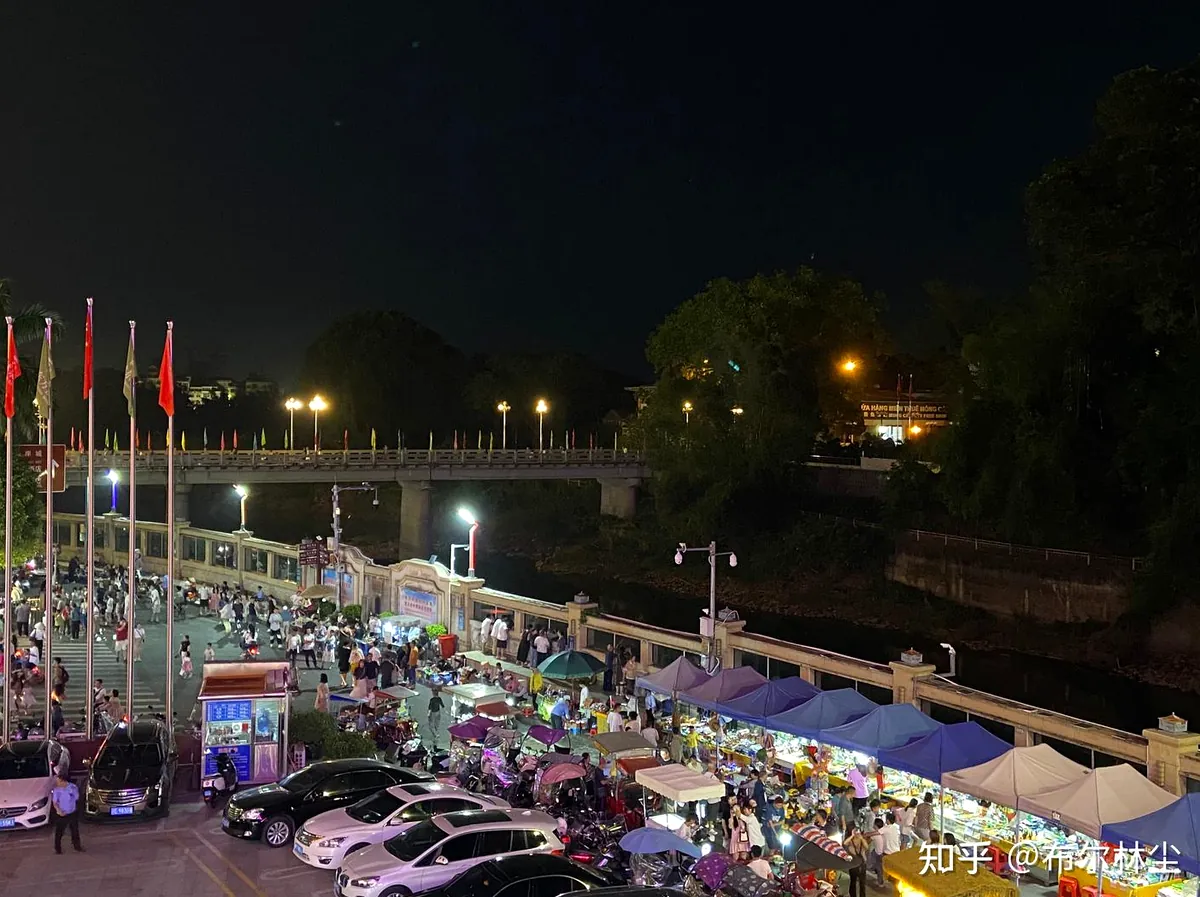
The heart of the nightlife lies in the bustling night markets and food streets that stretch as far as the eye can see. When the clinking of cast-iron pans mingles with the pungent aroma of star anise, cinnamon, and Sichuan chili powder wafting through every alley, travelers feel as if they have wandered into a legendary culinary paradise. Street food stalls billow with fragrant smoke, offering sizzling spicy grilled squid, charcoal-grilled chicken feet rich with five-spice flavor, fresh garlic-chili grilled oysters caught from the Gulf of Tonkin, and Jinhua stinky tofu that is crispy on the outside and soft and creamy on the inside. Nearby are artisanal milk tea shops with a distinct Lingnan flair, where diners sip rich roasted tea while listening to the lively sounds of trade, where Cantonese, Mandarin, and Vietnamese blend naturally, erasing all language barriers.
As the night deepens, the street art scene becomes even more serene and captivating. In small squares and riverside parks, visitors can easily encounter street performers lost in the melodies of the erhu or cello, or singing classic Chinese love songs blended with the vibrant rhythms of modern electronic music. The contrast between a vibrant, sleepless Dongxing and the peaceful, profound beauty of Mong Cai city on the southern bank creates a unique nocturnal spatial structure. It is a moment when the art of light and the human rhythm of life blend perfectly, turning a walk across the national border into an unforgettable sensory journey in the heart of the friendship border.
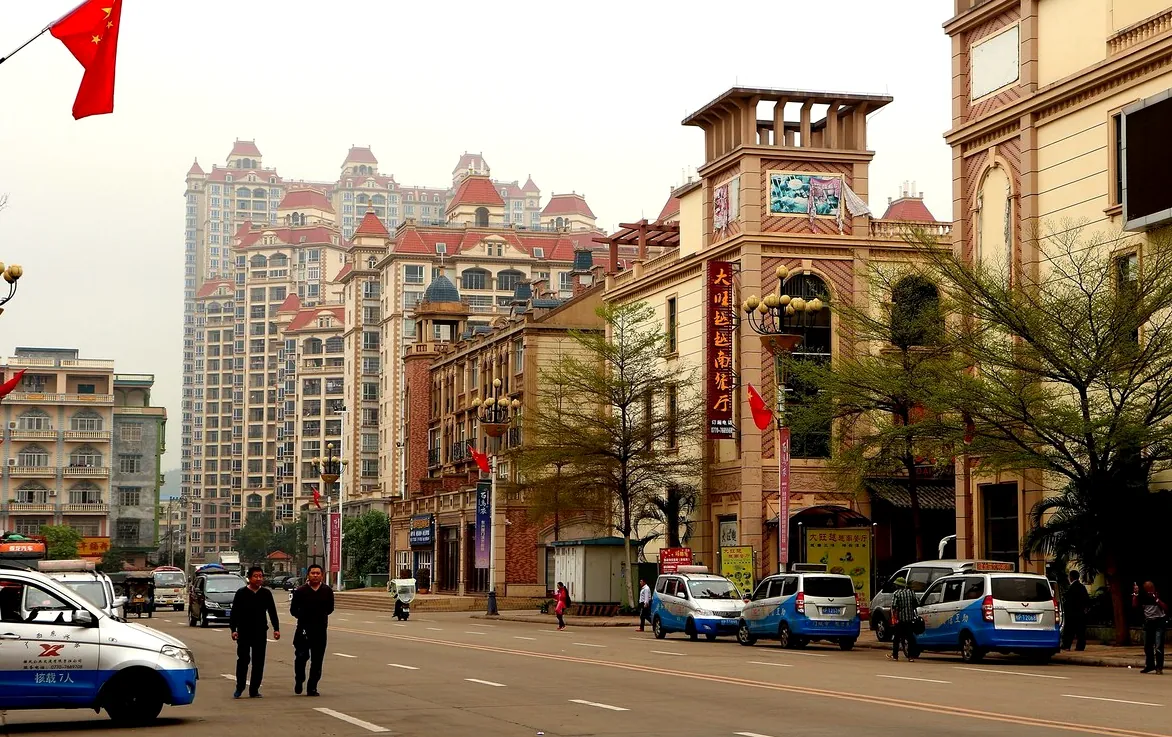
Walking across the Bac Luan 1 boundary into the border trade urban space, one is immediately amazed by the vivid, intersecting appearance reflected in every busy street corner. The area emerges with a unique rhythm of life, where buildings with Western neoclassical architecture blend gracefully with traditional East Asian decorative lines. Behind the massive arches and colonnades, skyscrapers rise against the clear sky, while below, on the wide roads, taxis line up to pick up passengers, and crowds stroll leisurely past vibrant food signs, promising poetic sensory experiences at the river’s confluence.
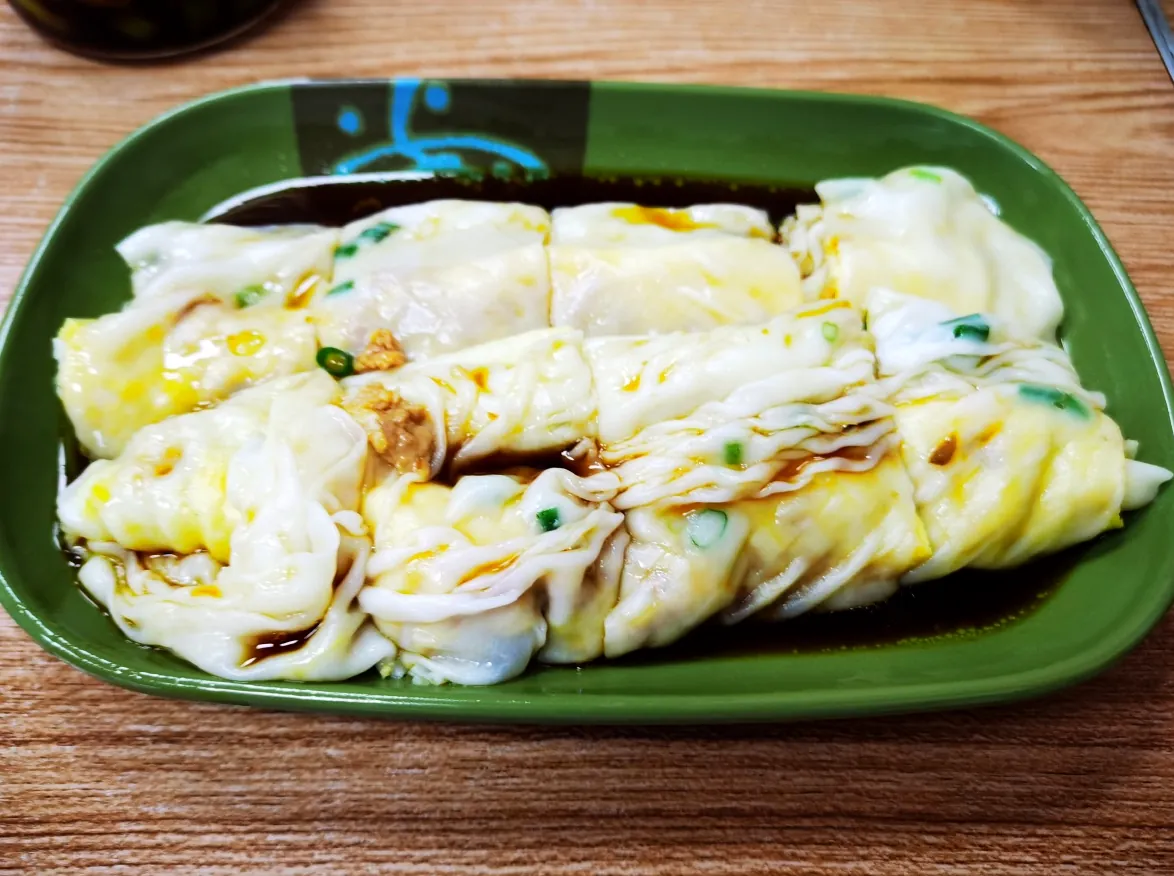
Dongxing cuisine has long been a unique symphony of classic Cantonese flavors blended with the bold, rustic innovations of the Liangguang border region. The highlight of breakfast here is undoubtedly the Cantonese-style rice rolls, made from thin, steamed rice batter spread over a cloth, tightly wrapped with minced meat, wood ear mushrooms, and crunchy dried shrimp, then drenched in premium soy sauce infused with ginger, scallions, and mild rock sugar. As night falls, the flames on the food streets come alive, treating diners to roasted duck with crispy, amber-colored skin, deeply marinated in twelve spices—including cardamom, star anise, and cinnamon—before being roasted in an earthen oven. Beyond that, the savory milk hotpot, simmered from concentrated bone broth with goji berries and red dates, served alongside tongue-numbing spicy chicken feet or a cup of roasted milk tea with a hint of burnt sugar, creates an addictive sensory experience that leaves a lingering, enchanting sweetness.
Returning to the southern bank, Mong Cai welcomes travelers with the salty, generous flavors of the Gulf of Tonkin and rustic dishes deeply rooted in Quang Ninh’s culinary essence. When it comes to local seafood, connoisseurs cannot miss the ‘cu ky’ (dungeness-like crab)—an endemic crustacean with massive, sturdy claws containing firm, sweet, and savory white meat, perfect when steamed with beer or stir-fried in tamarind sauce. Alongside ‘cu ky’, fresh mantis shrimp caught by small boats at dawn, with their long, meaty bodies and rich roe, are always a delight when charcoal-grilled or boiled with ginger and lemongrass. Notably, the identity of the Mong Cai border region is also crystallized in the traditional ‘gat gu’ (nodding) cake. Made from carefully soaked Khang Dan rice flour mixed with a bit of leftover rice for fluffiness, the cake is steamed and rolled into a chewy shape that resembles a nodding head, dipped in a bowl of hot, premium fish sauce seasoned with fragrant chicken fat and spicy pepper.
The culinary culture at the Bac Luan 1 border crossing is not merely a collection of exotic delicacies, but a testament to the continuous cultural exchange between the two riverside communities. One can start the morning with a soft, silky ‘gat gu’ cake on the Vietnamese side, and after just a few steps through customs, spend the afternoon gathered around a steaming pot of milk hotpot and sipping legendary spicy chicken feet in Dongxing. The aroma of herbs blended with the sweetness of seafood creates a multi-faceted portrait of border flavors, where geographical boundaries seem to give way to the harmony of hospitality and time-honored culinary arts.
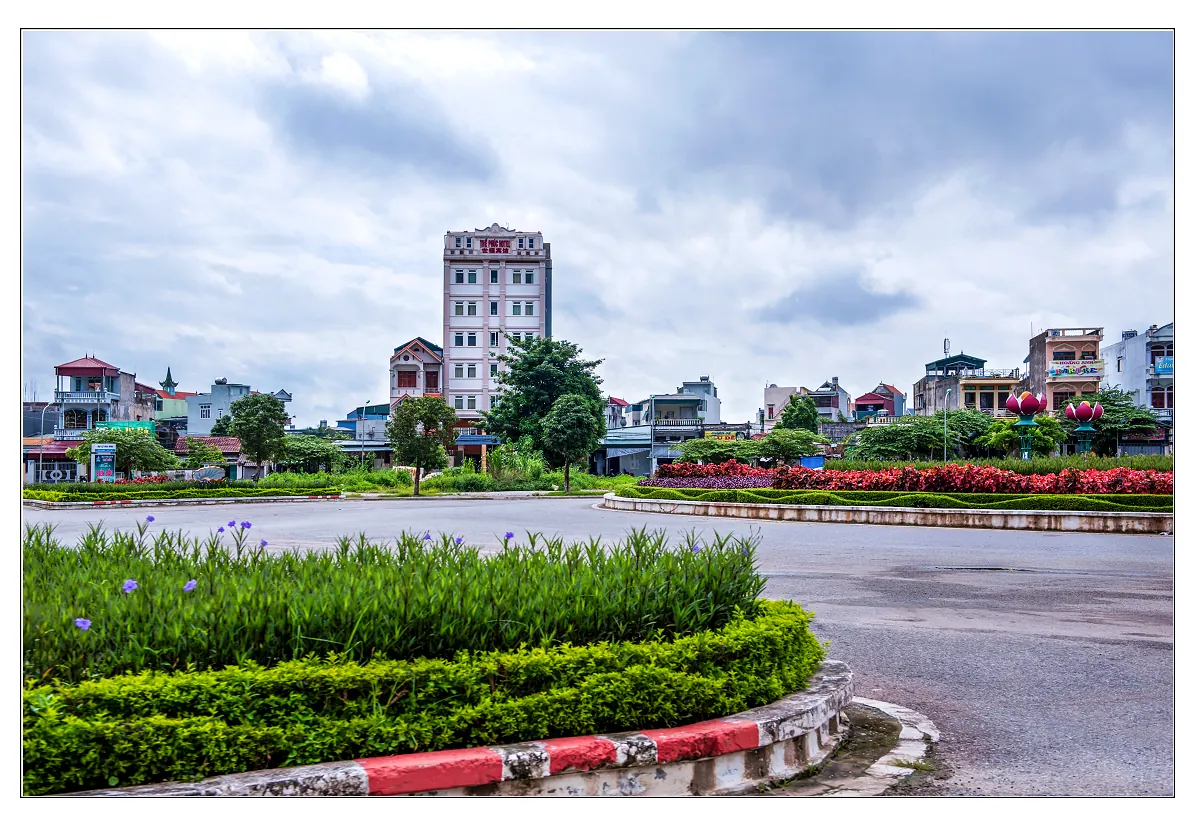
The journey to experience the vibrant trade rhythm at the border begins with careful preparation of time and transportation. The Bac Luan 1 border gate maintains continuous customs clearance hours from 7:00 AM to 8:00 PM (Hanoi time), corresponding to 8:00 AM to 9:00 PM (Beijing time). The one-hour time difference between the two countries is a crucial detail that travelers must remember to avoid missing the closing time when returning to the southern bank. From the center of Mong Cai city, it takes only a few minutes by electric car, taxi, or a stroll along the shaded Hoa Lac Boulevard to reach the square in front of the joint checkpoint, where the flow of people is as constant as the endless current of the Bac Luan River.
Immigration procedures across this historic bridge feature the convenient characteristics of bilateral border regulations. Instead of complex visa applications, citizens only need a Border Pass with a maximum stay of three days within Dongxing town and adjacent areas under the jurisdiction of Fangchenggang city. The application for a border pass requires a national ID card and digital-standard portrait photos, usually processed quickly within the day by specialized agencies. Upon entering the joint control building, visitors will go through health declaration scanning, biometric fingerprint checks, and automatic facial recognition at the smart gate before taking their first step onto the red and white demarcation line on the bridge.
To ensure the journey across the border remains culturally enriching and deeply experiential, planning an itinerary requires sophistication and alertness. Milestone 1369, made of solid granite and solemnly engraved with the national emblems of both countries, is always a stop that evokes border pride before venturing deeper into the China-Vietnam Friendship Park. This tranquil park complex stands out with its Friendship Tower rising amidst ancient banyan trees and blue lakes, marking the deep bond shared through many historical periods. Notably, experienced travelers always prioritize purely exploratory itineraries, avoiding forced shopping stops to steer clear of commercial traps involving overpriced or low-quality jade, medicinal herbs, or rubber mattresses often found in cheap tour offers.
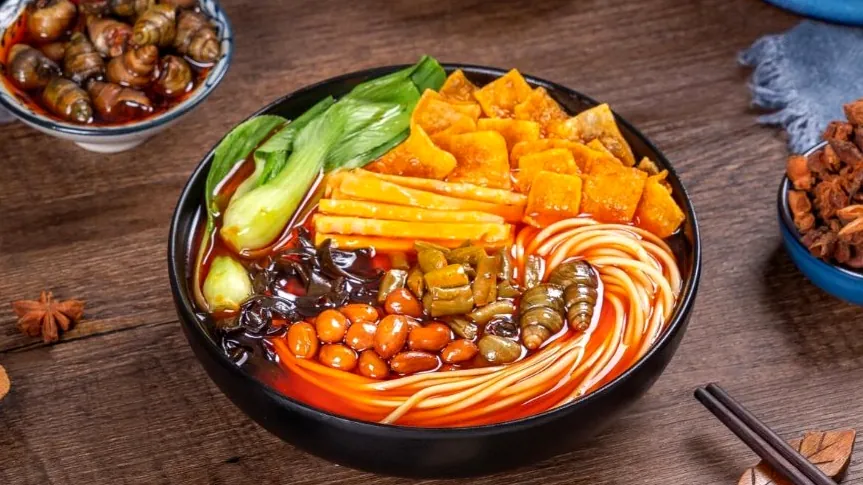
The culinary scene in Dongxing opens up a rich gastronomic feast of the Liangguang region, where traditional Chinese flavors intersect with the fresh seafood essence of the Gulf of Tonkin. Bustling streets like Baihui Street or Guizhou Avenue are iconic destinations to savor crispy, honey-glazed Peking duck, creamy milk hotpot served with fresh seafood, the famous spicy Liuzhou river snail rice noodles, or trays of fragrant, freshly baked salted egg yolk buns. Travelers should also not forget to visit the Wanzhong wholesale market located right by the riverbank to clearly feel the cultural interweaving between the indigenous ethnic groups and the Kinh community of the Tam Dao Kinh ethnic area, which has existed for generations.
Essential travel tips for crossing to the northern bank include carrying a small amount of Chinese Yuan cash for convenience at small street stalls, as well as activating QR code payment features via international apps linked to your credit card. Preparing a local data SIM with a language translation app installed will eliminate communication barriers with the locals. For those visiting this border region for the first time and wishing to experience a complete journey that is legally secure and transparent in costs, choosing to accompany our all-inclusive tour program is the optimal solution to capture the charm of the border trade in your travel memories.