Stretching beneath the majestic shadow of the nineteen-peaked Cangshan Mountain range, Erhai Lake has served since antiquity as a sacred lifeblood nurturing brilliant civilizations along China’s southwestern frontier. Once the heartland sustaining the legendary Nanzhao Kingdom during the Tang Dynasty and later the Kingdom of Dali in the Song era, this freshwater lake—the second largest in Yunnan Province and seventh largest across China—commands an impressive geographical scale spanning 249.8 to 252 square kilometers, with an average depth of 10.5 to 10.6 meters and a maximum depth plunging to 20.9–21.3 meters. Across millennia of dynastic change, from Emperor Wu of Han’s southwestern expansion to the Mongol cavalry campaigns incorporating the region into the Yuan Empire, Erhai’s mirror-like surface quietly reflected the shifting fortunes of indigenous noble clans such as the Gao and Duan families, while sustaining Bai communities with abundant freshwater harvests and fertile lakeside plains.
Located roughly 8 to 12 kilometers north of Dali Ancient City, the curving shoreline along historic Panxi Village was once a modest local landing where wooden fishing skiffs parted early morning mist to cast their nets across shimmering waters. Over centuries, daily life in lakeside villages remained deeply rooted in traditional Bai settlement patterns characterized by elegant whitewashed walls and moss-tinted gray-blue tile roofs nestling peacefully beside golden rice paddies and reed-fringed shores. Panxi once served as a quiet waystation along the lake’s western bank, watching mule caravans of the Ancient Tea Horse Road pass north and south carrying Pu-erh tea, silk, and rock salt linking China’s heartland with the distant Tibetan Plateau.
Entering the modern era, confronted with mounting environmental pressures and growing lakeside development, this shoreline experienced a historic turning point. To establish a protective green buffer and restore the natural littoral ecosystem of Erhai Lake, authorities planned and completed the monumental Erhai Lake Ecological Corridor—an ambitious greenway stretching 129 kilometers along its main loop. Acting simultaneously as a natural filtration barrier against runoff pollution and a strict conservation boundary, the corridor features a roughly three-kilometer segment hugging Panxi Village that follows the shoreline’s natural contours—inadvertently sculpting a graceful S-shaped curve that transformed an unassuming stretch of waterfront into a celebrated scenic landmark admired far and wide.
This seamless intersection of modern ecological infrastructure and deep-rooted local culture has created a poetic realm often described locally as “half lake water, half earthly warmth.” Standing at the S-curve bend, one gaze sweeps across boundless turquoise waters mirroring plateau clouds, while the other takes in the unpretentious warmth of rural Bai life radiating from traditional tiled roofs. Time’s passage lingers not only in the landscape, but also in heirloom street snacks sold at lane entrances—from skewers of charcoal-grilled milk fans brushed generously with fragrant rose jam to refreshing sips of tangy wild tamarind juice blended with passion fruit and oolong tea. Far more than an ecological pathway, the S-curve road has become a living vessel carrying the millennial memory of the Dali Kingdom into the rhythm of the present day.
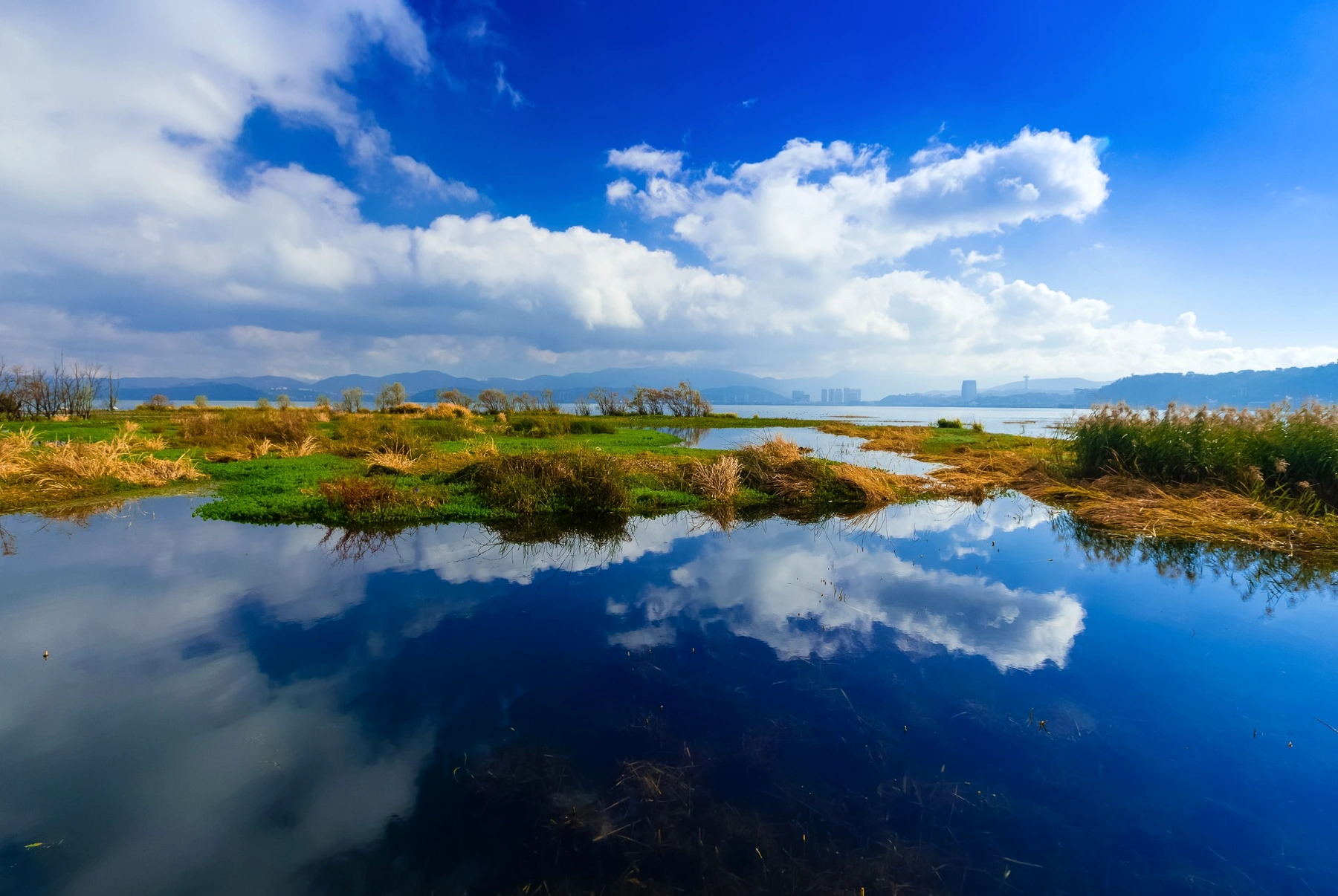
Tucked beside the tranquil waters of the southwestern plateau, the Erhai Lake S-Curve Road exemplifies landscape architecture shaped harmoniously around natural topography. Viewed through classical feng shui principles, the entire Dali basin sits cradled between the towering Cangshan Mountains to the west and the sweeping waters of Erhai Lake to the east. Formed within a tectonic fault depression, Erhai—Yunnan’s second-largest freshwater lake and China’s seventh largest, covering 249.8 to 252 square kilometers with an average depth of 10.5 to 10.6 meters and a deepest point reaching 21.3 meters—acts as a giant emerald jewel moderating the valley’s microclimate. Located in Panxi Village just 8 to 12 kilometers from Dali Ancient City, the famous S-bend sits far enough from urban bustle to welcome crisp, invigorating breezes sweeping straight off the lake.
From a topographical and landscape planning standpoint, this S-shaped curve is not an isolated roadway, but a signature highlight along the 129-kilometer main loop of the Erhai Lake Ecological Corridor. Engineered as a multi-layered ecological shield to restore natural shorelines, curb residential encroachment, and relieve decades of environmental strain on the lake basin, the Panxi S-curve spans an ideal length of roughly three kilometers. Here, the water’s edge avoids harsh concrete seawalls, curving organically along the bay’s natural shoreline to create rhythmic visual perspectives: every footstep or turn of a bicycle pedal reveals a fresh vista, opening wide across sapphire waves one moment and framing peaceful weeping willows and lakeside reeds the next.
Locals and poets alike capture the essence of Panxi’s S-shaped bay in an evocative phrase: “half lake water, half earthly warmth.” The smooth asphalt ecological path draws a clean yet harmonious line between two contrasting worlds. On one side stretches the jade-blue expanse of Erhai Lake reflecting vast skies and clouds drifting across snow-dusted Cangshan peaks; on the other lies the authentic pastoral life of the Bai people, showcased in classic *sanfang yizhaobi* (“three courtyards and one screen wall”) residences with gleaming whitewashed walls and understated gray roofs. Interspersed with lush rice paddies rustling in seasonal breezes, the landscape embodies a serene way of life in rhythm with nature.
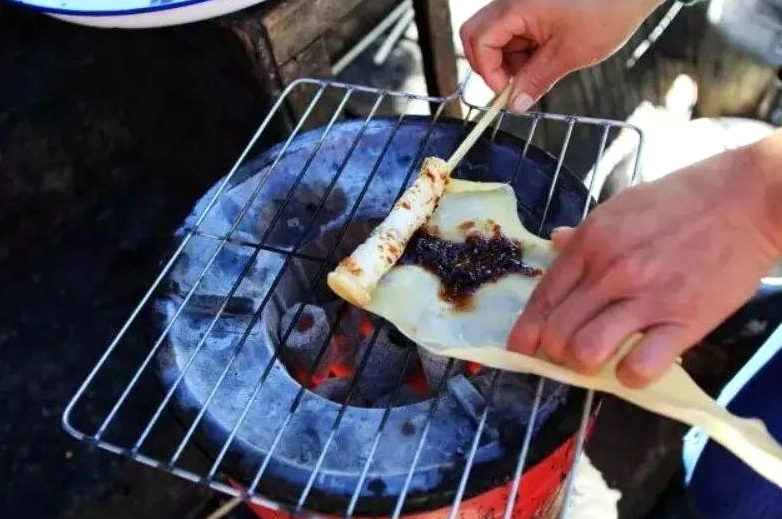
Beyond picturesque views, local hospitality along the lakeside path captivates travelers with distinctive Bai culinary delicacies. Strolling leisurely beneath lakeside shade, the rich, creamy aroma of charcoal-grilled milk fans (*kao rushan* — 烤乳扇) drifts on the afternoon breeze. Thinly stretched sheets of traditional cow’s-milk cheese are toasted crisp over glowing embers and brushed with fragrant rose-petal preserve, uniting rich dairy notes with delicate floral sweetness. Paired with a chilled cup of tangy tamarind juice (*suanjiaozhi* — 酸角汁) infused with passion fruit and aromatic oolong tea, every sense absorbs the unhurried charm of Dali as Erhai’s waves lap softly against age-old stones.
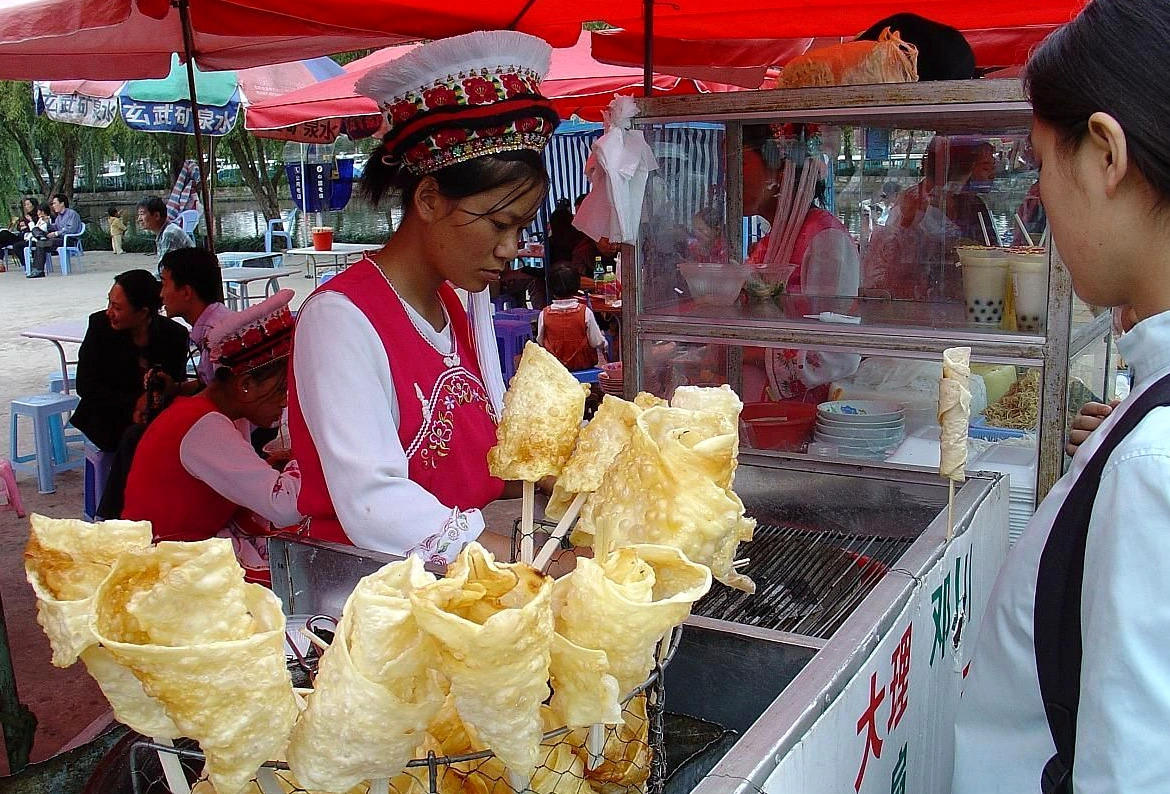
Within the master plan of the 129-kilometer Erhai Lake Ecological Corridor, the S-curve bay at Panxi Village stands as a premier showcase of contemporary landscape design paired with rigorous ecological stewardship. Completed and opened fully in 2021, this landmark project serves not merely as a scenic lakeside promenade, but as a living bio-buffer relieving human pressure on the lake’s fragile aquatic ecosystem. As the second-largest freshwater lake in Yunnan Province and seventh largest in China—spanning 249.8 to 252 square kilometers with an average depth of 10.5–10.6 meters and maximum depth of 20.9–21.3 meters—Erhai’s once-eroding semi-submerged shoreline has been transformed into a graceful transitional greenway cradling the vast waters of the western Yunnan plateau.
Spatially and visually, the Panxi S-curve stretches roughly three kilometers at a distance of 8 to 12 kilometers northeast of Dali Ancient City. Its defining aesthetic triumph lies in gentle S-shaped bends hugging crystal-clear water, composing a striking two-part harmony celebrated locally by the adage *”yiban bibo, yiban yanhuo”*—”half emerald waves, half earthly hearth-fire.” Smoothly paved paths curve around the gentle headland to guide the eye between boundless lake waters backed by cloud-wrapped Cangshan on one side and centuries-old Bai village architecture on the other—where whitewashed *sanfang yizhaobi* courtyards, blue-gray upturned eaves, and delicate ink-style wall murals sit framed by seasonal rice fields.
Infrastructure along the S-curve reflects a decisive shift from heavy engineering to ecological respect. Dedicated exclusively to pedestrians and eco-friendly bicycles, the pathway strictly bans all combustion-engine vehicles, eliminating exhaust fumes and engine noise right beside the water. Submerged stone revetments, natural basalt boulders, and native aquatic plantings—including weeping willows, rushes, and water-tolerant dawn redwoods—line the S-bend as a multi-tiered natural filter trapping sediment, preventing wave erosion, and creating an open sanctuary where sunlight, lake breezes, and migratory Siberian black-headed gulls interact effortlessly with travelers.
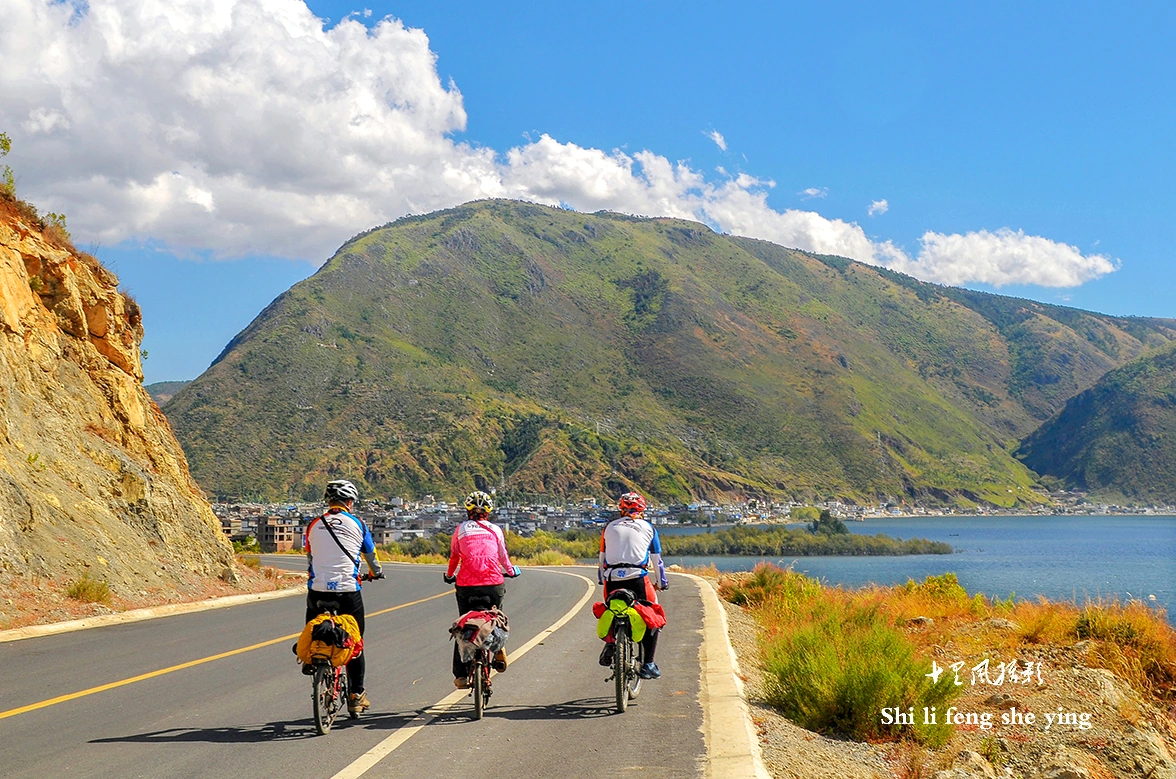
The dialogue between curated architecture and everyday local culture comes vividly alive at rustic food stalls tucked along stone lanes leading into the village. Just steps off the curving promenade, aromatic smoke rises from charcoal braziers grilling *kao rushan*—a signature Bai delicacy crafted from fermented fresh cow’s milk stretched thin like folding fans, toasted sizzling over embers, and glazed with fragrant Dianluo rose jam. Pairing the creamy, lightly tangy crunch of toasted cheese with an ice-cold glass of *suanjiaozhi*—concentrated wild tamarind juice balanced by crisp oolong tea and bright passion fruit—elevates the S-curve road beyond pure geometry into an unforgettable union of scenery, flavor, and the millennial heritage of Dali.
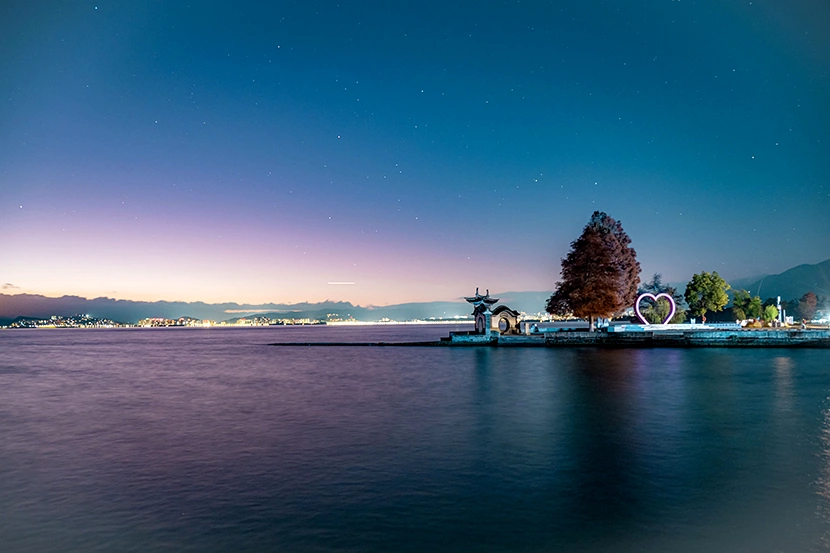
As sunset settles across the 249.8-to-252-square-kilometer expanse of Erhai Lake—Yunnan’s second-largest freshwater lake and China’s seventh largest—the S-bend at Panxi sheds its crisp daytime serenity to become a grand open-air evening stage. Waters averaging 10.5 meters deep and plunging to 21.3 meters mirror shifting twilight hues from deep violet to mystical indigo. Just 8 to 12 kilometers from Dali Ancient City, the three-kilometer S-curve sweeps like a stroke of natural calligraphy along the 129-kilometer Ecological Corridor, forming a natural amphitheater where lake breezes, gentle waves, and twilight glow converge.
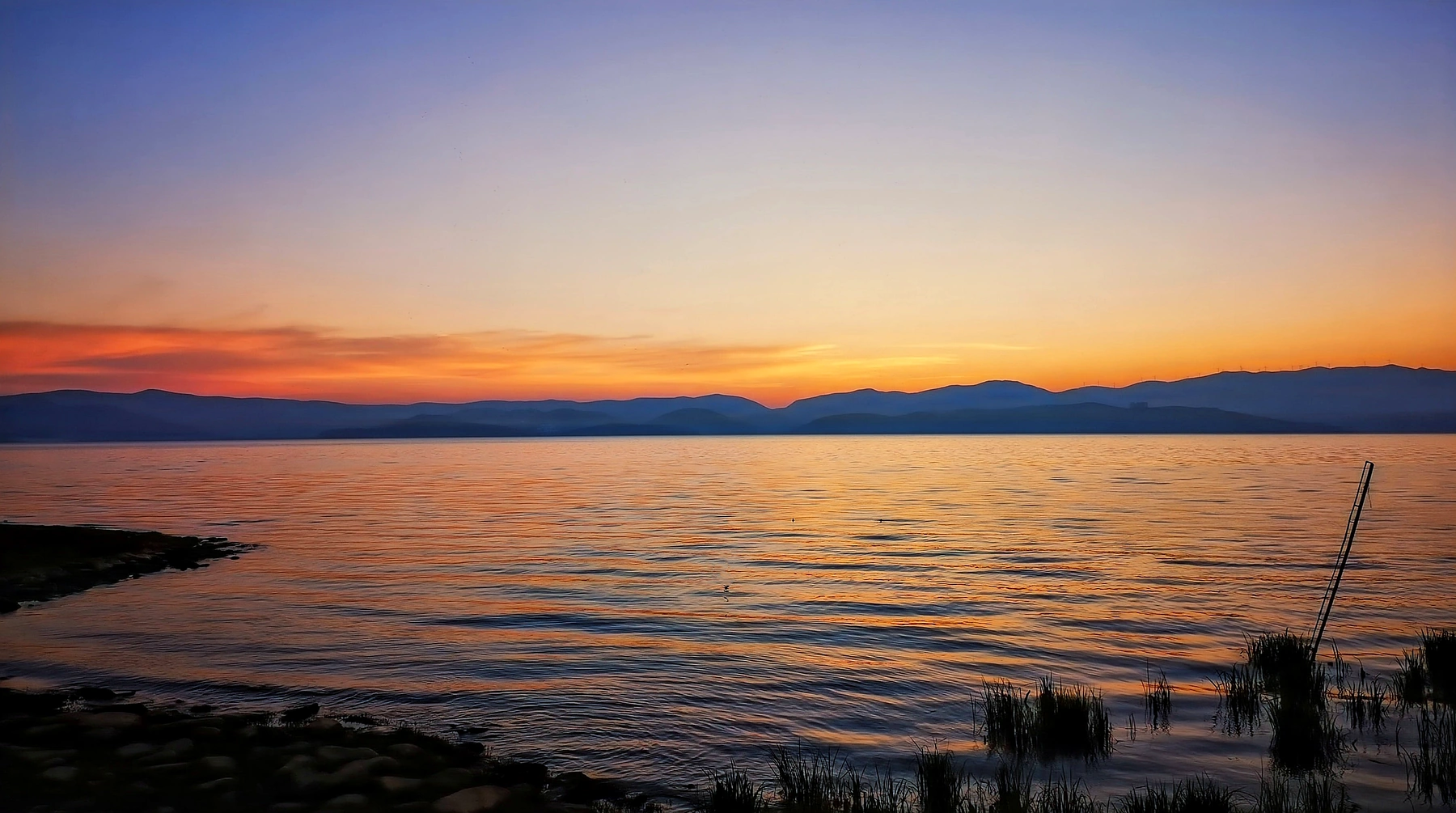
Nocturnal illumination here relies not on flashy artificial lasers, but on poetic contrast: the tranquil mirror of vast Erhai Lake on one side and the warm glow of traditional whitewashed, blue-tiled Bai residences on the other. After dark, warm amber lights beneath historic eaves cast shimmering reflections across the winding path and rippling water—bringing to life the beloved Cangshan–Erhai saying *”yiban shi hushui, yiban shi renjian yanhuo”*: half surrendered to serene boundless waters, half reserved for the comforting warmth of human hearths.
Evening life along the S-curve moves at the unhurried pace of strolling travelers and rustic local snacks. Glowing charcoal braziers along Panxi Village lanes fill the night air with the rich aroma of grilled milk fans (烤乳扇), a time-honored Bai specialty toasted golden-crisp on wire grates and brushed with fragrant rose-petal syrup whose creamy chewiness warms against cool lake breezes. To refresh the palate, sip sweet-and-tart tamarind juice (酸角汁) blended with bright passion fruit and fragrant oolong tea, awakening every sense amidst drifting evening mist.
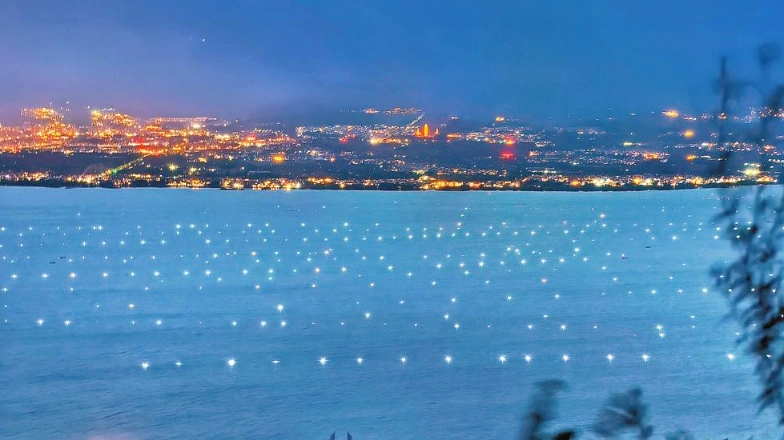
Once completed, the lakeside ecological corridor formed a natural buffer shielding the shoreline from urban clamor and restoring priceless nocturnal stillness. Late into the evening, traditional Bai folk ballads accompanied by three-stringed *sanxian* lutes occasionally drift from small willow-shaded cafés, harmonizing with gentle waves lapping against stone embankments—turning the S-curve road into a living open-air museum where visitors soak in the timeless serenity of Dali.
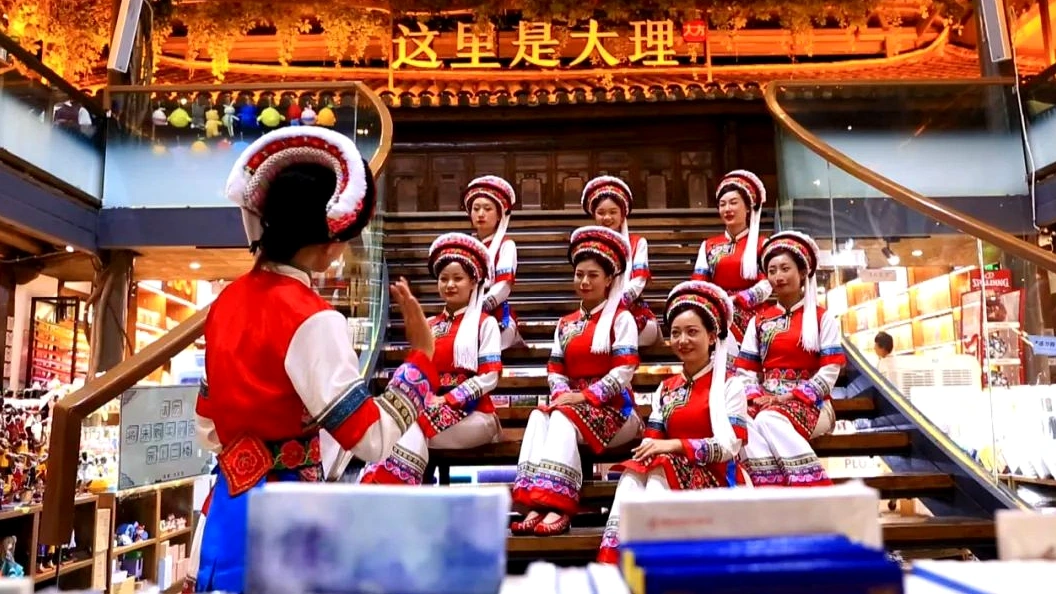
This graceful S-shaped ribbon along Erhai Lake offers not only sweeping natural scenery, but also a rich culinary world rooted in indigenous Bai traditions. At the Panxi Village bend, roughly ten kilometers from Dali Ancient City, boundaries between the 250-square-kilometer lake—reaching depths over twenty meters beneath mist-draped Cangshan—and everyday rural life dissolve. Between serene blue waters and whitewashed, blue-tiled homes trailing wisps of evening hearth smoke, lakeside cuisine shines with rustic refinement born from fertile basin harvests and centuries-old Bai culinary wisdom.
Along the curving stone path, rich dairy aromas rising from glowing charcoal braziers draw visitors straight to grilled *rushan* (“milk fans”). Crafted from pure cow’s milk curdled using traditional Bai acidic whey, thin sheets of curd are stretched, wrapped around twin bamboo rods, and sun-dried into delicate fan shapes. Toasted directly over warm embers, *rushan* puffs up and turns fragrant before being brushed with deep crimson Yunnan rose-petal jam—uniting crisp edges, chewy creamy richness, and floral sweetness into an iconic symbol of lakeside living.
To balance the richness of grilled milk fans, Panxi villagers have long crafted a refreshing highland thirst-quencher blending wild tamarind juice with fresh passion fruit and oolong tea. The bright, crisp tartness of simmered tamarind melds with tropical passion fruit aroma over a smooth oolong tea base with a clean sweet finish—instantly reviving tired cyclists on breezy midday rides along the 129-kilometer greenway. Beyond trailside snacks, family kitchens tucked behind the S-curve are celebrated for Bai Hot-and-Sour Lake Fish, simmering fresh Erhai carp with dried sour papaya (*mugua*), pickled chilies, and silky tofu in a warming, tangy broth that wards off mountain breezes from Cangshan.
Savoring local flavors along the S-curve is far more than a culinary treat—it is an invitation into Dali’s unhurried, hospitable philosophy of life. Sitting beneath moss-tinted gray eaves overlooking sunlit waters, nibbling rose-glazed *rushan* while chatting over tea with elders in traditional embroidered attire, travelers experience the spirit of Dali’s famed Three-Course Tea: first bitter, second sweet, and third a lingering, reflective aftertaste echoing gentle waves against the shoreline.
Located in Panxi Village roughly ten kilometers northeast of Dali Ancient City, the Erhai Lake S-Curve Road differs from ticketed scenic parks with strict closing hours: as part of the 129-kilometer Erhai Lake Ecological Corridor, it remains open free of charge 24 hours a day. Even so, the golden hour to witness the bay at its most ethereal is early dawn, just as the sun rises over distant peaks to scatter silver light across the 250-square-kilometer expanse of Yunnan’s second-largest freshwater lake—well before midday and sunset photo crowds arrive.
To protect the lake’s delicate ecology and waters averaging over ten meters deep, local authorities strictly prohibit all internal-combustion motor vehicles from entering the lakeside corridor. Visitors departing Dali Ancient City can take a taxi or dedicated shuttle bus to the edge of Panxi Village and enter on foot, or rent a classic bicycle or mini electric sightseeing bike to cruise effortlessly along the three-kilometer S-curve—gliding between mirror-like turquoise waters on one side and whitewashed Bai homes and rustling rice paddies on the other like a slow-motion scene out of a classic film.
For a smooth journey to Dali’s mountains and waters, proper travel documentation and digital readiness are essential. Vietnamese travelers should secure a valid Chinese tourist visa several weeks before departure and ensure their passport holds at least six months of remaining validity. Because Dali operates largely on cashless mobile payments, linking an international credit card to Alipay or WeChat Pay ahead of time makes buying snacks or tea along the S-curve effortless, while a roaming data plan or international eSIM keeps maps and translation tools connected seamlessly.
After strolling Panxi’s stone-lined waterfront, few pleasures rival pausing at a shaded roadside stall for authentic Bai street treats—enjoying warm ember-toasted *kao rushan* milk fans glazed in sweet rose preserve alongside an ice-cold glass of *suanjiaozhi* tamarind-passionfruit oolong tea to banish plateau dryness. Travelers wishing to savor every tranquil moment without worrying about transport links or complex planning can opt for a thoughtfully curated all-inclusive Dali tour package where every heritage stop and scenic vista is seamlessly arranged.