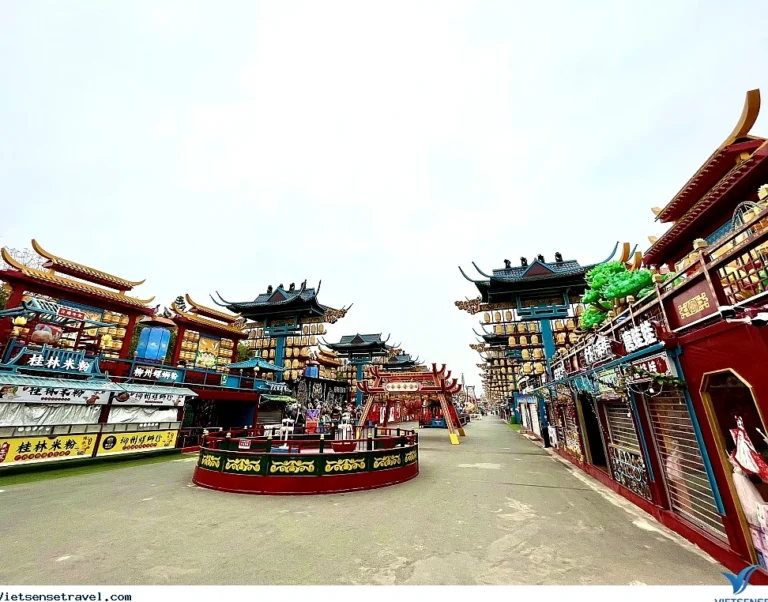
On a journey to discover China’s hidden gems, there is a place where every step feels like entering a serene natural scene and time seems to pause in quiet beauty. That is Liuxia Ancient Village in Beihai (Liuxia Village Beihai)—an old fishing village carrying more than 300 years of history that has transformed into a poetic “little Japan” beside blue coastal waters. Tucked below the majestic Guantouling Mountain, Liuxia Village Beihai is more than a place name; it is an experience and a quiet escape from everyday rush.
VDS Travel is proud to share a practical travel guide drawn from real trips and genuine impressions to help you explore every lane and story of Liuxia Ancient Village. From stone-paved lanes, whitewashed walls, and moss-kissed tiled roofs to peaceful Zen-style garden cafes, every corner of Liuxia Village Beihai invites unhurried discovery. Come walk along the lanes, listen to gentle waves, and take in its slow, poetic rhythm.
1. Geographic Setting and Historical Background of Liuxia Village
To truly appreciate Liuxia Ancient Village in Beihai, it helps to look back at how it began and grew. The village is not just a cluster of houses, but a living meeting point of people and nature, history and present day.
• Where Land and Sea Meet: A Prime Spot Below Guantouling
Liuxia Village sits in a scenic setting at the foot of Guantouling Mountain in Beihai City, Guangxi Province, China. Guantouling acts as a natural shield against brisk sea winds while framing a picturesque coastal-and-hill backdrop. Seen from above, Liuxia Ancient Village curves softly along the blue waters of the Gulf of Tonkin. Mountains and sea together shape a mild microclimate pleasant much of the year, while its “backed by hills, facing the sea” layout carries auspicious feng shui meaning for local residents.
This setting is also an asset for Beihai travel and Liuxia Village Beihai. Visitors can reach it easily from central Beihai, pair it with nearby coastal stops, and enjoy fresh seafood shaped by life beside the water.
• Marks of Time: Over 300 Years of History Since the Qing Dynasty
The history of Liuxia Village stretches back more than 300 years to the Qing Dynasty. It began as a modest fishing village where hardworking locals made their living at sea—tied to wooden boats, coastal weather, and daily catches. Early homes built from local materials were simple and sturdy enough to withstand sea air and coastal storms.
Through changing eras, Liuxia Ancient Village has kept traditional building touches and close-knit village rhythms. Every brick and roof tile holds stories of generations who lived beside the shore. Even as modern touches arrive, the spirit of an old fishing village remains woven into daily life—giving Liuxia Village Beihai cultural depth alongside scenic appeal.
2. Distinctive Architecture and Feng Shui at Liuxia Ancient Village
The appeal of Liuxia Village Beihai lies not only in coastal scenery, but also in its buildings, lanes, and courtyards—blending traditional roots, local character, and fresh design influences.
• Old-World Character: Traditional Architecture and Transformation
Originally, Liuxia Ancient Village reflected southern Chinese coastal fishing architecture. Houses used stone, brick, timber, and yin-yang tiles with thick walls against sea wind and salt spray, linked by winding lanes that tempered sun and wind while fostering neighborly ties, with small courtyards used for family life and drying catches.
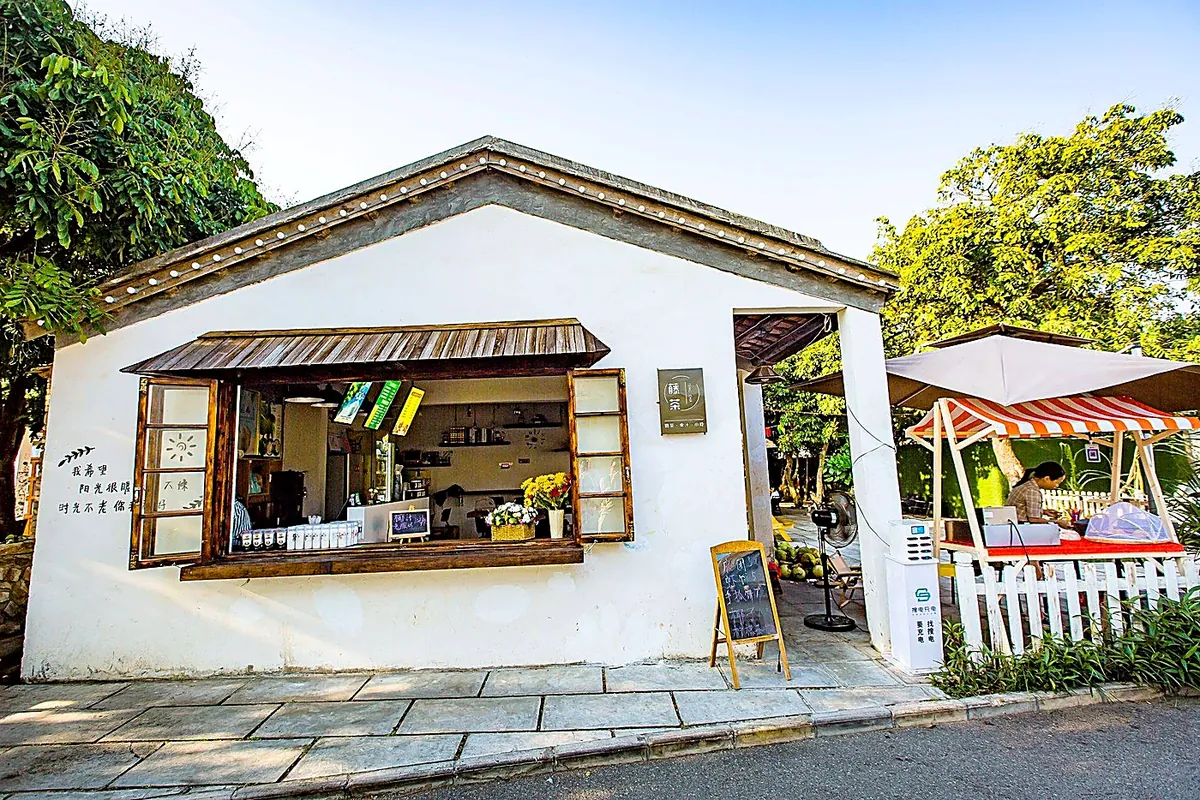
In recent years, Liuxia Village has undergone a thoughtful renewal that refreshes its look while keeping core heritage. Many older houses have been restored into homestays, cafes, and craft shops while retaining traditional frames and local materials. Japanese-inspired accents—crisp white walls, quiet gray tiles, small Zen stone gardens, and clean timber details—add calm contrast, earning Liuxia Village Beihai its reputation as a seaside “little Japan.”
Rather than erasing local character, this renewal adds variety and draws travelers eager to explore a space where old village roots meet relaxed modern design.
• Thoughtful Layout: Feng Shui and Harmony with Nature
In East Asian tradition, feng shui plays a major role in shaping living spaces, and Liuxia Ancient Village shows how layout principles work with coastal terrain.
With Guantouling Mountain behind and open sea ahead, the village sits in a classic “backed by hills, facing the sea” position—where hills suggest stability and shelter while open water suggests flow and vitality.
Streets and alleys wind gently rather than cutting straight through, letting breezes move softly between homes built at modest heights with courtyards and greenery that balance sun, shade, and sea air.
Natural materials—stone, brick, wood, and tile—in white, gray, and warm earth tones fit naturally into coastal surroundings, giving Liuxia Village Beihai an easygoing, restful mood.
3. Liuxia Village: From Quiet Fishing Village to Eco-Art ‘Little Japan’
The evolution of Liuxia Village shows how local heritage can pair with creative spaces to become a standout stop on Beihai travel routes.
• A Fresh Chapter: Becoming a Well-Known Art Village in Guangxi
For decades, Liuxia Village kept the quiet ways of a traditional fishing hamlet. As interest in Beihai travel and distinctive stops grew, local planners and creators developed Liuxia Ancient Village into a noted eco-art village in Guangxi.
Instead of tearing down old homes, restoration worked on top of existing structures—pairing clean white walls and timber frames with neat stone lanes, bright bougainvillea, small art installations, and pocket gardens for photo-friendly corners.
Guided by eco-conscious planning and respect for local life, Liuxia Village Beihai now welcomes many visitors each year who come for coastal scenery and relaxed creative corners.
• The ‘Little Japan’ Vibe: Why Liuxia Village Earned the Nickname
The “little Japan” label comes from how architecture, garden corners, and calm atmosphere in Liuxia Village echo quiet towns and streets in Japan.
Architecturally, white walls, gray roof tiles, natural wood, paper lanterns, noren curtains, and small Zen rock gardens bring clean, minimalist order and attention to detail.
Atmosphere-wise, strolling bougainvillea-lined alleys past open-air garden cafes and warm wood-accented homestays offers a slow, unhurried pace softened by gentle music, tea scents, and distant waves.
Murals, small sculptures, and thoughtful cafe interiors also give Liuxia Village an artistic feel that adds variety to a Beihai trip.

• Quiet Shoreline and Sunset Views
Right beside the water, Liuxia Village Beihai offers a quieter stretch of coast suited to sunrise or sunset walks away from busier Beihai travel beaches, with soft sand, gentle waves, and shells along the tide line.
Sunset over the sea is a special highlight as sky tones shift from blue to orange, rose, and violet over shimmering water—giving you a calm spot to sit and take in sea air.
• Old Shrines and Historical Traces
Even with modern updates, Liuxia Ancient Village keeps local shrines and temples where residents maintain traditional customs and beliefs.
Visiting these quiet spots offers insight into coastal faith and community continuity across generations at Liuxia Village Beihai.
5. Culture and Food Highlights in Liuxia Village
Local food and everyday customs round out a visit to Liuxia Ancient Village in Beihai, adding regional flavor to your walk.
• Taste of the Coast: Fresh Seafood
As a coastal fishing village, Liuxia Village centers much of its table around fresh daily seafood—fish, shrimp, squid, crab, and shellfish cooked simply to highlight natural ocean sweetness.
Popular preparations include charcoal-grilled fish with chili and salt, ginger-scallion steamed shellfish, spicy stir-fried squid, or sour-spicy seafood soup, along with warm morning seafood congee or crispy seafood pancakes at casual spots with open views.
• Traditional Customs: Festivals and Village Life
Alongside Beihai travel, Liuxia Village retains folk customs tied to sea safety, good catches, harvests, and new-year celebrations when seasonal events take place.
Watching everyday scenes—mending nets, drying fish, or kids playing near shore—gives a grounded sense of friendly coastal hospitality.
• Crafts and Local Souvenirs
For keepsakes from Liuxia Village Beihai, look for handmade shell or sea-glass crafts, coastal paintings, or small carvings made locally.
Dried seafood, traditional sauces, or regional snacks also make practical reminders of Liuxia Ancient Village while supporting local makers.
6. Practical Travel Guide to Liuxia Village in Beihai with VDS Travel
To help make your trip to Liuxia Ancient Village in Beihai smooth and enjoyable, VDS Travel shares practical notes from recent trips.
• Best Time to Visit
Beihai has a subtropical monsoon climate mild much of the year. Spring (March–May) and autumn (September–November) bring pleasant temperatures and lighter rain for walking lanes and coast; summer (June–August) is warmer and livelier with occasional storm risk; and winter (December–February) feels cooler and quieter.
• How to Get to Liuxia Village
To reach Liuxia Village Beihai, travelers typically use these routes:
- From Vietnam: A common route is joining a Dongxing – Beihai tour with VDS Travel—crossing from Mong Cai into Dongxing, then continuing by coach or high-speed rail to Beihai and on to Liuxia Village.
- From Beihai: Liuxia Village sits roughly 10–15 km from central Beihai—easy to reach by taxi, public bus (such as Route 3 or 5 near Guantouling followed by a short walk or cab), or rented bike/scooter.
• Where to Stay: Homestays and Nearby Hotels
Liuxia Village offers small Japanese-style homestays and guesthouses—many with cozy courtyards, friendly hosts, and in-house cafes serving light bites or breakfast.
For fuller hotel amenities, you can stay near Guantouling or in central Beihai and head over to the village for the day.
• Sample Day/Overnight Plan for Liuxia Village and Nearby
Spending at least one full day—or staying overnight—lets you enjoy Liuxia Village Beihai in quiet morning and evening light.
- Morning: Walk bougainvillea lanes, spot “little Japan” photo corners, and have breakfast at a garden cafe.
- Lunch: Enjoy fresh seafood at a local eatery.
- Afternoon: Visit local shrines, pick up small crafts, and head toward the beach for sunset.
- Evening: Have a seafood dinner and unwind at a quiet cafe or small bar in the village.

• Helpful Tips for a Smooth Trip
- Travel documents: Make sure your passport and visa or border permit are valid before departure.
- Currency & payments: Renminbi (CNY) is used locally; carry some cash or set up mobile payments and bank cards ahead of time.
- Language: Mandarin is spoken locally; a translation app and basic phrases come in handy.
- Clothing: Pack comfortable clothes and walking shoes, plus sun protection and a hat in warmer months.
- Connectivity: Arrange a travel SIM, eSIM, or pocket Wi-Fi for maps and messaging.
- Local respect: Keep noise low in residential lanes, dispose of trash properly, and respect local customs.
• Combine Your Trip: Explore More of Guangxi with VDS Travel
Pairing Liuxia Village Beihai with other Guangxi stops makes for a varied route; VDS Travel suggests options such as:
- Beihai and Weizhou Island: Follow Liuxia Village with a trip to Weizhou Island, China’s youngest volcanic island with coastal scenery.
- Guilin – Yangshuo Tour Package: Travel from Beihai to Guilin to see Elephant Trunk Hill, cruise the Li River to Yangshuo, and explore Yangshuo West Street and surrounding countryside.
- Nanning: Spend time in Guangxi’s capital for city parks, local food, and evening strolls around Nanning Night.
VDS Travel is glad to help plan thoughtful trips across Liuxia Ancient Village in Beihai and Guangxi with attentive service.