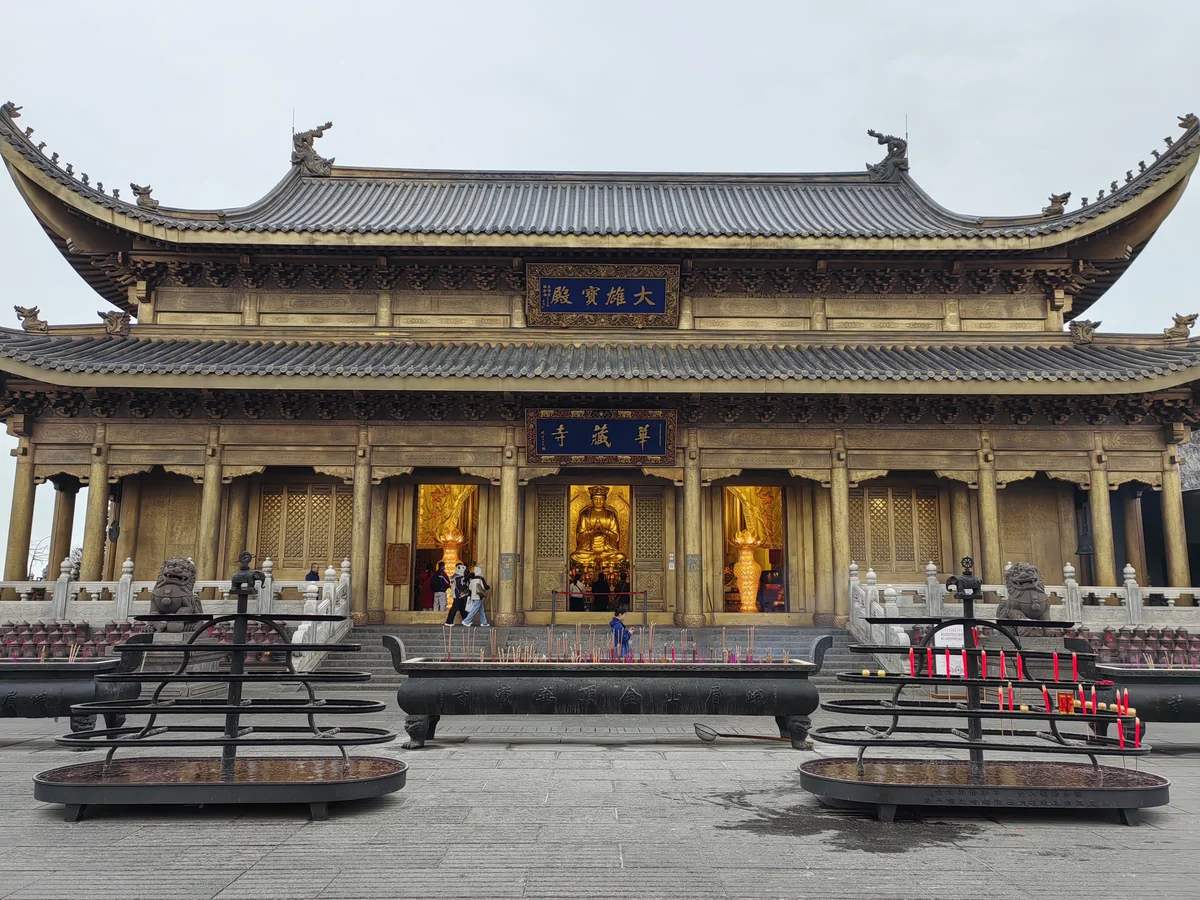
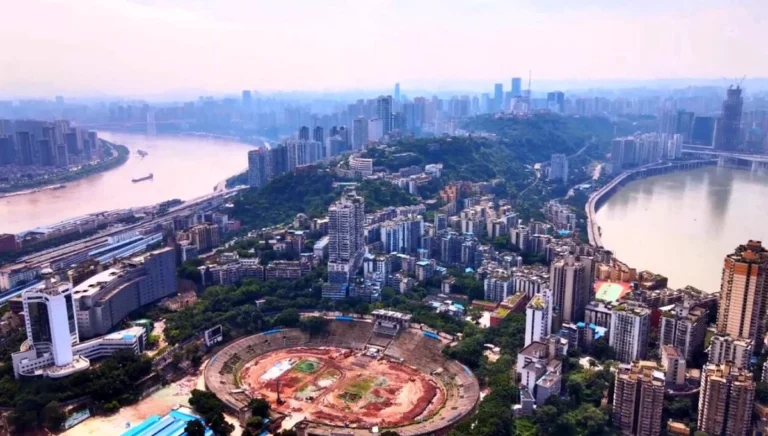
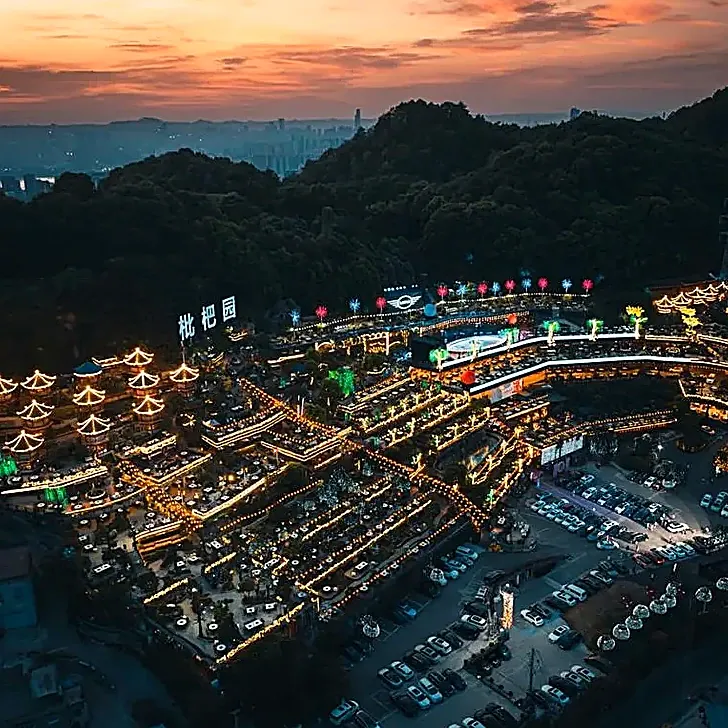
Welcome to VDS Travel – your trusted companion on every journey to explore the world! Today, we are delighted to introduce a quintessential heritage site in the heart of modern Chongqing, where time seems to stand still to tell stories of a thousand years: Ciqikou Old Town (磁器口古镇 – Ciqikou). This is not merely a tourist destination, but a living museum, a paradise of ceramics and cuisine, where every alley and every paved brick is imbued with the breath of Ba-Shu history and culture.
If Chongqing is a majestic blend of futuristic architecture and a bustling pace of life, Ciqikou is its soothing, melodious note, transporting travelers back to ancient, rustic yet profound values. Join VDS Travel on a journey to discover the direct-flight Chongqing tour, and lose yourself among the mossy bluestone paths, breathe in the atmosphere of ancient teahouses, and savor the culinary flavors that have made the all-inclusive 4D3N Chongqing Mono Tour famous.
1. Ciqikou Chongqing: An Ancient Gem in the Heart of a Modern Metropolis
Located about 14km west of downtown Chongqing city, Ciqikou Old Town is one of the rare ancient towns that has managed to retain its pristine and rustic charm amidst the rapid development of one of China’s largest metropolises. Dubbed “Little Chongqing” or the “Millennium-Old Town,” Ciqikou is not simply a tourist spot but a cultural symbol and a vivid testament to the history and spirit of the Ba-Shu region.
As soon as you set foot in Ciqikou Chongqing, visitors will immediately feel the difference. The roar of traffic and the dazzling neon lights of skyscrapers give way to the calls of hawkers, the sound of Sichuan opera echoing from teahouses, and the alluring aroma of street food. The space here acts like a time machine, taking you back hundreds of years when bluestone-paved roads were the lifeblood of commerce and ancient wooden houses served as shelters for generations.
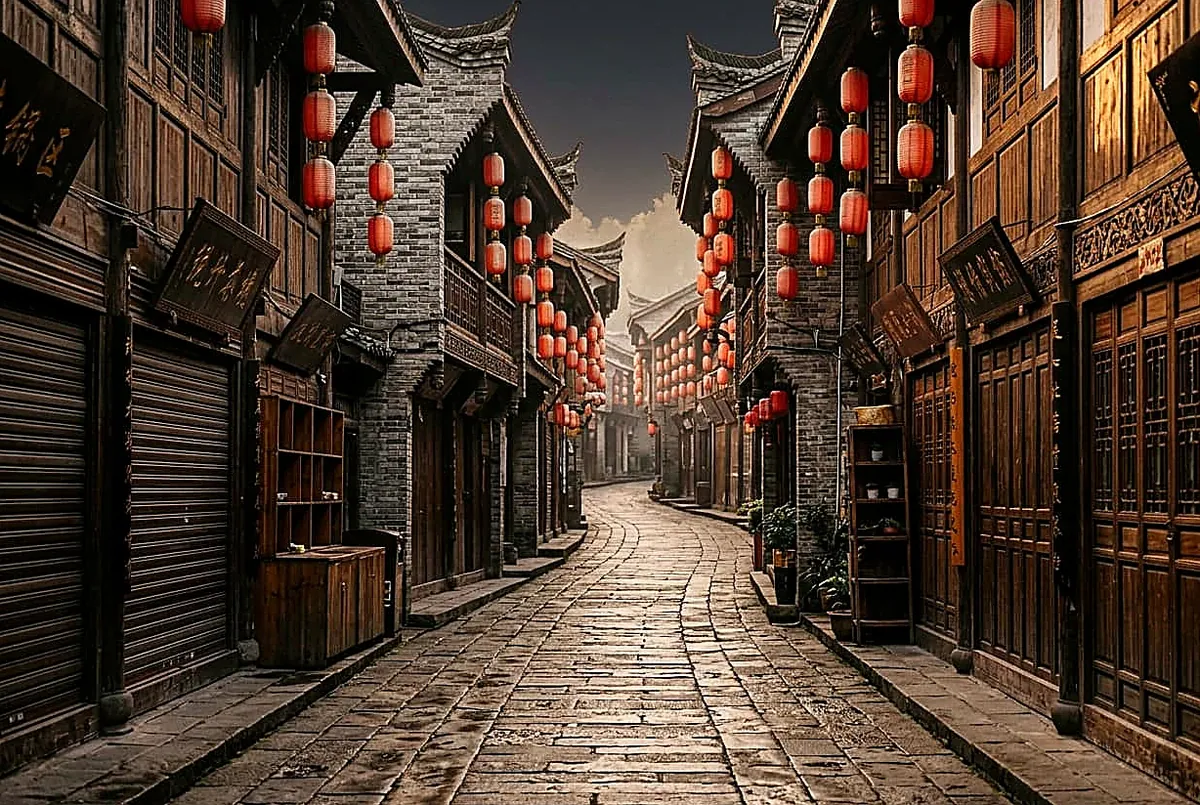
With its prime location on the banks of the Jialing River, Ciqikou was once a bustling port, a lively hub for the exchange of goods and culture. Today, although its commercial role has diminished, the soul of an ancient town remains fully intact. Wooden stilt houses hung with red lanterns, upturned eaves, and winding alleys all create a stunning, living landscape that invites visitors to explore every nook and cranny and every hidden story.
Visiting Ciqikou Old Town, you not only admire the ancient architecture but also immerse yourself in a slow, peaceful pace of life. This is the ideal place to escape the hustle and bustle of modern life, reconnect with traditional values, and gain a deeper appreciation for ancient Chinese culture. From exquisite handicraft shops and steaming teahouses to restaurants serving local specialties, every experience in Ciqikou is an unforgettable memory.
2. A Thousand-Year Flow of History: From a Bustling Port to a Legendary Old Town
The history of Ciqikou is not just made of dusty pages of paper, but a living current told through every brick, every tile, and every oral tradition. It has witnessed countless historical ups and downs, from a crowded port to a renowned ceramic manufacturing center, and finally evolving into the unique cultural destination it is today.
• Baiyan Chang: A Bustling Commercial Gateway During the Song Dynasty
Before bearing the name Ciqikou, this area was known as Baiyan Chang (白岩场 – Baiyan Chang), which means “White Rock Field.” This name originated from the abundant natural white stone mines in the region. However, Baiyan Chang’s most significant historical role was tied to its strategic location as a bustling port on the Jialing River, a major tributary of the Yangtze River. Dating back to the Song Dynasty (960-1279), Baiyan Chang became a vital cargo transit hub, connecting Chongqing with neighboring regions and beyond. Boats bustled in and out, carrying rice, salt, tea, herbal medicine, and especially coal from local mines. It was not merely a trading point but a distribution center where merchants from all over gathered to exchange goods and culture. The prosperity of Baiyan Chang laid a solid foundation for the area’s development, turning it into one of Chongqing’s most important towns at the time.
At its peak, Baiyan Chang was home to over 10,000 residents and workers, with hundreds of shops, inns, and warehouses lining the riverbank. The cheers of porters, the bargaining of merchants, and the sound of oars striking water painted a vibrant picture of a flourishing port. This was also where the distinctive culture of the people of Chongqing took shape, blending the resilient spirit of the laborers with the ingenuity of artisans.
• Imperial Footprints: The Story of Emperor Jianwen Taking Refuge at Baoluan Temple
One of the most fascinating historical tales associated with Ciqikou is the story of Emperor Jianwen (朱允炆 – Zhu Yunwen) of the Ming Dynasty seeking refuge here. Emperor Jianwen was the grandson of the founding Ming Emperor, Zhu Yuanzhang, and the second emperor of the Ming Dynasty. After ascending the throne in 1398, he implemented a policy to strip imperial princes of their military power, including his uncle Zhu Di (朱棣), the Prince of Yan. This conflict led to the “Campaign of Jingnan” (靖難之役), a civil war that lasted from 1399 to 1402.
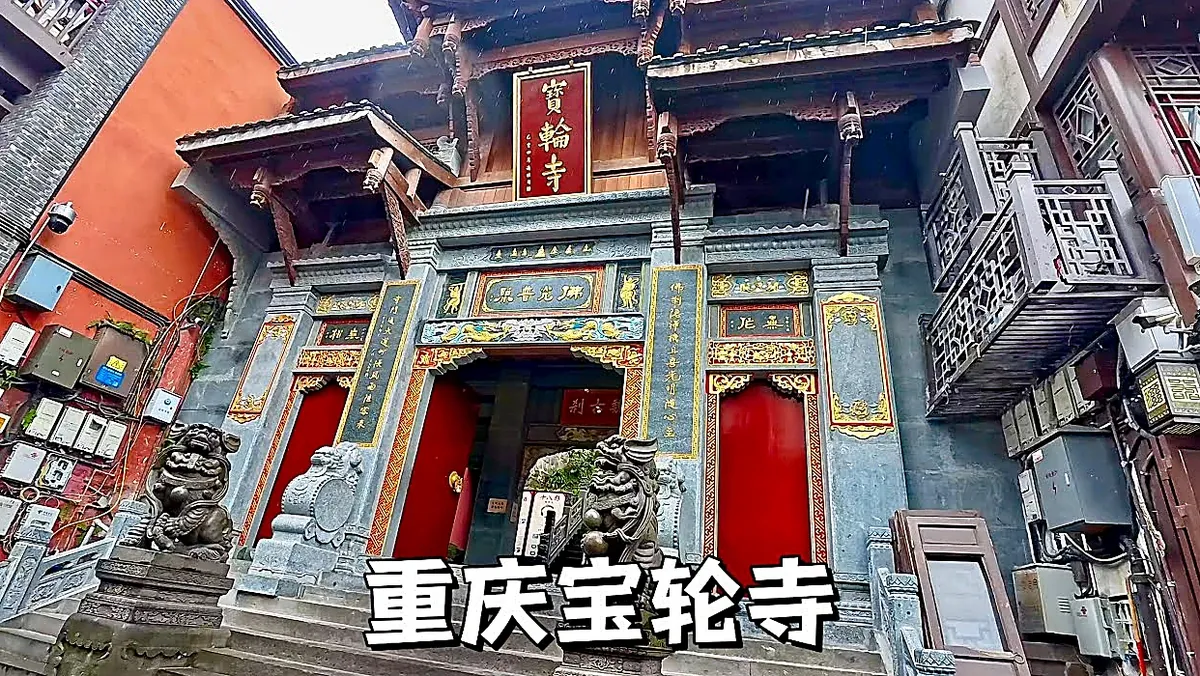
When the army of the Prince of Yan, Zhu Di, entered Nanjing (the capital at the time), the Jianwen Emperor reportedly vanished mysteriously. According to folklore and certain historical records, he disguised himself as a monk, escaped the palace, and began a wandering life. One of the places where he stopped was Baolun Temple (宝轮寺) in Baiyanchang. Built during the Tang Dynasty, Baolun Temple is an ancient and sacred temple situated on a hill overlooking the Jialing River.
Here, the Jianwen Emperor concealed his identity as a monk, living a serene life far away from worldly affairs. The tale of the wandering emperor adds an air of mystery and sanctity to Baolun Temple, making it a site of profound historical significance. Although no concrete archaeological evidence fully confirms this story, it has become an integral part of Ciqikou’s folklore, passed down through generations by local residents. The temple is not only a place of worship but also a historical relic, a symbol of resilience and faith.
• Ciqikou: The Origin of the Name from a Prosperous Ceramic Industry
The name change from Baiyanchang to Ciqikou (磁器口) took place during the Qing Dynasty (1644–1912) and was closely tied to the booming development of the local ceramic industry. “Ciqikou” translates to “Porcelain Port” or “Porcelain Quay,” accurately reflecting the town’s central role in the production and trade of ceramic wares. Thanks to high-quality clay deposits and a favorable location for waterway transportation, Ciqikou developed into one of the largest kiln centers in southwestern China.
Ceramic workshops sprang up like mushrooms, producing a wide range of goods from bowls, plates, and teapots to exquisite decorative items. Ciqikou’s ceramics were famous throughout the Bashu region and exported far and wide. The clatter of pottery wheels, the gentle tapping of artisans inspecting their work, and the scent of fired clay became essential parts of daily life for the locals. The name Ciqikou is much more than a mere title; it is a recognition of the town’s prosperity and economic identity. It represents a golden era when ceramics were the pride and livelihood of the entire community.
Today, even though large-scale ceramic workshops no longer operate as intensely as they once did, the spirit of pottery is kept alive through small shops where visitors can find unique handmade ceramic pieces or even try their hand at pottery making. The name Ciqikou still resonates, evoking a glorious past and a proud cultural heritage.
3. Ancient Architecture & Unique Cultural Space
The architecture of Ciqikou is a harmonious blend of traditional Bashu styles and influences from its role as a bustling port. Every house and alleyway carries its own story, creating a unique cultural atmosphere hard to find anywhere else.
• Moss-Covered Bluestone Pathways & Traditional Wooden Houses
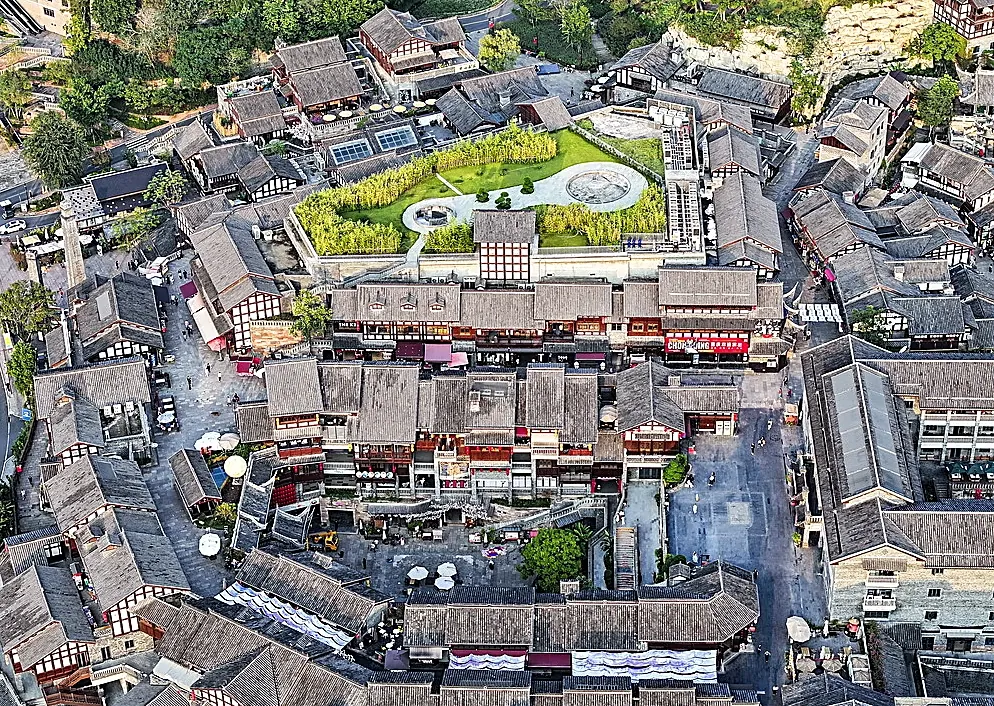
The most distinctive feature of Ciqikou Ancient Town is its bluestone pathways (青石板路), worn smooth by time and covered in an ancient layer of moss. These winding paths guide visitors through narrow corners, steep steps, and small squares. Every footstep on these stone slabs feels like a journey back in time, allowing one to feel the breath of hundreds of years of history.
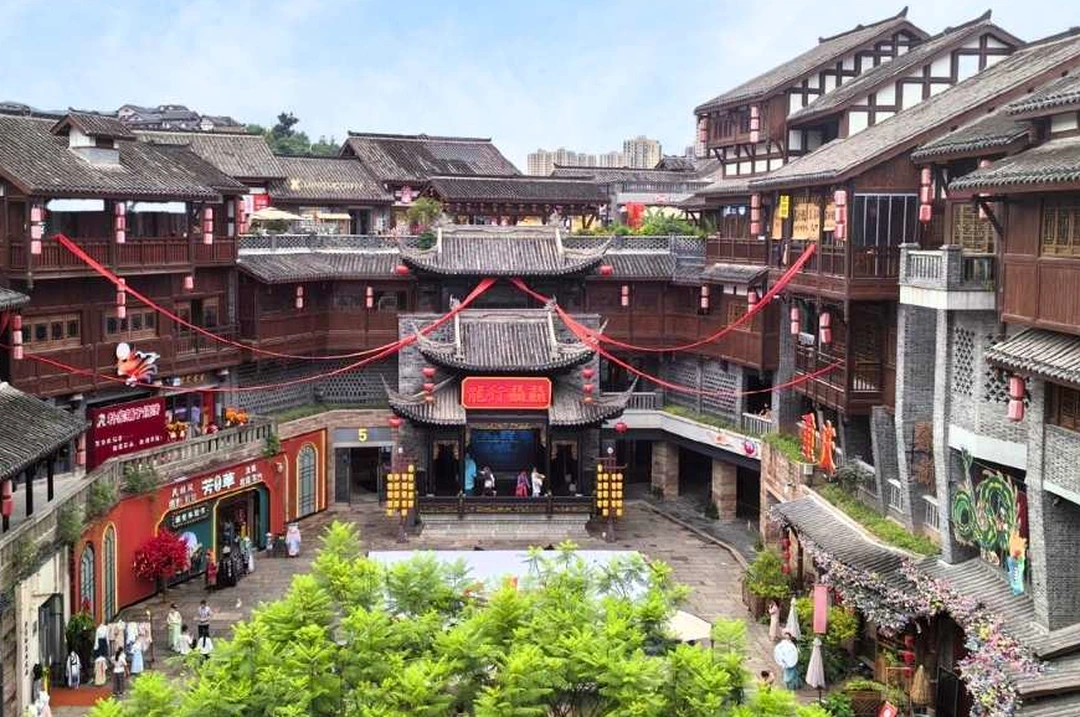
Line after line along the pathways are hundreds of traditional wooden houses built in the classic Bashu architectural style. These houses typically feature two or three stories, with curved tile roofs, dark-painted wooden walls, and intricately carved balconies. Many homes boast small courtyards planted with ornamental trees and flowers, creating a peaceful and poetic ambiance. Shops, eateries, and teahouses are commonly located on the ground floor, adorned with vintage wooden signs and hanging red lanterns, creating a vibrant and colorful scene.
Notably, many houses have preserved the “diaojiaolou” (吊脚楼) structure—stilt houses built on wooden pillars with sections protruding over hillsides or riverbanks. This architecture not only maximizes the use of Chongqing’s steep terrain but also creates a unique beauty in harmony with nature. These houses serve not only as dwellings but also as architectural masterpieces, showcasing the ingenuity and refinement of past generations.
• Baolun Temple: A Repository of Historical & Spiritual Imprints
Baolun Temple, also known as Longyin Temple, is one of the oldest and most significant temples in Ciqikou. First built during the Tang Dynasty (618–907), the temple has undergone numerous restorations and expansions across various dynasties. As mentioned, the temple is renowned for the legend of the exiled Jianwen Emperor taking refuge there, which has turned it into a site of profound historical and spiritual significance.
Situated atop a small hill, Baolun Temple offers breathtaking panoramic views of Ciqikou Ancient Town and the winding Jialing River. The temple’s architecture strongly reflects traditional Buddhist styles, featuring grand halls, bell towers, drum towers, and exquisitely carved Buddha statues. The spacious temple grounds feature centuries-old trees, lotus ponds, and quiet stone pathways, cultivating a serene and tranquil atmosphere.
When visiting the temple, visitors can not only pay their respects and pray but also have the opportunity to learn about the history of Chinese Buddhism and the legendary story of the Jianwen Emperor. The echoing temple bell in the tranquil space, combined with the lingering scent of sandalwood, creates an indescribable sense of peace. Baolong Temple is not merely a spiritual destination but also a precious cultural heritage, serving as the heart of Ciqikou.
4. Rich Bashu Cultural Experience
Ciqikou is not simply a place for sightseeing, but also a destination to experience and truly immerse oneself in Bashu culture (Sichuan and Chongqing). From ancient teahouses to unique Sichuan Opera performances, every street corner holds a distinct cultural feature.
• Teahouse Culture: Where Time Stands Still in the Ancient Town
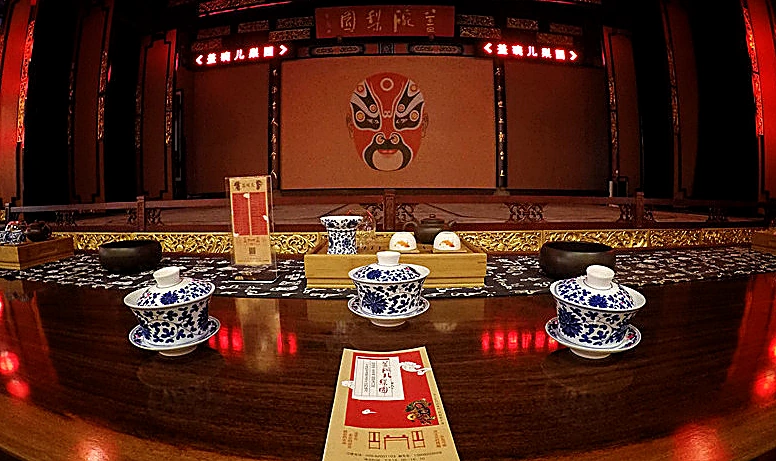
Teahouse culture is an indispensable part of daily life for the people of Chongqing in general and Ciqikou in particular. Here, you will find dozens of ancient teahouses featuring rustic wooden tables and chairs, porcelain teapots, and delicate little cups. Teahouses are not just places to enjoy tea, but also social hubs where locals gather to chat, play chess, read newspapers, or simply sit and watch the passing crowd.
The fragrance of Pu-erh tea, green tea, or jasmine tea lingers in the air, mingling with classical music and lively laughter to create a cozy and relaxing atmosphere. Sitting in an ancient teahouse, sipping a hot cup of tea and looking out at the stone-paved streets, you will feel as if time is slowing down, and all the worries of modern life seem to melt away. This is an unmissable experience when visiting Chongqing, especially at the Ciqikou Ancient Town.
• Sichuan Opera: The Unique Face-Changing Art
If you have come to Chongqing, you cannot miss Sichuan Opera (川剧 – Chuānjù) – one of China’s most famous traditional opera forms, especially in the Sichuan and Chongqing regions. Sichuan Opera stands out with its colorful performances, lively music, and particularly the unique “face-changing” (变脸 – Biànliǎn) art, where actors can change masks in the blink of an eye without using their hands.
In Ciqikou, many large teahouses regularly host Sichuan Opera performances in the evening. Visitors can enjoy tea while watching dramatic and magical stage performances. Stories in Sichuan Opera are often inspired by history, folklore, or romantic tales, expressed through graceful dances, soaring vocals, and magnificent costumes. Experiencing a Sichuan Opera show at an ancient teahouse in Ciqikou will certainly be an unforgettable highlight of your 4-day 3-night Chongqing tour.
• Traditional Crafts: Pottery, Embroidery & Woodcarving
With its long history of pottery making, Ciqikou continues to maintain and develop traditional crafts. Along the streets, you will easily come across small shops selling exquisite handmade ceramics, ranging from simple bowls and plates to intricate works of art. Visitors can shop for unique souvenirs or even join short pottery-making classes to craft their own products.
Aside from ceramics, Ciqikou is also famous for traditional embroidery, woodcarving, and other handicrafts. These items not only showcase the skill of the artisans but also carry a strong local cultural identity. This is a wonderful opportunity to find meaningful gifts for friends and family while supporting local artisans.
5. Ciqikou Culinary Paradise: Unforgettable Flavors
Ciqikou is not simply a cultural and historical destination, but also a true culinary paradise where visitors can explore the distinct flavors of Chongqing. The cuisine here is famous for being spicy, rich, and diverse, reflecting the resilient spirit of the Bashu people.
• The Three Treasures of Ciqikou: The Essence of Ancient Town Cuisine
When mentioning the cuisine of Ciqikou Ancient Town, locals proudly introduce the “Three Treasures” (三宝 – Sānbǎo) – three dishes that have made this ancient town famous: Mao Xuewang, Qianzhang Tofu, and Braised Duck Blood.
• Mao Xuewang: The Legendary Spicy Hot Pot Dish
Mao Xuewang (毛血旺 – Máoxuèwàng) is a signature spicy hot pot dish of Chongqing, believed to have originated in Ciqikou. The name “Mao Xuewang” translates to “Mao’s (surname of the creator) prosperous blood (curd).” This dish is famous for its characteristic spicy and numbing flavor of Sichuan chili and peppercorns (mala), along with a rich variety of ingredients.
A traditional pot of Mao Xuewang typically includes duck blood (or pork blood), beef tripe, sliced pork, tofu, bean sprouts, enoki mushrooms, and various vegetables, all cooked in a vibrant red spicy broth. This dish not only stimulates the taste buds but also brings a warming sensation, especially on chilly days. Mao Xuewang is not merely a dish but a cultural experience, representing the bold and generous nature of Chongqing cuisine.
• Qianzhang Tofu: A Rich, Rustic Delicacy
Qian Zhang Tofu (千张豆腐 – Qiānzhāng dòufu) is a rustic yet extremely popular dish in Ciqikou. “Qianzhāng” means “thousand sheets,” referring to the preparation method where tofu is pressed into paper-thin layers, then rolled up or sliced into strips. This tofu has a chewy, soft texture and an exceptional ability to absorb flavors.
Qian Zhang tofu is typically prepared in various ways, ranging from stir-fried and boiled to soup. The most popular version is Qian Zhang tofu tossed with spicy seasonings such as chili, garlic, sesame oil, and herbs. The light, neutral taste of the tofu harmonizes with the spicy and numbing flavor of the spices, creating a balanced, appetizing dish that pairs wonderfully with rice. This is an essential item in local family meals and a unique culinary experience for travelers.
• Braised Duck Blood Soup: An Irresistibly Unique Flavor
Braised duck blood (血旺 – Xuèwàng) is another highly popular dish in Ciqikou. The duck blood is carefully prepared, boasting a tender and smooth texture with no gamey odor. It is typically braised with various vegetables, mushrooms, and spicy seasonings, creating a rich and flavorful soup or hot pot dish.
Not only is braised duck blood delicious, but it is also believed to offer numerous health benefits according to traditional Chinese medicine. The spicy kick from chili peppers and Sichuan peppercorns helps stimulate the appetite and warm the body, while the duck blood provides essential protein and nutrients. This unique dish showcases the creativity and richness of Chongqing’s culinary scene.
• Chen Mahua Twisted Crullers (陈麻花): A Renowned Specialty Far and Wide
In addition to the three culinary treasures mentioned above, Ciqikou Old Town is also famous for a snack that every traveler must try and buy as a gift: Chen Mahua twisted crullers (陈麻花 – Chén Máhuā). These are crispy, deep-fried twisted dough snacks with sweet or savory flavors, made from wheat flour and other ingredients.
Chen Mahua has a history spanning hundreds of years, passed down through generations. The standout features of these crullers are their crispiness, delicious aroma, and variety. There are many different flavors available, such as black sesame, spicy, traditional sweet, and seaweed. Chen Mahua shops in Ciqikou are always bustling with visitors, featuring long lines of people waiting to buy them. You can watch the artisans making the crullers right on the spot, showcasing their skillful twisting techniques while the mouthwatering aroma of freshly baked treats fills the streets. This makes for an ideal souvenir, steeped in the authentic flavors of Ciqikou.
• Other Popular Snacks: From Dragon’s Beard Candy to Skewer Hot Pot
Aside from the highlighted dishes, Ciqikou Old Town is also a paradise for street food. You can find handmade dragon’s beard candy (拉糖 – Lātáng) crafted right on the spot, accompanied by the artisan’s impressive candy-pulling performances. There are also grilled meat skewers, spicy skewer hot pot (串串香 – Chuànchuànxiāng), stinky tofu (臭豆腐 – Chòudòufu) with its distinctive aroma yet irresistible taste, along with various other sweet and savory pastries.
Every snack carries its own unique flavor, contributing to the vibrant and colorful culinary picture of Ciqikou. Don’t hesitate to experiment and explore, as that is the best way to fully experience the unique food culture of this place.
6. Ciqikou Chongqing Travel Guide: Preparing for the Perfect Trip
To ensure a complete and fulfilling exploration of Ciqikou Old Town, VDS Travel would like to share some useful tips and advice.
• Ideal Time to Visit
The best time to visit Ciqikou, Chongqing is during spring (March – May) and autumn (September – November). During these months, the weather in Chongqing is generally cool, pleasant, and with little rain, making it perfect for walking and exploring. Summer (June – August) in Chongqing can be quite hot and humid, while winter (December – February) can be cold and damp. However, each season has its own unique charm, and if you don’t mind the weather, Ciqikou is always welcoming.
To avoid crowds, you should visit on weekdays rather than weekends or major Chinese holidays. Early mornings or late afternoons are also ideal times to experience the peaceful atmosphere and magical beauty of the ancient town as the lanterns begin to light up.
• How to Get to Ciqikou
Ciqikou is easily accessible from downtown Chongqing via public transportation:
- Metro: This is the most convenient and fastest way. You can take Metro Line 1 to Ciqikou Station (磁器口站). After exiting the station, it is just a 5-10 minute walk to the main entrance of the old town.
- Bus: There are several bus routes passing through Ciqikou, such as routes 261, 467, 503, and 808. However, buses may take longer due to traffic conditions.
- Taxi/Didi: If you are traveling in a group or prefer a more comfortable ride, a taxi or the Didi ride-hailing service (similar to Uber) is a great option. The cost will be higher, but it offers greater convenience.
• Suggested Itinerary
You can spend half a day or a full day exploring Ciqikou Old Town. Here is a suggested itinerary:
- Morning (3-4 hours):
- Start by walking along the main paved stone streets, admiring the ancient architecture and handicraft shops.
- Visit Baolun Temple to learn about its history and enjoy the serene atmosphere.
- Enjoy lunch featuring local specialties such as Mao Xuewang or thousand-layer tofu.
- Afternoon (2-3 hours):
- Explore the small alleyways to discover unique pottery shops or handicraft workshops.
- Sip tea at a traditional teahouse and soak in the slow-paced lifestyle.
- Shop for Chen Mahua twisted crullers and other souvenirs.
- Evening (if possible):
- If time permits, stay to watch a Sichuan Opera performance at one of the large teahouses.
- Marvel at the old town glowing under red lanterns, creating a magical scenery.
• Other Important Notes
- Comfortable footwear: You will be walking a lot on paved stone paths, so please choose comfortable footwear.
- Cash: Although many stores accept electronic payments (WeChat Pay, Alipay), having a little cash can be useful for small shops or minor purchases.
- Try spicy food: Chongqing cuisine is very spicy. If you are not used to eating spicy food, please inform the seller in advance or choose milder dishes.
- Combine with other destinations: Ciqikou can be easily combined with other famous Chongqing attractions such as Hongyadong or the unique experience at Liziba light rail station passing through a building.
- Environmental protection: Please maintain general cleanliness and do not litter to preserve the beauty of the ancient town.
Ciqikou Ancient Town is not merely a destination, but a journey of cultural, historical, and culinary exploration. Every street corner and every dish tells a story, offering visitors unique and unforgettable experiences. Let VDS Travel accompany you on your adventure to this ancient gem, where you will find peace and traditional values in the heart of modern Chongqing.
Contact VDS Travel right away to book the all-inclusive 4D3N Chongqing Mono Tour and start your journey to explore Ciqikou Ancient Town along with many other attractive destinations in Chongqing today!