Tucked away amidst the whispering pine forests of the legendary Langbiang plateau, Bao Dai Palace III—historically designated as the summer residence of Vietnam’s last emperor—stands atop a solitary pine-covered hill over 1,500 meters above sea level in Da Lat city, Lam Dong province. This exclusive vantage point not only endows the structure with a majestic, solemn setting, but also creates a year-round cool temperate microclimate veiled in mist, making it an ideal royal retreat in the heart of former French Indochina.
Viewed from a feng shui topographical perspective, the hill resembles a crouching dragon and a bowing tiger, surrounded by gentle slopes and pristine native vegetation. Looking down from the hilltop, the space opens into a sweeping, expansive panorama where cloud-capped mountains blend into a poetic, picturesque landscape. This harmonious intersection between the untamed nature of the highlands and the strategic mountain peak of South-Central Vietnam led colonial planners and the Nguyen Dynasty court to select this site as a seat of royal repose—where nature is not merely for sightseeing, but also carries the deep resonance of sovereignty and culture.
The history of the mansion is tied to a pivotal and turbulent era of the nation. Commenced in 1933 and completed in 1938 under the planning direction of French Governor-General Jules Brévié alongside renowned French and Vietnamese architects, Palace III emerged as a symbol of early modern Eurasian architectural fusion. It served not only as a tranquil sanctuary for Emperor Bao Dai—the 13th monarch of the Nguyen Dynasty—and Empress Nam Phuong, but also as a vital political operations center during the 1948–1954 period when he held the dual roles of Head of State and head of the Crown Domain.
Through the lens of contemporary heritage researchers and journalists, Bao Dai Palace III is viewed as a living museum preserving the strata of a glorious yet politically burdened era. Every aged pine tree, each floor tile, and the room layouts bearing deep European architectural imprints combined with royal Asian motifs whisper the story of a twilight dynasty striving to maintain its majestic dignity. The heritage value of this landmark lies not only in the material worth of its royal artifacts or its distinctive Art Deco architecture, but also as a testament to a defining cultural layer of Da Lat—the heritage city on the Lam Dong plateau.
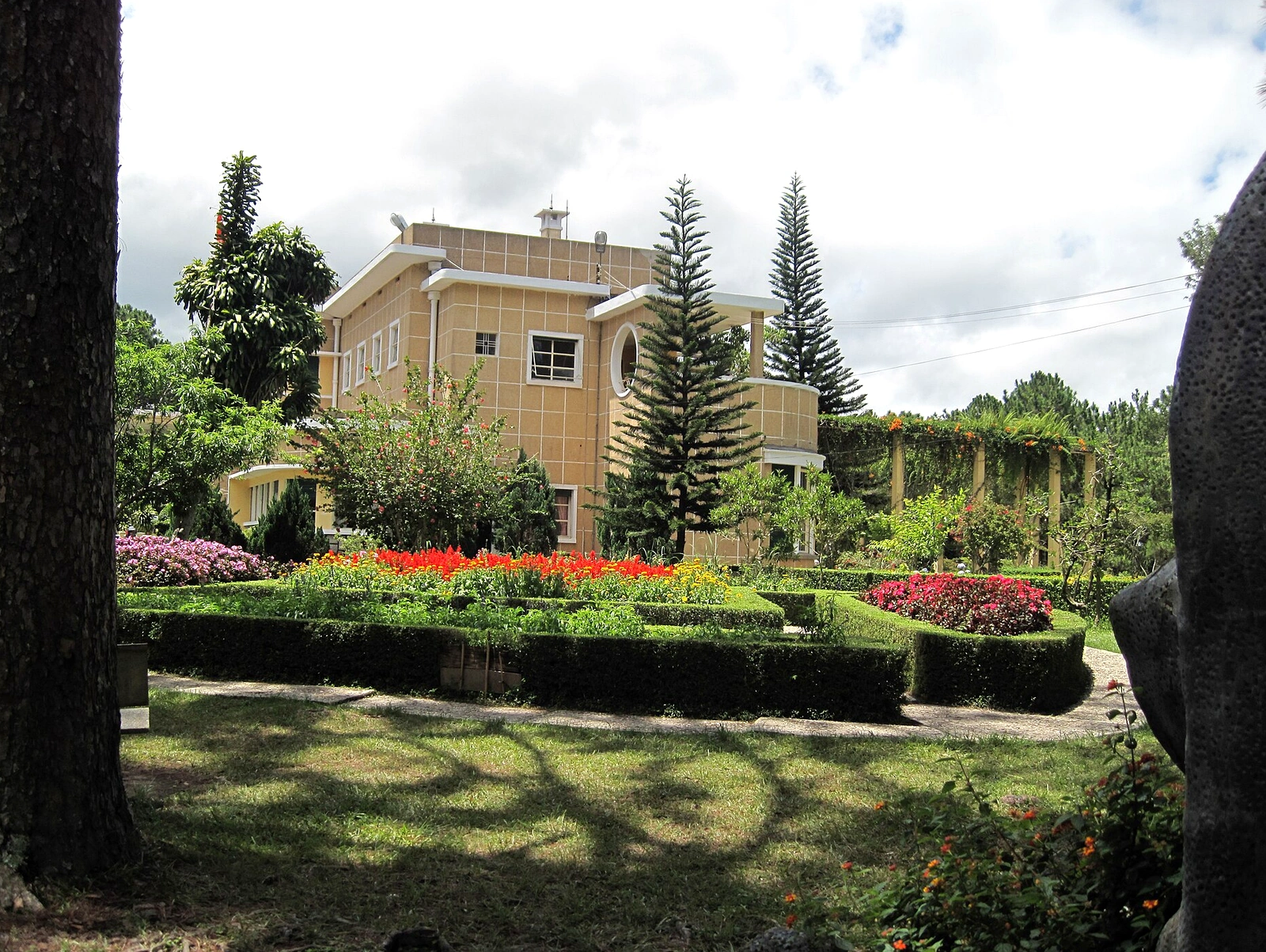
Nestled among endless rows of ancient pine trees in the City of a Thousand Flowers, Bao Dai Palace III (the Summer Palace of Emperor Bao Dai) stands out as a European architectural masterpiece in the heart of the Lam Vien plateau. Built between 1933 and 1938 by skilled French and Vietnamese architects, the residence is a seamless emblem of East-West cultural exchange in the first half of the 20th century. The estate’s setting is remarkably distinctive, perched on a hill roughly 1,500 meters high, with its facade facing south to welcome the refreshing breeze and bright sunshine of the highlands, surrounded by royal gardens and whispering pine woods that create a landscape both grand and poetic.
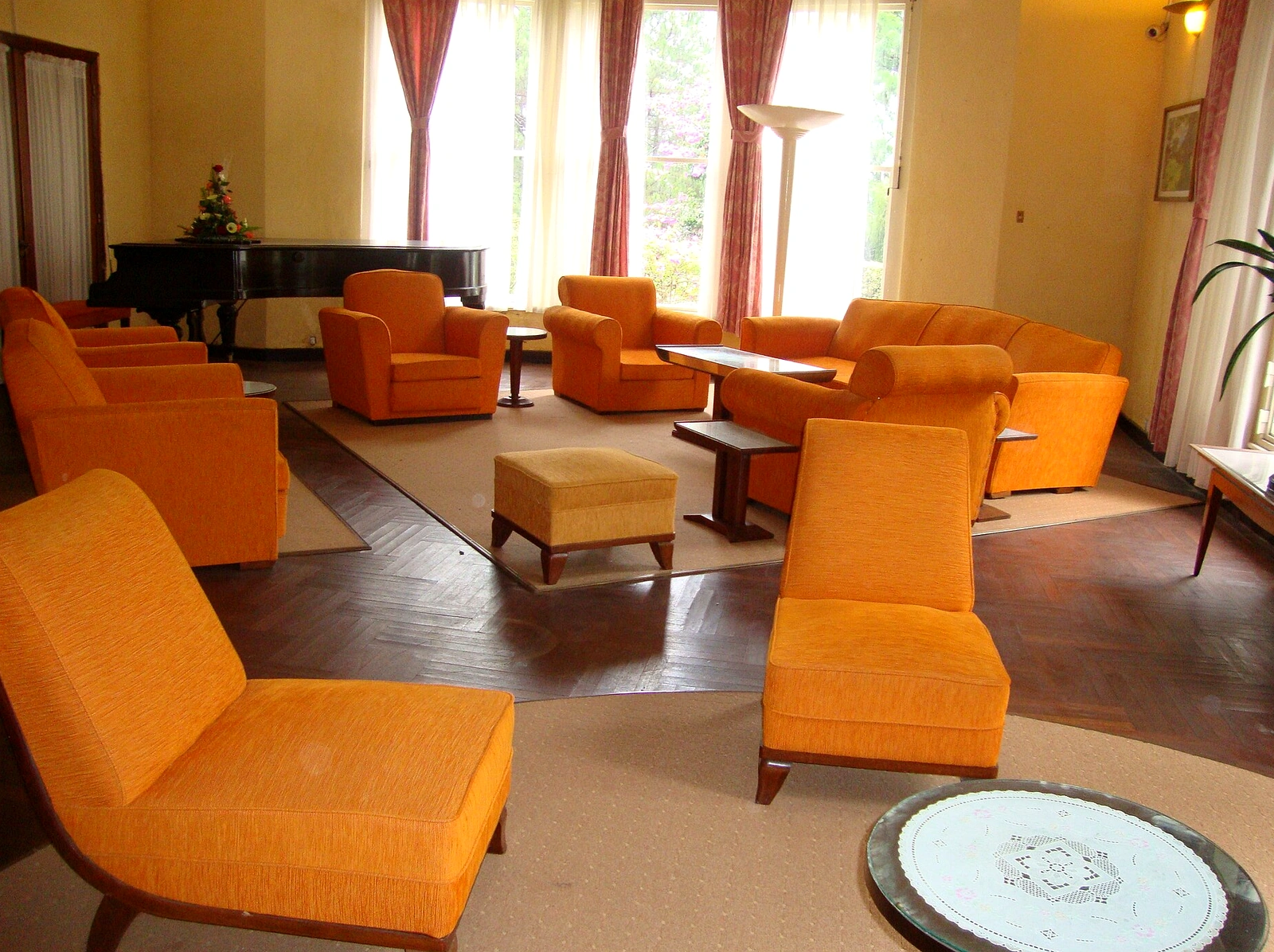
From the exterior, Palace III bears strong classic French architectural imprints thoughtfully adapted to suit Da Lat’s signature climate. The two-story mansion features a strictly symmetrical layout with large arched doorways, sun-drenched balconies opening directly toward the deep blue sky, and steeply pitched European-style tiled roofs. Stepping inside, visitors are transported back in time into the royal atmosphere of the Nguyen Dynasty. Every decorative detail, from rare wood-paneled walls and European-style fireplaces to the intricate dragon and phoenix carvings on conference tables and in the reception hall, has been preserved almost intact. The blend of traditional imperial style and modern Art Deco decorative art lends Palace III a luxurious, solemn beauty while retaining the warm ambiance of a true family home.
To capture the finest moments at this ethereal retreat, professional travel photographers and journalists recommend seeking out several classic vantage points. First is the main front facade of the mansion, framed by winding stone steps and sprawling green lawns. The golden hour for photography here is early morning from 8:00 AM to 9:30 AM, when gentle sunlight filters through ancient pine canopies, casting warm golden rays onto the mansion’s distinctive yellow walls to create a pristine and deeply nostalgic backdrop.
The second “million-dollar view” photo spot is the row of large arched windows on the second floor, particularly around Empress Nam Phuong’s bedroom and the Head of State’s office. Looking out into the distance from here reveals a sweeping view of the vast pine forest shifting through morning mist or basking in afternoon light. Sunset (from 4:30 PM to 5:30 PM) is the most enchanting moment at this spot; fading daylight mingling with the mystical violet hues of highland clouds casts a magical, breathtaking glow across the antique interior.
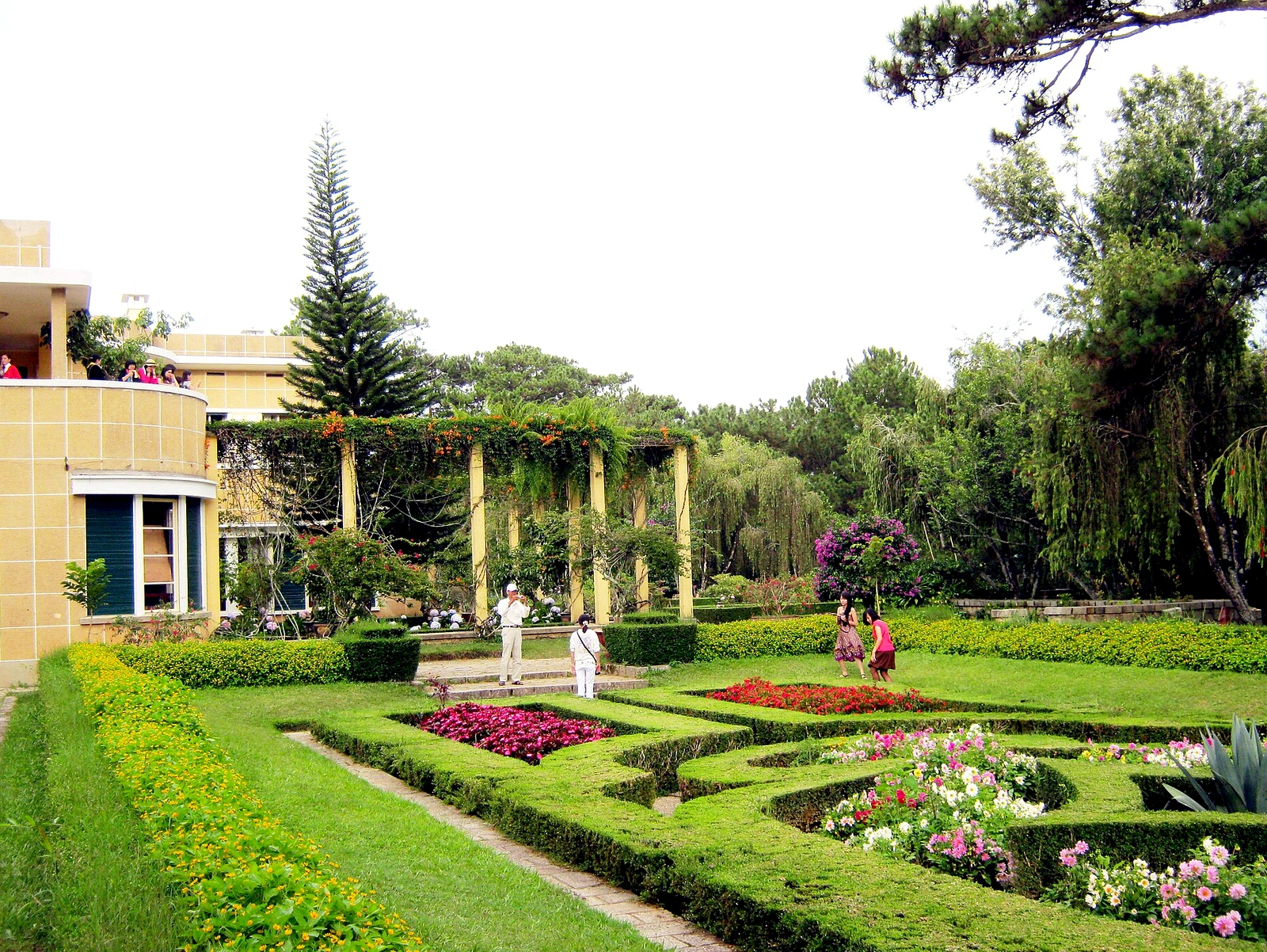
Finally, the Royal Garden behind Palace III is not to be missed, featuring winding stone pathways meandering beneath shaded pine trees. A low-angle shot looking upward past towering trunks toward the silhouette of the historic palace veiled in mist yields cinematic, romantic, and deeply artistic photographs. Every step at Palace III is not only a journey into history, but also an invitation to immerse yourself in the finest architecture and scenery of the misty city.
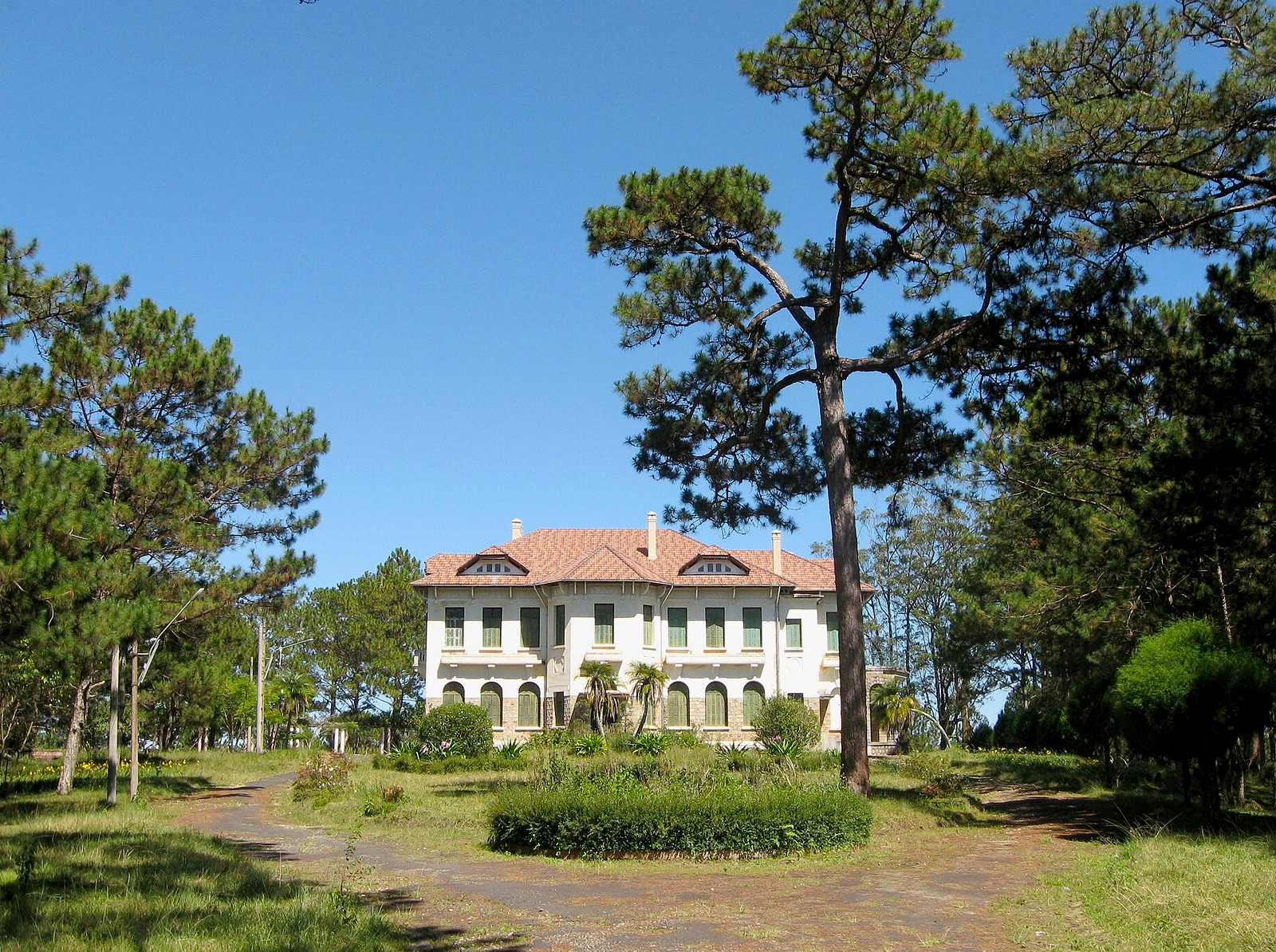
Passing through the pine-shaded gates of Bao Dai Palace III, visitors not only touch the storied pages of Vietnam’s last feudal dynasty, but also embark on a vivid sensory journey in the heart of the Da Lat plateau. To fully experience the rhythm of this land, many travelers pair their visit with a gentle walk up pine-needle-strewn stone steps accompanied by birdsong, letting their minds drift in the crisp, signature highland chill. From the ideal elevation of the villa’s hilltop, a panoramic view of the misty city gradually emerges amid drifting clouds, offering a captivating sense of wonder where classic French architecture blends effortlessly with unspoiled nature.
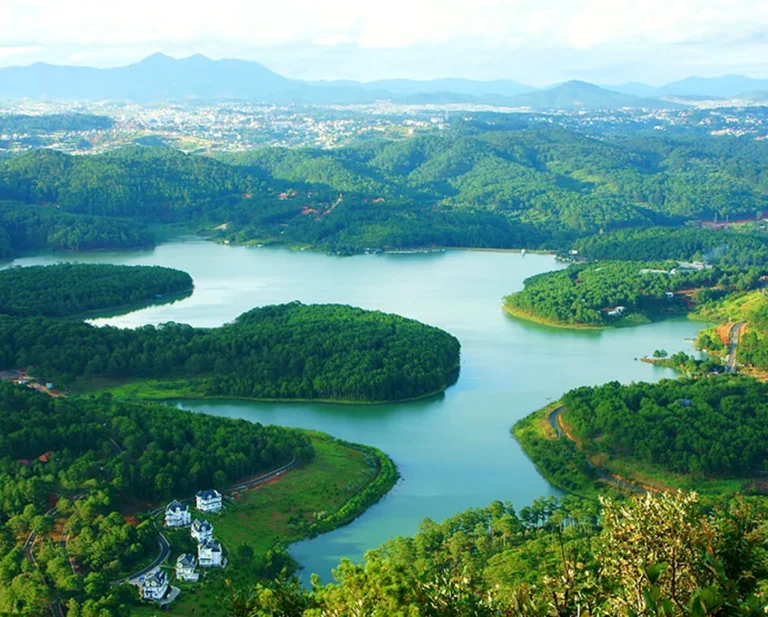
After touring the nostalgic royal artifact exhibition rooms, your exploration can easily extend to surrounding landmarks rich in local character. Nearby Tuyen Lam Lake invites visitors to take a scenic boat ride, gliding smoothly across mirror-like blue waters framed by whispering pine-covered shores. The tranquil atmosphere washes away everyday stress, drawing travelers into a serene sanctuary where distant temple bells mingle with mountain breezes to create a soothing symphony of peace and relaxation.
When visiting this royal highland retreat, local cuisine is an indispensable part of the journey. Around the Bao Dai Palace area, the enticing aroma of beloved Da Lat specialties—such as crispy grilled rice paper (bánh tráng nướng) or steaming chicken hotpot with fresh wild basil leaves (lẩu gà lá é) offering a gentle peppery kick in the late-afternoon chill—holds an irresistible appeal. Sipping a warm glass of soy milk or savoring rich highland coffee on a terrace overlooking the deep valley provides a soulful pause, leaving every visitor captivated and eager to return.
To ensure your historical journey exploring royal life at Bao Dai Palace III (Summer Palace) goes smoothly, keep these helpful practical tips in mind. The site not only preserves the distinct architectural and historical legacy of the last Nguyen Dynasty emperor, but also stands as an unmissable stop on any trip to Da Lat, the City of a Thousand Flowers.
Regarding opening hours, Palace III welcomes visitors every day of the week, including weekends, public holidays, and Tet. Standard visiting hours typically run from 7:00 AM to 5:00 PM daily. Planning ahead allows plenty of time for a leisurely stroll beneath the ancient pines and a closer look at every corner of this French-inspired architectural gem.
Admission tickets for Palace III are clearly posted and budget-friendly for all travelers. Standard adult admission typically ranges from 30,000 to 40,000 VND, while children and students (with valid ID) generally qualify for discounted or complimentary entry in accordance with monument management policies. It is a modest price for a rewarding cultural and visual experience.
Getting to Palace III from the central Da Lat Market area takes just 10 to 15 minutes by car along a 2.5 km route heading south on Trieu Viet Vuong Street in Ward 2. The drive is straightforward and scenic, winding gracefully through lush pine hills. You can rent a motorbike for maximum flexibility, take a taxi, or book a ride-hailing car. For those who enjoy exploring at a slower pace, renting a bicycle is also a refreshing way to get some light exercise.
Because this is a solemn national historical monument encompassing former royal living quarters, visitors should dress neatly and modestly in attire respectful of local culture and the formal indoor setting. Choose comfortable footwear with good grip, such as sneakers or flats, as the palace grounds are expansive with multiple staircases and gently sloping stone pathways.
The best times of day to visit Palace III are early morning, when the air is crisp and quiet, or late afternoon, when warm sunlight slants through classic European windowpanes. Seasonally, the palace can be visited year-round, though the dry season from November to April brings clear skies and pleasant sunshine—ideal for sightseeing and capturing memorable photographs.
To enjoy a seamless getaway and fully appreciate the beauty of Bao Dai Palace Da Lat without the hassle of arranging transport, entrance tickets, or itineraries, travelers can choose premium all-inclusive Lam Dong tour packages from VDS Travel. Each tour is thoughtfully timed so you arrive at every photo spot in the best light, accompanied by knowledgeable local guides and top-tier hotel and dining standards.