Looking back at the modernization trajectory of the Malay Peninsula in the early 1990s, urban planners and contemporary historians cannot help but admire the strategic vision of Malaysia’s fourth Prime Minister, Tun Dr. Mahathir Mohamad. During a period of rapid economic boom, the capital city of Kuala Lumpur gradually faced severe infrastructure strain, soaring population density, and heavy administrative pressure weighing down every heritage intersection. Confronted with this pivotal challenge of the era, a bold concept to build an entirely new federal administrative center began to take shape. This new metropolis was not merely intended to relieve congestion in the old capital, but also carried the mission of embodying the aspirations of a modern nation—shaping a seat of central power deeply rooted in Islamic identity while pioneering smart technologies for the new millennium.
The historic milestone marking the beginning of this grand construction was officially set on March 15, 1996, when a national-scale groundbreaking ceremony took place across 4,931 hectares of expansive rubber and oil palm plantations in Prang Besar, Selangor. From a tranquil agricultural landscape of undulating hills beside a winding river, the vast construction site of Prang Besar swiftly transformed into one of the most dynamic building hubs in the region. On February 1, 2001, its supreme legal and political status was cemented when the area was officially declared Wilayah Persekutuan Putrajaya—the Federal Territory of Putrajaya, becoming Malaysia’s third federal territory after Kuala Lumpur and Labuan. The name Putrajaya was chosen to carry a profound tribute, combining the title of Malaysia’s beloved founding father and first Prime Minister, Tunku Abdul Rahman Putra Al-Haj, with the suffix “Jaya,” symbolizing glory, prosperity, and resounding success.
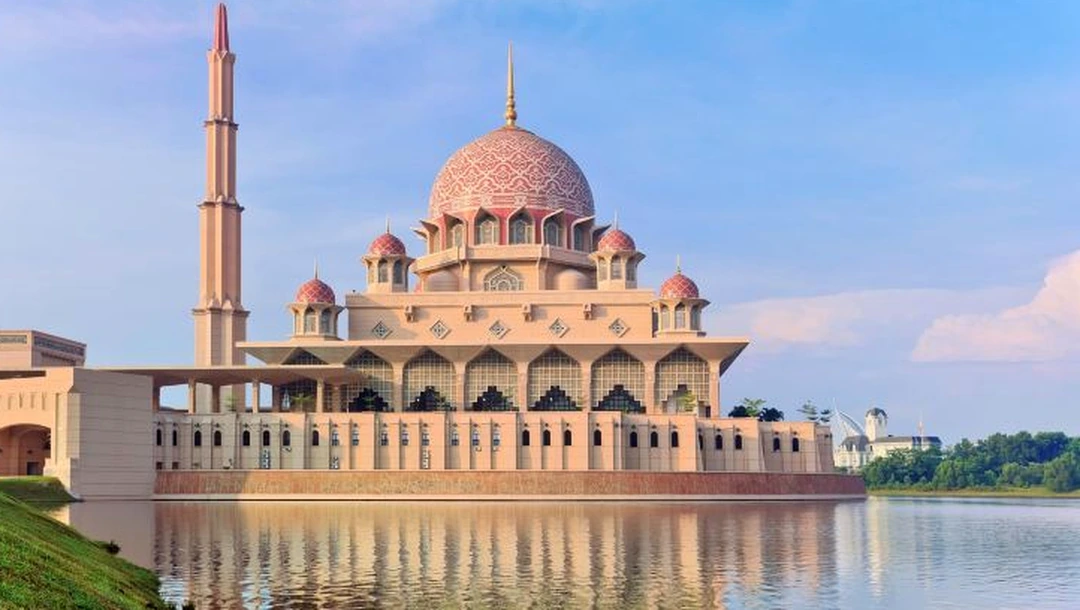
The years from 1995 to 1999 formed an epic chapter of relentless labor and rapid construction by tens of thousands of engineers, specialists, and skilled workers. At the heart of the central complex, the Prime Minister’s Office building, Perdana Putra, was swiftly erected between 1997 and 1999, reigning majestically atop the central hill with architecture harmoniously blending Neoclassicism, Indian Mughal heritage, and Malay-Islamic motifs. Immediately adjacent to it, the spiritual heart of the entire city—Putra Mosque (Masjid Putra)—had its foundation stone laid in 1997. Clad in a magnificent rose hue from premium imported granite and sandstone, this religious monument had most of its core structure completed by September 1999 and was formally inaugurated on August 30, 2000. Requiring a total investment budget of approximately 250 million Malaysian Ringgit (RM), the mosque became an enduring spiritual icon beside the vast lake, catching the shimmering reflections of dawn every morning.
Alongside premier government institutions and sacred places of worship, Putrajaya’s evolving landscape is further sculpted by a network of bridges and roadways of supreme artistic merit. Most prominent among them is the Seri Wawasan Bridge, completed in 2003 under the masterful direction of renowned engineer Tan Sri Dato’ Ir. Hj. Ahmad Zaini bin Othman. Resembling a wind-filled sail surging out toward the open sea, this asymmetrical cable-stayed bridge links the administrative core with ecological precincts, affirming a philosophy of sustainable harmony between nature, technology, and humanity. The historic transformation from the untamed plantations of Prang Besar into an exemplary administrative city has left an indelible mark of a self-reliant Malaysia, confidently claiming its place on the global development map.
Nestled in the fertile basin at the confluence of the Chuau and Bisa river valleys within the Multimedia Super Corridor (MSC Malaysia), Putrajaya commands one of the most auspicious geomantic settings on the Malay Peninsula. This federal administrative hub occupies a strategic location, situated 25 km south of Kuala Lumpur and exactly 20 km from Kuala Lumpur International Airport (KLIA), forming a sturdy vertex in the nation’s prosperous growth triangle. Selecting this gently sloping tract of hills cradled between two natural waterways was not merely a transportation engineering decision; it also reflects the classic Eastern feng shui principle of “backed by mountains, facing water.” Here, the auspicious energy flowing from rolling hills converges and is embraced by abundant water, symbolizing the accumulation of wealth, political stability, and enduring vitality for a multicultural nation.
The soul and most breathtaking scenic centerpiece of the entire territory is Tasik Putrajaya—a colossal man-made lake spanning 650 hectares, winding around the central precincts like an emerald silk ribbon. To keep its waters crystal-clear and pure year-round, hydrological engineering here integrated a one-of-a-kind ecological marvel: the 200-hectare Putrajaya Wetlands situated directly upstream. As Malaysia’s first constructed wetlands and one of the largest in the tropics, it functions as a multi-tiered biological filtration system. Before water from the Chuau and Bisa river basins flows into the main lake, it circulates through marsh cells densely planted with native aquatic flora capable of absorbing toxins and trapping sediment. Thanks to this miraculous circulation, Tasik Putrajaya not only serves as a grand reflecting mirror for architectural wonders, but also acts as an aquatic lung that moderates the microclimate, lowers ambient temperatures, and ushers in cool breezes that dispel the equatorial heat.
Viewed through the lens of master urban planning, the spatial distribution of functions across Precinct 1 and Precinct 2 reveals a profound understanding of the interplay between state power and spirituality. Urban planners deliberately positioned the Perdana Putra Prime Minister’s Office and Putra Mosque side by side on a natural promontory jutting boldly out into the expansive waters of the central lake. This “jutting headland” topography establishes an imposing and steadfast geomantic stance, granting these iconic landmarks sweeping panoramic vistas in all directions. The parallel presence of Perdana Putra’s jade-green dome—representing secular administrative authority—beside the rose-tinted granite domes of Putra Mosque—symbolizing eternal spiritual life—creates a resolute visual statement: an absolute synthesis of national governance and religious faith, where every macro-level policy is illuminated by compassion and sacred moral standards.
Radiating outward from this sacred focal point on the promontory, the city’s layout unfolds along the ceremonial boulevard of Persiaran Perdana, stretching over 4 km from north to south to create an awe-inspiring grand vista. This sweeping avenue was designed with inspiration from the world’s most prestigious boulevards, yet remains steeped in tropical character thanks to meticulously manicured lawns, rows of oil palms, and vibrant bougainvillea. Along this monumental axial thoroughfare, neo-Islamic architectural complexes, breezy plazas, and scenic overpasses are arranged in strict geometric order, revealing a continuously shifting visual sequence with every step a visitor takes. Grading techniques that carefully respected natural elevations, combined with modern geospatial management technology, have turned Putrajaya into a seamless fusion of masterful human planning and the lush riverine terrain of Malaysia.
Standing majestically beside the turquoise waters of Putrajaya’s man-made lake, Putra Mosque radiates a rare, soft glow born from natural matte-pink granite meticulously sourced from stone quarries in China. The visual allure of this religious landmark goes far beyond its distinctive blush hue, lying in a multi-layered architectural synthesis where modern construction techniques absorb the essence of Persia’s ancient Safavid Empire, seamlessly blended with the pointed arches of Egypt’s Mamluk dynasty and the rustic woodcarving traditions of indigenous Malay culture. Every balustrade, horseshoe arch frame, and decorative screen is crafted from solid Cengal timber—a celebrated hardwood of Southeast Asian rainforests renowned for withstanding harsh climates for centuries—hand-carved with geometric motifs and classical Arabic calligraphy by traditional master woodworkers from Kelantan.
Stepping across the threshold into the mosque’s interior opens up a realm of solemn grandeur, crowned by the main dome, Kubah, soaring fifty meters above the floor and supported by twelve massive, marble-clad pillars. Resembling a lotus flower in full bloom, the dome is interlaced with stained-glass panels in geometric arabesque patterns that filter the bright tropical sunlight into shimmering, ethereal beams across thick Persian carpets. Dominating the Putrajaya skyline is a single minaret rising to a height of 116 meters, directly inspired by the historic Hassan Tower in Rabat, the capital of the Kingdom of Morocco. The tower’s shaft is distinctly divided into five tiers, symbolizing the Five Pillars of Islam that every believer holds dear throughout life. With its expansive floor plan, the indoor main prayer hall can accommodate ten thousand worshippers simultaneously, while the smoothly paved open-air courtyard, known as the Sahn, holds an additional five thousand, providing a total gathering capacity of fifteen thousand worshippers during major annual religious festivals.
Standing right next door and serving as a perfect visual counterpoint to the rose tones of Masjid Putra is the Perdana Putra Prime Minister’s Office complex, housing the nerve center of the federal executive administration. This seat of power stands as a premier showcase of Eclectic architecture, where elegant Western Palladian Neoclassicism harmonizes with North African Islamic Maghribi styling and traditional Malay timber roof details. The building’s central focal point is its massive cluster of vibrant jade-green domes, contrasting sharply yet resonating rhythmically with the warm pink tones of the neighboring mosque to form a magnificent skyline reflected in the tranquil waters below.
Putrajaya’s architectural tableau is completed by the Jambatan Seri Wawasan cable-stayed bridge, connecting the central precinct with outlying islands. Viewed from afar, this engineering feat cuts the proud silhouette of a sailboat catching the wind out to sea, expressed through curved steel pylons rising 96 meters high and leaning forward over the lake. Thirty pairs of high-tensile steel stay cables crisscross into graceful arcs, simultaneously bearing the immense compressive loads of the bridge deck and creating a modern spatial sculpture that affirms the territory’s remarkable leap from the untamed Prang Besar rubber plantation into a futuristic model administrative capital.
Dusk falling over the Malay Peninsula does not bring the day to a close in the federal seat of power; on the contrary, it triggers the most dramatic metamorphosis across the Multimedia Super Corridor plain. As darkness blankets the tropical greenery, Putrajaya transforms into a true City of Light thanks to an architectural illumination master plan calibrated down to exact luminous flux levels and color temperature ranges. Free from the frenetic clamor of commercial metropolises with flashing neon billboards, Putrajaya’s nocturnal symphony is a study in dignified harmony, turning the vast expanse of water and iconic landmarks into a serene yet awe-inspiring open-air stage.
At the heart of this nocturnal panorama stands the Putra Mosque. When high-output uplighting is activated along its base and vaulted arches, the entire pink granite edifice bursts into radiant life, showcasing every intricate carving inspired by Safavid Persian artistry. The exquisite contrast between the mosque’s warm rose glow and the velvety pitch-black sky creates a mesmerizing optical illusion: the entire monument appears to float effortlessly atop the 650-hectare expanse of Tasik Putrajaya. The solitary 116-meter minaret pierces straight into the night sky like a spiritual lighthouse mirrored in the still water, casting poetic ribbons of light that evoke absolute serenity within sacred grounds.
Continuing that luminous spiritual trail along the lakeside avenues is the engineering masterpiece Jambatan Seri Wawasan, the asymmetrical cable-stayed bridge shaped like a billowing sail bound for the open ocean. At night, programmable digital multicolor LED lighting running along its structural steel cables and thirty-degree inclined pylon cycles through color palettes on a weekly schedule. The bridge resembles a giant glowing harp suspended in midair, reflecting shifting hues of cobalt blue, amethyst purple, and deep crimson across the surface of Tasik Putrajaya. It is a prime vantage point drawing photographers and evening wanderers seeking panoramic views of a modern Malaysia, where cutting-edge technology blends seamlessly with urban landscape aesthetics.
Not far away, the grounds of Dataran Putra Square and the Perdana Putra complex unveil a majestic, regal nocturnal vista. The facade of Perdana Putra—nerve center of the federal administration—is bathed in dignified amber-gold illumination, highlighting its monumental colonnades and jade-green domes blending Indo-Saracenic styling with stately Palladian Neoclassicism. Across the two-tiered circular plaza inspired by an eleven-pointed star motif representing Malaysia’s states, softly lit fountains become gathering spots where locals and travelers stroll beneath cool lake breezes, savoring a rare sense of peace in the heart of a national political capital.
Nightlife in Putrajaya is defined by a unhurried, relaxed, yet refined pace, experienced through evening lake cruises or waterfront dining at complexes like Ayer@8 and Selera Putra. Seated along the breezy water’s edge, visitors can admire eight iconic bridges simultaneously draped in dazzling light while sipping frothy, creamy Teh Tarik (pulled milk tea) and savoring char-kissed Satay skewers fragrant with lemongrass alongside traditional ketupat rice cakes. The convergence of masterly lighting design, expansive natural surroundings, and authentic local flavors crafts an enchanting Putrajaya night, leaving a lasting impression of a smart city whose pure Malay soul remains wholly intact.
As twilight settles over the calm waters of Putrajaya Lake, mirroring the proud silhouette of the Pink Putra Mosque, the neatly ordered avenues of the smart administrative city give way to a vibrant and enticing culinary rhythm. Dining here is far more than a simple meal stop; it is a multicultural gastronomic journey distilled from centuries of maritime trade among Malay, Chinese, and Indian communities. Renowned culinary hubs such as the lakeside food court Medan Selera Precinct 2 and the tree-shaded Anjung Floria food garden become ideal gathering spots where diners can savor the true soul of local cuisine amid refreshing breezes sweeping off the vast lake.
At the center of every Malaysian culinary map stands the legendary national dish, Nasi Lemak Royale, a symbol of hospitality and cultural harmony. Fragrant grains of rice are gently simmered in rich fresh coconut milk infused with aromatic pandan leaves and crushed ginger, releasing a delicate aroma that awakens the senses. The version served in Putrajaya is elevated with prized Sambal Sotong, where tender, crisp rings of fresh squid are slow-braised in a fiery blend of dried chilies, fried shallots, palm sugar, and traditional belacan shrimp paste, yielding a glossy ruby-red glaze with an unforgettable sweet-and-spicy depth. The platter is completed with crispy fried anchovies, crunchy roasted peanuts, cooling cucumber slices, and a halved hard-boiled egg, achieving an effortless balance of textures and flavors.
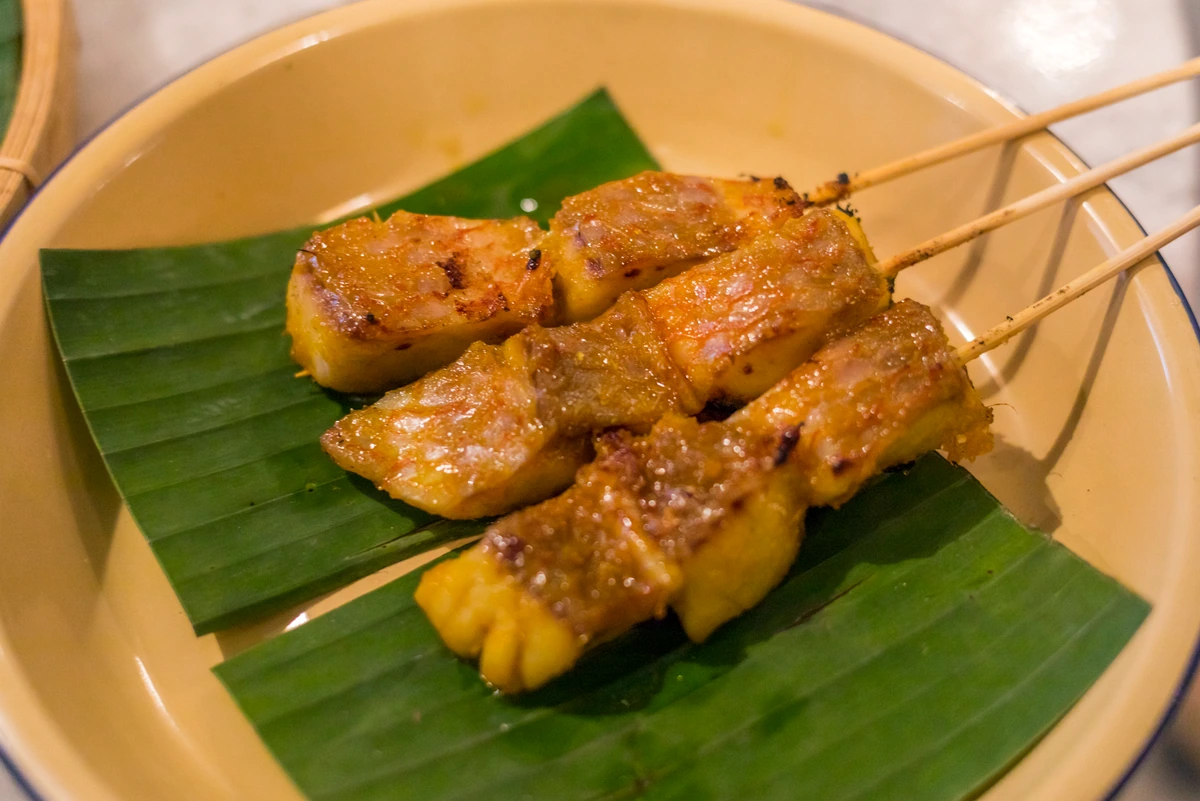
Drifting on wisps of blue smoke rising from glowing charcoal braziers is the irresistible allure of Satay Kajang, the celebrated skewered grilled meat originating from the neighboring town of Kajang that has become an indispensable culinary staple of Putrajaya. Tender cuts of beef, succulent chicken, or richly flavored lamb are marinated for hours in freshly pounded lemongrass, turmeric, coriander seeds, and shallots before being seared over mangrove charcoal. The crowning touch is a thick, velvety peanut sauce simmered with spicy chili sambal and crimson chili oil, served alongside pristine cubes of compressed ketupat rice wrapped in woven coconut leaves, plus crisp slices of raw cucumber and onion to refresh the palate.
The depth of the region’s culinary heritage is further illustrated through a nuanced dialogue between two celebrated Laksa traditions: the bright, tangy Laksa Penang and the regal Laksa Johor. While Laksa Penang captivates the palate with a tart, spicy broth crafted from poached mackerel and wild tamarind (asam gelugur), garnished with finely shredded torch ginger flower, mint leaves, and pungent ginger buds, Laksa Johor carries a distinctive royal court pedigree—pairing Western spaghetti noodles with a rich, velvety coconut-milk seafood gravy. Each steaming bowl arrives fragrant with native herbs, ready for a squeeze of juicy calamansi lime to unlock layer upon layer of coastal and countryside flavor.
Crowning the Putrajaya dining experience is the theatrical street-food ritual of Teh Tarik paired with Roti Canai. In the practiced hands of local tea masters, robust brewed black tea blended with sweet condensed milk is rhythmically “pulled” back and forth between two stainless-steel mugs from impressive heights, whipping up a billowy, cloud-like froth atop the shimmering glass. Sipping the piping-hot, creamy tea while tearing into a freshly griddled, golden Roti Canai—flaky and crisp on the outside, soft, chewy, and fragrant with ghee inside—and dipping it generously into smooth lentil dhal curry while gazing at the illuminated mosque across the breezy lakeside captures the sweetest moment of a southern Malaysian evening.
Exploring the federal administrative capital of Putrajaya and visiting the architectural masterpiece of the Pink Putra Mosque offers a deeply rewarding cultural journey, one best navigated with an understanding of local religious rhythms and Malaysia’s modern transit network. Strategically positioned along the multimedia development corridor south of the capital, this urban complex enjoys remarkable connectivity. From the central hub of KL Sentral or from either international terminal, KLIA and KLIA2, travelers can board the high-speed KLIA Transit rail line straight to Putrajaya Sentral station in a smooth fifteen- to twenty-minute ride. Stepping off the platform, eco-friendly compressed-natural-gas NadiPutra public buses or ride-hailing cars carry visitors along nearly seven kilometers of tree-lined avenues directly to Dataran Putra Square. For those traveling by private car or self-drive rental, two major arterial highways—the Maju Expressway (MEX) and the North-South Expressway (PLUS)—offer seamless access, taking roughly thirty to forty-five minutes past rolling hills carpeted in palm groves.
Because Putra Mosque serves first and foremost as a sacred house of worship for the Muslim community alongside welcoming sightseers, it observes strict visiting hours for non-Muslim visitors. From Saturday through Thursday, the mosque opens its doors during three set windows each day: mornings from 9:00 AM to 12:30 PM, afternoons from 2:00 PM to 4:00 PM, and early evenings from 5:30 PM to 6:00 PM. On Fridays—which hold supreme sacred significance in the Islamic calendar—the entire interior sanctuary remains closed throughout the morning and early afternoon for the congregational Friday prayer (Solat Jumaat), welcoming visitors only from 3:00 PM to 5:30 PM. Admission is completely free of charge to admire this granite architectural marvel; however, planning your itinerary around the intervals between daily prayer times ensures a smooth visit without disappointment when the sanctuary pauses public entry for solemn worship.
Respecting local etiquette is the key to genuine cultural exchange within the sacred precincts of the mosque. Right at the steps leading to the main entrance, the visitor registration desk provides complimentary full-length robes (jubah) in dignified maroon or ash-gray tones, complete with attached headscarves (tudung) for women and modest coverage extending from the shoulders past the knees for men. All shoes and heels must be removed and neatly placed on wooden racks before stepping barefoot onto the cool marble floors of the arched colonnades. Upon entering the main prayer hall—capable of holding up to fifteen thousand worshippers—visitors must maintain quiet reverence, refrain from stepping onto the red Persian-patterned carpets reserved exclusively for prayer, and never walk directly in front of anyone bowed in devotion.
To round out an inspiring day in the garden city of Putrajaya, a traditional wooden boat cruise across the 650-hectare man-made lake of Tasik Putrajaya is an unmissable highlight. From a vantage point gliding gently across the water, the blush-pink domes of the mosque, the stately silhouette of the Perdana Putra Prime Minister’s Office, and dramatic spans such as the Seri Wawasan cable-stayed bridge and the Persian-inspired Putra Bridge unfold in panoramic splendor. Afterward, visitors can stroll down to the Selera Putra waterfront dining complex tucked along the lower promenade to enjoy iconic Malay favorites—pandan-scented Nasi Lemak, rich Laksa noodle soup, and frothy Teh Tarik—at remarkably wallet-friendly prices.
The seamless blend of forward-looking urban planning and the serene, sacred majesty of Putra Mosque makes Putrajaya an indispensable highlight on any journey across the Malay Peninsula. To experience every moment of this architectural wonder accompanied by insightful commentary from cultural specialists, travelers can choose an all-inclusive Singapore – Malaysia cross-border tour package for seamless service and unforgettable memories.