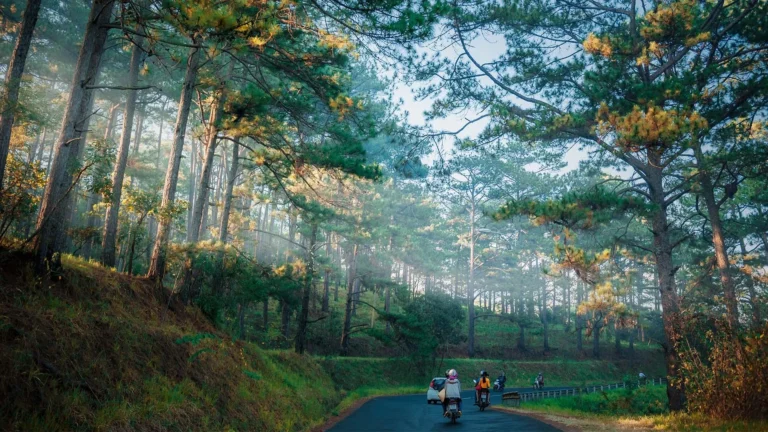
Nestled beside the serene Li River amid the towering limestone karst peaks of Yangshuo County in Guilin, West Street (Xi Jie) unfolds like an open historical chronicle woven into modern reality. Far more than a lively nightlife hub once sunset falls, this ancient lane has weathered more than a millennium and a half of transformation alongside the rise and fall of imperial Chinese dynasties. Originating as a narrow trading footpath when the county was first established, West Street evolved step by step across moss-draped centuries into a one-of-a-kind cultural bridge linking Lingnan riverine civilization with travelers from every continent around the globe.
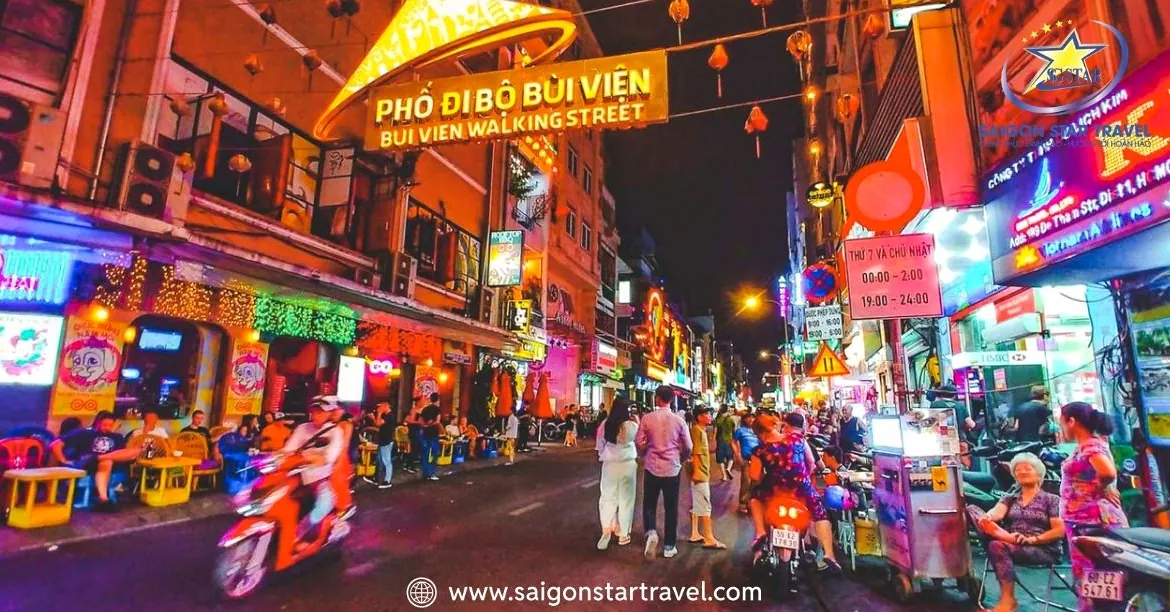
Nightfall unveils a dazzling West Street panorama where bluestone granite paving slabs mirror thousands of shimmering lights. Rows of historic buildings flanking both sides showcase classic Lingnan architecture—curved yin-yang tiled eaves and weathered gray lime-washed walls punctuated by colorful bilingual signage. Strings of traditional red silk lanterns sway beneath wooden eaves, blending harmoniously with modern neon glow from European-style bars and cozy cafes. Strolling crowds fill the warm evening air, composing a vibrant tableau uniting time-honored serenity with contemporary cosmopolitan energy.
Turning back the pages of ancient local gazetteers, West Street’s origins trace directly to the administrative founding of the county during the Sui Dynasty. In the tenth year of the Kaihuang era (590 CE), Emperor Wen of Sui (Yang Jian) issued an imperial decree redrawing county boundaries, relocating the county seat to present-day Yangshuo, and erecting defensive ramparts. The thoroughfare running along the western side of the walled town began taking shape at that time—initially spanning only a few hundred paces to serve soldiers and villagers traveling down to the river pier. Across the Tang and Song dynasties, Yangshuo’s pier grew into a vital transit hub along the waterway linking the Guijiang and Li rivers. The street was widened to over five hundred meters in length and roughly eight meters in width, paved smoothly with pale gray marble-veined granite slabs engineered to bear horse-drawn carts hauling grain and tea while preventing alluvial erosion during summer floods.
Entering the Ming and Qing dynasties, West Street’s prominence deepened as waves of merchants arrived from Guangdong and Jiangxi to trade silk, medicinal herbs, and fine porcelain. Beyond commerce, the street bears the indelible footsteps of renowned statesmen and celebrated artists. In the autumn of 1921, revolutionary leader Sun Yat-sen stopped in Yangshuo during his northern expedition, using a guildhall along this historic lane to confer on state affairs and deliver speeches inspiring national renewal. During the 1930s and 1940s, master painter Xu Beihong—captivated by the poetic scenery of the Li River—took up residence here. Beneath the ancient tiled roofs of West Street, he synthesized Western artistic principles with classical Chinese ink-wash brushwork, creating immortal masterpieces capturing misty karst landscapes.
The sweeping shifts of the late twentieth century sparked a remarkable turning point that transformed a remote frontier lane into a global crossroads. As China opened to international travelers, early waves of Western backpackers following the Li River were enchanted by the untamed beauty of limestone peaks cradling a tranquil ancient street. International visitors arrived in growing numbers to rock-climb, cycle, and immerse themselves in rural life—prompting local residents to adapt swiftly by opening teahouses, pizzerias, cafes, and learning foreign languages. Thus were born the affectionate nicknames “Foreigners’ Street” and “Global Village,” celebrating an extraordinary cultural fusion where indigo-clad local elders sip osmanthus tea serenely beside travelers from around the world conversing beneath moonlit karst spires.
Situated at the heart of Yangshuo County, West Street commands a distinctive geographical setting born from the interplay of classic karst formations and gentle river currents. Viewed from above, the historic town rests firmly at the foot of towering Bilian Peak (“Green Lotus Peak”), which stands like an emerald limestone screen shielding its rear while its front slopes gently toward the tranquil Li River. In traditional East Asian geomancy, this “backed by mountains, facing water” posture forms an ideal site for gathering auspicious energy and sheltering wind—where alluvial currents and mountain vitality have converged over millions of years of geological evolution, blessing the old street with a mild year-round climate and enduring commercial vigor.
As sunset fades, West Street presents a striking visual tableau where solemn yin-yang tiled roofs mirror themselves beneath sheer karst pinnacles piercing the sky. The gently curving main promenade is paved entirely with Yangshuo’s signature dark marble, worn mirror-smooth over centuries of footsteps to reflect red lanterns and vibrant neon signs from roadside venues. The sharp contrast between silent, thousand-year-old limestone cliffs and lively nocturnal street energy creates a rare urban corridor at once dignified and brimming with contemporary life.
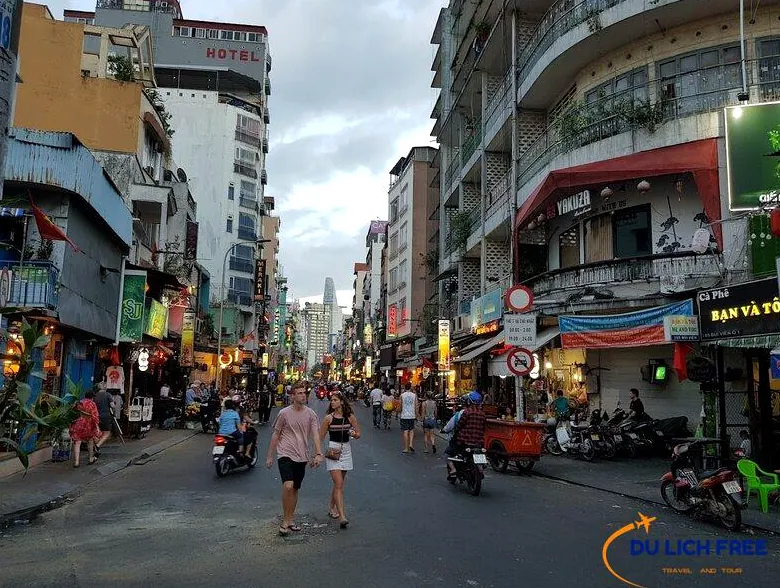
In terms of spatial planning, the main street—stretching over eight hundred meters—avoids the rigid straight lines of northern imperial capitals, following instead the natural contours of mountain slopes and drainage channels feeding into the Li River. Forming a graceful S-curve averaging eight meters wide, the thoroughfare branches off into a spiderweb of side alleys leading deep into traditional residential neighborhoods. Following the natural gradient of the karst basin provides flawless natural drainage that prevents flooding even during peak monsoon rains, while creating continuously shifting visual perspectives that reveal fresh surprises around every bend.
Abundant groundwater and refreshing moisture drifting off the Li River into the limestone valley nourish lush native greenery framing the edges of the old town. Clumps of thorny bamboo and ancient vines drape down sheer rock walls directly behind wooden eaves, mingling with gossamer mist descending at nightfall to keep West Street cool and refreshing—far removed from the stifling heat of concrete metropolises. Thoughtful planning rooted in Sui- and Tang-era reverence for mountain and water contours has preserved this emerald landscape intact across centuries.
Nestled at the base of majestic Bilian Peak and sloping gently toward the calm Li River, West Street’s spatial axis spans nearly one thousand meters in length and roughly eight meters in width, curving in a natural S-shape like a silk ribbon draped through Yangshuo Town. Its overall plan preserves the classic fishbone street layout typical of historic Lingnan towns, where the main commercial artery connects with dozens of interlocking cross-alleys leading out to historic boat landings and surrounding karst valleys. This layout reflects masterful ancestral adaptation to the subtropical monsoon climate and karst terrain—channeling cool river breezes through town to dispel summer heat while cultivating an auspicious environment of converging water and prosperity.
The enduring aesthetic soul of West Street lies in its high concentration of traditional Ming- and Qing-era northern Guilin vernacular architecture. Lining both sides of the street, solemn two- and three-story historic buildings feature hand-fired ash-gray brick walls and moss-kissed black yin-yang tiled roofs. Upturned roof corners are crowned with distinctive stepped fire-blocking gable walls known as “horse-head walls” (matouqiang)—architectural elements designed both to prevent fire from spreading across dense merchant quarters and to symbolize aspirations for upward success. Load-bearing frames crafted from aged local fir rely on intricate mortise-and-tenon joinery without iron nails, while lattice window panels and veranda railings showcase finely carved auspicious motifs of dragons emerging from lotuses, scrolling clouds, and traditional Eight Treasures.
Stepping along the street feels like walking across layered strata of history paved entirely in local bluestone slabs. Tens of thousands of ash-gray granite blocks dating back to the Sui and Tang dynasties were hand-dressed, laid in tight interlocking patterns, and polished mirror-smooth over centuries by travelers from near and far. Illuminated after dusk by hundreds of red silk lanterns and colorful Western-style neon lights, these gleaming stones reflect kaleidoscopic colors like a river of light guiding footsteps through a thriving cultural hub at the heart of a World Natural Heritage landscape.
To sustain its vibrant energy and transform a historic river port into a dazzling nocturnal cultural destination, major urban conservation initiatives backed by hundreds of millions of RMB have been carried out under strict heritage guidelines. All electrical wiring, telecommunications cables, and modern drainage pipes were buried deep beneath the bluestone pavement to restore unobstructed views of historic rooflines against the sky. While reinforcing load-bearing masonry using traditional methods, shopfronts follow unified conservation standards while welcoming tasteful cross-cultural touches—wooden balconies overflowing with Mediterranean bougainvillea, French-style arched glass windows, and rustic stone-clad open-air bars woven seamlessly into Lingnan facades, turning West Street into a living museum of East-West dialogue.
As night falls and shadows cloak the towering karst peaks encircling Yangshuo Valley, West Street sheds its thousand-year daytime quiet to don a radiant cloak of multicolored light. Along the dark bluestone avenue, clusters of crimson traditional lanterns and golden silk lamps hang beneath curved Ming- and Qing-era eaves, casting warm vitality over bustling crowds. Soft glow spilling from rustic bars mingles with the tranquil darkness of Guilin’s mountains and waters, creating a captivating visual dialogue where ancient heritage meets contemporary pulse.
Architectural lighting along West Street goes far beyond commercial illumination; it is curated as an artistic tribute honoring more than 1,400 years of history dating back to the Sui Dynasty. Nearly eight hundred meters of foot-polished bluestone turn into a shimmering mirror reflecting concealed uplighting tucked beneath gray brick eaves. Nighttime air fills with multisensory delights as the rich aroma of traditional beer fish and delicate osmanthus tea mingles with live acoustic guitar drifting from open-window taverns overlooking the old lane.
The crowning pinnacle of nocturnal visual artistry in the region lies in the seamless connection between West Street and the monumental live-action spectacle Impression Liu Sanjie. Directed by acclaimed filmmaker Zhang Yimou and his creative team, a two-kilometer stretch of the Li River framed by twelve soaring karst peaks becomes one of the world’s grandest natural theaters. Hundreds of local fishermen aboard slender bamboo rafts, illuminated by powerful spotlights piercing drifting river mist, bring to life the legend of folk songstress Liu Sanjie and the rice-farming heritage of the Zhuang, Miao, and Yao peoples. Flickering torches across dark waters, sweeping crimson silk ribbons, and crystal-clear folk harmonies transform the river into an unforgettable living canvas.
Once the open-air show concludes, crowds flow back into the heart of West Street as nightlife reaches its peak well past midnight. The cosmopolitan spirit of this “Global Village” shines in its effortless juxtaposition of worlds: quiet traditional tea tables where elders discuss calligraphy sit steps away from lively Western-style bars echoing with clinking glasses from travelers worldwide. Soft neon glow illuminates shops displaying handwoven brocade and highlights the gentle smile of an elderly artisan hand-carving bamboo paper fans—uniting majestic natural heritage, world-class performing arts, and vibrant street life in an endless East-West celebration.
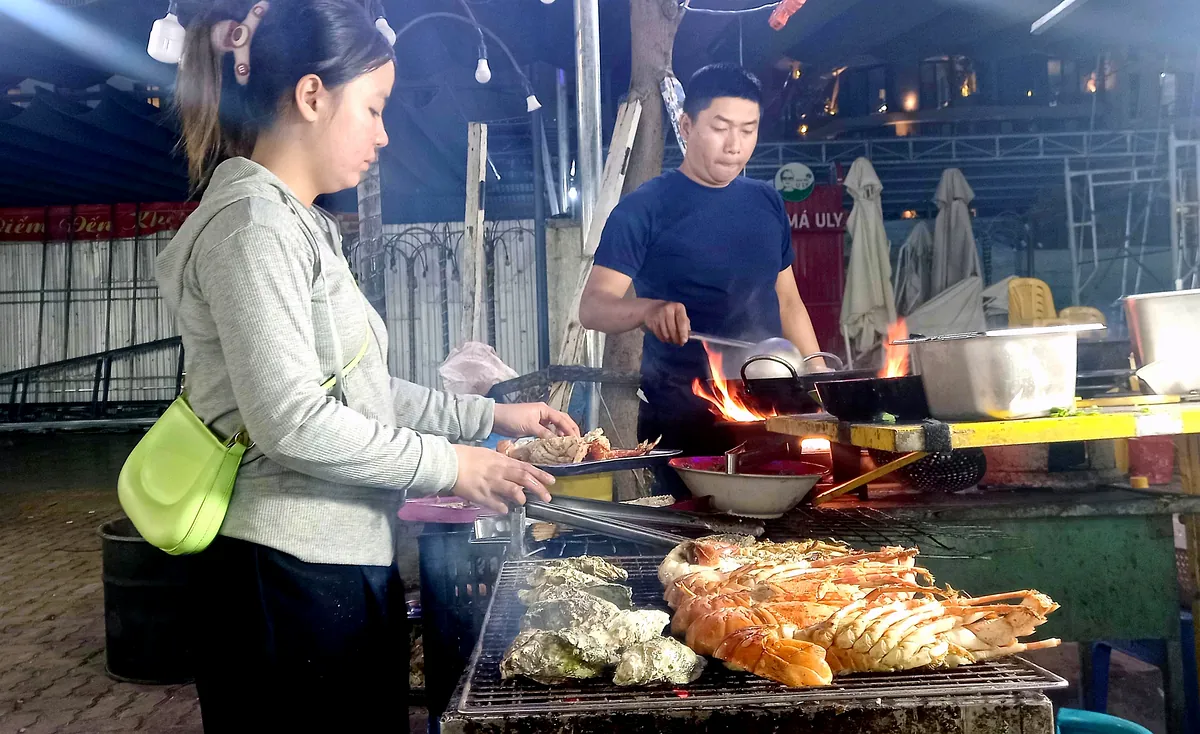
As darkness settles over the karst peaks mirrored in the Li River, West Street enters its most vibrant hour through the lens of regional gastronomy. Dining here is far more than flavor and color—it embodies centuries of culinary exchange blending Lingnan court traditions with indigenous Zhuang and Miao mountain cooking alongside bold Western influences. Fragrant steam rising from glowing cast-iron woks, sizzling fresh chilies, malty local draft beer, and colorful historic storefronts transform the bluestone avenue into a boundless nocturnal food paradise.
After dark, West Street unfolds like a lively multicolored tableau where warm red lantern signs shimmer across dew-dampened bluestone pavers. Lining both sides of the old lane, travelers from around the world gather around rustic wooden tables to watch chefs deftly toss flaming woks over roaring burners. Bubbling clay pots of beer fish, glossy plates of savory stuffed river snails, and bamboo steamers fragrant with taro and osmanthus fill the evening air with irresistible energy awakening every sense.
At the very top of West Street’s culinary pantheon stands the legendary Yangshuo Beer Fish. Born among local river fishermen and perfected into an heirloom specialty by celebrated culinary masters such as Xie Dajie and Master Xie Sanjie, the secret of Beer Fish lies in fresh carp netted straight from the clear waters of the Li River—left unscaled and flash-fried in bubbling oil until its scales turn shatteringly crisp and golden. The fish is then simmered with chilled local draft beer, ripe tomatoes, green bell peppers, sliced ginger, and crushed garlic cloves. High-heat evaporation removes every trace of river earthiness, leaving the flesh silky and sweet beneath crispy scales coated in a rich, tangy, mildly spicy sauce.
Alongside Beer Fish, the depth of local folk gastronomy shines in “Yangshuo Eighteen Stuffed Delicacies”—eighteen signature stuffed dishes perfected by mountain cooks. Foremost among them is Stuffed River Snails (Tianluo Niang), a dish demanding extraordinary culinary patience. Plump giant river snails are carefully extracted from their shells, finely minced with pork shoulder, wood ear mushrooms, shiitake, and essential refreshing wild mint leaves, then packed back into their shells and slow-braised in star-anise and cassia-infused bone broth. Crunchy snail texture, rich savory pork, and bright cooling mint deliver a vibrant burst of flavor at once warming and remarkably balanced.
Venturing deeper into the old town late at night reveals quieter, refined culinary pleasures. Visitors can slip into an intimate tavern for a bowl of traditional Guilin snail rice noodles—springy fresh rice noodles bathed in bone broth simmered for dozens of hours and topped with crispy-skinned roasted pork belly and fiery pickled bamboo shoots. To close out a nocturnal food tour of West Street, a cup of golden osmanthus tea or a small jug of artisanal osmanthus sweet rice wine provides the perfect finale—leaving lingering floral sweetness and gentle warmth capturing the timeless charm of this karst paradise.
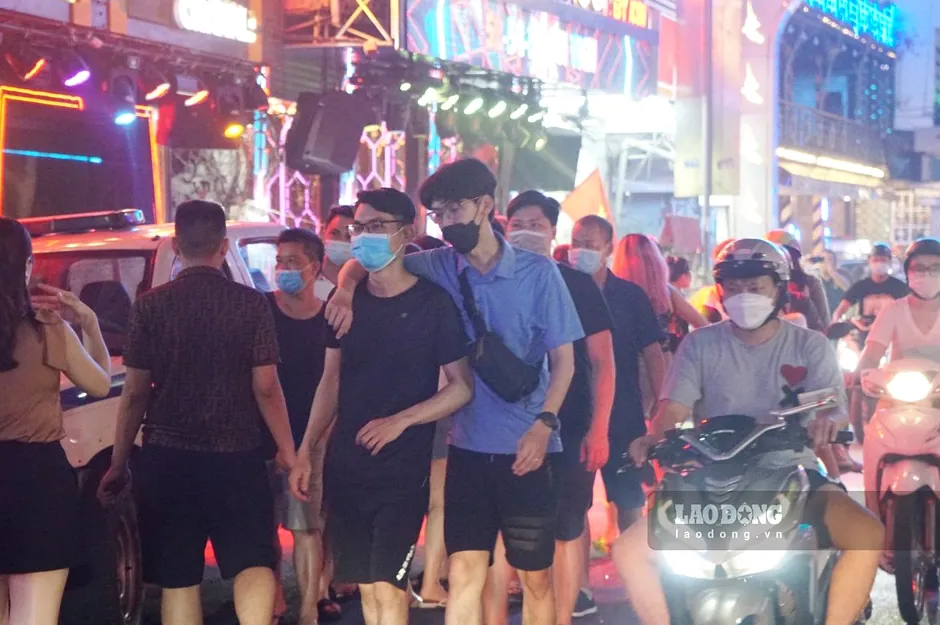
Once twilight cloaks the towering limestone peaks in shadow, West Street transforms completely beneath ribbons of multicolored light. Rows of crimson silk lanterns and modern neon signs cast warm amber reflections across bluestone granite worn smooth over centuries. The street radiates contemporary vitality as travelers from every corner stroll past live acoustic music, malty aromas of Guilin beer fish, and cheerful conversation powering the endless pulse of a thousand-year-old town.
Regarding operating hours, West Street’s pedestrian promenade remains open 24 hours a day free of charge, though street energy peaks dramatically between 6:00 PM and 2:00 AM. By day, the lane exudes scholarly calm with traditional teahouses, stone-rubbing art galleries, and rustic brocade shops; once dusk arrives, bohemian pubs, folk music lounges, and open-air beer gardens light up in unison. Travelers seeking peaceful photography of Ming- and Qing-era architecture should visit between 8:00 AM and 10:00 AM, while night owls drawn to lively East-West nightlife will love the electric atmosphere after 8:00 PM.
Reaching Yangshuo is effortless thanks to well-integrated modern regional transit. If arriving by high-speed rail, Yangshuo Station in Xingping Town serves as the primary hub, from which dedicated shuttle buses or taxis reach West Street’s entrance in roughly forty-five minutes. For travelers enchanted by karst river scenery, boarding a four-star cruise down the Li River from Mopanshan or Zhujiang Pier in downtown Guilin delivers passengers straight to Yangshuo Pier just steps from the old street. Once in town, renting a bicycle, electric scooter, or strolling along the Yulong River provides the finest way to explore historic lanes without local traffic congestion.
For border formalities and accommodation, international visitors must arrange an individual tourist visa or group port visa prior to departure. Crossing overland via Huu Nghi Quan International Border Gate in Lang Son via Pingxiang and Nanning, or flying directly into Guilin Liangjiang International Airport, offer the fastest routes. When checking into hotels or local guesthouses around West Street, local regulations require registration at reception using an original passport valid for at least six months. Chinese customs enforces strict baggage screening, and flying drones requires advance official registration and flight clearance.
To make your visit to West Street as smooth and enjoyable as possible, keep several practical field tips in mind. Setting up mobile payment apps such as Alipay or WeChat Pay linked to international bank cards before arrival is essential, as nearly all street stalls and souvenir shops operate cashlessly. An international roaming data SIM or reliable VPN ensures uninterrupted connectivity. For peaceful sleep after lively nights out, consider booking a riverside boutique homestay along the Yulong River one to two kilometers from West Street rather than directly on the bustling main strip. Travelers wishing to enjoy scenic karst landscapes and vibrant nightlife without worrying about transfers or logistics can book a curated all-inclusive China tour package for a completely effortless and memorable journey.